Texas is huge, and even lifelong residents haven’t explored every corner of the Lone Star State. Beyond the usual tourist spots lie hidden treasures that feel like stepping into another world—mysterious castles, secret swimming holes, and landscapes so stunning they don’t seem real. These nine enchanting places are scattered across Texas, waiting for curious travelers who want to see something truly different.
1. The Castle at Rockwall
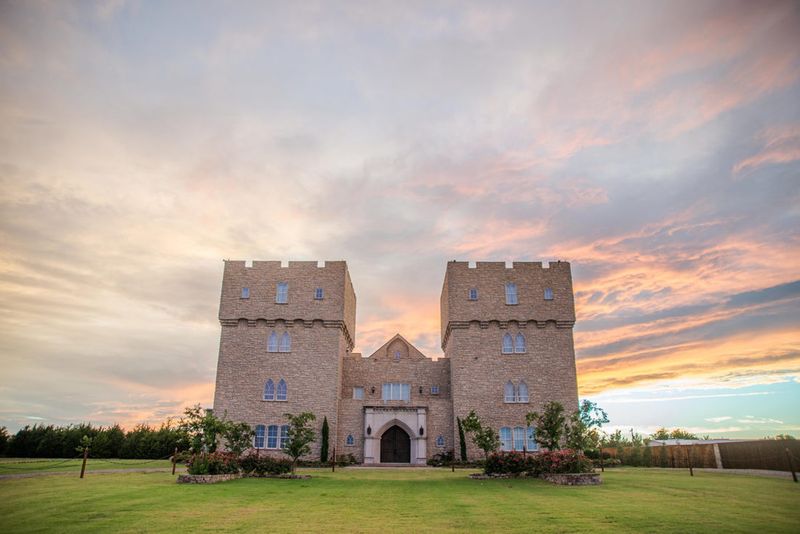
Construction workers in the 1850s hit something weird while digging a well near Rockwall. What they found looked like massive stone walls buried deep underground, forming what appeared to be rooms or chambers. Nobody knows who built it or when, and geologists still argue whether it’s a natural rock formation or something made by human hands centuries ago.
The mystery deepens because the stone doesn’t match anything else in the area. Some folks think it could be remnants of an ancient civilization that lived in Texas long before recorded history. Others insist it’s just unusual geology that happens to look like walls and corners.
You can’t tour the actual underground structure since it’s mostly still buried, but the town built a replica above ground so visitors can get a sense of what workers discovered. Rockwall actually named itself after this strange find, making it the only Texas county named for a geological mystery.
The whole thing feels like something from an adventure novel. Walking around the replica, you can’t help but wonder what’s still down there, hidden beneath modern buildings and streets. Local historians have theories ranging from prehistoric Native American construction to natural sandstone formations shaped by ancient rivers.
Whether you believe it’s man-made or natural, the Castle at Rockwall represents one of Texas’s most intriguing unsolved puzzles. It’s a quick stop that’ll have you researching theories on your phone for hours afterward. The mystery alone makes it worth the visit, especially if you love places that don’t have easy answers.
2. Newman’s Castle
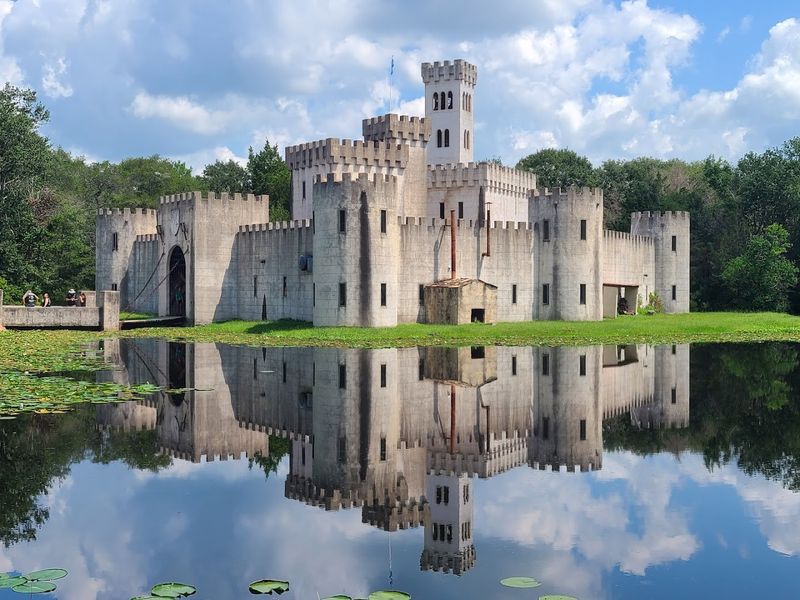
Mike Newman spent decades baking bread before retirement, then decided to build a castle by hand in his Bellville backyard. Using rocks, bottles, scrap metal, and whatever materials he could find, he constructed towers, turrets, and walls that look like they belong in a fairy tale. The whole structure reflects pure creative joy without any formal architectural training.
Every inch tells a story. Newman embedded thousands of objects into the concrete—old tools, toys, license plates, and decorative pieces that catch sunlight and create constantly changing patterns. Walking through feels like exploring someone’s wildest daydream brought to life through sheer determination and imagination.
The castle isn’t massive, but it’s packed with personality. Narrow staircases wind upward, small rooms hide unexpected details, and every surface has something interesting to examine. Newman worked on it for years, adding new sections and decorations as inspiration struck him.
Sadly, Mike Newman passed away, but his family has worked to preserve his creation. Visiting requires checking ahead since access depends on family availability and weather conditions. When you do get inside, you’ll understand why folk art enthusiasts consider it a Texas treasure.
This isn’t polished or professional—it’s raw creativity made permanent. The castle represents what happens when someone follows their vision without worrying about rules or expectations. Kids especially love climbing around and discovering hidden details their parents miss.
Newman’s Castle proves you don’t need millions of dollars or fancy materials to create something magical. Sometimes the most enchanting places come from one person’s refusal to let retirement be boring. It’s weird, wonderful, and completely unique to Texas.
3. Hamilton Pool Preserve
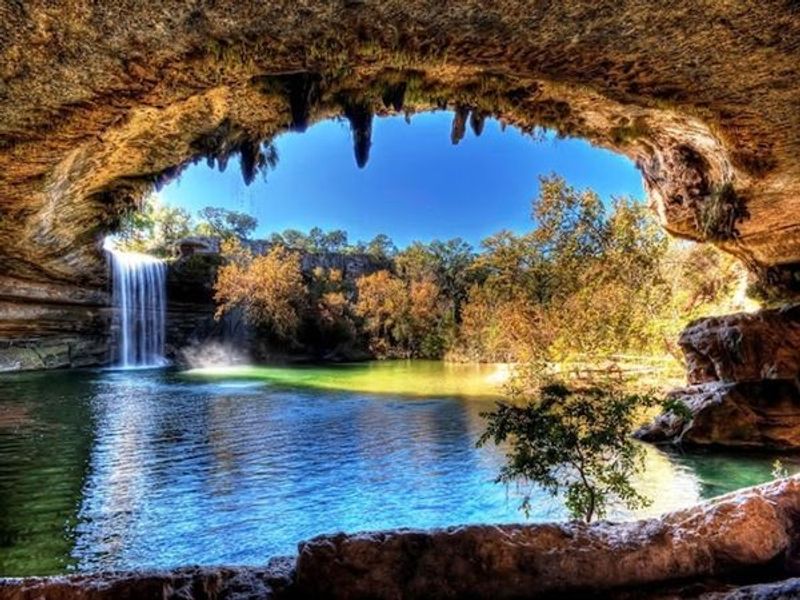
Thousands of years ago, an underground river dome collapsed, creating what might be the most beautiful swimming hole in Texas. Hamilton Pool sits inside a limestone grotto where a 50-foot waterfall spills over the edge into jade-green water below. Ferns and moss cling to the curved walls, making it feel like a lost world.
The pool stays cool year-round since it’s partially shaded by the overhanging rock ceiling. Sunlight filters through the opening above, creating shifting light patterns on the water that change throughout the day. During spring, the waterfall runs strong from rain, while summer might reduce it to a trickle depending on rainfall.
Swimming is allowed when bacteria levels are safe, but the preserve tests water regularly and posts updates online. Even when swimming’s closed, the hike down to view the pool is absolutely worth it. The trail winds through Hill Country landscape before descending into the grotto where temperatures drop noticeably.
Reservations are required now because Hamilton Pool became too popular for its own good. The fragile ecosystem couldn’t handle unlimited visitors, so Travis County implemented a reservation system to protect it. Book online well ahead, especially for summer weekends when slots fill up weeks in advance.
Bring water shoes since the rocks around the pool can be slippery and sharp. The hike isn’t long, but it includes stairs and uneven terrain that might challenge small kids or anyone with mobility issues. Photography here is incredible—the natural rock formations and waterfall create stunning backdrops.
This preserve shows what Texas looked like before development, a glimpse of wild beauty that’s increasingly rare. It’s no wonder most Texans have never been—getting a reservation takes planning and a bit of luck.
4. Stonehenge II
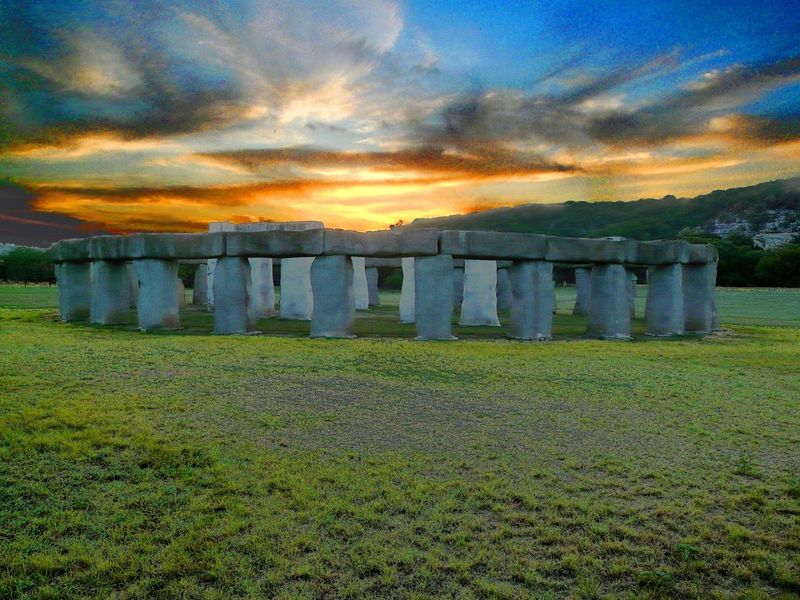
Rancher Al Shepperd decided the Texas Hill Country needed its own Stonehenge, so he built one. Using steel, plaster, and limestone, he recreated the famous English monument at about 90% scale on his property near Ingram. Then, because why stop there, he added two Easter Island moai statues for good measure.
The result is wonderfully bizarre. Ancient-looking standing stones rise from Texas grassland, arranged in the same circular pattern as the original. Shepperd studied the real Stonehenge carefully to get proportions and positioning right, creating a surprisingly accurate replica considering he built it basically as a retirement project.
After Shepperd passed away, the original Stonehenge II was dismantled and moved to a new location at Hill Country Arts Foundation. The new site makes it easier to visit and photograph without trespassing on private land. You can walk right up to the stones, touch them, and take all the silly pictures you want.
It’s completely free and open during daylight hours. Families come for picnics, photographers arrive at sunset for dramatic lighting, and everyone leaves wondering why this exists. The answer is simple—because someone thought it would be cool, and in Texas, that’s reason enough.
The moai statues add an extra layer of surrealism. They stand guard near the stone circle, their solemn faces watching over the Hill Country. Nothing about this makes historical or geographical sense, which is exactly what makes it charming.
Stonehenge II represents Texas creativity at its finest—taking something famous from somewhere else and making it bigger, weirder, and more fun. It’s the kind of roadside attraction that reminds you not to take life too seriously. Plus, where else can you visit both Stonehenge and Easter Island in one afternoon?
5. Caddo Lake State Park
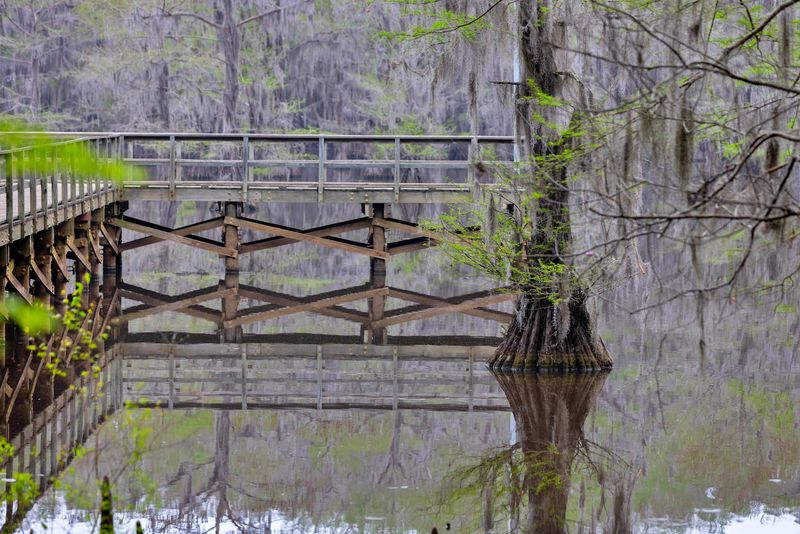
Caddo Lake doesn’t look like Texas. Bald cypress trees rise straight from dark water, their trunks draped in Spanish moss that hangs like curtains. Narrow channels wind through the forest, creating a maze of waterways that feel more like Louisiana bayou than the Lone Star State.
This is Texas’s only naturally formed lake, though a dam later raised water levels. The ecosystem supports alligators, rare birds, and countless fish species that thrive in the complex habitat. Paddling here means navigating between massive tree trunks while watching for wildlife around every bend.
Early morning is magical when mist rises from the water and everything goes quiet except for bird calls. Renting a kayak or canoe lets you explore the maze at your own pace, though first-timers should stay near marked trails to avoid getting lost. Seriously—people have paddled in circles for hours in the unmarked areas.
The lake sits right on the Texas-Louisiana border in the far northeast corner of the state. Most Texans never make it to this region, which explains why Caddo Lake remains relatively unknown despite being one of the state’s most unique natural areas. It’s a long drive from major cities, but that isolation preserves its mysterious character.
Fishing is excellent if you know what you’re doing. Largemouth bass hide among the cypress knees, and crappie fishing draws serious anglers who understand the lake’s quirks. The state park offers cabins and campsites if you want to stay overnight and experience sunset on the water.
Photography opportunities are endless. The twisted cypress trees, Spanish moss, and reflective water create compositions that don’t need filters or editing. It’s hauntingly beautiful in a way that surprises people who think Texas is all deserts and prairies.
6. Palo Duro Canyon State Park
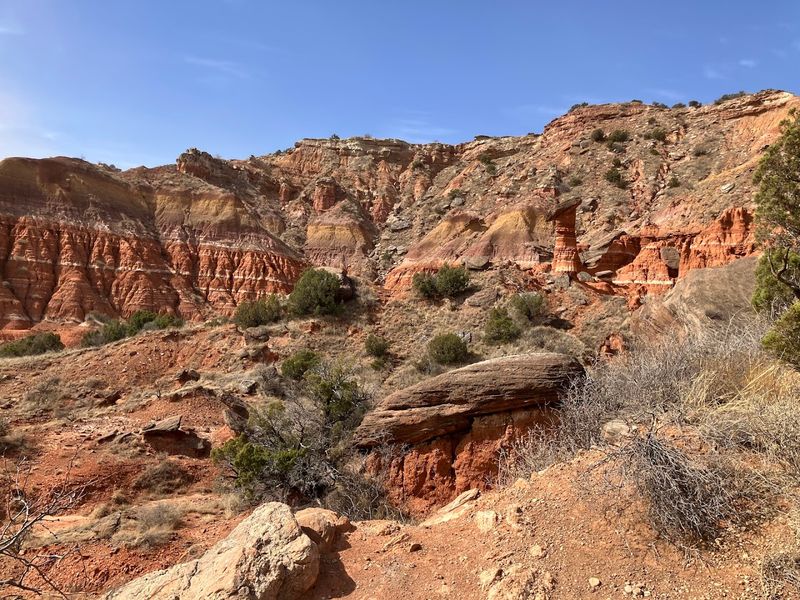
Texas has a Grand Canyon, and most Texans don’t even know it exists. Palo Duro Canyon stretches 120 miles long and drops 800 feet deep, carved by the Prairie Dog Town Fork of the Red River over millions of years. The layered rock walls glow in shades of red, orange, and yellow that shift with the sun’s angle.
Located in the Panhandle near Amarillo, it’s the second-largest canyon in the United States. Yet it gets a fraction of the visitors that Arizona’s Grand Canyon receives, which means you can hike, bike, or horseback ride without fighting crowds. The canyon floor offers 30 miles of trails ranging from easy walks to challenging climbs.
The Lighthouse Trail is the park’s most famous hike, leading to a distinctive rock formation that rises like a beacon from the canyon floor. It’s a six-mile round trip with significant elevation gain, but reaching the Lighthouse feels like discovering something ancient and sacred. Sunrise and sunset turn the rocks into a light show of changing colors.
Summer gets brutally hot since the Panhandle doesn’t mess around with temperatures. Spring and fall offer better hiking weather, though you’ll want to check for flash flood warnings during rainy periods. The canyon can fill with water surprisingly fast when storms hit upstream.
Camping here puts you under some of the darkest skies in Texas. Light pollution is minimal this far from major cities, making stargazing incredible on clear nights. The outdoor musical drama “Texas” performs in the canyon during summer, telling the state’s story against the natural amphitheater walls.
Palo Duro proves Texas has dramatic landscapes beyond what most people imagine. It’s a geological wonder hiding in plain sight, waiting for curious travelers willing to venture beyond the usual destinations.
7. Jefferson
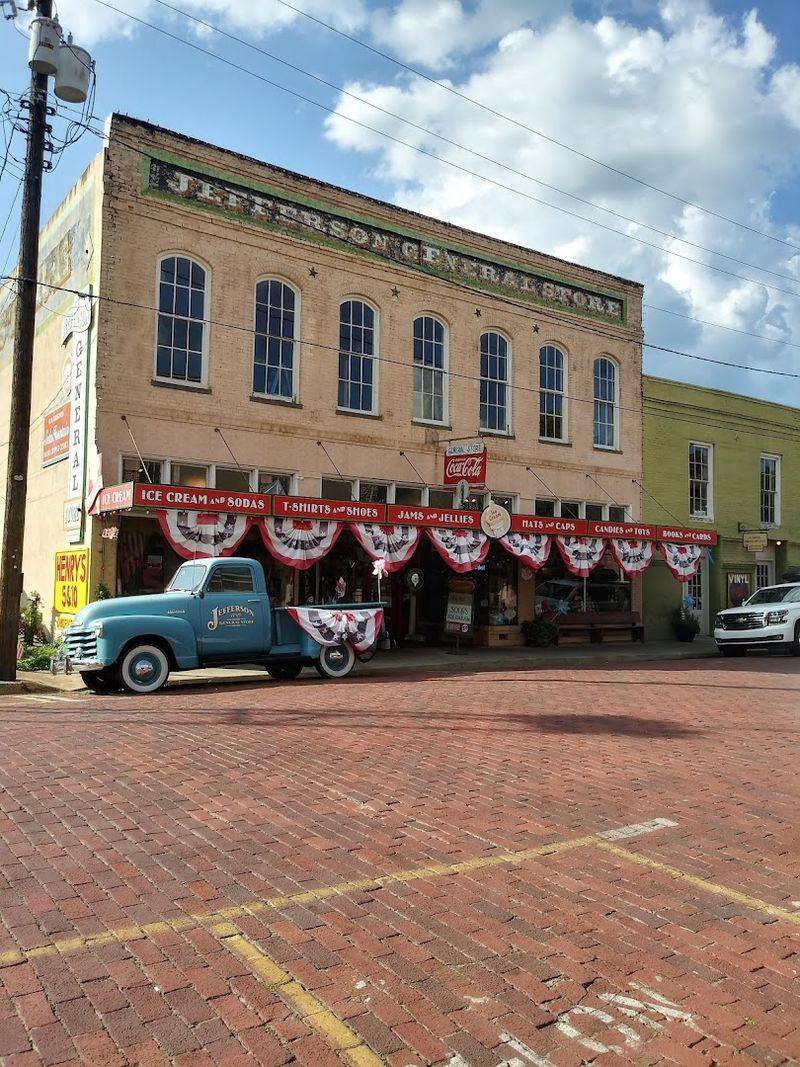
Jefferson was once the second-largest port in Texas, back when steamboats ruled commerce and the town bustled with riverboat traffic. Then the railroads came, the boats stopped coming, and Jefferson essentially froze in time. What remains is a perfectly preserved Victorian town that feels like stepping into the 1800s.
Historic buildings line the streets, many converted into antique shops, bed-and-breakfasts, and museums. The whole downtown is on the National Register of Historic Places, protecting the architecture that makes Jefferson special. Walking these streets, you half expect to see ladies in hoop skirts and gentlemen in top hats.
Ghost stories are huge here. Several hotels and historic homes claim active hauntings, and ghost tours run regularly for people who enjoy a good scare. Whether you believe in spirits or not, the old buildings definitely have atmosphere, especially at night when gas lamps cast shadows on brick walls.
The town hosts festivals year-round—Mardi Gras, Christmas candlelight tours, and historical reenactments that bring different eras to life. These events draw history buffs and families looking for something different than theme parks and shopping malls. Jefferson takes its heritage seriously while keeping things fun and accessible.
Big Cypress Bayou winds through town, offering boat tours that explain Jefferson’s steamboat history. Paddlewheel rides let you experience how travelers arrived in the town’s heyday, when this was a major hub for commerce and culture in East Texas.
Most Texans have never visited because Jefferson sits in the far northeast corner, away from interstate highways and major cities. That isolation preserved it but also keeps it off most people’s radar. If you love history, Victorian architecture, or small towns with big stories, Jefferson deserves a weekend visit.
8. Gruene Historic District
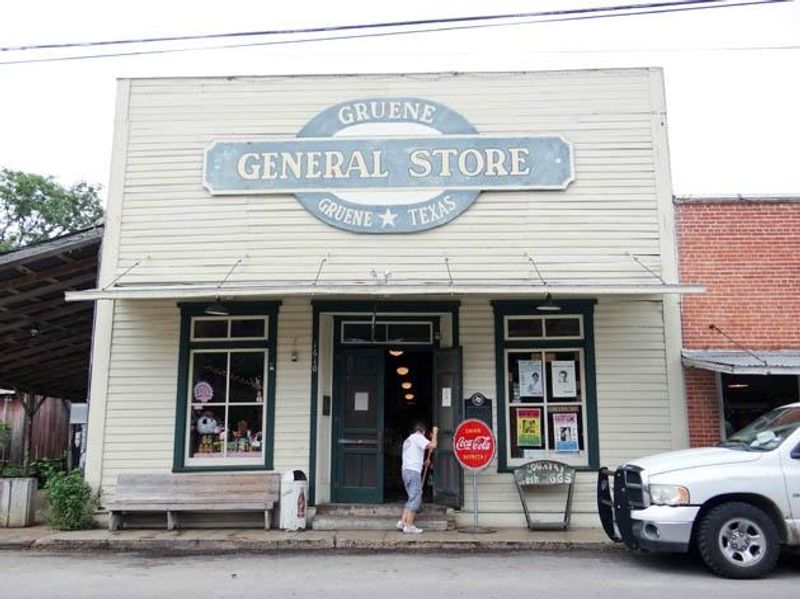
Gruene started as a farming community in the 1870s and basically stopped developing after the Depression hit. The result is a tiny historic district that preserved its original character—old buildings, dirt roads, and a genuine small-town Texas feel. It’s technically part of New Braunfels now, but Gruene maintains its distinct identity.
Gruene Hall is the crown jewel, Texas’s oldest continually operating dance hall. Built in 1878, it’s hosted everyone from local farmers to famous musicians over the decades. The wooden floor slopes from generations of dancing boots, and the tin ceiling echoes with live music most nights.
Big names still play here, drawn by the hall’s legendary acoustics and authentic atmosphere.
The Guadalupe River runs right past Gruene, making it popular for tubing during hot summer months. Several outfitters rent tubes and provide shuttles, letting you float lazy stretches of cool water while enjoying Hill Country scenery. After tubing, grab food at one of the district’s restaurants or browse antique shops housed in century-old buildings.
Weekends get crowded, especially when famous musicians perform at the hall. Weekdays offer a quieter experience where you can actually talk to shop owners and appreciate the architecture without dodging crowds. The whole district covers just a few blocks, making it easy to explore on foot.
Gruene represents Hill Country charm without the manufactured tourist-trap feel. Nothing here is fake or recreated—these are real historic buildings still serving their original purposes. The combination of music, river access, and preserved history creates something special that chain stores and modern development can’t replicate.
Many Texans have heard of Gruene Hall but never actually visited the district. It’s one of those places that’s simultaneously famous and overlooked, known by name but unexplored by most. That’s changing as more people discover what’s been hiding in plain sight along the Guadalupe.
9. Jacob’s Well Natural Area
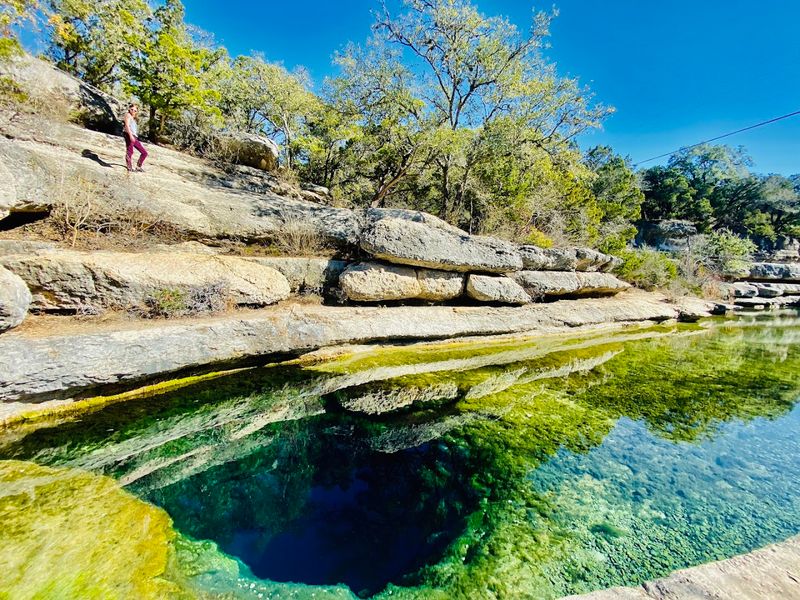
Tucked away in the Texas Hill Country, Jacob’s Well is a natural artesian spring that feels almost otherworldly. Crystal-clear water rises from a limestone opening, forming a pool so transparent you can peer straight down into the depths below. The shaft plunges vertically into an intricate underwater cave system—one that has proven dangerously deceptive for divers who’ve explored too far.
Swimming is allowed during designated times, though diving into the well itself is now prohibited after too many accidents. The water stays around 68 degrees year-round, refreshingly cool on hot Texas days. Families splash in the shallow areas while more adventurous swimmers enjoy the deeper sections around the spring’s mouth.
Reservations are absolutely required. Jacob’s Well became internet-famous, and thousands of people tried visiting before the preserve implemented controls. Now you must book a timed entry slot online, and they strictly limit daily visitors to protect the fragile spring ecosystem.
Slots fill up fast, especially for summer weekends.
The spring feeds Cypress Creek, which winds through the preserve and offers additional swimming spots. Hiking trails loop through the property, showing off Hill Country vegetation and wildlife. The whole preserve covers several hundred acres, though most visitors focus on the spring itself.
Geologists study Jacob’s Well because it’s one of the longest underwater caves in Texas, with explored passages extending thousands of feet. The cave system is extremely dangerous—narrow passages, silt-outs, and multiple chambers have trapped even experienced cave divers. Surface swimming is perfectly safe, but the depths remain off-limits.
This natural wonder sits just outside Wimberley, yet many Texans have never heard of it. Those who have often can’t get reservations, keeping Jacob’s Well enchanting but frustratingly exclusive. If you do score a spot, you’ll understand why people call it one of Texas’s most beautiful natural features.
Share this story