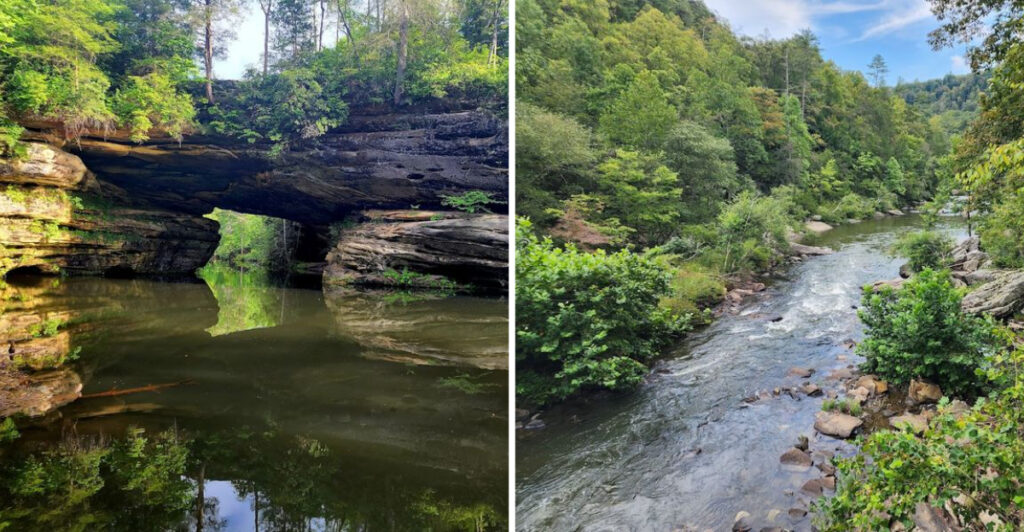
Tennessee’s famous attractions get all the attention while some of the state’s most stunning natural areas sit quietly waiting to be explored. Beyond the neon lights and crowded tourist spots, there are hidden gems tucked into remote corners where you can hike dramatic gorges, paddle pristine rivers, and camp under star-filled skies without fighting for elbow room.
These overlooked destinations offer the kind of authentic outdoor experiences that make road trips memorable, and they’re all just a tank of gas away from wherever you’re starting.
1. Obed Wild & Scenic River – Wartburg
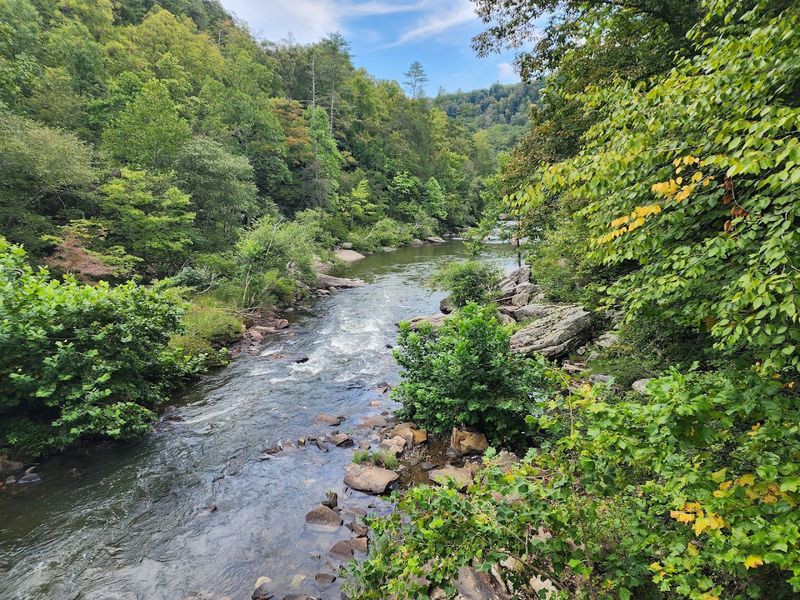
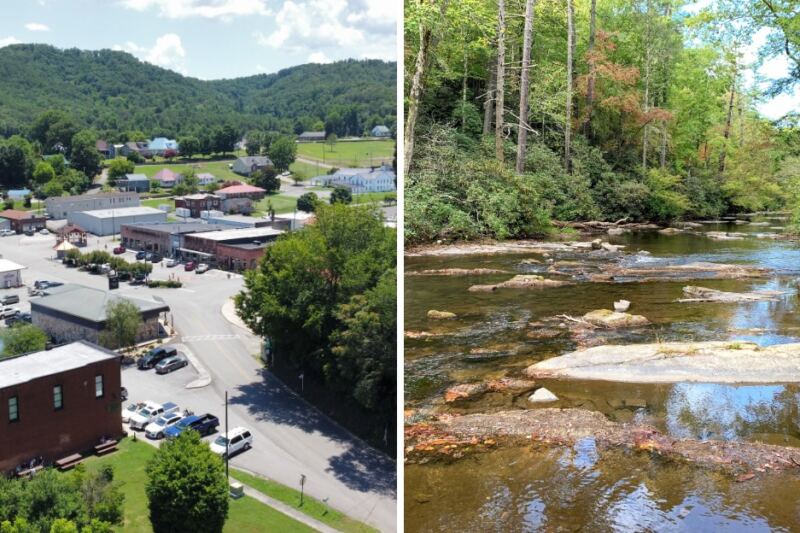
Whitewater enthusiasts know about the Obed, but most road trippers zoom right past without realizing what they’re missing. This federally protected river system carves through sandstone gorges that feel more like the American West than the Cumberland Plateau.
The rock formations create natural water slides and deep swimming holes that stay refreshingly cool even during August heat waves.
Paddling here ranges from mellow floats to Class IV rapids depending on water levels and which section you choose. Clear Creek and Daddy’s Creek feed into the main Obed, creating a network of waterways that kayakers and rafters can explore for days.
When the water’s too low for boating, the exposed rock shelves become perfect spots for picnicking or just watching the current flow by.
The surrounding trails offer killer views of the gorge from above, especially at Nemo Bridge where you can peer down at paddlers navigating the whitewater below. Rock climbers also flock here for the sandstone cliffs that line the river, making it a multi-sport playground that somehow stays under the radar.
Pack your gear and prepare to have these spectacular waterways mostly to yourself, especially on weekdays when the place feels downright secret.
2. Big South Fork National River & Recreation Area – Oneida
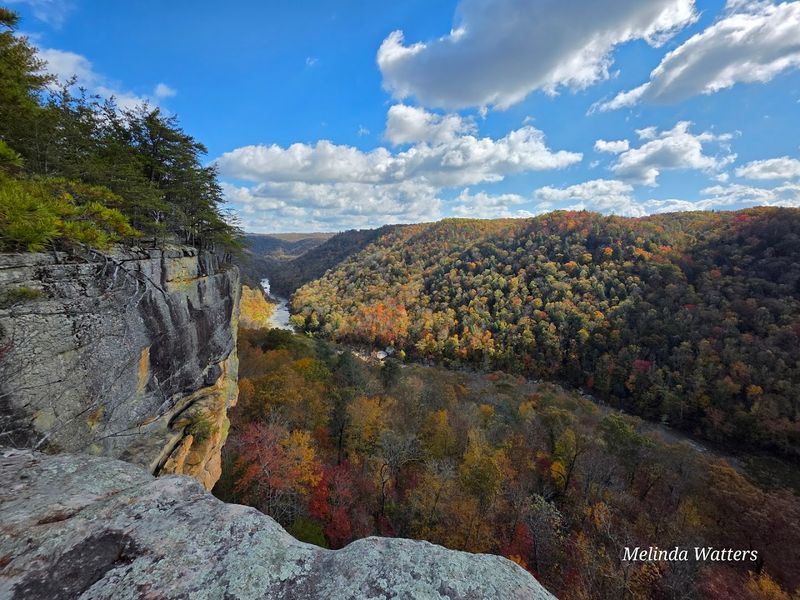
Straddling the Tennessee-Kentucky border, Big South Fork spans over 125,000 acres of rugged terrain that most travelers never think to visit. The park protects one of the last free-flowing river systems in the Southeast, along with miles of sandstone cliffs, natural arches, and waterfalls that reward anyone willing to venture off the interstate.
Yahoo Falls, the tallest waterfall in Kentucky, sits just inside the park boundary and makes for an easy side trip.
The trail system here is massive, offering everything from short walks to historic sites like the Blue Heron Mining Community to challenging backcountry routes that take you deep into the wilderness. Equestrians love Big South Fork because horses are welcome on most trails, and there are designated horse camps throughout the park.
Mountain bikers also have miles of dedicated singletrack that winds through forests and along ridgelines.
The river itself is perfect for multi-day paddling trips, with designated campsites along the banks and enough Class II-III rapids to keep things interesting without being terrifying. Spring brings wildflowers that carpet the forest floor, while fall transforms the hardwood forests into a riot of color that rivals anything in the Smokies, minus the traffic jams and selfie sticks.
3. South Cumberland State Park – Monteagle
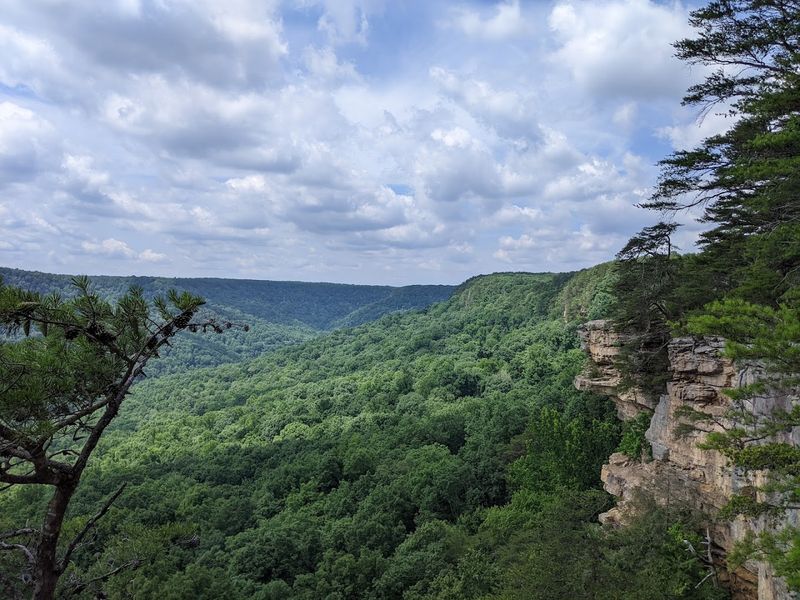
Spread across 30,000 acres of the Cumberland Plateau, South Cumberland isn’t just one park but a collection of natural areas that each have their own personality. Savage Gulf offers some of the most dramatic gorge scenery in Tennessee, with waterfalls plunging over sandstone cliffs and swimming holes that stay icy cold year-round.
Stone Door is the park’s signature feature, a massive rock crack that opens onto a jaw-dropping overlook where you can see for miles across the valley below.
Fiery Gizzard Trail consistently ranks among the best day hikes in the entire Southeast, winding past cascades, rock formations, and old-growth forests that make you feel like you’ve stepped back in time. The trail is challenging but not technical, making it accessible to anyone with decent fitness and sturdy boots.
Foster Falls is another highlight, a 60-foot waterfall that drops into a massive amphitheater where rock climbers test their skills on overhanging routes.
What makes South Cumberland special is how quiet it stays despite being so close to Chattanooga and Nashville. You can hike for hours and encounter only a handful of other people, especially if you visit on weekdays or venture beyond the most popular trailheads.
The park also offers primitive camping and backcountry sites for those wanting to extend their adventure beyond a day trip.
4. Cherokee National Forest – Unicoi
Most people associate national forests with Western states, but Cherokee National Forest delivers mountain scenery that holds its own against anything out West. Split into northern and southern sections, the forest encompasses over 650,000 acres of the Appalachian Mountains, including portions of the Appalachian Trail and dozens of peaks topping 5,000 feet.
The Unicoi area sits in the southern section where Tennessee bumps up against North Carolina and Georgia.
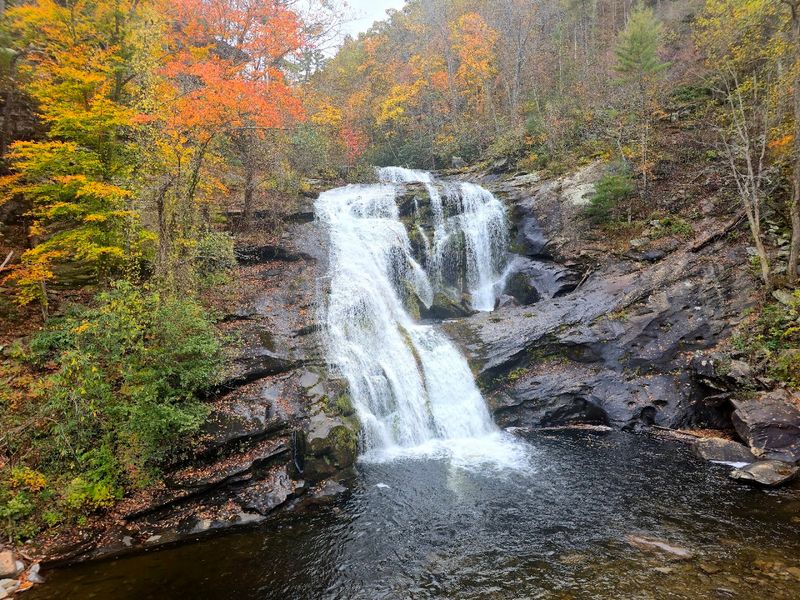
Bald River Falls is one of the forest’s most photogenic spots, a multi-tiered waterfall that’s easily accessible yet somehow stays relatively unknown. The Cherohala Skyway cuts through this section of the forest, offering a scenic drive that rivals the more famous Blue Ridge Parkway but with a fraction of the traffic.
Pull-offs along the route provide access to trails ranging from easy nature walks to strenuous summit climbs.
The forest is also a paradise for trout fishing, with cold mountain streams that are regularly stocked and backcountry creeks where native brook trout still thrive. Wildlife watching opportunities abound, from black bears and wild turkeys to the occasional elk sighting in certain areas.
Dispersed camping is allowed throughout most of the forest, meaning you can pitch a tent almost anywhere and wake up surrounded by nothing but trees and mountains, a rare luxury in today’s overcrowded outdoor spaces.
5. Pickett CCC Memorial State Park – Jamestown
Tucked into Tennessee’s northern border near Kentucky, Pickett State Park feels like a place time forgot in the best possible way. The Civilian Conservation Corps built much of the park’s infrastructure during the 1930s, and their rustic stone and log structures still stand as reminders of that era.
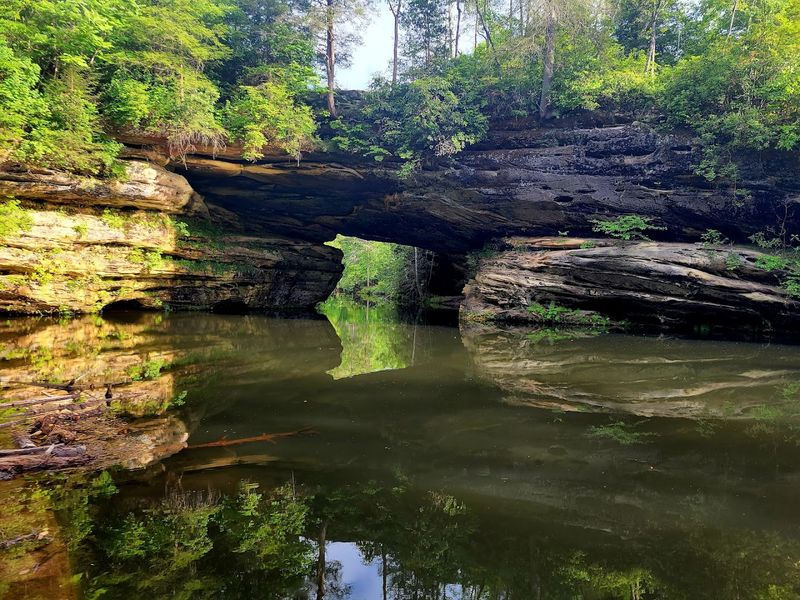
Natural Bridge, a massive sandstone arch, serves as the park’s centerpiece and makes for an easy hike that delivers big visual rewards.
The park contains over 15 miles of trails that wind through unique geological formations including rock houses, natural bridges, and slot canyons that seem out of place in Tennessee. Hazard Cave Loop takes you past several of these features in a moderate 2.5-mile circuit that showcases why this area earned state park status.
The forest here is dense and lush, creating a canopy that keeps temperatures comfortable even during summer heat.
Pickett Lake offers fishing and non-motorized boating, with rental canoes available for exploring the quiet waters surrounded by forested hills. The park’s remote location means dark skies at night, making it a favorite among stargazers and astronomers who appreciate the lack of light pollution.
Cabin rentals and a small campground provide overnight options, though reservations are recommended since word is slowly getting out about this hidden gem that punches way above its weight class in terms of natural beauty.
6. Cordell Hull Birthplace State Park – Byrdstown
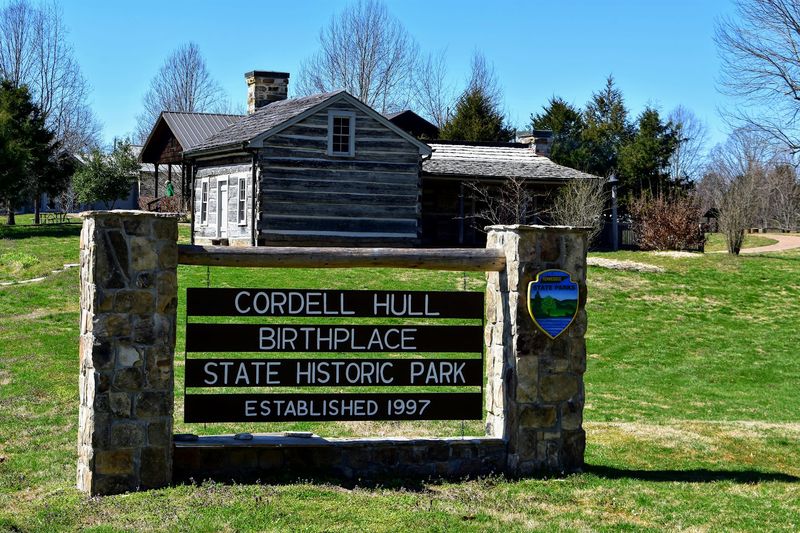
Named for the longest-serving U.S. Secretary of State and Nobel Peace Prize winner, this small park offers a quieter kind of road trip stop.
The reconstructed log cabin where Hull was born sits on a peaceful hillside overlooking the Cumberland River valley, providing a glimpse into rural Tennessee life in the 1870s. It’s not a flashy destination, but sometimes the best discoveries are the ones that let you slow down and breathe.
The park encompasses just 67 acres, making it one of Tennessee’s smallest state parks, but what it lacks in size it makes up for in tranquility. A short walking trail loops through the property, passing by the cabin and offering views of the surrounding farmland that hasn’t changed much since Hull’s childhood.
The park includes a small museum with exhibits about Hull’s diplomatic career and his role in establishing the United Nations after World War II.
What makes this spot worth a stop is its location near Dale Hollow Lake, one of Tennessee’s clearest and most beautiful reservoirs. After visiting the park, you can head to the lake for swimming, fishing, or just finding a quiet cove to relax by the water.
The combination of history and natural beauty makes this area perfect for road trippers who appreciate destinations that don’t require crowds or commercialism to be worthwhile, just a willingness to step off the beaten path.
7. Frozen Head State Park – Wartburg
The name alone should make you curious, and the reality delivers on that intrigue. Frozen Head gets its unusual name from the way ice and snow cling to its 3,324-foot summit well into spring, creating a frosted appearance visible from the valleys below.
The park protects over 24,000 acres of rugged mountain terrain that includes some of the most challenging and rewarding hiking in Tennessee.
Frozen Head is ground zero for the infamous Barkley Marathons, an ultra-endurance race so difficult that only a handful of people have ever finished it in its 30-plus year history. While you probably won’t attempt that particular brand of suffering, the park’s 50-plus miles of trails offer plenty of options for regular hikers who want spectacular views without the crowds found in more popular parks.
The trail to the summit gains over 2,000 feet in elevation but rewards the effort with 360-degree views from the fire tower at the top.
Wildflowers explode across the mountainsides in spring, with rare species that thrive in the park’s diverse elevation zones. Several waterfalls cascade down the slopes, including DeBord Falls which drops nearly 60 feet in a single plunge.
The park also offers backcountry camping for those wanting to experience the mountains overnight, with designated sites scattered throughout the wilderness areas that see few visitors compared to the frontcountry trails.
8. Standing Stone State Park – Hilham
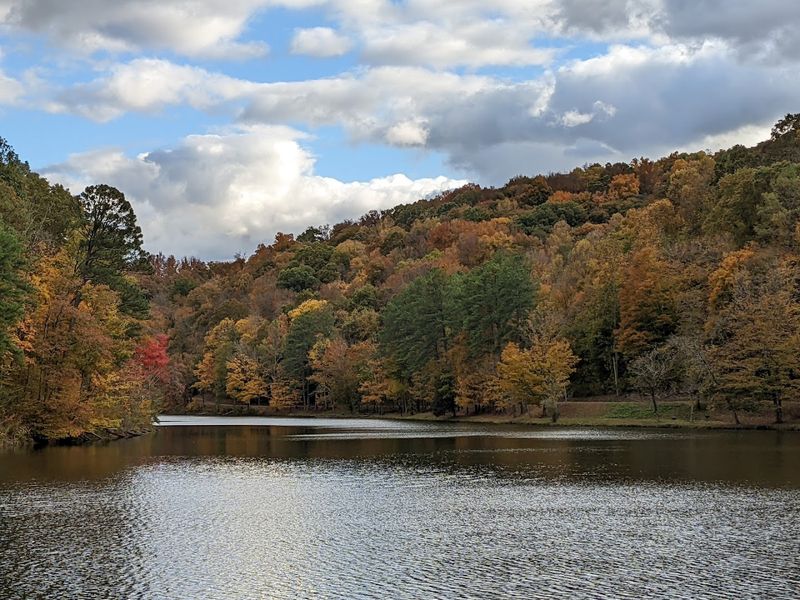
Legend says a massive standing stone once marked the boundary between Cherokee and Shawnee hunting grounds in this area, though the original stone disappeared long ago. Today’s park preserves 11,000 acres of the Cumberland Plateau, including Standing Stone Lake, a peaceful 69-acre impoundment that’s perfect for fishing, paddling, or just sitting on the shore watching the world slow down.
The lake is stocked regularly with bass, bluegill, and catfish that keep anglers coming back.
The trail system here is extensive but not overwhelming, with options ranging from easy lakeside strolls to more challenging ridge walks that climb into the surrounding hills. Byrd Creek Trail follows a pretty stream through a hemlock forest, offering a cool retreat on hot days and a good chance of spotting wildlife near the water.
The park also features unique geological formations including rock houses and natural bridges that reward explorers willing to venture off the main paths.
Standing Stone offers a full-service campground plus rustic cabins and a group lodge, making it a solid base camp for exploring this often-overlooked region of Tennessee. The park’s Olympic-size pool is a hit with families during summer, and the recreation center offers activities when weather doesn’t cooperate with outdoor plans.
What makes Standing Stone special is how it combines developed amenities with genuine wilderness feel, letting you choose your own adventure level without driving all over creation to find what you’re looking for.
9. Natchez Trace State Park – Wildersville
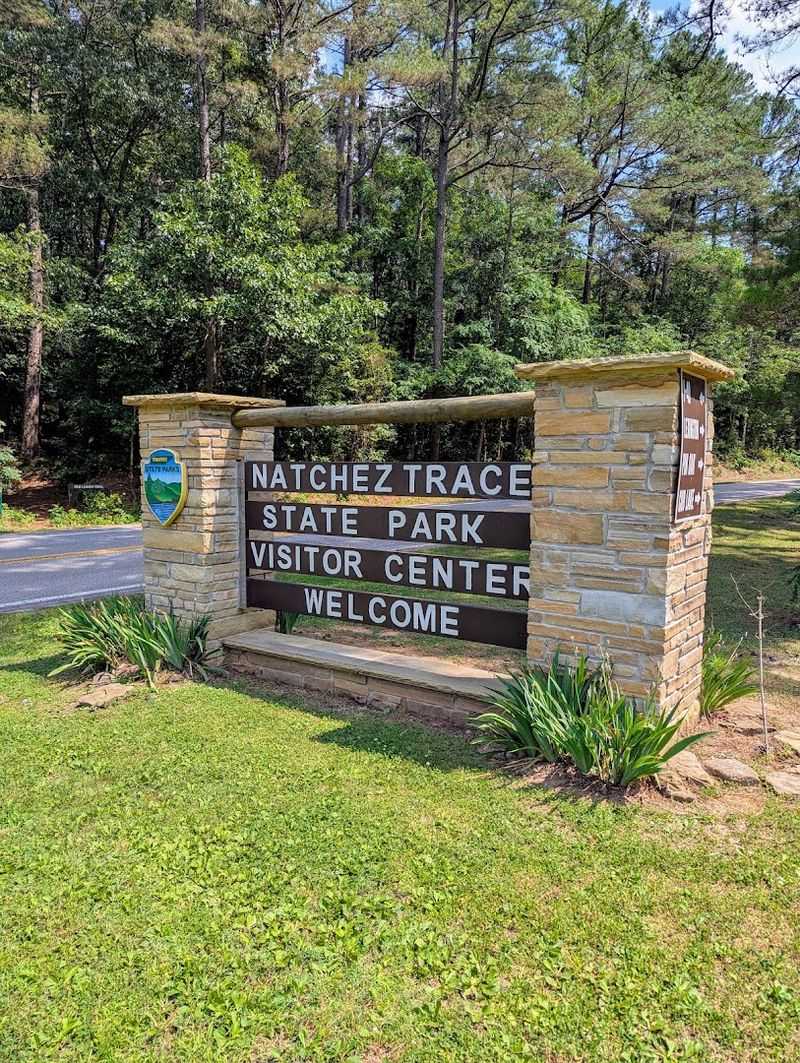
Sitting in West Tennessee where the landscape flattens out and the culture shifts toward Delta influences, Natchez Trace State Park covers an impressive 48,000 acres of forest, lakes, and recreational opportunities. The park takes its name from the historic Natchez Trace, an ancient path that connected Nashville to Natchez, Mississippi, and played a crucial role in early American commerce and westward expansion.
While the famous Natchez Trace Parkway runs elsewhere, this park preserves the spirit of that frontier era.
Four lakes within the park boundaries offer excellent fishing and boating, with Pin Oak Lake being the largest at 360 acres. Bass fishing here is particularly good, and the park hosts several tournaments throughout the year that draw serious anglers.
Miles of trails wind through bottomland hardwood forests and upland areas, providing habitat for deer, turkeys, and waterfowl that thrive in this varied terrain.
The park includes a lodge, restaurant, and conference center that make it popular for group gatherings, but there’s still plenty of room to find solitude if you venture beyond the main developed areas. Equestrian trails, mountain bike paths, and even an archery range ensure there’s something for everyone.
What really sets Natchez Trace apart is its location in a part of Tennessee most road trippers ignore, making it a genuine discovery for those willing to explore beyond the state’s more famous eastern mountains and western music cities.
10. Mousetail Landing State Park – Linden
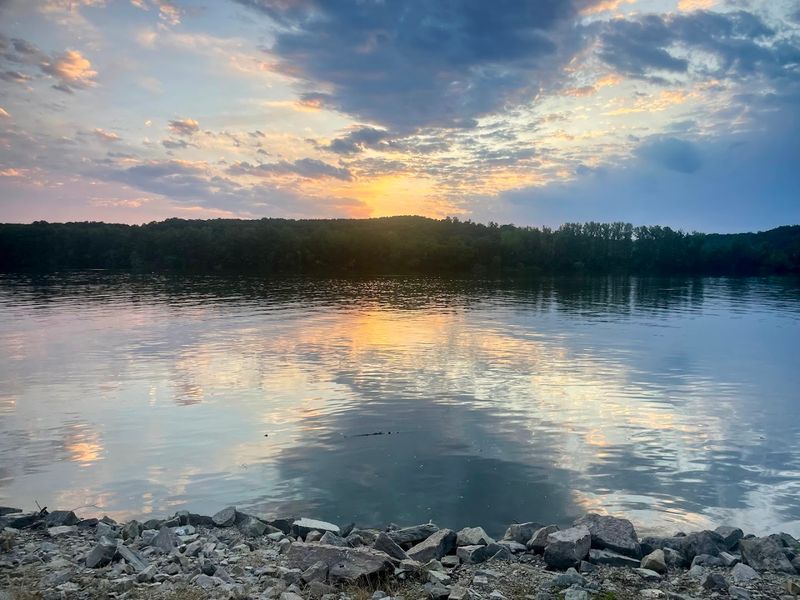
The quirky name comes from bootlegging days when moonshiners supposedly stored their illegal whiskey in containers marked as ‘mousetails’ to avoid detection. Whether that story is true or embellished doesn’t really matter because the park itself is no tall tale.
Located on the banks of the Tennessee River in a remote corner of West Tennessee, Mousetail Landing offers river access and outdoor recreation far from the tourist masses.
The Tennessee River here is wide and powerful, perfect for boating, fishing, and watching massive barges navigate the waterway that once served as a commercial highway through the region. The park’s boat ramp provides access to miles of river exploration, while the shoreline offers spots for bank fishing or just sitting and watching the current flow past.
Spring and fall bring migrating birds that use the river as a navigation corridor, making it a surprisingly good birding destination.
Hiking trails wind through bottomland forests where you might spot deer, raccoons, or even the occasional armadillo that has expanded its range into Tennessee in recent years. The campground sits among mature trees that provide shade and privacy, with sites overlooking the river that are worth reserving in advance.
What makes Mousetail Landing worth the drive is its genuine remoteness and the feeling that you’ve found something special that hasn’t been Instagrammed into oblivion, just honest outdoor recreation in a beautiful riverside setting that rewards curious road trippers.
Share this story