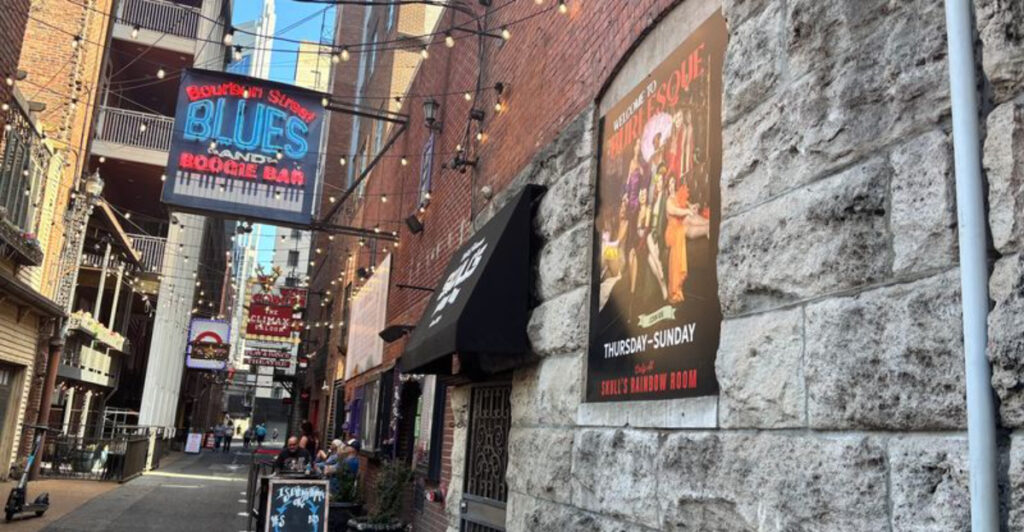
Tucked away in the shadowy corners of Printers Alley, Skull’s Rainbow Room draws crowds nightly with its sultry burlesque shows, jazz piano, and perfectly cooked steaks. But while patrons sip craft cocktails and watch feathered performers twirl under vintage chandeliers, few realize they’re standing on ground soaked in decades of wild stories, underground dealings, and Nashville’s roughest history.
This speakeasy-style lounge opened in 1948, and the alley itself has witnessed everything from gambling dens to secret clubs that operated when Nashville’s downtown was anything but tourist-friendly. The dark past lurking beneath those velvet curtains tells a story most visitors never hear.
Printers Alley’s Bootlegging and Vice-Fueled Origins
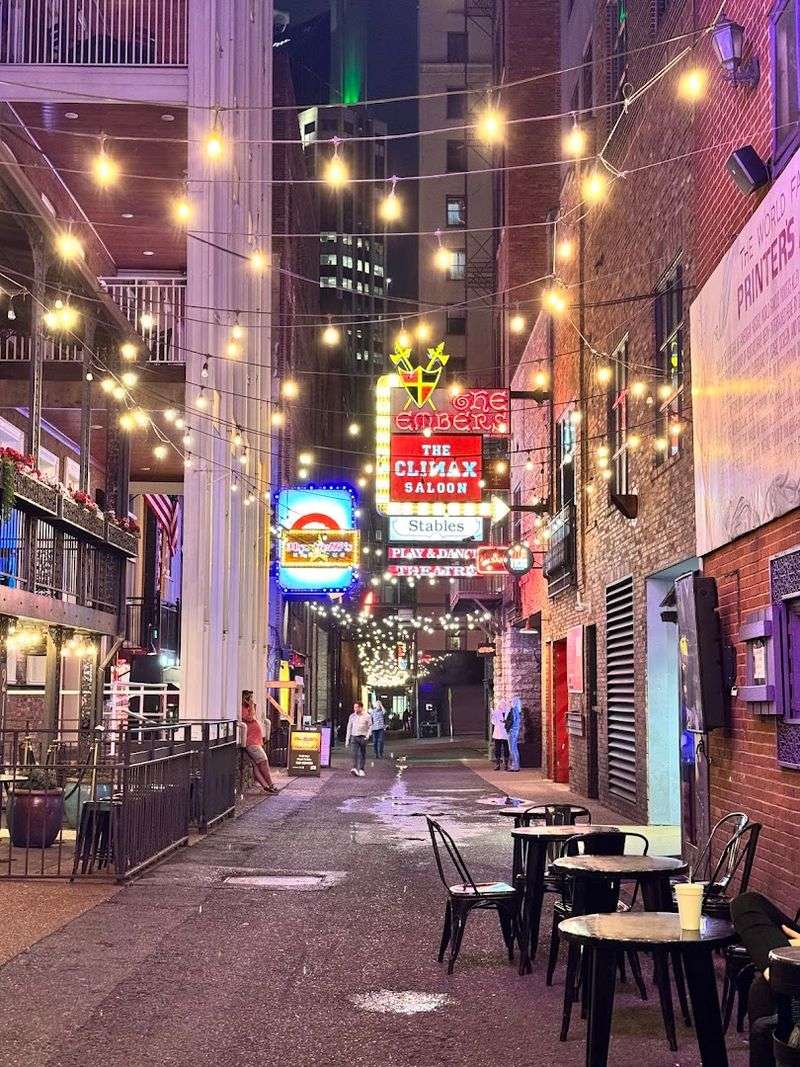
Long before Skull’s Rainbow Room served up Wagyu and whiskey sours, Printers Alley earned its reputation as Nashville’s red-light district. During Prohibition, this narrow passageway became the city’s underground playground where bootleggers, gamblers, and gangsters ran the show.
Secret bars operated behind unmarked doors, and liquor flowed despite federal bans.
The alley got its name from the printing businesses that lined the street in the 1800s, but by the 1940s, those legitimate operations had given way to something far more colorful. Speakeasies popped up in basements and back rooms, drawing everyone from businessmen to outlaws looking for a good time away from prying eyes.
Police raids happened, sure, but many officers looked the other way for the right price.
When World War II ended, Printers Alley transformed into Nashville’s hottest nightlife strip. Jazz clubs, burlesque theaters, and gambling joints thrived openly as the city loosened its grip.
The atmosphere was electric but dangerous—fights broke out regularly, and shady characters controlled much of the action. This wasn’t the family-friendly Nashville tourists know today.
Skull’s Rainbow Room opened right in the middle of this wild era in 1948, embracing the speakeasy aesthetic that had defined the alley for decades. The location at 222 Printers Alley placed it at the heart of the action, surrounded by clubs that stayed open until dawn and catered to crowds seeking entertainment the rest of Nashville wouldn’t openly provide.
The building itself absorbed all that history, those decades of underground dealings and late-night revelry.
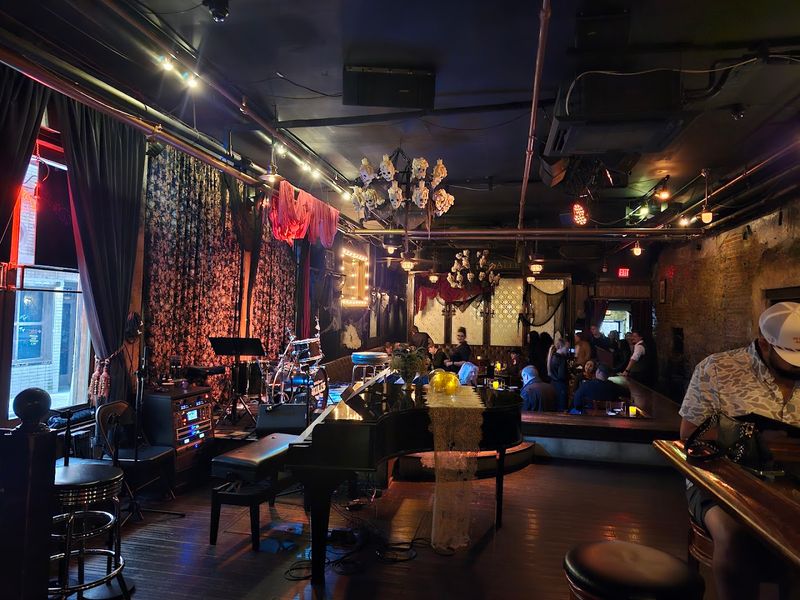
Walking into Skull’s today, you’re stepping into a space that once thrived on secrecy and rule-breaking. The dark wood, intimate booths, and dim lighting aren’t just design choices—they’re echoes of a time when places like this needed to keep things quiet.
That vintage vibe everyone raves about in reviews? It’s authentic, rooted in an era when Printers Alley lived outside the law and loved every minute of it.
The Original Rainbow Room’s Scandalous Reputation
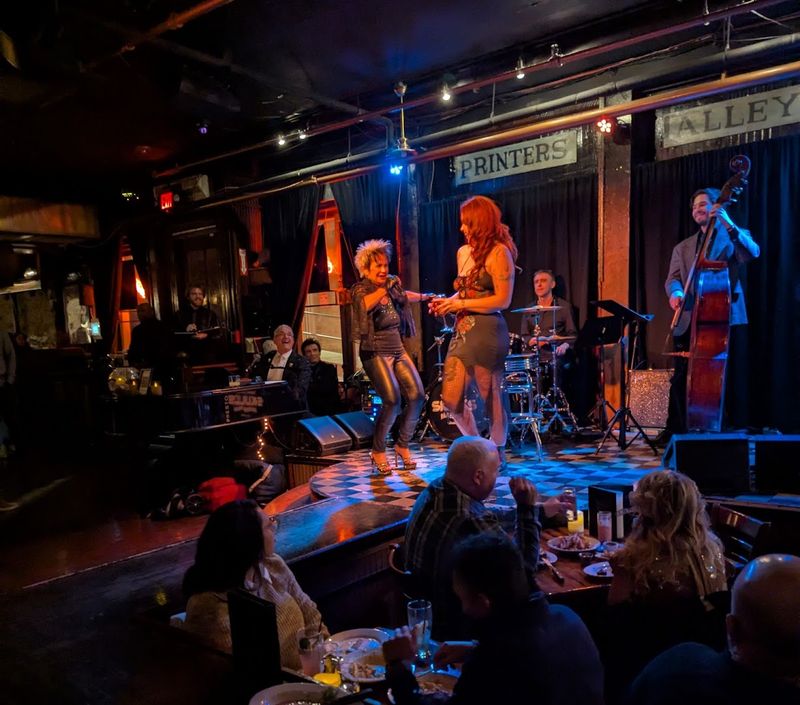
Skull’s didn’t invent the Rainbow Room name—it inherited it from a notorious club that operated in the same location for decades. The original Rainbow Room was legendary for pushing boundaries, hosting burlesque shows that drew crowds but also raised eyebrows among Nashville’s more conservative residents.
Performers wore less, danced more provocatively, and the shows ran later than most establishments dared.
The club became a magnet for musicians, celebrities passing through town, and locals wanting to experience something risqué. Stories circulated about wild parties in private rooms upstairs, gambling in the back, and connections to organized crime figures who controlled much of Nashville’s underground entertainment scene.
Whether all the rumors were true hardly mattered—the Rainbow Room’s reputation was cemented.
During the 1950s and 60s, the club operated in a legal gray area. Burlesque wasn’t exactly illegal, but it skirted close enough to obscenity laws that police occasionally showed up to monitor performances.
The Rainbow Room walked that line expertly, staying just respectable enough to avoid serious trouble while maintaining the edgy appeal that packed the house nightly.
The clientele reflected Printers Alley’s mix of high and low society. You might spot a state politician at one table and a known bookie at another.
The Rainbow Room didn’t discriminate—your money spent the same regardless of your reputation. This democratic approach to vice made it both popular and problematic, a place where Nashville’s different worlds collided after dark.
When David Skull Schulman revived the space and added his name to create Skull’s Rainbow Room, he preserved that vintage atmosphere while cleaning up the operation. The burlesque shows returned, but now they’re polished performances rather than scandalous affairs.
The gambling’s gone, replaced by elevated American cuisine and craft cocktails. Still, the bones of that original Rainbow Room remain, and anyone sensitive to history can feel the weight of all those wild nights that came before.
The Basement’s Rumored Underground Tunnel System
Ask longtime Nashville residents about Printers Alley, and many will mention the tunnels. Urban legend claims an underground passage system connected various clubs and businesses, allowing quick escapes during police raids or discrete movement of illegal goods.
While city officials have never confirmed the full extent of these tunnels, enough evidence exists to suggest they weren’t entirely fictional.
Skull’s Rainbow Room sits in a building old enough to have participated in whatever underground network existed. The basement areas of these historic structures often contained storage rooms, hidden doors, and passages that served practical purposes during Prohibition.
Whether bootleggers actually used them or they’re just excellent fodder for ghost tours remains debated.
Several former employees of various Printers Alley establishments have mentioned unusual basement features—bricked-up doorways leading nowhere, unusually thick walls, and spaces that don’t quite match the building’s footprint. These architectural oddities fuel speculation about what might lie beneath the modern restaurants and bars.
Skull’s keeps its basement operations private, but the mystery adds to the allure.
During renovation projects in Printers Alley over the years, construction crews have occasionally discovered unexpected underground spaces. Some connected to old sewer systems, others appeared deliberately constructed for purposes no one could definitively explain.
The alley’s buildings were modified so many times over the decades that separating fact from fiction becomes nearly impossible.
The tunnel stories persist because they fit Printers Alley’s character perfectly. This was a place designed for secrecy, where legitimate businesses fronted for illegal operations and everyone had an escape plan.
Whether Skull’s Rainbow Room sits atop actual tunnels or just the memory of them hardly matters—the possibility adds another layer to the dark history most visitors never consider while enjoying their rack of lamb and champagne.
Connections to Nashville’s Organized Crime Era
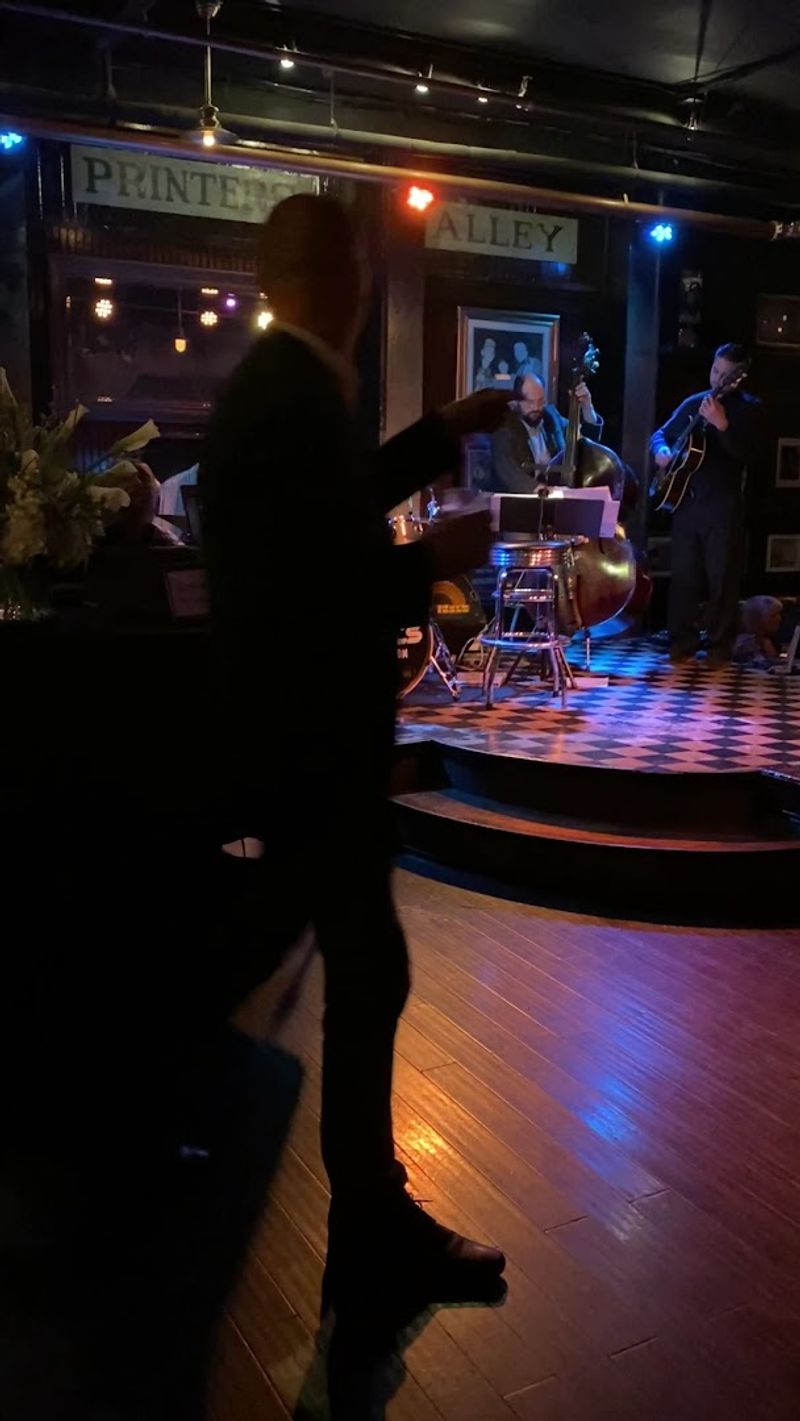
Nashville’s organized crime history rarely gets the attention of Chicago or New York, but the city had its share of mob activity, particularly in the entertainment districts. Printers Alley served as a hub where various criminal enterprises overlapped—gambling operations, protection rackets, and control of liquor distribution all intersected in these few blocks.
The Rainbow Room existed right in the middle of it.
During the 1940s through 1960s, certain families and individuals controlled which clubs could operate and which faced mysterious difficulties. Fire code violations would suddenly appear for uncooperative owners, or liquor licenses would get held up in bureaucratic delays.
The smart operators paid their dues and enjoyed relatively smooth sailing. The Rainbow Room survived for decades, which tells you something about its arrangements.
Musicians who played the alley’s clubs later recalled seeing known mobsters at corner tables, conducting business while jazz bands played. These weren’t violent encounters—the clubs provided neutral ground where deals got made and disputes got settled without attracting unwanted attention.
The Rainbow Room’s intimate layout, with its strategic booth placement and multiple exits, served this purpose well.
Some of Nashville’s most notorious figures from that era were regulars in Printers Alley. They appreciated the discretion, the quality entertainment, and the understanding that what happened in the alley stayed in the alley.
This code of silence protected everyone involved, from club owners to performers to the clientele seeking privacy for various reasons.
Skull’s Rainbow Room today operates completely legitimately, but the building remembers. Those same booths where deals once got negotiated now seat tourists celebrating anniversaries and bachelor parties.
The stage that hosted performers with mob connections now features burlesque acts and jazz musicians who have no idea about the room’s shadier past. The transformation is complete, but the history lingers like cigar smoke in velvet curtains, invisible but present for anyone who knows to look.
The Building’s Previous Violent Incidents and Deaths
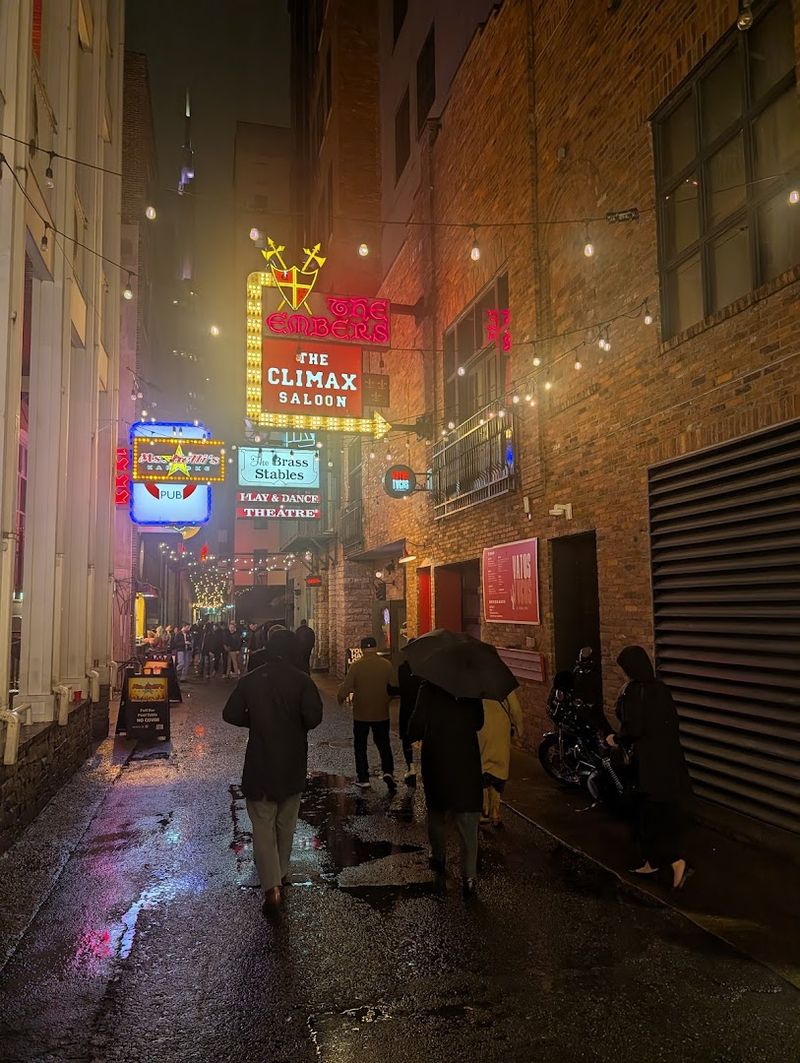
Printers Alley’s rough decades inevitably produced violence, and buildings that housed clubs and bars witnessed their share of tragic incidents. While specific records about 222 Printers Alley remain scattered across decades of police reports and newspaper archives, the area’s reputation for fights, shootings, and occasional deaths is well documented.
The Rainbow Room operated during the roughest years.
Old newspaper clippings from the 1950s and 60s mention Printers Alley incidents with disturbing regularity. Stabbings outside clubs, shootings related to gambling debts, and fights that turned deadly weren’t uncommon.
The alley’s narrow confines and late-night crowds created perfect conditions for violence when tempers flared or business deals went wrong. Club owners employed heavy security, but that didn’t prevent every incident.
Some longtime Nashville residents claim the Rainbow Room itself saw at least one fatal shooting, though official confirmation proves elusive. Stories passed down suggest a gambling dispute turned violent in the early 1960s, resulting in a death that got hushed up through connections to powerful people.
Whether this actually happened at this specific location or represents conflated memories of multiple alley incidents remains unclear.
The building’s age means it has witnessed more than just the Rainbow Room era. Before the club, the space housed other businesses and likely saw its share of tragedy across Nashville’s tumultuous history.
Old buildings in entertainment districts absorb decades of human drama—celebrations and sorrows, fortunes made and lost, lives beginning and ending within the same walls.
Modern Skull’s Rainbow Room guests enjoying prime rib and burlesque shows have no idea they might be sitting where someone died decades ago. The restaurant doesn’t advertise this possibility, and honestly, most historic buildings in downtown areas have similar dark moments in their past.
The difference is how thoroughly Skull’s has transformed the space, creating an atmosphere so polished and welcoming that the violent history feels impossible. Yet it happened, in these rooms or nearby, part of the price Printers Alley paid for its decades of living outside Nashville’s rules.
The Mysterious Ownership Changes and Lost Years
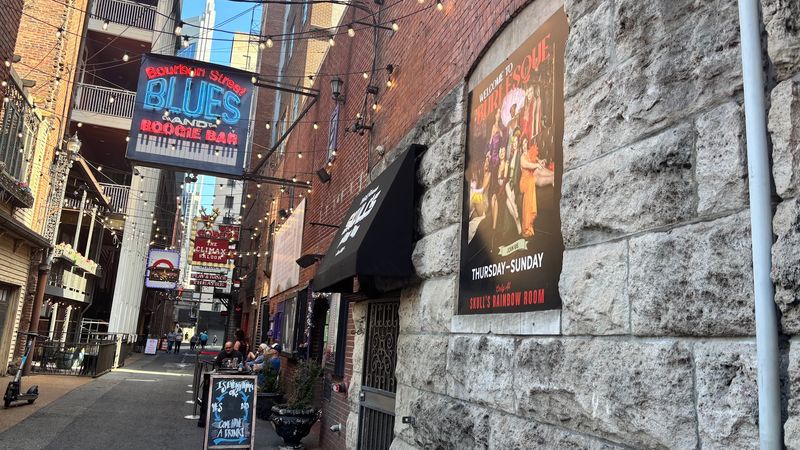
Between the original Rainbow Room’s heyday and David Schulman’s 2015 revival as Skull’s Rainbow Room, the building at 222 Printers Alley experienced several ownership changes and periods of closure. These lost years remain murky, with gaps in the historical record that suggest times when the space operated under different names or sat empty.
What happened during those dark periods rarely gets discussed.
Property records show the building changed hands multiple times from the 1970s through early 2000s. Some owners attempted to maintain the club atmosphere, while others let the space deteriorate.
Printers Alley itself fell into decline as Nashville’s entertainment center shifted to Broadway and other areas. The alley’s glory days seemed permanently finished, and buildings that once thrived sat vacant or underutilized.
Former alley workers recall the Rainbow Room space operating sporadically under various names during the 1980s and 90s. Sometimes it functioned as a private club, other times as storage for neighboring businesses.
The building’s historic character suffered as successive owners made cheap modifications or simply neglected maintenance. The speakeasy atmosphere that once defined the space faded under fluorescent lights and dropped ceilings.
Why the ownership churned so frequently raises questions. Some properties carry baggage that makes them difficult to operate profitably—lingering reputations, structural issues, or simply bad luck that follows certain addresses.
Whether 222 Printers Alley suffered from such problems or just fell victim to the area’s overall decline remains unclear. The gaps in the story leave room for speculation about what really happened during those quiet years.
David Schulman’s decision to revive the space and restore its Rainbow Room identity represented a gamble that paid off spectacularly. His vision brought back the vintage speakeasy aesthetic while modernizing the operation completely.
The 4.6-star rating and packed reservations prove he succeeded where previous owners failed. But those lost decades between the original Rainbow Room and Skull’s resurrection remain mysterious, another dark chapter in the building’s long, complicated history that most guests never consider while savoring their tomahawk steaks.
Ghost Stories and Paranormal Reports from Staff
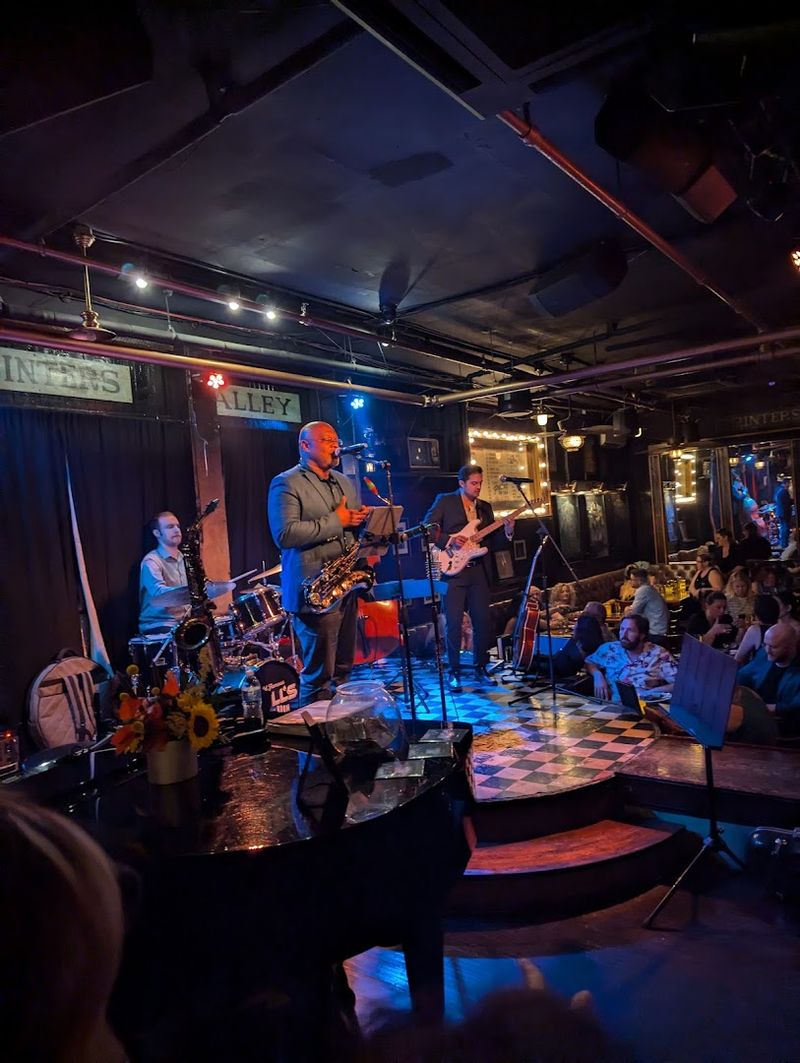
Any building with Skull’s Rainbow Room’s history inevitably collects ghost stories, and staff members over the years have reported unexplained experiences. While the restaurant doesn’t promote itself as haunted—that’s not the vibe they’re selling—employees occasionally mention strange occurrences during quiet moments before opening or after closing.
The building’s age and past provide plenty of fuel for paranormal speculation.
Several former staff members have described feeling watched in certain areas, particularly in basement storage spaces and near the stage. Unexplained cold spots appear in rooms that should be evenly heated.
Objects occasionally move from where they were placed, and sounds like footsteps or distant music occur when the building should be empty. Most employees laugh these incidents off, but a few take them seriously.
The most common story involves a woman in vintage clothing seen briefly near the stage area, then vanishing when approached. Staff members who’ve experienced this describe her as wearing a sparkly costume consistent with 1950s burlesque attire.
Whether this represents an actual haunting, tricks of light in the dim club atmosphere, or simply exhausted employees seeing things after long shifts remains debated.
Some paranormal investigators have expressed interest in examining Skull’s Rainbow Room, citing the building’s history and staff reports. Management has declined these requests, preferring to maintain the sophisticated dining atmosphere rather than turning the location into a ghost tour destination.
The decision makes business sense but leaves questions unanswered about what might genuinely be happening.
Skeptics correctly point out that old buildings creak, settle, and produce sounds that seem mysterious until explained. The dim lighting, vintage decor, and speakeasy atmosphere at Skull’s create perfect conditions for imagination to run wild.
Still, enough staff members have mentioned experiences that patterns emerge. Whether ghosts of the Rainbow Room’s rougher past actually linger or the building just feels haunted because of its history hardly matters—the possibility adds another layer to the dark story beneath the surface.
Guests enjoying burlesque shows and jazz music probably share the space with memories, if nothing else, of everyone who came before.
The Transformation Into Today’s Upscale Establishment
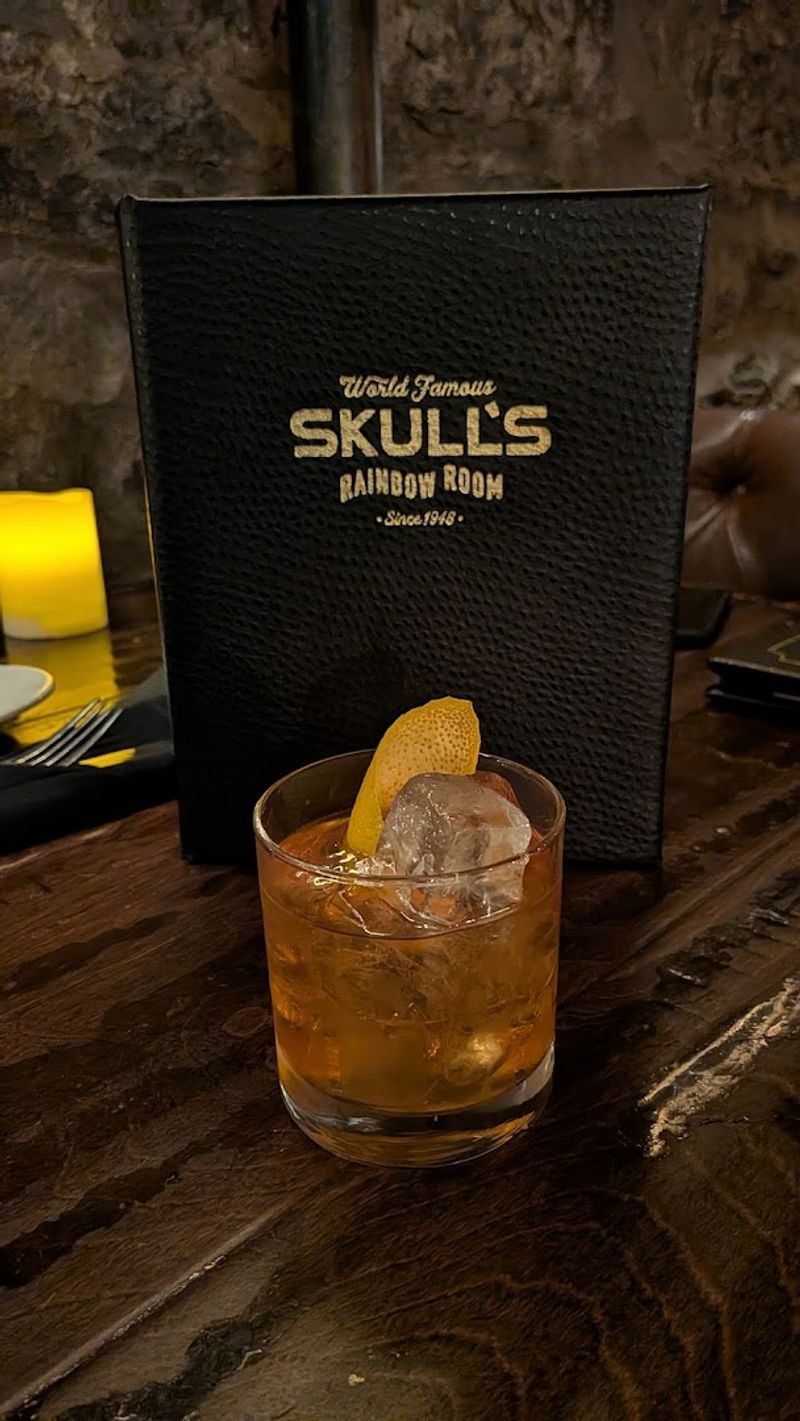
David Schulman’s 2015 transformation of the space into Skull’s Rainbow Room represents one of Nashville’s most successful historic revivals. He didn’t just open another restaurant—he resurrected a piece of Printers Alley history while completely modernizing the operation.
The genius lies in how thoroughly he buried the dark past under layers of upscale dining, craft cocktails, and polished entertainment while maintaining the vintage speakeasy aesthetic that makes the space special.
The renovation respected the building’s bones while upgrading everything that matters to modern diners. The intimate booth layout recalls the original Rainbow Room, but now they’re comfortable and clean rather than worn and questionable.
The stage still anchors the room, but today’s burlesque performers deliver artistic shows rather than the scandalous acts that once drew police attention. The bar serves top-shelf spirits openly instead of bootleg liquor hidden under counters.
Skull’s menu elevated expectations dramatically. Reviews consistently praise the prime rib, rack of lamb, Wagyu steaks, and other high-end offerings that have nothing in common with whatever the original Rainbow Room served its late-night crowds.
The $30-50 entree prices signal this isn’t the rough dive it once was. Reservations are required, dress codes implied, and the clientele skews toward tourists and locals celebrating special occasions rather than gamblers and gangsters.
The nightly entertainment programming—live jazz, burlesque shows, and occasional special performances—provides exactly what visitors want from a vintage speakeasy experience without any of the actual danger or illegality. It’s theater, carefully produced nostalgia that lets guests feel like they’re experiencing old Nashville’s wild side while remaining completely safe and comfortable.
The illusion works brilliantly, evidenced by the 4.6-star rating and 3,000-plus glowing reviews.
This transformation buries the building’s dark history under success, making the rough past nearly invisible. Guests celebrating anniversaries with champagne and cheesecake have no idea they’re sitting where bootleggers once dealt, where violence occasionally erupted, where the city’s underground operated openly.
Skull’s Rainbow Room proves you can honor history while completely sanitizing it, creating something beautiful from something that was often ugly. The dark stories remain, buried beneath the prime rib and burlesque feathers, waiting for anyone curious enough to look past the polished surface.
Share this story