Plenty of Arizona road trips end at a gift shop and a parking lot. This one keeps going, straight up a steep paved trail to a home built into a cliff more than 700 years ago. At the top, you get to walk through the rooms, not just stare at them from behind a rope far below.
The climb is only about half a mile, but it gains around 400 feet, so your legs will remember it. For Phoenix folks, it makes a great weekend drive with a real payoff. Entry runs about $10 for adults, and parking is free.
The views stretch across a big desert lake framed by saguaros. Keep reading for the trail details, the timing catch that surprises a lot of people, and the special tour that books up months ahead.
1. A Cliff Home Above Roosevelt Lake
Tucked into the hills of Gila County sits Tonto National Monument, a small national park site with a very big backstory.
The official address is 26260 AZ-188, Roosevelt, AZ 85545, United States. It sits right along the highway near Theodore Roosevelt Lake.
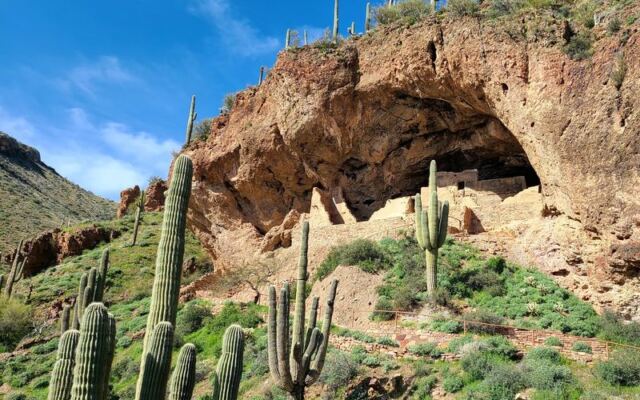
The monument protects cliff dwellings built by the Salado communities. Those homes date from roughly 1250 to 1450, which makes them about 700 years old.
A modest visitor center anchors the site, with a small museum, a gift shop, and the ticket booth all under one roof. Restrooms and a filtered water filling station are there too.
Here is the twist that makes this place stand out. Many people peek at the exhibits and head home, yet the real highlight waits up the hill.
A paved trail leads from the back of the visitor center to the Lower Cliff Dwelling. Once there, you can walk through the ruins themselves.
For a Valley local, that makes this a rare kind of history lesson. It is one you earn on foot and then explore up close, room by room.
2. The Salado People Behind the Walls
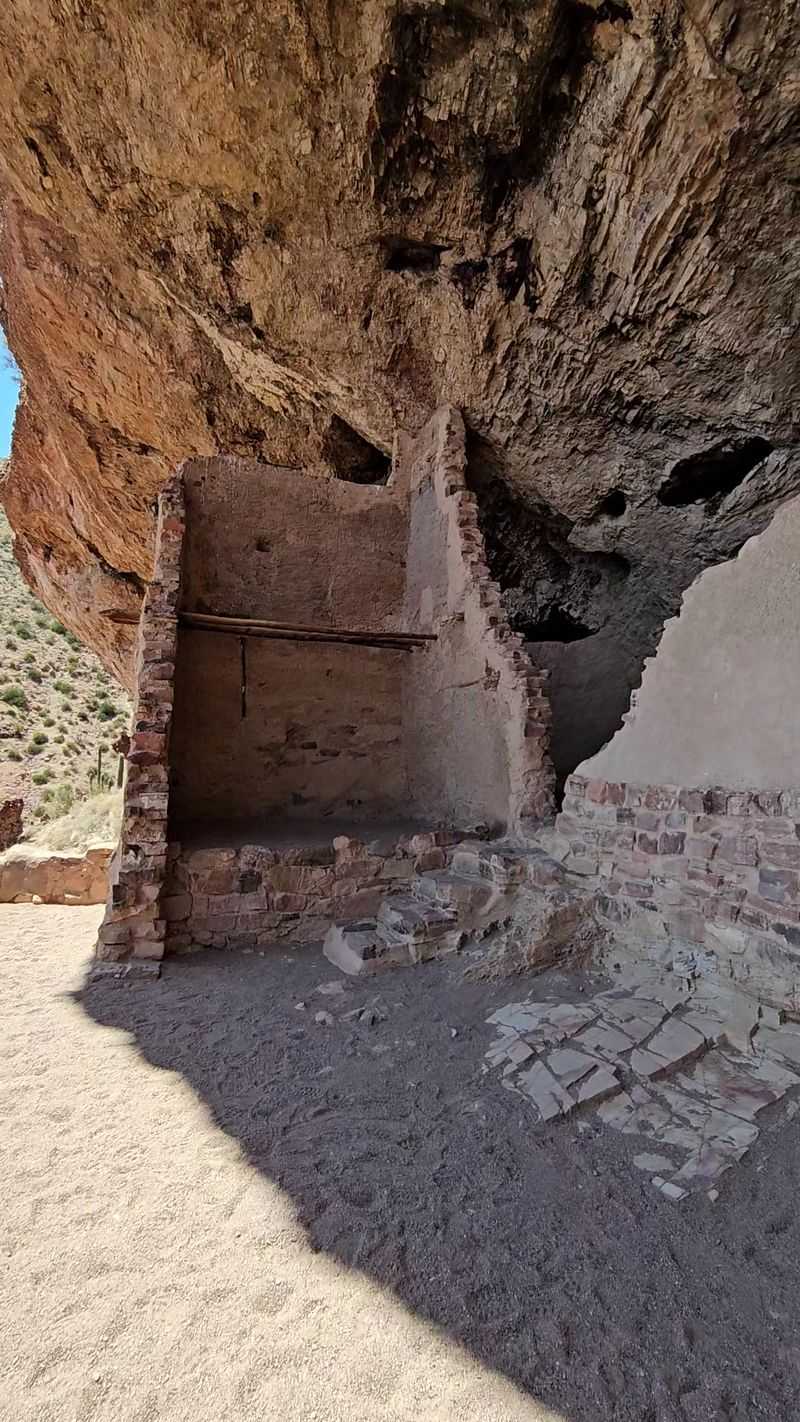
Long before dams and highways, families carved out a life in these rugged hills.
The Salado communities lived in this area between about 1250 and 1450. They built their homes inside natural alcoves in the cliffs.
Those walls still stand today, and a lot of the original structure remains. That is part of what makes the site so memorable.
Standing at the dwellings tends to spark big questions. Who lived here, how did they get water, and why choose such a high perch?
Rangers and volunteers often wait at the top to answer just those questions. They know the history well and share plenty of detail about the people and the landscape.
The museum adds more context with artifacts from the Salado era. A display about the original inhabitants helps tie the pieces together.
History buffs who enjoy Native American heritage sites will find a lot to chew on here. The ruins are well kept, which helps the story feel close at hand.
It is a quiet reminder that Arizona has been home to creative builders for centuries.
3. Museum and Film Before the Climb
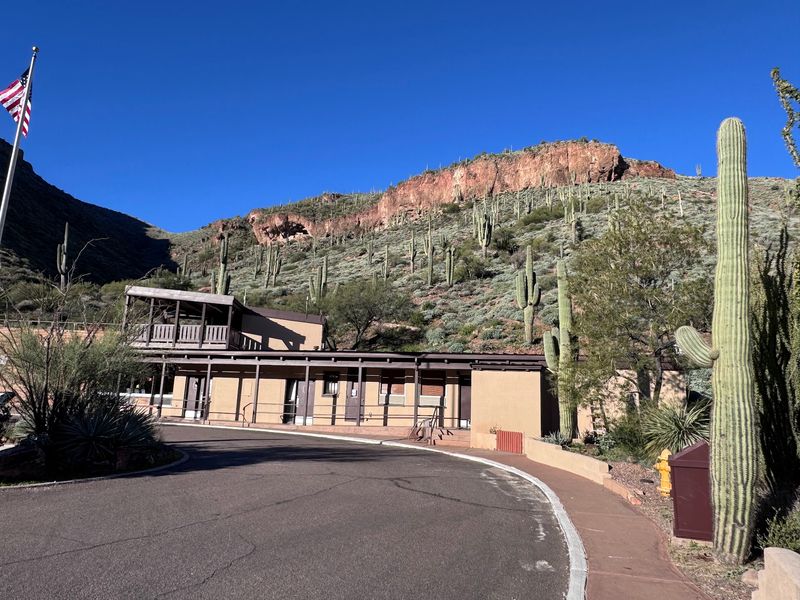
Skipping the movie might feel tempting when the trailhead is right there. Resist that urge for a few minutes.
Upstairs in the visitor center, a short documentary film introduces the site and its builders. Watching it first gives the ruins much more meaning once you reach them.
The small museum is compact but useful. It holds artifacts and a display about the people who lived in the cliffs.
Nobody needs hours here. A quick loop through the exhibits is enough to set the scene.
The gift shop shares the same space as the ticket booth. Souvenirs, books, and small keepsakes line the shelves for anyone who wants a reminder of the day.
Families will appreciate the practical touches nearby. The restrooms are clean, there is a baby changing table in the women’s room, and a sign even warns about scorpion sightings.
That little scorpion notice tends to get a chuckle. It is a friendly nudge that, yes, this is still very much Arizona.
Think of the visitor center as your warm-up act, not the main show.
4. Half a Mile, Straight Up
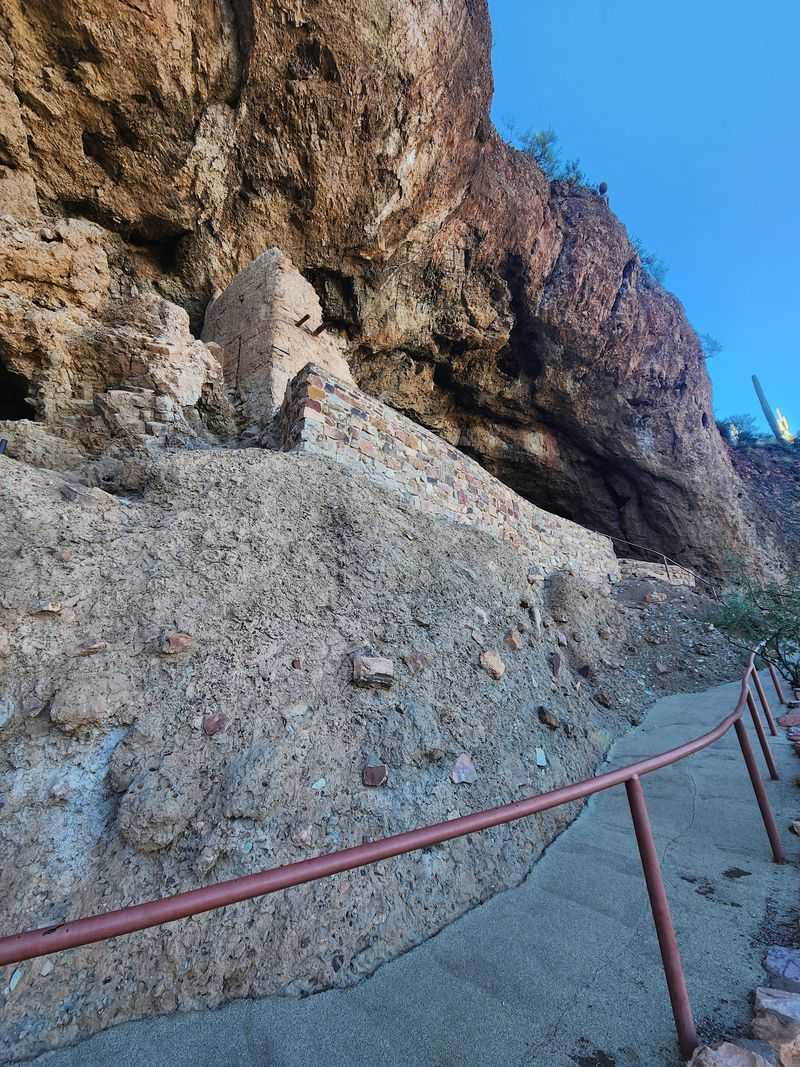
Short trail, serious incline. That sums up the path to the Lower Cliff Dwelling.
The hike starts inside the visitor center with a couple of flights of stairs. You then head out the back door onto the trail.
From there it is about half a mile one way, roughly 1.6 miles round trip by some counts. The climb gains around 400 feet.
The grade sits at about 12 percent, which will get anyone’s heart rate up. Many hikers reach the top in around 25 minutes, with breaks.
The good news is that the entire route is paved. Benches appear along the way, giving you spots to rest or snap a photo.
Trash cans dot the trail, and recycling bins sit back at the station. The path is tidy and well maintained.
Shade, however, is nearly nonexistent. Pack water and a hat, even on milder days.
Kids often handle it well, and taking it slow makes it manageable for most people. Call it a leg day with a history lesson waiting at the finish line.
5. Walking Through 700-Year-Old Rooms
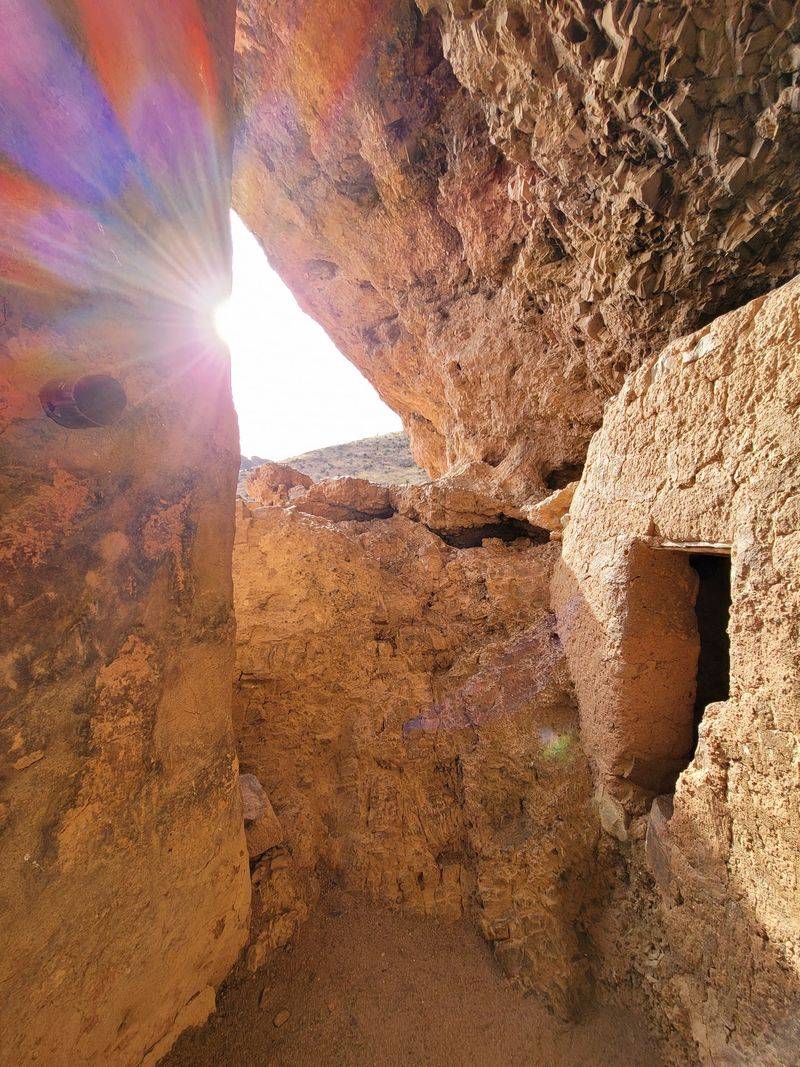
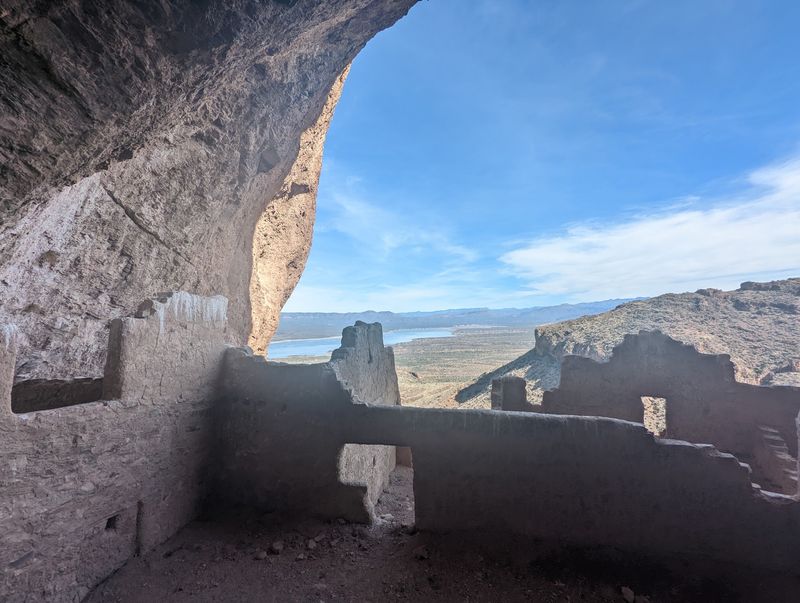
Here is the payoff that most people never reach. At the Lower Cliff Dwelling, you can actually walk through the ruins.
Plenty of ancient sites keep everyone at a distance. This one lets you move among the walls and doorways built centuries ago.
The dwelling is on the smaller side. Still, it packs plenty of interest into its compact footprint.
A ranger or park volunteer is often stationed at the top. They explain the site in detail and answer questions on the spot.
That personal touch makes a difference. Hearing the story while standing inside the rooms helps it stick.
The ruins are well preserved and clearly cared for. Lots of original structure remains for you to study.
Take your time once you arrive. After that climb, there is no reason to rush back down.
Bragging rights come easily here, since you get to say you stood inside a home that is roughly 700 years old.
6. Lake Views From an Ancient Doorstep
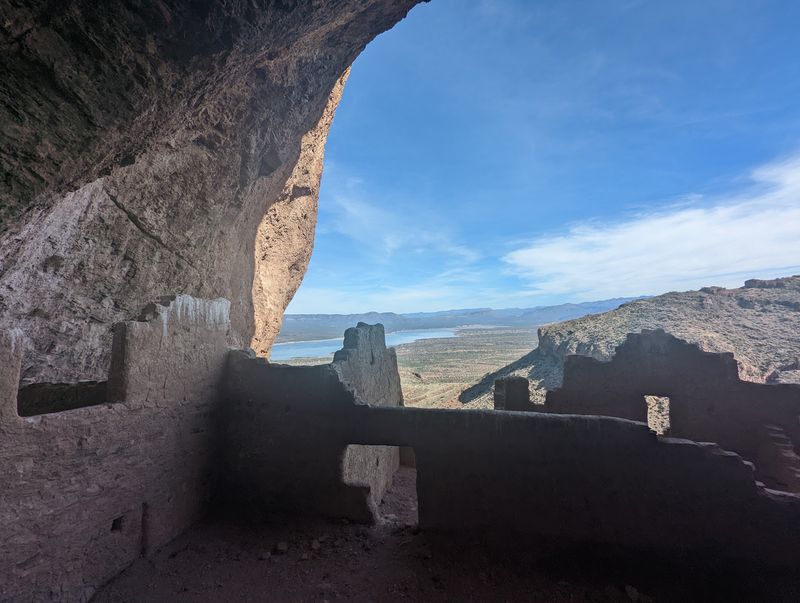
The Salado builders picked a spot with serious scenery, and the view still holds up.
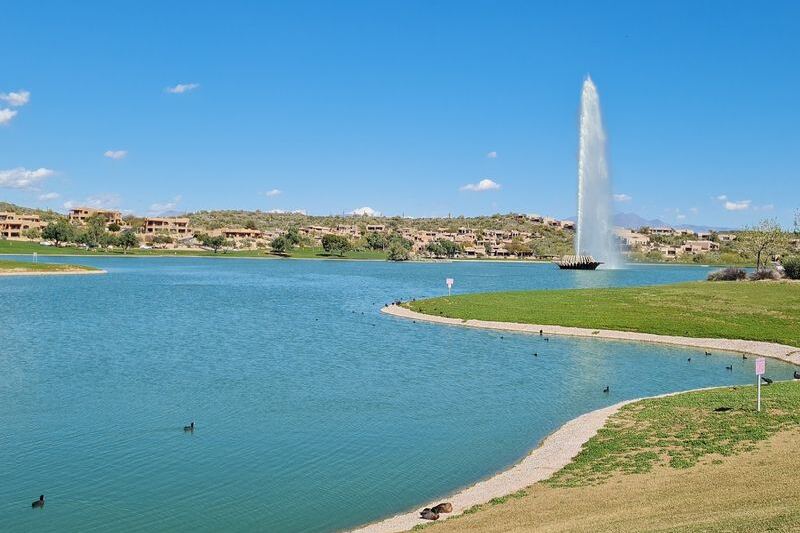
From the dwellings, Theodore Roosevelt Lake spreads out below. Mountains frame the horizon in nearly every direction.
Some hikers also point out views of the Salt River from above. It is a wide sweep of the Tonto Basin.
The trail itself serves up great scenery on the way up and down. Every bench doubles as a viewpoint.
Bring a charged phone or camera. Many people end up taking more photos than planned.
The scenery is a big part of why the slow climb feels worthwhile. You stop to rest, look around, and suddenly the steep grade matters less.
Sunny days bring out the full color of the desert and water. Clear skies are common, though that also means plenty of sun exposure.
Few porches in Arizona come with a better outlook than this ancient one.
7. Saguaros, Wildflowers, and Jumping Cactus
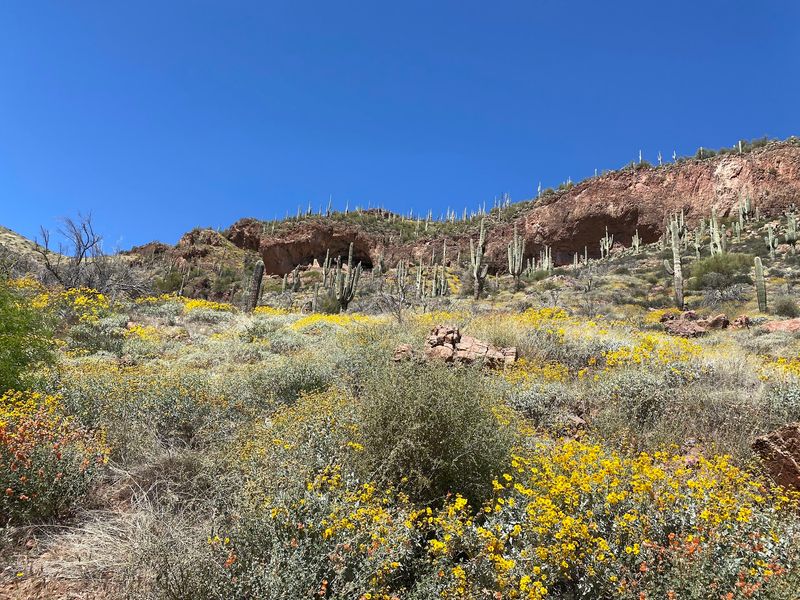
Cactus fans, take note. The trail doubles as a tour of Sonoran Desert plants.
Saguaros stand tall along the path, some quite close to the walkway. You can get near them without leaving the pavement.
Other cactus species fill in the hillsides. In the right season, wildflowers add color to the slopes.
A word of caution about the jumping cactus, better known around here as cholla. Some grows very close to the edge of the trail.
Keep elbows and backpacks tucked in when passing it. Nobody wants a spiny souvenir.
For Valley residents, these plants may seem familiar. Seeing them against a lake backdrop and ancient walls gives them a fresh setting.
Spring is a good bet for wildflowers. Cooler months also make the climb far more comfortable.
The desert garden is free with your ticket, no extra charge for the spines.
8. The Upper Dwelling Tour That Books Early
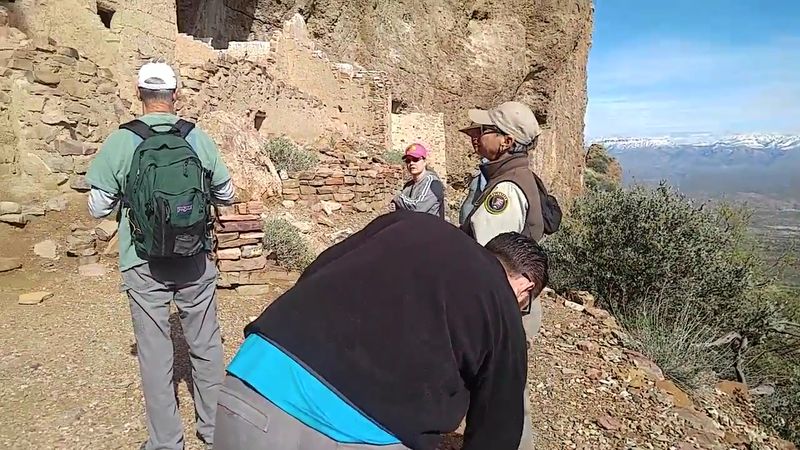
Patience pays off for anyone eyeing the bigger prize. The Upper Cliff Dwelling is reachable only on a guided hike.
Those tours run seasonally, from roughly November to April. Summer guests can usually only visit the lower ruins.
Spots are very limited and fill up fast. Some hikers book as far as eight months in advance.
Guides lead the group and share insight about the people who lived there and the surrounding land. Groups tend to pause for rest along the way.
The hike is longer and more involved than the lower trail. Bring plenty of water and a snack, since shade is scarce.
Many people who visit the lower dwelling leave planning a return trip for the upper one. It becomes a goal worth circling on the calendar.
Check the official park website for current tour dates and booking details. Plans can change from year to year.
Set a reminder now, and future you will be glad you did.
9. Fewer Crowds, More Elbow Room
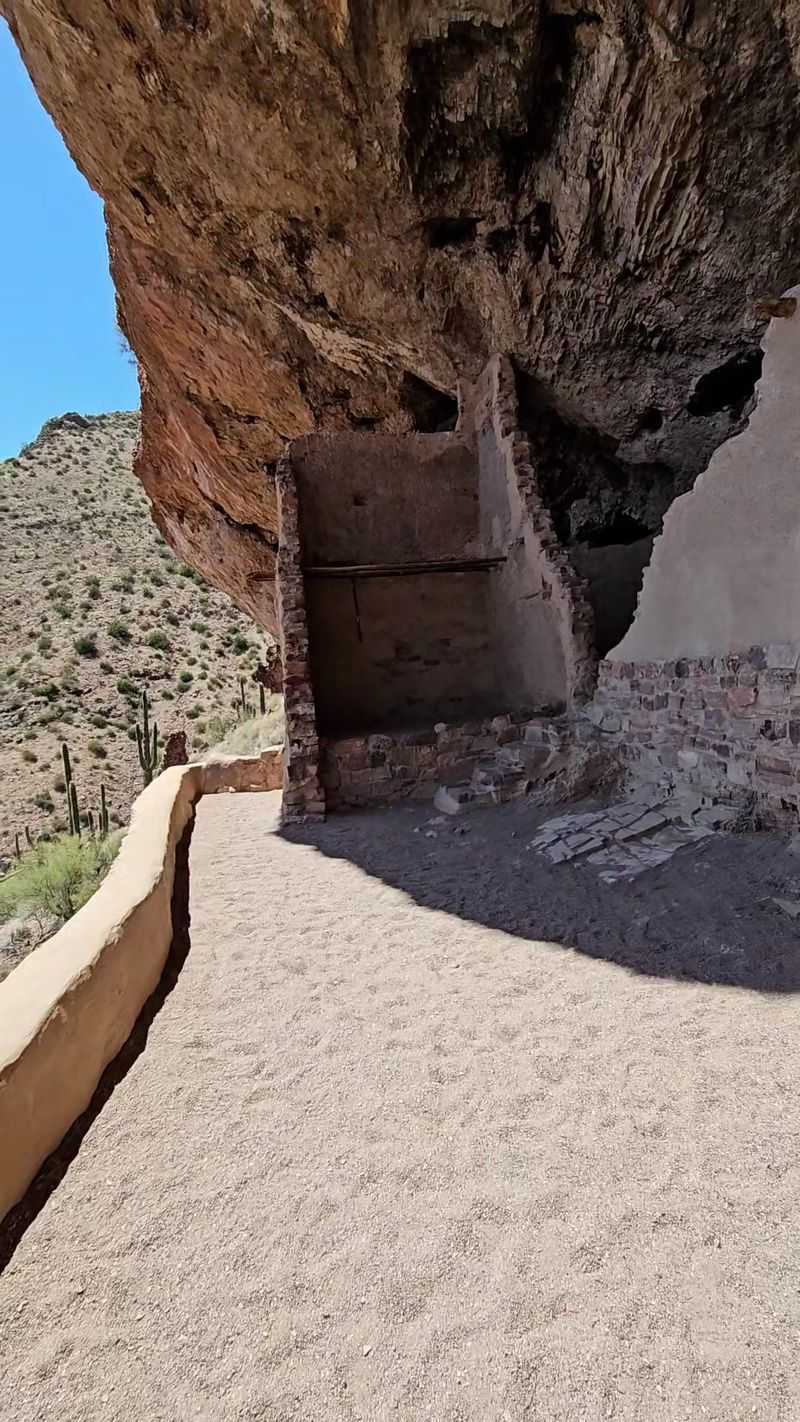
Crowd-weary hikers, rejoice. Tonto offers cliff dwellings without the packed paths found at bigger sites.
It is a modest-sized monument, and that works in its favor. The pace feels relaxed, especially on weekdays.
Parking is ample, and it is free. Weekday trips often find plenty of open spaces.
Staff and rangers get high marks for being friendly and knowledgeable. Smaller groups mean more chances to ask questions.
The site suits history lovers, casual hikers, and families with kids. Some travelers stumble onto it as a side trip and leave thrilled.
It is less ideal for anyone with limited mobility. More on that in the next section.
Overall, the atmosphere is calm and unhurried. You can linger at the top without feeling pushed along.
Sometimes the best ruins are the ones that are not overrun.
10. Accessibility and Heat, Honestly
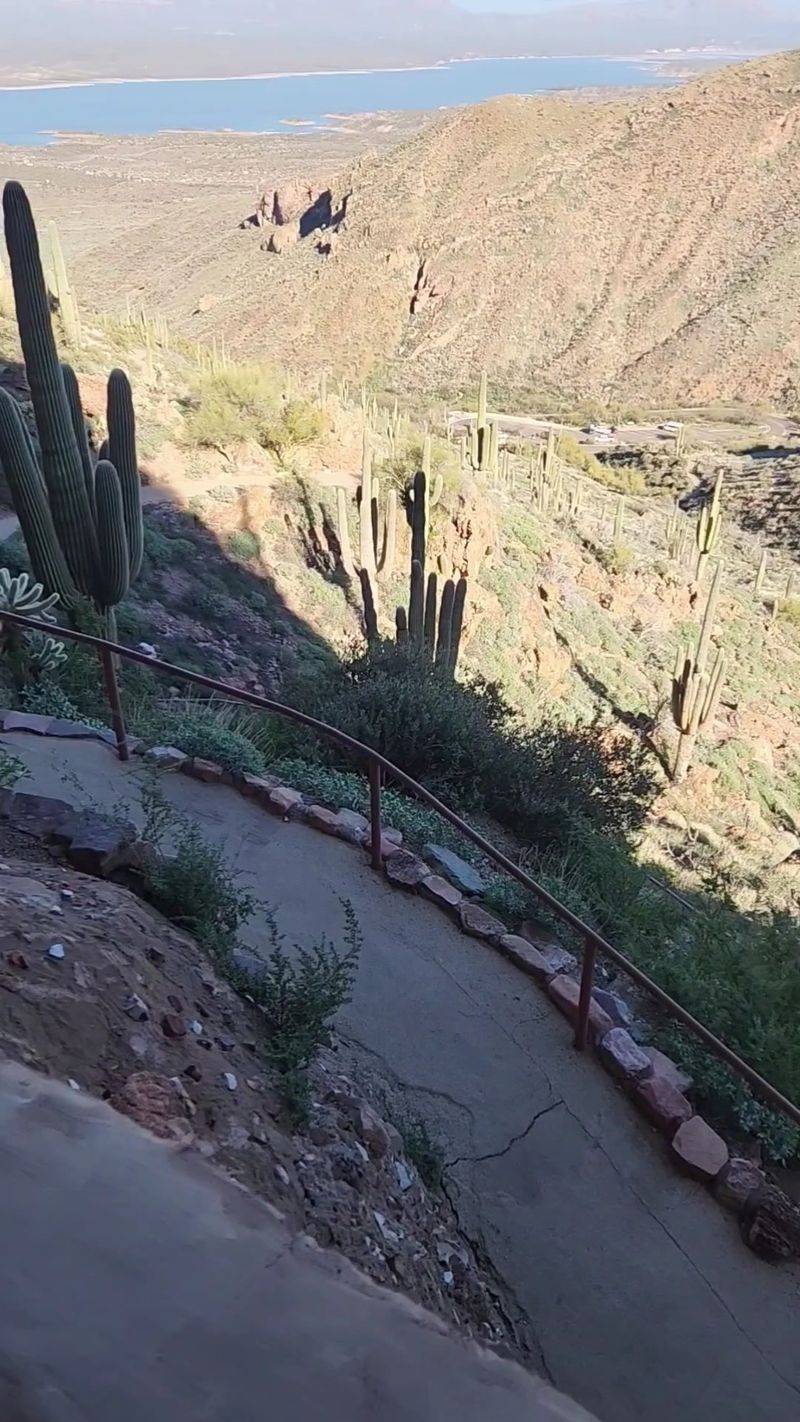
Straight talk helps here. The trail is paved, but it is steep.
Mobility scooters can manage the path, though they cannot climb the final stairs to view the dwelling. The route is not recommended for walkers or wheelchairs.
The 12 percent grade will challenge anyone with limited mobility. Plan accordingly before making the drive.
Heat is the other big factor. Summer days can top 100 degrees, and the trail has almost no shade.
Bring plenty of water and a hat. The visitor center has a filtered water filling station to top off bottles.
Cooler months are the sweet spot for comfort. Fall through spring makes the climb much more pleasant.
Early arrival also helps in warmer weather. That timing matters for another reason, too.
Hydrate, pace yourself, and the hill becomes far more friendly.
11. Hours, Fees, and the Noon Catch
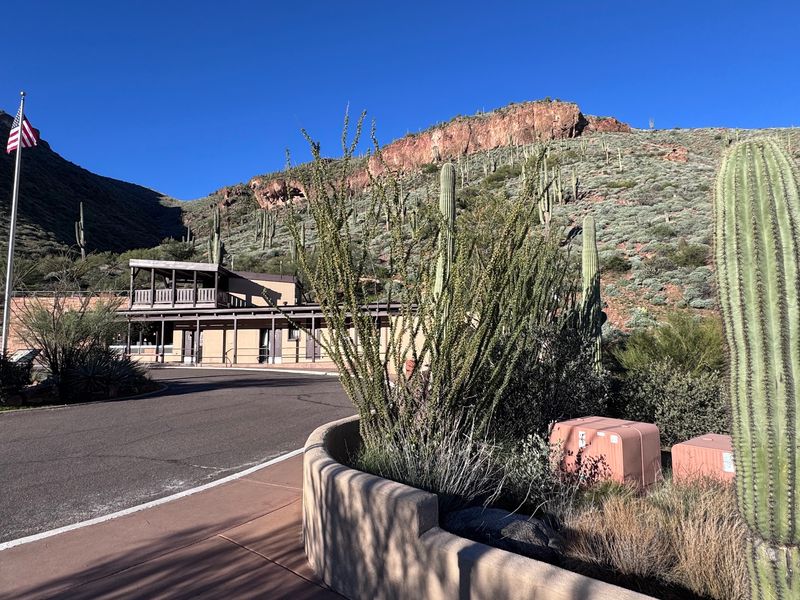
Timing is everything at Tonto, and it trips people up.
The monument currently lists hours of 8 AM to 3 PM, seven days a week. Hours can shift, so check the park website before heading out.
Here is the catch. The trail to the dwellings has been known to close earlier than the visitor center, sometimes as early as noon.
Arrive in the morning to be safe. Showing up mid-afternoon could mean only seeing the museum.
Entry costs about $10 for adults. Tickets are sold at the same counter as the gift shop.
Federal passes may also cover entry for eligible guests. Veterans with qualifying documents should show them to a ranger, as fees may be waived.
Parking is free, which keeps the overall cost low. A morning here can cost less than a casual lunch.
Early birds get the cliff dwellings, everyone else gets the gift shop.
12. The Drive From the Valley
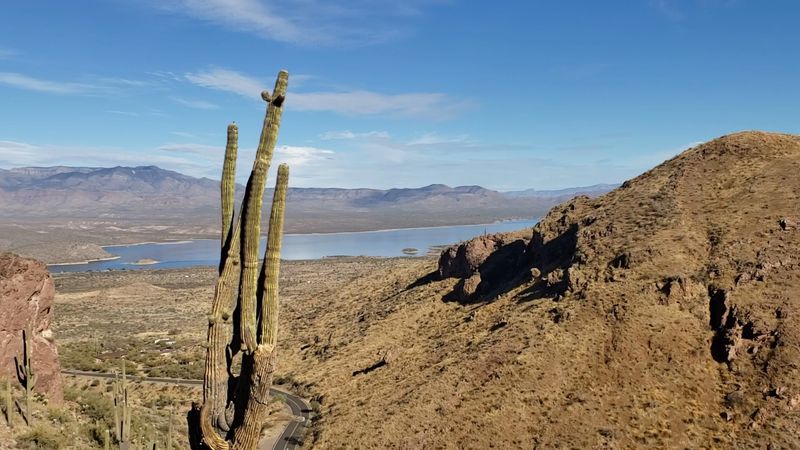
Half the fun starts behind the wheel. The road to the monument offers plenty of scenery on its own.
Some say the drive alone is worth the trip, even without the ruins. Mountains and desert views keep the miles interesting.
The monument sits on AZ-188 near Roosevelt Lake. From the Phoenix area, it makes a solid day trip.
Adventurous drivers sometimes take a partly dirt route on the way back. That road can be rough and is best suited to 4WD vehicles, if it is open at all.
Check road conditions before choosing any backcountry option. Paved routes are the safer choice for most cars.
Nearby, the Theodore Roosevelt Dam and its bridge make easy add-on stops. They sit just down the road from the monument.
Other trails in the area offer more to explore. A full day here can easily fill up.
Gas up, pack snacks, and enjoy the scenic stretch.
13. Why the Climb Earns Its Keep
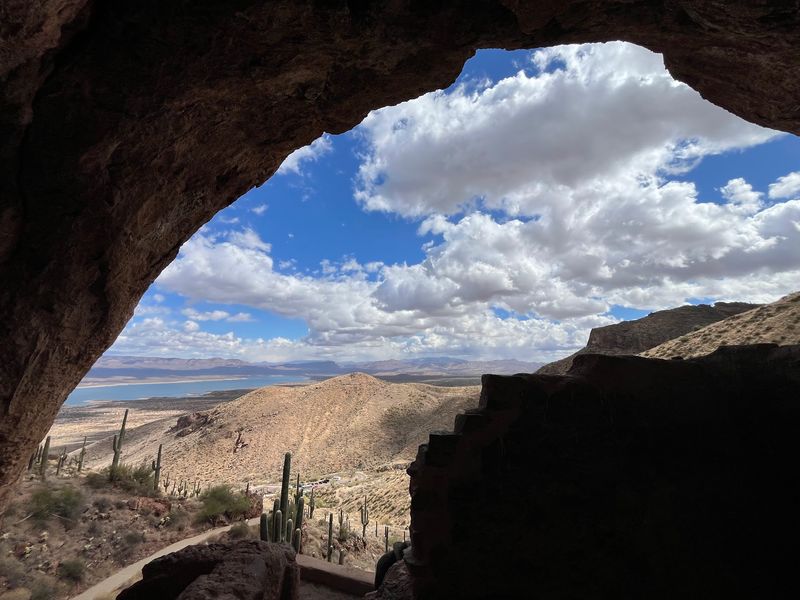
Some trips sound small on paper and turn out to be the stories you tell all year. Tonto National Monument belongs in that group.
For around $10, you get a museum, a film, a scenic trail, and a walk through rooms built about 700 years ago. Parking costs nothing.
The climb is short but steep. The views of Roosevelt Lake and the saguaro-covered hills make every step worthwhile.
Rangers add depth with their knowledge. Fewer crowds let you soak up the history at your own pace.
Go in the cooler months, arrive early, and bring water. Keep an eye on the guided tours to the Upper Cliff Dwelling.
It is a hands-on slice of Arizona history within reach of the Valley. Plenty of locals have driven right past it.
Now you know better than to stop at the visitor center. The real reward sits just up the hill, waiting for you to step inside.
Share this story