Michigan museums know how to keep curiosity moving. Across the state, one trip can lead from Detroit’s street-level history and legendary music legacy to spaceflight, classic cars, natural science, hands-on discovery, and bold contemporary culture.
These are not the kind of museums where you simply shuffle from room to room and forget what you saw by dinner. The best ones mix strong collections with smart storytelling, unexpected exhibits, and the kind of details that make you want to linger.
If your usual museum routine could use a reset, these 12 Michigan museums make a strong case for adding one more stop to the itinerary.
1. Detroit Historical Museum
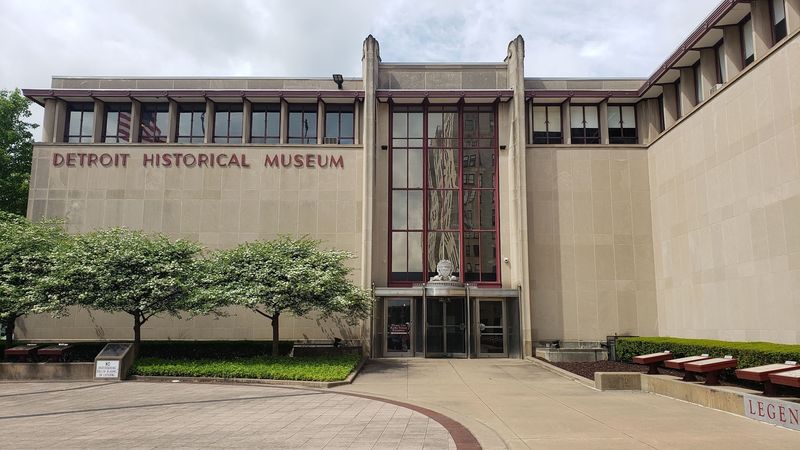
Start in Midtown and you can give a museum day real city texture at the Detroit Historical Museum. This is the kind of place that works best when you slow down a little and let the galleries stack one era against the next.
Detroit shows up here as industry, music, neighborhood life, labor, design, and daily routines, not just a greatest-hits reel of headlines.
The most memorable sections tend to be the ones that place you inside the story instead of keeping everything at arm’s length. Re-created streets, period details, old advertising, and objects tied to work and home life make the experience more grounded than abstract.
You are not just reading dates on panels. You are moving through a version of the city shaped by people who built, sold, repaired, protested, performed, and adapted.
That wider lens matters because Detroit can get flattened into easy narratives. Here, the museum format gives the city more room to be contradictory, inventive, and practical all at once.
One gallery may lean into manufacturing muscle while another reminds you that style, migration, radio, sports, and community institutions changed the city’s rhythm just as much. The result is a visit with motion in it, not a static civic scrapbook.
It also helps that the museum fits neatly into a larger Detroit day. You can pair it with nearby campus energy, another cultural stop, or a long lunch without making logistics annoying.
For visitors who want context before exploring the city itself, this is a sharp first stop. For locals, it is a useful reset button, the kind that makes familiar streets look more layered the next time you head back outside.
2. Air Zoo Aerospace & Science Museum

Then there is the Air Zoo, which refuses to play museum in a quiet, hands-off way. The scale grabs you first: aircraft overhead, bright exhibit zones, and enough movement in the building to keep the energy high.
Even before you settle into the details, the place signals that aviation and space history can be thrilling without turning into a theme park blur.
The strongest part of a visit is the balance between spectacle and substance. You can admire the engineering lines of historic aircraft, then pivot toward interactive science experiences that translate big concepts into clear, approachable moments.
Lift, propulsion, speed, design, and experimentation become easier to picture when you are standing beneath machines that once made those ideas visible in the sky. Kids stay engaged, but adults are hardly standing around politely.
There is also a nice sense of ambition built into the layout. Instead of presenting flight as a closed chapter, the museum keeps nudging your attention toward problem solving, iteration, and the curiosity that pushes technology forward.
That makes the collection feel active rather than nostalgic. You get history, yes, but also a reminder that innovation usually comes from testing limits, revising assumptions, and trying another route.
For a Michigan museum day, it delivers a different tempo from the state’s many automotive and regional history institutions. The subject matter lifts the mood, literally and figuratively, and the visit rarely drags because there is always another object, simulator, or science angle pulling you onward.
If you want a stop that can satisfy serious aviation interest while still entertaining a mixed group, the Air Zoo handles that challenge with unusual confidence and very little dead space.
3. Dennos Museum Center
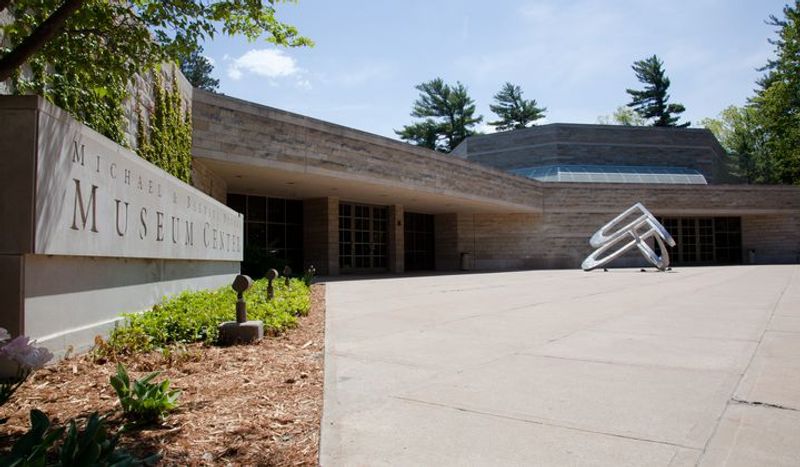
Up in Traverse City, the Dennos Museum Center changes the rhythm in a good way. Instead of pushing for maximum spectacle, it offers a tighter, more deliberate art experience that suits a slower Northern Michigan pace.
You walk in ready to look closely, and that shift alone can make a packed museum itinerary feel refreshed.
Its appeal comes from the combination of regional connection and broader artistic range. A college-campus museum can sometimes feel small in the limiting sense, but this one often reads as focused rather than narrow.
The galleries invite attention to color, material, line, and cultural influence without making the experience feel academic or overexplained. That matters for visitors who want substance without needing a seminar to enjoy what is in front of them.
The space is especially rewarding when you let individual works set the pace. One room may encourage quiet observation, while another offers stronger visual contrast or a different cultural thread that shifts your frame of reference.
Instead of racing toward a signature object, you get a series of visual conversations. That format suits people who prefer museum visits with breathing room and clean transitions between ideas.
There is also value in seeing an institution outside the state’s biggest metro zones hold its own with confidence. The Dennos makes art feel connected to place without reducing itself to local boosterism.
You can pair it with the wider Traverse City scene, but the museum does not need scenery to justify a stop. It stands on concentration, thoughtful presentation, and the kind of curation that rewards curiosity rather than demanding prior expertise from the people walking through the door.
4. Michigan Science Center
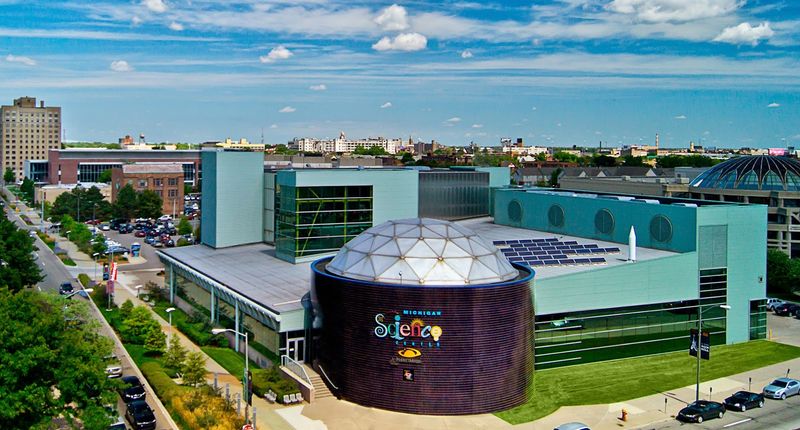
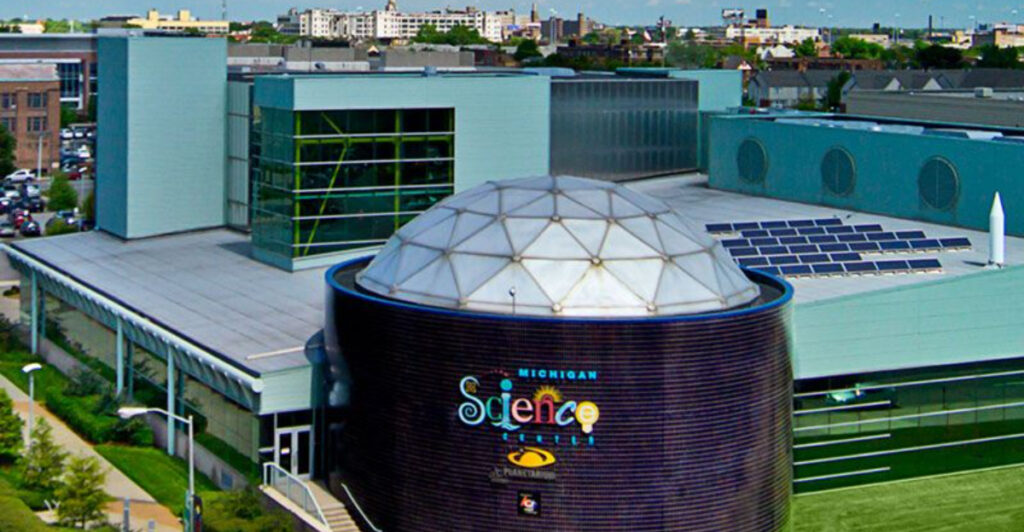
Need a museum stop with momentum? The Michigan Science Center is built for that.
This is where buttons get pressed, principles get tested, and curiosity is expected to move around the room instead of standing quietly behind a rail. The whole setup encourages participation, which makes it a useful pick when museum fatigue starts creeping into the day.
Hands-on science spaces can sometimes tilt too young or too chaotic, yet this one usually manages a better balance. The best exhibits turn abstract ideas into physical encounters, so energy, motion, sound, and problem solving feel immediate instead of textbook flat.
You do not need to arrive with advanced knowledge to enjoy it. You just need enough interest to try something, watch what happens, and connect the result to the bigger concept.
That practical, experiment-first approach is exactly why the museum works for groups with mixed ages and attention spans. One person may get pulled toward engineering challenges while someone else lingers over health, space, or environmental themes.
The subject shifts keep the visit from feeling repetitive, and the overall tone stays upbeat rather than lecture heavy. It is educational, but the museum wisely avoids the trap of sounding like school on a Saturday.
In a state proud of industry, research, and technical talent, the Michigan Science Center fits naturally into the wider cultural picture. It turns STEM into part of everyday civic identity, not a niche interest for specialists.
Pair it with other Midtown institutions and you have a day with real variety. Visit on its own and you still leave with your attention sharpened, because the museum keeps translating big systems into direct, memorable encounters that make science easier to carry back into ordinary life.
5. Gilmore Car Museum
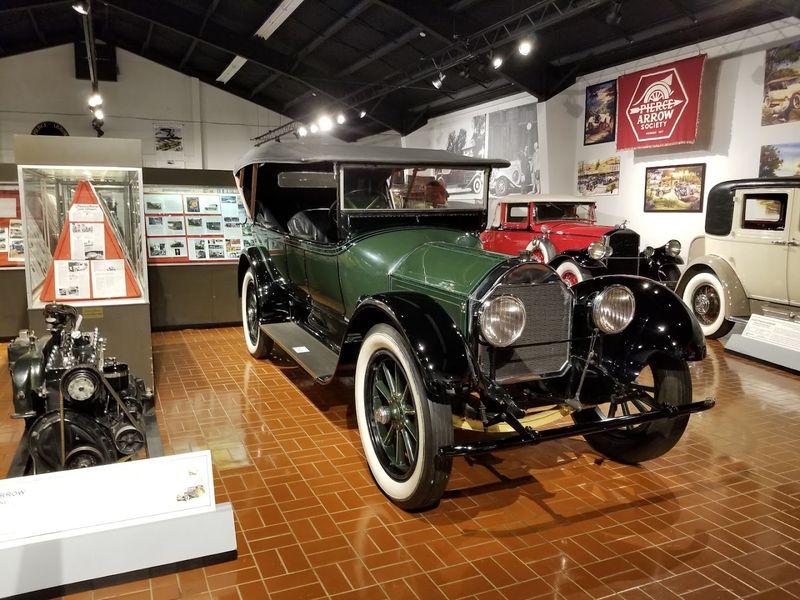
For pure visual range, the Gilmore Car Museum is hard to top. A car museum can sound narrow on paper, but this one opens up through scale, setting, and the sheer variety of design on display.
You are not staring at a single row of polished vehicles and calling it a day. The campus style layout keeps the visit moving and gives each cluster of cars a little breathing room.
That matters because automotive history is easier to enjoy when you can notice the changes in shape, comfort, branding, and engineering over time. Curves tighten, dashboards evolve, materials shift, and whole eras announce themselves through color and attitude.
Even visitors who do not follow collector culture can read those differences quickly. The cars become snapshots of taste, technology, and everyday aspiration, not just mechanical trophies.
There is also a nice social angle to the experience. People tend to point out family memories, old road-trip stories, or the exact vehicle that a grandparent once drove, and those small connections give the galleries more life.
You do not need to be a deep car person to get drawn in by that recognition. The museum understands that automobiles shaped work, leisure, status, and regional identity all at once, especially in a state where mobility and manufacturing are woven together.
Because the grounds are spread out, the visit avoids that boxed-in feeling some transportation museums can develop after an hour. You can reset between buildings, adjust your pace, and keep discovering styles that are glamorous, practical, odd, or unexpectedly elegant.
By the end, the museum has done more than show off chrome and horsepower. It has traced how design ideas travel into ordinary life, and it does that with enough scale and clarity to stay engaging for hours.
6. Arab American National Museum

Dearborn brings a different kind of museum strength, and the Arab American National Museum is central to that conversation. This is a place where culture, migration, identity, and public storytelling meet in a format that stays accessible without flattening complexity.
You leave with more context, but also with a better sense of how personal histories and national narratives overlap in real life.
The museum works because it presents Arab American experiences as varied and contemporary, not frozen into a single image. Family stories, creative work, language, civic life, and media representation can all enter the frame, giving the visit more texture than a narrow heritage summary.
That range matters when a subject is too often reduced by outsiders to stereotypes or headlines. Here, the galleries create space for nuance, contradiction, pride, and critical reflection in the same visit.
Design also plays a role in how approachable the museum feels. Even when the themes carry weight, the presentation tends to invite reading, listening, and thinking rather than overwhelming you with distance or formality.
Visitors who arrive with little background can still move through the exhibits with confidence. Those who know the subject better will likely appreciate the broader framing and the sense that culture is being presented as lived, evolving experience rather than a sealed archive.
It is one of the strongest museum stops in Michigan for anyone who wants culture interpreted through community, not just through objects behind glass. Dearborn itself adds useful context, but the museum stands firmly on its own terms as an essential civic space.
In a state with many institutions focused on machines, industry, and regional milestones, this one sharpens the human side of the story. That perspective gives a museum day more range, more relevance, and more staying power.
7. U-M Museum of Natural History
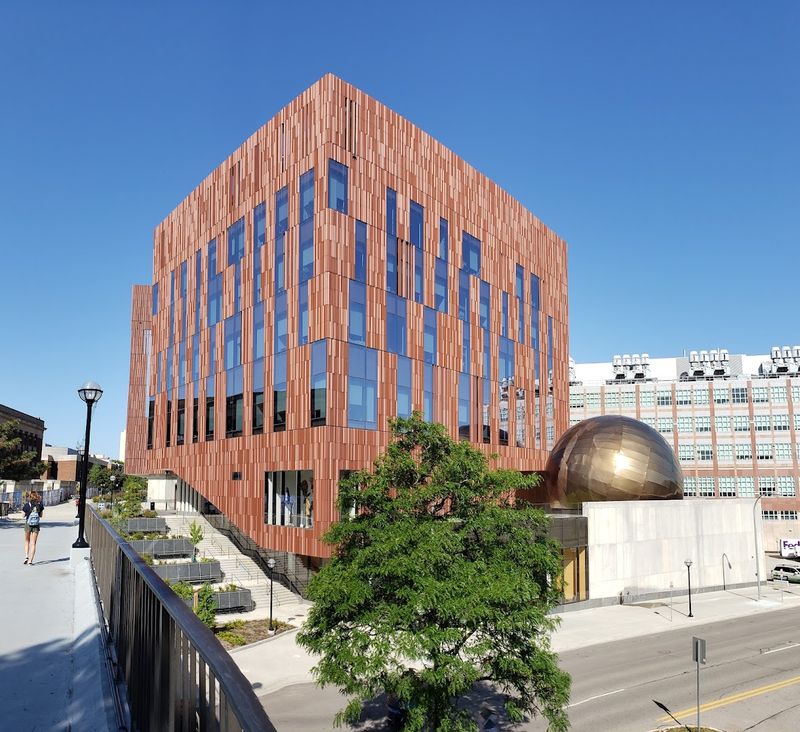
Ann Arbor’s U-M Museum of Natural History knows exactly how to keep natural science lively. It offers the classic museum pleasures people hope for, including fossils, specimens, and big visual anchors, but packages them in a setting that stays fresh and readable.
You can dip in casually or give the exhibits a more focused look and still feel rewarded either way.
The museum’s strongest advantage is clarity. Natural history can sprawl fast, yet the galleries usually make it easy to track how life, landscapes, ecosystems, and deep time connect.
Instead of dumping information in your lap, the exhibits tend to guide your eye first and your brain right after. That sequence matters, especially when you are visiting with people who want science to feel inviting rather than dense.
A university museum also brings a useful edge. There is a sense that research, teaching, and public engagement are all feeding into the same place, which gives the visit extra credibility without making it stiff.
Kids may lock onto towering skeletons or animal displays, while adults find themselves lingering over evolution, biodiversity, or geology in a more serious way than expected. The room has enough visual excitement to draw you in and enough substance to justify staying.
It also fits beautifully into an Ann Arbor day because the surrounding area already encourages walking, browsing, and adding one more stop. That flexibility makes the museum easy to recommend to almost anyone.
You do not need a long attention span, a science background, or a full afternoon set aside. You just need curiosity and maybe a little time to spare.
The museum handles the rest by turning big natural stories into an experience that reads clearly, moves efficiently, and still leaves room for wonder.
8. Michigan History Museum

In Lansing, the Michigan History Museum gives you the statewide view without turning the experience into a dry civics packet. It tracks the story broadly enough to feel comprehensive, yet the presentation stays grounded in objects, settings, and lived experience.
That combination makes it useful whether you are new to Michigan or simply trying to connect a few scattered facts into a clearer picture.
What lands especially well is the museum’s ability to move between large themes and ordinary life. Industry, settlement, labor, government, and cultural change all matter here, but so do domestic spaces, tools, clothing, and the practical details people used every day.
Those smaller details help history stick. You start seeing the state less as a timeline of events and more as a series of environments people had to navigate, shape, and share.
The chronological flow also helps visitors keep momentum. Rather than feeling trapped in one specialty topic, you get a changing sequence of eras and concerns that keeps the visit flexible.
One section may lean into frontier realities, another into manufacturing, and another into social transformation. The museum rarely depends on a single dramatic centerpiece.
Instead, it builds its strength through accumulation, letting each gallery add one more layer to your sense of how Michigan became Michigan.
That makes it a smart stop for travelers who want context before exploring other parts of the state. It also works for locals who suspect they know the basics but have not actually seen them assembled in one place.
Lansing may not always be the first city people associate with museum excitement, yet this institution quietly makes a strong case for itself. You leave with a sturdier mental map, and that can change how you read towns, industries, and landscapes long after the visit ends.
9. Ypsilanti Automotive Heritage Museum
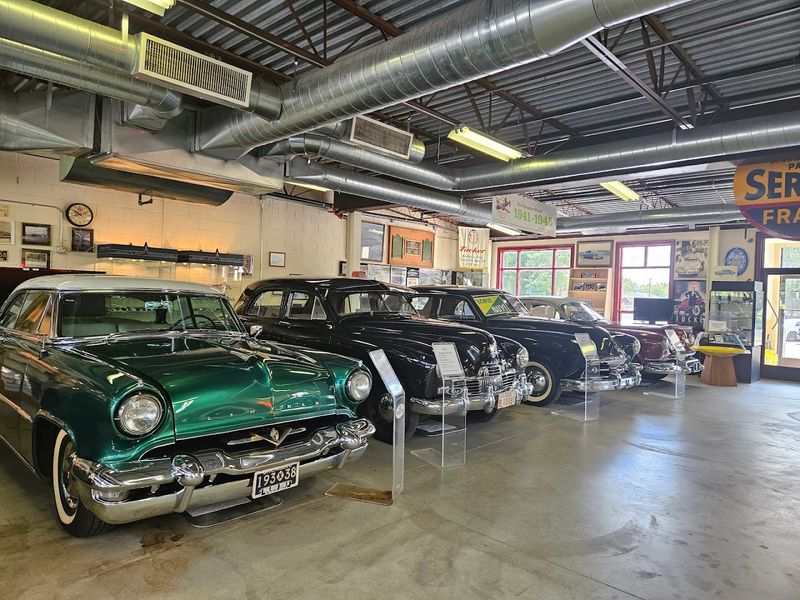
Smaller scale can be an advantage, and the Ypsilanti Automotive Heritage Museum proves it quickly. This is not the kind of place trying to overwhelm you with endless square footage.
Instead, it leans into focus, local knowledge, and the pleasure of seeing how one community connects to a much bigger automotive story. That tighter frame gives the visit personality right away.
Because the museum centers on regional heritage, the details often carry extra charm. Vehicles, memorabilia, and manufacturing context work together to show how automotive history played out at the local level, where jobs, pride, craftsmanship, and changing industry realities all touched everyday life.
You get a reminder that car culture is not only about iconic models or giant corporate legends. It is also about the towns, workers, dealers, and habits built around mobility.
The museum’s modest footprint can make conversations easier too. In a smaller setting, people tend to actually look, point things out, swap stories, and notice unusual corners they might breeze past in a larger institution.
That creates a more personal pace. You are less likely to feel rushed and more likely to absorb the connections between a vehicle on display and the place outside the museum doors.
Ypsilanti’s own character strengthens that effect.
For visitors building a museum itinerary across southeast Michigan, this stop adds useful contrast. It complements the state’s larger automotive institutions without duplicating their scale or tone.
You can see it as a specialized chapter rather than a condensed substitute, and that is exactly why it works. The museum offers a direct line between local identity and industrial history, packaged in a format that stays approachable, specific, and pleasantly free of unnecessary grandstanding.
10. The Henry Ford Museum of American Innovation

When people talk about big-name Michigan museums, The Henry Ford Museum of American Innovation usually enters the chat early. The place has scale, range, and enough iconic material to keep your head turning for hours.
Still, its biggest strength is not simply size. It is the way the museum frames invention, design, transportation, and public life as parts of one long national conversation.
You can move from vehicles to machinery to social history and keep finding links between them. An object may represent engineering progress, but it can also say something about labor, access, style, politics, or consumer culture.
That layered reading is where the museum gets especially interesting. It invites awe, sure, yet it also rewards visitors who want to think about how innovation changes habits, expectations, and power in everyday life.
The broad scope helps the visit feel less like a specialist destination and more like a place where almost anyone can find an entry point. Some people lock onto transportation.
Others linger over design, manufacturing, or the objects tied to major cultural shifts. Because the galleries cover so much ground, the museum can absorb mixed interests without losing coherence.
You are still following one central idea: invention matters most when it intersects with real human use.
That theme makes the museum a natural centerpiece for a Michigan culture itinerary. It taps into the state’s industrial identity while stretching beyond a purely local story, which gives the whole experience more reach.
Yes, it is a famous stop, but it earns that status through curation that keeps the subject expansive and tangible at once. If you want a museum day that feels large, intelligent, and full of visual payoff, this is one of the state’s clearest heavy hitters.
11. Charles H. Wright Museum of African American History
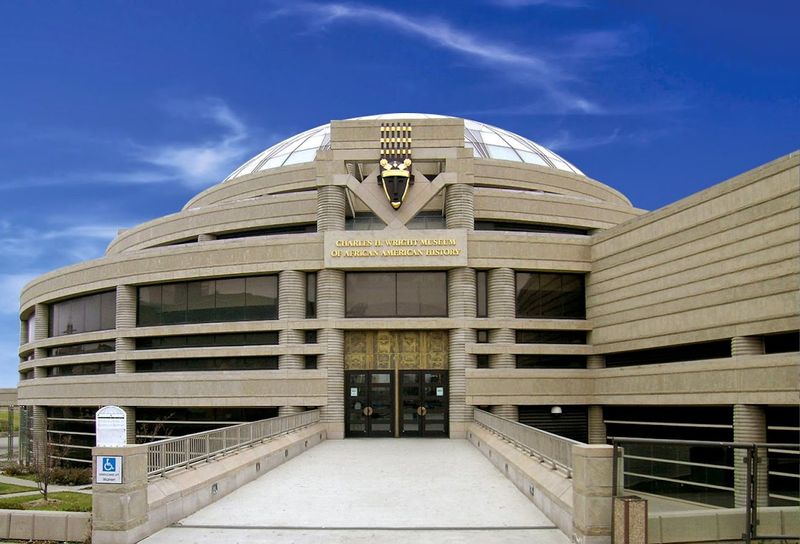
Few museum visits in Detroit carry the same sense of depth and urgency as the Charles H. Wright Museum of African American History.
It is a place that asks for attention and rewards it with scale, context, and strong cultural framing. Rather than narrowing African American history into a single lens, the museum opens out into many connected stories about resilience, creativity, struggle, and civic transformation.
That range is one reason the experience stays so compelling. Historical interpretation can move across eras while still making room for art, memory, family, migration, political action, and everyday achievement.
The galleries often encourage you to think in layers instead of shortcuts. Larger national currents matter, but so do the local and personal dimensions that show how history is lived on the ground.
The effect is expansive without becoming vague.
The museum also plays an important role within Detroit’s cultural landscape. In a city often discussed through industry and music alone, this institution insists on a fuller account of Black life, thought, and influence.
That perspective changes the shape of a museum day. You are not just adding another stop.
You are adding a framework that helps other parts of the city make more sense, especially when thinking about neighborhoods, institutions, activism, and creative production.
Visitors do not need to arrive as experts to be moved by the material here. The museum gives enough structure to guide newcomers while still offering plenty for people returning with deeper interest.
It is serious without becoming inaccessible and powerful without relying on empty grandness. Among Michigan museums, this one delivers a particularly strong blend of historical weight and cultural presence.
That combination lingers, sharpening your reading of Detroit and of the broader American story around it.
12. Sloan Museum of Discovery
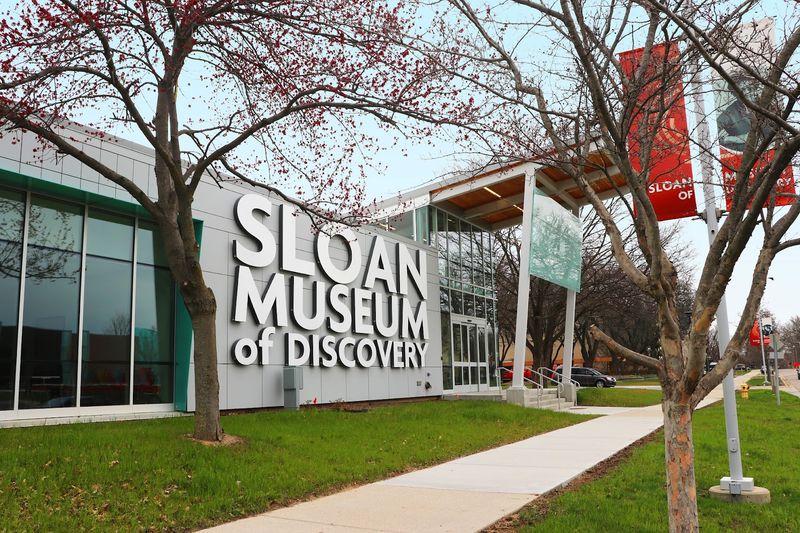
Round out the list with Flint’s Sloan Museum of Discovery, a stop that blends regional identity with hands-on energy in a way that stays easy to like. The name points to science and exploration, but the museum’s appeal is broader than a single category.
It gives you room to move between learning styles, which is exactly why it works so well for varied groups.
Interactive exhibits help keep the pace lively, especially for visitors who prefer doing over simply reading. At the same time, the museum’s regional threads add more weight than a generic discovery center might deliver.
Flint and the surrounding area have long been tied to manufacturing, mobility, and community change, so the local dimension adds real substance. You are not just encountering abstract concepts.
You are seeing how innovation and daily life intersect in a place with a distinct industrial legacy.
That balance between play and context is the key strength. Some museums aimed at family audiences lose adults halfway through the visit, while others become too text heavy for younger visitors to stay engaged.
Sloan tends to sit in a more useful middle ground. There is enough activity to keep energy up and enough interpretation to make the experience feel meaningful beyond a quick pass through the galleries.
As a final museum-day recommendation, it captures the wider Michigan pattern nicely. The state does its best cultural institutions when practical invention, local history, and public learning all share the same floor.
Sloan shows that formula still has plenty of life in it. Add it to a Flint visit and you gain context.
Make it a destination and you still get a museum with solid variety, a clear identity, and the kind of flexible experience that leaves room for both curiosity and conversation.
Share this story