

Nashville has faced some brutal winter weather over the years, and a few ice storms stand out as particularly memorable. When ice coats everything from power lines to tree branches, the city grinds to a halt, leaving residents without electricity and struggling to navigate treacherous roads.
As forecasters warn of similar conditions on the horizon, looking back at these historic storms reminds us why preparation matters so much.
1. 1994
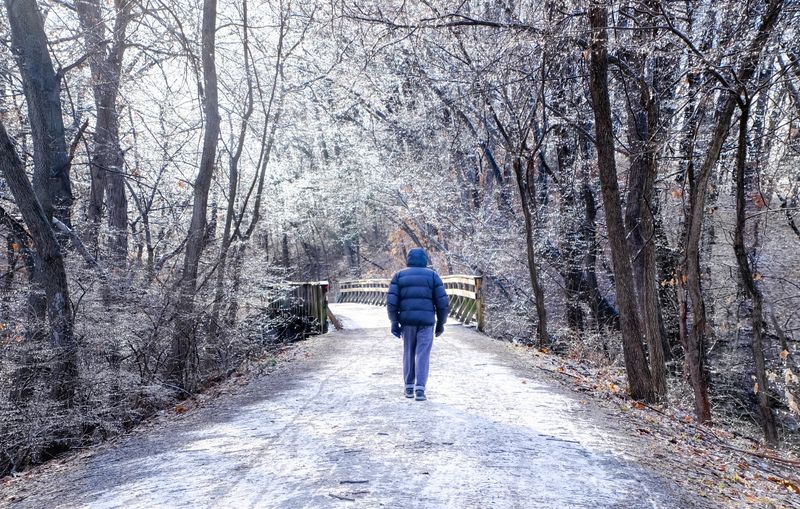
February 1994 brought Nashville to its knees with an ice storm that locals still talk about decades later. Ice accumulated to nearly an inch thick on every surface imaginable, transforming the city into a frozen landscape that looked beautiful but caused absolute chaos. Power lines snapped under the weight, plunging more than 100,000 homes into darkness during some of the coldest days of the year.
The storm knocked out electricity for days in some neighborhoods, with certain areas waiting over a week before crews could restore service. Grocery stores ran low on supplies as panicked shoppers cleared shelves of bread, milk, and batteries.
Trees throughout Nashville suffered tremendous damage, with massive limbs crashing down onto cars, homes, and roadways. The beautiful old oaks and maples that lined historic streets lost huge sections of their canopies. Clean-up crews worked for months removing fallen branches and debris from yards and public spaces across the city.
Schools closed for nearly a week, giving kids an unexpected winter break they celebrated with sledding and snowball fights once the danger passed. But for adults, the storm meant financial stress from spoiled food, property damage, and lost wages. Insurance companies processed thousands of claims for roof damage, broken windows, and destroyed vehicles.
The 1994 ice storm taught Nashville important lessons about emergency preparedness and infrastructure vulnerability. City officials upgraded the electrical grid and improved response protocols for future winter weather events. Even now, when forecasters mention ice accumulation, longtime residents remember 1994 and stock up on supplies just in case history repeats itself.
2. 1951
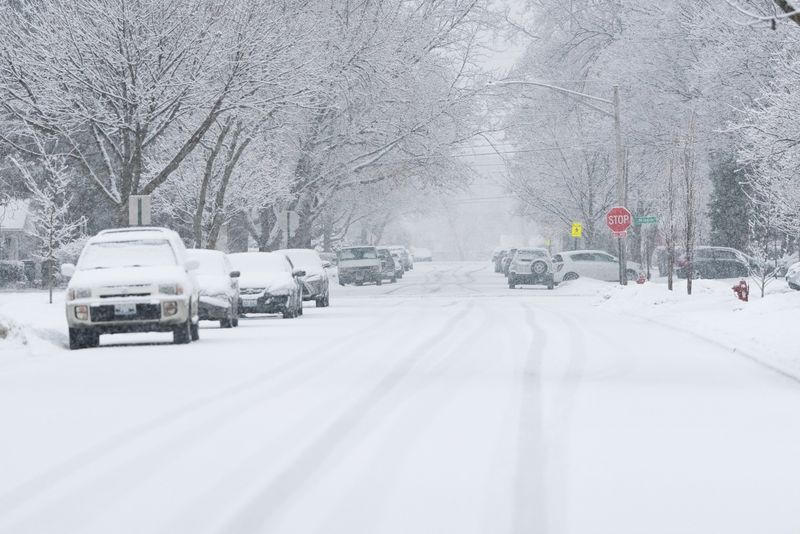
January 31, 1951, marked one of the most catastrophic ice storms in Nashville’s recorded history. Freezing rain fell for hours, coating the entire city in a thick layer of ice that brought life to a complete standstill. Temperatures hovered just below freezing for days, preventing any melting and keeping Nashville locked in an icy grip that tested everyone’s patience and resilience.
Back in 1951, Nashville didn’t have the modern infrastructure or emergency response systems we rely on today. Communication was limited to landline telephones and radio broadcasts, making it harder for officials to coordinate rescue efforts or inform citizens about dangerous conditions. Many people found themselves isolated in their homes without any way to reach the outside world.
Downtown Nashville looked like a ghost town during the storm’s peak. Streetcars couldn’t run on the icy tracks, and the few cars that attempted to navigate the frozen streets often ended up abandoned on hillsides. Store owners couldn’t open their businesses, and workers couldn’t reach their jobs, bringing the local economy to a grinding halt for several days.
The weight of accumulated ice destroyed countless trees throughout the city, some of which had stood for over a century. Power lines came down in tangled masses, leaving entire neighborhoods dark and cold. Families burned furniture and old newspapers to stay warm when firewood ran out, doing whatever it took to survive the brutal conditions.
Hospital workers faced particular challenges trying to reach patients who needed care. Some doctors and nurses walked miles through dangerous conditions to reach their shifts. Emergency vehicles struggled to respond to calls, and several accidents occurred when ambulances slid on icy roads while transporting patients.
3. 1966

Did you know that Nashville experienced back-to-back ice storms in January and February of 1966? The double punch of winter weather caught everyone off guard and caused widespread damage across Middle Tennessee. Just when residents thought they’d recovered from the first storm, another wave of freezing rain arrived to compound the misery and destruction.
The first storm hit in mid-January, coating everything in ice and knocking out power to thousands of homes. Crews worked around the clock to restore electricity and clear roads, making significant progress over the following weeks. But Mother Nature had other plans, sending a second ice storm in early February that undid much of the repair work and created new problems.
Schools remained closed for extended periods as administrators worried about student safety on icy roads and sidewalks.
Local businesses suffered significant financial losses during the 1966 storms. Restaurants couldn’t receive deliveries of fresh ingredients, retail stores saw almost no foot traffic, and construction projects ground to a halt. Small business owners watched helplessly as their income disappeared while expenses like rent and utilities continued piling up.
Nashville’s aging tree canopy took a severe beating during both storms. Arborists estimated that the city lost thousands of mature trees, fundamentally changing the appearance of many neighborhoods. Parks that had provided shady retreats during summer months suddenly looked barren and exposed, with jagged stumps marking where majestic trees once stood.
The dual storms of 1966 prompted city leaders to invest in better winter weather preparation. They purchased more salt trucks, improved emergency communication systems, and developed protocols for coordinating responses with surrounding counties. These improvements proved valuable in subsequent years when ice storms threatened Nashville again, allowing the city to respond more effectively and minimize damage to infrastructure and property.