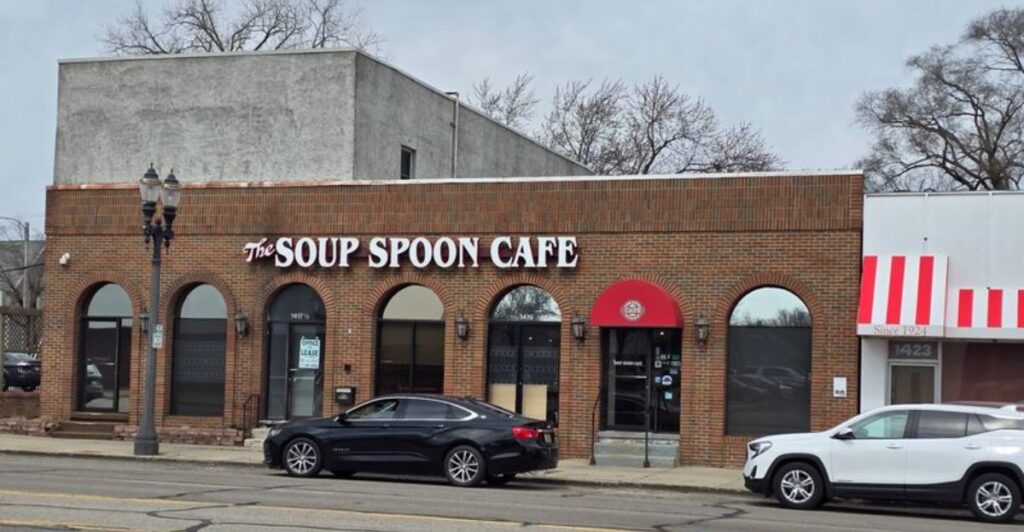
Neighborhood cafés matter most when they become part of a city’s everyday rhythm. In Lansing, Michigan, Soup Spoon Café has spent nearly 20 years giving East Michigan Avenue a colorful, welcoming place for scratch-made comfort food, relaxed meals, and familiar gathering energy.
The appeal comes from more than soup, sandwiches, or brunch plates; it is the feeling of a spot people can count on when they want something warm, steady, and genuinely local. Places like this last because they become part of routines, meetups, and small traditions.
For anyone curious why this Lansing café still holds attention, the answer is in the room, the menu, and the way the whole place feels.
A Bright Corner on East Michigan Avenue
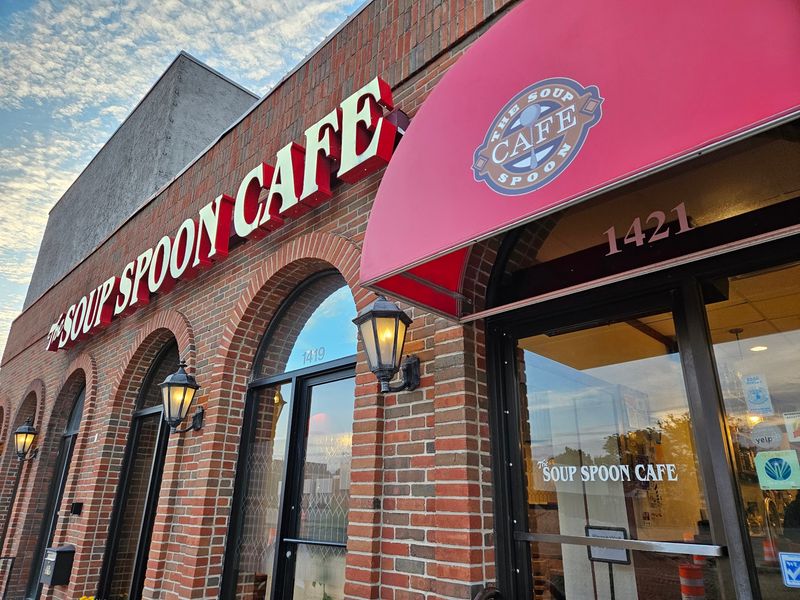
Not every longtime restaurant announces itself with flash. Soup Spoon Café catches your attention in a steadier way, with a street-corner presence that looks woven into daily Lansing life rather than dropped in for effect.
At 1419 E Michigan Ave, the café sits in a busy part of town where a dependable place to eat matters, especially when you want something more personal than a chain.
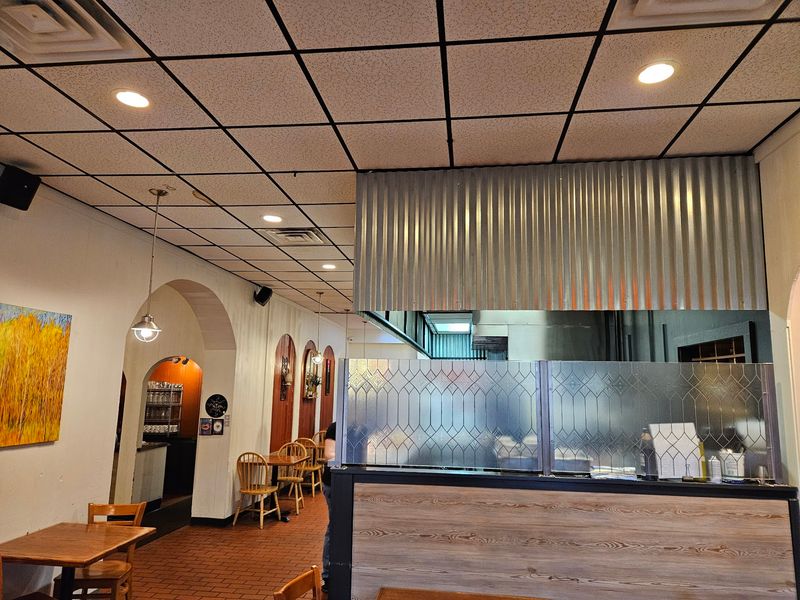
Inside, natural light plays a big role in the experience. Front windows brighten the room, helping the colorful interior feel open, awake, and easy to settle into, whether you are meeting a friend over coffee or sitting down for a full meal.
That light changes the tone of the place because scratch cooking can sometimes come with heavy, rustic styling, but here the room feels lively instead of weighed down.
The space also walks a smart line between cozy and active. You can picture breakfast conversations in one corner, a lunch catch-up near the windows, and an early dinner table ordering soup, salad, and something richer from the broader menu.
That kind of flexibility is part of why a neighborhood café lasts. It does not lock itself into one mood.
Even before food arrives, the setup tells you what kind of place this is. It is comfortable without being sleepy, colorful without being chaotic, and welcoming without trying too hard.
For a restaurant nearing the two-decade mark, that balance matters. The room sets a clear expectation: this is a spot built for repeat visits, ordinary weekdays, and those moments when you simply want a meal in a place that knows how to make you feel at ease.
The Scratch Kitchen Promise Still Shows Up in the Bowl
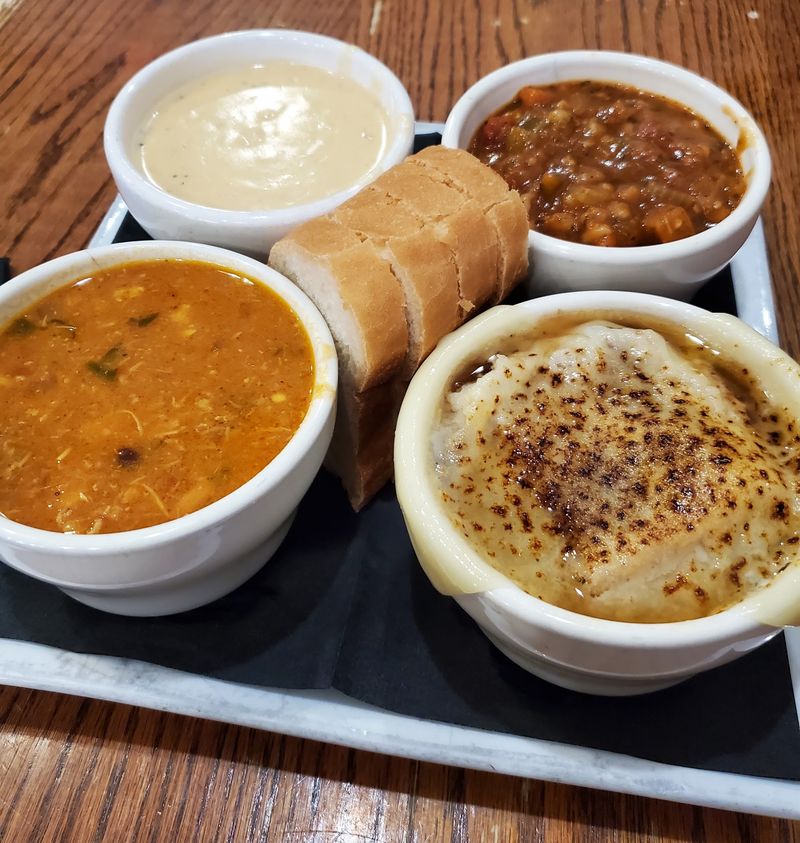
A café named Soup Spoon had better take soup seriously, and that is one of the clearest reasons this place still stands out. Homemade soup is not a side note here.
It is central to the identity of the restaurant, and the menu reputation around bowls like French onion, seafood chowder, classic chicken noodle, and seasonal options supports that focus.
Scratch cooking means more than putting soup on the menu. It suggests care in how flavors are built, how texture is handled, and how comfort food avoids tasting flat or rushed.
At Soup Spoon Café, the draw is not just warmth on a cold day. It is the sense that a bowl can anchor a full meal, whether you pair it with a salad, sandwich, or one of the richer café plates.
That matters in a city restaurant with staying power. Soup can be humble, but it is also revealing.
If a kitchen can make something as basic as chicken noodle taste full and balanced, or turn a chowder into a dish people seek out, you get a good picture of the standards behind the rest of the menu. A scratch kitchen earns trust one spoonful at a time.
There is also a practical benefit for diners. If you want a lighter lunch, soup solves that.
If the weather is gray, soup fits the mood. If you cannot decide between breakfast, lunch, or dinner style food, soup still gives the table a common starting point.
Nearly 20 years in, that dependable bowl may be the simplest explanation for the café’s staying power. It gives the restaurant a signature that is easy to crave and easy to come back for.
Breakfast Through Dinner, Without a Narrow Lane
One of the smartest things Soup Spoon Café does is refuse to be boxed into a tiny café menu. The range matters.
Breakfast, lunch, and dinner all appear to have real attention behind them, which gives the restaurant a wider role in neighborhood life than a one-note spot could ever manage.
On the breakfast side, dishes like eggs Benedict, scrambles, steak and eggs, French toast, pancakes, and hash browns help the café work as a morning destination instead of just a place that happens to open early. That is useful if you are meeting family, grabbing a weekday breakfast, or looking for a weekend table where different appetites can all land somewhere good.
Savory plates and sweeter options can share the same table without anyone settling.
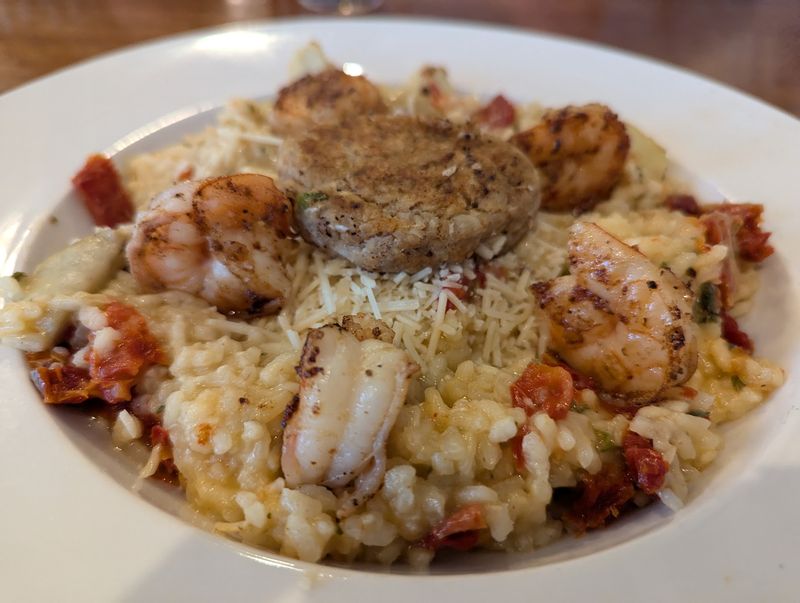
Later in the day, the menu opens up even more. Sandwiches, salads, crab cakes, pasta dishes, wraps, burgers, seafood, and rotating features give the place reach.
That kind of spread can be risky if a kitchen loses focus, but in a restaurant with a scratch-made identity, variety becomes a strength because it helps regulars keep coming back without repeating the same meal every visit.
There is a deeper reason this matters for a nearly 20-year neighborhood staple. Broad menus keep a restaurant useful.
One person may be craving seafood chowder, another may want a blackened salad, while someone else is after a breakfast plate or a hearty pasta. Soup Spoon Café can handle those mixed moods, which makes it easier to choose for birthdays, casual lunches, date nights, and family meals.
In practical terms, that means fewer compromises. If you are the friend who always struggles to find a place everyone agrees on, this café solves more problems than most.
A menu with range becomes part of the restaurant’s staying power.
Why Lansing, Michigan Still Makes Room for Places Like This
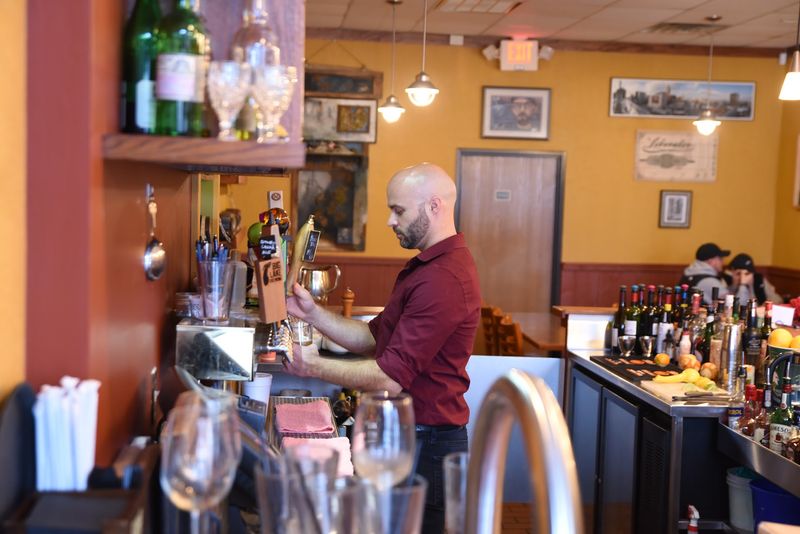
Longevity in the restaurant world rarely happens by accident. A place lasts because it becomes useful to the people around it, and Soup Spoon Café seems to fill that role in Lansing with unusual range.
It works for quick lunches, family meals, relaxed dates, and catch-up conversations, which gives it a real place in the rhythm of the neighborhood.
That local usefulness starts with tone. The café is described as colorful and cozy, and the setup appears to support actual lingering conversation instead of pushing diners in and out as fast as possible.
In a college-and-capital region like Lansing, that matters. You have students, longtime residents, state workers, visiting parents, downtown lunch crowds, and people crossing town for a dinner that feels casual but still cared for.
The menu helps the restaurant serve all of those groups, but the bigger story is consistency of welcome. Friendly service shows up again and again in publicly visible feedback, and not in a vague, scripted way.
The details are more practical: clear recommendations, attentive pacing, kindness with families, and a front-of-house style that helps busy service feel organized rather than cold.
A neighborhood staple also needs enough personality to avoid becoming forgettable. Soup Spoon Café appears to manage that through its lively room, broad scratch menu, regional beer, and dishes that spark return visits for specific cravings.
You are not only going there because it is convenient. You are also going because it gives ordinary meals a little more character.
For Lansing, Michigan, that kind of restaurant still matters a lot. Cities need dependable middle spaces, not just special-occasion dining rooms and fast food stops.
Nearly 20 years later, Soup Spoon Café remains relevant because it covers the middle ground so well, offering comfort, choice, and a setting built for real life.
Service That Keeps Busy Hours from Feeling Rough
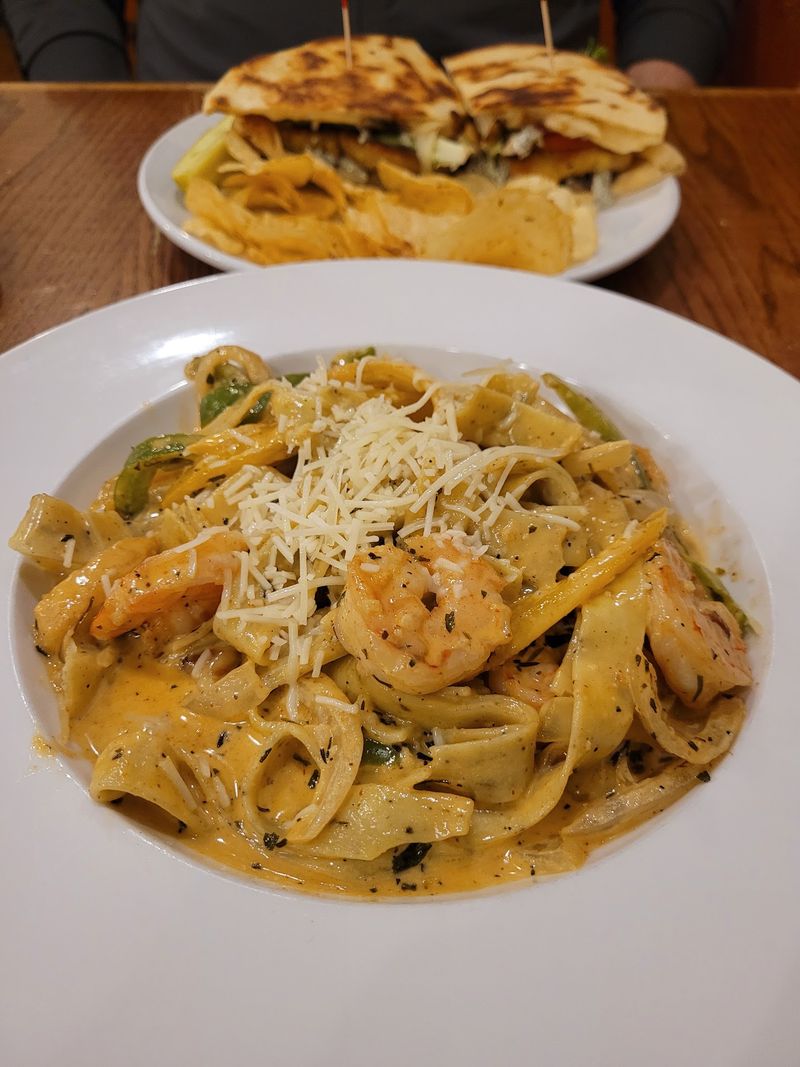
Busy restaurants can go one of two ways. They can feel exciting and well-run, or they can feel like a test of your patience before the food even lands.
One reason Soup Spoon Café has kept its footing for so long is that service appears to steady the room instead of adding stress to it.
That starts at the front. In a place known to draw crowds, especially at peak times, a strong host stand changes everything.
A warm greeting, clear communication about wait times, and a little guidance on seating can make a full restaurant feel manageable. That may not sound dramatic, but it is exactly the sort of detail that separates a solid neighborhood staple from a place people stop trying to visit.
Once you are seated, the same principle matters. Attentive service in a café with a big menu is not only about friendliness.
It is about knowing the food well enough to make helpful suggestions, pacing the table so drinks and dishes arrive in a sensible rhythm, and handling adjustments without turning a simple request into a problem. For families, older diners, or first-time visitors, that level of ease makes the whole meal better.
Practical comfort shows up in other ways too. Public details mention the ability to save a place in line and note accessible features, including a ramp at the back entrance and a spacious accessible restroom.
Those are useful specifics, not marketing fluff. They affect whether a restaurant is easy to rely on.
If you plan to go during a popular window, especially on a weekend, it is smart to think ahead and reserve when possible. That small bit of planning gives you more time to enjoy the meal and less time hovering near the door.
In a restaurant nearing two decades, smooth service is not extra credit. It is part of the foundation.
Comfort Food That Avoids Playing It Safe
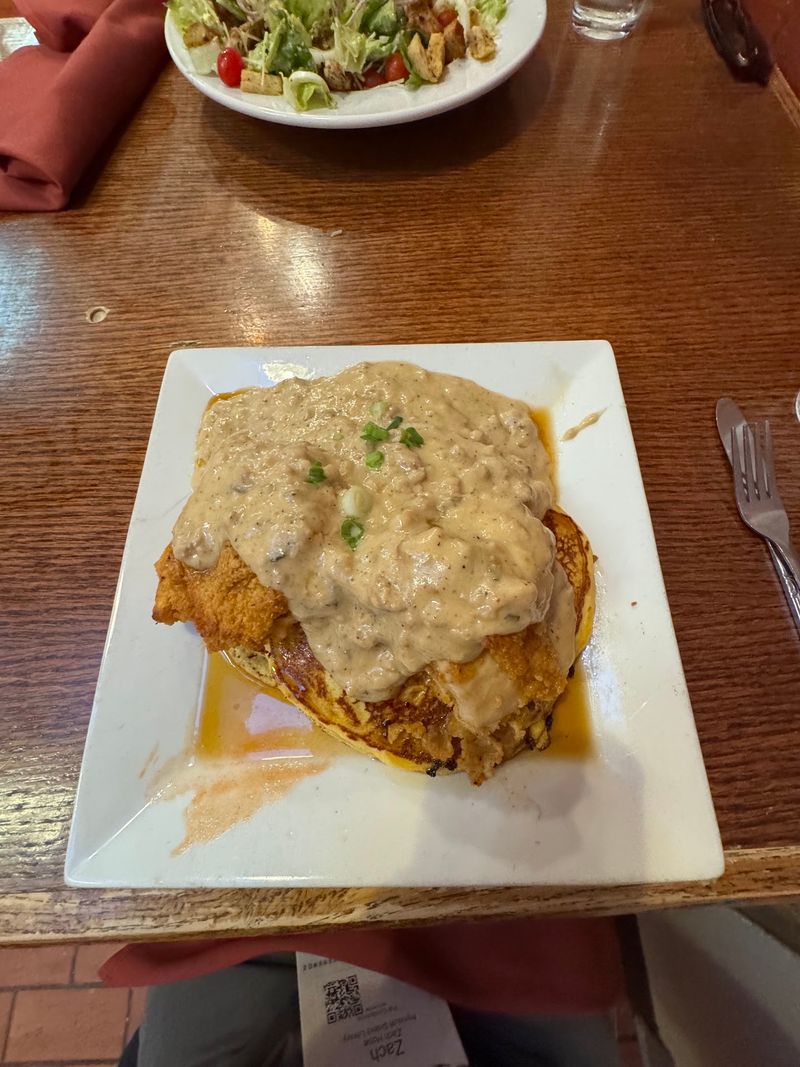
Comfort food can get boring fast when every plate follows the same script. Soup Spoon Café avoids that trap by pairing familiar categories with enough variety to keep the menu lively.
You can find the expected café comforts, but you can also land on seafood, bolder breakfast combinations, richer pasta dishes, or desserts that turn a regular meal into a longer stay.
Take the menu clues that stand out around the restaurant. French onion soup, seafood chowder, bread pudding, crab cakes, eggs Benedict, French dip, pumpkin bisque, and specialty plates all point to a kitchen that does not settle for one narrow definition of comfort.
The through line is not trend chasing. It is a broad, scratch-made style that leaves room for cozy classics, regional touches, and a few dishes with extra personality.
That matters because longtime cafés need repeat business from regulars, not just one-time curiosity. A dependable bowl of soup might bring you in first, but a menu with a little surprise gives you reasons to branch out on future visits.
Maybe you start with chowder one day, circle back for a Benedict another morning, then remember to save room for bread pudding on a colder evening. The choices invite return trips without making the food feel random.
There is also a social advantage to a menu like this. At one table, one person can order simple and familiar while another picks something with more flair.
That range helps the café work for mixed groups, where a safe sandwich order and a more adventurous plate can exist side by side with no fuss.
For a restaurant nearing 20 years, that balance is a real accomplishment. The food stays rooted in comfort, but it never appears trapped by it.
The kitchen seems to understand a basic truth: familiar meals still need curiosity if they are going to last.
How to Time Your Visit for the Best Experience
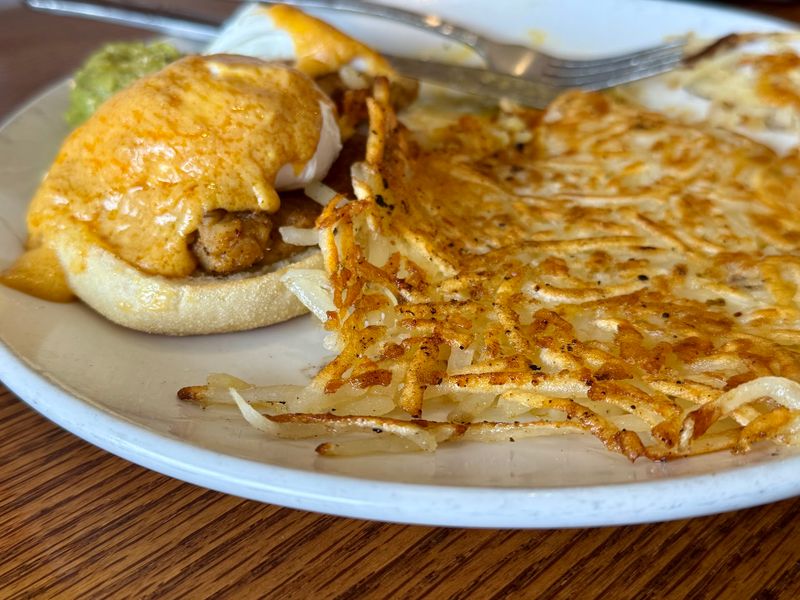
Good planning can change a restaurant visit from rushed to easy, and Soup Spoon Café is a place where timing clearly matters. The café is open Monday through Saturday from 8 AM to 9 PM and closed Sunday, which gives you a wide daily window but also hints at popular periods when the room may fill quickly.
Morning is the obvious move if you want breakfast choices and softer energy before the heavier lunch push. With eggs Benedict, pancakes, scrambles, toast-based plates, and coffee-friendly conversation, the early part of the day is likely the calmest way to absorb the space.
The front windows and natural light probably make that time especially pleasant if you enjoy brighter rooms and a slower start.
Lunch is ideal if you are choosing the café for flexibility. Soup, sandwiches, salads, wraps, and heartier entrées allow different appetites to line up without much debate.
Because the menu is broad, the middle of the day may also be the easiest time to understand why this place works so well as a neighborhood standby. It can serve a quick lunch table and a relaxed long-table meetup at the same time.
Dinner brings another side of the café. Seafood, pasta, comfort plates, beer, and dessert options like bread pudding can shift the experience from casual stop to full evening meal.
If that is your plan, reserving ahead makes sense, especially on weekends or colder days when soup-driven cravings rise and tables turn slower.
Accessibility details also help with planning. Public information notes a wheelchair-accessible ramp at the back entrance and an accessible restroom, which can make the visit easier to map out in advance.
The smartest strategy is simple: pick the meal that fits your mood, reserve for peak times, and arrive ready to linger if the menu starts making decisions harder than expected.
Nearly 20 Years Later, the Real Draw Is Reliability with Character
Restaurants often survive on novelty for a while, but novelty alone does not carry a place toward the two-decade mark. Soup Spoon Café appears to have lasted because it offers something more useful and much harder to build.
It is reliable, yet it still has character.
Reliability shows up in the basics. The café has broad hours across six days, a menu with enough range to suit different moods, and a strong identity built around scratch-made comfort food.
You can go for breakfast, return for soup and a sandwich, or treat it as a dinner stop with seafood, pasta, beer, and dessert. That all-day usefulness matters more than flashy trends ever will.
Character, though, is what keeps the place from fading into the background. The room has color and natural light.
The menu has signature soups and enough personality to make familiar comfort food feel less routine. The service side appears to support actual hospitality, not just quick table turns.
Even small practical touches, like handling busy periods well or making accessibility visible, add to the sense that the restaurant is built for real people and repeat visits.
For Lansing, that combination is valuable. A neighborhood staple should be able to host a weekday lunch, a Saturday breakfast, a family meal, or a catch-up dinner without changing its core identity each time.
Soup Spoon Café seems to do exactly that. It adapts to different needs while staying rooted in the same promise: scratch-made food, a welcoming room, and enough variety to keep regulars curious.
If you are deciding whether this café still earns the attention after nearly 20 years, the answer is straightforward. It does not rely on one trick, one trendy dish, or one carefully staged vibe. It remains relevant because it continues to function as the kind of place every city hopes to keep.