Nevada has a way of surprising you, and its museum scene proves there is far more here than bright casinos, desert highways, and quick photo stops. Across the state, you can step into old frontier communities, stand beneath restored neon relics, trace Cold War anxieties, admire world-class art, and even wander through collections that lean fully into the eerie and unexplained, all without ever leaving Nevada’s borders.
What makes these places so memorable is how clearly they reveal the state’s personality – bold, unusual, resilient, inventive, and never content to tell its story in a quiet or predictable way. If you want a trip that feels richer than a checklist of famous attractions, these ten must-see museums offer some of the most fascinating ways to understand Nevada through its legends, industries, obsessions, and unforgettable sense of place.
1. The Mob Museum, Las Vegas
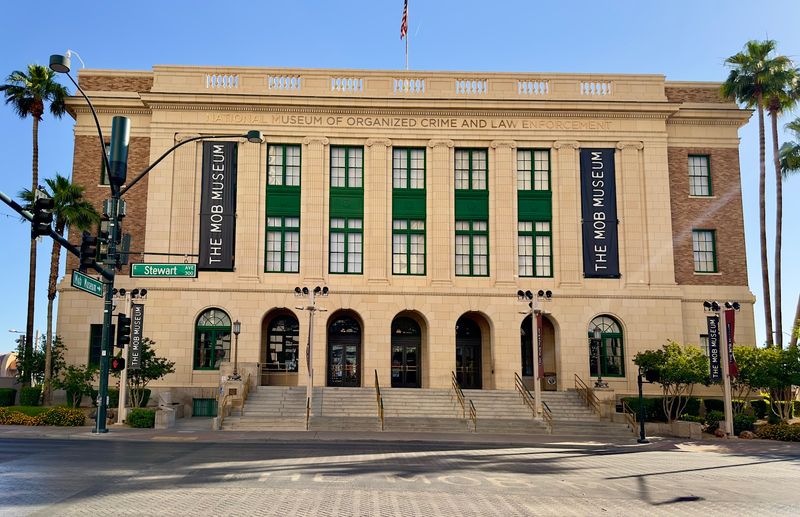
Few places in Nevada pull you into a story as quickly as this one, because the subject matter already carries tension, myth, and real historical weight.
Inside a former federal courthouse, you move through exhibits that explore organized crime, law enforcement, corruption, violence, and the complicated relationship between the mob and Las Vegas.
The setting alone adds gravity, making the entire visit feel more immediate than a typical museum walkthrough.
What stands out is how well the museum handles a topic that could easily become sensationalized.
Instead of treating gangsters like cartoon legends, The Mob Museum digs into the systems that allowed criminal networks to thrive and the investigators who worked to expose them.
You see how gambling, labor racketeering, bootlegging, and national power struggles intersected with Nevada’s growth, especially in Las Vegas during its most formative decades.
The exhibits are immersive without losing their educational focus.
Courtroom displays, wiretap material, interactive stations, and personal stories create a layered picture of how crime and control shaped both local and national history.
You are not just learning names and dates – you are seeing how violence, influence, and image-making became part of the broader American story, with Nevada sitting in a very visible position.
I also appreciate that the museum gives space to victims, reformers, and communities affected by criminal enterprises.
That keeps the experience grounded and prevents the glamour of old mob lore from taking over completely.
In a city where flashy narratives often dominate, this more balanced approach feels necessary and refreshingly honest.
By the end, Las Vegas looks different in the best possible way.
The casinos, streets, and old landmarks outside start to feel connected to deeper forces that shaped the city long before your visit.
If you enjoy history with sharp storytelling, strong design, and a little moral complexity, The Mob Museum is one of Nevada’s most compelling stops and an easy recommendation for anyone curious about the forces behind the state’s most famous city.
2. Atomic Museum, Las Vegas
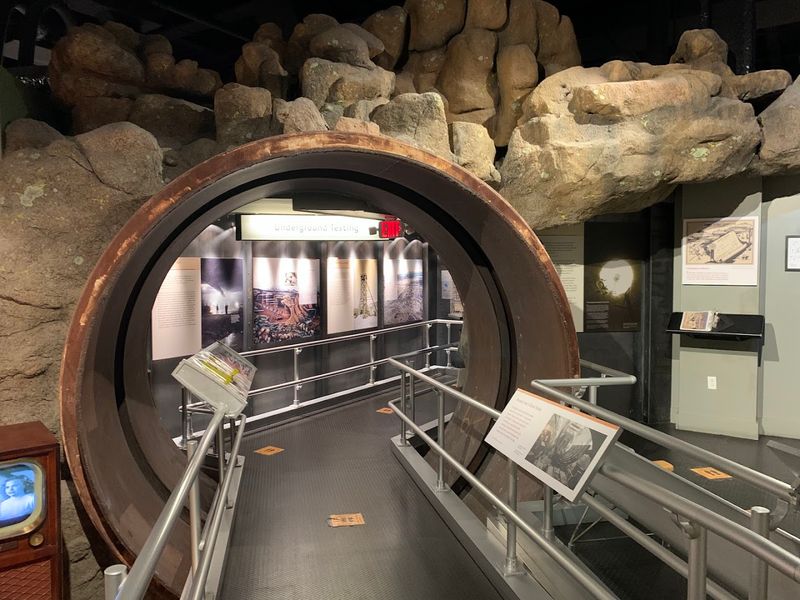
In a state where the desert has often served as both backdrop and testing ground, this museum offers one of the most uniquely Nevada perspectives you can find.
The exhibits explore the science, politics, military strategy, and cultural fascination surrounding the atomic age, with a strong focus on the Nevada Test Site and its lasting impact.
You quickly realize this is not just a science stop – it is a place where technology, fear, patriotism, and regional identity collide.
The Atomic Museum does a great job of showing how nuclear history reached far beyond laboratories and government briefings.
You see how atomic testing shaped tourism, education, public messaging, and everyday life, especially in Las Vegas, where mushroom clouds once became part of the local spectacle.
That contrast is striking, and it says a lot about Nevada’s ability to absorb national trends in unusually visible ways.
What keeps the visit engaging is the mix of technical information and human storytelling.
Artifacts, films, testing equipment, and personal accounts help translate huge global issues into something more understandable and more personal.
Whether you arrive interested in military history, Cold War politics, or environmental questions, the museum gives you enough entry points to stay curious from start to finish.
I found the strongest moments were the ones that highlighted consequence rather than just innovation.
Radiation safety, civil defense messaging, and the long shadow of weapons development add complexity to an era that is sometimes remembered too casually.
The museum does not completely strip away the era’s sense of wonder, but it does ask you to think harder about what progress cost and who was expected to carry those risks.
That balance is what makes this museum memorable.
In Nevada, where open land and strategic secrecy made atomic testing possible, the story feels local in a way it cannot elsewhere.
If you want a museum that reveals a surprising side of Las Vegas while connecting the state to one of the most consequential chapters in modern history, this stop deserves a place near the top of your list.
3. The Neon Museum, Las Vegas
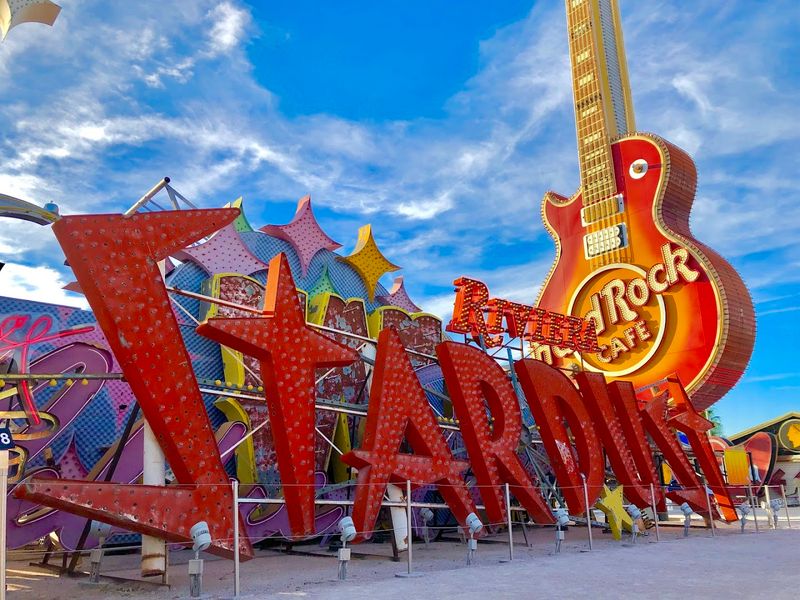
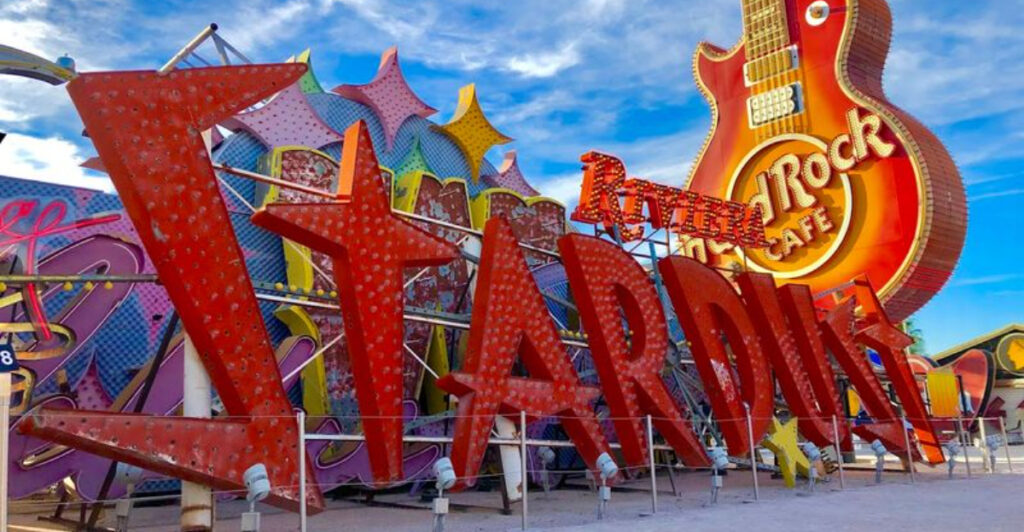
Stepping into this outdoor collection feels like walking through the memory of Las Vegas itself, where color, ambition, and reinvention still glow long after the original venues have disappeared.
You are surrounded by rescued signs from old casinos, motels, and local landmarks, each one carrying a fragment of Nevada history that could have easily been lost.
Instead of feeling dusty or static, the experience feels theatrical, almost like the city is performing its own autobiography for you.
What I love most is how the museum balances spectacle with context.
The giant lettering, starbursts, and looping tubes of light are undeniably photogenic, but the stories behind them reveal changing tastes, business booms, neighborhood identities, and the constant cycle of demolition and renewal that defines Las Vegas.
As you move through the boneyard, The Neon Museum makes it clear that signage here was never just advertising – it was architecture, branding, fantasy, and civic identity all at once.
Guided tours tend to add the most depth, especially if you want to understand how specific signs were fabricated, restored, and interpreted.
You begin to notice design differences between decades, from midcentury elegance to louder, more flamboyant styles meant to compete for attention on an ever brighter Strip.
Even if you arrive knowing little about typography or preservation, it is easy to leave with a deeper appreciation for the artistry behind these oversized icons.
There is also something surprisingly emotional about seeing names that once promised glamour and escape now preserved as artifacts.
Las Vegas usually sells the next big thing, so a place dedicated to remembering what came before feels both rare and necessary.
That tension gives The Neon Museum much of its power, because it lets you experience the city as more than entertainment – it becomes a layered cultural landscape.
If you only visit one museum in Las Vegas, this is an unforgettable choice.
Go near sunset if you can, when the desert light softens and the signs start to glow against the evening sky.
In that moment, Nevada’s past does not feel distant at all – it feels brilliantly alive.
4. Pinball Hall Of Fame, Las Vegas
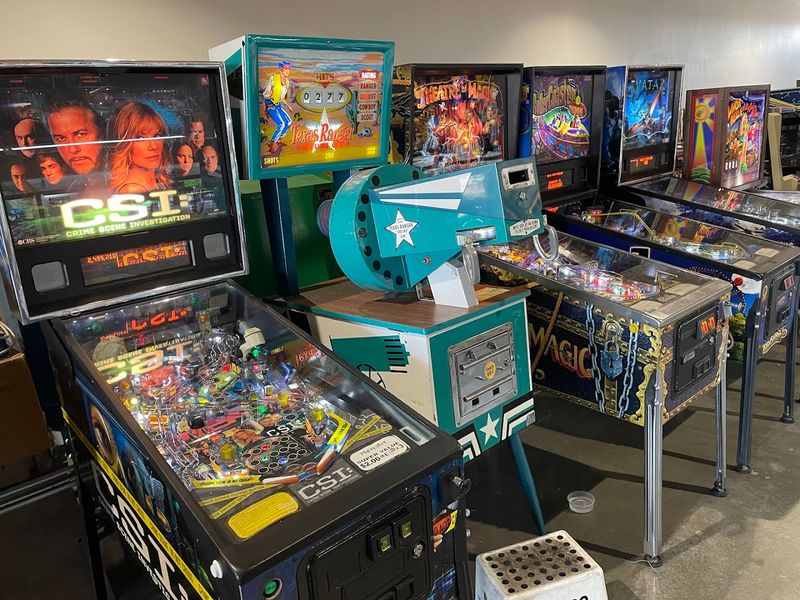
Sometimes the most fascinating museum experiences are the ones that feel playful from the moment you walk in, and this place absolutely delivers that energy.
Instead of asking you to admire history from behind glass, it invites you to put coins in machines, press buttons, and hear the clatter and chime of decades of arcade culture.
In a city built on games of chance, there is something especially fitting about finding a museum devoted to skill, nostalgia, and mechanical fun.
The appeal goes well beyond simple entertainment.
The collection gives you a hands-on look at how pinball design evolved through changing art styles, engineering tricks, themes, and pop culture influences.
As you move from older electromechanical machines to later electronic tables, you begin to see how each era expressed itself through sound, color, difficulty, and visual storytelling.
What I like most is that the atmosphere stays wonderfully unpretentious.
You do not need expert knowledge to enjoy yourself, and you can approach the visit however you want – as a quick burst of nostalgia, a serious study of game design, or a casual break from the sensory overload of the Strip.
The Pinball Hall Of Fame feels accessible in the best way, making room for both longtime enthusiasts and curious first-timers.
There is also a strong preservation angle that gives the experience more depth than a typical arcade.
These machines represent craftsmanship, repair work, and cultural memory, and seeing them maintained in working order reminds you that history can be interactive rather than distant.
Every table carries traces of the decade that produced it, from optimistic space-age graphics to movie tie-ins and bold comic imagery.
If your idea of a museum includes delight, noise, and a little friendly competition, this is one of Nevada’s most enjoyable stops.
It captures a side of Las Vegas that feels refreshingly sincere, where the goal is not luxury or exclusivity but simple engagement.
You leave with ringing ears, a few favorite machines, and a better sense of how play itself can become part of the state’s cultural story.
5. Clark County Museum, Henderson
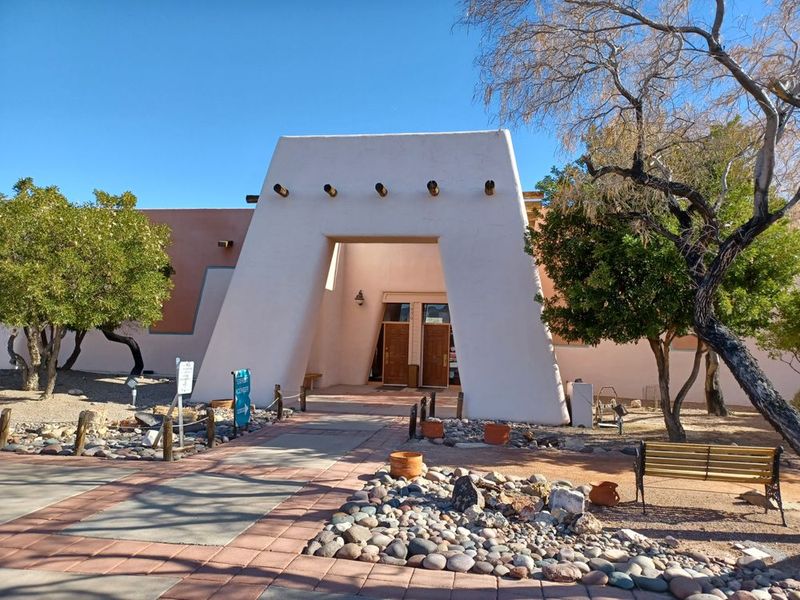
Out here, Nevada history feels grounded in ordinary lives rather than famous headlines, and that is exactly why this museum leaves such a strong impression.
The site combines indoor exhibits with an outdoor heritage street, giving you the chance to move through restored homes, community buildings, and displays that trace everyday life in southern Nevada.
Instead of one dramatic storyline, you get a fuller picture of how people actually lived, worked, adapted, and built communities in a demanding desert environment.
The outdoor section is especially rewarding because it lets you experience history spatially.
Walking from building to building, you notice differences in materials, layouts, technology, and domestic expectations across decades.
Clark County Museum shows how changes in transportation, water use, mining, and suburban growth affected households as much as they affected major industries.
Inside, the exhibits help connect those local details to the broader development of the region.
You can follow stories related to Native heritage, early settlement, railroads, commerce, and the explosive expansion tied to Las Vegas and Hoover Dam-era change.
That range makes the museum feel both approachable and surprisingly comprehensive, especially if you want context for southern Nevada beyond casino history.
I appreciate how the place encourages slower looking.
There is no need to rush, and the quieter setting lets small details stand out – old kitchens, school furnishings, signage, clothing, and tools that reveal what daily adaptation looked like in the Mojave.
Those details make the past feel tangible, and they remind you that Nevada’s development depended on resilience at every level, not just bold entrepreneurs or headline-making projects.
For travelers who want a broader understanding of the Las Vegas area, this is an excellent counterbalance to the city’s flashier attractions.
The museum feels personal, regionally rooted, and genuinely educational without ever becoming dry.
If you are curious about the foundations beneath modern southern Nevada, Clark County Museum offers one of the clearest and most satisfying ways to see how the region became what it is today.
6. Nevada State Museum, Carson City
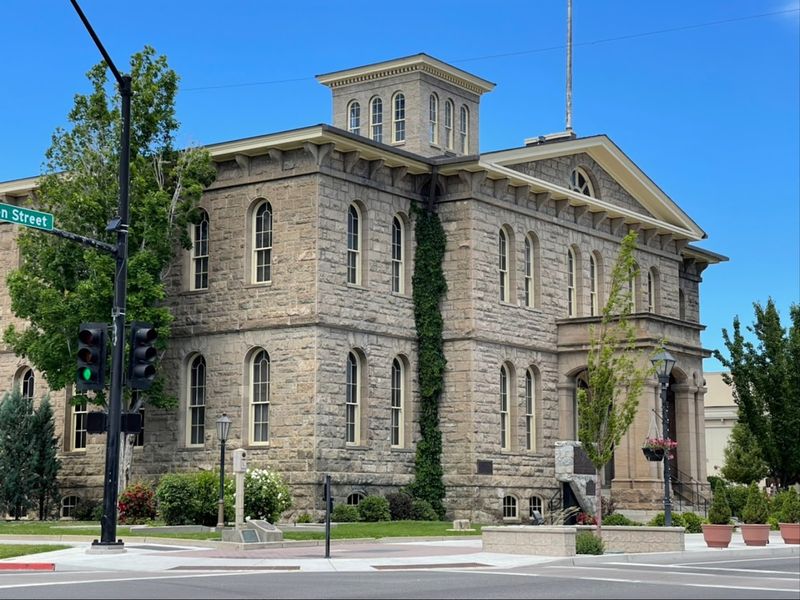
If you want one museum that helps tie the whole state together, this is one of the smartest places to begin.
Housed in Carson City, it explores Nevada through geology, mining, indigenous history, settlement, government, and cultural change, creating a broad narrative that feels both detailed and accessible.
Rather than presenting the state as a series of disconnected attractions, it shows how landscape, resources, migration, and political decisions shaped Nevada over time.
The mining exhibits are especially memorable because they reveal just how deeply extraction influenced the state’s identity.
Silver and other mineral wealth did not simply fuel economic growth – it affected town building, labor patterns, transportation routes, and Nevada’s place in the national imagination.
Seeing those stories interpreted in one place helps you understand why boom-and-bust cycles remain such an important part of the state’s character.
What makes the museum effective is its range.
Natural history displays help explain the deep environmental story, while cultural artifacts and historical exhibits bring human experience into focus across different eras.
You can move from prehistoric Nevada to frontier communities to modern statehood themes without feeling lost, because the curation guides you clearly from one layer of history to the next.
I also like that the museum gives Carson City a meaningful role rather than treating it as an afterthought to Las Vegas or Reno.
As the capital, it becomes a fitting setting for a collection that asks bigger questions about governance, identity, and regional memory.
The institution feels statewide in scope, but it still has a strong sense of place, which makes the visit more grounded.
For anyone planning a museum-focused trip through Nevada, this stop offers a valuable framework for everything else you will see.
Once you spend time here, ghost towns, railroads, desert settlements, and urban growth all make more sense.
Nevada State Museum is fascinating not because it chases spectacle, but because it reveals the full complexity of a state that is often reduced to a handful of stereotypes.
7. Lost City Museum, Overton
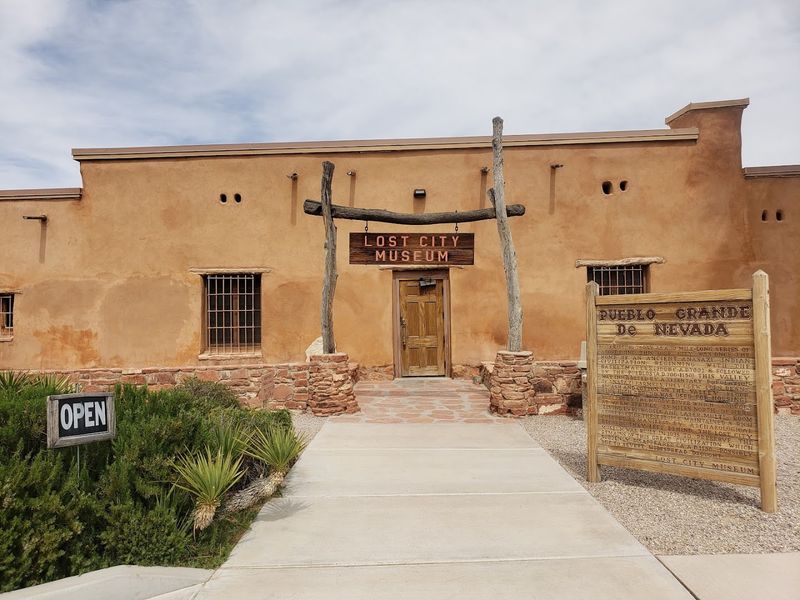
Far from the noise that many travelers associate with Nevada, this museum introduces you to a much older human story rooted in archaeology and desert adaptation.
The focus is on the ancient Puebloan communities connected to the Moapa Valley area, along with artifacts and interpretation tied to sites that were excavated before the creation of Lake Mead.
That emphasis gives the visit a sense of urgency and importance because it preserves knowledge from places altered by modern development.
The experience feels more intimate than that of many larger institutions, which works in its favor.
Pottery, tools, architectural remains, and reconstructed spaces invite you to think carefully about continuity, survival, trade, and community life in a harsh environment.
Lost City Museum makes it easier to imagine Nevada not as an empty desert, but as a landscape long shaped by skilled people who understood how to live within its limits.
What stays with me most is the way the museum connects archaeology to place.
You are not just looking at detached artifacts – you are learning about settlement patterns, irrigation strategies, and regional relationships in a part of Nevada that still feels geographically powerful.
The surrounding landscape reinforces the exhibits, helping you grasp why water, terrain, and seasonal change mattered so deeply.
There is also a quieter emotional layer here.
Because some original sites were submerged or transformed, the museum carries a preservation mission that feels especially meaningful.
It asks you to consider what gets saved, what gets displaced, and how institutions can protect cultural memory when the physical world changes around it.
If you are the kind of traveler who enjoys places that reward attention rather than spectacle, this museum is a standout.
It offers a different rhythm from the state’s larger attractions and broadens your understanding of Nevada in a very necessary way.
Lost City Museum may not be the flashiest stop on this list, but it is one of the most thought-provoking, especially if you want to encounter the state’s deep history with respect and perspective.
8. Nevada State Railroad Museum, Carson City
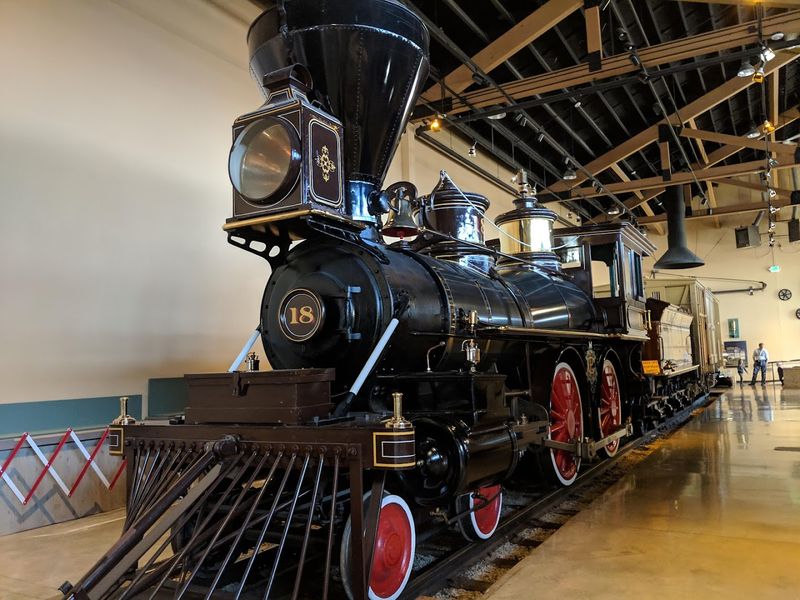
Railroad history feels especially vivid in Nevada, where distance, mining wealth, and rugged terrain made transportation a defining force in the state’s development.
This museum brings that story to life through locomotives, rolling stock, and interpretation that show how rail connections transformed commerce, settlement, and movement across the region.
Even if you are not a dedicated train enthusiast, it is easy to get drawn into the scale and mechanical beauty of what is preserved here.
The collection helps you understand that railroads were never just about travel convenience.
They linked mines to markets, supported town growth, moved materials through difficult landscapes, and helped shape Nevada’s relationship to the wider American West.
At the Nevada State Railroad Museum, those big economic themes become tangible the moment you stand beside a massive engine or step into a restored car.
I think the museum works so well because it combines technical fascination with human context.
You can appreciate engineering details, restoration work, and industrial design, while also reflecting on the workers, passengers, and communities whose lives depended on these systems.
That balance keeps the visit from feeling too niche and makes the history more broadly meaningful.
Carson City is an ideal setting for this story because the capital carries its own deep ties to Nevada’s formative years.
Seeing railroad artifacts here helps connect transportation to governance, mining, and regional ambition in a way that feels coherent rather than isolated.
The open setting adds to the experience too, giving the museum enough room for the scale of the equipment to really register.
If you enjoy museums where objects have a powerful physical presence, this one is likely to stay with you.
There is something satisfying about encountering machines that were built to solve real problems across long distances and difficult land.
Nevada State Railroad Museum turns that practical history into an engaging visit, showing how steel, steam, and logistics helped shape the state you see today.
9. Zak Bagans’ The Haunted Museum, Las Vegas
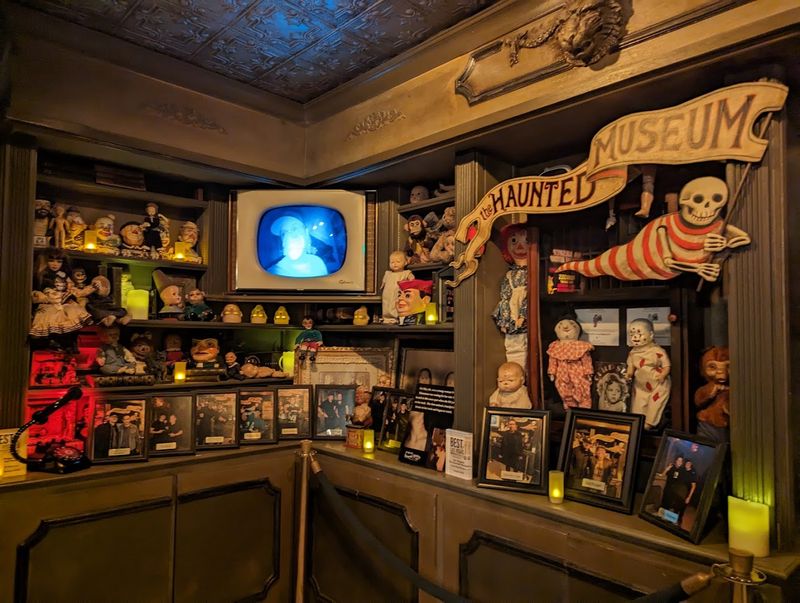
Not every museum in Nevada aims for comfort, and that is exactly why this one stands out.
Set inside a historic mansion, the experience leans into paranormal storytelling, unusual artifacts, and theatrical atmosphere in a way that feels intentionally unsettling from the start.
Whether you believe in the supernatural or not, the mood is strong enough that curiosity takes over quickly.
What makes the visit fascinating is not simply the promise of scares, but the way it blends entertainment with collection-based display.
Rooms are arranged to heighten suspense, yet there is still a clear sense that objects, legends, and cultural fears are doing much of the work.
Zak Bagans’ The Haunted Museum understands that Nevada audiences often welcome spectacle, but it also knows that mystery becomes more effective when it is tied to story and setting.
The mansion itself contributes a lot to the appeal.
Historic interiors, dim hallways, and carefully staged exhibits create a layered environment where architecture and narrative support one another.
Instead of feeling like a generic haunted attraction, the place has a more curated identity, one that invites you to consider why people are drawn to cursed objects, infamous histories, and experiences that challenge ordinary explanations.
I would not call it a traditional museum in the strictest sense, and that is part of the point.
This stop sits at the edge of exhibition, performance, folklore, and pop culture obsession, which makes it a very Las Vegas interpretation of what a museum can be.
In a state that often turns extremes into attractions, this one feels perfectly at home while still being different from anything else on the list.
If you like your history mixed with adrenaline and a little psychological unease, this is an easy recommendation.
You should go in expecting drama, strong reactions, and a highly controlled atmosphere rather than quiet contemplation.
Even so, the museum earns its place among Nevada’s most memorable destinations because it reveals another side of the state’s imagination – one that is dark, theatrical, and impossible to ignore.
10. Nevada Museum Of Art, Reno
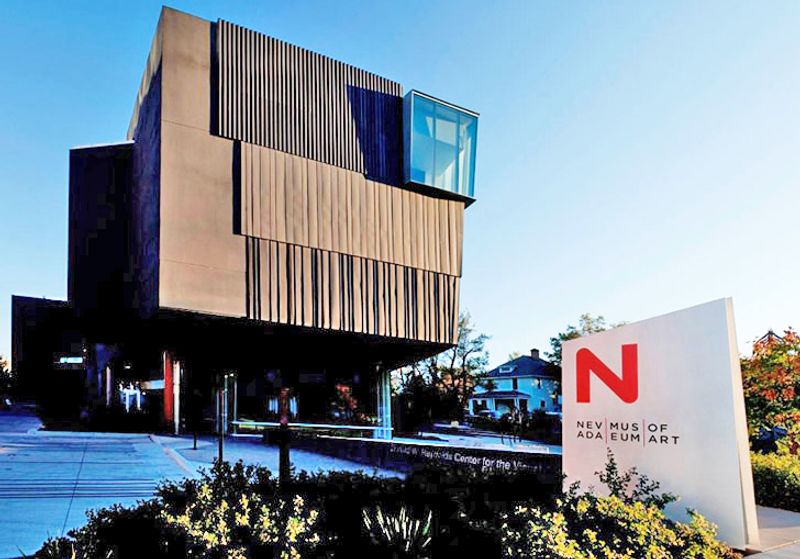
Among Nevada’s museum experiences, this one offers a different kind of fascination – quieter on the surface, but deeply expansive once you start looking closely.
The institution brings together contemporary art, historical works, and exhibitions connected to landscape, environment, and the wider American West, all within a striking modern setting in Reno.
It feels like a place where ideas have room to breathe, which can be refreshing after more sensory-heavy attractions elsewhere in the state.
What I find especially compelling is the way the museum reflects Nevada without reducing itself to regional clichés.
Desert imagery, ecological questions, urban change, and western identity can all appear here, but often through ambitious and surprising artistic approaches.
That means your visit is not just about seeing beautiful objects – it is about considering how artists interpret land, memory, industry, and belonging in this part of the country.
The architecture adds to the experience by giving the galleries a calm, focused rhythm.
You can move through the space slowly, letting one exhibition shape how you see the next.
Nevada Museum Of Art feels carefully composed, and that sense of intention makes it easier to engage whether you prefer painting, photography, sculpture, or more conceptual installations.
Reno is an ideal home for it as well.
The city often lives in the shadow of Las Vegas in popular travel narratives, yet this museum helps show Nevada’s cultural range in a way that is confident and contemporary.
It reminds you that the state is not only a place of spectacle and extraction, but also one of reflection, experimentation, and serious artistic conversation.
If you want a museum stop that broadens your understanding of Nevada rather than reinforcing familiar assumptions, this is a strong choice.
The visit can be intellectually stimulating without ever feeling inaccessible, which is not always easy to achieve.
For travelers looking to end a museum itinerary on a thoughtful note, Nevada Museum Of Art offers one of the state’s most rewarding and sophisticated experiences.
Share this story