The first clue that summer has properly arrived in South Jersey is not a date on the calendar. It is a roadside bin overflowing with green-husked corn at Rosie’s Farm Market.
By July, drivers along Route 322 begin pulling into the Mullica Hill market for ears that may have been in the field earlier that same day. Some customers grab six.
Others buy enough to feed a backyard full of relatives, because nobody wants to be the person who runs out before the burgers come off the grill. Rosie’s has occupied this stretch of Swedesboro Road since Palma “Rosie” Sorbello began selling extra vegetables beneath a cherry tree in 1961.
The operation is larger now, with fresh fruit, pies, flowers, preserves, cider donuts, and local specialties packed beneath its roof. Still, the market’s appeal remains refreshingly uncomplicated.
The produce follows the seasons, the family history is visible everywhere, and the corn tastes exactly like South Jersey summer should.
The Mullica Hill Farm Stand That Began Beneath a Cherry Tree in 1961
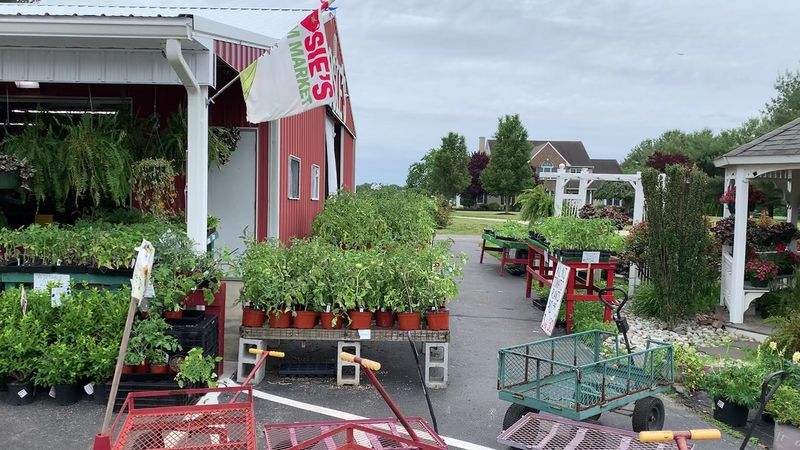
A few umbrellas, a cherry tree, and more vegetables than one family could use were all Palma Sorbello needed to start a South Jersey institution. Rosie, as everyone called her, had been born in Calabria in southern Italy in 1933.
She came to the United States in 1954 and married local farmer Michael Sorbello four years later after a whirlwind six-month courtship. By 1961, the couple had three young daughters, Michael’s crops were producing an overflow, and Rosie saw an opportunity sitting right in the yard.
She arranged the extra produce beneath the tree and began selling it to passing customers. There was no polished storefront, elaborate sign system, or carefully planned brand identity.
There was simply fresh food, a convenient roadside location, and Rosie’s ability to make customers feel like they had stopped by a neighbor’s house rather than a business. The timing helped.
Mullica Hill sat in the middle of productive Gloucester County farmland, where roadside stands were a practical link between growers and households looking for vegetables that had not spent days traveling through a distribution network. As Rosie and Michael’s family grew to include seven children, the stand grew alongside it.
The children helped, relatives became part of the operation, and repeat customers began treating the stop as part of their seasonal routine. That original cherry-tree setup explains plenty about the market that exists today.
Rosie’s was not created as a themed attraction designed to imitate an old-fashioned farm stand. It actually began as one, built from the most traditional farm-market idea imaginable: grow too much good food, put it beside the road, and let the neighbors know where to find it.
How a Tin Roof and Growing Route 322 Traffic Helped Rosie’s Expand
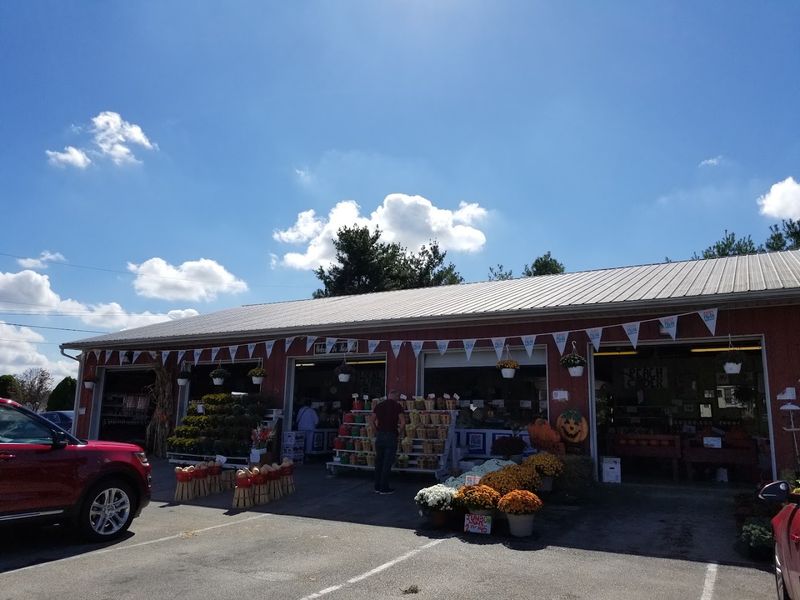
Route 322 changed dramatically during Rosie’s early years, and the little produce stand had to change with it. In 1974, the Commodore Barry Bridge opened across the Delaware River, replacing the Chester ferry and creating a much busier connection between Pennsylvania and South Jersey.
More vehicles began passing through the area, including families heading toward the Jersey Shore, and Rosie suddenly had far more potential customers rolling past her umbrellas. The increase in traffic pushed the business into its next phase.
The umbrellas were replaced by a tin roof, while the dirt underfoot gave way to a concrete slab. It was still unmistakably a farm stand, just one better equipped to handle crowded summer days, heavy produce bins, and weather that did not always cooperate.
That roadside location remains a major piece of the market’s identity. Rosie’s sits at 317 Swedesboro Road, directly along Route 322, making it an easy stop for Mullica Hill residents as well as drivers continuing toward South Jersey’s shore communities.
The permanent market building followed in 1988. Constructed as a five-bay structure, it gave the family enough room to expand beyond vegetables without turning the place into a conventional supermarket.
Produce still takes center stage, but shelves, coolers, baked goods, flowers, and pantry items now fill the space around it. Even with the additions, the market has kept the practical layout and unfussy personality of its roadside years.
Customers are not navigating dramatic displays or wandering through a maze designed to keep them shopping. They come in, check what has been harvested, add a few items they did not plan to buy, and head home with paper bags that weigh considerably more than expected.
The Fresh Sweet Corn That Turns Summer Shoppers Into Regulars
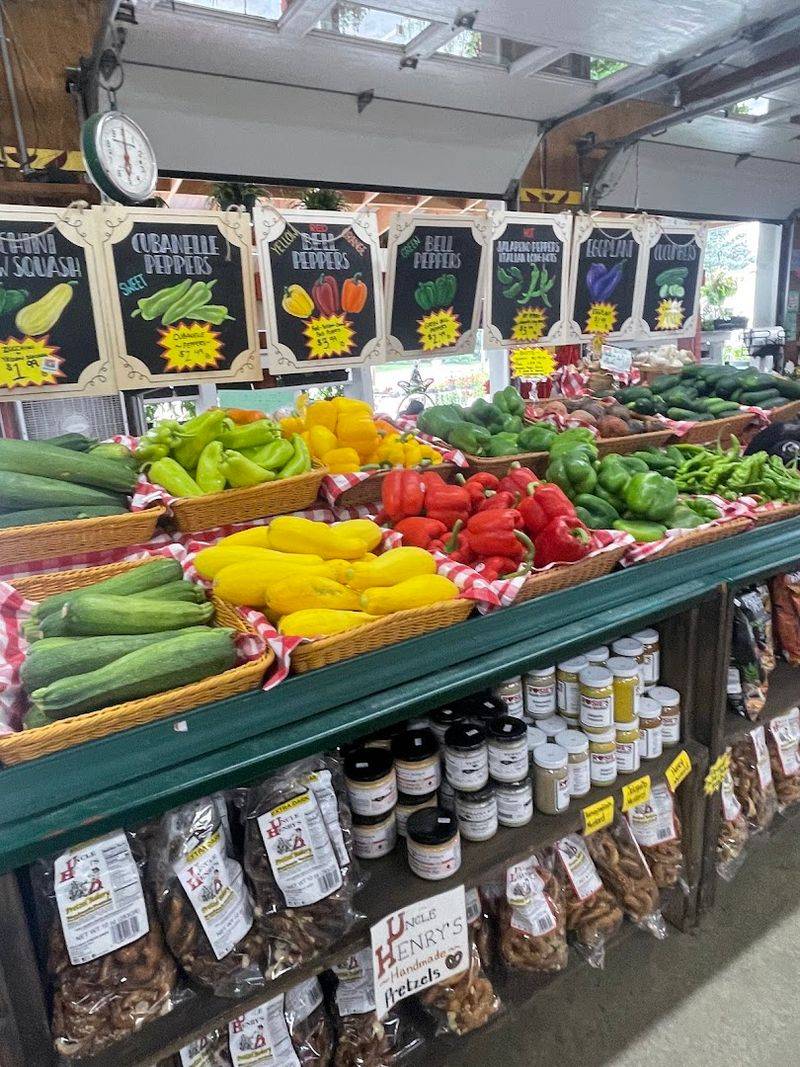
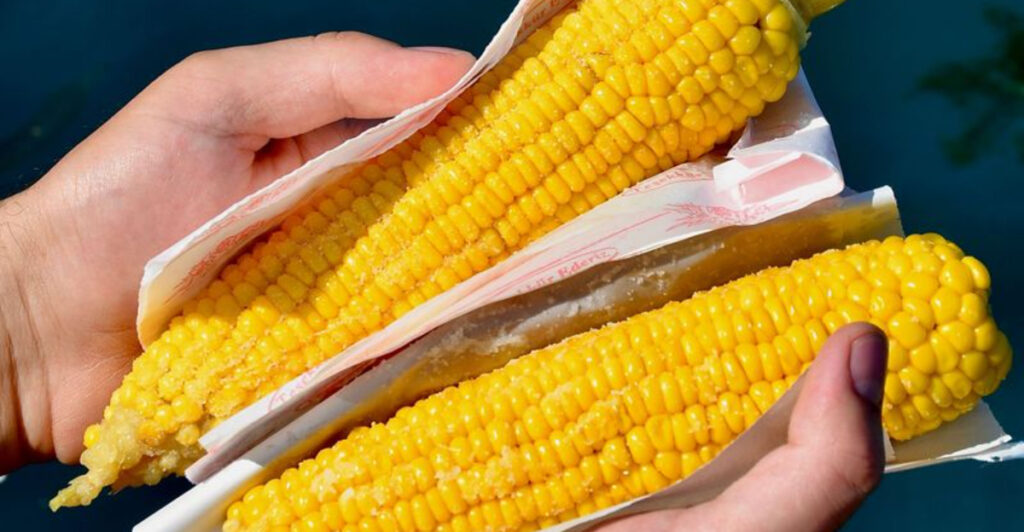
Watch the corn section on a busy July morning and the seriousness of South Jersey produce shopping becomes clear. Customers inspect the husks, feel the tops of the ears, count out a dozen, reconsider, and toss in six more.
Corn is not treated as a minor side dish here. During its brief peak, it is the reason dinner plans get rearranged.
Rosie’s seasonal calendar lists sweet corn as arriving around July 1, with the most active harvest generally running from early July through the end of August. Weather can shift those dates, and the season may continue into late September, but midsummer is when the bins become especially difficult to pass.
Freshness matters more with corn than it does with many other vegetables. Once an ear is picked, its natural sugars gradually begin converting into starch, changing the flavor and texture.
The shorter the distance between field, market, and dinner table, the better the chances of getting that tender, juicy sweetness locals spend the winter remembering. Rosie’s emphasizes produce picked fresh from the field each day, and fast turnover during corn season means the ears do not have much time to sit around.
The best ones need very little help. Drop them in boiling water, grill them until a few kernels char, or cut them from the cob and fold them into a tomato salad.
Butter is welcome, salt is useful, and elaborate recipes are optional. The corn is also where the market’s reputation becomes self-perpetuating.
Parents who stopped with their own families return years later with children in the back seat. Shore-bound drivers remember the stand from the previous summer.
Neighbors learn that showing up earlier gives them first pick. One good dozen becomes a weekly habit, and before long Rosie’s corn is not simply something served with dinner. It is the unofficial countdown clock for how much summer remains.
Jersey Tomatoes, Peaches, and Seasonal Produce Fill the Market
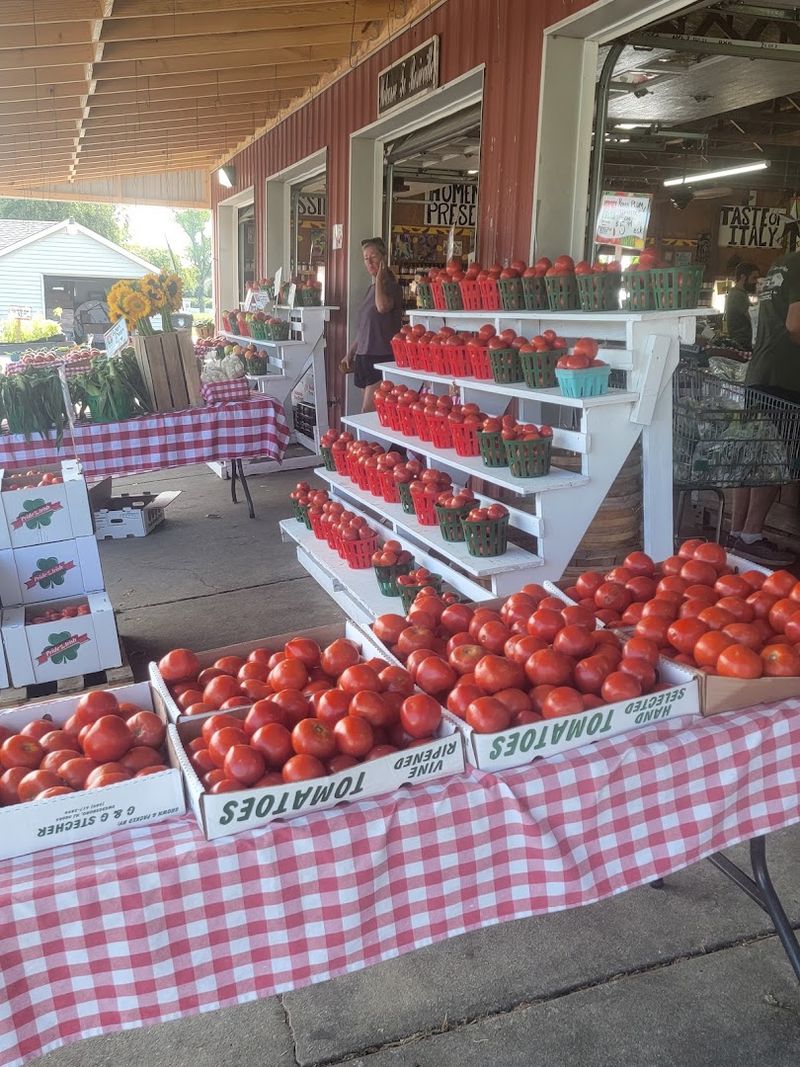
Corn may receive top billing, but the tables at Rosie’s change constantly as South Jersey moves from spring greens to late-season pumpkins. That shifting selection is part of the fun.
A shopper arriving in May may find asparagus, spinach, lettuce, vegetable plants, and the first strawberries. By late June and early July, blueberries, squash, cucumbers, onions, cherries, and plums begin crowding the displays.
Then comes the full summer rush: peaches, nectarines, tomatoes, peppers, eggplant, potatoes, lima beans, blackberries, and, of course, sweet corn. Rosie’s lists July 10 through September 15 as the most active period for Jersey tomatoes, though harvests can stretch into October when conditions cooperate.
Peaches and nectarines typically hit their stride from late July through the beginning of September. That overlap produces the kind of shopping basket that requires almost no meal planning.
A few tomatoes, a couple of peaches, some corn, fresh basil, and a loaf of bread can carry an entire summer evening. Autumn gives the market another personality.
Apples move into their peak season, pumpkins arrive around the end of September, and cooler-weather vegetables such as broccoli, cabbage, cauliflower, collards, and beets replace the fragile berries of June. The selection follows the fields rather than pretending every item should be available every week of the year.
That occasionally means arriving after a favorite crop has finished, but it also means the produce on display belongs to the moment. Flowers and garden plants add another layer.
Rosie’s carries vegetable starters, patio tomatoes, fig trees, herbs, hanging baskets, perennials, ornamental peppers, and decorative grasses, allowing spring shoppers to begin growing before summer shoppers begin eating.
The result is less like a single-purpose corn stand and more like a running tour of New Jersey’s agricultural calendar, with the inventory quietly announcing each new stage of the season.
Pies, Cider, Donuts, and Local Specialties Go Beyond the Farm Fields
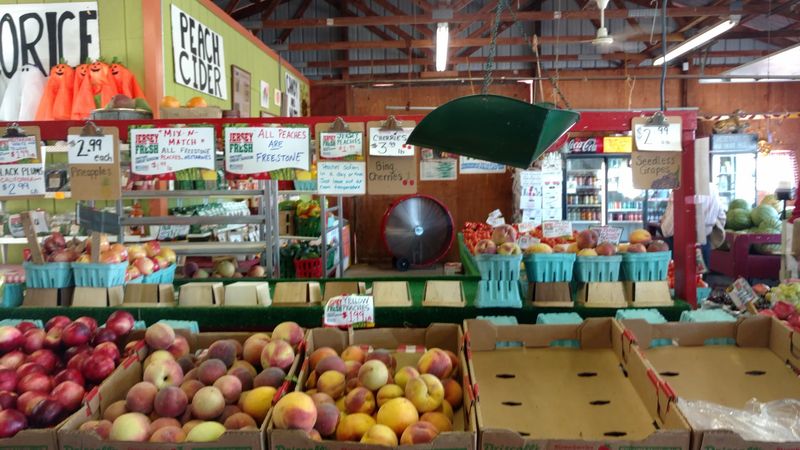
The dangerous part of shopping at Rosie’s begins after the produce has already filled your basket. That is when the pies, breads, cider donuts, preserves, and local specialties start making perfectly reasonable arguments for coming home too.
The baked-goods selection includes fresh pies, banana bread, Amish fruit bread, Italian cookies, long Italian loaves, and apple cider donuts. The donuts are especially hard to ignore once autumn arrives and the market smells like apples, cinnamon, and pumpkins rather than peaches and sweet corn.
Rosie’s-branded pantry goods cover the jars and bottles people tend to reach for during a farm-market stop: jams, jellies, fruit butters, preserves, salsa, barbecue sauce, mustard, relish, dressings, candies, and nuts. These are useful purchases, but they also have a habit of becoming souvenirs from an otherwise routine grocery run.
The local shelves stretch well beyond Rosie’s own label. Shoppers may find Fruitwood Orchards honey, Circle M peach cider, Mood’s apple, blueberry, and blackberry ciders, Triple C Angus meats, Wagonhouse Winery products, and Cacia’s stromboli.
Cheeses, eggs, butter, milk, pasta, sauces, pickles, olive oil, pizza dough, hot sauces, Bassett’s ice cream, and homemade water ice make it possible to assemble far more than a produce-heavy dinner. That variety gives meaning to the family motto displayed by the market for years: “Rosie’s has it all.”
The phrase sounds ambitious for a business that began beneath a tree, but it fits the experience of walking out with corn under one arm, a pie under the other, a jar of peach butter tucked into the bag, and absolutely no memory of planning to purchase dessert.
The extras never overshadow the fields. They simply turn a quick produce stop into the kind of pantry restock that makes the next several meals more interesting.
Why Rosie’s Farm Market Remains a Beloved South Jersey Tradition
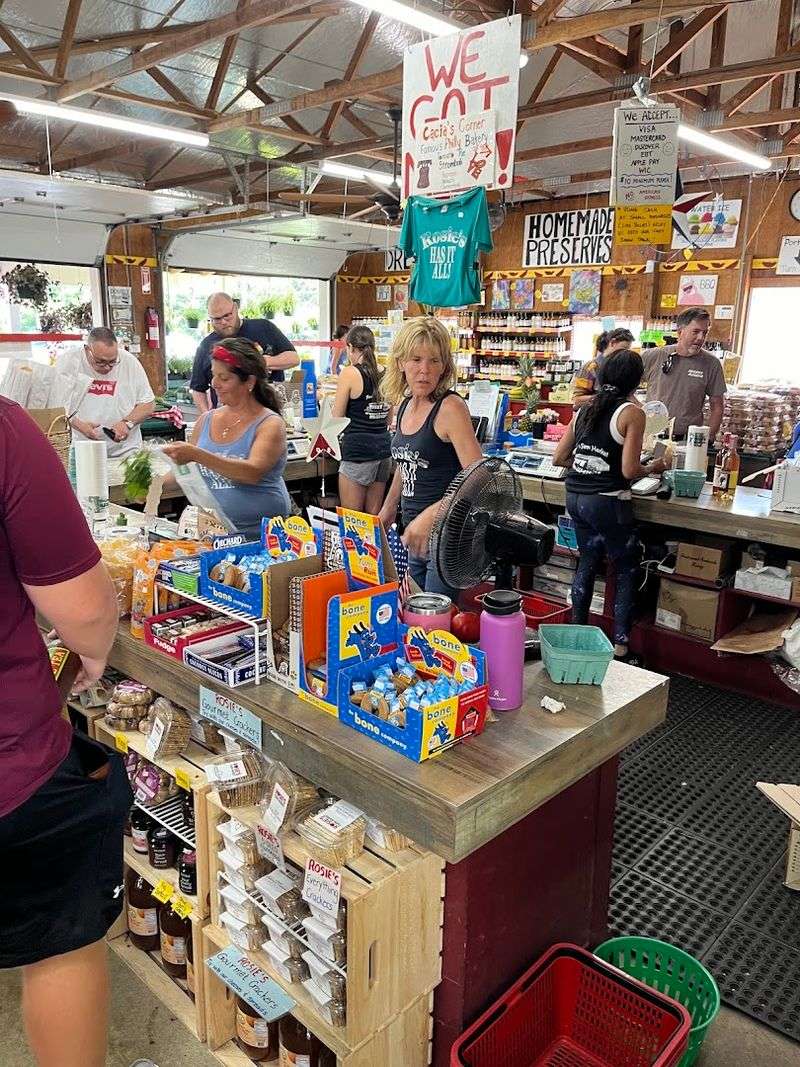
Longevity alone does not make a place meaningful. Plenty of businesses survive for decades without becoming part of anyone’s family story.
Rosie’s has lasted because customers have folded it into their routines: the first corn run of July, the box of tomatoes destined for sauce, the cider donuts brought home in October, or the roadside stop made before continuing toward the Shore. Those small repetitions add up.
Children who once waited in the car while their parents shopped eventually become the adults choosing peaches and telling their own children not to squeeze them. The Sorbello family history runs just as deeply.
Rosie built the stand while raising seven children, and the business continued through her descendants after her death in 1992. Family photographs, poems, sayings, and keepsakes have long been part of the market’s décor, making its history feel present without placing it behind glass.
One of Rosie’s favorite expressions, “Do what makes your heart happy,” captures the spirit better than a polished corporate slogan ever could. The market has also remained accessible in practical ways.
It accepts Visa and Mastercard along with SNAP, WIC, and EBT, and its official seasonal schedule lists hours from 8 a.m. to 6 p.m. between April and October. The address has stayed the same, the Route 322 traffic continues to roll by, and the displays still depend on what New Jersey farms are producing at that point in the year.
More than six decades after Rosie arranged those first vegetables beneath a cherry tree, the market has enough products to justify its “has it all” motto.
Yet its greatest strength may be what it never needed to add: a sense of local connection, a dependable supply of truly fresh food, and sweet corn good enough to make an entire region impatient for July.
Share this story