Arcade fans know the frustration of watching a stack of quarters disappear almost as quickly as a high score attempt. Channel 3 Retro Gaming Center in Lakewood offers a different experience, giving visitors unlimited access to more than 100 classic arcade and console games for one admission price.
From beloved arcade legends and vintage consoles to nostalgic favorites spanning multiple gaming generations, the focus is on playing as much as you want without constantly reaching for more coins. Whether you’re reliving childhood memories or introducing a new generation to retro gaming, this Colorado hotspot delivers hours of fun with no quarters required.
A Neon Reset on West Colfax
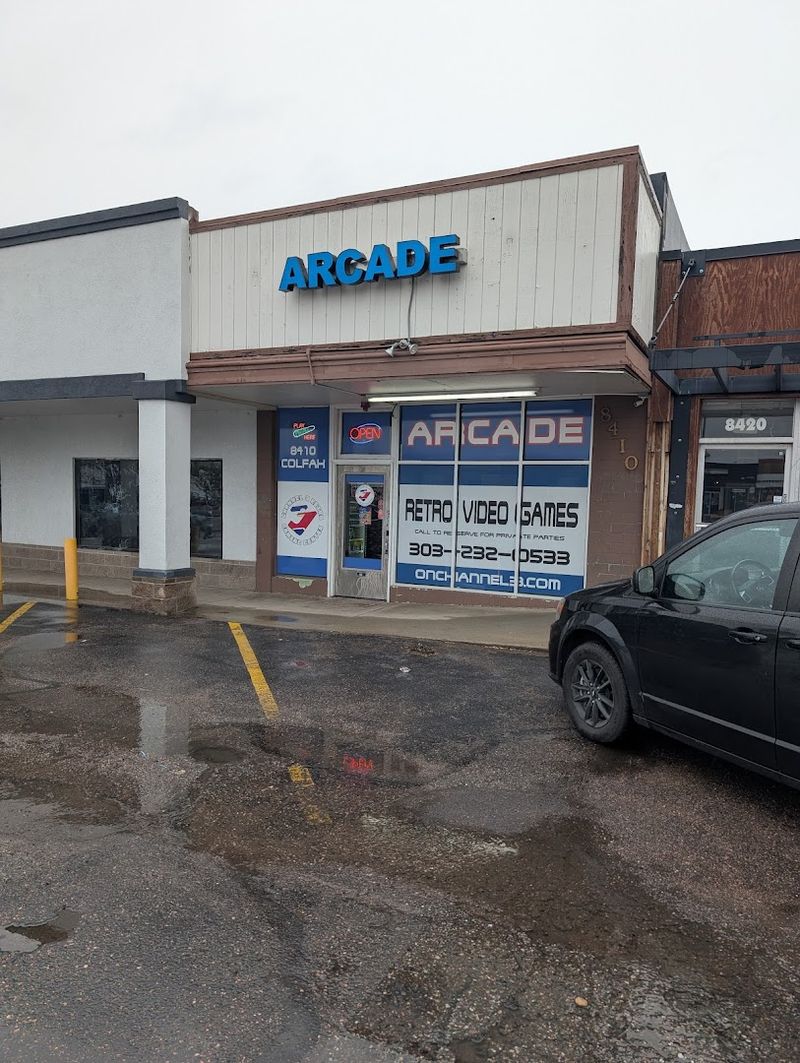
West Colfax has a way of mixing everyday storefronts with sudden pockets of personality, and Channel 3 Retro Gaming Center lands squarely in that second category.
The location puts it in a stretch of Lakewood where older commercial corridors still carry a bit of grit, so the arcade arrives less like a polished entertainment complex and more like a discovery.
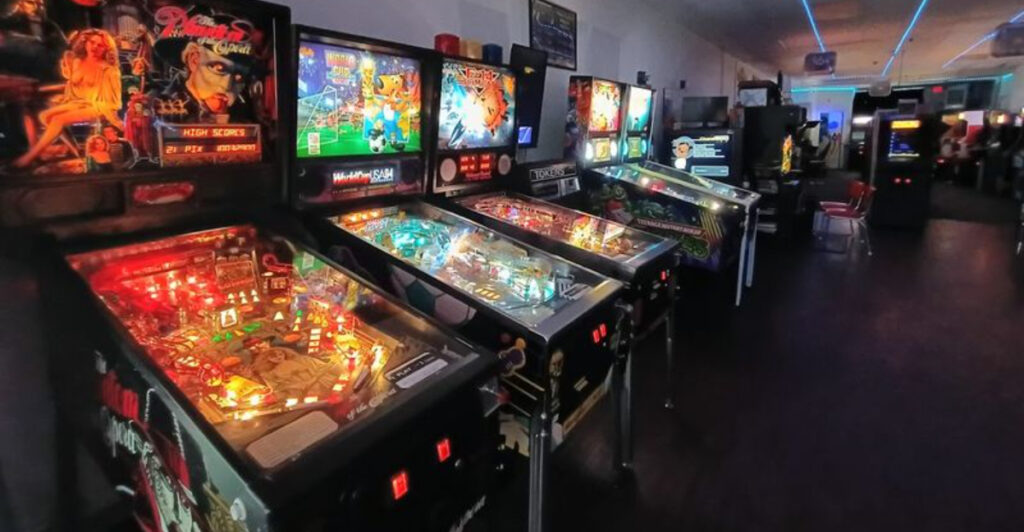
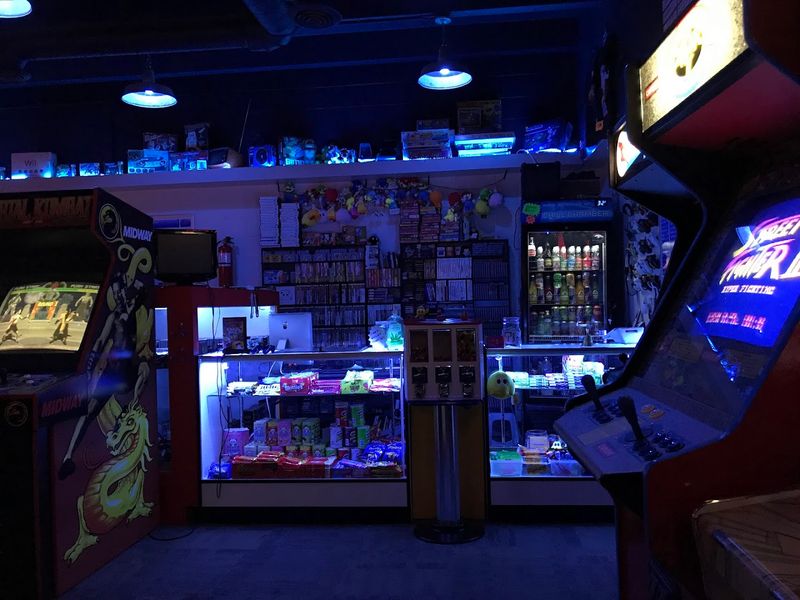
That matters the second you step inside, because the place immediately trades street noise for blinking marquees, cabinet artwork, and the low electric chatter that only an arcade can make.
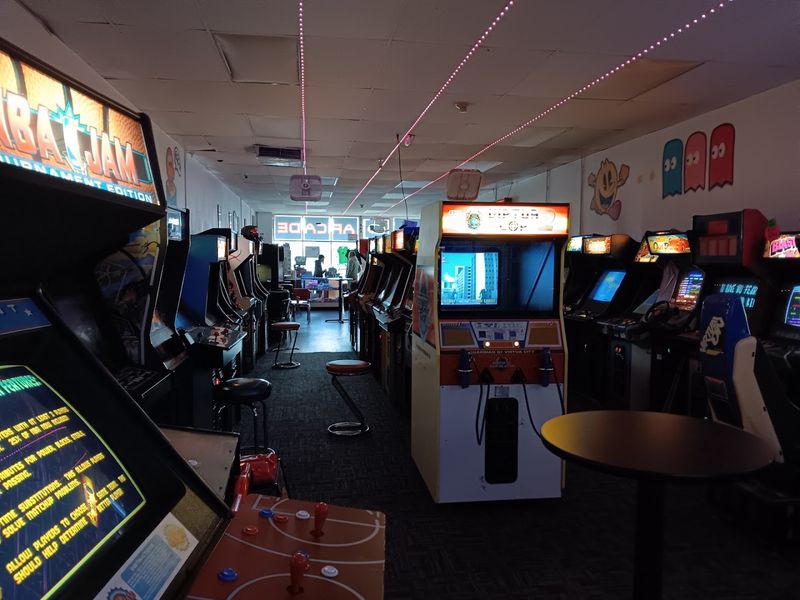
The visual appeal comes from density rather than spectacle. Machines line the floor in a way that gives the room energy, while console setups and additional gaming stations widen the picture beyond a simple row of classics.
Instead of chasing a sleek, futuristic look, the room leans into recognizable shapes, bright screens, and the kind of organized clutter that tells you the focus is on play, not theatrical staging.
That first look also clarifies the personality of the place. This is not a nostalgia set piece where everything sits untouched for decoration, and it is not a family fun center padded with ticket games and oversized prizes.
The arcade identity is direct, practical, and refreshingly unfussy, which makes the old cabinets read as active parts of the room rather than museum pieces behind velvet rope.
Even before a single game starts, the setup suggests a different pace. You are not being hurried toward one machine, one purchase, or one headline attraction.
The room invites roaming, comparison, detours, and the kind of spontaneous choices that make a retro arcade visit much better than a carefully planned itinerary.
Unlimited Play Changes the Whole Equation
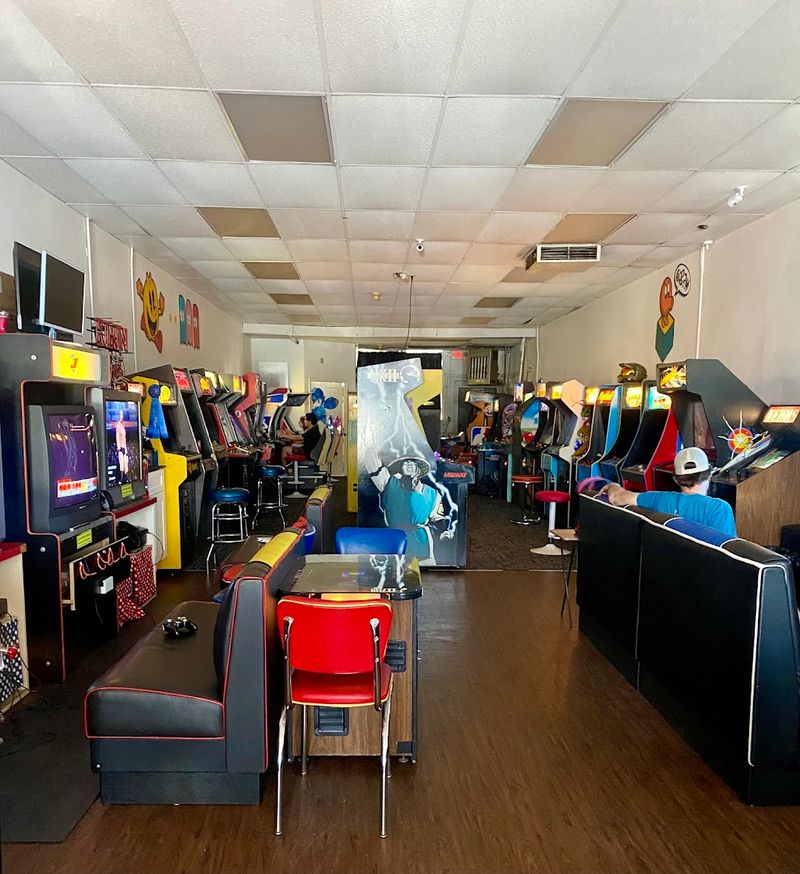
The smartest feature here is also the simplest: unlimited play. Instead of rationing turns and doing mental math after every continue screen, you can move through the room with a completely different mindset.
A flat admission price turns old arcade habits upside down, replacing quarter anxiety with experimentation, and that single change makes obscure titles, difficult shooters, and punishing fighters far more inviting than they would be in a pay per play setup.
That freedom is especially noticeable with classic cabinets built to defeat you quickly. Games that once demanded caution suddenly become opportunities to learn patterns, test reckless strategies, and keep pushing a little farther without regret.
If a stage destroys you ten times in a row, the loss becomes part of the fun instead of a tiny financial annoyance, and the cabinet starts revealing why older game design could be so addictive.
The model also makes the room work better for mixed groups. One person can settle into a familiar favorite while someone else bounces from machine to machine, and neither approach feels wasteful.
Families get more breathing room, newcomers are less intimidated, and longtime players can finally spend time with titles they always noticed but never wanted to spend extra money trying.
There is also a practical benefit that becomes obvious after an hour or two. Without the constant interruption of coin slots and change runs, the experience becomes smoother, more social, and more relaxed.
You end up focusing on cabinet art, sound design, control quirks, and game rhythm rather than transaction after transaction, which is exactly how a room full of classic machines should be enjoyed.
More Than Cabinets: Consoles Widen the Timeline
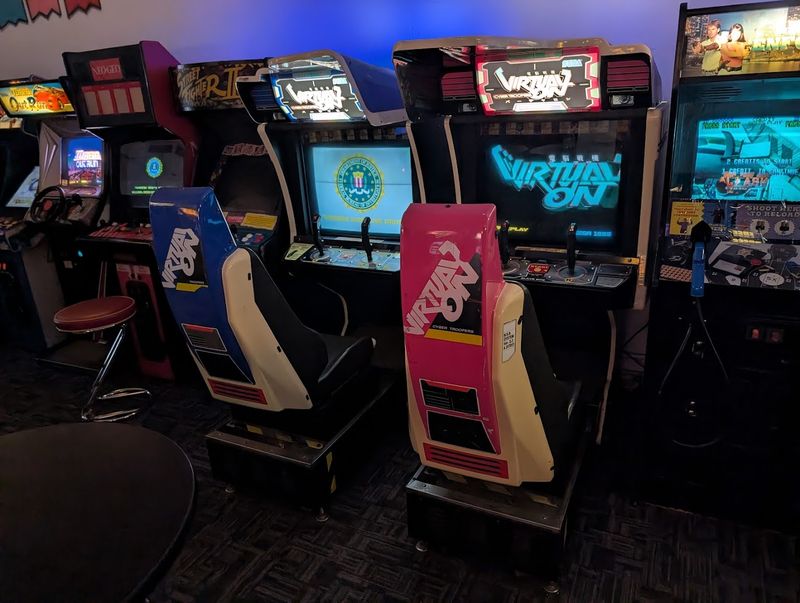
One of the most useful things about Channel 3 is that it does not trap retro gaming inside a single format. The arcade cabinets are the obvious backbone, but the inclusion of console stations broadens the timeline and keeps the room from feeling locked into one narrow era.
That mix matters because gaming history did not move in a straight line, and neither do the memories people bring through the door.
A cabinet lineup can deliver fast spectacle, sharp sound, and that unmistakable upright silhouette, but consoles add a different rhythm. They create little pockets of longer play sessions, recognizable home screen nostalgia, and side by side couch style competition that changes the pace.
For younger players, that can make the arcade less intimidating, since jumping into a familiar system often becomes the easiest bridge toward older machines nearby.
The practical effect is variety without fragmentation. Instead of competing with the arcade floor, the consoles expand it, offering more ways to engage when one person wants a quick round of a shooter and another wants to settle into a racing game or platformer.
That kind of overlap is rare in spaces that market themselves as retro, because many choose a single lane and stay there, while Channel 3 appears more interested in showing how those eras actually connect. The result is a room where different generations can share references without forcing a lesson.
A parent can point out an old favorite, a kid can gravitate toward a later console title, and both can still move back to the cabinets for another round. It becomes less about proving one era was better and more about seeing the whole lineage lit up in one place.
Colorado Nostalgia Without the Museum Hush
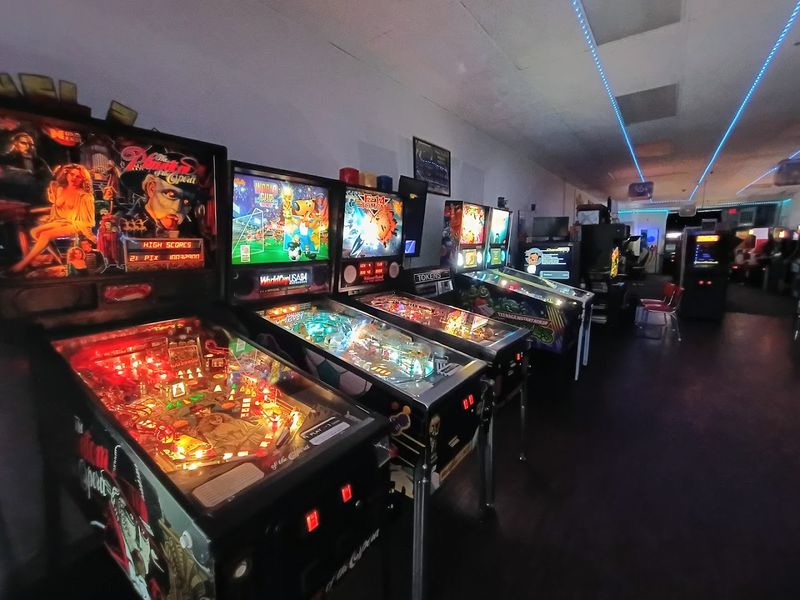
Retro spaces sometimes make a mistake by treating nostalgia as something delicate. They overcurate the room, lean too hard on decorative references, and end up creating an exhibit that looks backward more than it actually functions in the present.
Channel 3 takes a more grounded route in Colorado, where the pleasure comes from active use, visible wear, and the honest fact that old games remain entertaining when people are still lining up to play them.
That distinction gives the place a more relaxed social energy. Adults who grew up with these machines can reconnect with them immediately, but the room does not require shared history to be enjoyable.
Kids can approach a cabinet with zero context, learn within seconds, and start chasing high scores or chaotic failure loops that are funny even without any sentimental attachment attached to them.
You can also sense a practical attitude in the way the experience is presented. Some machines may show their age or need occasional attention, which is part of operating older hardware rather than a sign that the concept is fragile.
In many ways, that visible maintenance reality strengthens the place, because it reminds you these are surviving game systems being kept alive for use, not disposable props meant to look vintage from across the room.
The overall effect is nostalgia with momentum. Instead of freezing the past in amber, the arcade lets different decades interact at full volume, with cabinets, consoles, and players all contributing to the same scene.
That approach makes the room more inclusive, more active, and much easier to enjoy whether your reference point is Pac-Man, PlayStation, or a game discovered for the first time that night.
How to Play It Smart for a Longer Session
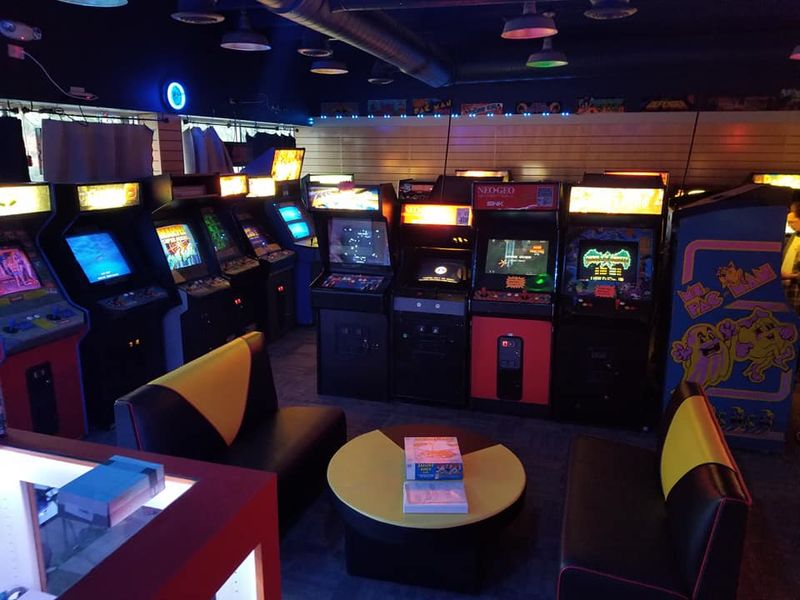
The best way to experience Channel 3 is to resist the urge to treat it like a checklist. With more than a hundred classic games in the mix, trying to sample everything too quickly can flatten the fun into a blur of title screens and unfinished rounds.
A better approach is to let the room reveal its own rhythm by starting broad, noticing which machines pull you back, and giving those a real block of time instead of constant hopping.
That strategy works especially well because unlimited play rewards curiosity. You can test a fighter, drift to a shooter, bounce over to a console setup, then circle back once a cabinet starts making more sense.
Some games click instantly, while others improve on the third or fourth try, and the absence of quarter pressure gives you room to discover that difference without feeling trapped by a bad pick.
If you are visiting with other people, dividing the session into loose phases helps. Spend the first stretch exploring separately, then regroup around a shared favorite, whether that means a cooperative cabinet, a versus game, or a console setup that draws a small crowd.
That pattern keeps the energy up and avoids the problem of everyone clustering at one machine before the room has had a chance to open up.
Timing matters too. Since the arcade opens later on weekdays and earlier on weekends, planning around your own pace can shape the visit.
A focused evening run works if you already know your preferred genres, while a weekend window gives more space for wandering, rematches, snack breaks, and the slow joy of finding one machine that unexpectedly hijacks the whole afternoon.
A Neighborhood Spot Built for Groups and Birthdays
Not every arcade works well for groups. Some are too loud for conversation, too expensive for lingering, or too fragmented to keep different ages engaged in the same space.
Channel 3 avoids those problems by combining a flat play model with a wide enough mix of games that birthday gatherings, parent-kid outings, and multi generational hangouts can all function without anyone being stuck on the sidelines for long.
That flexibility comes through in the way the room supports different play styles at once. A few people can chase old favorites with laser focus while others drift toward consoles, try a machine they have never seen before, or bounce between stations until something clicks.
The setup encourages motion and overlap, which is exactly what groups need when attention spans, skill levels, and nostalgia levels are all operating on completely different frequencies.
There is also an important cultural angle here. Places like this give older games a social life that streaming and emulation cannot fully reproduce, because the machines exist as shared objects in a shared room.
Watching someone dominate a difficult cabinet, hearing a familiar start sound from across the floor, or handing off controls after a loss creates a group dynamic that home play rarely matches.
For birthdays and casual celebrations, that can make the event easier to manage than more scripted entertainment options. The built in activity is obvious, the roaming format keeps people occupied, and conversation happens naturally in between rounds.
Instead of forcing a crowd into one track, the arcade gives everyone enough autonomy to shape their own fun while still participating in the same buzzing, colorful, game packed scene.
Why Channel 3 Stands Out in Lakewood
Channel 3 Retro Gaming Center stands out because it removes the biggest barrier that used to define arcade culture: running out of quarters. The combination of unlimited play and a library of more than 100 classic arcade and console games creates an experience that feels increasingly rare.
Instead of constantly calculating whether another round is worth the cost, visitors can focus entirely on exploring, competing, and rediscovering games at their own pace. That freedom changes the value equation dramatically.
A quick stop can turn into an entire afternoon because there is always another cabinet to try, another console title to revisit, or another challenge that suddenly becomes worth mastering.
The room rewards curiosity in a way that traditional pay-per-play arcades rarely could, especially for visitors who enjoy digging beyond the most recognizable classics.
The location also works in the arcade’s favor. On West Colfax, Channel 3 feels like a neighborhood discovery rather than a polished entertainment chain built around upselling.
The atmosphere stays approachable, the focus remains on gaming, and the experience feels designed for players rather than spectators. Families, friend groups, and solo visitors can all find their own rhythm without needing a carefully planned itinerary.
What ultimately makes the arcade memorable is how much freedom it gives its guests. More than a hundred games, unlimited access, and a welcoming retro atmosphere combine into something increasingly uncommon: a place where you can simply play for as long as you want.
In a world built around subscriptions, upgrades, and microtransactions, Channel 3 offers something refreshingly straightforward.
Walk in, pick a game, and keep going until you’re ready to stop. For retro gaming fans in Colorado, that simple formula is surprisingly hard to beat.
Share this story