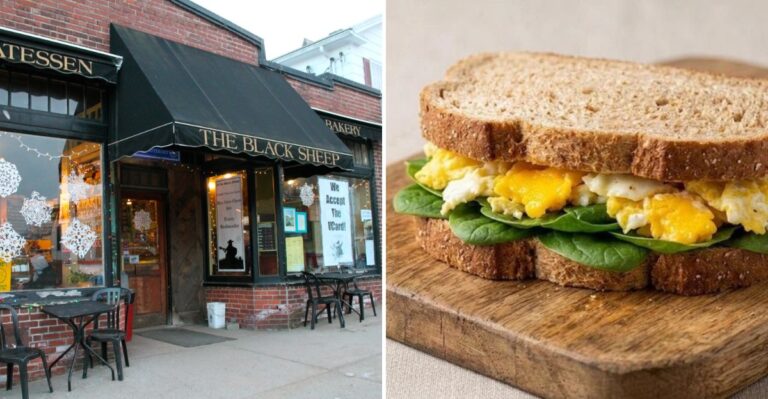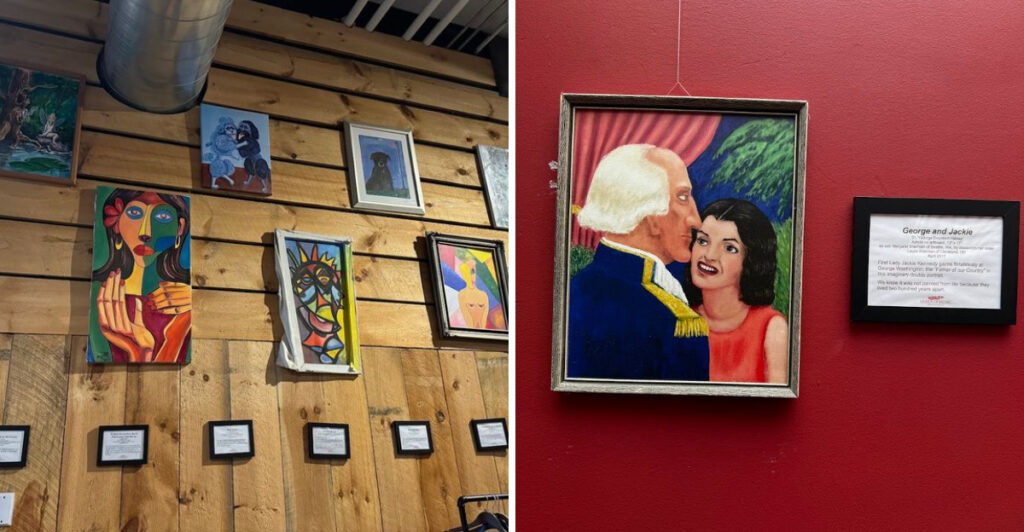
Massachusetts is home to some of the country’s most respected museums, but the Museum of Bad Art in Boston proves that not every gallery experience has to be serious, polished, or intimidating. This delightfully unusual Massachusetts attraction celebrates artistic misfires with humor, curiosity, and surprising charm, creating a museum visit that feels refreshingly human from start to finish. Instead of showcasing masterpieces, it highlights works that missed the mark in memorable ways, inviting visitors to appreciate creativity from an entirely different perspective.
If you think museum visits are supposed to be quiet and formal, this Boston favorite happily challenges that idea. Tucked inside a lively brewery setting, the Museum of Bad Art encourages guests to laugh, look closer, and reconsider what deserves a place on a gallery wall. The collection is filled with paintings that are strange, confusing, unintentionally funny, and occasionally fascinating, making every room feel like a new discovery.
Part of what makes this Massachusetts museum so memorable is that it never feels mean-spirited. The exhibits celebrate effort, imagination, and artistic ambition, even when the results are less than perfect. Visitors often find themselves spending far more time examining the artwork than expected, trying to figure out the stories behind each unusual creation. By the time you leave, you may not remember every famous masterpiece you saw elsewhere in Boston, but you will almost certainly remember this one. The Museum of Bad Art offers a fun, quirky experience that stands out among Massachusetts attractions by proving that failure can sometimes be just as entertaining as success.
1. A Museum That Celebrates Glorious Artistic Failure
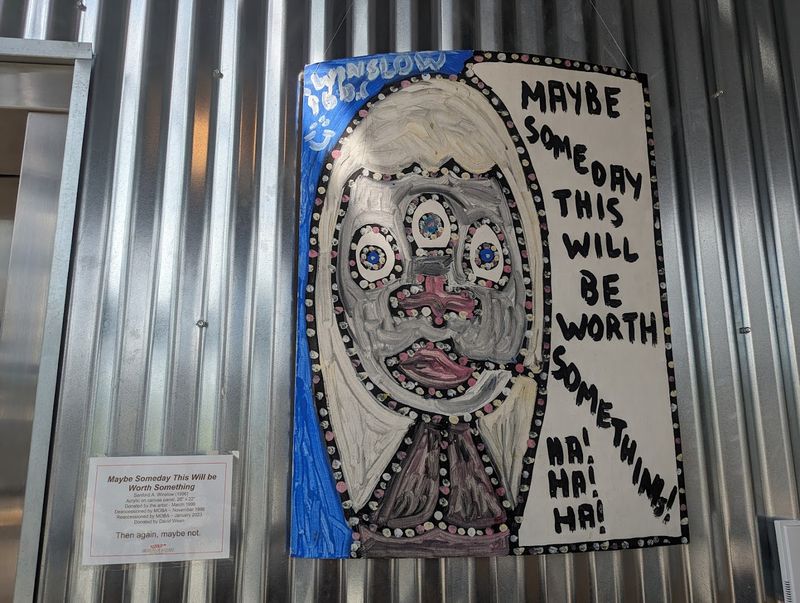
The Museum Of Bad Art is the kind of place you enter with a grin and leave with an even bigger one.
Instead of spotlighting flawless brushwork or revered names, it gives center stage to artworks that miss the mark in unforgettable ways.
That twist makes the entire experience feel refreshingly honest, because you are looking at effort, ambition, and accidental comedy all at once.
What I love most is that the museum never feels mean-spirited.
The collection is presented with genuine affection, as if every lopsided portrait and baffling landscape deserves its own little encore.
You are invited to laugh, but also to appreciate the nerve it took for someone to make the thing in the first place.
Set at 1250 Massachusetts Ave Suite 1 in Boston, the museum has become a conversation starter for locals and visitors alike.
Reviews often mention how funny, weird, and oddly charming the experience is, and that description feels exactly right.
It is not trying to imitate a grand institution, which is why it stands out so easily.
If your usual museum routine has started to blur together, this one breaks the pattern instantly.
Every piece asks you to look longer than you expected, partly from disbelief and partly from curiosity.
That combination of humor and attention is what makes this eccentric Massachusetts museum so memorable.
2. The Legendary Spirit Behind the Collection
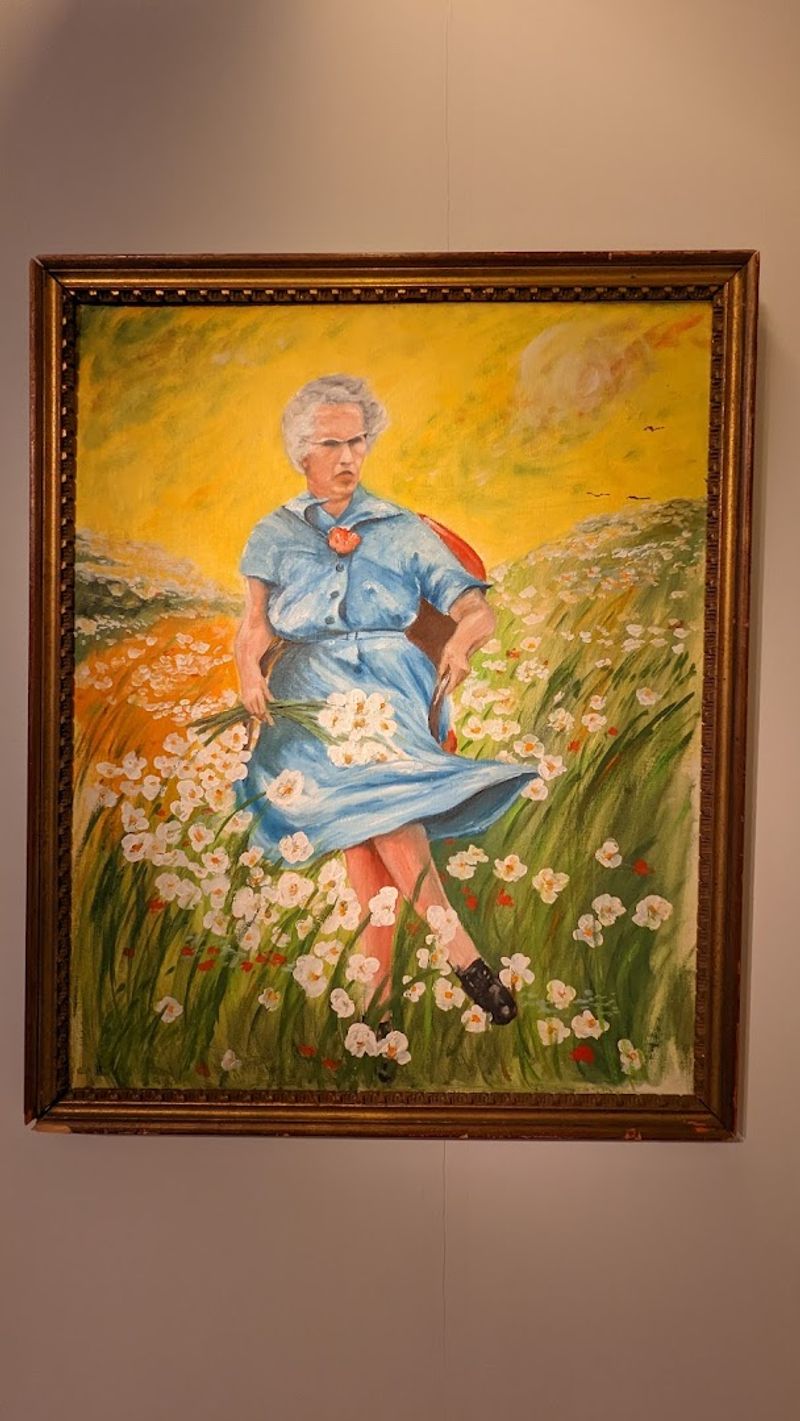
Part of the museum’s charm comes from the story behind its existence.
Fans often point to Lucy in the Field with Flowers, the famously rescued painting that helped inspire the collection, as the perfect symbol for everything this place celebrates.
It was not discovered in a glamorous auction room or elite estate, but pulled from the margins and given a second life.
That origin story tells you almost everything you need to know about The Museum Of Bad Art.
This is a place that notices what other people overlook and then builds a whole world around it.
Instead of asking whether a work is technically accomplished, it asks whether it is compelling in its own wonderfully misguided way.
Walking through the galleries, you can feel that mission in every frame.
These are not random jokes pinned to a wall for cheap laughs, but rescued objects with personality, backstory, and a strange kind of resilience.
Even when a painting is spectacularly off balance, the museum presents it like a lovable underdog that finally found its audience.
That perspective gives the collection surprising warmth.
You may arrive expecting a novelty stop, yet you quickly sense a real curatorial point of view beneath the comedy.
In a city packed with serious cultural institutions, this museum earns its identity by honoring art that failed conventionally but succeeded at being impossible to forget.
3. The Wall Labels Are Half the Fun
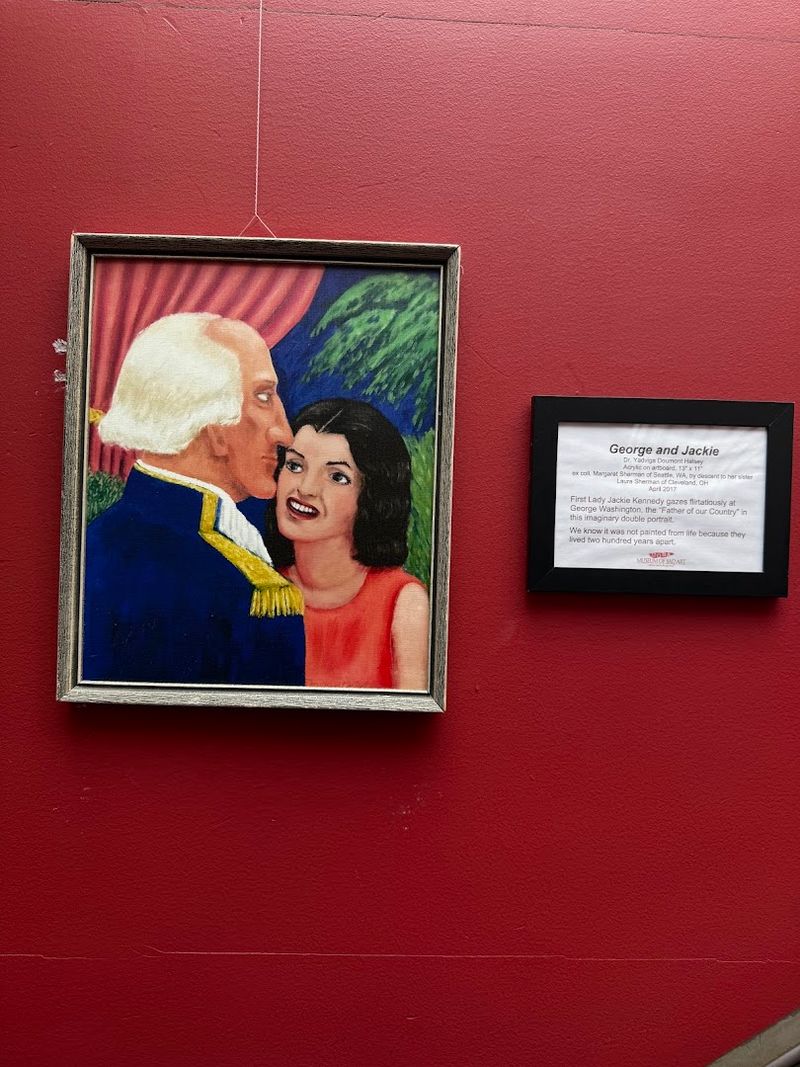
Almost everyone who talks about The Museum Of Bad Art mentions the same thing sooner or later: the labels.
The art alone is funny, but the written commentary beside each piece adds a whole second layer of entertainment.
Reading them feels like getting the punchline after already laughing at the setup.
These captions do more than tease odd proportions or chaotic color choices.
They frame each work with dry wit, mock scholarship, and just enough sincerity to make the joke land beautifully.
You find yourself drifting from painting to painting not only to see what strange image comes next, but to discover how the museum will describe it.
That rhythm changes the pace of the visit in the best way.
Instead of quickly scanning a room and moving on, you linger, compare reactions, and read passages out loud to whoever came with you.
Reviewers repeatedly say the plaques are the real secret ingredient, and after a visit, that claim makes complete sense.
What surprised me is how the labels also make the museum feel more welcoming.
Traditional gallery text can sound distant or academic, but this writing invites everyone in on the joke without talking down to anyone.
If you enjoy places with personality, the commentary here turns a quirky art display into a fully formed, laugh out loud cultural experience.
4. Why the Brewery Setting Actually Works
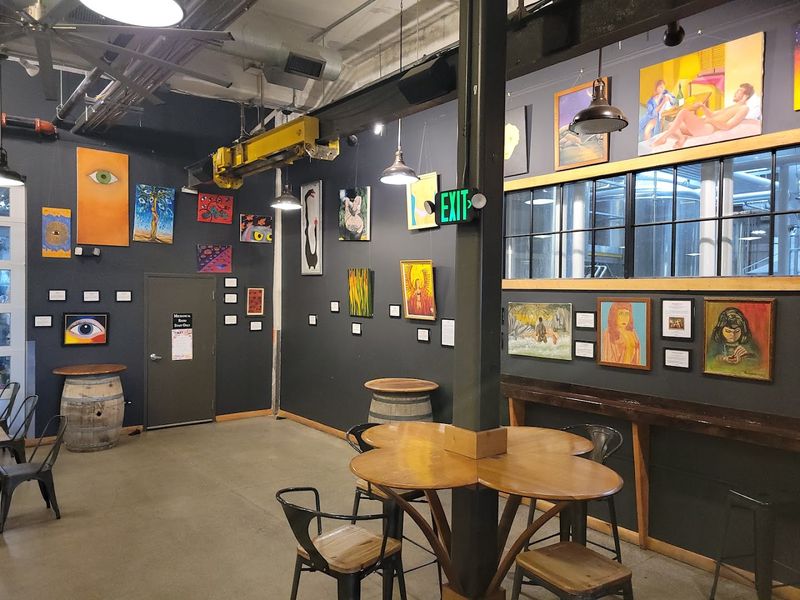
One of the most unusual things about The Museum Of Bad Art is where you experience it.
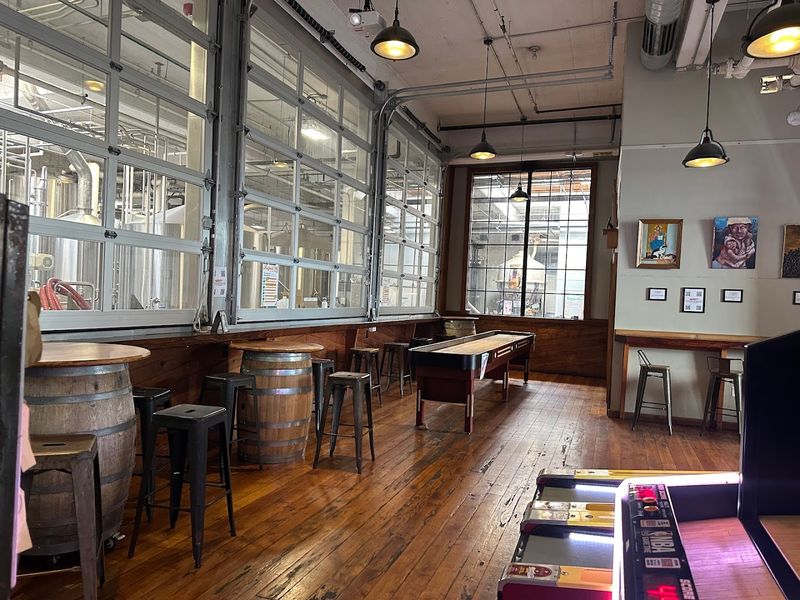
Rather than occupying a grand standalone building, it lives inside a brewery and food hall atmosphere that feels social, casual, and slightly unexpected.
At first that combination sounds random, but once you are there, it makes perfect sense.
Bad art is best enjoyed with a sense of ease, and this setting naturally provides it.
Visitors often mention grabbing a drink, reading the captions, and letting the whole thing unfold as a conversation instead of a formal march through silent rooms.
The result is a museum visit that feels less like homework and more like an evening you genuinely want to have.
That said, the environment shapes expectations.
If you are craving hushed gallery reverence, the background noise and bar energy may surprise you.
But if you like cultural stops that feel lived in, this setup adds to the charm rather than distracting from it.
Reviews also highlight good food, house beers, games, and even rooftop views nearby, which turns the museum into part of a larger outing.
You can spend time with the art, laugh over your favorite disasters, and settle into the space without rushing.
For a collection devoted to glorious imperfection, a polished white cube would honestly feel less appropriate.
5. Small Museum, Big Personality

No one visits The Museum Of Bad Art expecting an enormous institution, and that is part of its appeal.
The collection is manageable, approachable, and easy to enjoy in one relaxed visit without the mental fatigue that can come from larger museums.
You get enough variety to stay surprised, but not so much that the joke wears thin.
Several visitors note that the museum is not huge, yet they still leave delighted by how much entertainment fits into the space.
The pieces range from merely awkward to completely bewildering, so the experience keeps changing as you move along the walls.
Just when you think you have adjusted to one visual disaster, another one arrives with fresh confidence.
That smaller scale also helps the museum feel democratic.
You do not need a map, a game plan, or an entire day set aside to enjoy it properly.
You can pop in, take your time, and still feel like you saw something distinctive that will come up in conversation long after the visit ends.
For travelers building a Boston itinerary, that matters.
Not every memorable attraction has to be sprawling or monumental to earn its place.
This museum succeeds because it understands exactly what it is offering: a compact, well chosen dose of absurdity, paired with enough wit and heart to make the whole visit feel far bigger than its footprint.
6. The Art Is Terrible – and That Is the Point
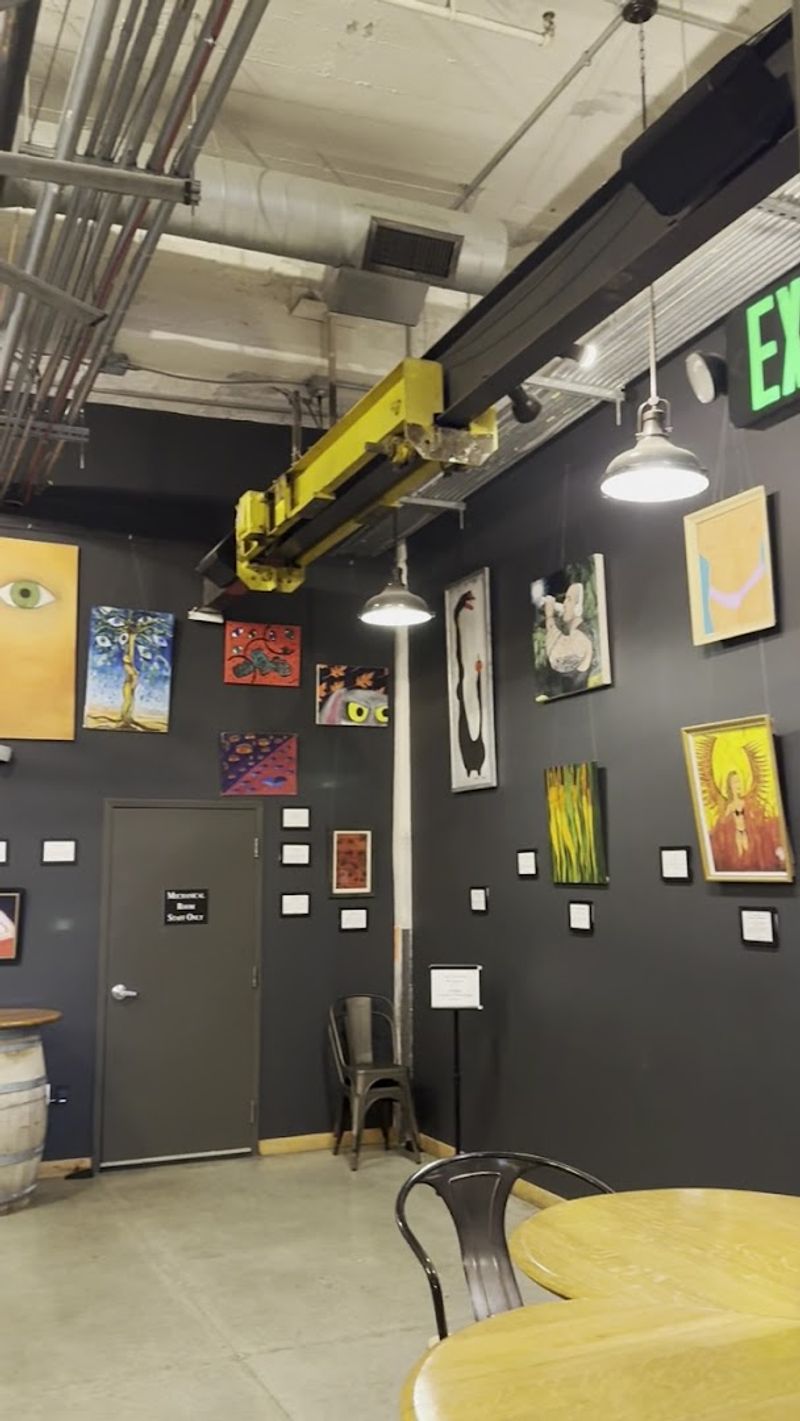
The beauty of The Museum Of Bad Art is that it never pretends the work on display is secretly misunderstood genius.
The paintings and sculptures are there because they fail in captivating, confusing, or deeply entertaining ways.
Some look like they lost a battle with perspective, while others seem to be inventing entirely new mistakes.
Yet the more time you spend with them, the funnier and more interesting they become.
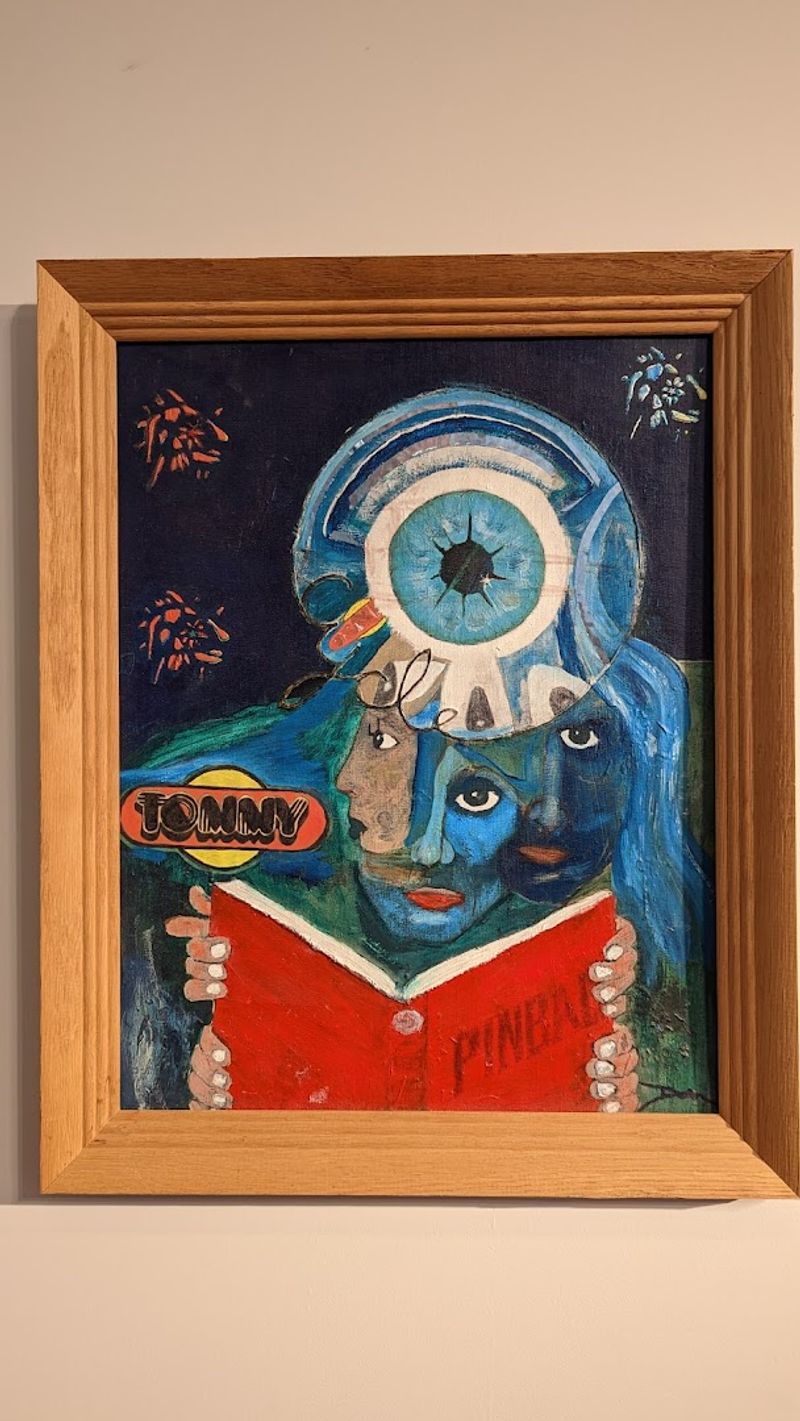
A portrait with wandering eyes or impossible anatomy stops being a quick joke and starts feeling like evidence of someone trying very hard to create meaning.
That mix of earnest ambition and chaotic execution is exactly why the museum works so well.
Visitors often describe the collection as bizarre, hilarious, disturbing, or weirdly impressive, and all of those reactions can happen in the same room.
One review even joked that the museum was spectacularly bad in a way humanity was not prepared for, which honestly sounds like a compliment here.
The institution thrives on that paradox of being wonderfully awful.
What keeps the concept from becoming repetitive is the variety in how the art goes wrong.
Every piece has its own flavor of disaster, from gloomy melodrama to accidental comedy.
By the end, you are not just laughing at bad art in general.
You are remembering specific catastrophes, and that is what makes the visit stick in your mind.
7. A Place Built for Reactions and Conversation
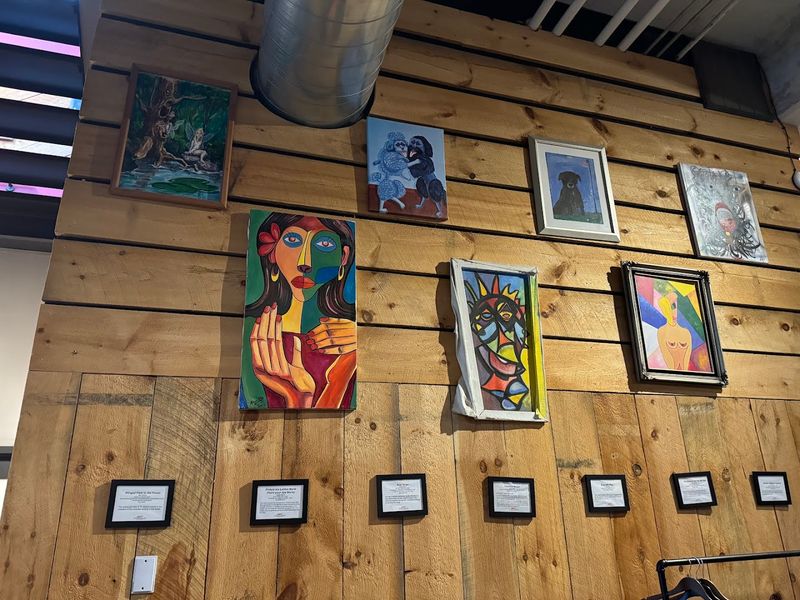
This is not the kind of museum where everyone whispers and politely nods before moving on.
The Museum Of Bad Art practically invites commentary, debate, and spontaneous laughter, which makes it a fantastic place to visit with friends, family, or anyone who enjoys playful conversation.
Every artwork seems designed to spark the question, what exactly happened here?
That shared reaction is one reason the museum earns such affectionate reviews.
People talk about reading labels aloud, arguing over whether a piece is truly awful or somehow good, and finding themselves unexpectedly absorbed by the whole experience.
Even skeptical visitors often come around once they hit a painting that is just too strange to ignore.
I think the museum understands that looking at art can be social, not solemn.
Instead of testing what you know, it rewards what you notice and how honestly you respond.
You do not need any background in art history to have a great time, because your confusion, amusement, and curiosity are already enough.
That accessibility makes the museum memorable in a very modern way.
It creates the sort of outing people immediately describe to others, often with a favorite piece or line from a caption included.
In a city full of places you are supposed to admire, this one gives you permission to react, laugh, and make the experience your own.
8. What to Know Before You Go
If you are planning a visit, a little context helps set the right expectations.
The Museum Of Bad Art is located at 1250 Massachusetts Ave Suite 1 in Boston and operates within a casual brewery environment, so it makes sense to approach it as a quirky hybrid outing rather than a traditional museum stop.
That mindset lets the place shine on its own terms.
According to current listings, the museum opens at 11:30 AM daily, with later closing times on Fridays and Saturdays.
Reviews suggest many people enjoy pairing the art with a drink, food, or a slow wander through the space, so giving yourself enough time is worth it.
If you want a more relaxed visit, going earlier may feel less hectic than peak evening hours.
Because it is connected to an active social venue, the atmosphere can be lively.
Some visitors love that energy, while others note it is not the place for a quiet, contemplative gallery experience.
Either way, the museum’s identity is closely tied to that setting, and knowing that in advance helps you appreciate the charm instead of being surprised by it.
Most importantly, come ready to read the labels and keep an open mind.
The laughs build as you move through the collection, and the details matter.
This is one of those rare attractions where lowering your expectations of artistic perfection is exactly how you end up having a better time.
9. Why You Will Never Quite Forget It
Boston has no shortage of places that impress you, educate you, or help you admire something important.
The Museum Of Bad Art does something slightly different and, in its own way, just as valuable.
It gives you a story you will retell, a few images you cannot unsee, and a reminder that cultural experiences can be funny as well as meaningful.
What stays with you is not only the outrageous art itself, but the attitude behind the whole operation.
The museum treats failure as worthy of attention, and that turns what could have been a one-note gimmick into something more generous.
You leave amused, but also oddly fond of these imperfect creations and the people who made room for them.
That emotional afterglow explains why so many visitors recommend it, return with friends, or call it one of the most unique stops around Boston.
Even people who admit it is not a conventional museum often say it is absolutely worth the detour.
When a place can be silly, self-aware, and genuinely enjoyable at once, it earns a special kind of loyalty.
So no, this is not where you go to stand in awe of polished genius.
It is where you go to laugh, look closer, and appreciate the strange persistence of human creativity.
In a city full of attractions, The Museum Of Bad Art stands out by being gloriously unforgettable for all the wrong and exactly right reasons.
Share this story