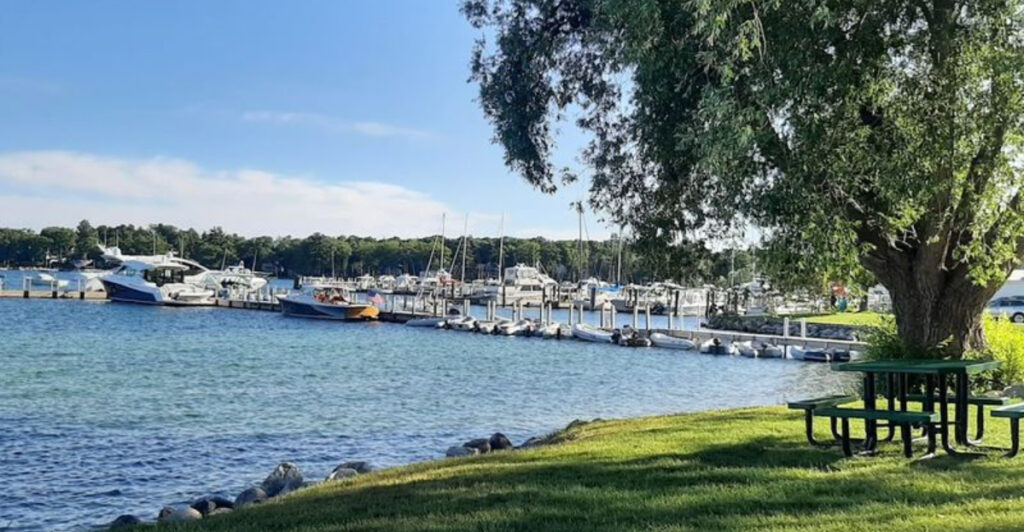
There’s a certain kind of summer that Northern Michigan does better than anywhere else — the kind with screen doors, ice cream cones, and afternoons that stretch on forever. Some places up north have held onto that old-school charm so tightly that stepping into them feels like turning back the clock.
Whether you grew up vacationing here or you’re discovering it for the first time, these 13 spots carry that timeless summer magic in every corner. Pack the cooler, roll the windows down, and get ready to feel something real.
1. Kalkaska
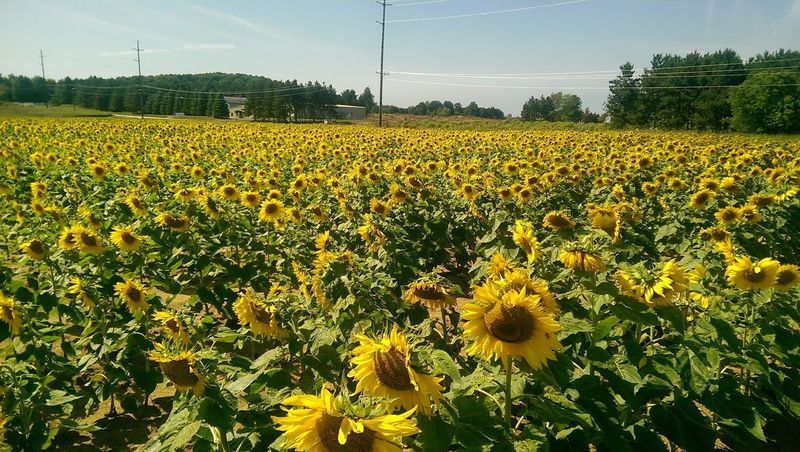
Not every summer destination needs a lakefront resort, a packed beach, or a postcard-perfect harbor to earn its place on the list. Kalkaska is the kind of town that reminds you what Northern Michigan felt like before the crowds showed up — unhurried, unpretentious, and genuinely welcoming.
It does not try to dress itself up for visitors, and that is a big part of its charm. Sitting at the crossroads of some of the best trout streams in the Midwest, Kalkaska has long been a favorite for anglers who would rather catch fish than catch Wi-Fi.
The town’s connection to trout fishing runs deep, and nowhere is that more obvious than at the National Trout Festival. The festival has been drawing people here since 1935, making it one of Michigan’s oldest and most beloved community celebrations.
There is a parade, a fish fry, family events, local vendors, and enough small-town energy to make even the most jaded traveler crack a smile. If you have never experienced a Northern Michigan festival where the whole town actually shows up, this is your introduction.
Beyond the festival, Kalkaska sits right at the edge of the Pere Marquette State Forest, which means hiking trails, river access, ORV routes, and quiet backroads are never far away. It is the kind of place where a simple summer day can turn into a long drive under the trees, a stop at a roadside market, or an afternoon spent near the water with no real schedule at all.
The town itself is small enough to walk in an afternoon but big enough to have a few solid spots for a burger, a cold drink, or a casual meal after a long day outside. There is no performance here, no tourist-trap polish, no need to prove anything.
Just a community that has been doing summer right for generations. Kalkaska does not try to impress you, and somehow that is exactly what makes it impressive.
2. Houghton Lake
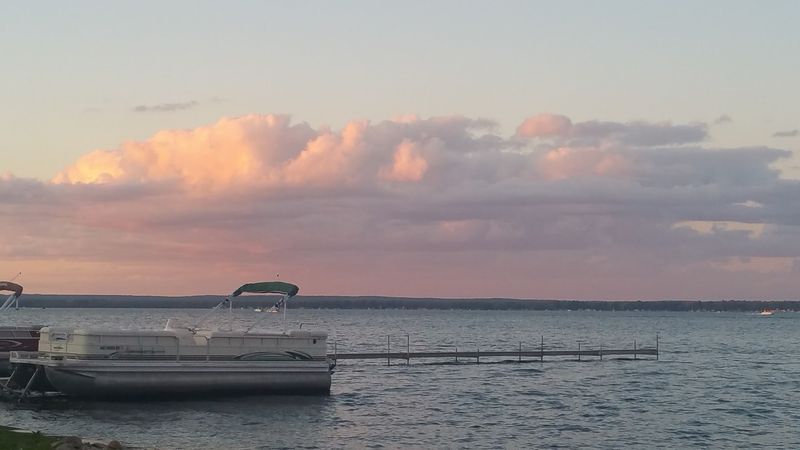
Michigan’s largest inland lake has been the backdrop for family summers since before most of us were born. Houghton Lake carries a particular kind of nostalgia — the kind tied to old aluminum boats, tackle boxes passed down from grandpa, sandy towels in the backseat, and the smell of sunscreen mixed with pine.
It does not pretend to be Traverse City or Harbor Springs, and that is very much a point of pride around here. Houghton Lake knows exactly what it is, and that is why people keep coming back.
The town wrapping around the lake has a retro resort-town feel that is hard to manufacture and impossible to fake. Bait shops, go-kart tracks, mini golf, ice cream windows, cabin rentals, and diners with laminated menus are still very much part of the scene.
There is something comforting about a place that has not rushed to polish away all its old-school charm. Summer weekends bring a cheerful chaos of families, jet skis, fishing boats, pontoon rentals, and charcoal grills going from noon until dark — exactly the kind of summer energy that feels increasingly rare.
Fishing is still king here, and the lake earns that reputation every season. Walleye, pike, bass, bluegill, and perch keep anglers coming back year after year, whether they are serious fishermen or just hoping to put something in the cooler before lunch.
The morning hours on the water have a peaceful quality that is genuinely restorative, with the lake still quiet, the air cool, and the shoreline just starting to wake up.
Even if you do not fish, renting a pontoon and cruising around the lake for a few hours is worth every penny. Pack snacks, bring a cooler, and let the day move at lake speed.
Houghton Lake is the kind of place your parents talked about, and once you get there, you will understand why they kept going back. It is not fancy, it is not trendy — it is just a really good Michigan summer.
3. Leland
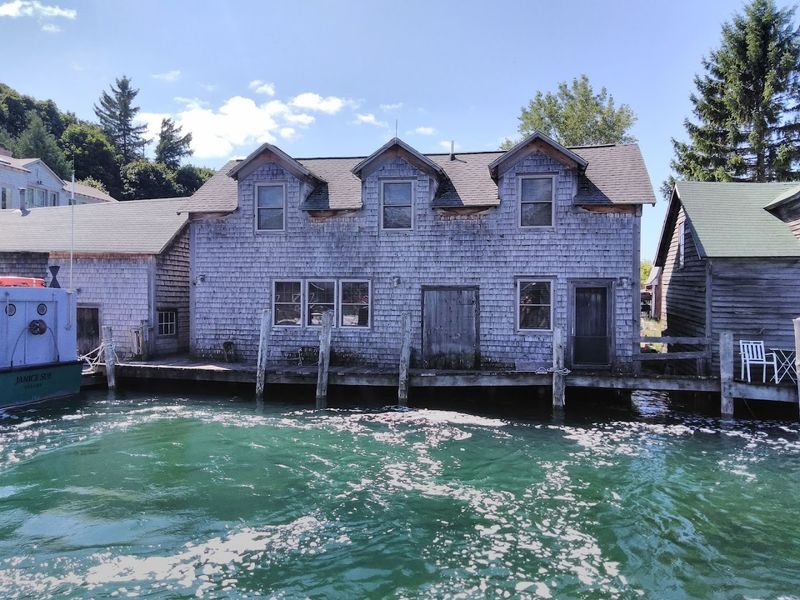
Fishtown is the kind of place you see in a photograph and assume it has been cleaned up for tourists, but then you arrive and realize it is just genuinely that beautiful. Leland’s historic fishing village has been operating in some form since the 1800s, and the cedar-sided shanties along the Leland River still house working fisheries alongside small shops, galleries, and weathered storefronts.
That mix of the working and the wonderful is what gives this place its soul. It is not a stage set, even if it looks almost too perfect to be real.
The village itself is small enough to explore in an hour but layered enough to keep you coming back. Every boardwalk, dock, and fish tug seems to carry a little history.
Fresh whitefish, smoked chubs, and locally caught perch are available right off the dock — not from a menu that pretends to be rustic, but from actual fishermen who have been doing this work for decades. Grab a paper bag of smoked fish, find a spot near the river, and eat it with your feet hanging over the water.
That is the Leland experience in a nutshell.
Beyond Fishtown, Leland offers easy access to the Manitou Islands by ferry, a trip that feels like stepping off the map entirely. Once the mainland starts to shrink behind you, it is easy to understand why this stretch of Lake Michigan has inspired so much devotion.
The surrounding Leelanau Peninsula adds another layer to the visit, with orchards, wineries, farm stands, and quiet back roads perfect for an afternoon of wandering without much of a plan.
Downtown Leland has a handful of excellent restaurants, galleries, boutiques, and places to linger without the shoulder-to-shoulder crowds of bigger resort towns. It feels polished without feeling precious, popular without feeling overrun.
Leland manages something rare: it is both beloved and peaceful at the same time. If you want a taste of what the Northern Michigan coast looked like long before the influencers arrived, this is your spot.
4. Suttons Bay
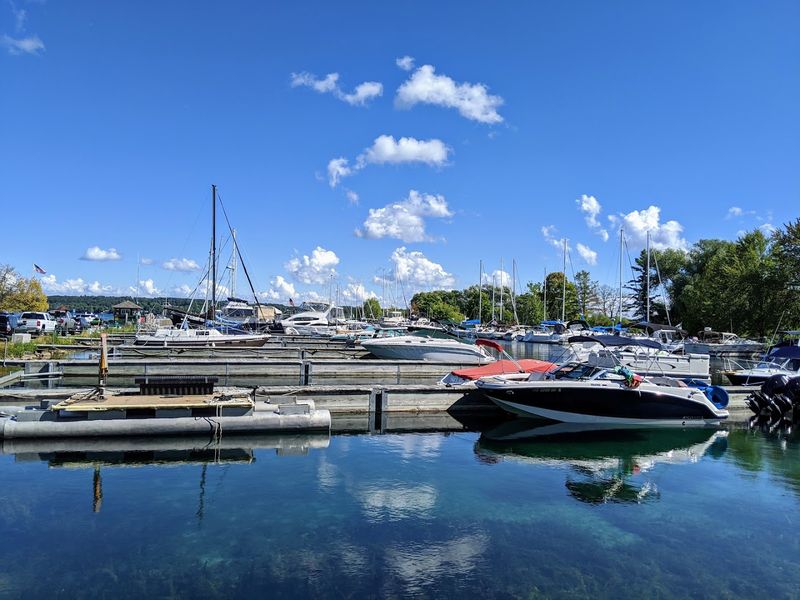
Suttons Bay sits on the western arm of Grand Traverse Bay like a well-kept secret that locals are slowly running out of ways to keep quiet. It has the bones of a classic Northern Michigan town — a walkable main street, a marina, a hardware store that feels like it has been there forever — but it also has some of the best food and wine access in the entire region.
That combination makes it genuinely hard to resist.
The Leelanau Peninsula wine trail practically starts at the edge of town, and the wineries out here are doing serious, exciting work. This part of Michigan has become one of the Midwest’s most rewarding wine regions, and Suttons Bay makes an easy, natural home base for exploring it.
You can spend the morning at a farmers market, the afternoon tasting wine with a bay view, and the evening walking back into town for dinner without ever feeling like you overplanned the day.
But Suttons Bay is not just a wine stop with a pretty shoreline. The marina is a great place to watch the evening settle in, especially when the sailboats are coming back and the light starts doing that late-July shimmer across the water.
The beach is easy to reach, the streets are pleasant to wander, and the whole place moves at a pace that makes you slow down without being told to.
What makes Suttons Bay work is that it still feels genuinely livable rather than polished into a boutique resort experience. Families, cyclists, boaters, locals, and wine lovers all share the space without any single group taking over.
It is easygoing in the best possible way, and the summers here have a relaxed confidence that is entirely earned.
5. Omena
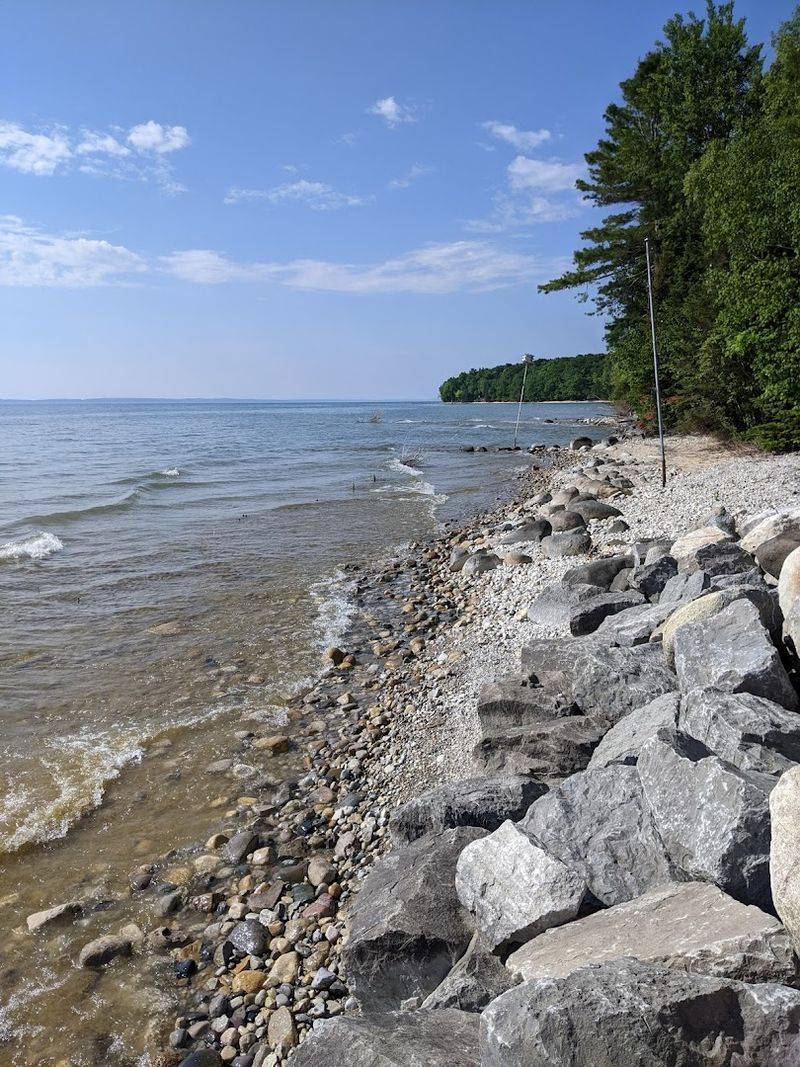
Blink and you will miss Omena, and that would be a real shame. This tiny village on the Leelanau Peninsula barely registers on most maps, but the people who know it tend to feel a fierce, quiet loyalty to the place.
There is a historic general store, a small harbor, a white church that looks like it belongs on a postcard, and almost nothing else — and somehow that is exactly enough.
Omena is not trying to compete with the bigger towns nearby, and that is part of what makes it so memorable. It feels tucked away in the best sense, like a place that has managed to hold onto its rhythm while the rest of the shoreline got busier.
You do not come here for a packed itinerary. You come here because the stillness itself feels like the point.
The Omena General Store has been a community anchor for well over a century, and stopping in feels like a genuine step back in time. Pick up a cold drink, browse the mix of local goods and essentials, and chat with whoever is behind the counter.
It is the kind of interaction that feels increasingly hard to find in a world of self-checkouts and delivery apps.
The harbor here is small and quiet, ideal for kayaking, taking a slow walk, or just sitting near the water and watching the afternoon drift by. On a summer evening, Omena has a stillness that is almost meditative — the kind of quiet that reminds you how loud everything else has gotten.
The surrounding peninsula offers orchards, vineyards, farm stands, and scenic back roads just a short drive away, so you are never far from a good afternoon plan. But the real draw is the village itself, which carries an old Michigan summer feeling so intact that first-time visitors often describe it with the same word: magical.
Omena does not need a rebrand or a renovation. It just needs you to slow down long enough to appreciate what is already there.
6. Northport
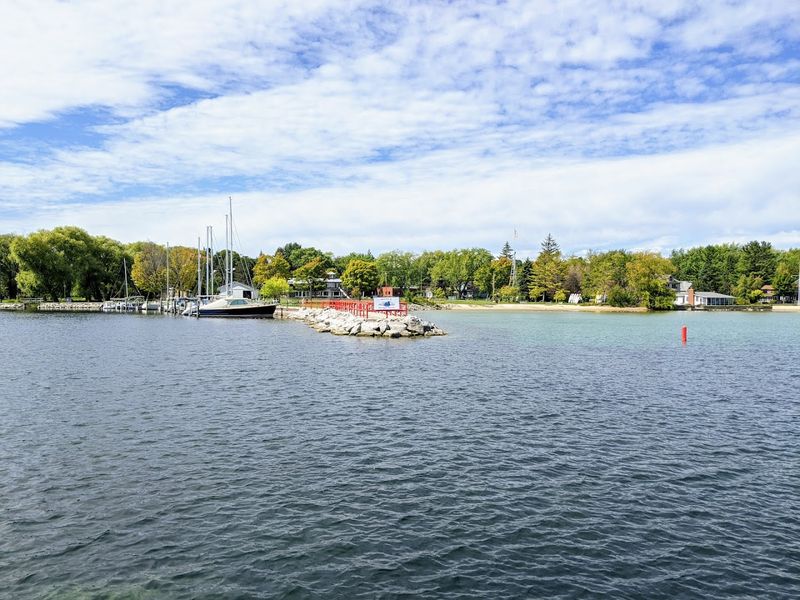
At the very tip of the Leelanau Peninsula, Northport feels like the end of the road in the best possible way. It is the kind of place where the pace slows naturally, where conversations happen without agendas, and where the sunsets over Grand Traverse Bay become the main event every single evening.
People have been making the drive up here for generations, and the town wears that history comfortably.
The village has a genuinely walkable downtown with independent shops, a classic diner energy, and a community vibe that has not been replaced by chains or franchises. There is enough to do without the place ever feeling crowded or overbuilt.
You can wander into a shop, grab something casual to eat, walk toward the water, and feel like the whole day has arranged itself without much effort.
The marina is active in summer without being overwhelming, giving the town just enough movement to feel lively. Nearby Leelanau State Park offers hiking, shoreline views, and access to the Grand Traverse Lighthouse, one of the most photographed spots in the state.
The lighthouse has been guiding ships since 1858, and standing next to it on a clear day gives you a perspective that is hard to shake. It makes the peninsula feel both wild and deeply rooted.
Northport also sits within easy reach of some of the area’s best cherry orchards and farm stands. Stopping for fresh cherries, peaches, or a jar of local jam on the way into town is practically a requirement.
The growers up here take their work seriously, and the quality shows in everything from the fruit itself to the pies and preserves waiting at roadside stands.
Northport is the kind of town that makes you reconsider your priorities in the most pleasant way possible. It asks nothing of you except to show up, slow down, and pay attention.
7. Elk Rapids
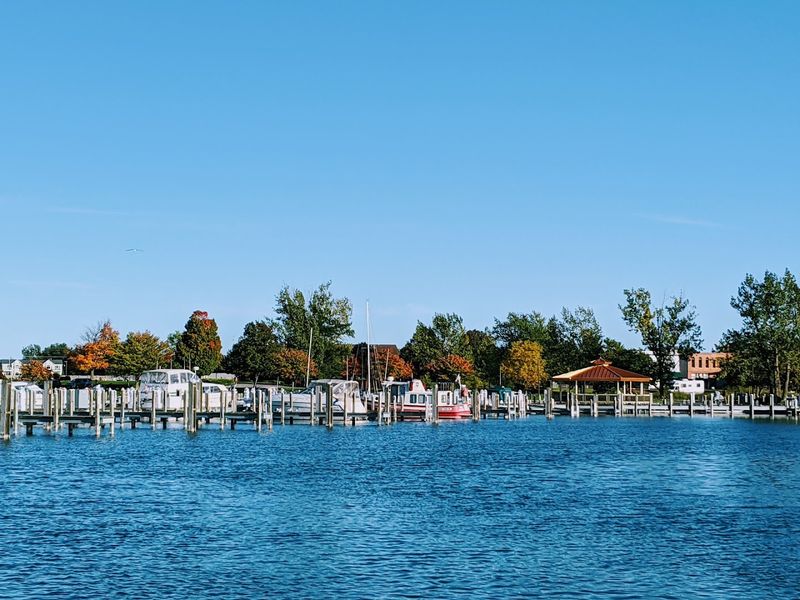
Elk Rapids is one of those Northern Michigan towns that regulars tend to keep to themselves, which is understandable because the moment word really gets out, the secret is over. Sitting right where Elk Lake drains into Grand Traverse Bay through a short, navigable channel, the town has a water-everywhere quality that sets it apart from most small towns in the region.
Boats move through the channel all day in summer, and watching them from a bench on the waterfront is its own form of entertainment.
The downtown is compact and genuinely charming without feeling curated. There’s an old-school hardware store, a few excellent restaurants, a bakery worth driving for, and enough independent shops to fill a slow morning.
The waterfront park is one of the most underrated in the state — clean, accessible, and with views that would cost a fortune to replicate in a resort setting. It’s the kind of park where kids run around until sunset and adults find themselves not checking their phones.
Elk Rapids also sits at a great geographic crossroads for exploring the broader region. Traverse City is close enough for a day trip, and the back roads heading north toward Charlevoix pass through some of the most beautiful farmland and shoreline in Michigan.
The town itself hosts a summer concert series and a handful of local events that bring the community together in that effortless way small Michigan towns do best. If you’re looking for somewhere that feels genuinely alive without being overwhelming, Elk Rapids delivers that balance with remarkable consistency.
Come for an afternoon and you’ll almost certainly stay longer than planned.
8. Harbor Springs
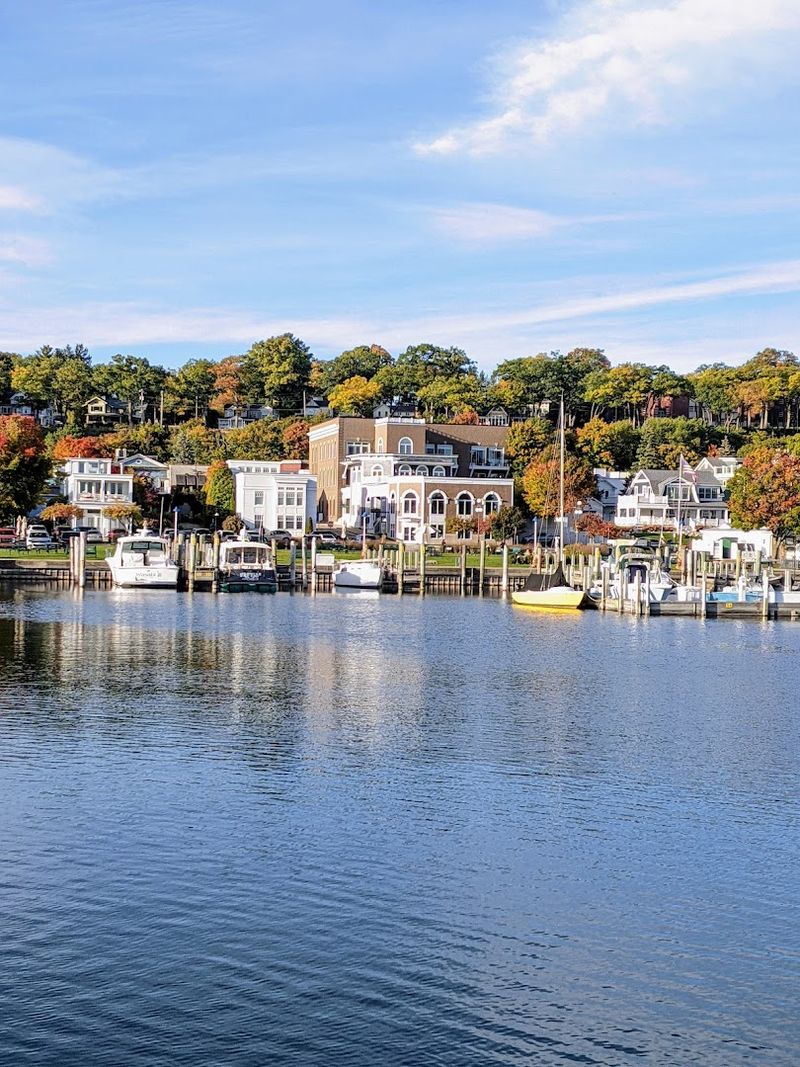
Harbor Springs has been a summer destination for well over a century, and it carries that history in the best possible way — with grace and without pretension. The natural harbor here is one of the deepest on the Great Lakes, and it has been drawing sailors, swimmers, and summer residents since the late 1800s.
Old money and new energy coexist here in a way that actually works, creating a town that feels polished but never cold.
Main Street is a pleasure to walk at any hour, lined with independent boutiques, excellent restaurants, and galleries that take their work seriously. It is refined without feeling stiff, the kind of place where you can browse art, grab a good meal, and still wander down to the water in flip-flops.
The waterfront park gives you an unobstructed view of the harbor and the bluffs rising behind town — a combination that photographers and painters have been chasing for generations.
Summer here revolves around the water, but not in a frantic way. Rent a kayak, watch the sailboat races from the dock, or simply sit and let the harbor do what it does.
There is a calm confidence to Harbor Springs that makes even a quiet afternoon feel memorable.
The surrounding bluffs and neighborhoods are home to some of the most beautiful old summer cottages in Michigan, many passed down through families for generations. There is a sense of continuity here that is genuinely moving — the same porches, the same views, the same summer rituals repeated year after year.
The nearby Tunnel of Trees scenic drive along M-119 is one of the most celebrated road trips in the state, and it starts practically in town. Harbor Springs rewards slow travel: the longer you stay, the more layers you find.
It is a town that has earned its reputation many times over and shows no signs of losing its edge.
9. Glen Haven
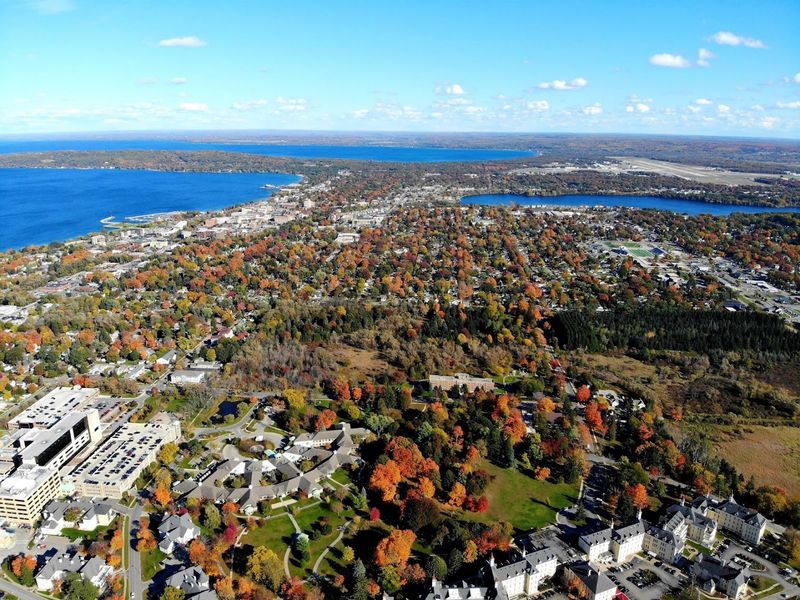
Glen Haven is the Northern Michigan equivalent of a time capsule you can actually walk around in. Tucked inside the Sleeping Bear Dunes National Lakeshore, this former industrial village has been preserved by the National Park Service in a way that feels remarkably authentic.
The old cannery, the general store, the boat house — they are all still standing, and spending an afternoon here feels genuinely different from any other experience in the region.
The village was once a busy stop for Great Lakes steamships, a place where cordwood was sold, fish were canned, and life moved at the pace of the water. That era ended long ago, but the buildings that remain tell the story clearly enough that imagination fills in the rest.
You can almost picture the boats coming in, the workday unfolding, and the shoreline functioning as both workplace and lifeline.
What makes Glen Haven special is that it never feels over-staged. The history is presented thoughtfully, without turning the place into a theme park.
It stays quiet, honest, and interesting, which allows the village to feel less like an attraction and more like a place that simply kept its memories intact.
Just beyond the village, the Lake Michigan shoreline is as raw and beautiful as anywhere in the state. The water here is that impossible shade of blue-green that makes people question whether they are really still in the Midwest.
The nearby Sleeping Bear Heritage Trail connects Glen Haven to other points in the park, making it easy to spend a full day exploring by bike or on foot.
Glen Haven rewards visitors who come without a rigid plan. Wander the village, walk to the water, sit on the beach until the light changes.
It is one of those rare places where doing nothing in particular feels like exactly the right thing to do.
10. Charlevoix
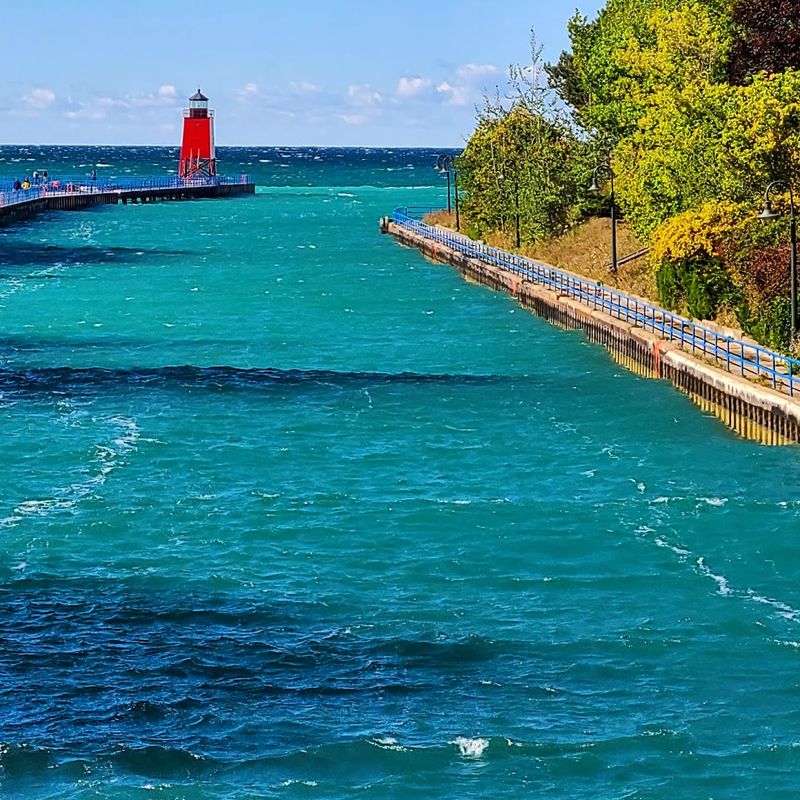
Few towns in Michigan can pull off the combination of beauty and energy the way Charlevoix does. Sitting between Lake Michigan and Round Lake, with the Pine River Channel running right through the middle of town, it’s one of those places where the geography does half the work.
The drawbridge goes up to let boats through all summer long, and watching the parade of sailboats, cruisers, and classic wooden boats pass through is one of the region’s great free spectacles.
Bridge Street is the main artery, and it earns its reputation as one of the most enjoyable shopping and dining streets in Northern Michigan. The flower baskets overflowing from every lamp post aren’t accidental — Charlevoix takes its summer presentation seriously, and the town genuinely looks like something out of a magazine from June through August.
The Mushroom Houses, a collection of whimsical stone homes built by local eccentric Earl Young, are a short walk from downtown and worth every step.
The beaches on both the Lake Michigan side and the Round Lake side give visitors options depending on mood — big open waves or calm protected water, take your pick. Beaver Island ferry service runs out of Charlevoix, and a day trip to that remote island community is one of Northern Michigan’s most underrated adventures.
Summer nights here have a festive, celebratory quality that builds naturally from the landscape and the people. Charlevoix doesn’t need to manufacture excitement — it’s baked into the geography.
Whether you’re here for a weekend or a full month, the town has a way of making you feel like you’re exactly where you’re supposed to be.
11. Frankfort
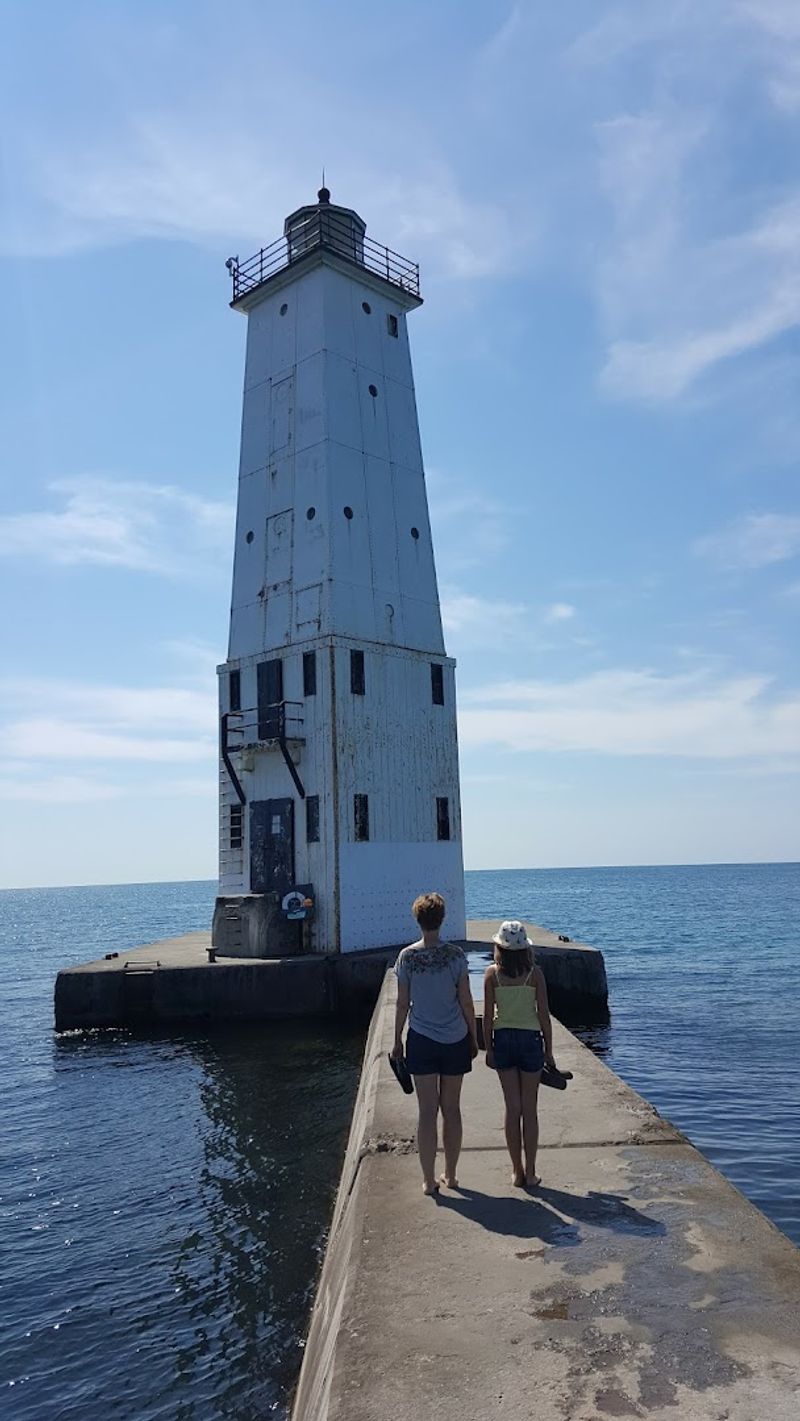
Frankfort punches well above its weight for a town this size. Sitting at the mouth of the Betsie River where it meets Lake Michigan, the town has a natural drama to its setting that hits you the moment you crest the hill and see the water.
The Frankfort lighthouse — a classic red structure at the end of a long breakwater pier — is one of the most photographed in Michigan, and deservedly so. Walking the pier on a summer evening, with the sun dropping toward the lake, is the kind of experience that stays with you.
Downtown Frankfort has held onto its character with impressive stubbornness. Independent shops, a beloved local theater, excellent restaurants, and a farmers market that draws from the rich agricultural land of Benzie County all contribute to a downtown that feels purposeful and alive.
The Traverse City Film Festival has brought some programming to the area in recent years, adding a cultural layer that complements the natural beauty without competing with it.
Crystal Lake, just a few minutes from downtown, offers some of the clearest freshwater swimming in the state — the kind of water that makes you stop mid-stroke and look down just to watch your feet. The combination of Lake Michigan access, river kayaking on the Betsie, and Crystal Lake swimming makes Frankfort one of the most water-rich destinations in Northern Michigan.
Benzie County as a whole tends to fly under the radar compared to flashier neighbors, but locals here seem genuinely fine with that arrangement. Frankfort earns its loyalty one sunset at a time, and the people who find it rarely stop coming back.
12. Lake Ann
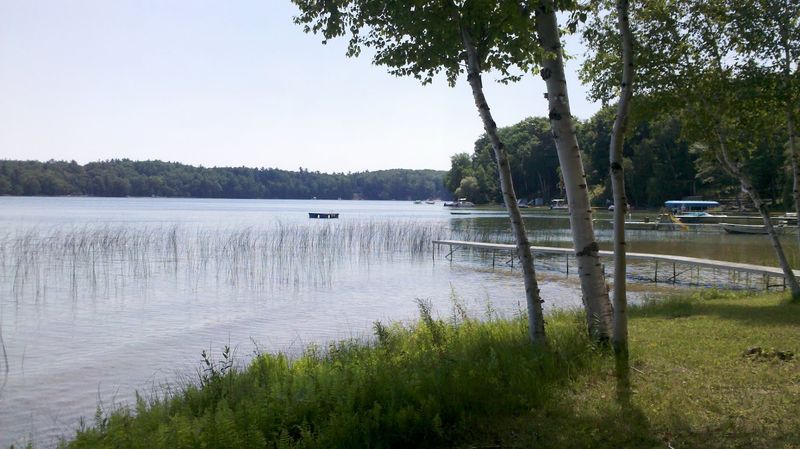
Lake Ann is the rare small town that hasn’t been discovered so much as it’s been quietly treasured. Tucked into Benzie County about fifteen miles from Traverse City, it has the kind of main street that reminds you what downtown used to mean before every town started looking the same.
The Lake Ann Brewing Company has become a genuine destination, drawing visitors who come for the beer and stay because the town itself is worth lingering in.
The namesake lake is a clean, quiet, spring-fed body of water surrounded by a mix of year-round residents and summer cottagers who’ve been coming here for decades. There’s a public beach that never gets too crowded, a boat launch, and the kind of peaceful swimming that’s becoming harder to find in Northern Michigan as more popular lakes fill up.
Mornings on Lake Ann have a particular quality — still water, bird calls, the smell of coffee drifting from a cottage porch — that feels like a genuine gift.
The surrounding Benzie County countryside is dotted with apple orchards, blueberry farms, and back roads that reward slow driving. Nearby Platte River is one of the best salmon and steelhead streams in the state, and the Sleeping Bear Dunes National Lakeshore is only a short drive west.
Lake Ann doesn’t try to be a destination in the traditional sense — it just is one, for the people who know how to look. It’s the kind of place where you stop for a beer and end up having a two-hour conversation with someone who’s been summering here since childhood.
That’s not an accident. That’s Lake Ann doing exactly what it does best.
13. Interlochen
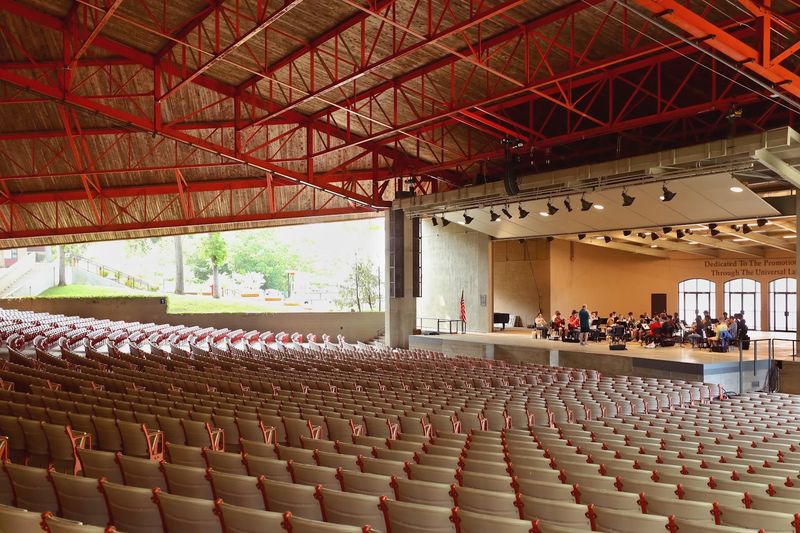
There’s a reason people get emotional talking about Interlochen. The Interlochen Center for the Arts has been sending music, theater, and visual arts out into the world since 1928, and the energy of that creative legacy is palpable the moment you arrive.
Summer programs draw some of the most talented young artists in the country, and the public concerts held throughout the season are among the most memorable cultural experiences Michigan has to offer. Hearing a full orchestra perform in an outdoor pavilion surrounded by old-growth pines is the kind of thing that recalibrates your relationship with beauty.
Beyond the arts center, Interlochen sits between Green Lake and Duck Lake, giving the area a quiet, forested character that’s deeply restorative. The state park adjacent to the arts campus is one of Michigan’s most beloved, offering old-growth pines, clean swimming beaches, and trails that feel genuinely remote despite being close to everything.
Camping here under those ancient trees is an experience that regulars plan their summers around.
The surrounding community has a thoughtful, creative atmosphere that reflects its unusual history. This isn’t a resort town built around recreation — it’s a place built around the idea that art matters, that summer should include something that challenges and inspires you.
That philosophy has shaped everything from the local businesses to the way people talk about the place. Interlochen doesn’t fit neatly into any single category, which is part of what makes it so compelling.
Come for a concert, stay for the pines, leave with something you can’t quite name but know you needed. That’s the Interlochen effect, and it hasn’t faded in nearly a hundred years.
Share this story