Ohio has a long history, and some of its most unforgettable places are the ones left behind. Across the state, old parks, tunnels, castles, prisons, and estates still stand as quiet reminders of busy days that ended years ago, and many of them carry ghost stories, local legends, and a strong feeling of mystery that keeps people talking.
For travelers, history fans, and anyone curious about strange places close to home, these abandoned sites matter because they help tell Ohio’s story in a way that books alone cannot, showing how people once worked, traveled, lived, and even suffered within these walls, paths, and ruins. If you enjoy a good chill, a little history, and the thrill of wondering what happened long ago, these eerie Ohio landmarks are sure to grab your attention, but they also deserve respect, caution, and a careful look before any visit.
1. Chippewa Lake Park, Chippewa Lake, OH

Few places feel sad and spooky at the same time quite like an old amusement park. Laughter once filled the air here, but now silence, weeds, and rust have taken over much of Chippewa Lake Park, giving it a ghostly mood that sticks with visitors long after they leave.
Opened in the late 1800s, the park spent generations as a fun summer getaway for Ohio families. People came for roller coasters, swimming, dancing, and bright lights near the water, which makes its abandoned look today feel even more unsettling.
Part of the creepiness comes from contrast. A place built for joy should not feel so empty, yet old ride pieces, forgotten buildings, and tree-covered paths create the kind of scene that seems pulled from a scary movie.
Stories from locals have helped the legend grow over time. Some talk about hearing strange sounds, while others say the empty grounds carry a heavy feeling, especially when the weather turns gray and the wind moves through the brush.
Even without ghost tales, the history alone is enough to capture attention. The park finally closed in 1978 after years of change, and nature slowly began taking back spaces that were once packed with families in line for rides and snacks.
Anyone interested in Chippewa Lake Park should remember a simple rule: look with care and respect. Since abandoned properties can be unsafe or private, it is smarter to read about the site, view public photos, and check current access rules instead of wandering where you should not go.
What makes this spot so unforgettable is not only fear. It is the strange mix of fun memories, lost time, and the unsettling question of what it must have looked and sounded like on its very last busy day.
2. Moonville Tunnel, McArthur, OH
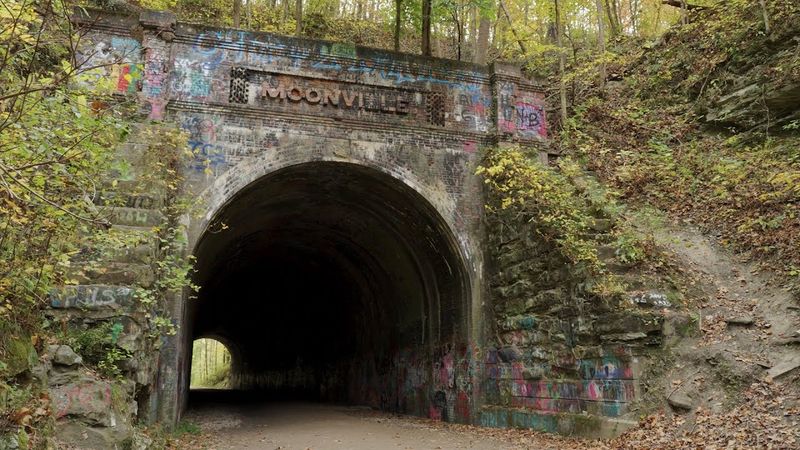
Deep in the woods, a dark tunnel waits like a doorway to another time. Moonville Tunnel is one of Ohio’s most famous eerie places, and its lonely setting makes the whole experience feel more intense than many larger abandoned sites.
Long ago, Moonville was a tiny coal mining town in southeastern Ohio. The railroad mattered greatly to the people who lived there, but as the town faded away, the tunnel remained as one of the clearest signs that a community once existed in this now-quiet area.
The setting does a lot of the work here. Trees crowd the trail, shadows gather around the brick tunnel, and the sound of your own footsteps can seem louder than normal, especially on a cloudy day or near sunset.
Local ghost stories have made the tunnel famous across Ohio. The best-known legend tells of a railroad worker or signalman whose spirit is still seen carrying a lantern, though stories change depending on who is telling them.
Because the tunnel sits along the Moonville Rail Trail, it attracts hikers, history fans, and curious visitors. That public trail access makes it easier to explore than some abandoned places, but the remote location still calls for planning, sturdy shoes, daylight visits, and basic safety.
Reading a little history before you go can make the site feel even richer. When you know people once depended on the railroad for jobs, travel, and daily life, the tunnel becomes more than a spooky photo stop and starts feeling like a memorial.
Moonville Tunnel stands out because it mixes real history with strong legend in a simple setting. No huge ruins are needed when a single shadowy passage, surrounded by forest and silence, can make your imagination do the rest.
3. Squire’s Castle, Willoughby Hills, OH
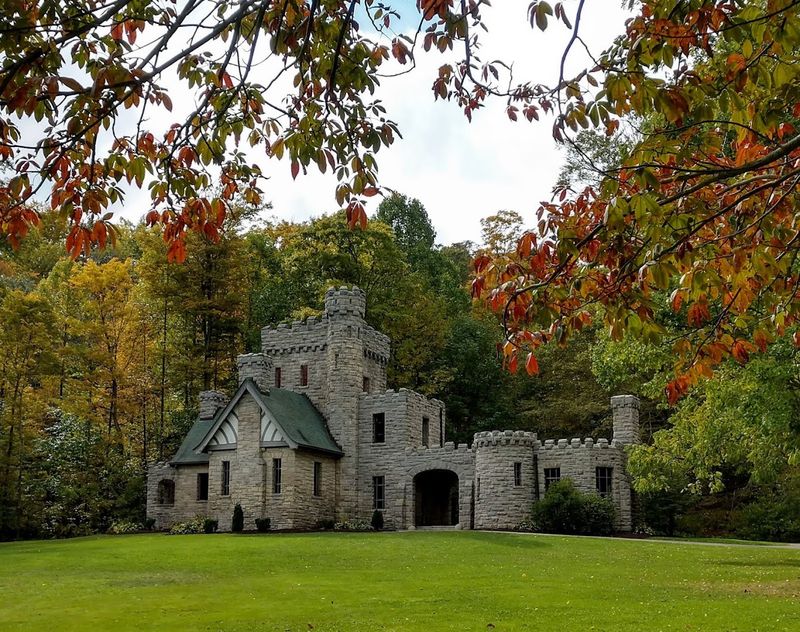
At first glance, it almost looks like a storybook castle tucked into the trees. Then the empty windows and unfinished feel of Squire’s Castle remind you that this Ohio landmark carries a strange, lonely charm instead of fairy-tale comfort.
Despite the grand name, the building was actually meant to be a gatekeeper’s house for a larger estate planned by Feargus B. Squire.
The bigger dream never came together, and that incomplete history gives the place an uneasy personality all its own.
Located in the North Chagrin Reservation, the stone structure is easy to reach compared with many abandoned sites. That makes it popular with hikers, families, and photographers, but its beauty does not erase the ghost stories that have followed it for years.
One of the most repeated legends involves a woman in white seen near the castle grounds. Whether people believe the tale or not, the quiet woods, old stone walls, and cold air in fall make it easy to understand why the story stuck.
There is something especially creepy about places that were supposed to become grand but never did. Squire’s Castle feels like a plan frozen in time, and that unfinished dream can leave a stronger impression than a complete building ever might.
Visitors can enjoy the site safely by sticking to open public areas, visiting during daylight, and treating the structure gently. It is also a smart place for younger readers or families interested in spooky Ohio history, since the location feels mysterious without being overwhelming.
What keeps people coming back is the mood. Squire’s Castle blends history, legend, and natural beauty in a way that invites curiosity, and once you stand before its rough stone walls, it is easy to picture both the dreams that built it and the rumors that haunt it.
4. Ohio State Reformatory, Mansfield, OH
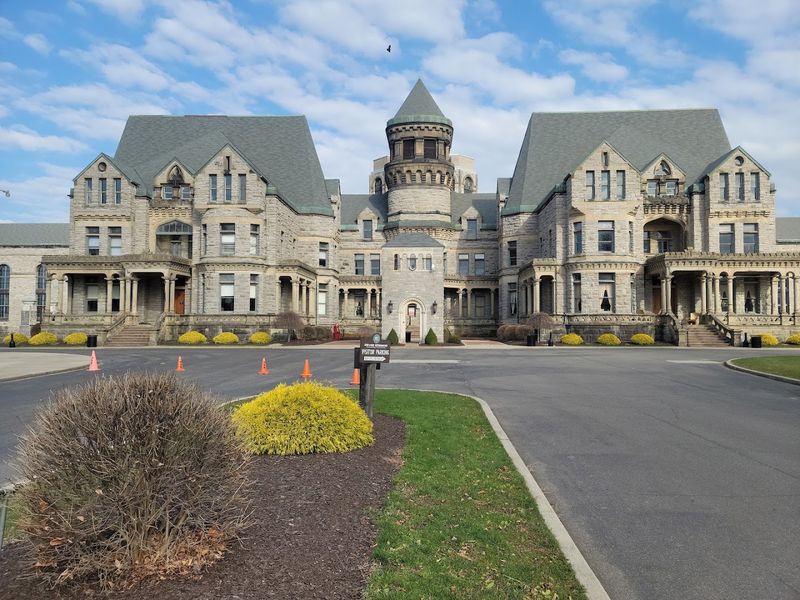
Some buildings seem designed to make you uneasy before you even step close. The Ohio State Reformatory rises with towering walls, long cell blocks, and gloomy stonework, creating one of the most unforgettable abandoned places in the entire state.
Built in the late 1800s, the prison was meant to reform young offenders, but life inside often turned harsh and crowded. Over time, the building became known for violence, disease, and suffering, and that painful history still shapes the way people feel about it today.
Movie fans may recognize the reformatory from The Shawshank Redemption, yet its real story is far darker than any film set. Huge halls, steel bars, worn cells, and echoing corridors give visitors the sense that the past never fully left.
Ghost tours and paranormal stories have made the site famous. People have reported cold spots, strange voices, shadows, and an overpowering sadness in some areas, especially in places tied to punishment or death.
Unlike many ruins, this location is preserved and managed for tours and events. That is good news for curious travelers, because it allows people to experience the history in a legal and safer way while learning about architecture, prison life, and restoration efforts.
Even so, the best visit is one made with respect. Reading about the people who lived and died there helps you remember that the building is not just creepy entertainment but also a place connected to real pain and real human stories.
The Ohio State Reformatory belongs on any list of eerie Ohio sites because it combines massive scale, heavy history, and a powerful atmosphere. Few places capture the mix of fascination and dread quite so strongly, and once seen in person, it is hard to forget those endless rows of cells.
5. Fairfield County Infirmary, Lancaster, OH
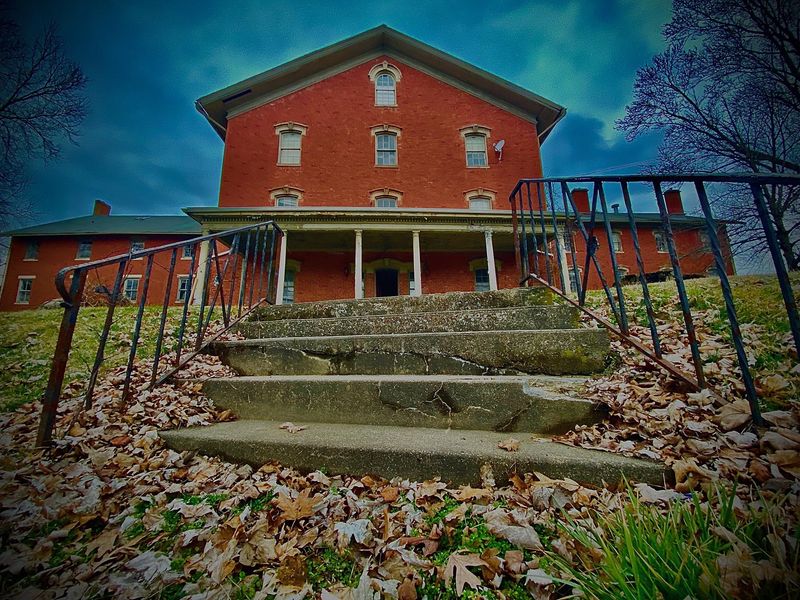
Old hospitals and infirmaries often unsettle people for a simple reason: they hold memories of sickness, grief, and final goodbyes. The Fairfield County Infirmary carries that same weight, and its worn buildings have become a major part of Ohio’s haunted reputation.
Originally opened in the 1800s as a county poor farm and infirmary, the property cared for people who were elderly, ill, or struggling to support themselves. That history gives the site a human story that feels more personal than many abandoned factories or empty commercial buildings.
Local lore has grown around the place for years. Visitors and paranormal investigators have shared stories about odd noises, shadowy figures, and rooms that seem to feel colder or heavier than others, even when no clear reason can be found.
One reason the site stands out is its emotional tone. Instead of looking dramatic like a castle or prison, the infirmary feels plain and real, which can make the eerie feeling hit even harder because it reminds you of ordinary people facing hard times.
If you are interested in this landmark, start with its documented history before chasing ghost tales. Learning about county poor farms, medical care in the past, and how social services worked in Ohio helps turn the building into a stronger history lesson as well as a spooky destination.
Safety matters here, too. Abandoned institutional buildings can have unstable floors, unsafe materials, and access rules that change over time, so public events, approved tours, or trusted historical resources are a much better choice than sneaking in.
The Fairfield County Infirmary leaves an impression because it connects fear with sympathy. Behind every rumor is the thought that people once lived their hardest days there, and that mix of mystery and sorrow is exactly what makes it one of Ohio’s creepiest abandoned sites.
6. Licking County Historic Jail, Newark, OH
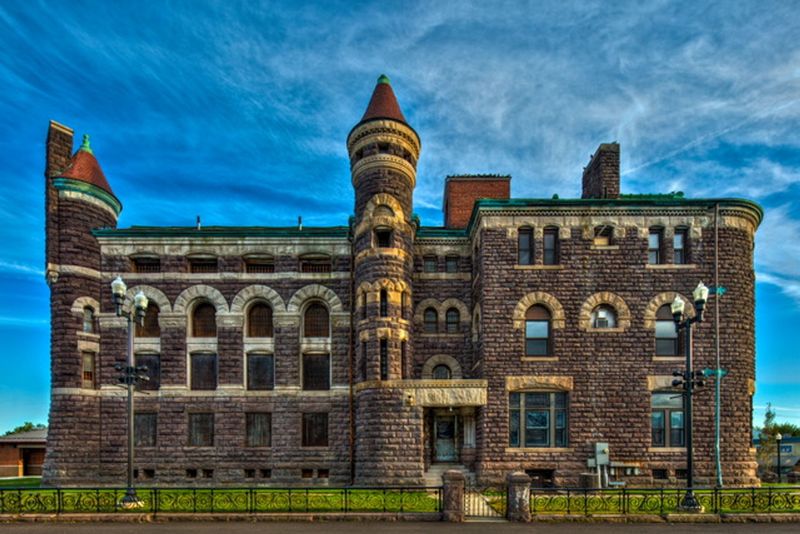
Jails have a way of making the past feel close and uncomfortable. The Licking County Historic Jail in Newark may not be the biggest site on this list, but its tight spaces and stern design give it a chilling presence that is hard to shake.
Built in the late 1800s, the jail held prisoners in an era when conditions were often rough and ideas about justice looked very different from today. Thick walls, barred doors, and cramped cells tell that story without needing much imagination.
What makes this place especially compelling is its connection to real local history. Rather than sitting far from town, it reflects everyday law, order, and punishment in Ohio communities, which can feel more personal than legends tied to distant ruins.
Visitors often find the interior most memorable. Narrow passages, old fixtures, and the closeness of the cells can create a trapped feeling, giving you a small glimpse of how hard life behind bars might have been.
There is also a true-crime edge to the site that adds another layer of interest. Old jails naturally raise questions about who stayed there, what they did, and how many desperate stories ended inside those stone walls.
For anyone curious about visiting, guided tours and historical programs are the best way to experience the jail. That approach keeps the trip safe while giving you facts that make the building more meaningful than a quick glance at a creepy old room.
The Licking County Historic Jail earns its place on this list because it feels direct and honest. There are no grand towers or sweeping woods to soften the mood, only a stark reminder that fear can live in ordinary civic buildings just as strongly as in any famous haunted landmark across Ohio.
7. Historic Prospect Place Estate, Trinway, OH
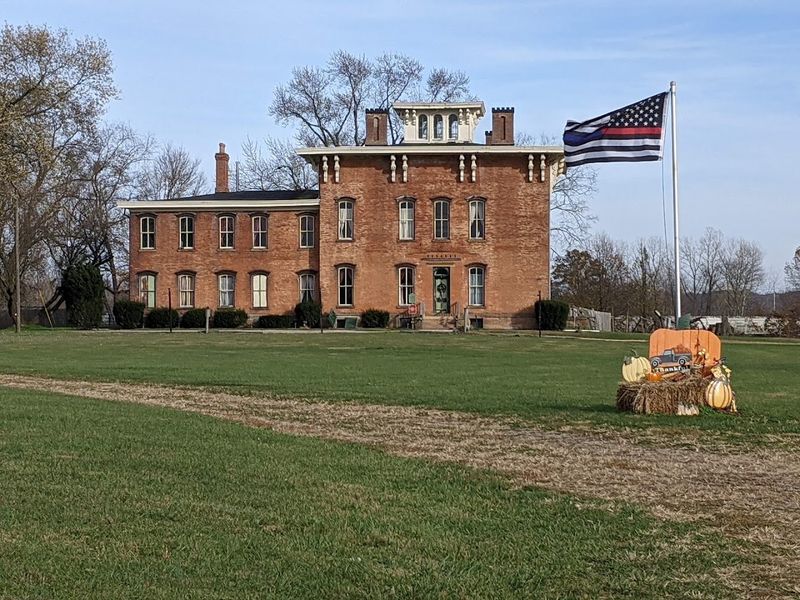
Big old mansions often stir up curiosity, but Prospect Place Estate brings more than size and style. Set in rural Ohio, this historic home blends beauty, deep history, and just enough mystery to make visitors wonder what stories still linger inside.
Built in the 1850s by George Willison Adams, the house became linked to important events of its time, including the Underground Railroad and visits connected to major political figures. That background makes the estate feel significant long before any ghost story enters the picture.
Still, ghost stories have absolutely become part of its identity. Reports of footsteps, odd sounds, and shadowy movement have helped Prospect Place gain attention among people interested in haunted places across the state.
What gives the property its special mood is the contrast between elegance and unease. Wide porches, formal rooms, and historic architecture suggest comfort and status, yet the quiet halls and layered past can make the house feel watchful instead of welcoming.
There is real educational value here for anyone who visits through proper tours or events. You can learn about pre-Civil War Ohio, the role of homes like this in local history, and the ways historic preservation keeps important buildings standing for future generations.
That respectful approach matters. Historic houses are fragile, and places tied to serious history deserve more than thrill-seeking, so following site rules and listening to guides can make the visit richer and more responsible at the same time.
Prospect Place Estate remains memorable because it offers several kinds of chills at once. The ghost legends attract attention, but the stronger feeling may come from knowing the house stood through some of the nation’s hardest years, quietly holding stories of danger, courage, and change within its old walls.
8. Great Stone Viaduct, Bellaire, OH
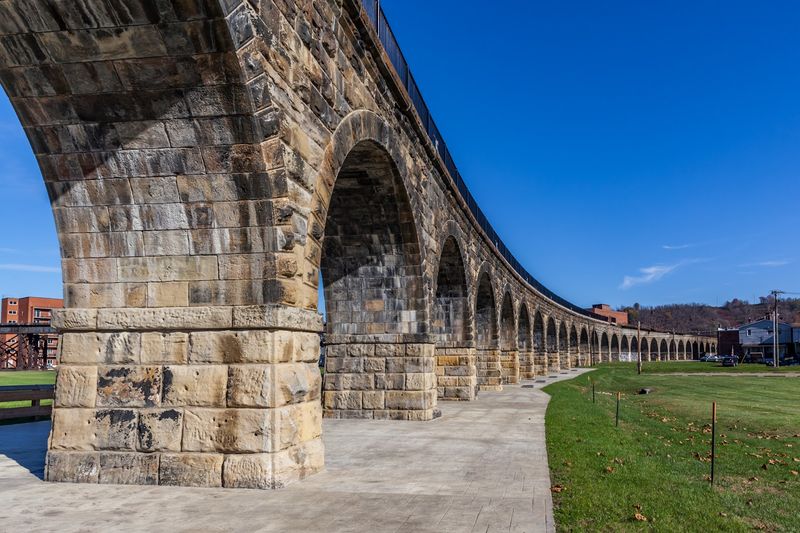
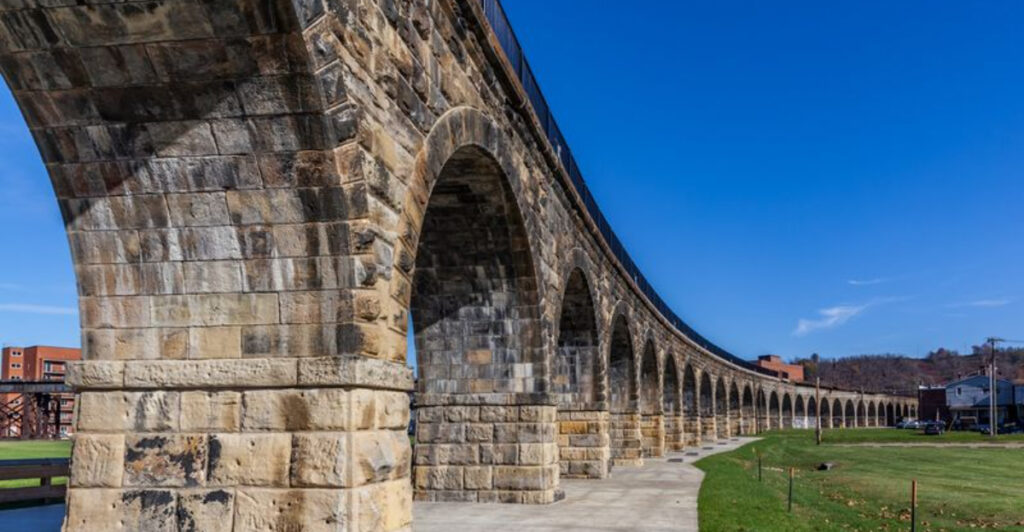
Not every creepy abandoned place is a building you can walk through. The Great Stone Viaduct in Bellaire shows how even a huge railroad bridge can feel haunting when age, scale, and old stories of travel come together in one powerful landmark.
Completed in the 1870s, the viaduct was a major railroad structure and a proud part of Ohio engineering history. Its strong stone arches once helped carry the movement of people and goods, making it a symbol of industry, progress, and connection.
Today, the mood is very different. Weathered stone, the memory of passing trains, and the giant size of the bridge create a feeling of distance from the modern world, as if the place belongs partly to the past and only partly to the present.
Unlike some locations on this list, the creepiness here is less about ghost-hunting and more about atmosphere. There is something deeply unsettling about standing near an enormous structure built for nonstop motion when that motion has long slowed or changed.
History lovers may enjoy this site most, because it opens a window into railroad expansion and the importance of transportation in Ohio. Looking at the viaduct with that knowledge helps you appreciate not only its spooky look but also the skill and labor that made it possible.
As always, visitors should respect property lines, local access rules, and basic safety. Bridges and nearby rail areas can be dangerous, so the smartest way to experience the Great Stone Viaduct is through lawful viewpoints, local history resources, and careful planning.
The Great Stone Viaduct stands apart because its eeriness feels grand rather than cramped. Instead of dark hallways and locked cells, it offers towering stone, industrial memory, and the quiet echo of a transportation age that helped shape Ohio while leaving behind one unforgettable silhouette.
9. Lockington Locks, Lockington, OH
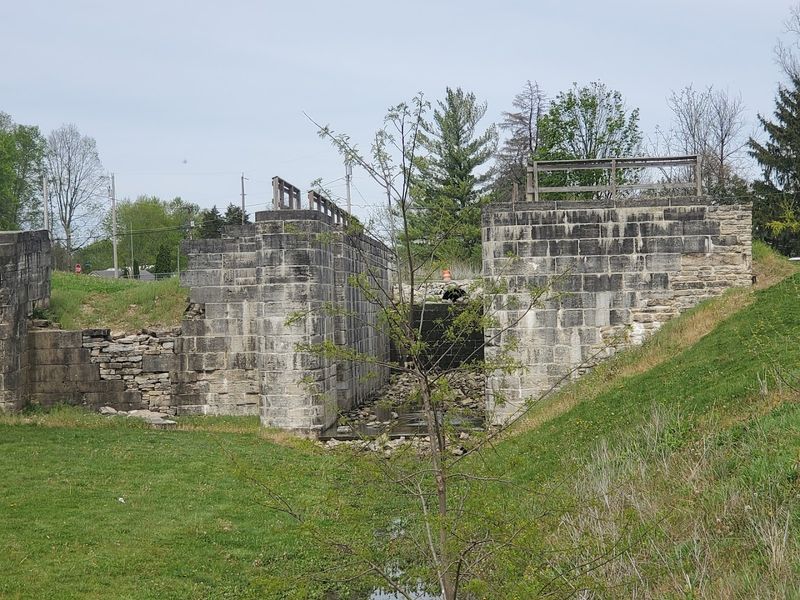
Quiet ruins can be just as spooky as loud legends. The Lockington Locks may seem calm at first, but the old canal structures, worn stone, and hidden history create a softer kind of creepiness that sneaks up on you.
These locks were part of the Miami and Erie Canal system, which once played a huge role in Ohio transportation. Before highways and fast rail lines took over, canals helped move goods and people through the state, connecting communities and supporting business growth.
Now the area feels almost secretive. Trees surround the old stonework, water and moss add texture, and the remains of the locks seem like clues from a vanished world that most travelers speed past without noticing.
That contrast is exactly what makes the site memorable. A place that once buzzed with work and movement has become quiet enough for birds, footsteps, and imagination to take over, and the result is more haunting than you might expect from canal ruins.
For young history fans, Lockington Locks offers a great example of how abandoned places can teach more than scare. You can picture boats waiting to pass, workers handling the gates, and communities depending on a system that was once central to everyday life in Ohio.
Public historic sites like this are also a smart starting point for anyone interested in eerie travel without extreme risk. Sticking to trails, reading signs, and visiting in daylight can give you the thrill of exploration while keeping the trip safe and respectful.
Lockington Locks earns its place on this list because it proves spooky does not always mean dramatic. Sometimes the creepiest feeling comes from silence, age, and the sight of useful structures standing still, long after the busy world that built them has moved on.
Share this story