A walk through Schoenbrunn Village in New Philadelphia, Ohio, turns a history lesson into a visit with the past. Founded in 1772, this Moravian mission community brings together stories of Delaware people, European missionaries, faith, and daily work.
Although the title calls it Ohio’s first settlement, Native communities lived in the region long before this mission began. Today, reconstructed cabins, museum displays, and special living history events help visitors understand the people who made their homes here.
1. A 1772 Beginning With a Bigger Story
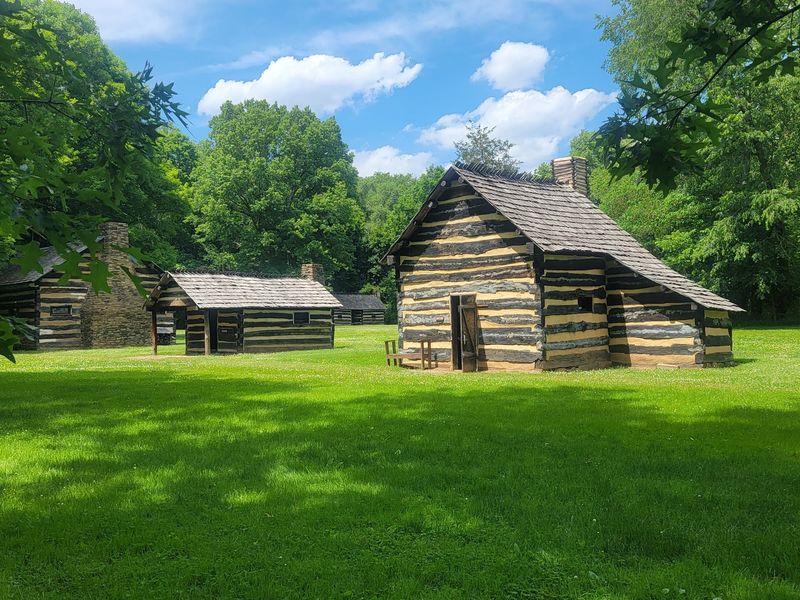
Before Ohio became a state, a small mission village took shape near present day New Philadelphia. Moravian missionary David Zeisberger helped establish Schoenbrunn in 1772 with Delaware, also called Lenape, community members.
The settlement offers a window into religious life, shared work, and relationships during a difficult period. Its story belongs within a much longer Native history, not at the beginning of human settlement in Ohio.
Start your visit by learning who lived here and why they came. That background makes the cabins feel less like scenery and more like homes connected to real choices, hopes, and challenges.
Ask staff how the village changed during the American Revolution. Conflict put pressure on mission communities and helps explain why this peaceful looking place has such a complicated past.
Keep that wider story in mind as you walk. Schoenbrunn is most meaningful when its buildings lead you back to the people who once used them daily.
2. Reconstructed Cabins Make Daily Life Visible
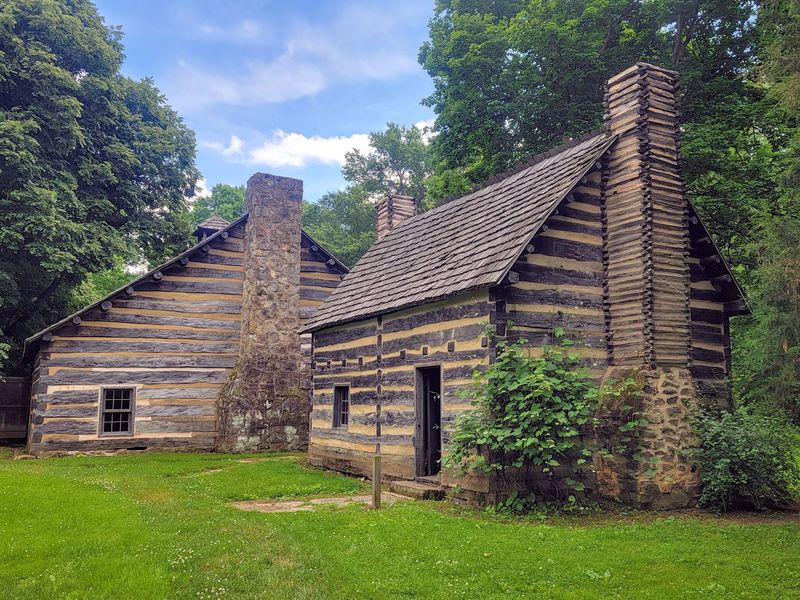
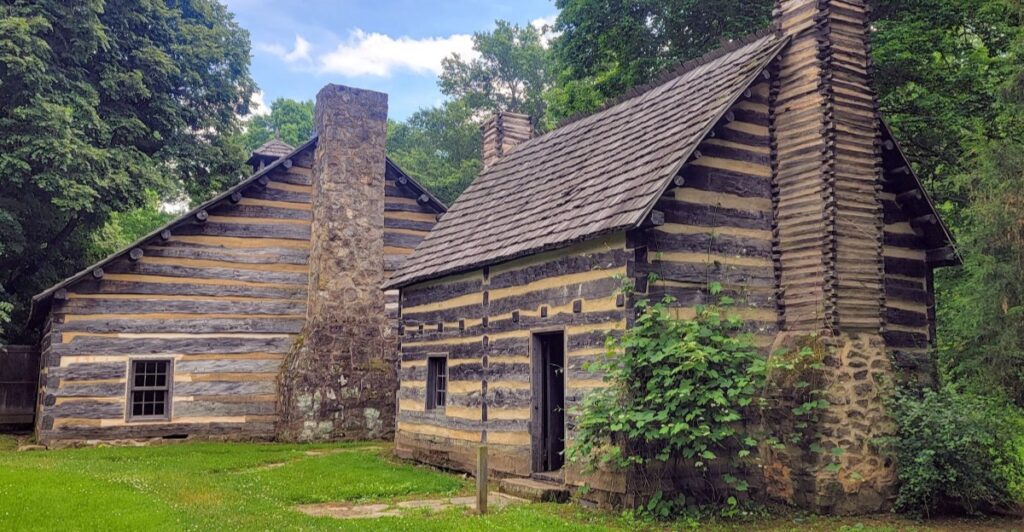
A doorway can teach more than a whole page of dates. At Schoenbrunn, reconstructed log cabins help visitors picture the scale and feel of homes in the original mission community.
Remember that the buildings standing today are recreations, not untouched cabins from 1772. Their value lies in showing how the historic village looked and how its spaces supported everyday life.
Pause outside before stepping into any building open to visitors. Look at the logs, roof shape, and doorway, then compare those features with your own home.
Inside, notice how little room separates household tasks. Cooking, resting, storing supplies, and spending time together required careful use of space.
Children can make a simple observation game out of the visit: find one feature that seems familiar and another that feels surprising. Follow posted rules, leave furnishings alone unless permission is given, and let each cabin reveal a different part of the village’s everyday story for you.
3. The Mission Church Connects Faith and Community
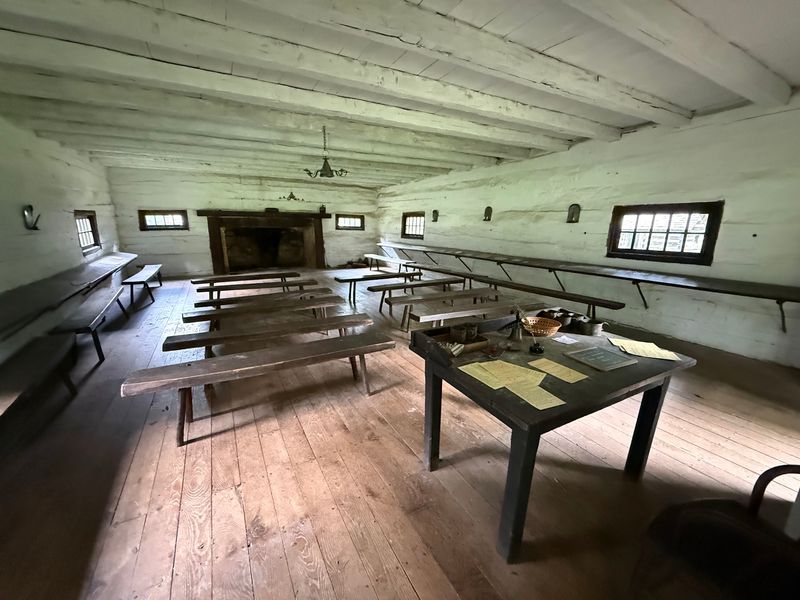
Faith helped shape the rhythm of this village. The reconstructed church points to the Moravian mission’s central role in worship, teaching, and community gatherings.
Rather than treating it as just another log building, consider what a shared meeting place meant. Residents could gather here for religious activities that connected individual households to the wider settlement.
The mission’s history also raises thoughtful questions about cultural contact. Delaware residents had their own backgrounds and experiences, and their lives should not be reduced to a simple story about European influence.
Read the interpretation carefully and ask staff whose voices appear in the village’s history. A good question often reveals more than a quick photograph.
If the church is open during your visit, take a quiet moment inside. Notice its modest setting and imagine a gathering without modern sound systems, electric lights, or the many distractions that follow us into meeting rooms today during our busy everyday lives.
4. A Schoolhouse That Puts Learning in Perspective
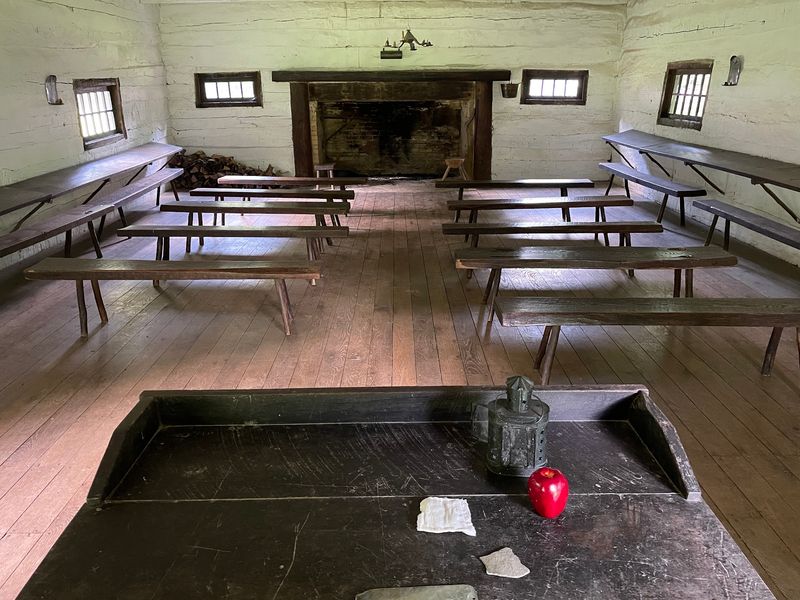
Imagine going to school without a glowing screen or a backpack full of supplies. Schoenbrunn’s reconstructed schoolhouse gives families an easy way to compare education then with classroom life today.
The mission is remembered for providing schooling for both boys and girls. Learning formed part of community life, alongside religious instruction and the work needed to keep households running.
Use the building as a starting point rather than assuming every classroom detail matches modern expectations. Read available signs to learn what subjects and practices the site describes.
For younger visitors, try a short conversation about familiar school routines. Where would they sit, how would they practice a lesson, and what might distract them?
Parents and teachers can connect those observations to bigger ideas about access to education. Before arranging a group visit, contact the site about current programs, available teaching materials, and whether a guided experience fits your students’ ages and learning goals well.
5. Museum Displays Give the Village Its Context
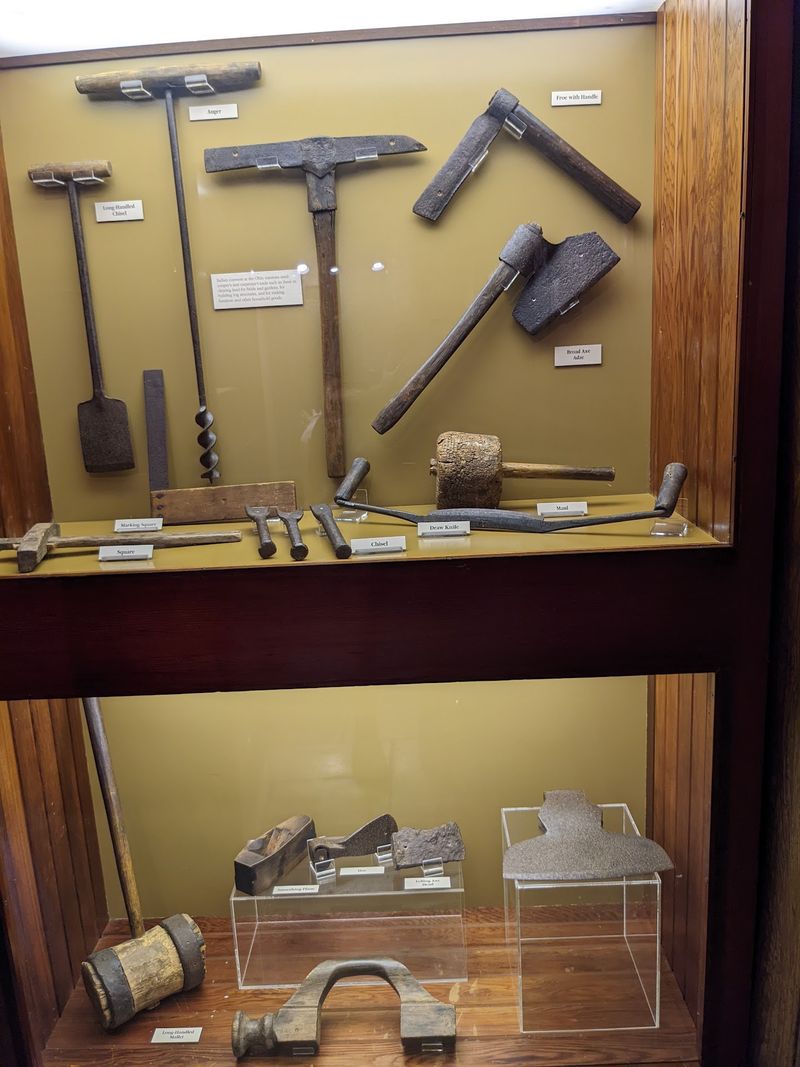
Small objects can carry surprisingly large stories. The museum and visitor center help connect the outdoor buildings with the people, beliefs, and events behind them.
Visitors have described an introductory film and a compact collection of displays. Check what is available when you arrive, since presentations and access can change.
Beginning indoors can make the outdoor walk easier to understand. A little background helps you recognize why a school, church, home, or burial ground mattered to the settlement.
Give the cases more than a passing glance. Look for dates, materials, and explanations that separate original objects from reproductions or teaching displays.
If something catches your attention, ask a staff member about it before heading outside. You might discover a detail that changes how you see the entire village.
Returning to the museum afterward can also be useful. Buildings you have just explored may give familiar labels and objects a new meaning during that second look.
6. The Burial Ground Invites a Quiet Pause
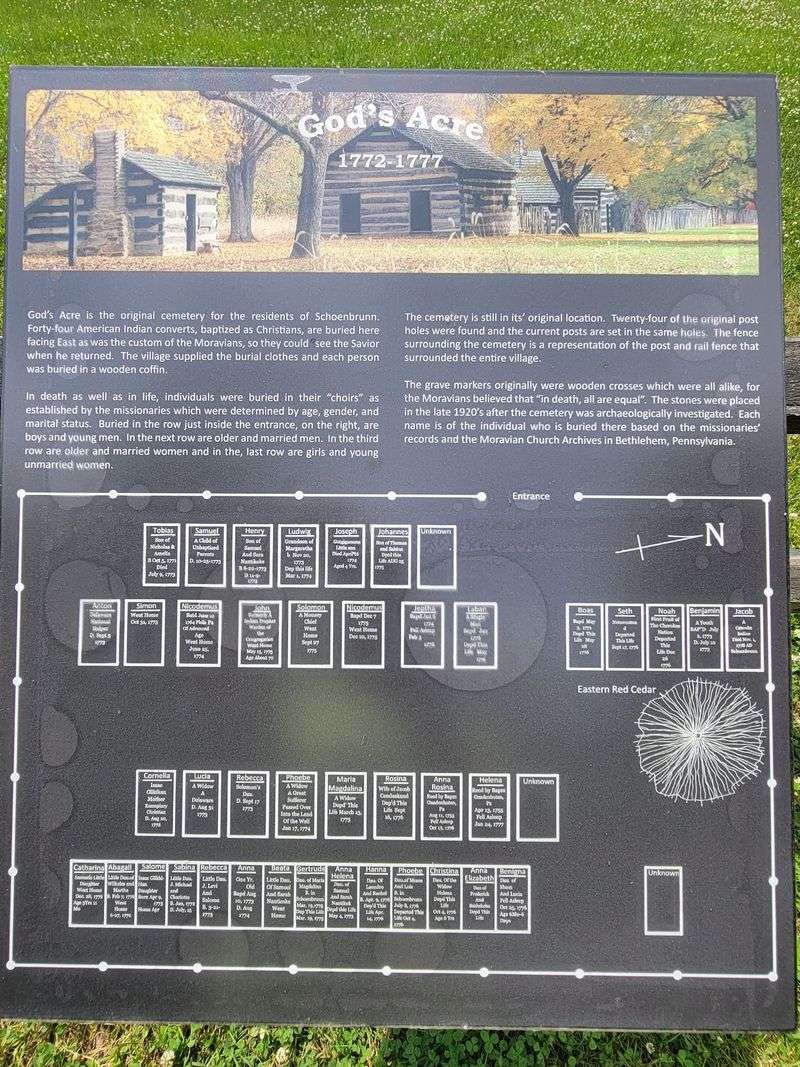
The mood changes when you reach the burial ground. Here, the village’s history becomes personal, reminding visitors that this community included lives marked by loss as well as hope.
The historic cemetery is an especially meaningful part of the site. Unlike the reconstructed buildings, it connects visitors directly with the village’s burial landscape.
Take your time reading the main interpretation before looking at individual markers. Weathered inscriptions can be difficult to understand, and staff may help explain what you are seeing.
Stay on permitted routes and avoid touching, rubbing, or leaning against stones. Even well meant attempts to make lettering clearer can damage fragile surfaces.
With children, explain that this is a place for quiet voices and careful steps. There is no need to turn every stop into an activity.
A few peaceful minutes can leave a stronger impression than another photograph, especially after exploring the homes and shared spaces that once supported this community.
7. Living History Events Add Human Voices
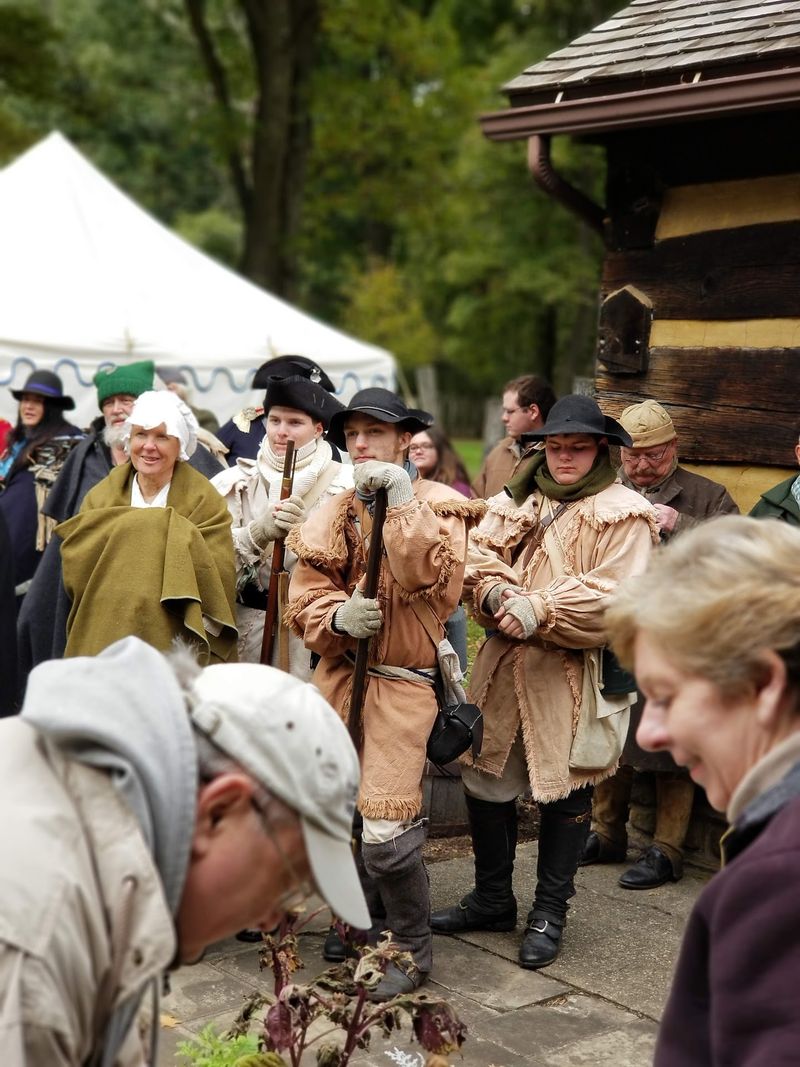
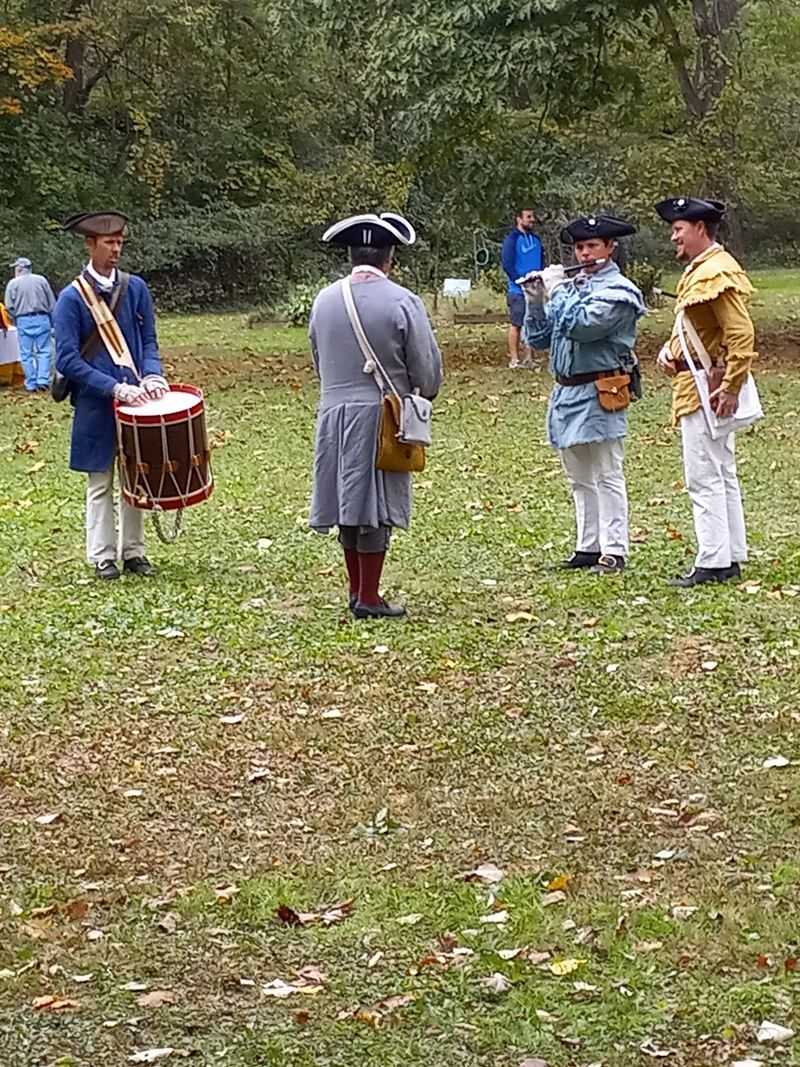
A person explaining an everyday task can make the past suddenly feel close. During scheduled living history events, interpreters may help visitors understand work and routines connected with the village’s era.
Past visitors mention reenactors and a colonial trades fair. Those reports suggest rewarding special programs, but they do not mean demonstrations happen every day.
Check the current event calendar before planning around costumed interpretation. Ask which activities are included with admission and whether separate tickets or advance reservations are needed.
When a demonstration is offered, watch the process rather than only the finished object. The time, skill, and materials involved can reveal how much effort ordinary tasks once required.
Good questions keep the experience lively: what is the tool used for, and how was the skill learned? Only handle objects when invited.
On quieter days, signs, buildings, and conversations with staff still provide plenty to explore without a scheduled performance taking place during your visit.
8. Lantern Tours Offer a Different View
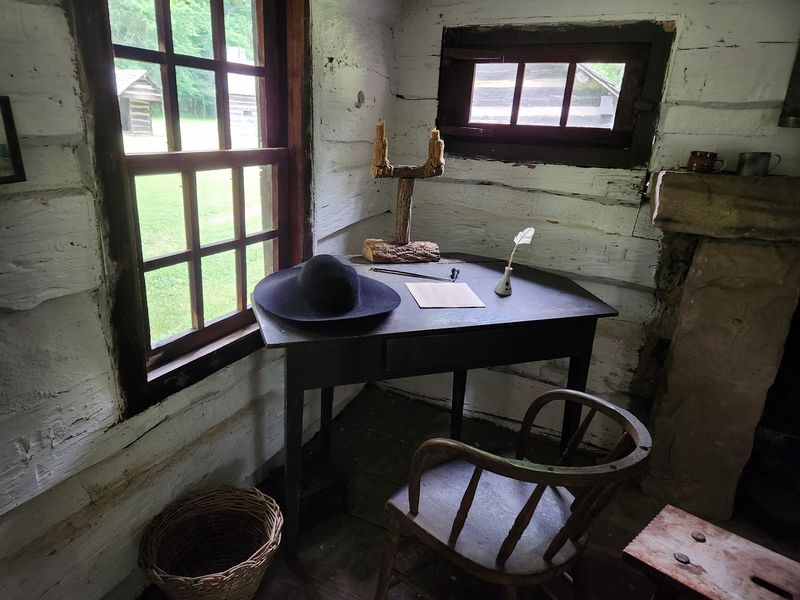
Cabins take on a different character as daylight fades. Schoenbrunn’s lantern tours, mentioned by several past visitors, offer a special way to experience the village through evening storytelling.
Rather than expecting the same visit with darker skies, look for the event’s actual description. Themes, routes, presenters, and schedules may differ from one program to another.
Confirm dates through the official site or by calling before you travel. Popular programs may require reservations, and an old review is not proof that a tour is currently offered.
Wear sturdy shoes and bring a layer suited to the forecast. Walking across outdoor ground after sunset deserves extra care, especially if you are visiting with children.
Ask about lighting, walking distance, and accessibility before booking. Follow staff guidance about flashlights and photography during presentations.
The appeal is simple: hearing a story near the buildings it describes can make a distant century feel surprisingly close for everyone listening that evening together.
9. Friendly Staff Help the Details Click
Sometimes the best discovery begins with a simple conversation. Many visitor reviews praise Schoenbrunn’s staff for being friendly, informed, and willing to explain more than the basic facts.
Bring a question that genuinely interests you. You might ask how the village was reconstructed, what daily work involved, or where historians found information about its residents.
Clear questions help staff point you toward useful signs and exhibits. They can also explain which areas are open and whether anything unusual is happening that day.
If you are traveling with children, encourage them to ask their own questions. A short answer about a cabin or classroom may stick longer than a lesson delivered entirely by adults.
Remember that staffing and programs vary, so a personal guided tour should not be assumed. Group visits deserve advance planning.
Before leaving, share what caught your attention. That final exchange can help tie separate stops into a fuller picture of this historic community.
10. Plan a Comfortable Walk Through the Past
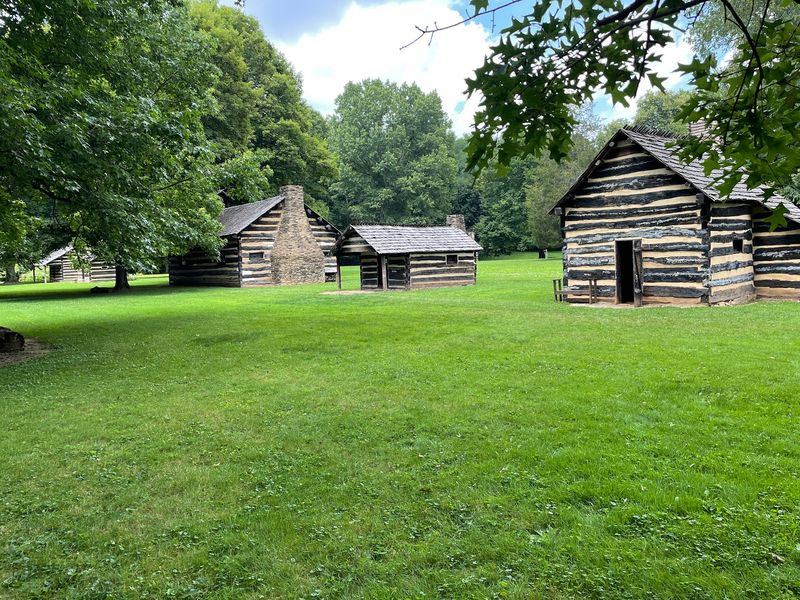
Comfortable shoes belong on your packing list for this museum. Schoenbrunn Village combines indoor interpretation with an outdoor walk, including grassy areas that may be uneven or wet.
The address is 1984 E High Ave, New Philadelphia, OH 44663. Use the official Ohio History Connection page for current admission information, seasonal dates, and event notices.
Listed hours show Wednesday through Saturday from 10 AM to 5 PM and Sunday from noon to 5 PM. Monday and Tuesday are listed as closed, but confirm before traveling.
Call 330-808-4815 to check opening hours, last entry, accessibility, and any weather related changes. Ask about current discounts rather than relying on prices mentioned in older reviews.
Allow time for the visitor center, buildings, cemetery, and questions along the way. Bring water and suitable sun protection when conditions call for them.
For mobility concerns, discuss surfaces and distances with staff first so your visit matches your needs comfortably from the start.
Share this story