Out in eastern Oklahoma, near the Arkansas line, a few grassy hills rise from the flat ground beside a quiet country road.
Most drivers zip right past them on the way to somewhere else.
Those hills hold one of the biggest stories in North American history, and you can walk right up to them for a small fee or sometimes none at all.
Here is what to know before you make the trip.
1. A Quiet Corner Near the Arkansas Line
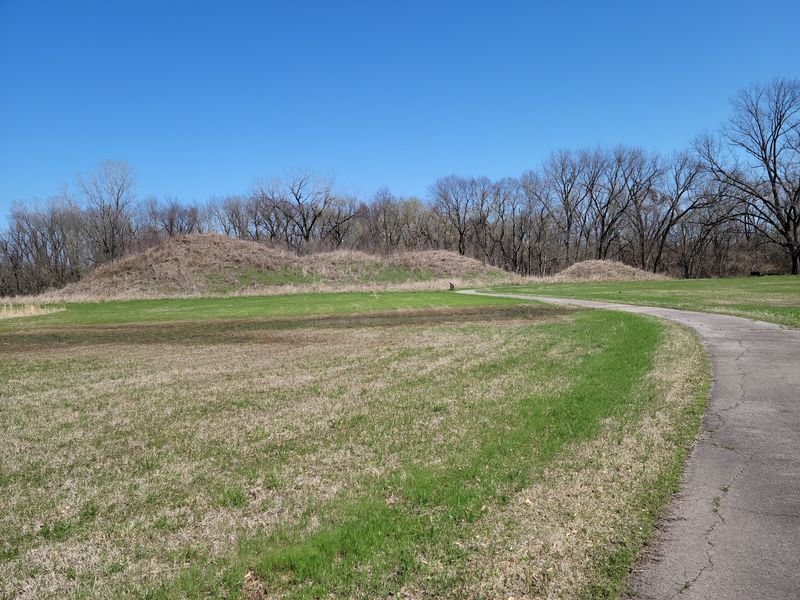
Few road signs in Oklahoma point toward something this old.
Spiro Mounds Archaeological Center sits at 18154 1st St, Spiro, OK 74959, in the eastern part of the state close to the Arkansas border.
The site is run through the Oklahoma Historical Society, and it holds the title of the state’s only public prehistoric mound site.
That alone makes it worth a detour.
The setup is simple.
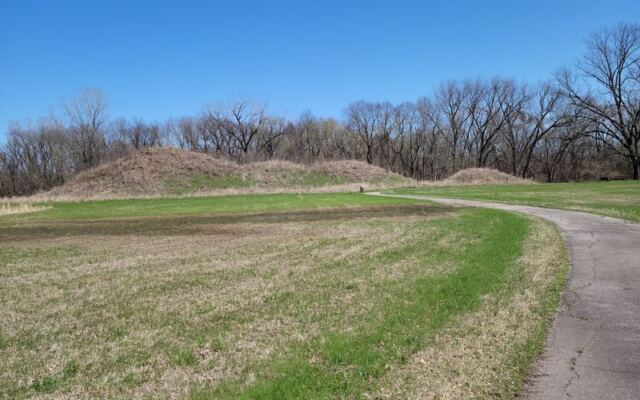
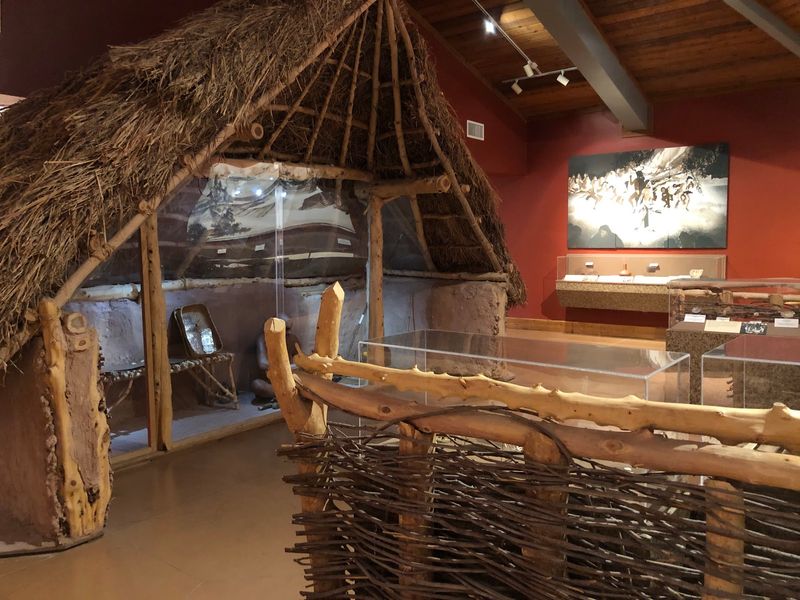
A small interpretive center greets you first, and a trail leads out to a group of earthen mounds spread across open land.
Nothing here is flashy.
There are no rides, no big crowds, and no gift shop at the moment.
What you get instead is a chance to stand where a busy prehistoric community once lived and worked.
For families in Tulsa, Oklahoma City, or Fort Smith looking for a day trip with real history, it fits neatly into a weekend.
One local put it well in spirit: do not expect pyramids or mountains, but expect real history in a lovely setting.
That honest framing is the best way to arrive.
2. The Story Beneath the Grass
Hundreds of years ago, this patch of eastern Oklahoma was home to the Spiro people.
Their community grew into an important center, and the mounds they built still mark the land today.
Artifacts from Spiro have ended up in museums far from Oklahoma.
Some travelers have seen those pieces elsewhere first, then made the drive just to see where they came from.
That connection gives the site a special pull.
You are not just reading about history, you are standing on the ground where it unfolded.
The site has also seen hard times in modern years.
Excavations in the 20th century changed parts of the landscape, and a flood once closed the center for months.
Through it all, small teams of staff have kept the doors open.
Their dedication is a quiet part of the story too.
Many guests leave wanting to read more about the Spiro people once they get home.
That spark of curiosity might be the best souvenir the place offers.
3. Craig Mound and Brown Mound
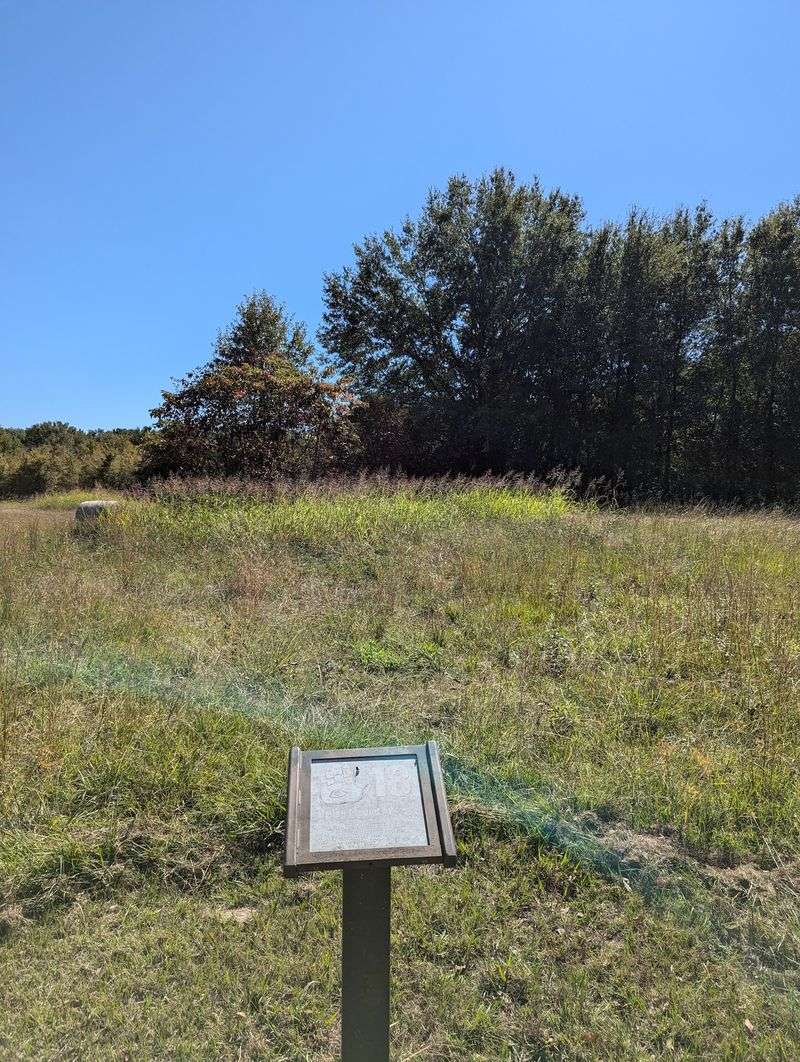
Three major mounds anchor the grounds, along with several smaller ones.
Two names come up more than any others.
Craig Mound was the burial mound.
Since it was excavated, what stands there today represents the idea of the original shape rather than the untouched earth.
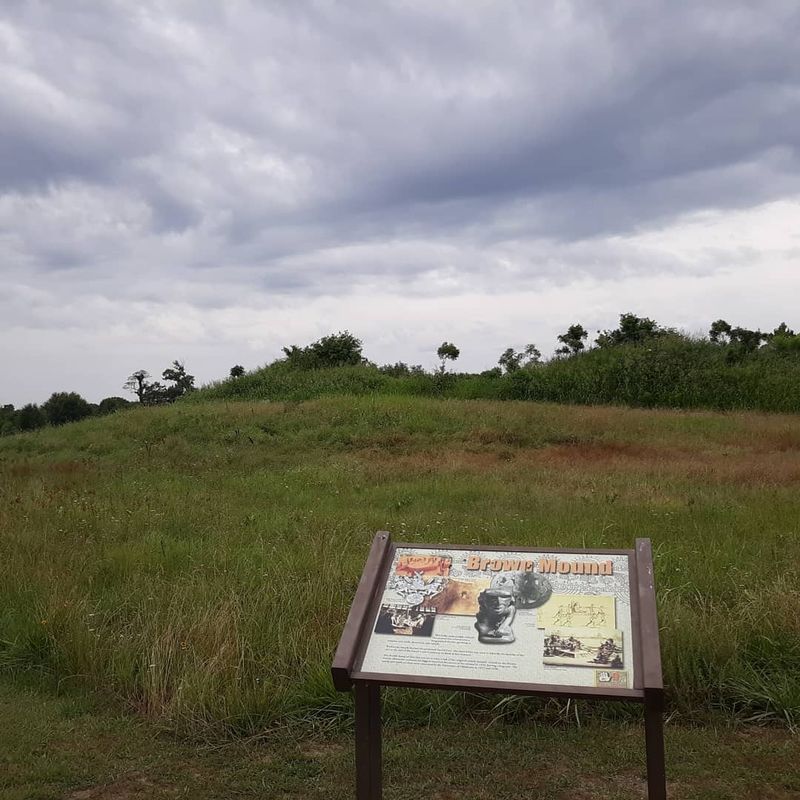
Brown Mound is known as the temple mound.
The area around it is where elite homes once stood.
A fair heads-up matters here.
Some of the visible mounds are reconstructed after the old digs, so purists may feel a little let down.
Still, the layout helps you understand how the community was arranged.
Seeing the space between the mounds makes it easier to grasp how people lived and gathered.
A nature trail runs next to Craig Mound, so you can pair a little history with a stretch of the legs.
Think of it as a two-for-one deal on curiosity.
4. Two Trail Loops, One Easy Walk
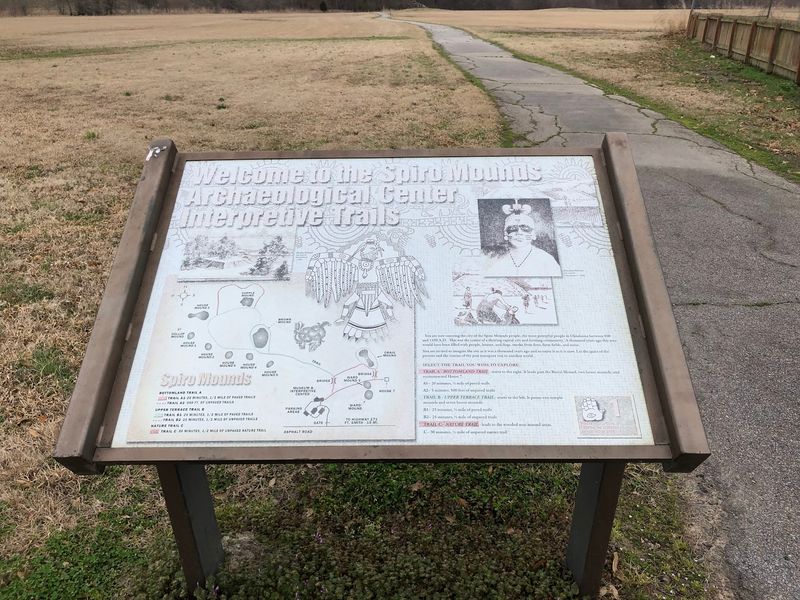
Good news for families with little legs in tow: the trail is easy.
It splits into a longer walk of about two miles and a shorter one of about one mile.
Part of the route is paved, and part is dirt.
Signboards along the way share facts about the site.
The walk is often described as peaceful and meditative.
It is the kind of stroll where conversation slows down and kids start asking good questions.
Be aware that the outdoor signs have been badly faded by the weather.
Some are hard to read, though replacements are part of the planned upgrades.
During renovation work, not every path has always been open.
Some guests found trails hard to access, while others enjoyed one open path with plenty to see.
A quick call before you go can save disappointment.
Once you are out there, the open views of the mounds do most of the talking.
5. Inside the Interpretive Center
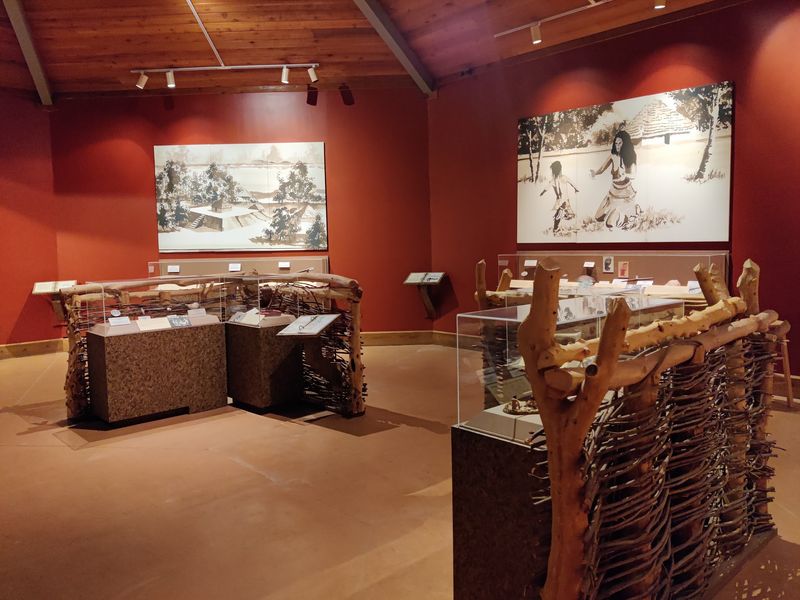
Before heading outside, most people stop at the interpretive center.
It is climate controlled, which feels like a gift during an Oklahoma summer.
Inside you will find history books, pictures, and replicas.
Many guests point to binders and volumes of detailed drawings of Spiro shell carvings as a highlight.
Those shell ornament drawings show off the remarkable art of the Spiro people.
Flipping through them can easily eat up a good chunk of time.
Here is the honest part.
Many artifact displays are covered, tied to federal law under the Native American Graves Protection and Repatriation Act of 1990.
Some travelers who drove hours felt let down by the covered cases.
Others see it as a respectful step for the tribal nations connected to Spiro.
Either way, set your expectations around the drawings, replicas, and staff knowledge rather than original objects.
The nice restrooms are a bonus nobody complains about.
6. Staff Who Love Answering Questions
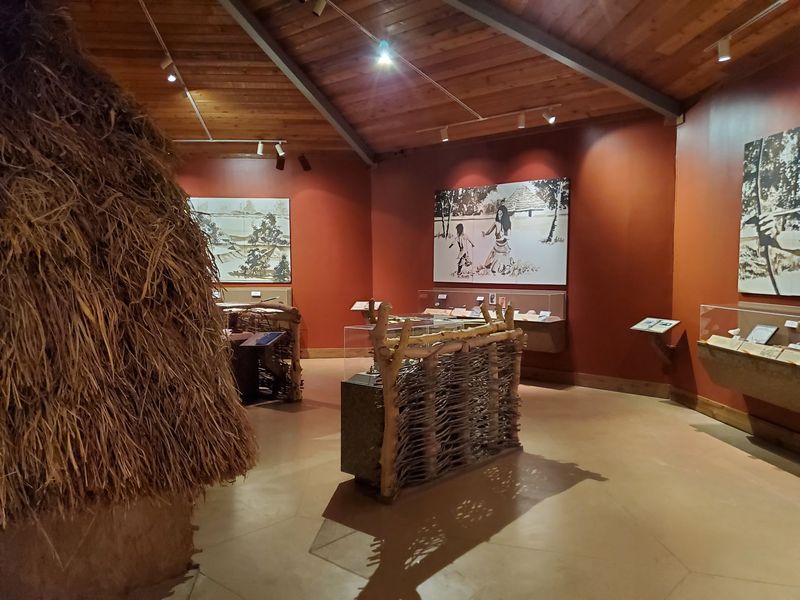
Ask a single question here and you might walk away with a full lesson.
The staff ranks as one of the most praised parts of the visit.
The center often runs with a very small team, sometimes just one person on duty.
That makes the personal attention even more impressive.
Director Anna Vincent comes up often for her depth of knowledge about the Spiro people.
Earlier staff members earned similar praise for patient, detailed answers.
Guests describe guides spending all the time needed on their many questions.
Nobody seems rushed out the door.
For kids, this can be the moment history clicks.
A real conversation often beats any sign or display case.
Come with a few questions ready.
The answers may stick with you longer than the walk itself.
7. Solstice Walks Worth Planning Around
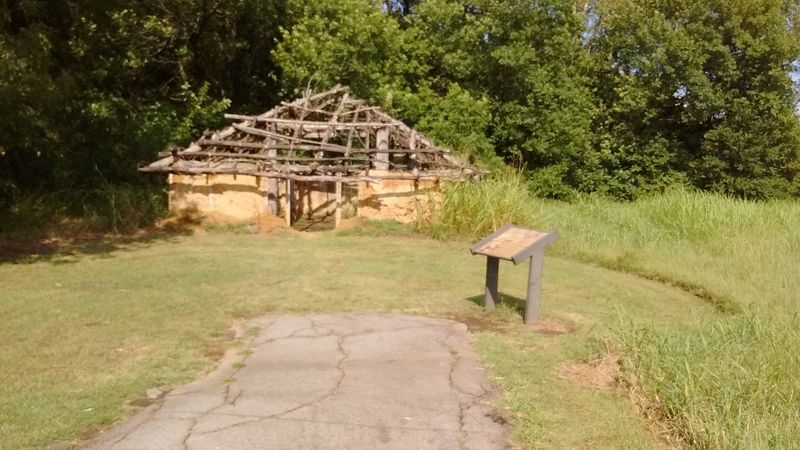
Mark your calendar for the shortest and longest days of the year.
Spiro hosts solstice walks that guests call wonderful.
The winter solstice sunset tour, led by the director, has drawn groups eager to learn.
Participants walk away surprised by how much history sits right here in eastern Oklahoma.
The mounds were tied to the movement of the sun and seasons.
Seeing that link in person adds a layer the regular walk cannot match.
These events are a great fit for families and curious adults alike.
The guided format keeps things lively with plenty of questions from the group.
Dates and details can shift from year to year.
Check the Oklahoma Historical Society website for upcoming events before you go.
If one trip is all you can manage, a solstice evening may be the one to choose.
8. Hours, Fees, and the Big Renovation
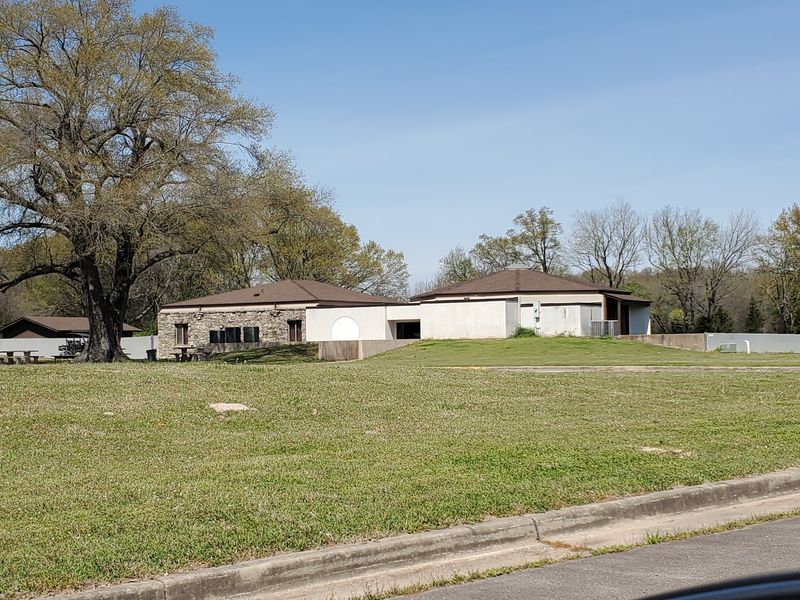
Timing matters.
The center is open Tuesday through Saturday from 9 AM to 4 PM and closed on Sunday and Monday.
Admission has changed over time.
During a major upgrade project, entry was waived, while a more recent account mentions a $10 fee.
The renovation is a big one, with about 1.5 million dollars going toward parking, trails, and walking path plaques.
Some upgrades are done, and others are still underway.
That means parts of the site may look unfinished.
Covered cases, faded signs, and grounds that need mowing have all come up.
Hours and prices may change, so call or check okhistory.org before making the drive.
A gift shop has not been open recently either.
Bring water, wear walking shoes, and consider packing a picnic.
Some families plan return trips with grandkids for exactly that.
9. Worth the Detour for the Curious
So, should you go?
The answer depends on what you hope to find.
Travelers expecting rooms full of original artifacts may leave frustrated.
The covered displays and work-in-progress feel are real.
Those who come for the story, the open land, and a good talk with knowledgeable staff tend to leave happy.
Many call it a treasure of native history.
It suits history buffs, families with school-age kids, and anyone proving Oklahoma has more than flat prairie.
A couple of hours is usually plenty.
The upgrades should only make it better over time.
Plenty of past guests already plan to return once the work wraps up.
Drive out, walk the trail, and ask a question or two.
The quiet hills near Spiro have been waiting a very long time for someone to stop.
Share this story