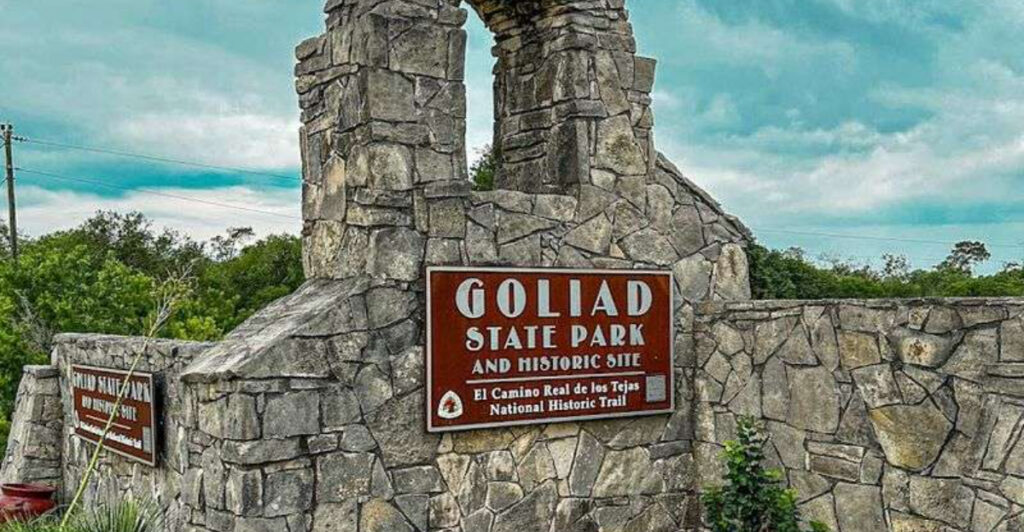
Goliad State Park holds layers of Texas history that go far beyond the famous mission walls. During the Civil War, Confederate forces turned part of this ground into a military prison, and decades later, the Civilian Conservation Corps arrived to reshape the landscape during the Great Depression. Today, visitors can still see the stone and mortar handiwork left behind by those New Deal workers, making this one of the few places in Texas where you can walk through both 19th-century conflict and 1930s recovery in a single afternoon.
1. Mission Espiritu Santo and Its Wartime Transformation
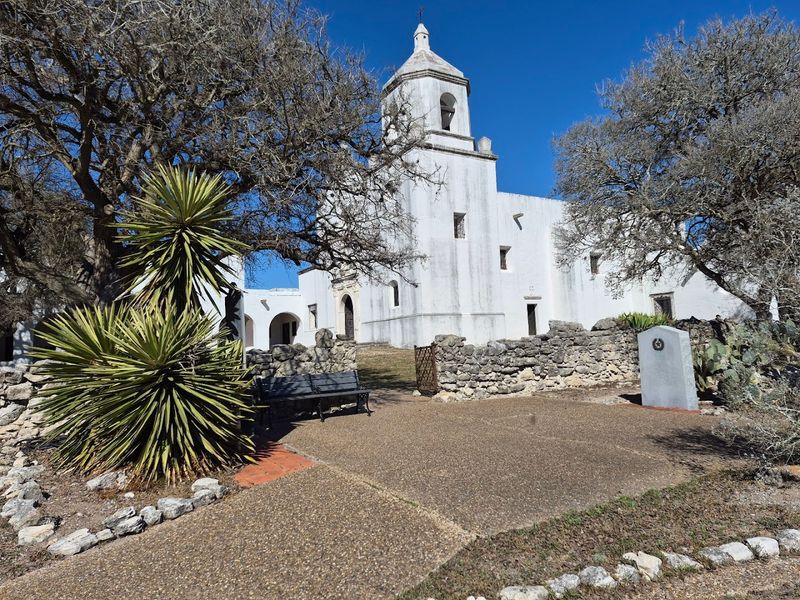
Mission Espiritu Santo de Zuniga was founded in 1749 to serve local Aranama and Tamique people, but its peaceful purpose shifted dramatically during the 1860s. Confederate authorities commandeered the mission complex and converted sections into a military prison to hold Union sympathizers and deserters. The thick limestone walls that once echoed with prayers became barriers for those caught on the wrong side of a fractured nation.
Walking through the mission today, you can still sense that duality. The restored chapel remains a serene space, yet knowing soldiers once paced these same corridors under guard adds weight to every footstep. Park rangers often share stories about the prison years during guided tours, pointing out areas where modifications were made to accommodate cells and guard posts.
The mission’s dual identity makes it a rare historical site. Few Texas landmarks can claim both religious and military significance within the same walls. Visitors interested in Civil War history will find this context especially compelling, as most Texas mission sites focus solely on their Spanish colonial origins rather than their later Confederate uses.
2. CCC-Built Stone Structures Throughout the Park
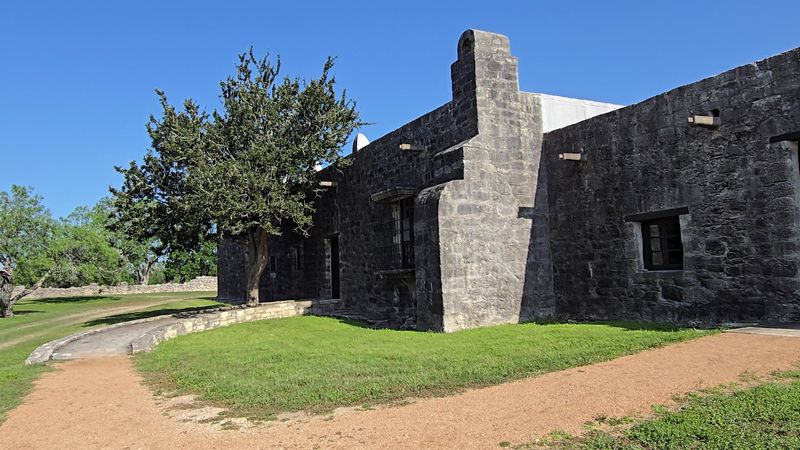
Between 1933 and 1942, young men enrolled in the Civilian Conservation Corps lived and worked at Goliad, leaving behind some of the most impressive stonework in the Texas State Parks system. These workers quarried local limestone and built everything from park roads to picnic shelters, restroom facilities to the park headquarters itself. Their craftsmanship wasn’t just functional but beautiful, with carefully fitted stones and attention to architectural detail that modern construction rarely matches.
You’ll spot CCC handiwork everywhere as you explore. The distinctive stone picnic tables with their heavy benches have weathered nearly a century of Texas sun and still look solid. Retaining walls along trails show the same meticulous fitting of irregular limestone pieces, creating structures that blend seamlessly into the landscape rather than dominating it.
What makes these structures particularly moving is knowing the context. These weren’t professional masons but desperate young men from families devastated by the Depression, learning skills while earning money to send home. Their legacy transformed Goliad from a neglected historic site into a fully developed park that could serve generations of Texans seeking recreation and history combined.
3. The Original CCC Camp Footprint
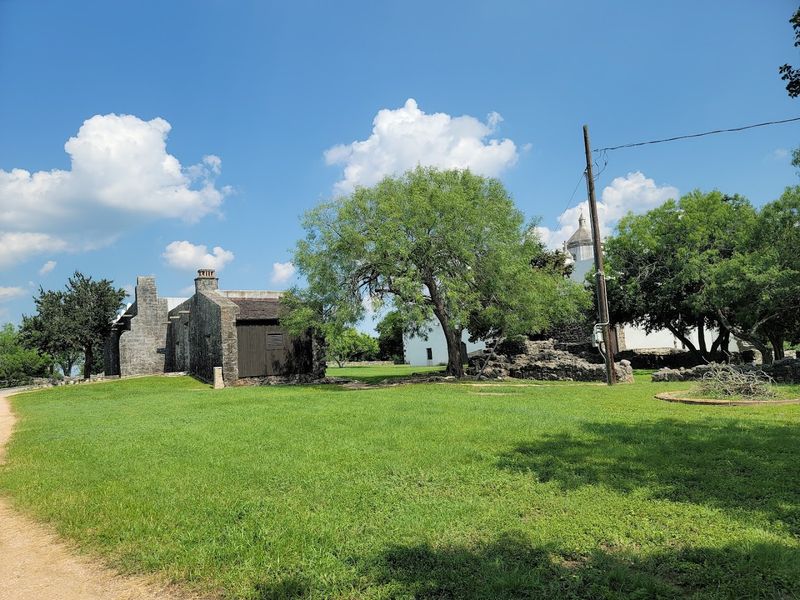
Company 888 of the CCC established their camp near the mission in 1933, housing up to 200 young men in wooden barracks that have since vanished. However, careful observers can still trace the camp’s footprint through subtle landscape clues. Slight depressions mark where buildings once stood, and non-native trees planted by the workers themselves still grow in deliberate rows that wouldn’t occur naturally.
Park staff have placed interpretive markers near the former camp location, helping visitors visualize the bustling community that once occupied this now-quiet corner. The young men lived in military-style discipline, waking at dawn for work assignments that might include quarrying stone, building trails, or restoring the mission itself. Evenings brought educational classes, as the CCC program aimed to improve participants’ prospects beyond just providing temporary employment.
Standing where the mess hall or recreation building once stood feels like communing with Texas history that often gets overlooked. We remember the Alamo and San Jacinto, but the Depression-era transformation of our state parks deserves equal recognition. These camps literally built the infrastructure that allows modern families to enjoy outdoor recreation across Texas, making their story deeply relevant to every park visitor today.
4. Aqueduct and Water Management Systems
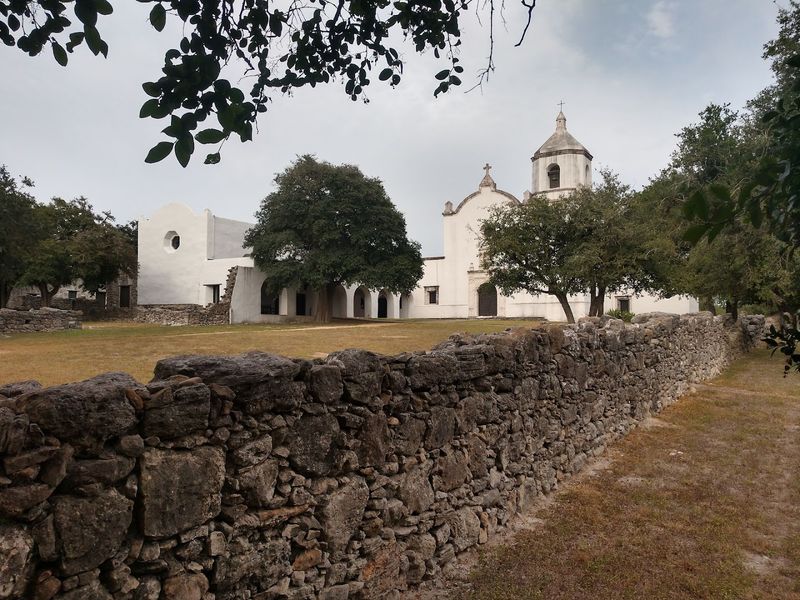
The CCC crew at Goliad didn’t just build pretty structures; they engineered practical solutions to the park’s water management challenges. The stone aqueduct they constructed still directs water flow during heavy rains, preventing erosion and protecting both the mission and modern camping areas. This system required understanding hydrology, surveying elevations, and calculating flow rates, skills these young workers learned on the job from experienced supervisors.
The aqueduct’s graceful arches demonstrate that New Deal projects valued aesthetics alongside utility. Workers could have built simple concrete channels, but instead they chose to create something that would enhance the park’s beauty while serving its function. That philosophy defined CCC work across America, distinguishing it from purely utilitarian government projects.
Photographers love capturing the aqueduct during golden hour when sunlight hits the weathered limestone just right. But beyond its visual appeal, this structure represents an important chapter in American conservation history. The CCC didn’t just employ desperate young men; it trained them in skills they carried into civilian careers after the program ended, fundamentally shaping the workforce that rebuilt America after World War II.
5. Confederate Prison Operations and Daily Life
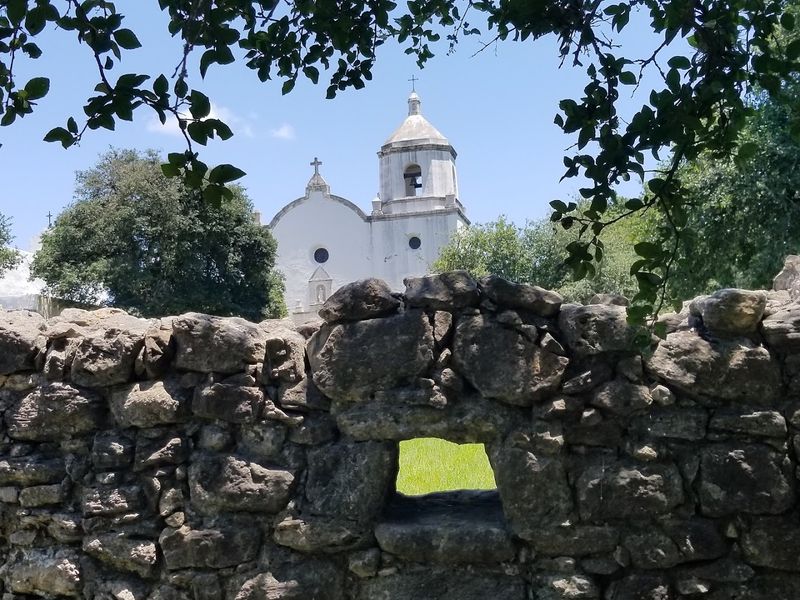
Confederate authorities chose Goliad’s mission for imprisonment partly due to its remote location, far from major Union activity and difficult for prisoners to escape from successfully. Records indicate the facility held both captured Union soldiers and Texas citizens suspected of disloyalty to the Confederate cause. Conditions varied depending on the war’s progress, with overcrowding becoming severe during certain periods when Confederate forces captured larger numbers of prisoners.
Daily life for inmates meant confinement within the mission’s thick walls, with limited access to the courtyard for exercise and fresh air. Guards maintained strict discipline, though accounts suggest treatment was generally less harsh than in notorious prisons like Andersonville. The mission’s proximity to the San Antonio River provided water access, a crucial advantage that many Civil War prisons lacked.
The prison chapter ended when Confederate authority collapsed in Texas during 1865. Former inmates scattered, some returning to Union lines while others remained in the area. Local historians continue researching this period, occasionally discovering new documentation that sheds light on individual prisoner experiences.
The park’s archives contain letters and records that bring these forgotten stories back to life for visitors willing to spend time in the research materials.
6. Trail System Connecting Past and Present
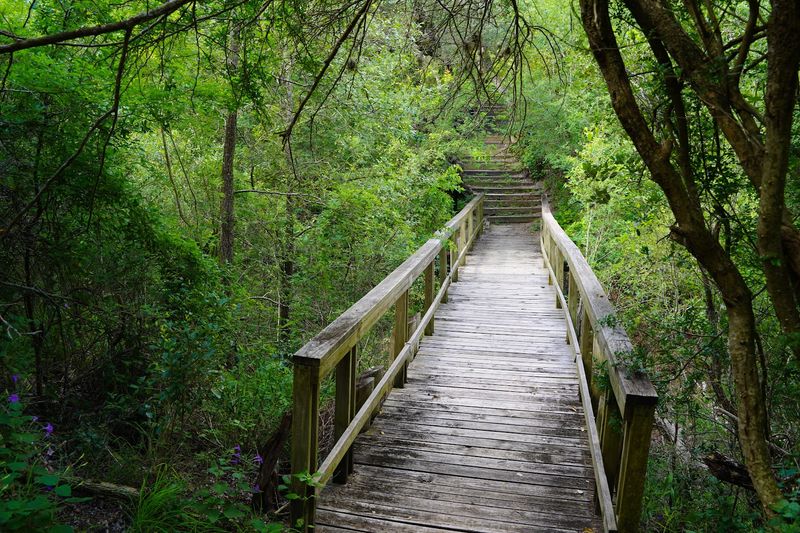
The CCC workers carved trails throughout Goliad that still serve hikers and bikers today, connecting the mission complex to the San Antonio River and extending toward downtown Goliad. These weren’t crude dirt paths but carefully planned routes with stone steps on steep sections and drainage considerations that keep them passable even after heavy rains. Walking these trails means literally following in the footsteps of Depression-era workers who shaped every curve and grade.
Several trails pass directly through areas where the CCC camp once stood, creating an immersive history lesson without requiring a single interpretive sign. Oak trees planted by the workers now tower overhead, providing shade that makes summer hiking tolerable. The Aranama Trail stretches over three miles, offering views of both the mission and the river while passing through diverse terrain that showcases South Texas ecology.
Bird watchers particularly appreciate the trails leading to the park’s bird blind near the river. Early morning walks often reveal white-tailed deer, wild turkeys, and occasionally even javelinas rooting through underbrush. The trail system transforms Goliad from a simple historic site into a genuine outdoor recreation destination, fulfilling the CCC’s original vision of creating spaces where all Texans could experience nature regardless of their economic circumstances.
7. Park Headquarters and Administrative Buildings
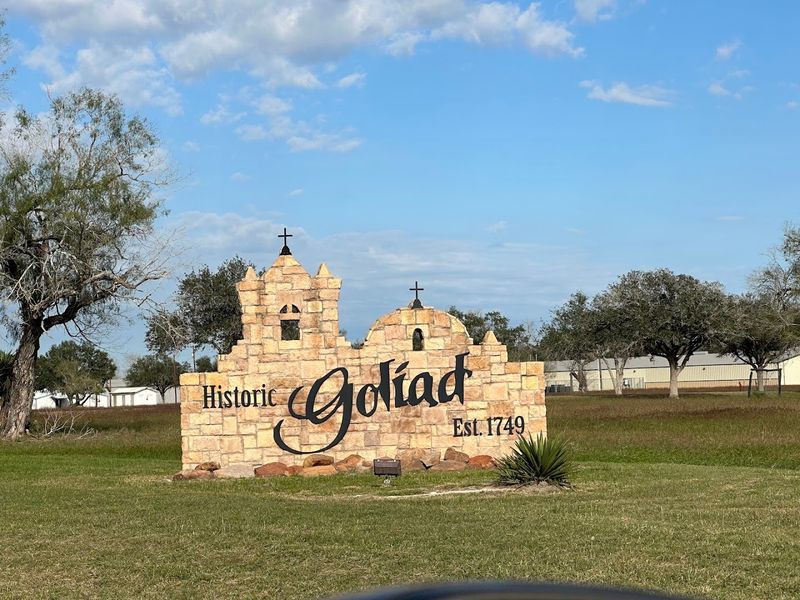
The park’s headquarters building stands as perhaps the finest example of CCC architecture at Goliad, with its carefully coursed limestone walls and attention to period-appropriate design details. Built to last centuries rather than decades, this structure houses park offices and visitor information services while serving as a tangible monument to New Deal-era public investment. The building’s thick stone walls provide natural climate control, keeping interiors surprisingly cool even during brutal Texas summers.
Inside, display cases contain artifacts from both the Confederate prison period and the CCC era, creating a mini-museum that contextualizes the park’s layered history. Park rangers stationed here possess encyclopedic knowledge about both periods and genuinely enjoy sharing stories with curious visitors. The building also contains restrooms and a small gift shop selling Texas State Parks merchandise alongside books about regional history.
Architecturally, the headquarters reflects the rustic style that defined CCC construction nationwide, emphasizing natural materials and harmonious integration with surrounding landscapes. Similar buildings appear in state and national parks across America, creating a recognizable aesthetic that signals New Deal origins. Visiting multiple Texas state parks reveals how CCC crews adapted this basic style to regional variations, using local stone types and incorporating design elements reflecting each area’s unique character and history.
8. Restored Mission Complex and Museum
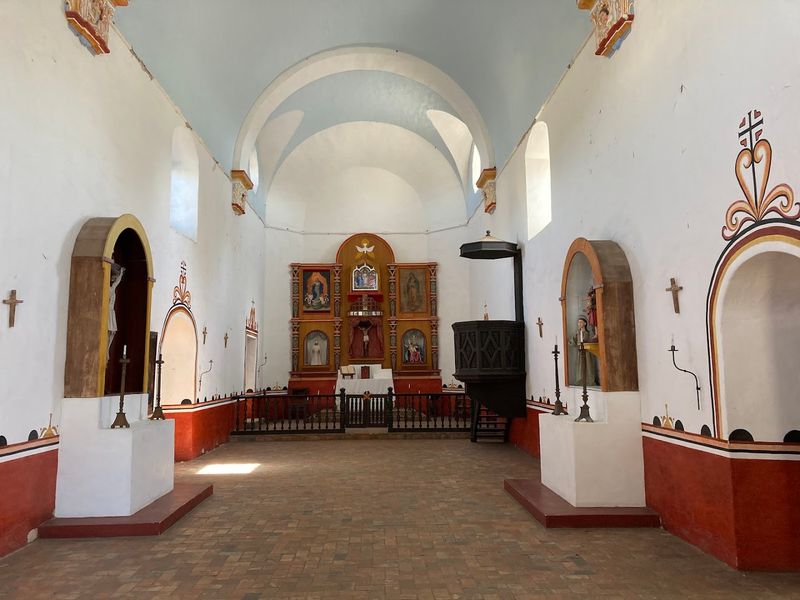
The CCC’s mission restoration work during the 1930s saved structures that might otherwise have crumbled into ruins. Workers carefully documented existing conditions before beginning repairs, using traditional techniques and materials wherever possible to maintain historical authenticity. Their efforts transformed a deteriorating complex into the beautifully preserved site visitors enjoy today, complete with reconstructed workshops, granary buildings, and the stunning church with its distinctive architecture.
Inside the mission church, original frescoes peek through later layers of whitewash, revealing the artistic traditions Spanish missionaries brought to Texas. The museum section displays artifacts recovered during restoration work, including tools, pottery fragments, and religious items that illuminate daily life during the mission period. Rangers lead tours explaining both the Spanish colonial era and the later restoration efforts, helping visitors understand how we know what we know about this site.
Every April 16th, weather permitting, sunlight enters through a specific window and illuminates the crucifix inside the church at a particular angle, creating a phenomenon that draws photographers and spiritual seekers alike. Whether this alignment was intentional or coincidental remains debated, but it adds another layer of intrigue to a building already rich with stories spanning nearly three centuries of Texas history.
9. Camping Among Living History
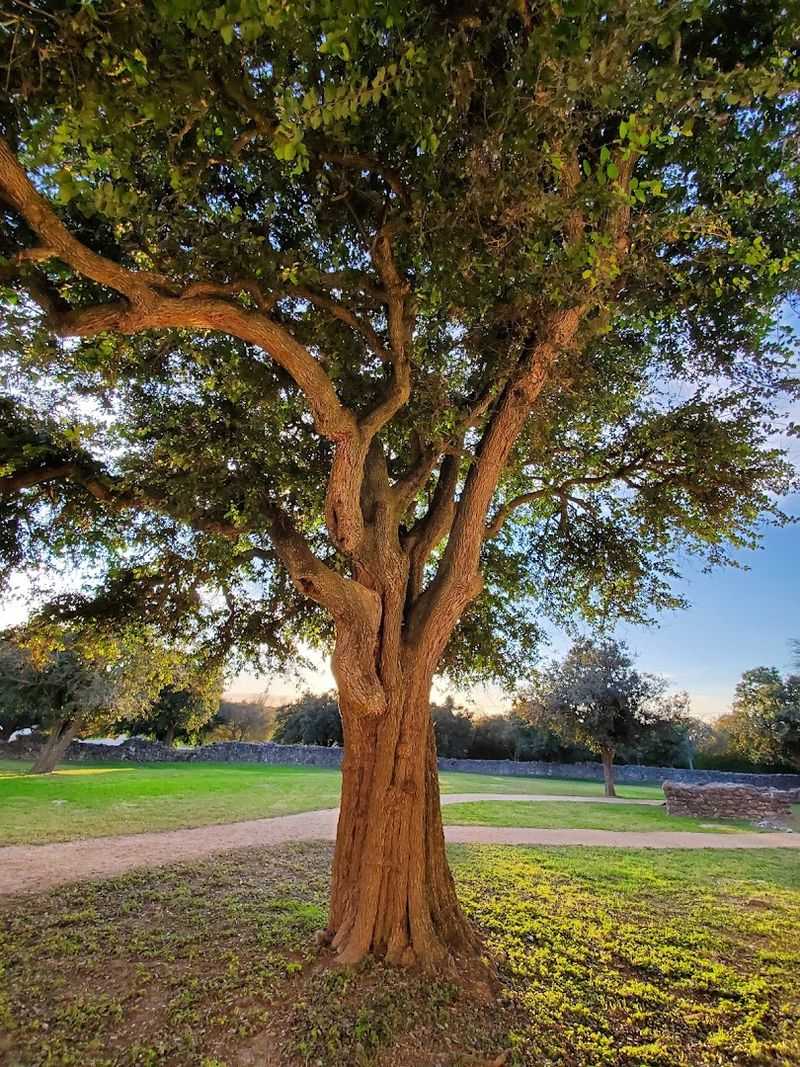
Staying overnight at Goliad transforms a day visit into something more profound, allowing you to experience the park’s atmosphere as light fades and wildlife emerges. The campground features full hookup sites with water, electricity, and sewer connections, all laid out along roads the CCC graded nearly ninety years ago. Mature trees provide shade over most sites, and those stone picnic tables built by Depression-era workers still serve campers preparing meals or playing cards after sunset.
The Longhorn Loop offers particularly nice sites near the river, where you’ll likely see deer wandering through at dawn and dusk. Restrooms and shower facilities maintain the high cleanliness standards Texas State Parks are known for, with hot water and modern fixtures that would astonish those CCC workers who bathed in much more primitive conditions. Cell coverage remains solid for those who can’t completely disconnect, though many campers report the park’s peaceful atmosphere makes checking phones feel less urgent.
Camping here means sleeping on ground that witnessed Spanish missionaries, Confederate soldiers, and New Deal workers, all leaving their marks on the landscape. That historical weight doesn’t feel oppressive but rather grounding, connecting modern visitors to the generations of Texans who found purpose and shelter in this same river valley beneath these same stars.
Share this story