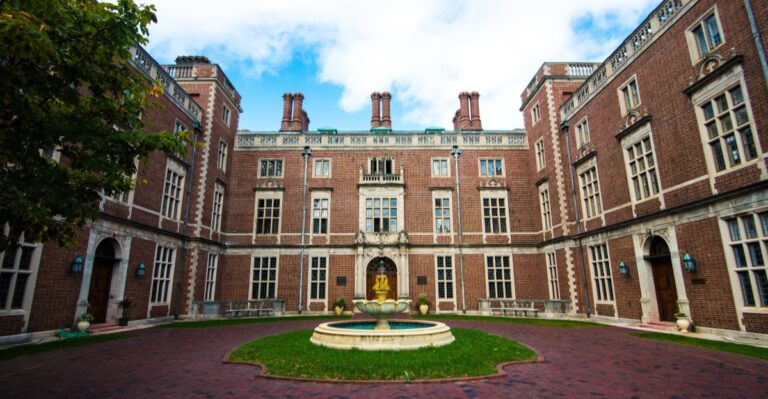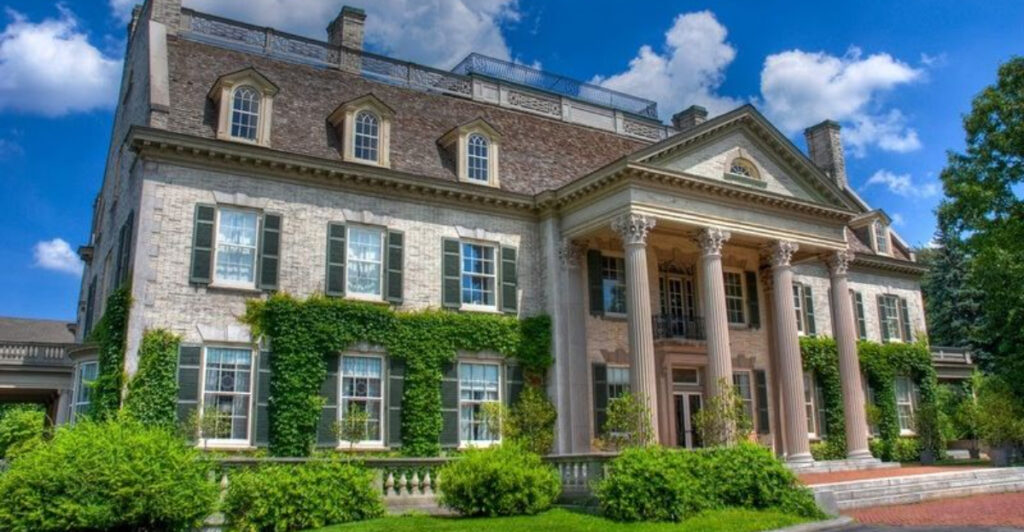
Some museums impress you, but this one completely transports you. At the George Eastman Museum in Rochester, New York, the mansion, gardens, and galleries create a world that feels lush, cinematic, and almost unreal.
You arrive expecting photography history and leave talking about secret garden energy, grand rooms, and the kind of atmosphere that stays with you. If you want one New York museum that feels both elegant and wildly immersive, this is it.
1. The Estate That Hooks You Instantly
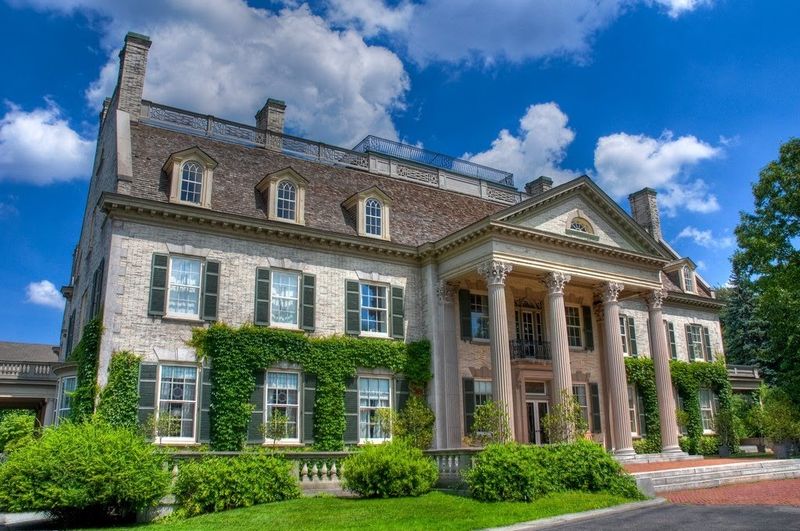
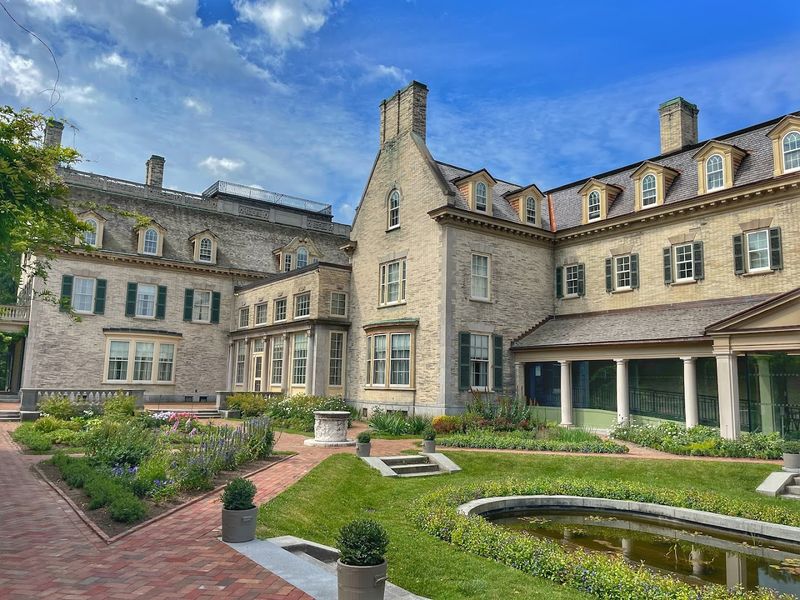
From the moment you reach East Avenue, the George Eastman Museum feels less like a museum and more like a sanctuary.
Tall trees, winding paths, and a mansion create the kind of entrance that makes you wonder what waits around corners.
If you love places with atmosphere, this one immediately pulls you in with drama, lush textures, and old-world mystery.
What surprised me most is how the property balances grandeur with calm, never feeling stuffy, crowded, or too formal today.
You can sense George Eastman’s ambition in the architecture, yet the gardens soften everything and make the setting feel alive.
Instead of racing through galleries, you want to slow down, look, and let the estate reveal itself piece by piece.
That immersive feeling is probably why so many visitors describe the grounds as peaceful, scenic, and surprisingly transportive for hours.
Even before you study the collections, the place tells a story through sunlight, stone, woodwork, and carefully framed views outside.
It is easy to understand why people come for photography history and leave talking about mood, beauty, and atmosphere afterward.
If you want a museum day that feels adventurous, this Rochester gem delivers that rare mix of culture and escape.
It is refined without being intimidating, historic without being dusty, and visually rich without ever feeling overdesigned for visitors today.
By the time you step inside, the museum has already done something memorable: it has made you feel wonderfully elsewhere.
2. Inside the Mansion, History Feels Personal
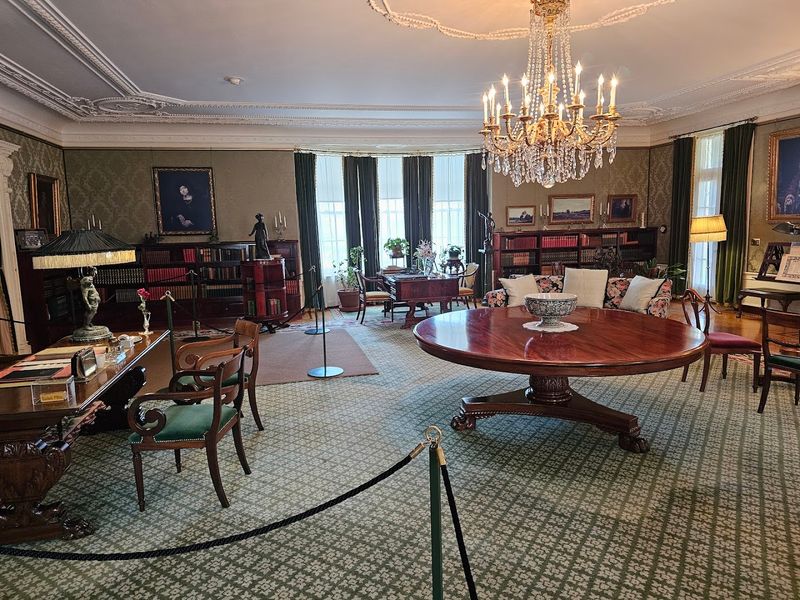
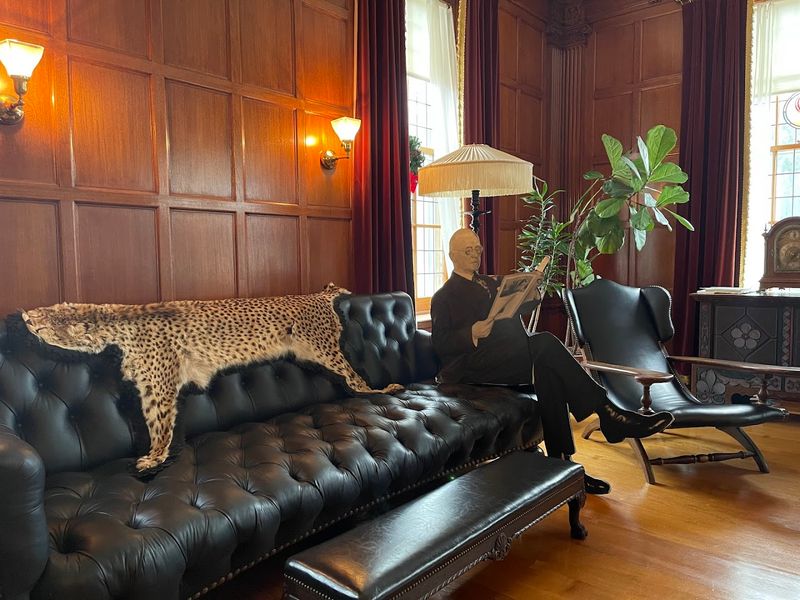
Walking through George Eastman’s mansion feels like entering a preserved private world where elegance, invention, and personal taste still linger.
The rooms are beautifully maintained, but they do not feel frozen – they feel inhabited by stories, routines, and preferences everywhere.
Ornate ceilings, carved details, fireplaces, and rich materials reward your attention if you enjoy noticing craftsmanship that spaces rarely attempt.
I think the mansion works because it reveals Eastman as more than a business icon – you meet the human being.
You see discipline and luxury sharing space, along with thoughtful design choices that suggest he cared deeply about comfort too.
Guided tours seem especially valuable here because docents connect objects and rooms to habits, family dynamics, and unforgettable anecdotes clearly.
Several visitors mention the conservatory and organ, and I understand why – those features give the house genuine personality today still.
Instead of admiring wealth from a distance, you start reading the mansion as a portrait of curiosity and ambition itself.
That is what makes this section memorable for history lovers, design fans, and anyone who enjoys behind-the-scenes texture.
Every doorway seems to frame another detail worth studying, whether it is tilework, furniture, lighting, or the flow between rooms.
If you usually rush through historic homes, this one encourages patience because the atmosphere feels intimate rather than performative somehow.
By the end, the mansion does not just impress you – it helps you understand the imagination behind Kodak’s empire better.
3. The Photography Galleries Reward Slow Looking
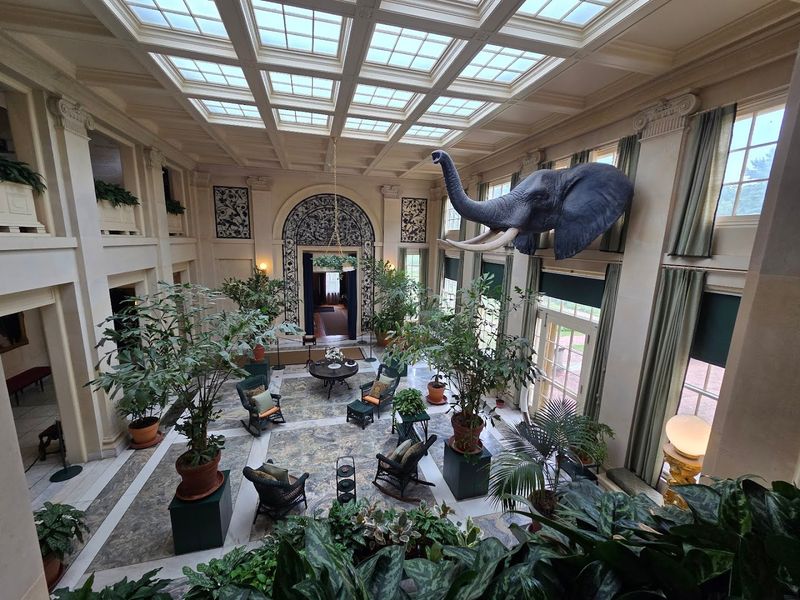
The photography galleries are where the museum shifts from a beautiful house tour to a serious cultural experience with real depth quickly.
Because the exhibitions rotate, you are likely to catch something fresh, yet the quality feels consistently thoughtful and carefully presented.
Historic prints, experimental images, and thematic shows remind you that photography is not only technology – it is interpretation too sometimes.
I like that the museum never treats photographs as decorative filler, since each gallery asks you to look more closely.
You begin noticing choices about light, framing, scale, and timing, and then suddenly a single image can hold you there longer.
Reviews often mention flower photography and changing displays, which makes sense because the museum connects visual art to seasons beautifully.
That connection feels especially strong on this estate, where gardens outside echo the subjects, colors, and moods inside as well.
Even if you are not a photography expert, the presentation invites curiosity instead of making you feel excluded there ever.
Labels and context help, but the strongest effect comes from standing still long enough to let the images work fully.
This is the part of the museum that can surprise casual visitors who expected only cameras and mansion glamour inside.
Instead, you get a richer conversation about memory, beauty, documentation, and how pictures shape the way you see things daily.
It is thoughtful, accessible, and emotionally engaging, which is exactly what a world-class photography museum should be today anyway.
4. The Camera and Film History Is Genuinely Fascinating
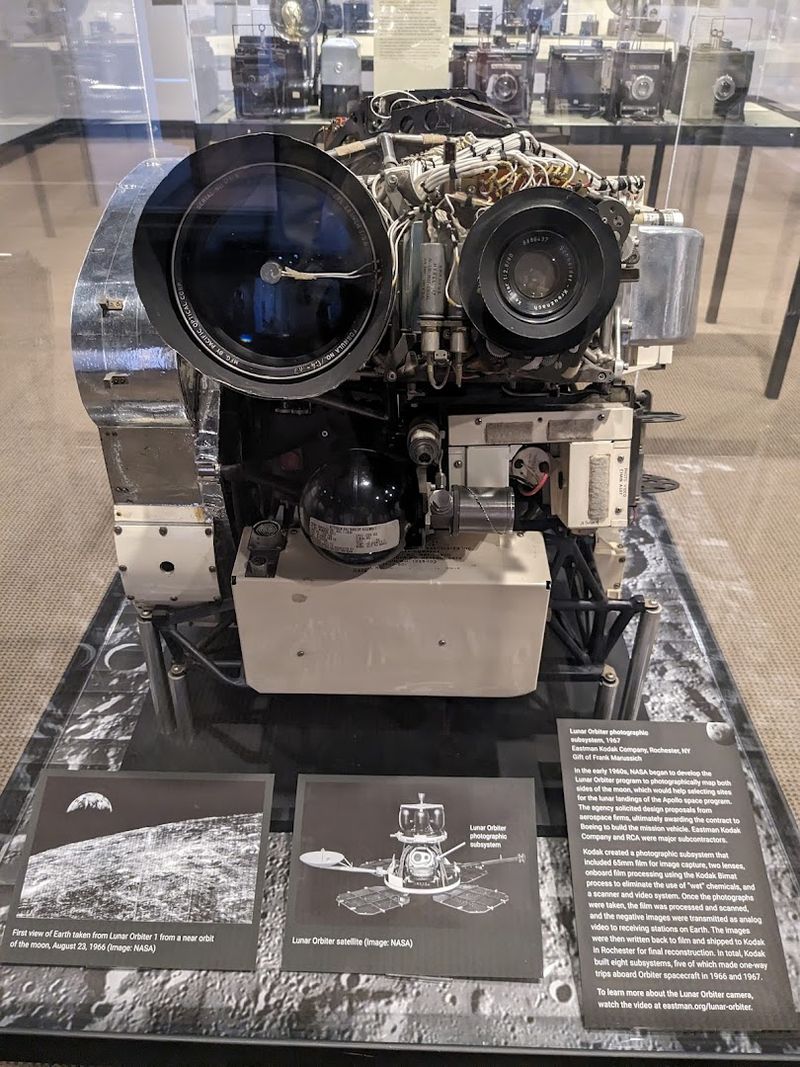
If you have ever wondered how photography became everyday life, the technology galleries give that story satisfying weight and context.
Seeing historic cameras in person changes your sense of scale, ingenuity, and limitation far more than reading timelines online ever.
The collection moves from early equipment to landmark innovations, showing how experimentation gradually became a tool ordinary people could use easily.
You can trace the DNA of modern image making through machines that once seemed magical, awkward, or impossibly advanced.
Since Eastman helped democratize photography, this part of the museum feels especially important rather than just nostalgically interesting today.
I found it fascinating that visitors mention everything from Brownies to digital pioneers to cameras built for lunar missions there.
That range proves the museum is not trapped in nostalgia – it connects invention across generations and media meaningfully today still.
Even if technical history sounds dry, the displays keep grounding innovation in human ambition, problem-solving, and creativity for visitors.
You start recognizing that every camera solved a practical challenge while also changing what people considered worth remembering forever afterward.
For anyone who loves design, engineering, or media history, this area alone can justify the admission price easily for me.
It is educational without being heavy, and it rewards both quick browsing and close inspection of unusual objects alike equally.
By the end, you understand why this museum matters far beyond Rochester – it preserves the tools behind modern seeing itself.
5. The Dryden Theatre Makes Film History Feel Alive
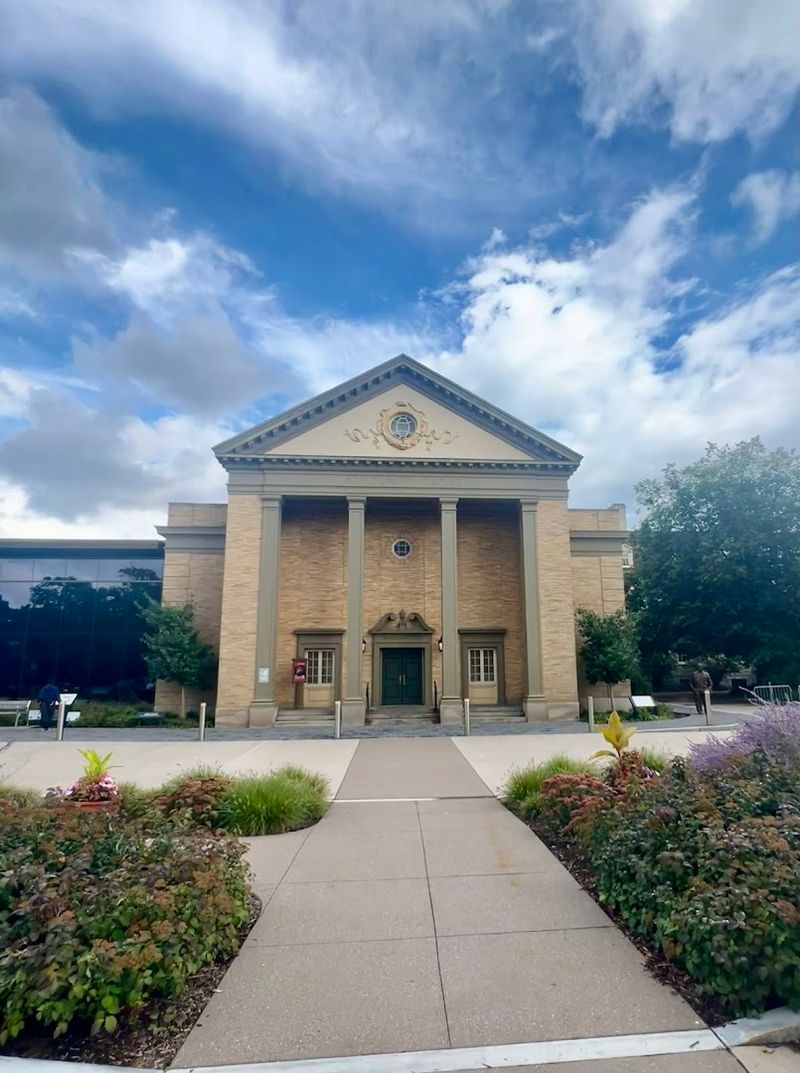
One of the coolest parts of the George Eastman Museum is that it celebrates movies as living experiences, not relics.
The Dryden Theatre gives the campus an extra layer of energy, especially if you time your visit with a screening.
Instead of simply reading about film history, you can sit down and actually watch rare, classic, or silent cinema there.
That matters because movies were meant to move, flicker, and fill a room, not stay trapped in captions alone forever.
Visitors regularly praise the museum’s film programming, and I get it – this is where scholarship becomes atmosphere and excitement too.
There is something special about exploring Eastman’s world upstairs, then experiencing cinema downstairs in a dedicated historic venue nearby afterward.
The museum’s reputation in film preservation gives every screening a little more gravity, even if you arrive casually curious first.
You realize the institution is protecting not only objects, but ways of seeing, hearing, and gathering together as well.
For film lovers, this can easily become the highlight of the trip, especially when the schedule offers rare prints nearby.
For everyone else, it adds a welcome surprise and proves the museum is broader than its mansion first impression alone, too.
I would absolutely check the calendar before visiting, because pairing galleries with a screening makes the experience feel truly complete.
Few museums let you move so naturally between a house museum, a photography archive, and cinema culture in one place today.
6. The Gardens Are a Huge Part of the Magic
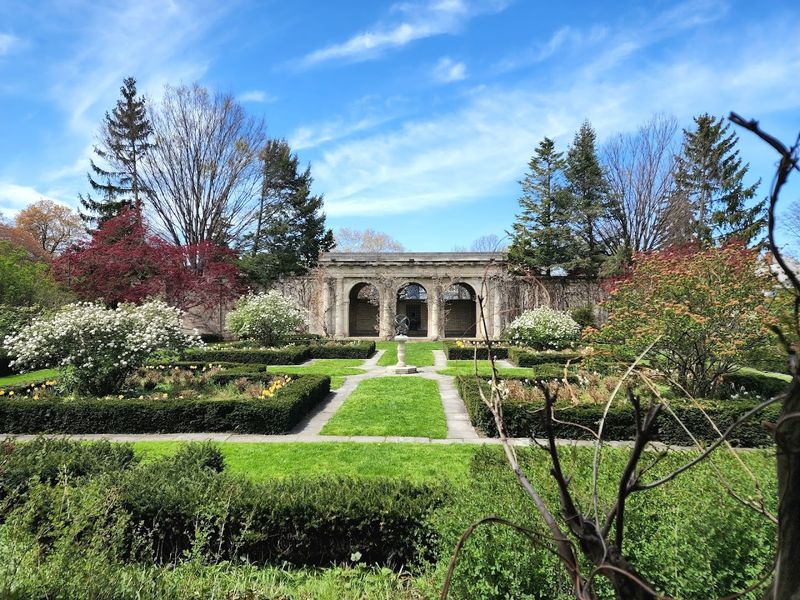
If the mansion is the museum’s grand heart, the gardens are its pulse – changing, fragrant, and impossible to rush through.
In spring and summer especially, the grounds make you feel like you have wandered into a cultivated wilderness somehow today.
That is probably why visitors keep talking about flowers, wisteria, shrubs, peaceful paths, and the sheer care everywhere outside here.
George Eastman was an avid gardener, and you can still sense that devotion in the layout and upkeep today.
These are not afterthought grounds attached to a museum building – they are part of the museum’s meaning itself too.
The gardens frame the mansion beautifully, but they also create breathing room between exhibits, tours, and the surrounding city noise.
Even during colder months, people still single out the conservatory and landscaping, which says a lot about the atmosphere here.
When everything is blooming, I imagine it becomes even more cinematic, which helps explain why events feel so magical there.
You do not need to know plant names to appreciate the effect, because the design works emotionally first for visitors.
It invites strolling, lingering, and sitting still, which can be surprisingly restorative after busier attractions or travel days nearby too.
More than scenery, the grounds make the museum feel immersive in a way many indoor institutions simply cannot match today.
They are a major reason this Rochester landmark feels unforgettable long after you have left the property behind you entirely.
7. It Is Surprisingly Easy to Visit Well
Planning your visit is refreshingly straightforward, which makes this museum easy to recommend whether you love art, history, or film.
The George Eastman Museum sits at 900 East Avenue in Rochester and generally opens at 10 AM Tuesday through Saturday.
On Sundays, hours begin at 11 AM, and Mondays are closed, so timing matters if your schedule is tight, maybe.
With a 4.7 star rating from thousands of reviews, you can feel confident this is not a niche detour either.
Visitors consistently mention free parking, accessibility, and an easy self-guided flow that works for both short and longer visits.
If you want deeper context, a docent-led tour sounds absolutely worth prioritizing based on how often people rave about.
Many guests spend around ninety minutes exploring, though you could easily stay longer if a film or exhibition catches you.
There is also a cafe inside, which is helpful if you want to turn the outing into a slower afternoon.
I would definitely check the museum website before visiting for tours, screenings, tickets, and any seasonal garden programming updates too.
Because the site combines a mansion, galleries, a theater, and grounds, a little planning helps you avoid feeling unexpectedly rushed later on.
It works beautifully as a rainy-day destination, but it is just as appealing when the estate is blooming outside.
That flexibility is part of the charm: you can tailor the visit around your interests without sacrificing the wow factor.
8. Why This Rochester Museum Stays With You
Plenty of museums teach you something, but very few make you feel like you have entered a fully realized world.
That is the George Eastman Museum’s rare trick – it combines information, atmosphere, beauty, and biography without sacrificing any of them.
You come for photography and film history, then realize the mansion and gardens have quietly become equal stars too there.
I love museums that reward different kinds of curiosity, and this one does exactly that from every angle inside out.
You can admire architecture, study cameras, sit with photographs, watch a film, or simply wander the gardens slowly for hours.
Few attractions offer that many satisfying ways to engage, especially while remaining approachable for first-timers and locals alike year-round.
The museum also feels distinctly Rochester, rooted in the city’s industrial and artistic legacy without ever turning that history dry.
Its 4.7 star rating makes sense to me because visitors keep describing the same thing: genuine delight and surprise afterward.
Even people who come for one feature often leave talking about another, which is usually the sign of something special.
If you only visit one museum in Rochester, this is the one I would confidently point you toward first, always.
It feels ambitious but welcoming, polished but human, and it keeps revealing new layers the longer you pay attention there.
More than jaw-dropping, it is the kind of place that stays vivid in your mind after the trip ends.
Share this story