
Ann Arbor’s identity stretches far beyond college life, football weekends, and student-filled streets. In the middle of this well-known university town, University of Michigan Health gives the city a major medical presence with advanced care, specialized treatment, and round-the-clock services that reach far beyond campus.
The contrast is part of what makes Ann Arbor stand out, blending academic energy with a hospital system that plays an important role across Michigan. For visitors who first think of the city as a school town, the scale of its medical reputation can come as a real surprise.
It is one more reason Ann Arbor carries more weight than its size might suggest.
Where Campus Energy Meets Serious Care
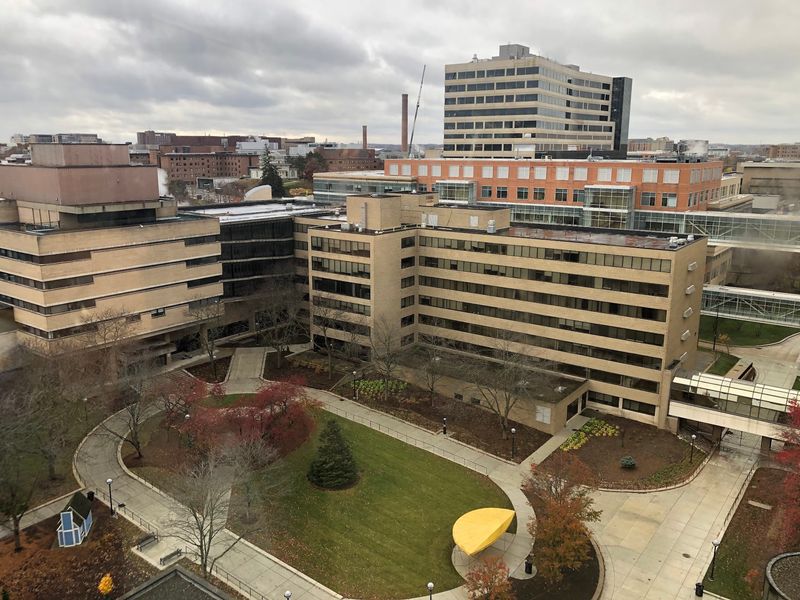
At first glance, the setting tells a story all by itself. University of Michigan Health sits in Ann Arbor, a place better known to many outsiders for classrooms, game days, and student life, yet the medical center instantly changes the scale of the city around it.
The hospital complex looks large, active, and deeply connected to the university nearby. Roads feed into parking areas, walkways carry a steady flow of staff and patients, and the whole district has the rhythm of a place that never really powers down.
That matters for a simple reason. In a college town, people may expect coffee shops, bookstores, and campus buildings, not a major hospital system prepared to handle highly complex care at all hours of the day.
The address on East Medical Center Drive places it inside one of Ann Arbor’s busiest medical zones, where treatment, teaching, research, and daily hospital operations all share the same footprint. It is not tucked away on the edge of town, and that central position makes the institution feel woven into local life rather than separated from it.
For families arriving from smaller Michigan communities, the first impression can be both reassuring and intimidating. The size suggests deep resources, but it also means planning ahead for parking, walking time, and finding the right building can make the day smoother.
Seeing such a large academic hospital in a city with such a strong campus identity helps explain why Ann Arbor carries influence beyond sports and school pride. The hospital is part of the town’s public face.
In practical terms, that means a visit here often involves more movement and more coordination than a neighborhood clinic. Signs, garages, entrances, and specialty areas shape the experience before a patient even reaches the front desk.
A Big-League Hospital in Michigan, Not a Small-Town Clinic
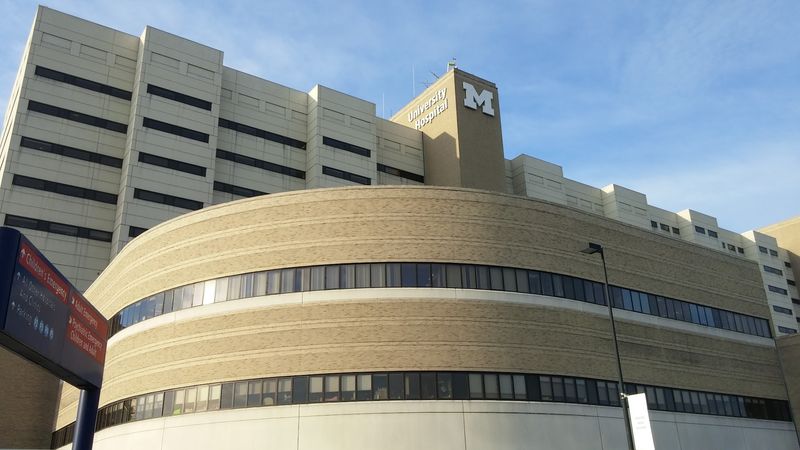
Some hospitals handle everyday needs well. University of Michigan Health operates on a different scale, serving as a university hospital where routine care and highly specialized treatment exist side by side.
That larger mission helps explain why the system is often discussed as one of the nation’s leading hospital networks. Patients do not only come here for a quick appointment.
Many arrive because a condition is complicated, a diagnosis is unclear, or a local provider has reached the point where more advanced tools are needed.
Inside a place like this, the range of care is part of the main story. Surgery, cancer care, emergency treatment, testing, short stay units, specialty teams, and advanced follow-up all connect within the same broad system.
For patients, that can be a major advantage. When many services live under one umbrella, it becomes easier for different experts to share records, compare findings, and build a plan around the same case instead of sending someone all over the region.
The trade-off is easy to understand too. A hospital that attracts serious cases from far away can become crowded, and large systems often move with layers of scheduling, transport, and paperwork that do not always feel simple in the moment.
Still, the core strength remains clear. University of Michigan Health is designed for more than basic treatment, and that design shapes expectations from the start.
People looking at Ann Arbor from the outside may picture a lively college town first. Then they discover a medical center with the capacity, staff depth, and specialist reach usually linked with much larger metro areas.
That contrast is part of what makes the place stand out. A city built around a major university also supports a hospital system equipped to tackle cases that demand experience, coordination, and a lot of medical brainpower under one roof.
Specialty Care That Pulls Patients From Far Beyond Ann Arbor

When a hospital earns a strong national reputation, specialty care usually sits at the center of the story. University of Michigan Health appears to fit that pattern, with public attention often landing on complex services rather than only everyday doctor visits.
Among the topics tied to the hospital are cancer treatment, surgical care, spinal procedures, transplant-related care, wound treatment, blood work, mental health support, and emergency needs linked to serious conditions. That range signals a system built to manage patients whose care may cross several departments.
For families, the benefit is not only the presence of specialists. It is the chance to receive care in a place where complex cases are familiar territory, and where teams are used to handling difficult decisions, longer treatment paths, and detailed follow-up.
Cancer care stands out as one area that draws especially strong attention. In a major academic setting, oncology often involves more than infusion appointments.
It can include nutrition guidance, close monitoring, surgery, imaging, and support for caregivers trying to manage the daily side of treatment at home.
Surgery is another piece of the picture. A large teaching hospital often has the staff, equipment, and recovery units needed for cases that smaller institutions may transfer elsewhere.
None of that means every experience is easy. Bigger hospitals can bring long waits, stressful scheduling, and a lot of moving parts, especially when demand is high.
Even so, the practical takeaway is plain. Patients with complicated health issues often seek out places where many options live in one system, and University of Michigan Health offers that kind of broad medical bench.
In a college town, that level of specialty depth can catch people off guard. Yet it is one reason the medical center is known far outside Ann Arbor and far beyond the university crowd surrounding it.
Teaching Hospital, Human Moments

A university hospital is not only about machines, labs, and long hallways. It is also a place where care is taught in real time, with experienced physicians, nurses, and trainees working together around patients who need both skill and steady communication.
That teaching role shapes the personality of University of Michigan Health. Because it is tied to a major university, the hospital environment often includes doctors in training, medical students, specialists, and nursing teams learning within a structured system guided by senior staff.
For many patients, that setup can be reassuring. A case may be viewed by more than one set of trained eyes, which can help with problem solving when symptoms are complicated or treatment choices need extra discussion.
Human interaction matters just as much as medical knowledge, though. In a hospital this large, small acts of clarity and kindness can completely change how a patient handles a hard day, whether that means someone explaining the next step, helping a family member understand timing, or simply checking in without rushing.
That kind of support becomes especially important during longer stays, cancer treatment, major surgery recovery, or emergency admissions that stretch deep into the night. A big institution can feel overwhelming unless staff members make it easier to navigate one conversation at a time.
At the same time, teaching hospitals can test patience. Rounds happen early, different team members may enter at different times, and patients sometimes need to repeat information as teams coordinate care.
Knowing that in advance helps. Bringing notes, keeping a short list of questions, and asking who is leading the day’s plan can make communication more manageable.
The larger point is simple. University of Michigan Health is not just a building full of departments.
It is a place where medicine is practiced, studied, explained, and improved through thousands of daily interactions between experts, learners, patients, and families.
The Hard Part: Size, Waits, and the Maze Effect
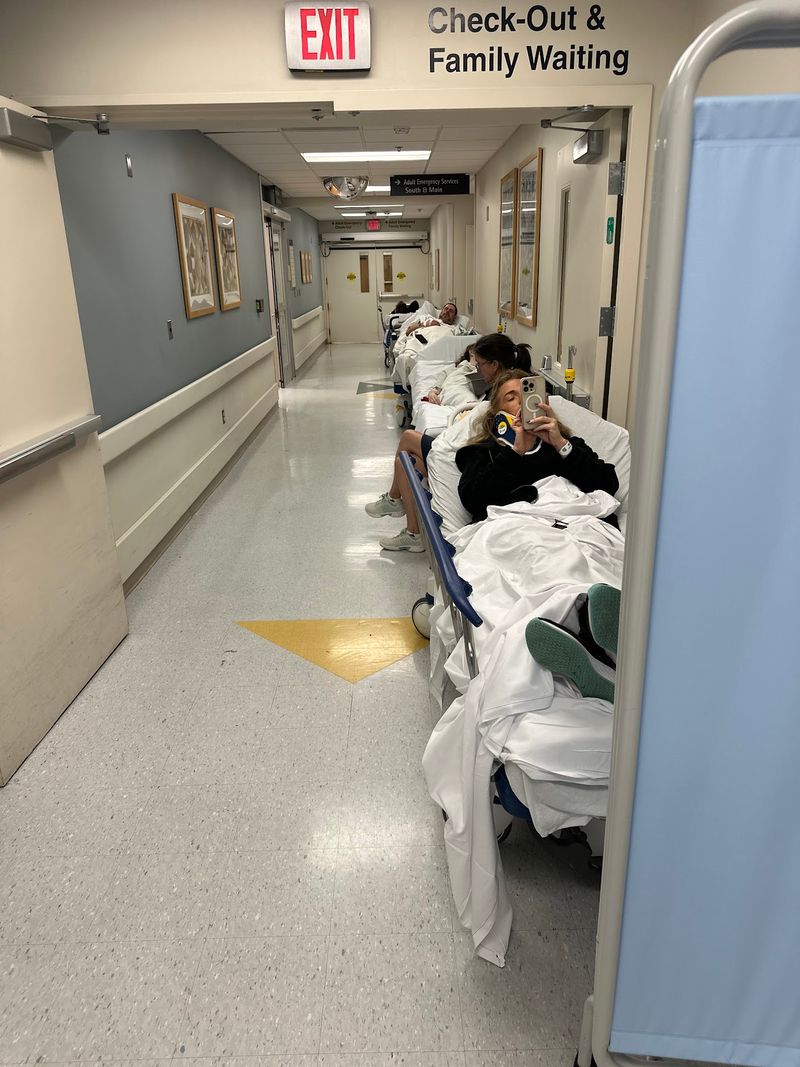
Even top hospital systems come with friction, and at University of Michigan Health the biggest challenge is often scale. A place built to handle major demand can also test patience in very ordinary ways, especially before treatment even begins.
Parking is one of the first hurdles. Large medical campuses need room for staff, patients, shuttles, deliveries, and emergency access, so arriving without extra time can turn a stressful appointment into an even longer morning.
The next challenge is navigation. Big hospitals can feel almost like mini cities, with multiple entrances, connected buildings, elevators, clinics, towers, and waiting areas that are easy to confuse if someone is already anxious.
Then comes the issue many people care about most: time. Emergency departments and specialty centers at major referral hospitals often deal with high patient volume, serious cases, and shifting priorities that can lead to long waits, hallway care, or delayed movement between units.
That does not automatically reflect poor medical ability. Often it reflects demand, triage, and the strain placed on a large academic center serving both local residents and people sent in from farther away.
Still, the experience can be frustrating. Families trying to manage work schedules, school notes, travel, or follow-up paperwork may run into the slower administrative side of a very large institution.
The smartest approach is practical rather than dramatic. Arrive early, double-check the exact clinic location, bring snacks and chargers if allowed, carry a written medication list, and expect more walking and waiting than at a small office.
For urgent situations, it also helps to prepare for uncertainty. Twenty-four-hour access is a major strength, but nonstop service does not always mean quick throughput when the hospital is busy.
That mix of advanced care and logistical strain is part of the real picture here. University of Michigan Health offers exceptional reach, but patients often experience that reach inside a system that is large, crowded, and constantly in motion.
How to Handle a Visit Without Getting Overwhelmed

Preparation can change the whole day at University of Michigan Health. Because the campus is large and the services are wide-ranging, a little planning before arrival often saves a lot of stress later.
Start with the basics that sound boring but matter most. Confirm the department name, building, appointment time, and whether the visit is for a clinic, lab draw, imaging stop, procedure, or hospital admission, because those details may send patients to very different areas.
Leaving early is one of the best moves. Ann Arbor traffic, parking structures, elevator rides, and check-in lines can stretch travel time more than expected, especially during busy weekday hours.
It also helps to build a simple paper trail. Bring identification, insurance cards, a medication list, names of current doctors, recent test results if available, and a notebook for instructions that may come quickly during a packed visit.
For longer appointments, comfort matters too. A phone charger, water if permitted, a sweater, and a small snack for a companion can make a long afternoon more manageable when schedules shift.
Questions should be written down instead of trusted to memory. In a major hospital, patients may speak with nurses, trainees, specialists, and scheduling staff in the same day, so having a short list helps keep the main concerns from getting lost.
Families dealing with complex care should also ask about the next step before leaving. That includes follow-up timing, paperwork needs, medication changes, warning signs, and who to contact if instructions seem unclear later.
Most of all, give the visit enough emotional room. A top academic hospital can offer deep expertise, but it may not offer a quick or easy pace.
Going in with realistic expectations makes the experience more navigable. University of Michigan Health works best for prepared patients who treat the day less like a simple errand and more like a carefully planned appointment in a very large medical ecosystem.
Why Ann Arbor Fits a Hospital This Ambitious
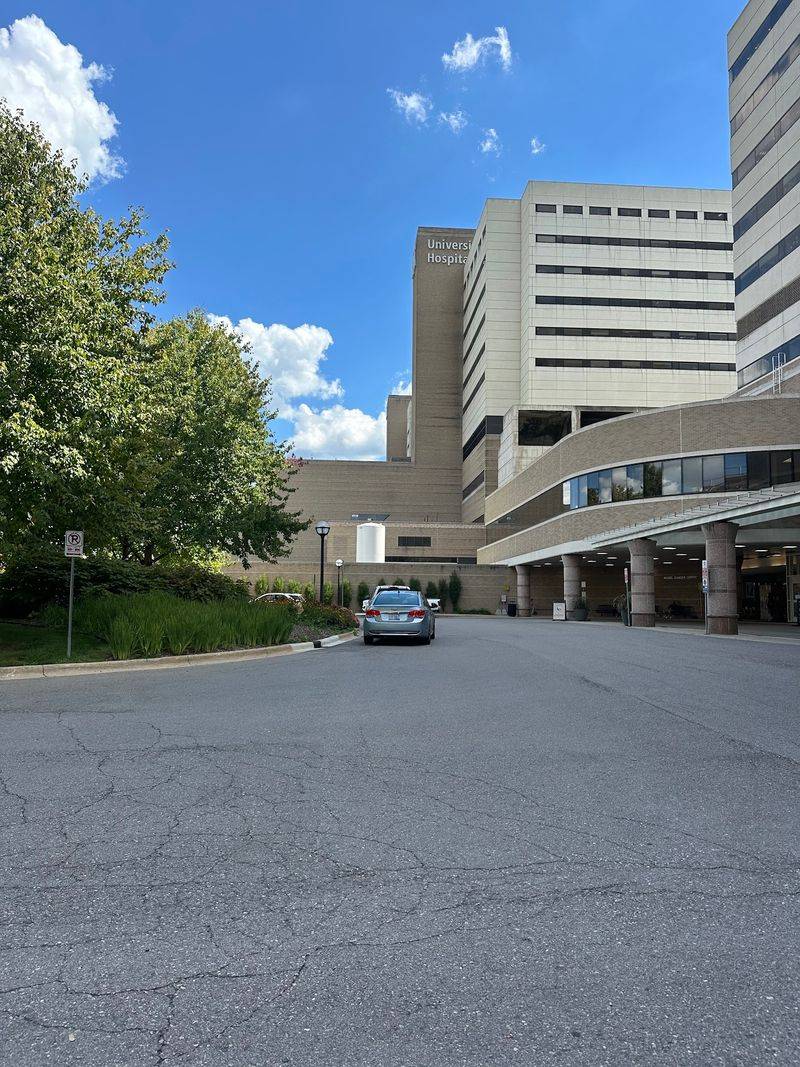
Ann Arbor may seem like an unusual home for a hospital system with national reach, but the pairing makes sense once the city is viewed as more than a college town. The university, the medical campus, and the steady flow of research and training all reinforce one another.
That connection gives University of Michigan Health a setting that supports ambition. A strong academic environment helps attract specialists, trainees, researchers, and patients seeking care tied to a place with teaching and discovery built into daily operations.
The city itself adds another layer. Ann Arbor is large enough to support major institutions yet compact enough that the hospital remains one of the town’s defining landmarks rather than a distant facility hidden in a giant urban sprawl.
There is also a practical Michigan angle here. For many families across the state, especially those coming from smaller communities, Ann Arbor functions as a destination for advanced care in the same way it does for education.
That gives the hospital a wider role than local service alone. It becomes a referral center, a place for second opinions, and a hub where difficult cases may land when local options run out or more specialized teams are needed.
The contrast is striking in the best way. One part of town buzzes with student routines, while another runs nonstop with emergency care, surgeries, labs, and inpatient treatment around the clock.
Put together, that is why the title rings true. One of America’s top-ranked hospital systems is in a Michigan college town, and not by accident.
Ann Arbor offers the academic engine, the talent pipeline, and the statewide pull needed to sustain a hospital this large. University of Michigan Health, in turn, gives the city a role that reaches far beyond sports, campus traditions, and lecture halls.
It anchors Ann Arbor as a place where scholarship and high-stakes care meet on the same map, every hour of every day.
The Sharp Takeaway on This 24-Hour Medical Giant
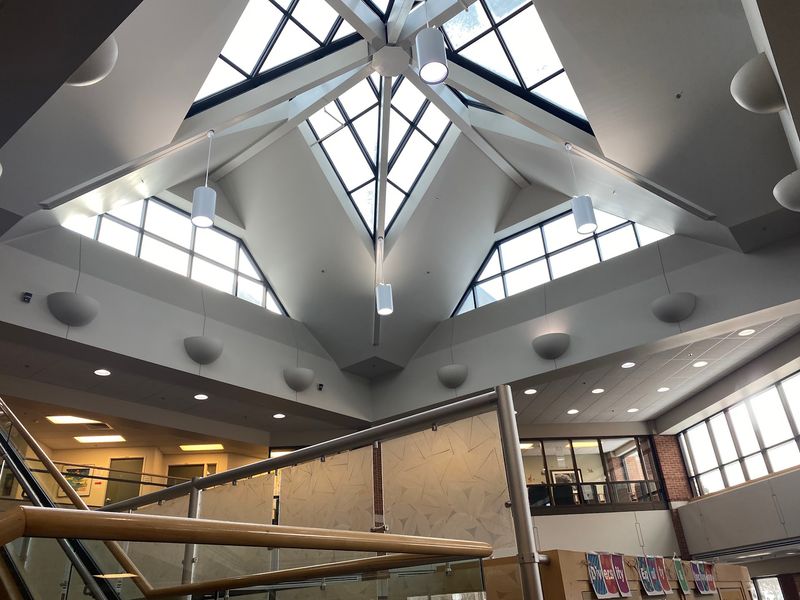
Here is the simplest way to understand University of Michigan Health: it is a medical giant planted in a city many people first know for college life. That alone gives Ann Arbor an identity that stretches far beyond campus traditions.
The hospital system stands out because it combines nonstop access, academic depth, and broad specialty care in one place. Patients can find emergency services, surgery, oncology, testing, and many advanced departments within a network built for serious medical work.
At the same time, the experience is not polished in every corner. Large crowds, complicated parking, delayed scheduling, and long waits can all become part of the story, especially in a center handling major regional demand.
That tension is real, and it should not be ignored. A hospital can offer excellent physicians and still frustrate families with paperwork, movement between units, or the basic challenge of navigating such a large institution.
Yet the reason the place keeps statewide importance is easy to see. When care becomes complex, many people want access to deep expertise, coordinated specialists, and a system equipped for difficult cases.
University of Michigan Health fills that role in Michigan from its home on East Medical Center Drive. It is open twenty-four hours a day, tied to a major university, and built on a scale that few college towns can claim.
For readers drawn in by the headline, the surprise is not that Ann Arbor has a hospital. The surprise is that one college town supports a hospital system with such a large footprint and such a prominent place in American medicine.
That is what makes this address noteworthy. It is not only a stop for local healthcare.
It is a major destination for advanced treatment, a demanding place to navigate, and one of the clearest examples of how much influence a university town can hold.
Share this story