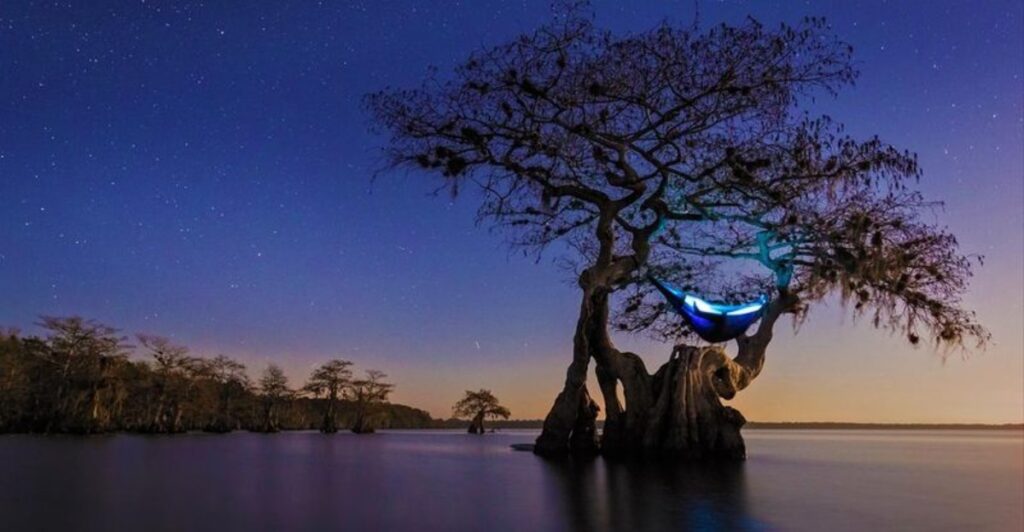
Night-sky events feel especially magical when real telescopes, expert sky watchers, and a dark lakeside setting all come together. On Friday, September 18 and Saturday, September 19, 2026, Astronomy At The Beach brings families, curious kids, and stargazing fans to Island Lake Recreation Area’s Kent Lake Beach in Brighton for one of southeast Michigan’s most exciting sky-watching gatherings.
The free event includes solar telescope viewing, evening telescope observing, presentations, and a laser-guided tour of the night sky, with this year’s theme focused on Artemis and the return to the Moon. It matters because many people rarely get to see the stars, planets, or Sun through real equipment while learning from experienced astronomers in person.
For anyone looking for a Michigan outing that mixes nature, science, and wonder, this festival stands out fast.
Where the Park and the Night Sky Meet
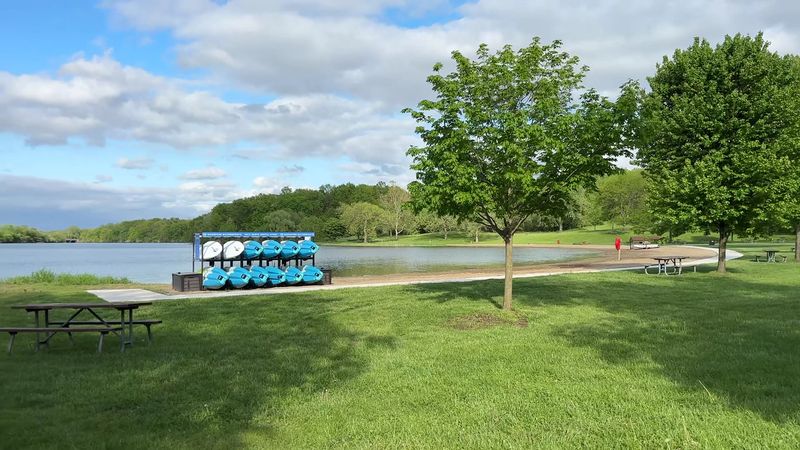
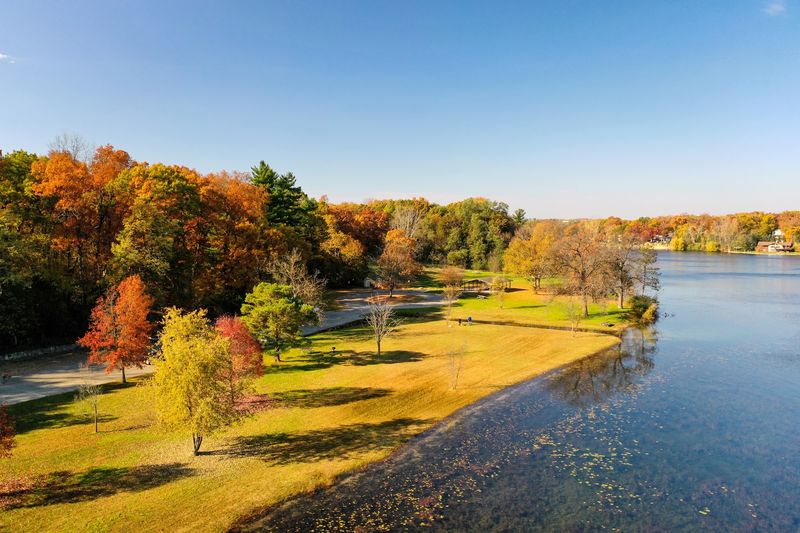
Long before the stars become the main attraction, the setting does a lot of the work. Island Lake Recreation Area spreads out across a large stretch of southeast Michigan landscape, with woods, open areas, trails, and water all helping the place feel bigger than a typical park visit.
That extra room matters at a stargazing festival, because people need space to gather, move around, and look upward without feeling packed into a tight corner.
During Astronomy At The Beach, the park gives the event a strong natural backdrop. You are not stepping into a formal museum or a school gym.
Instead, the experience happens in a place where daylight recreation and nighttime discovery connect in a very direct way. The change from afternoon activity to evening sky watching becomes part of the fun, especially if you arrive early and watch the grounds gradually shift from sunny and busy to cooler and calmer.
Island Lake also has a reputation as a broad, active state park with plenty of room for hiking, biking, paddling, and beach time. That makes the festival easier to turn into a full outing rather than a quick stop.
Families can spend part of the day outside, grab a meal or snack they packed, and then settle in for the main event after sunset.
For many kids, that mix is the hook. They are already in a place built for exploring, so moving from trails and picnic areas to telescopes and constellations feels natural instead of forced.
By the time darkness settles over Brighton, the park is no longer just scenery. It becomes part of the lesson, part of the mood, and part of the reason the event feels special in the first place.
A Telescope Field That Turns Science Into a Spectacle
Nothing changes the mood faster than seeing a field of telescopes aimed at the sky. Astronomy At The Beach is built around that visual punch, and it helps turn a science topic that can seem distant into something immediate and exciting.
Instead of only hearing about planets, craters, or star clusters, you get the chance to see celestial objects through equipment that brings them much closer.
That hands-on element is a big reason the festival catches people so quickly. A child who might drift through a classroom slideshow often perks up the second a telescope comes into view.
Adults react the same way. Large instruments, careful setup, and patient sky watchers create the sense that real discovery is happening right there in front of you, not somewhere far away in a professional observatory.
The event also works well because it can meet people at different interest levels. If you already know a little about the night sky, you can ask deeper questions and compare views through different telescopes.
If you are brand new to astronomy, the sight of the moon, a bright planet, or a dense patch of stars can be enough to spark curiosity without needing a long explanation first.
Visual variety adds energy as the evening goes on. Some telescopes are compact, while others look dramatic and oversized, almost like science-fiction props sitting in the grass.
That range keeps the festival from feeling static. You are not just standing in one place and glancing upward.
You are moving, waiting, learning, and spotting new details every time your turn comes around. For a public event, that blend of motion and discovery is a smart fit.
Michigan Families Get a Rare Chance to Look Up Together
Plenty of festivals are loud, fast, and packed with distractions. Astronomy At The Beach offers a different rhythm, and that is one of its best strengths.
At Island Lake Recreation Area, the night gives families a shared activity that does not depend on thrill rides, constant noise, or screens flashing in every direction.
Kids and adults can stand side by side and react to the same view, whether it is the moon, a bright planet, or a striking star pattern. That makes the event easy for mixed-age groups.
Younger children can enjoy the simple wow factor, while older kids can dig into the names of objects, how telescopes work, or why certain things appear brighter at different times. Grandparents, parents, and siblings all have a natural way into the experience.
Another helpful part is the pace. Stargazing usually encourages patience, which can be a nice change from busier summer outings.
You wait your turn, glance up between telescope stops, and notice how the sky shifts as it gets darker. Even children who start out restless often settle once they realize they are about to see something they cannot normally spot with the naked eye.
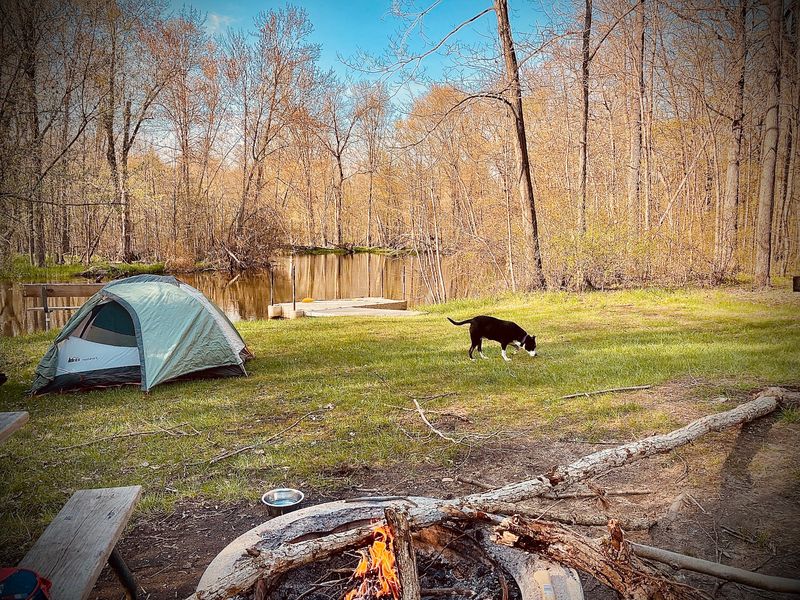
Because the event is tied to a state park, it also feels more relaxed than an indoor science program. Families can bring layers, carry folding chairs, and treat the outing as a casual evening outdoors.
If you are planning for younger kids, it helps to pack snacks, bug spray, and something soft to sit on while waiting. Those little choices can make the night smoother.
In a busy month, that kind of gathering has real value. It gives Michigan families a simple reason to be outside together, ask questions out loud, and spend time focused on the sky instead of the clock.
More Than Looking Through a Lens
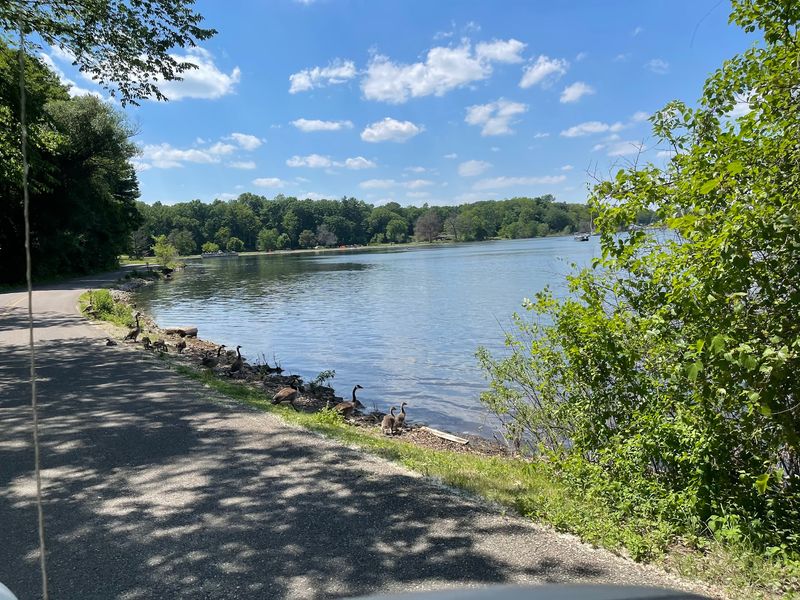
A good astronomy event does more than line up telescopes and hope the sky does the rest. The strongest public stargazing festivals create layers of interest, and Astronomy At The Beach is known for that broader approach.
The night can include conversations, demonstrations, sky guidance, and simple explanations that help beginners understand what they are seeing instead of just taking a quick peek and moving on.
That educational side matters because the sky can be confusing at first. Bright points all look similar until someone explains the difference between a planet and a star, or shows how a constellation connects across a large patch of darkness.
Once that happens, the whole scene becomes easier to read. A public event in a park is a great place for that kind of learning because it feels informal and welcoming.
Short explanations often make the biggest difference. Learning why the moon shows detail so clearly, why some objects need darker conditions, or how a telescope gathers light can turn a fun night into a memorable lesson.
You do not need advanced science knowledge to enjoy those moments. Clear guidance from experienced enthusiasts can help first-timers feel comfortable asking basic questions without embarrassment.
There is also a strong social side to learning outdoors. One person points, another notices a new feature, and soon a small group is sharing reactions in real time.
That group energy keeps the festival lively even during waits between telescope views. Instead of being passive, you become part of the discovery process.
If you are bringing children, it helps to encourage them to ask whatever comes to mind, even if the question sounds simple. Events like this work best when curiosity leads the evening.
A moon crater, a star map, or a quick explanation from a volunteer can open the door to an interest that lasts much longer than one night at the park.
How to Build a Full Day at Island Lake Around the Festival
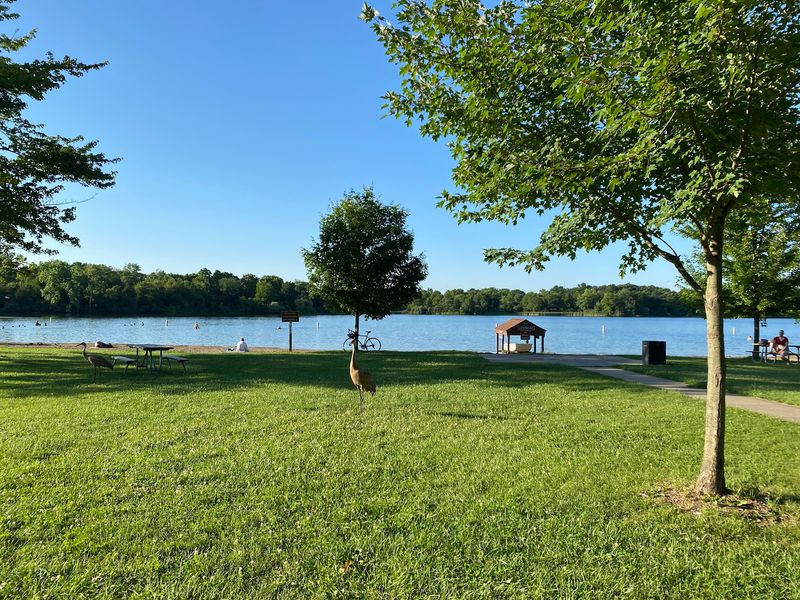
Showing up only at the last minute can work, but Island Lake Recreation Area makes a longer visit tempting. The park is large enough to fill the daylight hours with hiking, paddling, swimming, walking, or simply finding a quiet spot near the water before the astronomy program takes over.
That built-in variety gives the festival a stronger shape, turning it into an all-day outing with a clear nighttime finale.
If you like unhurried plans, arriving in the late afternoon is a smart move. You can get familiar with the area, locate parking, and avoid the rushed feeling that sometimes comes with evening events.
It also gives kids time to burn off energy before everyone needs to slow down and stand in line for telescope viewing.
Packing for comfort makes a difference here. Bring layers for changing temperatures, since warm afternoons can turn into cooler nights once the sun drops.
Folding chairs or a blanket can help during pauses between activities, and snacks are useful when the evening stretches longer than expected. A flashlight with a gentle beam is handy too, though using light carefully helps protect the dark-sky experience for others nearby.
The park setting also rewards simple observation before full darkness arrives. You can watch daylight fade across open spaces, see the first bright objects appear overhead, and notice how the event gradually changes character.
Early on, it may feel like a community gathering with lots of movement. Later, the focus tightens, conversations soften, and more faces turn upward.
That shift is one of the most enjoyable parts of planning a full day around Astronomy At The Beach. Instead of treating the event as a single activity on the calendar, you experience it as the natural high point of a day outdoors in one of Michigan’s larger and more flexible state park settings.
Practical Moves for a Smoother Night Under the Stars
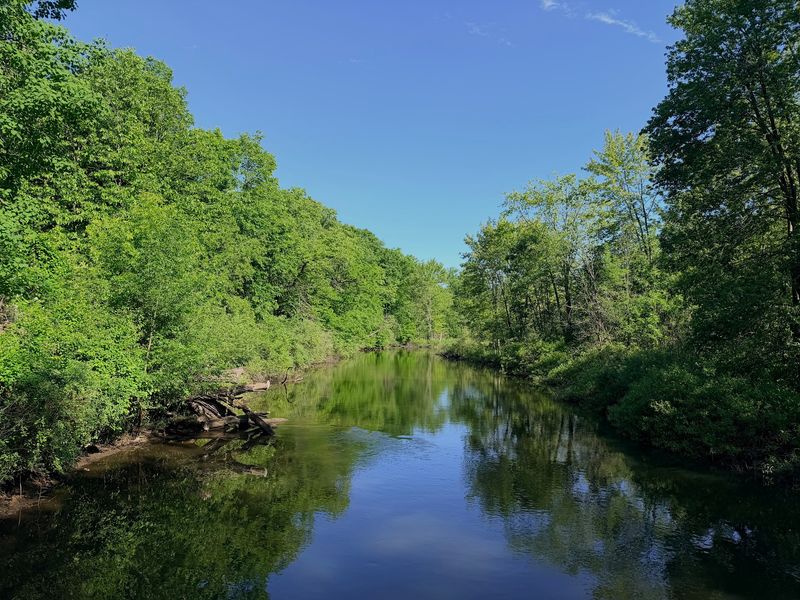
Even a beautiful night sky can lose some shine if you are cold, tired, or unprepared. Astronomy At The Beach is much easier to enjoy when you treat it like a real outdoor evening event instead of a quick pop-in.
A little planning can help you stay comfortable, keep kids happier, and spend more time focused on the sky instead of scrambling for basics.
Start with clothing. Nights can cool down faster than expected, especially after standing still for a while, so light layers are a good idea.
Comfortable shoes matter too, since a public astronomy event often means walking across parking areas, grass, or paths as you move between setups.
Bug spray is another smart addition, especially during warmer parts of the season. Folding chairs or a blanket can save energy when lines build or when you want to pause and simply look up.
If you bring a flashlight, use it gently and avoid shining bright beams toward telescope areas or directly at other people. Preserving darker conditions helps everyone see more clearly.
Timing deserves some thought as well. Arriving too late can mean extra stress with parking, orientation, and tired children.
Showing up earlier gives you a better chance to settle in, understand the layout, and catch the event as it builds from dusk into full darkness. If you are coming with younger kids, bring a small snack and be ready for a later bedtime than usual.
One final tip is simple but important. Keep expectations flexible because stargazing always depends partly on the sky itself.
Clouds, haze, or changing conditions can affect what is visible. Even so, the event still offers a valuable outdoor experience, especially when you come prepared for the setting, the weather, and the slower pace that makes astronomy rewarding in the first place.
Why This Brighton Festival Stands Out on Michigan’s Event Calendar
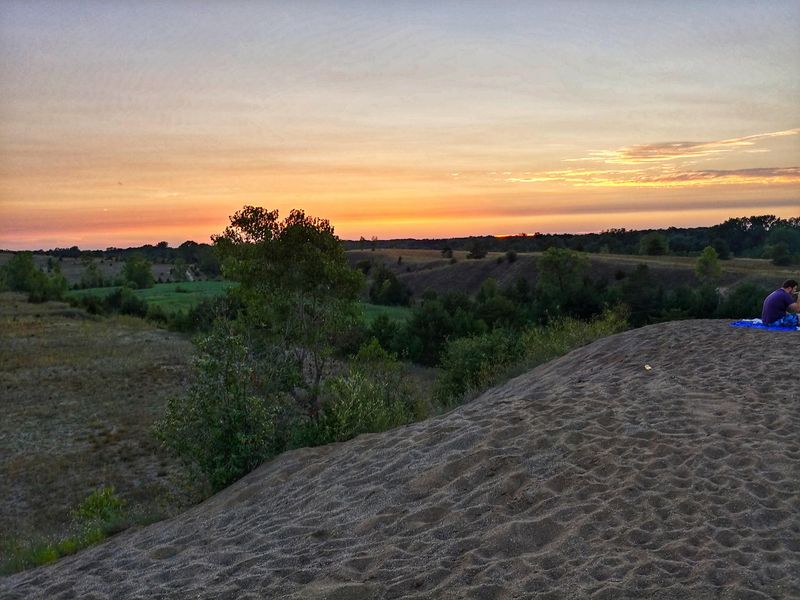
Some events grab attention with loud entertainment, while others build their appeal through focus and setting. Astronomy At The Beach belongs in the second group, and that is exactly why it stands out.
At Island Lake Recreation Area in Brighton, the combination of a major public park and a night-sky program creates an experience that feels larger than a standard local gathering without losing its community character.
The festival works because it blends access and wonder. You do not need advanced gear, deep science knowledge, or a long road trip to take part.
Instead, you can head to a state park, join other curious visitors, and spend an evening learning how much is overhead once someone helps you notice it. That simple invitation opens the door for many people who might never visit an observatory or astronomy club meeting on their own.
There is also a nice contrast built into the location. Island Lake is known for active outdoor recreation during the day, yet the festival asks people to slow down once the sun fades.
That shift gives the park a second identity after dark. Trails, open ground, and shoreline surroundings stop being just recreational space and start serving as the stage for a science-centered night outdoors.
For Michigan families, that combination is especially appealing. It mixes fresh air, practical learning, and a sense of scale that is hard to get from everyday routines.
The event can be exciting without being chaotic and educational without feeling stiff.
If your month needs one outing that is different from the usual fair, beach day, or dinner plan, this one brings a sharper point of view. You arrive at a state park expecting scenery and space.
You leave with a better look at the sky, a few new facts, and a strong reason to pay attention the next time darkness falls.