Most people speed past Jasper on Interstate 24 without giving it a second thought, but they’re missing something special. Just off the highway sits Little Cedar Mountain Trail Small Wild Area, a peaceful wildlife refuge that offers stunning river views, fascinating rock formations, and the kind of quiet you can’t find in more popular spots.
This hidden gem gives you a real taste of Tennessee wilderness without the crowds that pack places like Lookout Mountain or the Smokies.
A Quiet Escape Is Waiting Near Chattanooga
Finding a slice of nature that feels genuinely untouched gets harder every year. Little Cedar Mountain Trail sits right off I-24 near Jasper, making it ridiculously convenient for anyone driving through the area or living around Chattanooga.
The trailhead parking lot is small and unpretentious, which tells you right away this isn’t some overrun tourist trap.
What makes this spot special is how quickly you forget about the outside world. Sure, you might catch some highway noise at the start, but once you get moving along the trail, that fades into background static.
The forest wraps around you, and suddenly you’re in a completely different headspace than you were five minutes ago sitting in traffic.
This wildlife refuge covers enough ground to give you a proper outdoor experience without requiring you to pack camping gear or plan an expedition. The main loop stretches about three miles, which is perfect for families, casual hikers, or anyone wanting to stretch their legs without committing to an all-day adventure.
Kids handle it well, and even folks who don’t hike regularly find it manageable.
The accessibility factor really can’t be overstated. You don’t need special directions or a four-wheel-drive vehicle to reach this place. Just exit the interstate, make a couple turns, and you’re there. That convenience combined with genuine natural beauty makes it a smart choice for spontaneous outdoor time.
Locals who know about Little Cedar Mountain tend to keep it as their secret spot. They come here when they need to clear their heads or get away from weekend crowds that swarm more famous trails.
The parking lot rarely fills up, even on nice weather days, which means you get that increasingly rare experience of having nature mostly to yourself.
The Trail Winds Through Peaceful Forest And Rocky Terrain
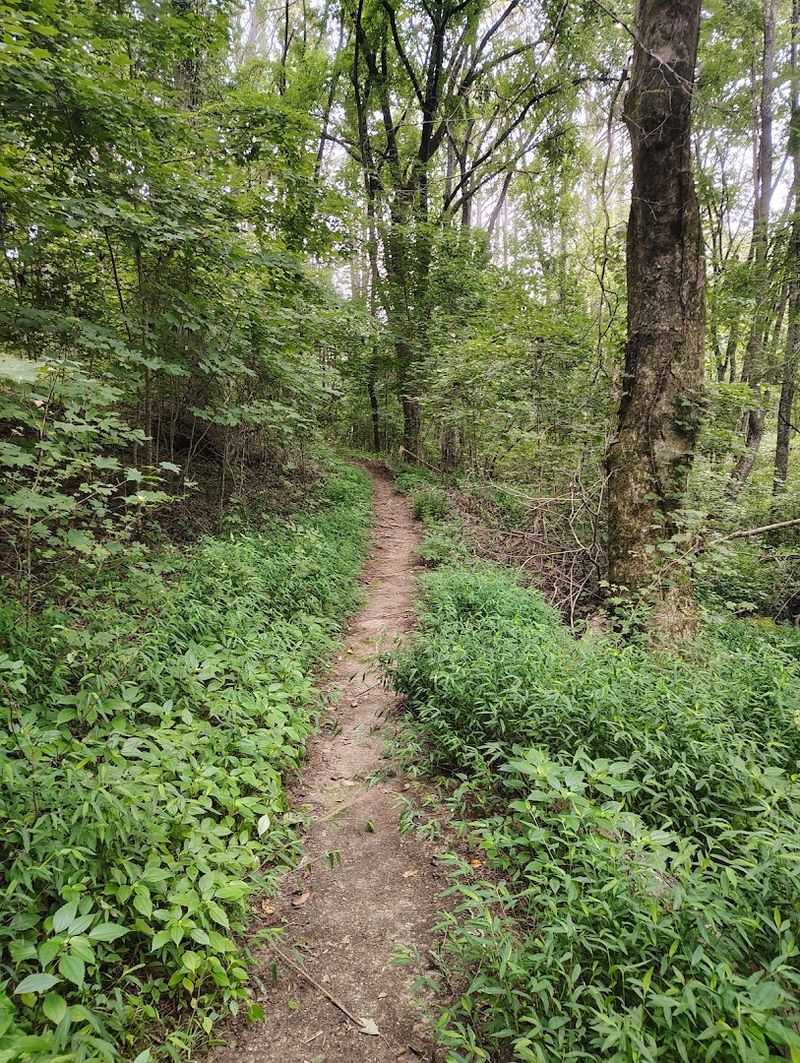
The trail itself keeps things interesting by mixing up what you’re walking through. You start in typical Tennessee woodland with plenty of tree cover and that earthy forest smell.
The path is wide enough that you don’t feel like you’re bushwhacking, though some sections get a bit overgrown depending on the season and how recently maintenance crews have been through.
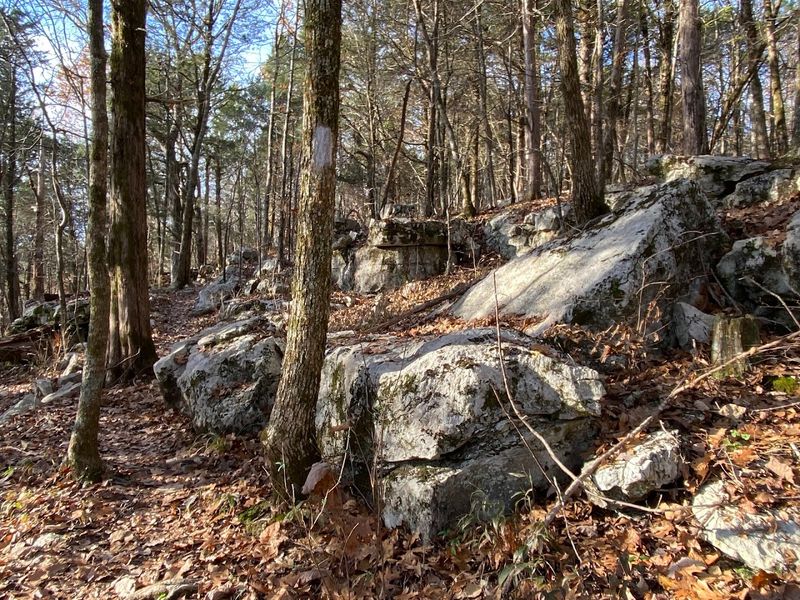
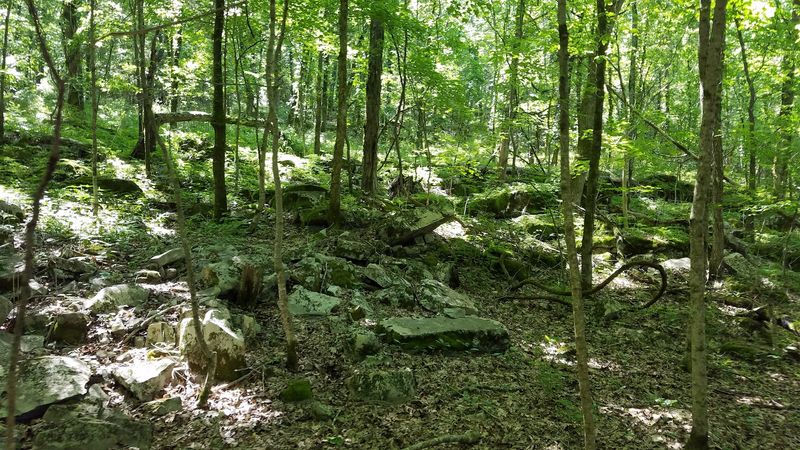
Then the landscape shifts and you hit the limestone sections. These exposed sedimentary rock formations are the real showstopper here.
Weather and time have carved the stone into interesting shapes and textures that make you want to stop and touch everything. Fossils hide in plain sight beneath your feet, pressed into rock that’s been there for millions of years.
The rocky portions require a bit more attention than your average paved greenway. Leaves and debris can cover gaps and holes in the limestone, so watching your step matters.
This isn’t dangerous terrain, but it’s actual wilderness rather than a manicured park trail. That’s part of the appeal for people who want a genuine hiking experience.
Trail markers exist, though reviews mention they could be clearer in spots. The main red-blazed path is your best bet for staying on track.
Some hikers report losing the trail temporarily, especially near the water, but a decent trail app on your phone solves that problem. The route is well-established enough that you won’t end up truly lost.
Elevation changes keep your muscles engaged without beating you up. You’ll climb some, descend some, and navigate around natural obstacles.
It’s the kind of terrain that makes you feel like you actually hiked something without leaving you completely wrecked. The varied landscape also means every section of trail offers something different to look at, preventing that boring sameness some trails develop.
Mountain Views Make The Climb Worth Every Step
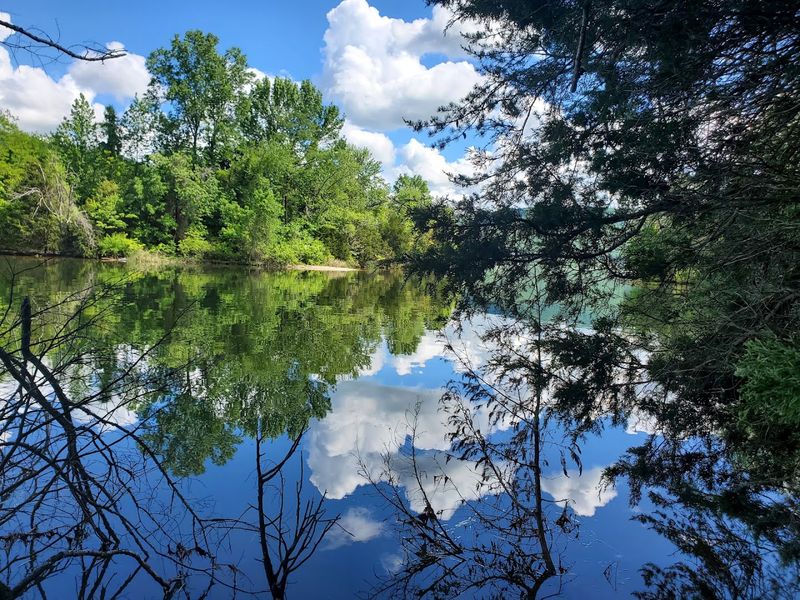
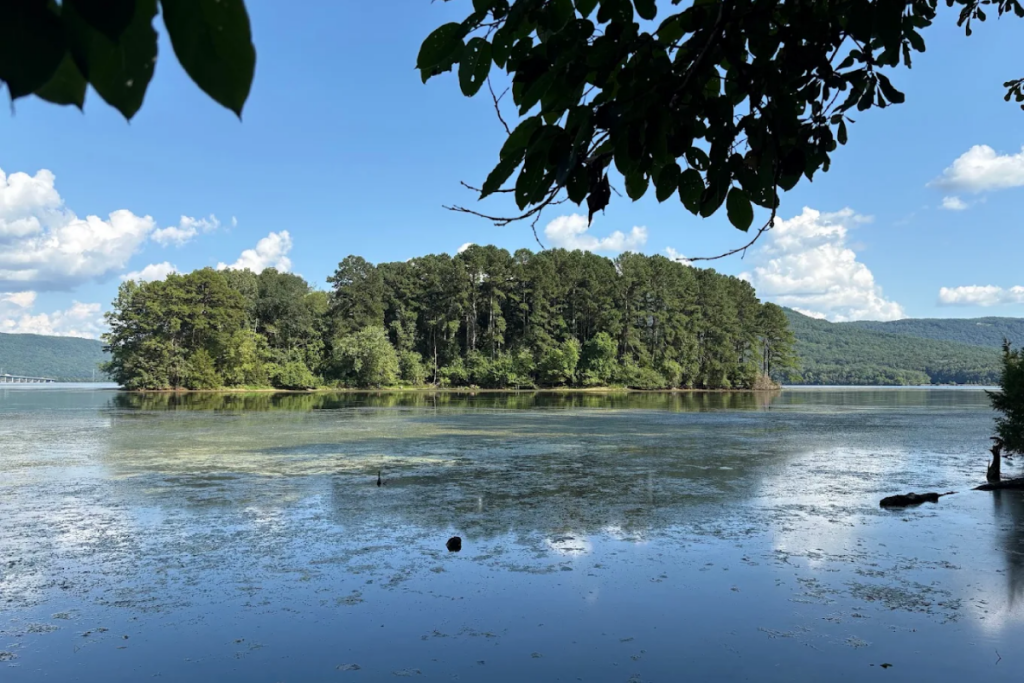
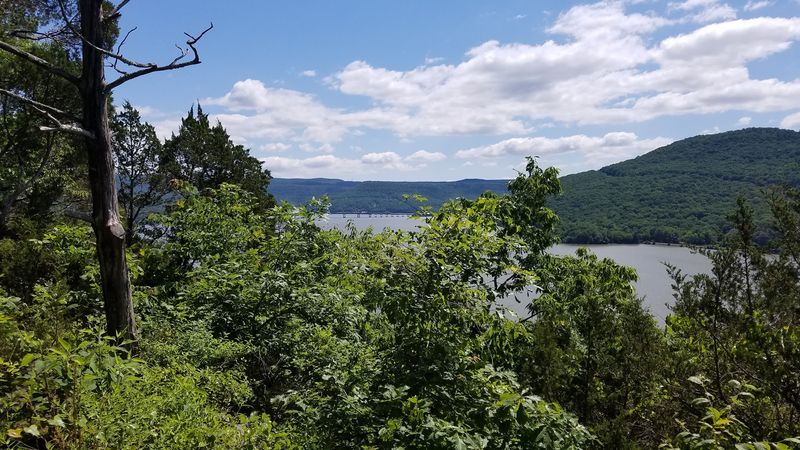
Reaching the viewpoints along this trail delivers that payoff moment every hiker craves. The Tennessee River spreads out below you, winding through the landscape with islands dotting the water.
It’s the kind of view that makes you stop talking and just stare for a minute, especially if you catch it during golden hour when the light hits just right.
The elevation you gain throughout the hike sets up these vista moments perfectly. You’re not climbing a mountain in the traditional sense, but you do get high enough to appreciate the geography of the area.
The river views show you how water has shaped this region over time, cutting through rock and creating the valleys that define Tennessee’s landscape.
What’s cool about the viewpoints here is they feel earned but accessible. You don’t need to be an experienced mountaineer or have serious endurance to reach them.
Families with elementary-age kids make it to the overlooks regularly. That balance between effort and reward is tricky to find, and Little Cedar Mountain nails it.
The scenery shifts as you move through different sections of the trail. Forest views transition to water views, and the rock formations create their own kind of dramatic backdrop.
On clear days, you can see for miles from the better vantage points. The river becomes this silver ribbon threading through green, and you get a real sense of how much wilderness still exists in Tennessee.
It’s easy to forget that when you’re surrounded by development and highways, but trails like this one remind you there’s still plenty of untamed land out there if you know where to look.
Wildlife Sightings Add To The Sense Of Adventure
The name Small Wild Area isn’t just bureaucratic labeling. This designated wildlife refuge actually protects habitat for various creatures who call this patch of Tennessee home.
Walking quietly increases your chances of spotting something interesting, whether that’s a deer moving through the trees or birds you don’t see in your backyard.
The refuge status means hunting isn’t allowed here, which makes animals less skittish than they might be elsewhere. They’re still wild and cautious, but you’re more likely to observe natural behavior when creatures aren’t worried about becoming someone’s dinner.
That creates better opportunities for actual wildlife watching rather than just seeing tracks and scat.
Hikers report various animal encounters, from the common to the occasionally surprising. Woodland animals respond to the relatively low human traffic by staying active during daylight hours.
You might catch movement in your peripheral vision and turn to see something scurrying through underbrush or a hawk circling overhead looking for lunch.
The diverse habitat supports different species in different areas. Forest sections host one set of animals while the rocky areas and riverside zones attract others.
This variety means every hike offers potential for new sightings. You never quite know what you’ll encounter, which keeps things exciting even if you’ve walked this trail before.
Bug spray and tick checks are non-negotiable here, according to multiple reviews. The healthy ecosystem that supports larger wildlife also means plenty of insects doing their thing.
Chiggers get mentioned specifically as a summer nuisance. Long pants and thorough bug spray application before you start hiking will save you days of itching later.
Check yourself carefully after the hike, especially for ticks, which are common in Tennessee woodlands. The wildlife experience includes the small stuff, not just the photogenic animals.
The Scenery Changes With Every Season
Spring brings wildflowers and that fresh green color that only happens when leaves first emerge. The forest explodes with new growth, and everything smells alive.
Water levels in the river run higher from spring rains, making the views from overlooks even more dramatic. Temperatures sit in that perfect range where you can hike comfortably without overheating or freezing.
Summer turns the refuge into a green tunnel. Full canopy coverage provides shade along most of the trail, which matters when Tennessee humidity kicks in.
The river becomes a more tempting sight when you’re sweating through your shirt. Early morning or evening hikes work better than midday slogs through summer heat, and that bug spray becomes absolutely essential.
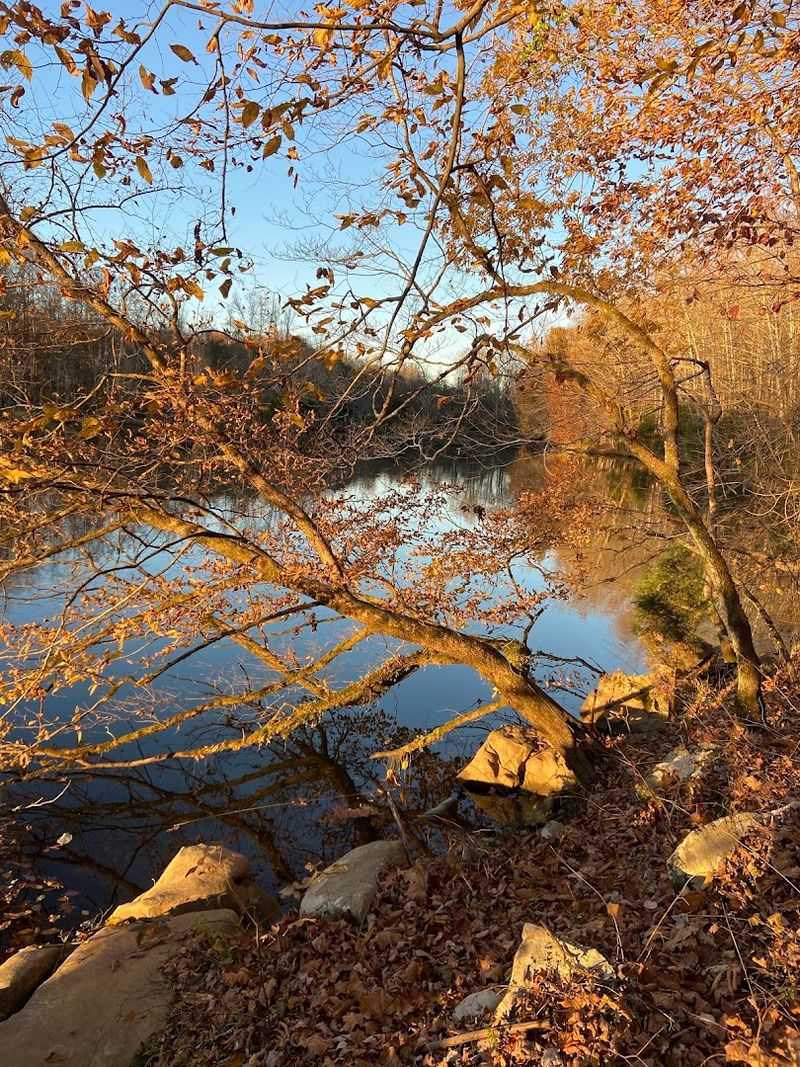
Fall transforms Little Cedar Mountain into something special. The hardwood forest puts on a color show that rivals more famous autumn destinations.
Cooler temperatures make hiking pleasant again, and the changing leaves create constantly shifting scenery. The crisp air and colorful backdrop make this season a favorite for many regular visitors.
Winter strips everything down to basics. Bare trees reveal views you can’t see during leafy months, and the rock formations stand out more starkly against brown and gray tones.
Cold weather hiking has its own appeal if you dress right, and you’ll have the trail almost entirely to yourself. The Tennessee River looks different under winter skies, taking on darker blues and grays.
Each season creates a completely different hiking experience on the same three-mile loop. Return visitors often say they barely recognize certain sections when they come back during a different time of year.
The seasonal changes keep the trail from getting stale and give you reasons to visit multiple times throughout the year rather than checking it off your list once and moving on.
Smaller Crowds Make This Trail Feel Like A True Hidden Gem
The small parking lot limits how many people can visit at once, which naturally controls crowds. You might share the trail with a handful of other hikers on a busy Saturday, but you won’t encounter the parade of people you’d find at more publicized spots.
That solitude factor makes a huge difference in how the experience feels.
Most visitors to the Chattanooga area head to the obvious attractions. They’re climbing Lookout Mountain, touring Rock City, or hitting trails that show up on every Tennessee hiking list.
Little Cedar Mountain flies under the radar, known mostly to locals and people who dig deeper than surface-level Google searches. That relative obscurity protects it from the overcrowding that’s ruining more famous trails.
You can actually stop and enjoy views without someone immediately walking into your photo. You can sit on rocks and listen to forest sounds without competing with a dozen conversations happening around you.
The wildlife doesn’t disappear because groups of loud hikers scared everything away. These things sound minor until you’ve experienced them disappearing at popular destinations.
The lack of facilities reinforces the uncrowded nature. There are no bathrooms, visitor centers, or concession stands here.
That keeps away casual tourists who want nature with full amenities. You need to come prepared with water and snacks, and you need to pack out whatever you pack in.
This basic approach to trail management filters out people who aren’t serious about actually hiking.
Local hikers appreciate having a spot they can visit without planning around crowds or arriving at dawn to snag parking. The trail maintains that neighborhood feel where regulars recognize each other and everyone respects the space.
As more people discover it, that dynamic might change, but for now Little Cedar Mountain remains genuinely uncrowded compared to Tennessee’s better-known outdoor destinations.
What To Know Before Exploring Little Cedar Mountain Trail
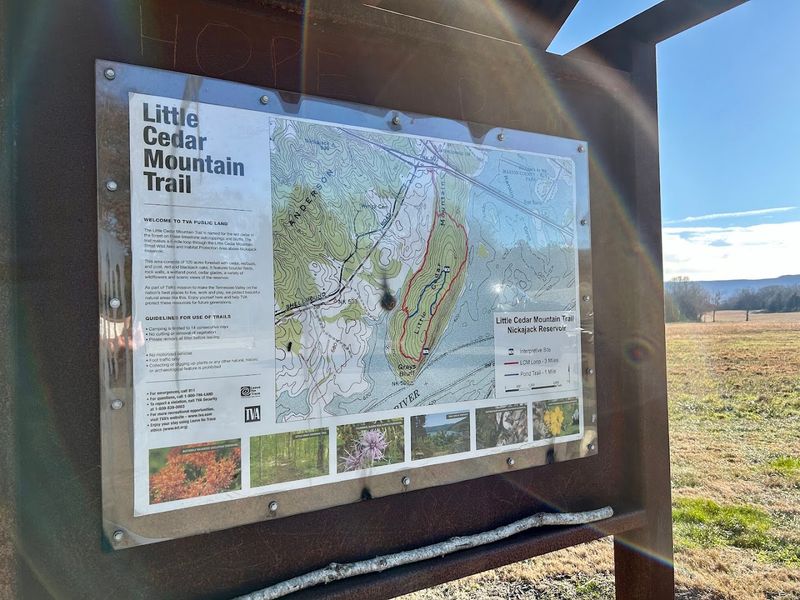
Getting there is straightforward once you know the trick. Exit I-24 and head to the stop sign, then turn right.
The entrance appears immediately on your left at 715 TVA Road. Some GPS directions get confused, so knowing that simple instruction prevents you from driving around lost.
The small parking area sits right off the road, impossible to miss once you’re looking for it.
The main loop runs approximately three miles and takes most people between one and two hours depending on pace and how often you stop. An additional smaller loop exists within the larger one if you want extra mileage.
The trail is marked with red blazes, though staying alert helps since markers aren’t always perfectly clear, especially in rocky sections near the water.
Bring your own water and snacks since nothing is available on-site. No bathrooms exist at the trailhead, so plan accordingly before you arrive.
Cell service can be spotty in some areas, which makes downloading a trail map or using an offline-capable GPS app smart preparation. AllTrails and similar apps work well here for navigation backup.
Wear real hiking shoes or sturdy sneakers rather than sandals, despite one brave soul’s successful sandal hike. The rocky terrain and potential for twisted ankles make proper footwear worth it.
Long pants help protect against bugs and give you some defense against ticks and chiggers. Apply bug spray generously before starting, not after you’re already being eaten alive. Check yourself thoroughly for ticks after hiking. They’re common in Tennessee forests, and Lyme disease isn’t something to mess around with.
Look carefully at hairlines, behind ears, and other warm spots where ticks like to attach. Camping and fires are allowed in designated fire rings if you want to extend your visit beyond a day hike.
The refuge permits overnight stays, giving you options for a more immersive wilderness experience without traveling to backcountry locations.
Share this story