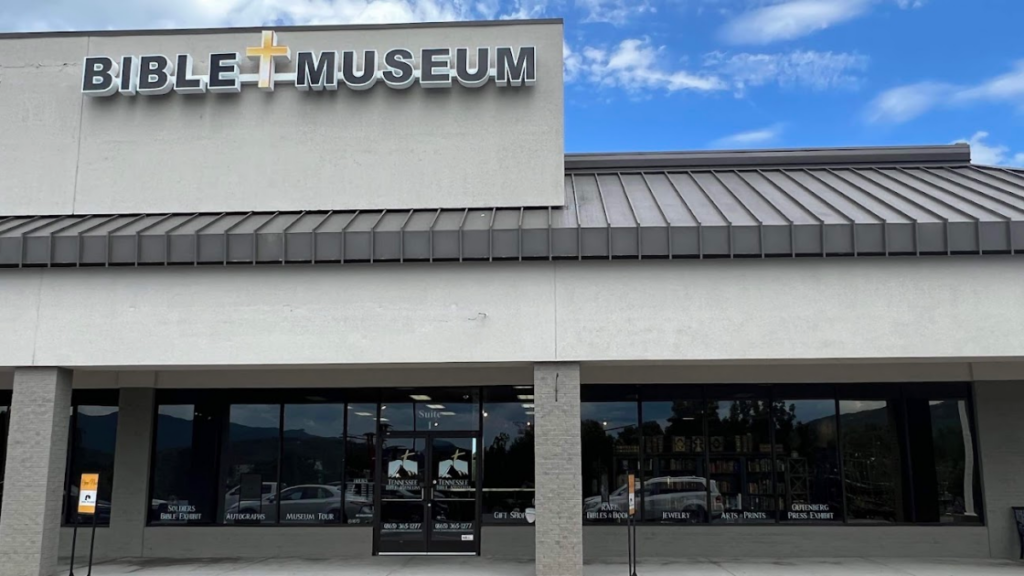
Tucked away in Pigeon Forge sits a museum that most visitors never expect to find. The Tennessee Bible Museum houses one of the most remarkable collections of historic Bibles and biblical artifacts you’ll see anywhere in the South.
Whether you’re a history buff, a person of faith, or just curious about how the world’s most printed book came to be, this hidden gem offers an experience that’s equal parts educational and inspiring.
A Quietly Fascinating Museum in the Heart of Pigeon Forge
Most people come to Pigeon Forge expecting pancake houses, go-kart tracks, and enough neon to light up the night sky. What they don’t expect is a museum dedicated entirely to the history of Scripture, sitting right off Wears Valley Road like it’s been waiting for curious minds to wander in.
The Tennessee Bible Museum doesn’t shout for attention, but once you step inside, you realize it’s one of the most thoughtful stops in town.
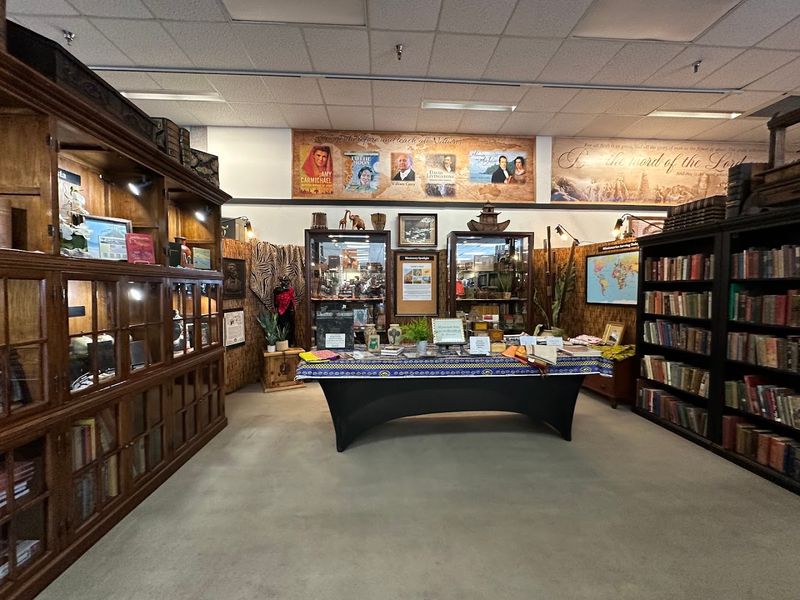
The building itself is modest. There’s a welcoming bookstore up front filled with new and used Christian titles, vintage hymnals, and theological works that are tough to find anywhere else.
Hymns play softly in the background, and the staff greets you like you’re a neighbor stopping by for coffee. It’s the kind of place that immediately feels different from the usual tourist hustle.
What makes this museum special isn’t just the collection—it’s the care behind it. Everything here is part of a personal collection assembled over years by people who genuinely love what they’re sharing.
You’re not walking through sterile glass cases with generic placards. You’re getting a curated experience that feels intimate and intentional.
Calling ahead is smart if you want to catch a tour, which runs about an hour and costs around fifteen dollars per person. Kids under ten get in free.
The museum is open six days a week, closed on Sundays, and the owners are more than happy to adjust schedules if you need to switch times. It’s low-pressure, high-value, and refreshingly un-commercialized in a town that thrives on spectacle.
Step Inside and Discover Bibles From Centuries Past
Walking into the museum tour feels like stepping into a timeline you didn’t know existed. The collection spans centuries, with Bibles dating back as far as the 1200s.
These aren’t reproductions or replicas—they’re the real deal, carefully preserved and displayed in curtained-off rooms that guide you through the evolution of Scripture. One of the most memorable parts of the experience is getting to hold a Bible printed in the 1600s. Yes, actually hold it.
The weight of it in your hands, the texture of the leather cover, the delicate pages—it’s a tactile connection to history that you won’t forget. Tour guides know their stuff and present each artifact with context that makes the details stick.
You’ll see manuscripts and fragments that show how scribes painstakingly copied texts by hand before the printing press changed everything. The level of care those early scribes took is humbling. Every letter mattered. Every word was deliberate.
Hearing about that dedication while looking at the actual pages they produced adds a layer of appreciation you can’t get from a textbook.
The museum also features unusual editions, including celebrity-owned Bibles and misprints that became famous in their own right. Frank Capra’s Bible is there, along with the Shields of Faith Bible—a pocket-sized, steel-covered edition given to service members to carry over their hearts in combat.
Each piece has a story, and the guides make sure you hear it.
Rare Editions Reveal How Scripture Changed Through Time
Watching how the Bible transformed over the centuries is like watching a master class in human ingenuity. The Tennessee Bible Museum doesn’t just show you old books—it shows you how language, technology, and culture shaped the way Scripture was shared across generations.
You’ll see how translations evolved, how printing methods improved, and how different communities adapted the text to their needs.
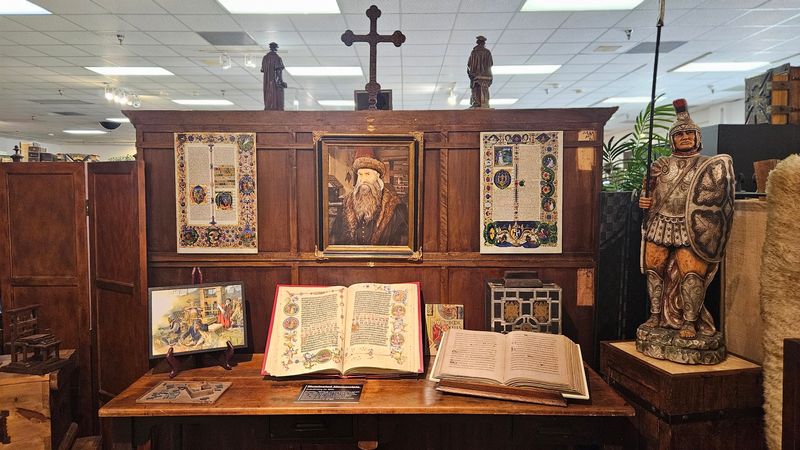
Illuminated Bibles with gold flourishes and hand-painted illustrations are absolute showstoppers. The artistry involved is breathtaking.
These weren’t just religious texts—they were works of art created by people who believed they were handling something sacred. The detail in the margins, the elaborate initial letters, the vivid colors that somehow survived hundreds of years—it’s all right there for you to study up close.
The museum also highlights how the Bible was translated into different languages and distributed to people who had never been able to read it in their own tongue. You’ll learn about the risks translators took, the political battles they fought, and the impact those translations had on entire societies.
It’s history that feels urgent and personal, not dry or distant.
Visitors often mention how much they learned about printing history, too. The shift from handwritten manuscripts to movable type revolutionized access to Scripture, and seeing examples from both eras side by side makes that revolution feel real.
You’ll leave with a deeper understanding of how much effort went into making the Bible available to everyone.
Every Display Has a Remarkable Story Behind It
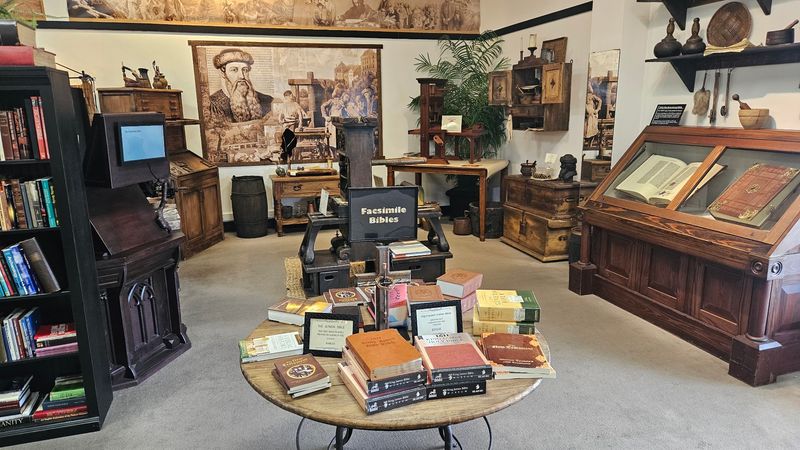
What separates this museum from a simple archive is the storytelling. Every Bible, every fragment, every artifact comes with a narrative that connects you to the people who owned it, copied it, or risked everything to preserve it.
The guides—often the owners themselves—know these stories inside and out, and they share them with genuine enthusiasm.
Take the celebrity Bibles, for instance. These aren’t just cool collectibles—they’re windows into how faith played a role in the lives of notable figures.
Seeing Frank Capra’s Bible makes you think about the man behind “It’s a Wonderful Life” in a whole new way. The personal inscriptions, the worn pages, the bookmarks left in place—they all tell a story about how these individuals interacted with Scripture.
Then there are the misprints, which have their own fascinating histories. Some became infamous, others became cherished oddities.
Hearing about how a single typo could change the meaning of a passage—and how those mistakes were corrected or preserved—adds a human element to the otherwise meticulous world of Bible production.
The Shields of Faith Bible is another crowd favorite. Knowing that soldiers carried these steel-covered pocket Bibles into battle, hoping they’d stop a bullet, gives you chills.
It’s a tangible reminder of how deeply people valued both their faith and their survival. The museum doesn’t just display these items—it honors the lives they touched.
Historic Printing, Artwork, and Craftsmanship Fill the Collection
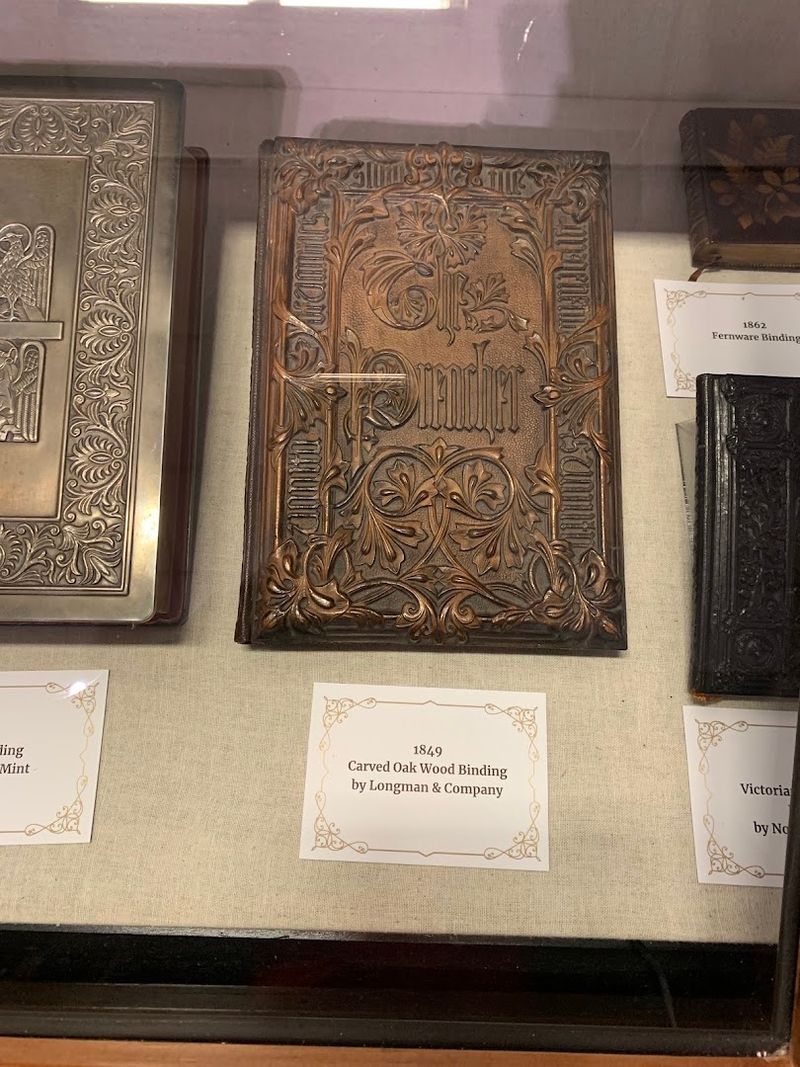
If you’ve ever wondered how Bibles were made before modern technology, this museum answers that question in vivid detail. The collection includes examples of early printing techniques, showcasing the tools and methods that made mass production possible.
You’ll see how movable type worked, how pages were assembled, and how covers were crafted by hand.
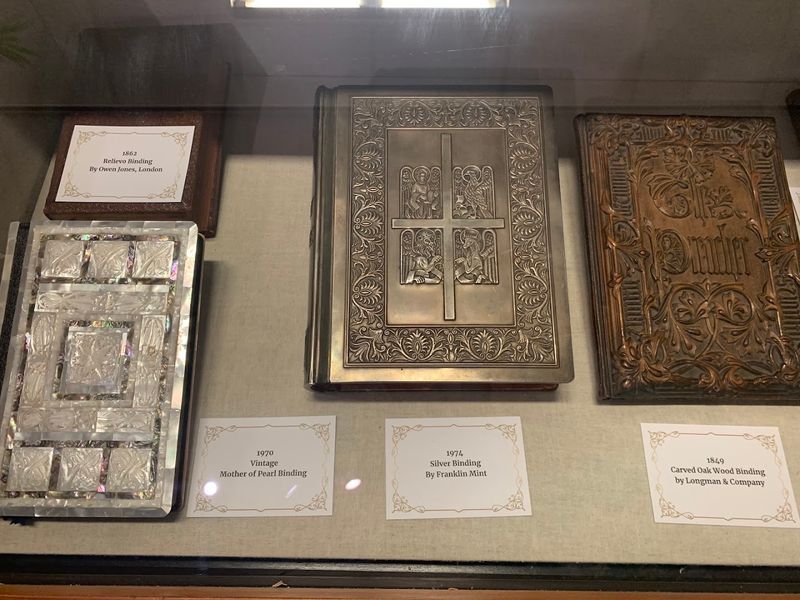
The craftsmanship on display is staggering. Leather bindings tooled with intricate designs, metal clasps that still function after centuries, endpapers decorated with marbled patterns—every element was created with care.
These weren’t disposable items. They were built to last, and many of them have lasted far longer than anyone expected.
The museum also highlights the artistry that went into illuminating manuscripts. Gold leaf, hand-mixed pigments, delicate brushwork—it all required skill and patience that’s hard to imagine in our age of instant everything.
Seeing these pages up close makes you appreciate the hours of labor that went into a single decorated initial or a border filled with vines and flowers.
Visitors often comment on the variety of cover materials and page types. Some Bibles were printed on vellum, others on early paper that’s surprisingly durable.
Some covers are simple cloth, others are elaborate leather with brass corners and engraved plates. The range shows how different communities valued and protected their Scriptures, and how those values were reflected in the physical object itself.
You Do Not Have to Be a Scholar to Enjoy the Experience
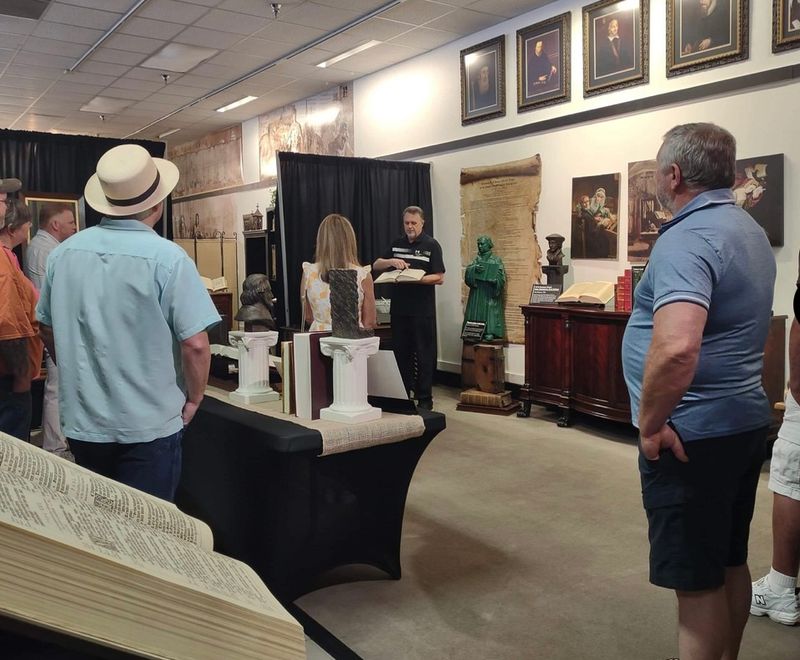
One of the best things about the Tennessee Bible Museum is how approachable it is. You don’t need a theology degree or a background in history to get something meaningful out of the visit.
The guides present information in a way that’s engaging and easy to follow, no matter your level of familiarity with the subject.
Families bring kids, couples stop by on vacation, solo travelers wander in out of curiosity—everyone finds something to connect with. The tour is paced well, with plenty of opportunities to ask questions or linger over a particular display.
The bookstore portion alone is worth the trip, even if you skip the tour. Shelves are packed with hard-to-find theological works, vintage Christian books, devotionals, and gifts.
You can browse at your own pace, and the staff is happy to help you track down something specific or recommend a title based on your interests. Many visitors end up buying a few books or fragments of old manuscripts to take home.
The museum is also handicap-accessible, with restrooms on site and plenty of parking. Admission is affordable—under fifteen dollars for adults, free for kids under ten.
It’s a budget-friendly stop that delivers far more value than many of the pricier attractions in Pigeon Forge. Whether you’re a person of faith or just someone who loves history, you’ll leave with new knowledge and a fresh perspective.
Why the Tennessee Bible Museum Is Worth Adding to Your Trip
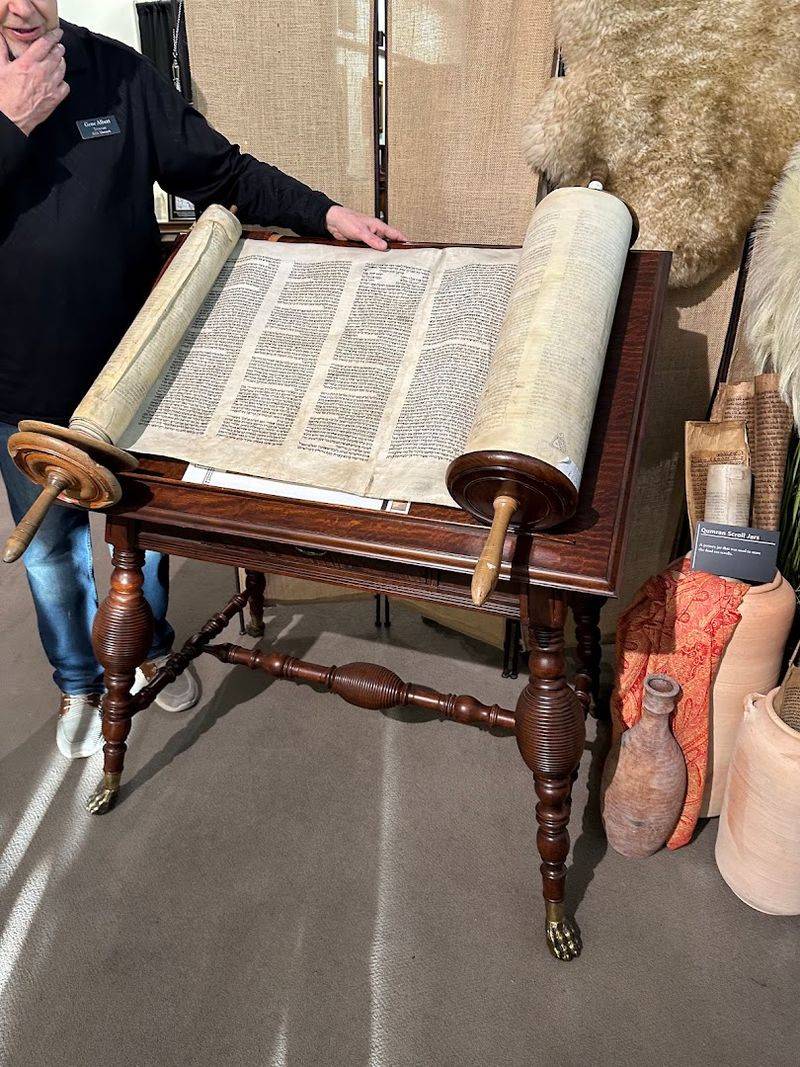
Pigeon Forge is packed with entertainment options, but the Tennessee Bible Museum offers something you won’t find on the strip. It’s a chance to slow down, think deeply, and engage with history in a way that feels personal and meaningful.
In a town built on spectacle, this museum is a quiet counterpoint—a place where you can actually learn something without fighting through crowds or waiting in long lines.
The collection is unique. You’re not going to see Bibles dating back to the 1200s at just any roadside attraction.
The artifacts here are rare, carefully curated, and presented with knowledge and respect. The fact that much of the collection comes from a personal archive makes it even more special.
These aren’t items bought in bulk for a generic museum experience—they’re treasures gathered over years by people who care deeply about their significance.
Visitors consistently rave about the staff. Whether it’s Bethany, Jonathan, Mark, or one of the owners, everyone who works here is friendly, knowledgeable, and eager to share what they know.
They’re not reading from a script—they’re genuinely passionate about the subject, and that enthusiasm is contagious. It’s the kind of place where you feel welcomed, not sold to.
The museum is also evolving. New ownership has plans for expansion, including a butterfly garden and a biblical plant garden. That means future visits will offer even more to explore. If you’re looking for an attraction that’s educational, affordable, and refreshingly different, this is it.
Call ahead to book your tour, and give yourself time to browse the bookstore. You won’t regret it.
Share this story