Tucked away in downtown Waco sits a museum unlike any other in the Lone Star State. The Dr Pepper Museum celebrates the iconic soda that was born right here in Texas back in 1885. Housed in a historic 1906 bottling plant, this three-story tribute to fizzy drinks offers way more than you’d expect from a soda museum, blending local history, vintage Americana, and hands-on fun into one unforgettable stop.
1. The Original Artesian Well That Started It All
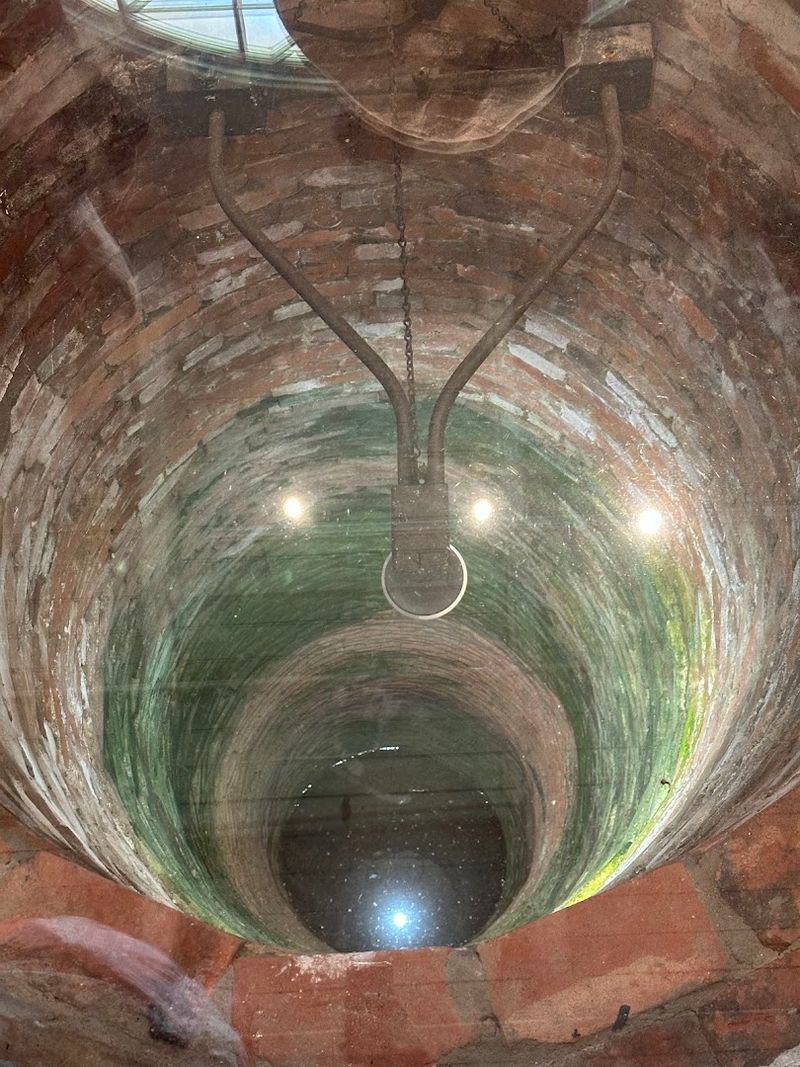
Standing over a sealed well that once supplied the original water for Dr Pepper feels like peering into a time capsule. This isn’t just any well—it’s the actual source that provided purified mineral water back when the drink was marketed as a health tonic. The well looks bottomless when you stand over it, and knowing it was later used as a trash pit adds an unexpected twist to the story.
The museum has preserved this piece of history right inside the building, letting visitors get up close to where it all began. You can actually stand on the glass covering and look down into the depths, which makes for a pretty cool photo opportunity. Kids especially love this part because it feels a little mysterious and slightly spooky.
What makes this feature even more interesting is learning how Dr Pepper’s creator believed in the healing properties of carbonated mineral water. Back in the late 1800s, pharmacists mixed sodas as medicinal drinks, not just refreshments. This well represents that entire era of American history when soda fountains were part of drugstores and people genuinely thought these fizzy concoctions could cure ailments.
The well serves as a tangible connection to Waco’s role in soft drink history and reminds visitors that Dr Pepper’s roots run deep—literally.
2. Three Floors Packed With Vintage Memorabilia
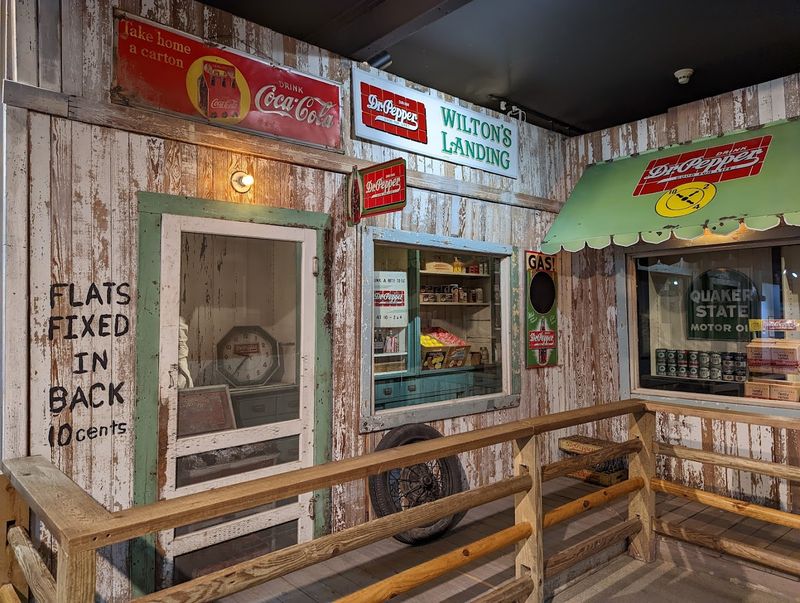
Forget minimalist exhibits—this place is absolutely stuffed with treasures from every era of Dr Pepper history. Vintage bottles line the walls in rainbow arrangements, showing how packaging evolved from simple glass to wild promotional designs. Old tin signs, cardboard cutouts, and neon advertisements transport you straight back to mid-century America when soda brands competed for attention with bold, creative marketing.
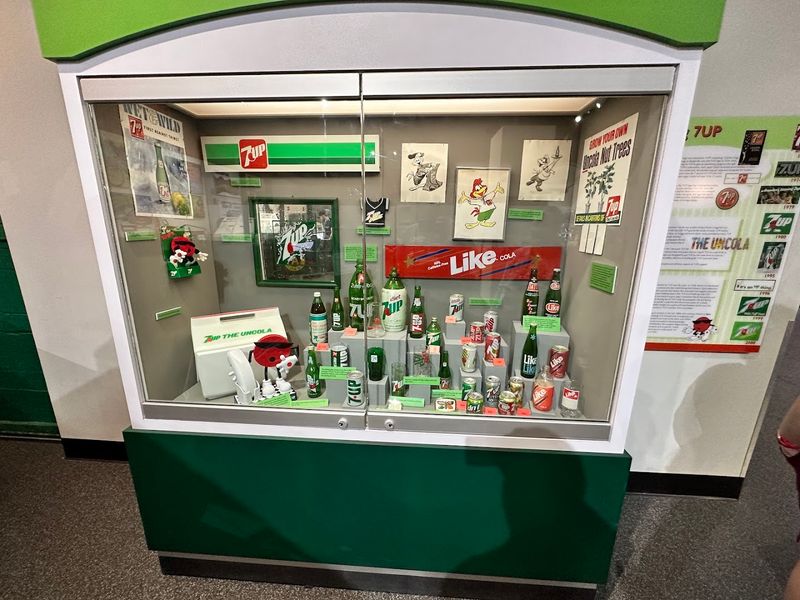
Each floor focuses on different aspects of the brand’s journey. You’ll find everything from early bottling equipment to Rose Bowl parade float photos to delivery trucks that once rumbled through Texas streets. The museum doesn’t just cover Dr Pepper either—displays include 7-Up, Big Red, Nehi, and other classic sodas that share the same bottling heritage.
What really stands out is the sheer volume of artifacts. Glass cases hold rare promotional items, employee uniforms, and even excavated bottles dug up from old dump sites. The museum smartly weaves in broader cultural context too, with exhibits touching on segregation, lunch counter sit-ins, and women entering the workplace during different historical periods.
It’s not just soda history—it’s American social history told through the lens of a beloved Texas brand. Plan to spend at least two hours if you actually want to read everything and appreciate all the details packed into every corner.
3. The Old-Fashioned Soda Fountain Experience
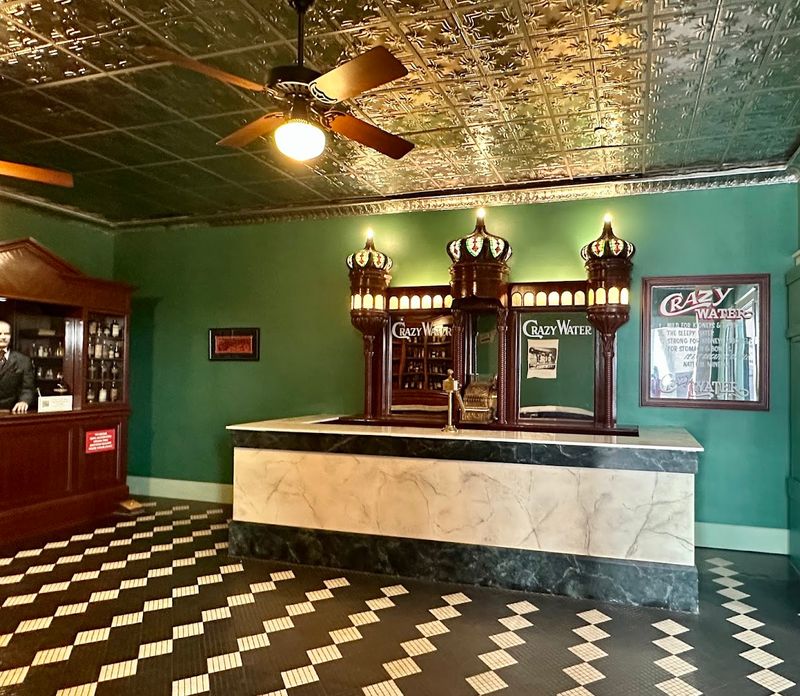
Your admission ticket includes something special—a freshly mixed Dr Pepper made the old-fashioned way at an authentic soda fountain. This isn’t just cracking open a can. A real soda jerk mixes syrup and carbonated water right in front of you, creating the drink exactly how it tasted when your great-grandparents first tried it.
The difference in taste surprises most people. Hand-mixed soda has a different texture and flavor profile than mass-produced bottles, with a cleaner, crisper finish that feels more refreshing. The fountain sits in a separate building from the main museum, designed to look like a classic mid-century soda shop complete with vintage decor and cheerful staff who clearly enjoy their jobs.
If you’re feeling extra indulgent, you can upgrade your free drink to a Dr Pepper float for just a dollar more. Visitors rave about the caramel Dr Pepper float in particular—it’s become something of a cult favorite. The float comes in a souvenir cup you can take home, which makes it an even better deal.
The soda fountain area also houses additional exhibits showing bottling equipment and production processes, so you’re learning even while treating yourself. Families especially appreciate this feature because it gives kids something tangible to look forward to after walking through exhibits, and honestly, even adults light up when they taste that first sip of fountain-made Dr Pepper.
4. Make-A-Soda Laboratory Experience
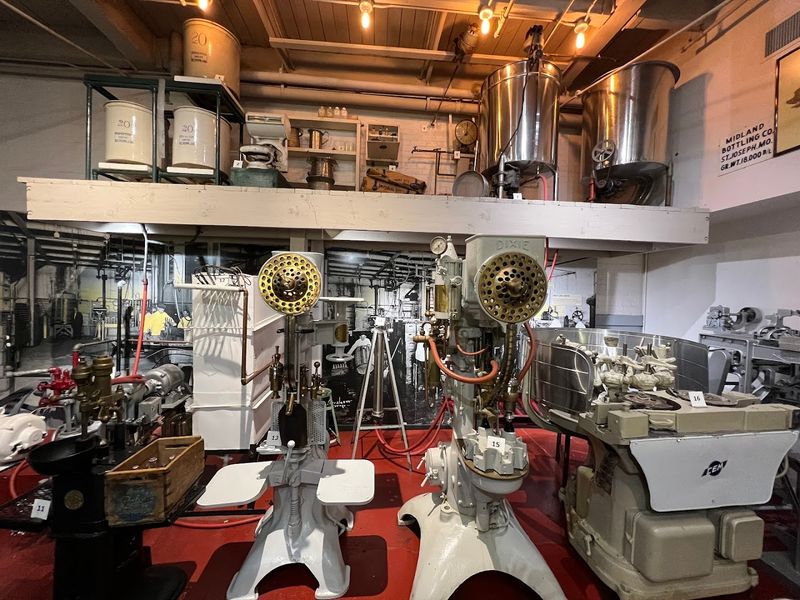
Ever wondered what it’s like to be a flavor chemist? The museum’s Make-A-Soda experience lets you mix your own custom soft drink creation using professional equipment and a variety of flavor syrups. This hands-on activity costs extra beyond admission, but families consistently call it the highlight of their visit, especially for kids who love experimenting.
You’ll work at an actual lab station with guidance from staff members who explain the science behind soda creation. The experience teaches you about flavor balancing, carbonation, and why certain combinations work better than others. You get to bottle your creation, design a custom label, and take it home as a one-of-a-kind souvenir that you literally can’t get anywhere else.
The only downside mentioned by visitors is that the session feels a bit rushed, especially when the museum is busy. Staff need to keep things moving to accommodate everyone who’s booked the experience, so you might not get as much experimental time as you’d like. Despite this, both kids and adults walk away grinning with their personalized bottles.
Some reviewers mentioned that even grandparents got into the fun, proving this activity has genuine cross-generational appeal. Book this experience at least a week in advance if you’re visiting during peak times, because spots fill up quickly and walk-ups often can’t be accommodated.
5. The Historic 1906 Bottling Plant Building
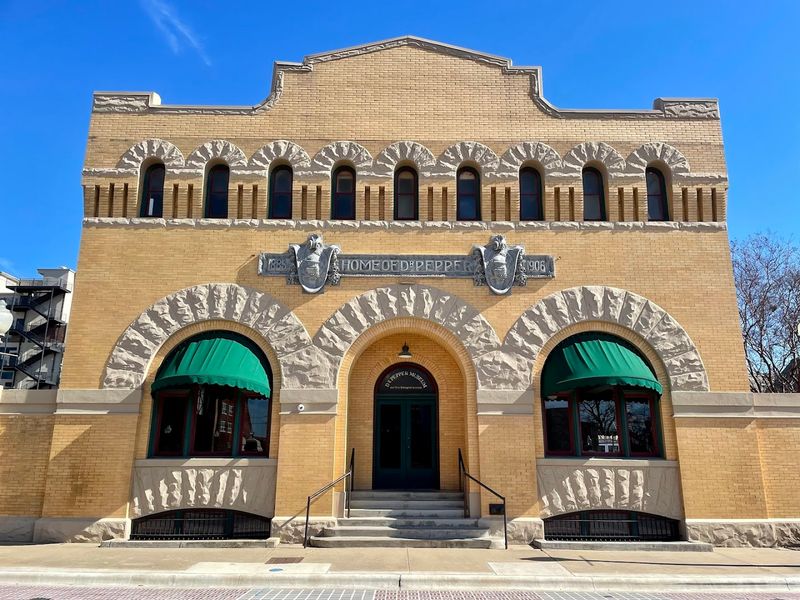
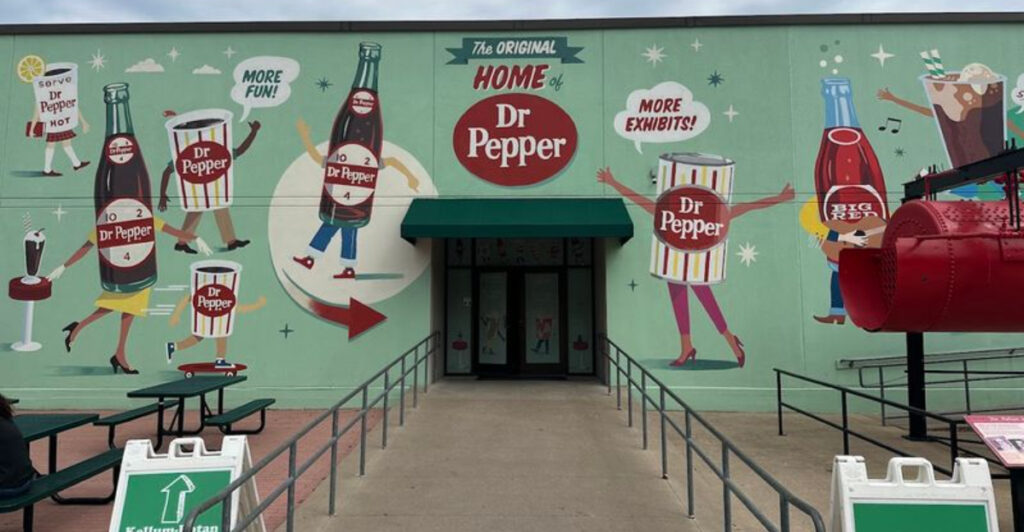
Before you even step inside, the building itself commands attention. This gorgeous red brick structure dates back to 1906 and served as an actual working bottling plant for decades. The industrial architecture has been beautifully preserved, maintaining that authentic early-20th-century character that modern buildings just can’t replicate.
Walking up to it feels like stepping onto a movie set of old-time Texas.
The building’s layout still reflects its original purpose, with high ceilings, large windows, and sturdy construction designed to house heavy bottling machinery. The museum has smartly maintained these industrial elements while converting the space into engaging exhibit areas. Exposed brick, original floors, and architectural details remind you constantly that this isn’t just a museum—it’s the actual birthplace of Dr Pepper bottling operations.
Location-wise, you’re right in downtown Waco at 300 South 5th Street, within walking distance of other attractions like Magnolia Market. Street parking is free if you’re willing to walk a block or two, which beats paying for the lot across the street. The building’s upper floors offer beautiful views of Waco through those big industrial windows, giving you a sense of how the city has grown around this historic landmark.
The exterior walls feature artwork and murals, plus picnic tables where you can sit and enjoy your Dr Pepper float while soaking in the atmosphere.
6. Vintage Delivery Vehicles and Transportation History
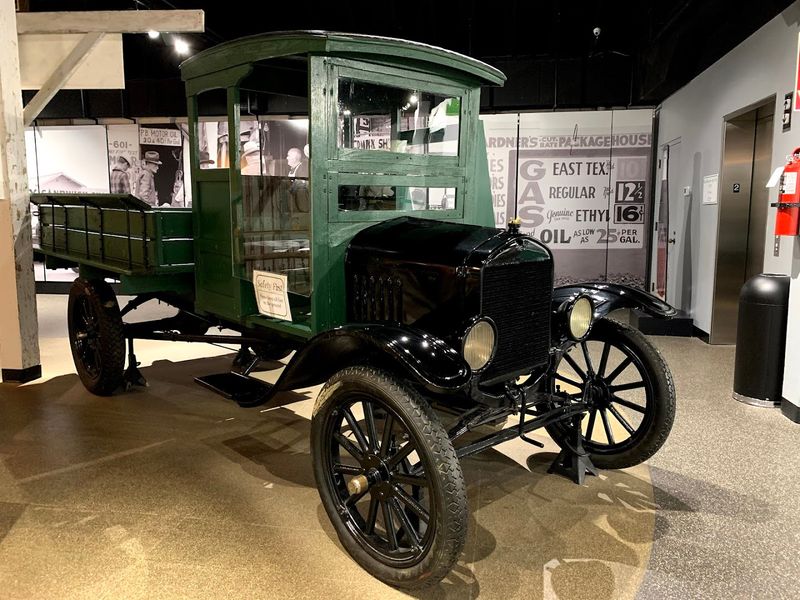
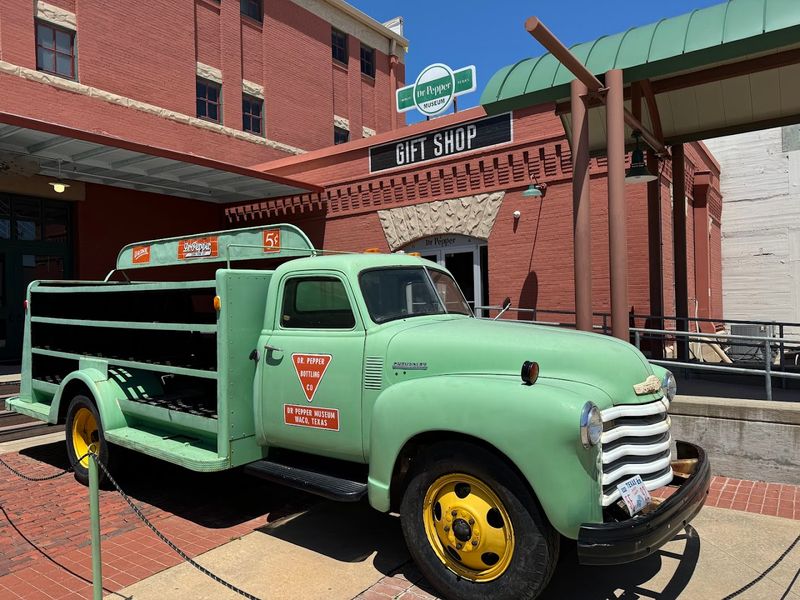
Two delivery trucks and an original horse-drawn wagon sit on display, offering a fascinating glimpse into how Dr Pepper reached customers before modern distribution networks existed. These aren’t replicas—they’re actual vehicles that rumbled through Texas streets loaded with cases of soda. The wagon especially captures imaginations, representing an era when a horse and cart were cutting-edge delivery technology.
The trucks showcase different eras of the company’s history, with period-appropriate paint schemes and branding that evolved as graphic design trends changed. Kids love climbing into the vintage car seat that’s set up for photo opportunities, pretending to be delivery drivers from decades past. These vehicles aren’t just parked randomly either—the museum provides context about distribution challenges, route planning, and how the bottling industry worked in different time periods.
What makes this exhibit particularly engaging is how it connects to broader Texas history. These trucks traveled the same roads that were transitioning from dirt to pavement, serving towns that were growing rapidly during oil booms and agricultural expansion. The vehicles represent the backbone of how regional soda companies built their empires—one delivery at a time, creating customer loyalty through reliable service and local presence.
It’s easy to overlook transportation history in museums, but seeing these beautifully preserved vehicles reminds you that getting product to customers was just as important as creating a great recipe.
7. Rare And Discontinued Flavors To Sample
Here’s something you can’t experience anywhere else—the chance to taste Dr Pepper flavors that never made it to store shelves or have been discontinued for years. The museum occasionally offers samples of experimental varieties, limited releases, and regional flavors that most people never knew existed. For true Dr Pepper enthusiasts, this alone makes the trip worthwhile.
The soda fountain area serves as the tasting headquarters, where staff can mix up special varieties or pour from bottles of rare flavors. Some visitors have tried everything from unusual fruit combinations to vintage recipe recreations that taste noticeably different from today’s formula. It’s like a time machine for your taste buds, showing how flavor preferences and sweetness levels have shifted over the decades.
The museum doesn’t advertise exactly which rare flavors will be available on any given day, which adds an element of surprise to each visit. Some lucky visitors have sampled flavors that were test-marketed in specific regions but never went national, while others have tried anniversary editions or international variations. The staff genuinely enjoys sharing these special sodas and often provides background stories about why certain flavors flopped or succeeded.
This interactive element transforms the museum from a passive viewing experience into genuine flavor exploration, making it memorable for food enthusiasts and casual visitors alike. Don’t forget to ask what’s available—sometimes the best experiences aren’t immediately obvious.
8. Civil Rights And Cultural History Exhibits
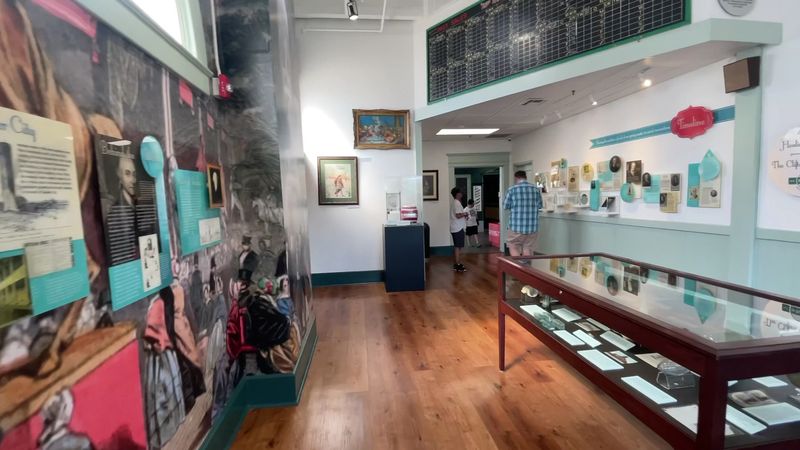
Something unexpected elevates this museum beyond simple brand nostalgia—thoughtful exhibits exploring America’s civil rights movement and social change through the lens of soda fountains. Lunch counters weren’t just places to grab a drink; they became battlegrounds for integration during the 1950s and 60s. The museum doesn’t shy away from this complicated history, instead embracing it as part of the complete story.
Displays document how segregation affected soda fountains and restaurants, including powerful photographs and firsthand accounts from people who participated in sit-ins. You’ll learn about the women who broke barriers working in bottling plants and offices during eras when career options were severely limited. These exhibits provide crucial context that younger generations especially need to understand about how recently these changes occurred.
The museum deserves real credit for integrating these difficult topics naturally into the overall experience. Rather than feeling preachy or tacked-on, the civil rights content flows logically as part of American cultural history that intersected with the soft drink industry. Parents have mentioned how these exhibits sparked meaningful conversations with their children about justice, progress, and why representation matters.
It’s refreshing to find a corporate-sponsored museum willing to address uncomfortable truths rather than presenting a sanitized version of history. This depth transforms what could have been a simple nostalgia trip into something genuinely educational and thought-provoking for all ages.
9. Gift Shop With Exclusive Dr Pepper Merchandise
Every museum visit ends at the gift shop, and this one stocks the kind of Dr Pepper merchandise you won’t find at your local grocery store. From vintage-style tin signs to quirky collectibles, the shop caters to fans looking for something more special than standard logo gear. You’ll find everything from kitchen gadgets to clothing items, though some visitors note the selection could be more extensive.
The souvenir cups from the soda fountain have become popular keepsakes, and specialty items like replica vintage bottles or limited-edition artwork attract serious collectors. Prices run the typical museum range—not cheap, but reasonable considering you’re supporting a nonprofit organization dedicated to preserving soft drink history. The shop also carries items related to other classic soda brands, not just Dr Pepper.
One legitimate criticism from reviewers is that the gift shop feels smaller and less impressive than expected given the museum’s overall quality. The clothing selection only extends to 2XL, which excludes many potential customers, and some items duplicate what you could find in any novelty shop. Visitors hoping for truly exclusive, museum-specific merchandise sometimes leave disappointed.
That said, the staff is friendly and helpful, and purchasing something does support the museum’s educational mission. If you’re visiting specifically for unique Dr Pepper collectibles, manage your expectations—but you’ll still likely find something fun to commemorate your trip to this one-of-a-kind Texas attraction.
Share this story