
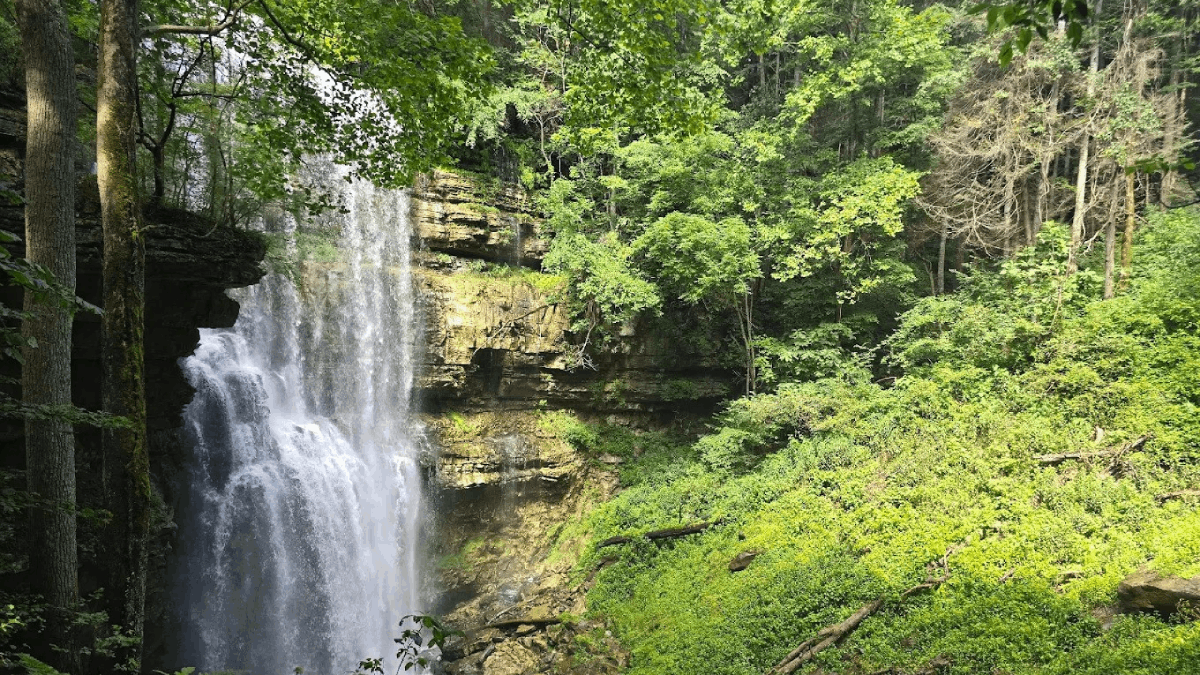
Hidden deep in the Tennessee wilderness lies a waterfall so unique that it defies everything you thought you knew about cascading water. Virgin Falls doesn’t just flow down rocks and collect in a pool like other waterfalls. Instead, this natural wonder emerges from one cave, plunges 110 feet through the air, and then vanishes completely into another cave below, creating one of the most mysterious and powerful sights in the entire state.
If you’re looking for an adventure that combines stunning beauty with geological mystery, this is the hike that will leave you absolutely speechless.
Why Virgin Falls Is One of Tennessee’s Most Incredible Natural Wonders
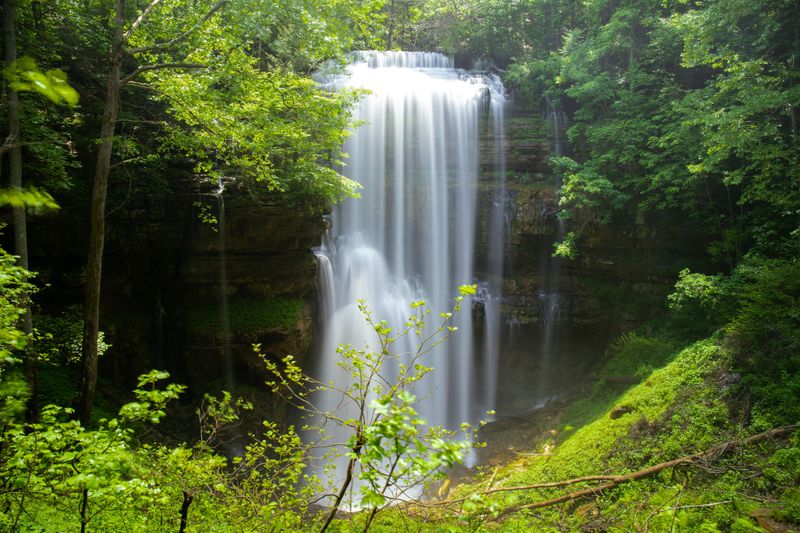
Most waterfalls follow a predictable pattern, but Virgin Falls breaks all the rules in the most spectacular way. Water mysteriously emerges from a cave high up on the cliff face, free-falls 110 feet through open air, and then disappears completely into another cave at the bottom.
There’s no stream feeding it from above and no pool collecting it below. The entire show happens between two dark cave openings, making it one of the rarest waterfall formations in North America.
This geological oddity occurs because underground streams carve through the limestone plateau, briefly surfacing to create this breathtaking display.
A Waterfall That Disappears Into a Cave
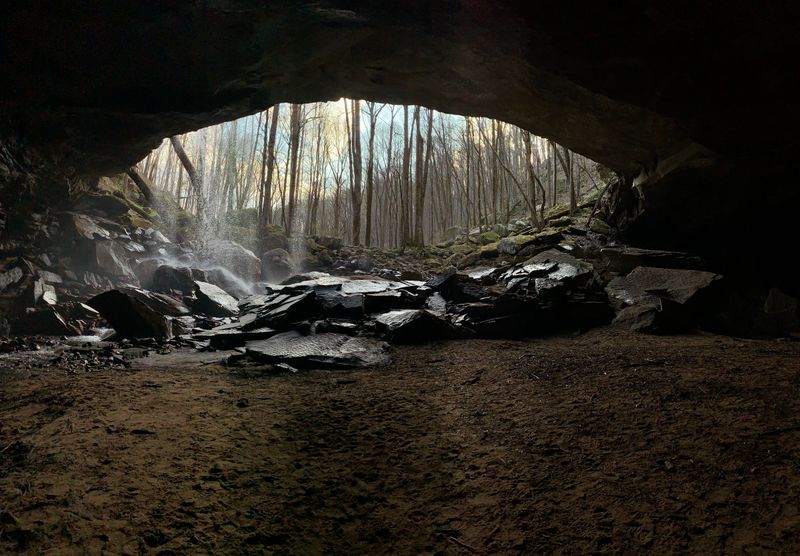
Standing at the viewing area, you’ll witness something that seems impossible. The thundering water crashes down with tremendous force, creating a misty spray that fills the air, yet there’s absolutely no pool or stream flowing away from the base.
Instead, the water vanishes directly into a gaping cave mouth, swallowed by the underground river system that carved these passages over millions of years. The sound echoes from within the cave, creating an eerie, powerful rumble that you can feel in your chest.
This disappearing act happens because the karst topography allows water to travel through interconnected caverns and passages beneath your feet. Scientists believe this underground river eventually resurfaces miles away, but watching it vanish right before your eyes creates an unforgettable experience that challenges everything you expect from a waterfall.
The Hike to Virgin Falls: What to Expect
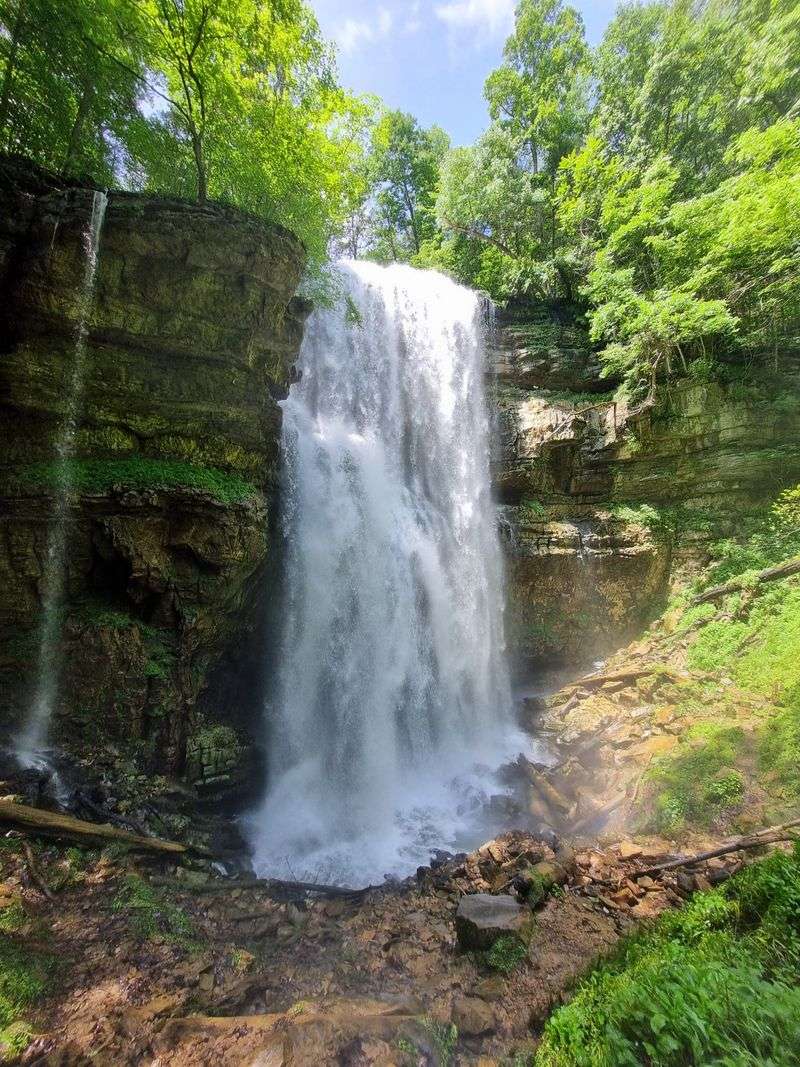
The journey to Virgin Falls covers roughly 8 to 9 miles roundtrip, depending on which trail markers you follow. Don’t let the relatively short distance fool you, though. This trail earns its strenuous rating through rocky terrain, exposed roots, and significant elevation changes as you descend into the gorge.
The first mile and a half offers easy, flat walking that lulls you into thinking the whole hike will be simple. Then the trail drops dramatically into the valley, where rocks and roots create obstacles that demand your full attention with every step.
Wear sturdy hiking boots with excellent ankle support and bring at least two liters of water per person. Plan for 6 to 7 hours total if you want time to explore and photograph the falls without rushing back before dark.
The Scenic Stops Along the Way
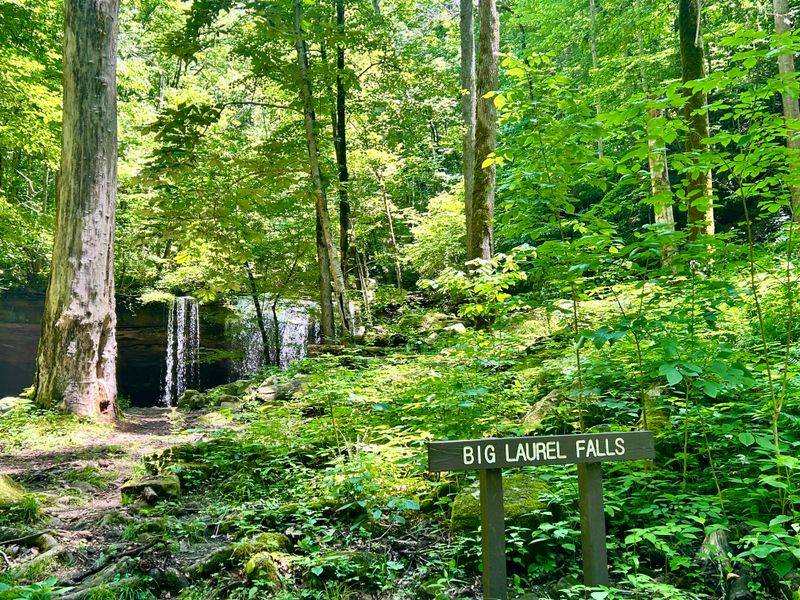
Virgin Falls isn’t the only reward waiting on this trail. About halfway through your hike, you’ll encounter Big Laurel Falls, an impressive cascade that flows over a massive cave opening large enough to walk under.
The contrast between the falling water and the dark cavern beneath creates an incredible photo opportunity that many hikers say rivals the main attraction. Further along, you’ll pass Big Branch Falls, another beautiful cascade that offers a perfect spot to rest and refuel before the final push.
Keep your eyes open for smaller, unnamed cascades, deep pools of crystal-clear water, and rocky overlooks that provide glimpses into the surrounding gorge.
The Unique Geology Behind Virgin Falls
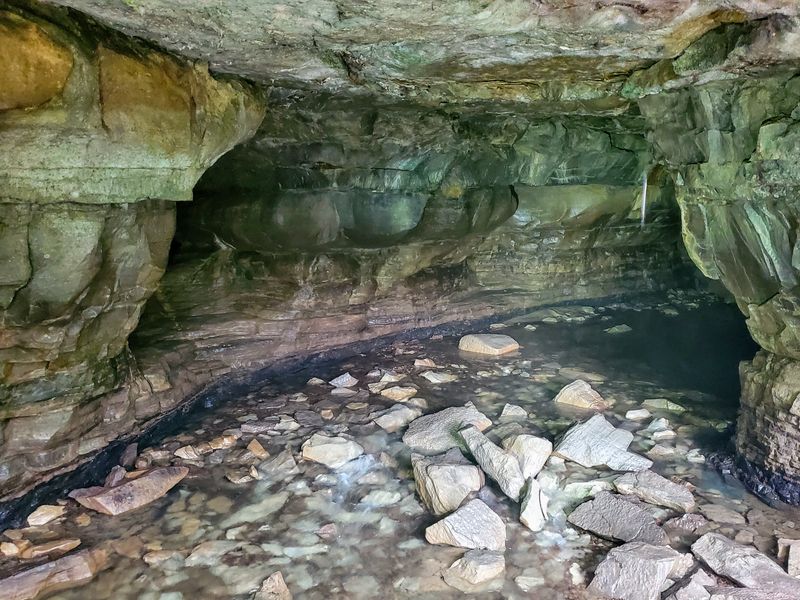
The magic behind Virgin Falls comes from karst topography, a landscape formed when slightly acidic rainwater dissolves limestone bedrock over millions of years. This process creates an elaborate network of underground passages, caverns, and rivers flowing invisibly beneath the Cumberland Plateau.
At Virgin Falls, an underground stream travels through these hidden passages until it reaches a vertical shaft in the rock. Gravity takes over, sending the water plunging down through open air before it continues its underground journey through another cave opening at the bottom.
This entire system functions like nature’s plumbing, with water constantly circulating through the porous limestone. The same geological forces created thousands of caves throughout Tennessee, but few locations offer such a dramatic above-ground display of this underground world at work, making Virgin Falls a living textbook of karst hydrology.
Best Time to Visit for the Most Dramatic Flow
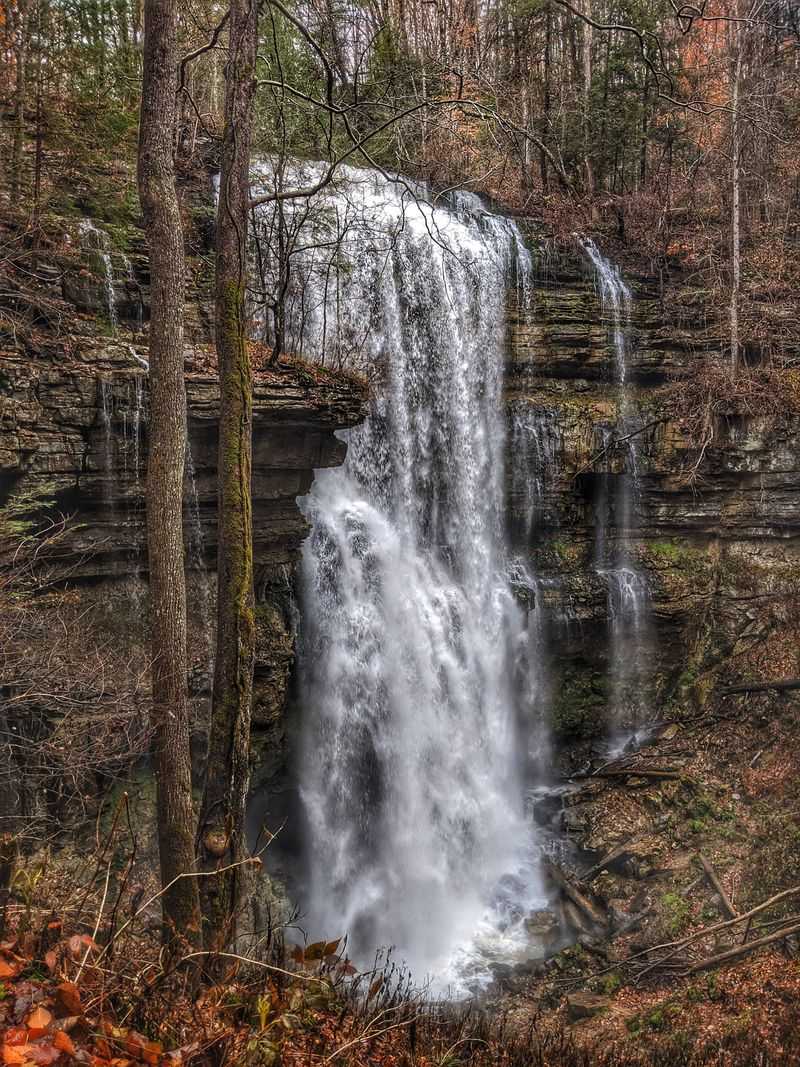
Spring brings the most spectacular displays at Virgin Falls when winter snowmelt and frequent rainfall swell the underground streams to their maximum capacity. March through May typically offers the most powerful flows, with water thundering down in thick curtains that create massive spray clouds at the base.
Summer and fall see reduced flows, sometimes dropping to a gentle trickle during drought conditions, though the disappearing act remains fascinating regardless of volume. Recent rainfall makes all the difference, so check weather patterns for the previous week before planning your trip.
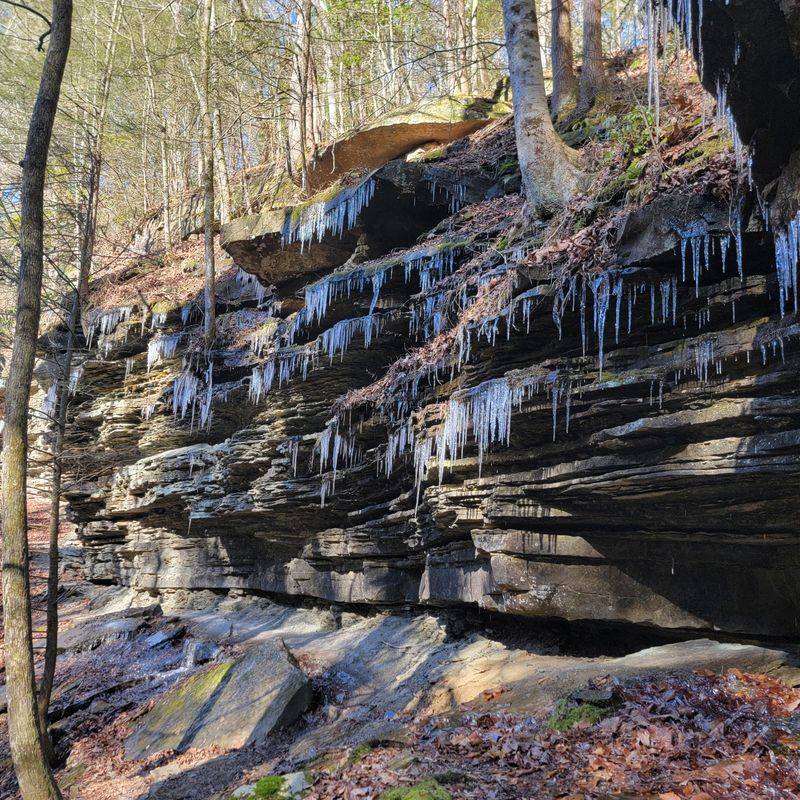
Winter visits reward hardy hikers with potential ice formations around the falls and fewer crowds on the trail, though icy conditions make the already challenging terrain significantly more dangerous. Each season offers its own character, but if you want that truly speechless moment where the power overwhelms your senses, plan your visit within 48 hours after a good rainstorm.
What to Know Before You Go
Getting to Virgin Falls requires some planning since the trailhead sits in a remote area off Scott’s Gulf Road near Sparta, Tennessee. Parking is limited and fills quickly on weekends, so arriving early gives you the best chance of securing a spot and completing the hike with daylight to spare.
The trail doesn’t require permits for day hiking, but overnight camping at the three designated backcountry sites needs advance reservations through the Tennessee State Parks website for a small fee. Cell phone service is nonexistent once you leave the main road, so download offline maps and let someone know your hiking plans.
Trail conditions vary dramatically after heavy rain when creek crossings swell and mud makes footing treacherous. Pack extra food, a first aid kit, and a headlamp just in case your return takes longer than expected in this isolated wilderness area.