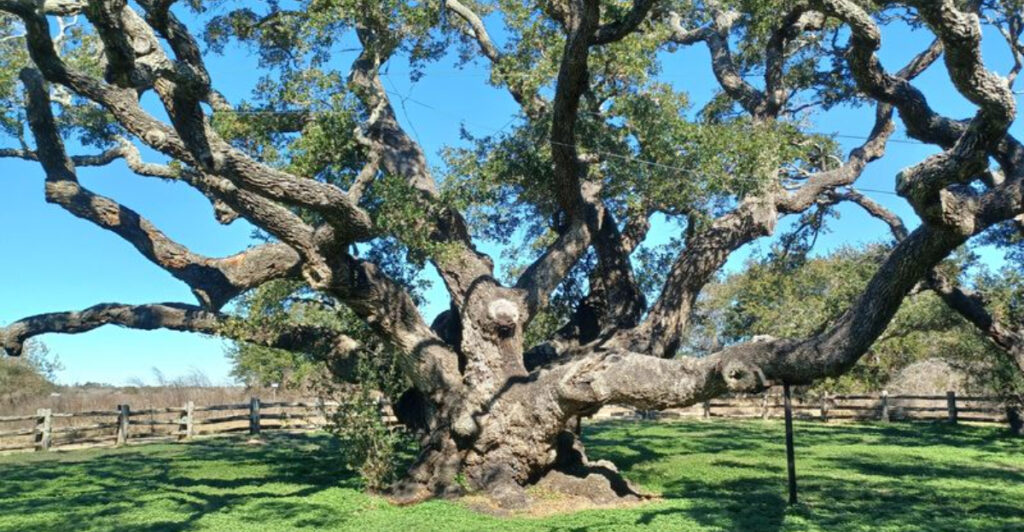
Deep in the heart of Rockport, Texas, a living giant has been standing guard over the coast for more than a thousand years. The Big Tree at Goose Island State Park isn’t just any oak—it’s one of the most ancient and massive live oaks on the planet, with branches that stretch wider than you can imagine. Visiting this natural wonder means stepping into a piece of Texas history that’s been growing since before Columbus sailed the ocean blue.
1. The Big Tree: A Thousand-Year-Old Texas Legend
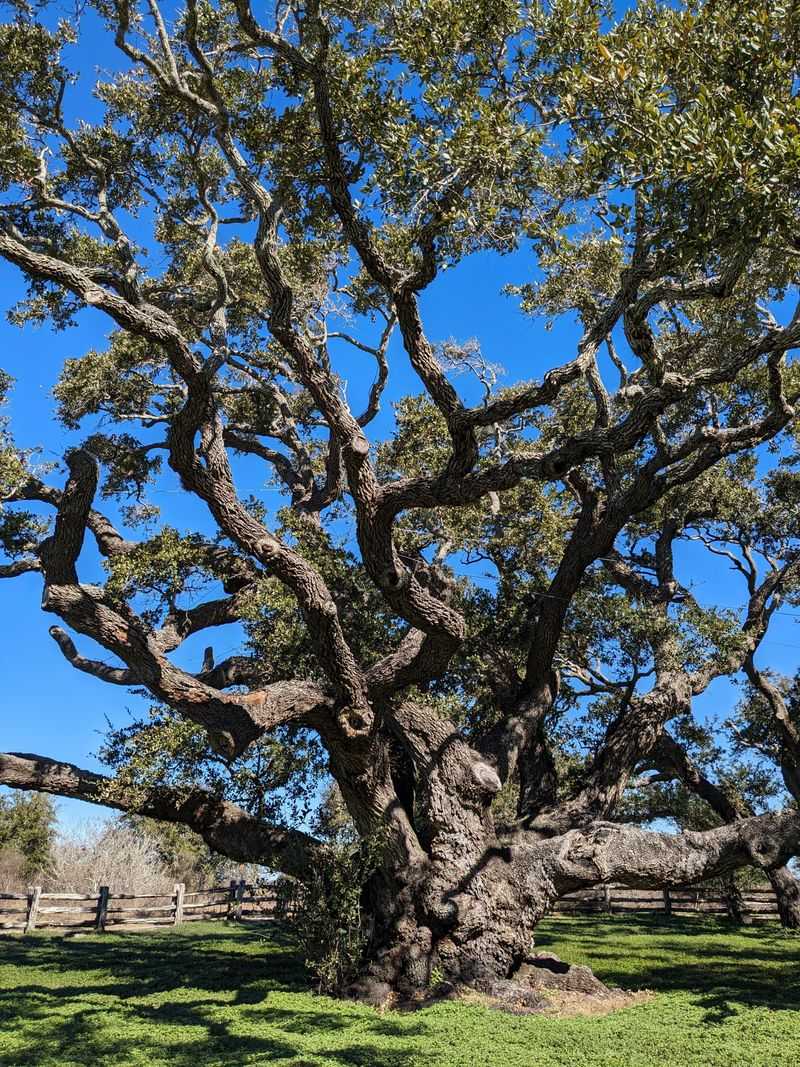
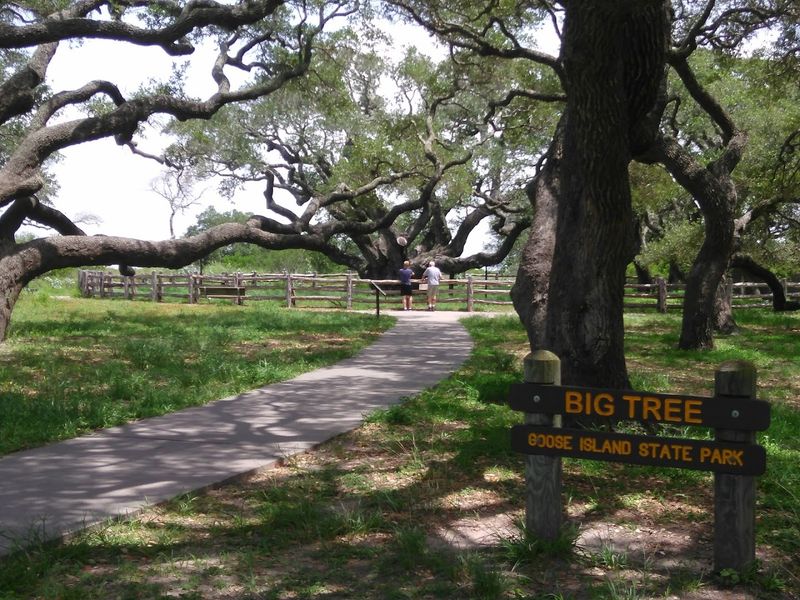
Standing face-to-face with the Big Tree feels like meeting a celebrity who’s been around longer than your great-great-great-grandparents multiplied by ten. This coastal live oak has been growing at Goose Island State Park for over 1,000 years, making it older than the United States, older than the printing press, and definitely older than your favorite pizza joint. Its trunk measures a jaw-dropping 35 feet in circumference, and its canopy spreads an incredible 89 feet across.
The tree survived hurricanes, droughts, and countless storms that would’ve toppled lesser giants. Scientists estimate it sprouted around the year 1000 AD, right when Vikings were still exploring North America. Walking beneath its massive limbs, you’ll notice how the branches twist and reach like ancient arms frozen mid-gesture.
Local legend says the tree has sheltered everyone from Native Americans to early Spanish explorers. Today, it’s protected by a fence to keep its roots safe from too much foot traffic. Visitors can walk right up to admire this botanical wonder, snap photos, and feel genuinely tiny next to something that’s been alive for ten centuries.
The Big Tree isn’t just old—it’s a survivor. Hurricane Harvey in 2017 tested its strength, but this coastal warrior held firm. Park rangers keep close watch over the tree’s health, treating it like the natural treasure it truly is.
2. Bayfront Camping With Million-Dollar Views
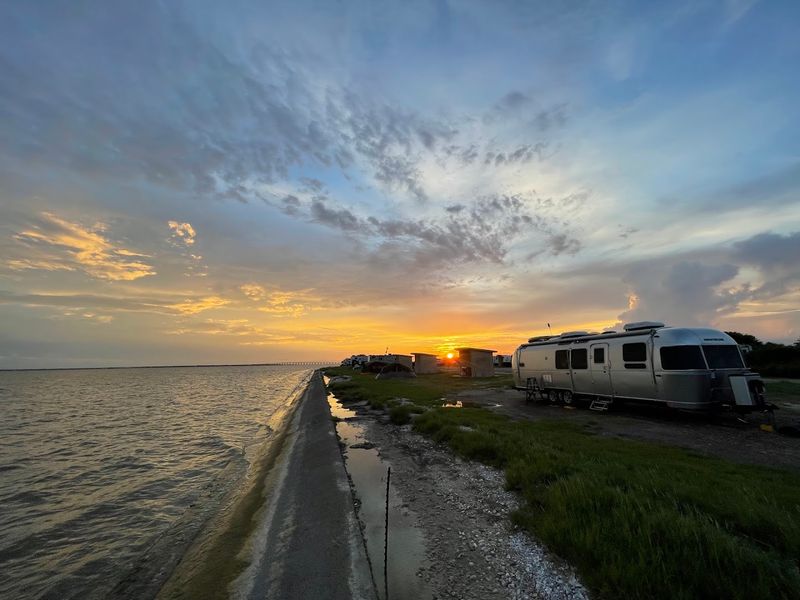
Forget fancy hotels—camping right on the bay at Goose Island means waking up to sunrises that paint the water orange and pink, all from your RV window. The park offers waterfront campsites that sit directly along the shoreline, giving you front-row seats to nature’s daily light show. Each spot comes with water and electric hookups, plus a covered picnic shelter that’s perfect for escaping midday sun or sudden coastal showers.
Site number three gets mentioned in reviews like it’s the VIP section, and for good reason. You can park your RV facing the water and watch pelicans dive-bomb for breakfast while you sip your morning coffee. The shallow bay water stretches out calm and inviting, though you’ll want water shoes since the bottom is more rocky shells than sandy beach.
Wind is the real character-builder here. Some winter nights bring gusts up to 45 mph that’ll remind you why everything in Texas is bigger, including the breeze. But that same wind keeps mosquitoes away during the day, so you win some battles even when your lawn chair tries to fly away.
The bathhouses stay clean and the showers run hot, which matters more than you’d think after a day of fishing and exploring. No laundry facilities on-site, so pack enough clean socks or plan a trip into nearby Rockport. Rangers patrol regularly, keeping the peace and answering questions with genuine coastal hospitality.
3. Fishing Pier Paradise (License-Free Bonus)
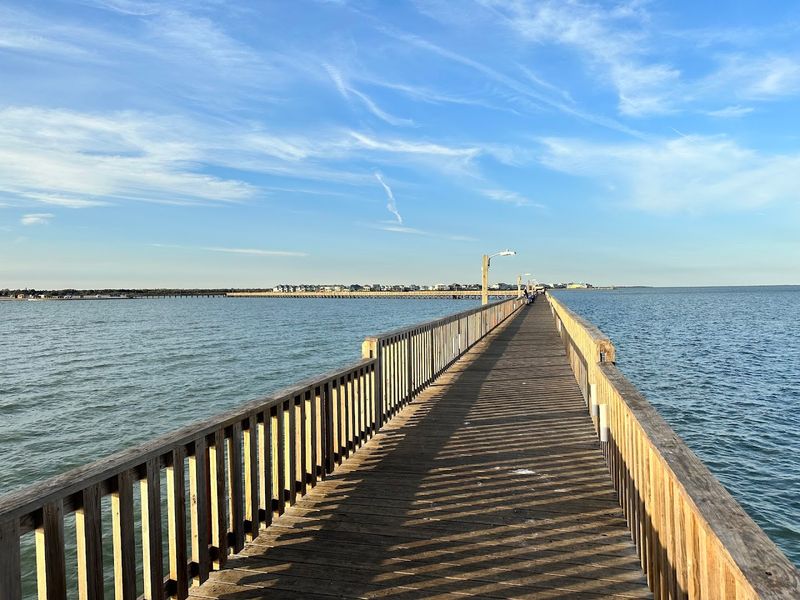
Here’s a Texas-sized perk that’ll make your wallet happy: you don’t need a fishing license when casting a line from the park’s fishing pier. That’s right—state park fishing means you can drop a hook without the extra paperwork or fees. The pier stretches out into the bay like a wooden runway to fish heaven, and folks regularly pull up redfish, speckled trout, and flounder that make for excellent dinner.
One camper reported eating fresh-caught fish four days straight, which sounds like the kind of fishing success story that makes everyone else jealous. The pier gets busy during prime hours, but there’s usually room for one more angler. Dolphins sometimes cruise by hunting the same small fish you’re after, putting on a show that’s worth the trip even if nothing bites your line.
A fish cleaning station sits nearby, equipped with running water and proper disposal areas. This means you can clean your catch without making a mess at your campsite or inside your RV. Local knowledge suggests asking rangers about current bait recommendations—they know what’s working each season.
Early mornings and late evenings bring the best action, when the water’s calm and fish are actively feeding. The pier’s also a fantastic spot for watching sunrise paint the sky in colors that cameras never quite capture right. Even non-fishers enjoy walking out over the water, feeling the breeze, and spotting marine life below.
4. Birdwatching Headquarters: Whooping Cranes And Beyond
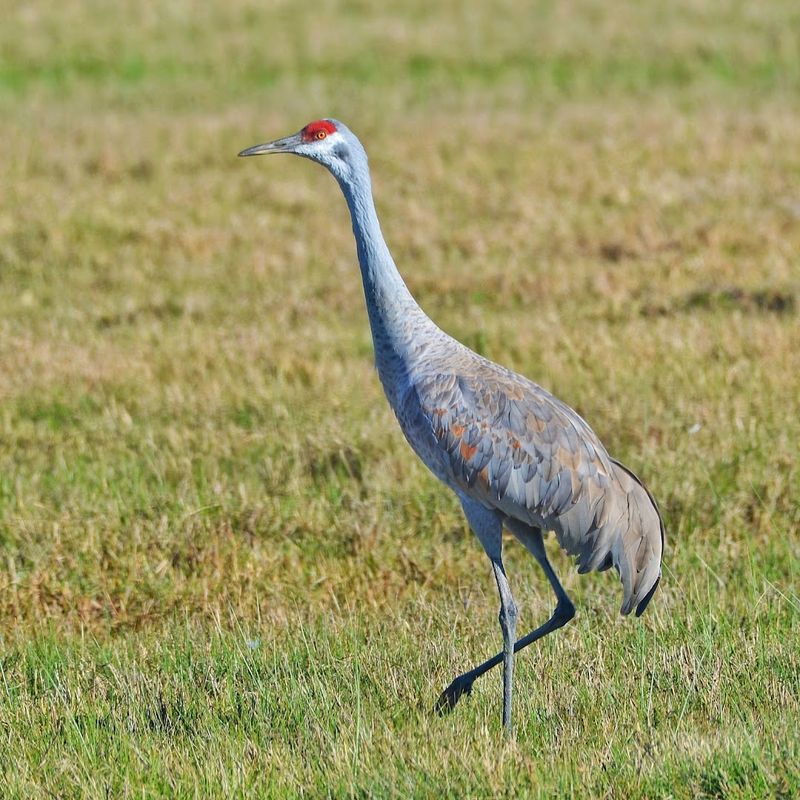
Birdwatchers treat Goose Island like Disney World, except the main attractions have feathers and eat fish. The park sits along a major migration route, making it prime real estate for spotting hundreds of species throughout the year. But the real celebrities are the endangered whooping cranes that winter in nearby areas—seeing one of these five-foot-tall white birds is like spotting a unicorn, except they’re actually real.
The park offers guided whooping crane bird walks led by outreach biologists who know their pelicans from their plovers. Reviews rave about rangers named Sara, Daisy, and Mattie, who apparently make bird identification fun instead of feeling like a pop quiz. These experts point out species you’d walk right past, explaining behaviors and conservation efforts with genuine passion that’s contagious.
Great blue herons stalk the shoreline like patient fishermen, sometimes getting so close you can see the intensity in their eyes. Pelicans perform comedic crash-landings into the water, while smaller shorebirds scurry along the tide line like tiny windup toys. Bring binoculars if you have them, though plenty of birds come close enough for decent phone photos.
Tour groups of birdwatchers roll through regularly, especially during migration seasons. The mix of coastal habitat, marshland, and oak woodlands creates diverse ecosystems that attract different species. Even if you can’t tell a warbler from a sparrow, watching the variety of birds living their best coastal lives adds unexpected entertainment to your visit.
5. Two Parks In One: Wooded Versus Waterfront
Goose Island pulls off a personality split that somehow works perfectly. Half the park features those waterfront sites where you’re practically camping in the bay, while the other half tucks you into shaded oak groves that feel like a completely different world. The wooded campsites offer privacy and space that waterfront spots can’t match, with large trees providing natural barriers between you and neighboring campers.
Deer wander through the wooded areas like they own the place, because honestly, they kind of do. Some visitors report seeing more deer than people, which isn’t a complaint when you’re trying to escape city chaos. The forest sites stay cooler during hot days, and the tree canopy blocks enough wind that your tent stakes won’t get tested like they would on the exposed bay side.
Choosing between wooded and waterfront depends on what kind of camping experience you’re craving. Want sunrise views and easy fishing access? Bay sites deliver.
Prefer shade, privacy, and feeling tucked away in nature? The wooded area wins. Some smart campers book both during longer stays, spending time in each zone to experience everything the park offers.
The wooded sections connect to trails that wind through the park’s 320 acres of marsh and prairie. These paths work great for morning walks or evening bike rides when the temperature drops. Families with kids often prefer wooded sites where children can explore without being right next to the water, though both areas stay safe and well-maintained.
6. Rocky Bay Waters Perfect For Wading And Exploring
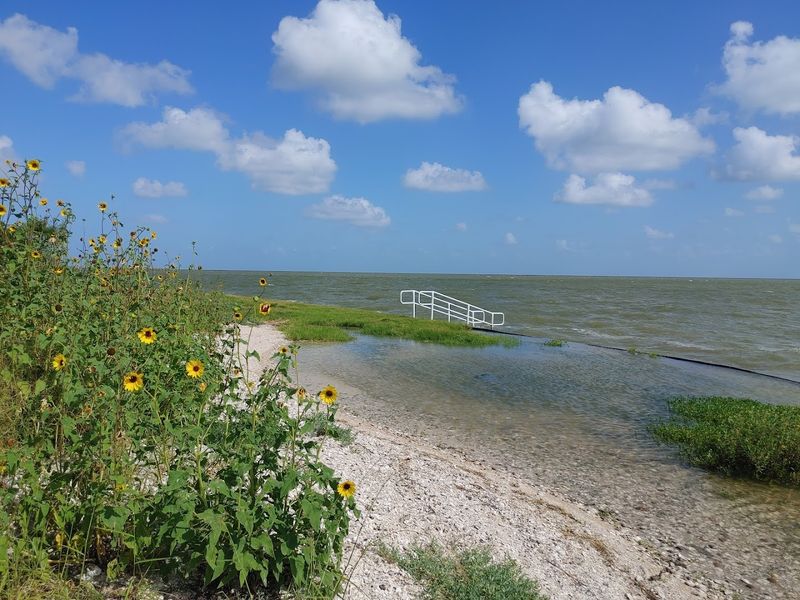
The bay water at Goose Island won’t win any “Best Sandy Beach” awards, but that’s missing the point entirely. The shoreline is covered in oyster shells and rocks that crunch under your feet, creating a totally different coastal experience than your typical beach vacation. The water stays incredibly shallow for what feels like forever, letting you wade out quite a distance while still touching bottom.
Water shoes aren’t optional here—they’re basically required equipment unless you enjoy stepping on sharp shells barefoot. Once you’re past the shell zone and actually in the water, it’s refreshing and calm, especially on hot Texas afternoons. The shallow depth makes it safer for families, though parents still need to watch kids since it’s open water without lifeguards.
The rocky bottom means this isn’t ideal for building sandcastles or lounging on towels like traditional beach trips. Instead, it’s perfect for exploring tide pools, looking for interesting shells, and watching small fish dart around your ankles. Some visitors bring folding chairs right into the shallow water, sitting half-submerged while reading books or just soaking in the coastal vibe.
Depending on tides, you’ll have different amounts of accessible shoreline to explore. Low tide reveals more of the bay bottom, creating opportunities to find shells and spot marine creatures. The lack of big waves means the water stays clearer than ocean beaches, letting you actually see what you’re stepping on once you’re past the initial shell zone.
7. Boat Ramps And Water Access For Every Adventure
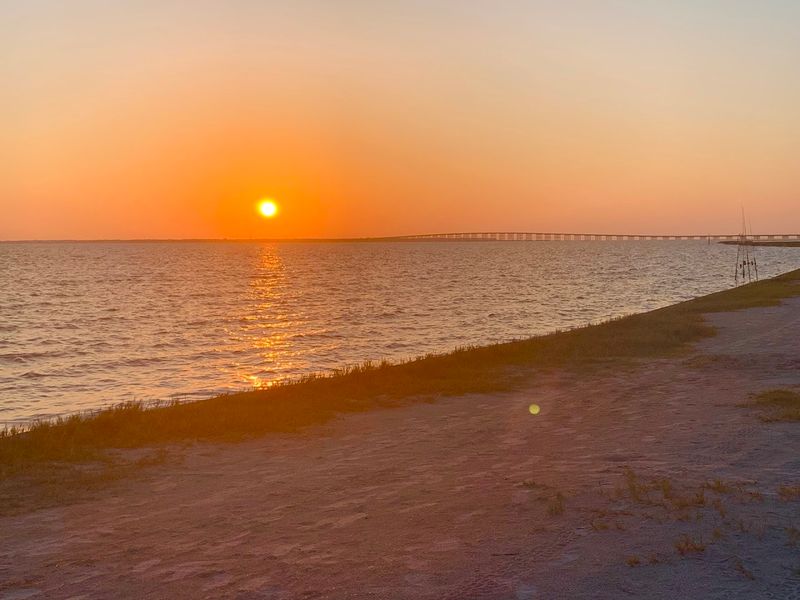
Goose Island rolls out the welcome mat for boaters with proper ramps that make launching your vessel straightforward instead of stressful. Whether you’re hauling a fishing boat, kayak, or canoe, the park provides easy water access that gets you from trailer to open bay in minutes. The ramps stay well-maintained, and there’s enough parking nearby that you won’t be doing the frustrated-driver-circling-for-a-spot dance.
Kayakers and canoers especially love this park because the calm bay waters don’t require expert paddling skills. You can explore the coastline at your own pace, getting up close to birds and marine life that boats scare away. The shallow protected waters mean you’re not battling ocean swells or worrying about getting swept out to sea.
Anglers with boats can access deeper fishing spots beyond the pier, chasing bigger catches in areas only reachable by watercraft. The bay connects to the Intracoastal Waterway, opening up extended exploration options for boaters who want to make a day of it. Just remember to check weather forecasts—that legendary coastal wind can turn a pleasant paddle into an upper-body workout faster than you’d expect.
No boat? No problem. The park’s shoreline access still gives you plenty of ways to interact with the water.
The combination of pier fishing, wade fishing, and swimming spots means everyone finds their preferred way to enjoy the bay. Rangers can point you toward the best launch spots based on your watercraft type and experience level.
8. Historic CCC Heritage And Oyster Shell Architecture
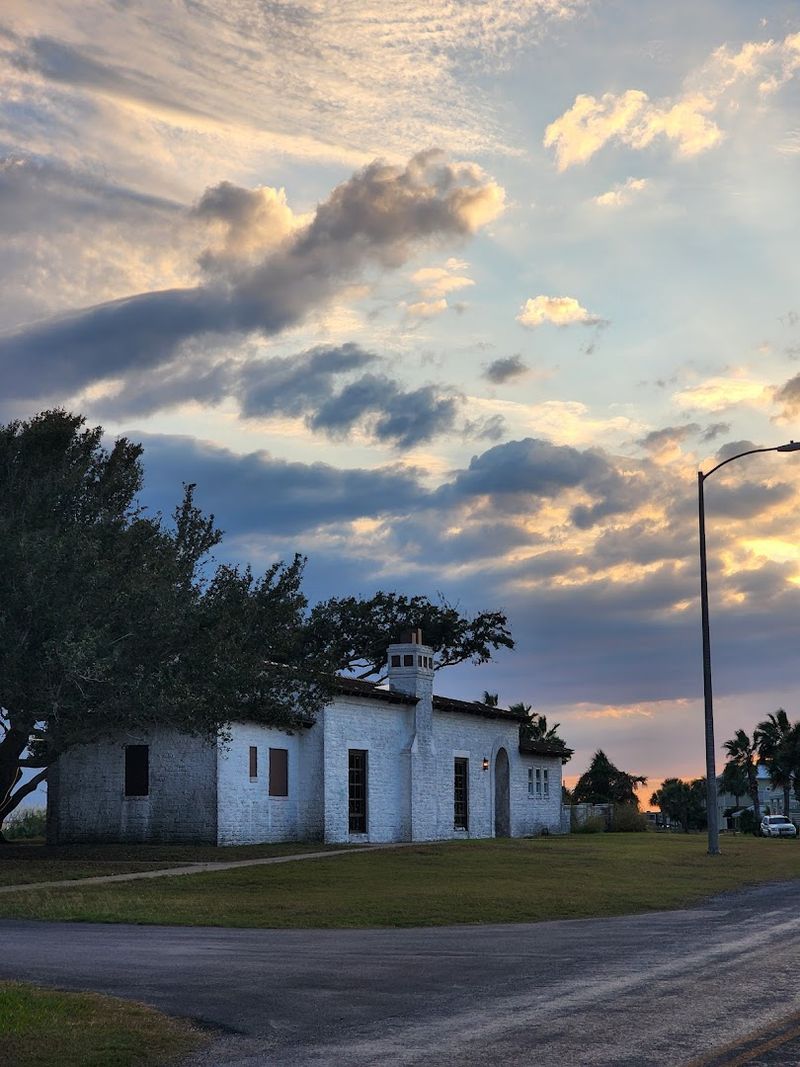
Goose Island holds the distinction of being the Civilian Conservation Corps’ first coastal park in Texas, built during the 1930s when the nation was pulling itself out of the Great Depression. Those CCC workers didn’t just plant trees and clear trails—they built structures using crushed oyster shells mixed with concrete, creating a unique architectural style that’s purely coastal Texas. Some of those original buildings still stand today, looking like they grew naturally from the shoreline.
Back in those early days, the park’s roads were paved entirely with crushed oyster shells, which sounds uncomfortable but actually worked surprisingly well. Walking through the park now, you’re literally following paths and staying in areas shaped by workers nearly a century ago. It’s living history that you can touch, photograph, and camp beside.
The oyster shell construction method wasn’t just creative—it was practical. Shells were abundant and free along the coast, making them perfect building material when budgets were tight. The resulting structures have a distinctive texture and color that photographs beautifully, especially in the golden light of early morning or late afternoon.
Understanding this history adds an extra layer to your visit. You’re not just camping by a tree and some water—you’re experiencing a park that represents an important era in American conservation and public works. The CCC’s legacy lives on in state parks across Texas, but Goose Island’s coastal location makes its story particularly special and worth learning about during your stay.
Share this story