At the southern tip of Virginia’s Eastern Shore, Kiptopeke State Park delivers a coastal scene that catches people off guard in the best way. The beach here is broad, bright, and surprisingly dramatic, with long views across the Chesapeake Bay and a horizon that never looks the same twice.
Instead of loud boardwalk energy, you get a quieter stretch of shoreline where fishing piers, maritime history, migratory birds, and sunset color all collide. The setting encourages lingering rather than rushing from one attraction to the next. Between the water, the wildlife, and the constantly changing light, even a short visit can easily stretch into an entire afternoon.
The Beach View That Changes by the Minute

Kiptopeke’s first surprise is scale. The beach does not arrive with a carnival backdrop or a tight little cove feel. It opens wide toward the Chesapeake Bay, where the light spreads across the water and the horizon reads almost oceanic, especially when clouds start shifting shape and color above the shoreline.
That sense of space changes how you move through the park. Instead of rushing straight to a single overlook, you notice the long curve of sand, the low dune line, and the way the bay can look silver, blue, or slate gray within one short walk.
On clear days, the openness is the headline. On hazy ones, the atmosphere turns softer and more layered, with boats and distant structures fading into a watercolor blur.
The beach itself adds to the effect because it feels practical rather than overly polished. You can settle in for a swim, set up a chair, or simply walk the edge where small waves fold onto the sand without much fuss.
Families spread out comfortably, anglers claim promising spots, and photographers drift around waiting for that one break in the clouds.
Even the soundscape stands apart. Instead of nonstop commercial noise, there is a mix of wind, water, seabirds, and the occasional rumble from the bay. That quieter setting makes the view do more of the work.
For anyone expecting a simple state park shoreline, this stretch lands differently. It is broad without being empty, calm without feeling flat, and visually rich without trying too hard.
The best move is to slow your pace, look outward for a minute, and let the changing sky handle the introduction.
Why the Old Concrete Ships Make This Shoreline Unlike Anywhere Else in Virginia
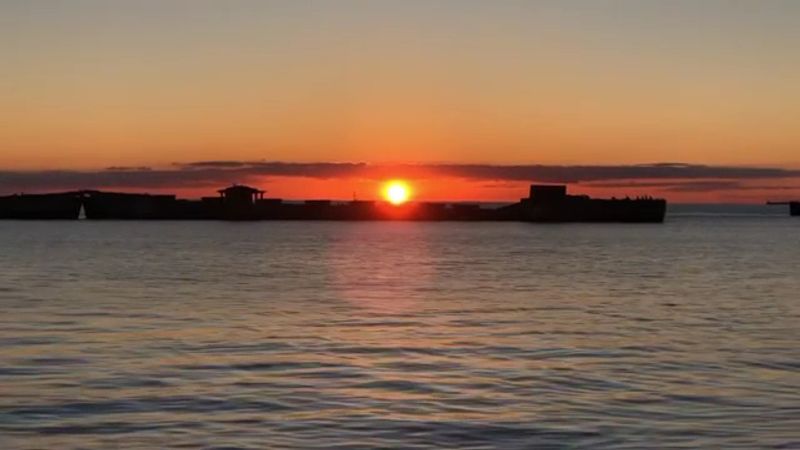
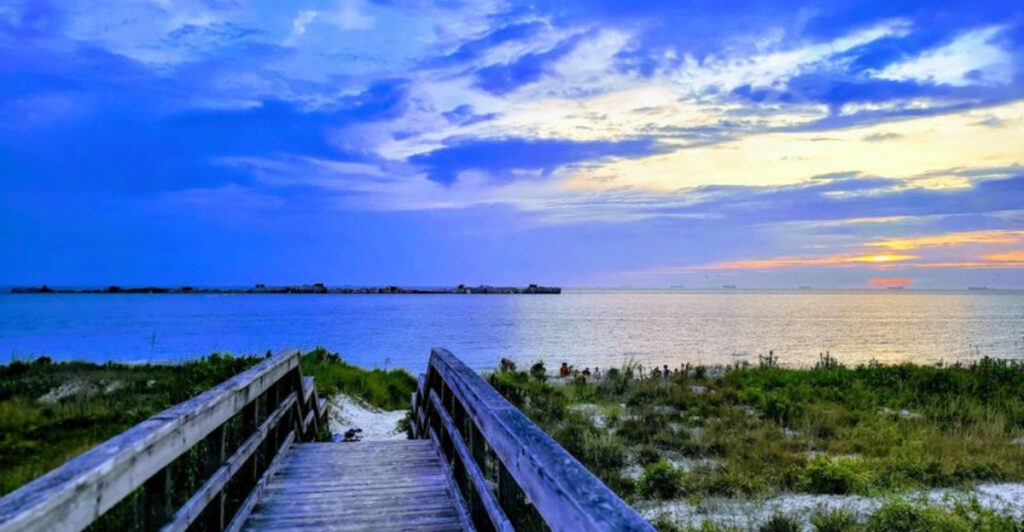
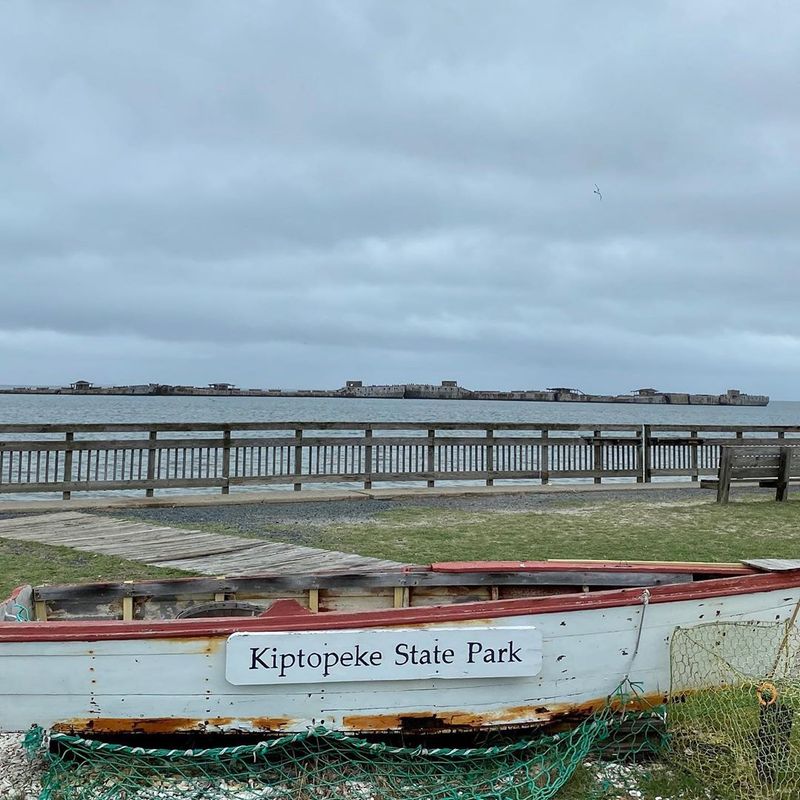
Offshore, Kiptopeke has one of the most unusual coastal visuals in Virginia: the concrete ships. These weathered vessels sit in the bay as part of the old breakwater line, and their presence changes the whole scene.
The beach is pretty on its own, but those silhouettes add a rough industrial note that gives the horizon texture and history at the same time.
They are not decorative curiosities tucked behind an exhibit sign. You can actually see how they shape the water, create calmer conditions near shore, and pull your eye outward when the sun drops lower.
Their edges look stark in bright daylight, then increasingly cinematic as evening light softens around them. The story behind them matters because it explains why this park never feels generic.
Kiptopeke’s shoreline is tied to the former ferry crossing era on the lower Eastern Shore, and the ships remain as visible reminders of that working-water past.
You do not need a formal history lesson to understand the mood they create. One glance tells you this is a place with layers.
That extra dimension is especially strong for photographers and anyone who likes coastal landscapes with contrast. Sand, bay, sky, birds, and concrete hulls are not a combination you run into often.
The image shifts again when the tide changes, when gulls line up along the structures, or when a storm front turns the whole arrangement dark and dramatic.
Most beaches ask you to admire the water. Kiptopeke asks you to notice what humans once built into it, what time has worn down, and how the bay has made those remnants part of the present landscape. It is a rare visual mix, and it gives this shoreline real identity.
A Virginia Birding Hotspot That Adds Constant Motion
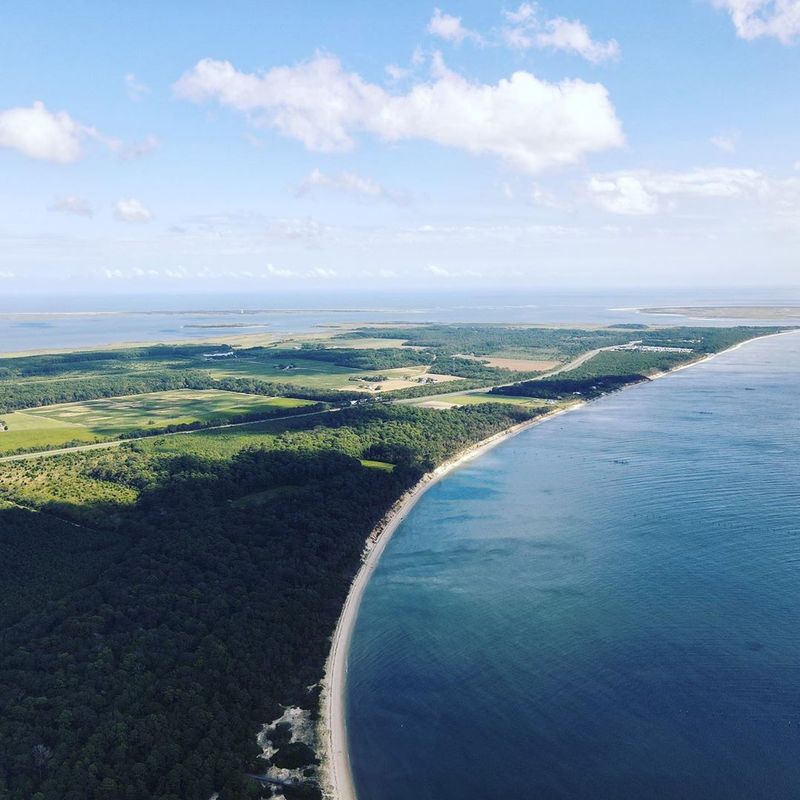
Kiptopeke is not only a beach park, and that becomes obvious as soon as you look beyond the sand. The property sits in a major migratory corridor, which means bird activity can shift from pleasant background detail to the main event depending on the season.
Even if you arrive focused on the bay, the airspace above the trees and shoreline can quickly steal your attention.
That movement changes the park’s rhythm. One minute the beach feels still and open, then a burst of swallows, gulls, or raptors turns the scene animated.
In migration periods, birders come prepared for serious observation, but casual visitors also benefit because there is always something to look for, even on a slow walking day.
The setting helps. Kiptopeke combines shoreline, woodland, and open sky in a relatively compact area, so you are not locked into one habitat or one pace.
A beach visit can slide into a trail walk, and a trail walk can turn into ten extra minutes spent watching birds settle, circle, or cut across the bay with the wind.
This natural variety also keeps the park from feeling one-note. Plenty of waterfront spots are beautiful for an hour, then flatten out once the initial view sinks in.
Here, wildlife keeps changing the frame. A simple bench stop can become a mini observation session without any planning at all.
For families, that means built-in entertainment beyond swimming. For photographers, it adds action. For anyone trying to choose between a beach day and a nature outing, Kiptopeke quietly solves the dilemma by offering both in the same place.
The result is a park that works in more than one mood, and that flexibility is a big reason it stands out on Virginia’s coast.
Trails, Dunes, and the Quieter Side Beyond the Sand
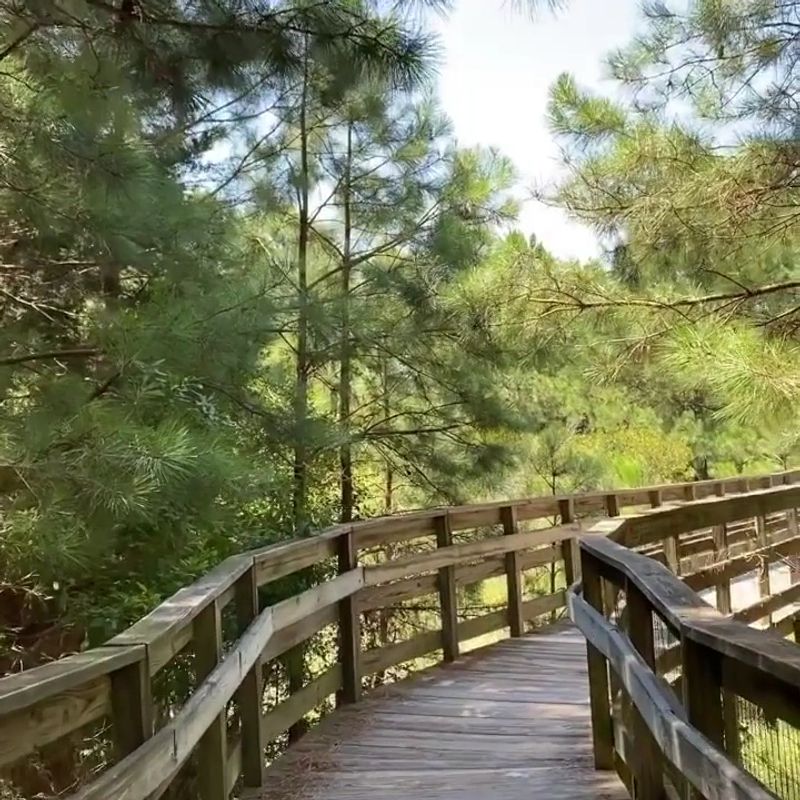
The beach gets top billing, but Kiptopeke becomes more interesting once you step inland for a bit. Trails move through wooded sections and open spaces that create a very different tempo from the shoreline.
After the brightness of the bay, the tree cover and softer ground underfoot feel like a reset button. This contrast matters because it broadens the visit. You are not locked into the usual beach equation of sun, sand, and a long stationary afternoon.
At Kiptopeke, a few minutes of walking can take you from exposed waterfront views to shaded stretches where the wind drops, birds get louder, and the park starts revealing its quieter side.
The transition also highlights how varied the site is for a relatively easy outing. Dune edges, maritime vegetation, and pockets of woodland create small scene changes that keep the walk engaging.
Nothing needs to be extreme to be rewarding here. The pleasure is in the shift between environments and in how each one reframes the others.
That layout works especially well for mixed groups. One person may want beach time, another may want a leg-stretching walk, and someone else may simply need a break from direct sun.
Kiptopeke handles all three without making the day feel fragmented. You can move between activities naturally, almost without planning.
There is also a practical payoff. When the beach is breezier or busier than expected, the inland sections offer another lane for the day.
When the shoreline is the star, the trails still provide a useful counterbalance before or after. That blend of open coastal scenery and sheltered walking space gives the park extra staying power, and it is one reason a short stop often turns into a much longer visit.
Camping by the Bay, With a Front-Row Seat to Changing Light
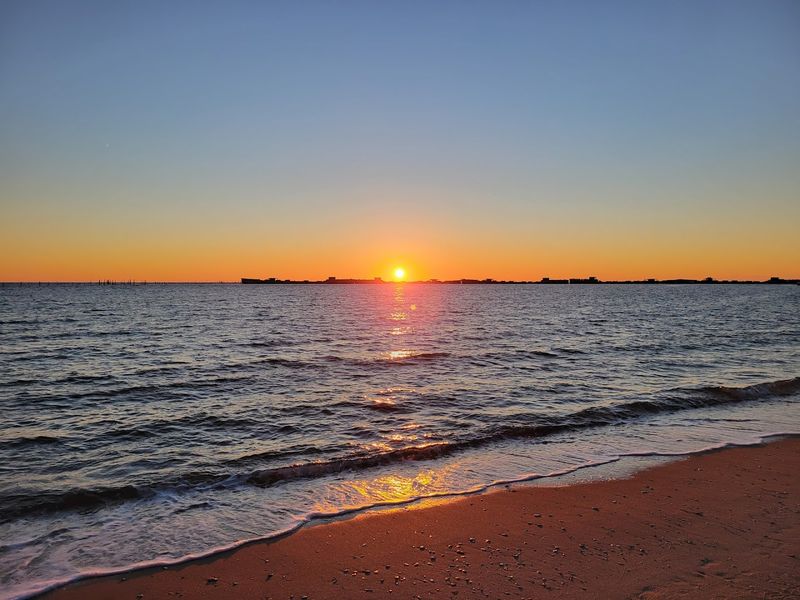
Kiptopeke’s overnight setup is a big part of its appeal, especially for travelers who want the beach without the packed resort feel. Staying here puts you close to the bay’s shifting light, which is one of the park’s strongest assets.
Sunrise, late afternoon glare, and sunset all read differently when you are not squeezing the visit into a narrow daytime window.
The campground setting also reinforces the park’s low-key personality. Rather than pushing nonstop activity, it gives you room to settle into a slower coastal routine.
Morning coffee near the trees, a walk toward the water, a midafternoon break, then an evening return to the beach becomes a pretty natural rhythm.
That matters because Kiptopeke is at its best when you catch it in more than one mood. Midday can be bright and straightforward, but evening often sharpens the place.
The breakwater silhouettes darken, the sky picks up color, and the beach starts to look less like a daytime recreation area and more like a broad observation deck facing west across the bay.
For campers, that timing advantage is hard to beat. You do not need to race traffic or watch the clock before the best light hits.
You are already there, which means it is easier to notice smaller moments: the water flattening in calmer air, birds settling for the evening, or the shoreline slowly emptying out.
Even if camping is not the main goal, it helps define why this state park punches above its weight. It invites more than a dip and a departure.
The site is built for lingering, and the landscape rewards that approach. In a region with plenty of day-trip temptations, Kiptopeke makes a convincing case for staying long enough to see the bay change character after dark edges closer.
How to Time Your Visit for the Best Water, Light, and Breathing Room
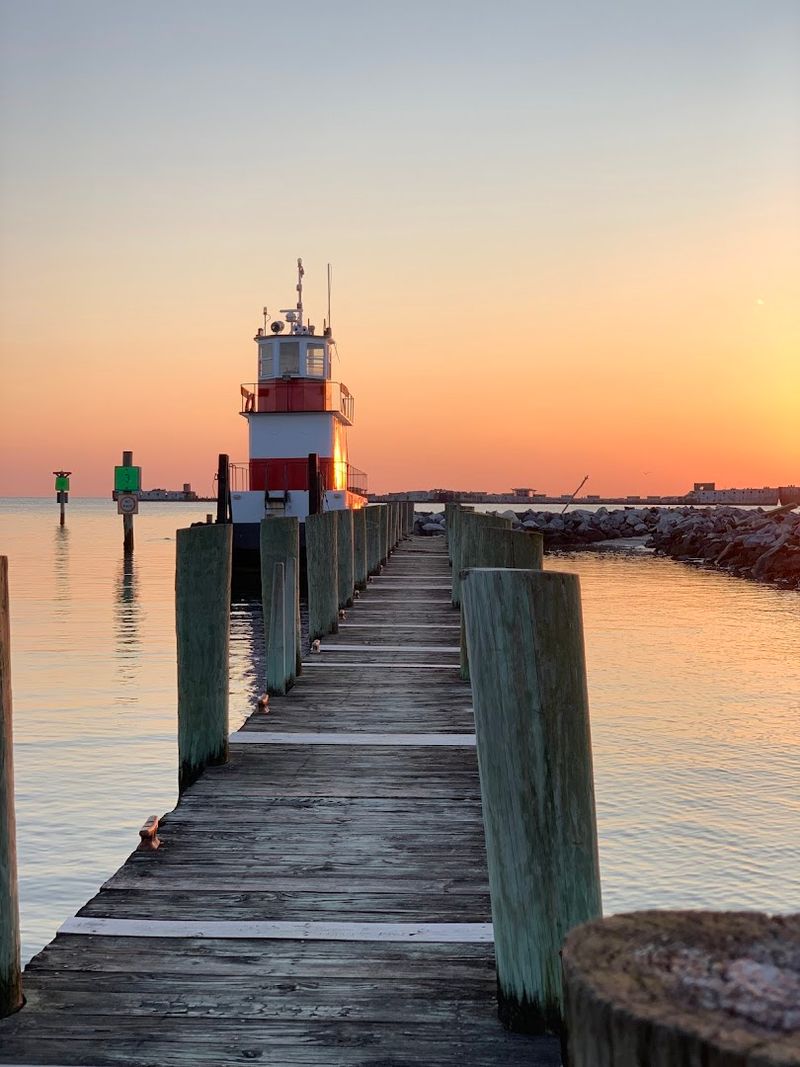
Timing shapes the Kiptopeke experience more than many first-time visitors expect. Because the park’s biggest strengths are visual openness, changing light, and a shoreline that benefits from a little space, arriving at the right part of the day can completely alter the mood.
This is one of those places where an extra hour of planning pays off fast. For beach lounging and swimming, midday is the obvious choice, especially when temperatures are up and the bay looks inviting. Still, the most photogenic stretch usually comes later.
As the sun lowers, the water gains more texture, the concrete ships become stronger visual anchors, and the sky starts doing the kind of work that makes people stay longer than intended.
Morning has its own advantage if you want calmer pacing. The park tends to read cleaner and quieter early, before the beach settles into full daytime use.
Walkers, birders, and anyone hoping for softer light often get a more spacious version of the shoreline then, with fewer visual distractions and a gentler color palette.
Season also matters. Warmer months bring classic beach energy, but migration periods add a wildlife angle that can reshape the day.
Cooler weather can be rewarding too, especially if your goal is scenery rather than swimming. The bay does not need peak summer heat to look dramatic.
The simplest strategy is to avoid treating Kiptopeke like a quick stop wedged between other plans. Give it enough room for a beach walk, a little inland wandering, and at least one stretch of changing light near the water.
That broader time frame lets the park reveal its range. Instead of seeing only a pleasant beach, you catch the shifting atmosphere that makes this corner of Virginia stand apart.
Why Kiptopeke Stands Out on the Eastern Shore
Plenty of coastal parks offer a beach, a trail, or a campground. Kiptopeke stands out because it combines all three with an unusually distinctive backdrop.
The park does not rely on oversized attractions or polished resort extras. Its strength is the way several solid elements overlap into one place that feels more layered than expected.
You get a broad bayfront view that can look serene one hour and dramatic the next. You get the historic concrete ships offshore, which give the scenery immediate character.
You get migration-season bird activity, inland walking options, and enough room to shape the day around swimming, fishing, wandering, or simply sitting still and watching the horizon shift.
Just as important, Kiptopeke carries a strong sense of geographic position. It feels anchored to the lower Eastern Shore rather than interchangeable with any generic waterfront recreation area.
The ferry-era echoes, the Chesapeake Bay exposure, and the park’s mix of habitats all tie it closely to this corner of Virginia.
That local specificity is why the place lands so well in an editorial sense. It is not trying to impress with scale alone or with a manufactured personality.
The appeal is more grounded. The scenery has contrast, the layout is flexible, and the atmosphere changes enough through the day to keep the experience from flattening out.
If a state park earns repeat visits, it usually does so by offering more than one version of itself. Kiptopeke manages that with ease.
Come for the beach, and the breakwater ships become part of the story. Come for birding, and the shoreline steals some attention.
Come for camping, and the evening light may end up being the highlight. That range is exactly why this park deserves a place in any serious Virginia coast itinerary.
Share this story