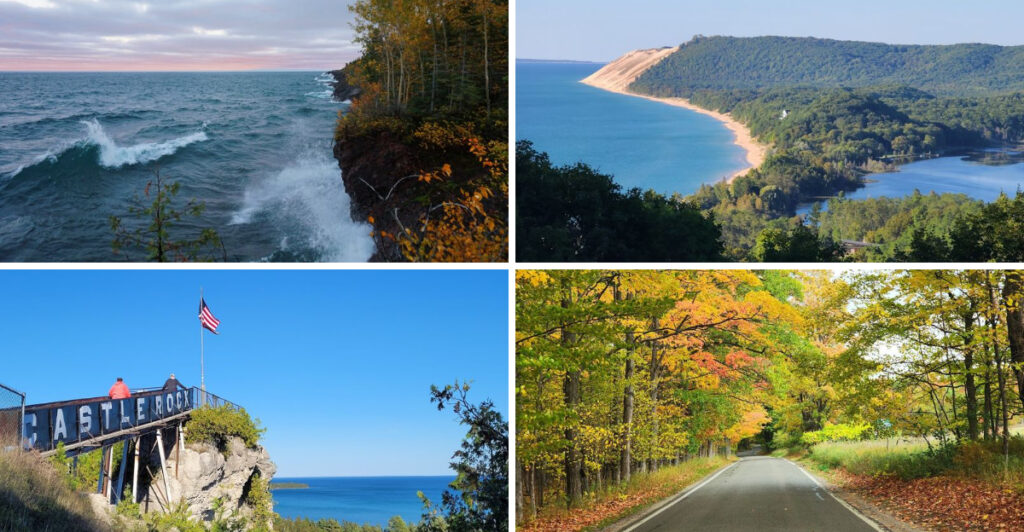
Michigan feels built for summer road trips, especially when July rolls in with long golden days, warm lake breezes, and scenic routes that seem made for open windows. From Lake Michigan shoreline drives and towering sand dunes to Upper Peninsula waterfalls, quiet forest roads, and postcard-worthy harbor towns, the state delivers big adventure without demanding a big budget.
All you really need is a full tank, a packed cooler, and a little curiosity. Whether you are chasing blue-water views, hidden overlooks, beach stops, or the kind of small-town charm that makes you pull over unexpectedly, these 11 budget-friendly Michigan road trips prove that some of the best summer memories start with simply hitting the road.
1. Keweenaw Peninsula Copper Country Byway – Houghton to Copper Harbor
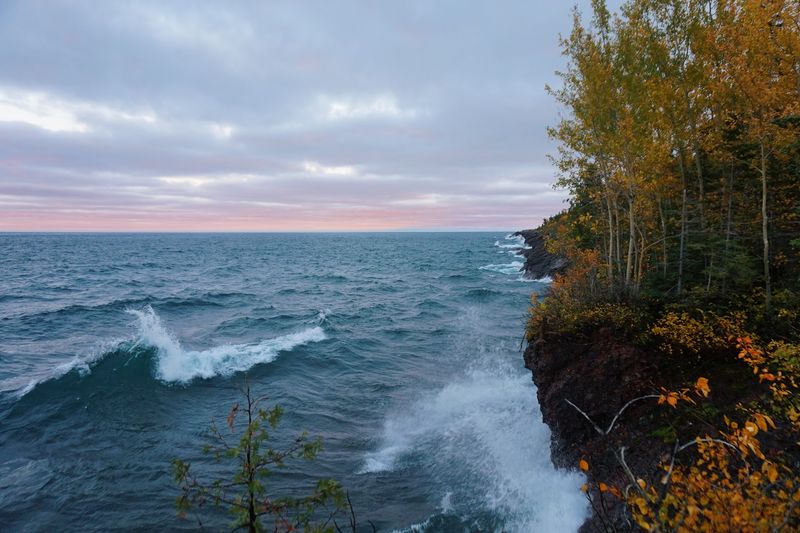
There’s something almost mythical about driving to the very tip of Michigan’s Upper Peninsula, where the land juts out into Lake Superior like a pointing finger. The Keweenaw Peninsula Copper Country Byway runs from Houghton all the way up to Copper Harbor, and every mile feels like you’re leaving the modern world behind.
This stretch is raw, quiet, and completely worth the drive.
The route winds through old mining towns that still carry the bones of a copper boom that once made this region famous. You’ll pass through Calumet, a town with a genuinely fascinating industrial history, and roll through thick boreal forests that feel more like Canada than the Lower 48.
Pull over at any overlook and you’ll likely have it entirely to yourself.
Copper Harbor itself is the reward at the end — a tiny lakeside town with a marina, kayak rentals, and access to the Keweenaw Dark Sky Park, an International Dark Sky Park near Keweenaw Mountain Lodge. Budget travelers will love that most of the scenery is completely free.
Grab supplies in Houghton before you head out, since options thin out fast as you go north.
Fort Wilkins State Park sits right at the tip and charges a modest day-use fee for access to Lake Fanny Hooe and some solid hiking trails. The park also has a well-preserved 1840s army fort that kids and history buffs both enjoy.
July temperatures up here stay cooler than downstate, so pack a light jacket even if it feels warm when you leave home.
The drive is roughly 50 miles one way, but plan for a full day because you’ll want to stop constantly. This byway rewards slow travelers who aren’t in a rush to get anywhere fast.
2. Lake Michigan Shore Drive – St. Joseph to Ludington
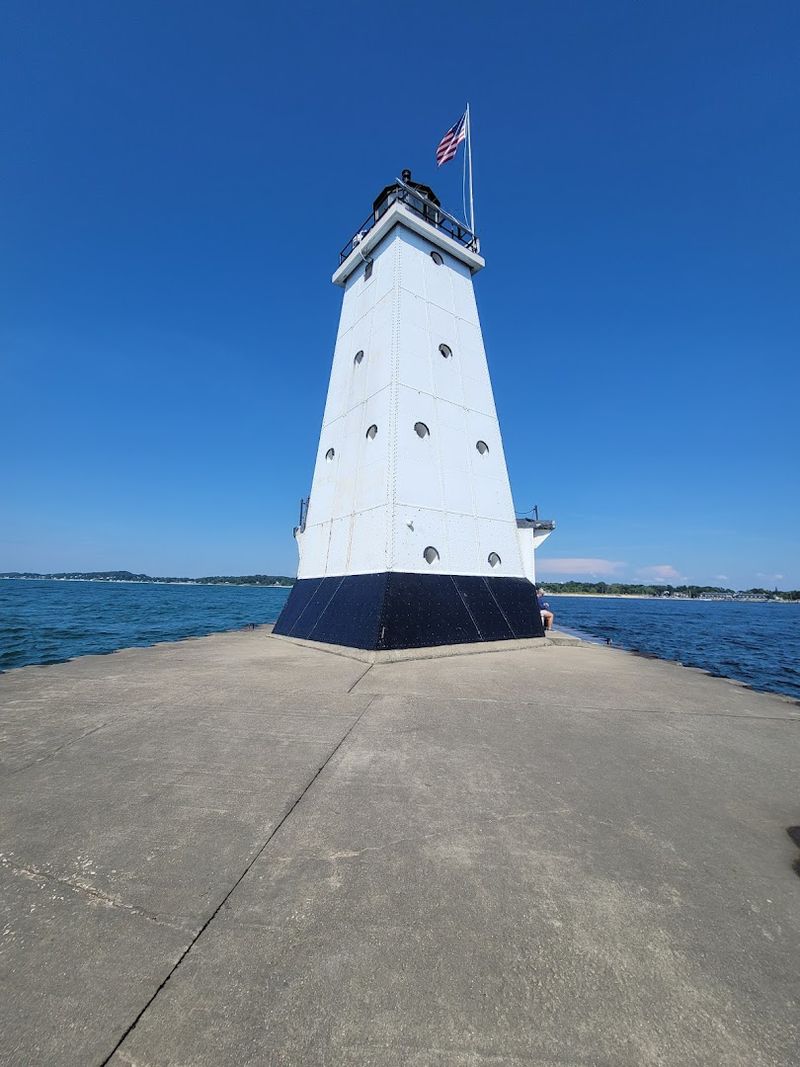
Few drives in the Midwest match the mood of cruising along Lake Michigan’s eastern shoreline on a warm July afternoon. The Lake Michigan Shore Drive stretches from St. Joseph in the south all the way up to Ludington, passing through a string of charming beach towns that each have their own personality.
This is the kind of road trip where you stop whenever something catches your eye — and things will catch your eye constantly.
St. Joseph kicks things off with a beautiful lighthouse and a walkable downtown full of independent shops. From there, you move through South Haven, Saugatuck, Holland, and Muskegon — each town offering beaches, local restaurants, and that unmistakable lake-town energy.
Saugatuck alone could swallow an entire afternoon with its art galleries and waterfront restaurants.
he shoreline itself is the real star. Lake Michigan’s water can turn an almost Caribbean blue on clear days, and the sandy beaches along this stretch are some of Michigan’s most inviting.
State parks dot the route, and most charge a standard Recreation Passport fee for access, which is a steal compared to what you’d pay at a resort.
Ludington State Park at the northern end is a must-stop. It has miles of trails through dunes and forests, plus direct beach access and a lighthouse you can tour in summer.
Budget travelers should note that state park campgrounds along this route book up fast in July, so reserve early or plan to day-trip from a nearby town.
Pack a picnic cooler before you leave because lakefront dining gets pricey fast. Local farm stands between towns sell fresh cherries, blueberries, and peaches that practically define a Michigan summer.
Eating roadside fruit while watching the sun hit the water is absolutely free — and absolutely perfect.
3. Tahquamenon Falls to Paradise Drive – Paradise, Chippewa County
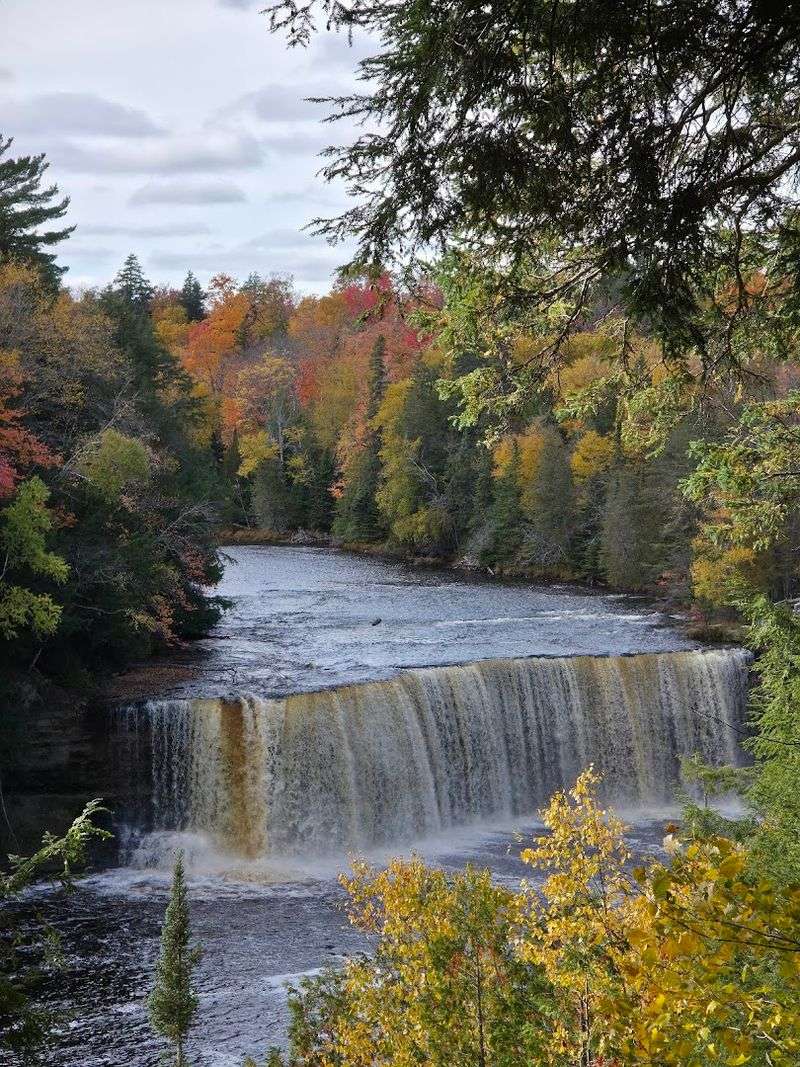
Named after the tiny town of Paradise that sits at its eastern end, this drive delivers on its name more than most roads ever could. The route connecting Tahquamenon Falls State Park to the Lake Superior shoreline near Paradise is one of those Upper Peninsula experiences that doesn’t get enough attention from road trippers outside the region.
It’s moody, forested, and genuinely spectacular.
Tahquamenon Falls itself is the anchor attraction — one of the largest waterfalls east of the Mississippi River, with a wide amber cascade that gets its color from natural tannins in the water. The Upper Falls are massive and dramatic, while the Lower Falls feel more intimate, especially when seasonal rowboat rentals to the island are available.
The drive from the falls to Paradise takes you through the Tahquamenon River valley, where the forest is thick and wildlife sightings are common. Black bears, eagles, and white-tailed deer are all regular residents of this corridor.
Keep your speed reasonable and your eyes moving — this stretch rewards attentive drivers.
Paradise itself is a small settlement on the shore of Whitefish Bay, which opens into Lake Superior. The Great Lakes Shipwreck Museum at nearby Whitefish Point is worth the detour and tells the story of the many ships lost in these waters, including the famous Edmund Fitzgerald.
Admission is reasonable, and the lighthouse there is one of the oldest active ones on Lake Superior.
The whole loop from the falls to Paradise and back can be done in a half-day, but bringing lunch from a cooler stretches your budget significantly. July crowds here are lighter than at more famous UP destinations, which makes this route feel like a genuine local secret worth protecting.
4. Sunrise Coast Pure Michigan Byway / US-23 Heritage Route – Standish to Mackinaw City
Michigan’s eastern shoreline doesn’t get the same Instagram fame as the Lake Michigan side, and honestly, that’s exactly what makes it special. The Sunrise Coast Byway runs along US-23 from Standish all the way up to Mackinaw City, hugging the Lake Huron shoreline through a stretch of Michigan that feels genuinely unhurried.
Sunrises here are the stuff of screensavers.
The route passes through towns like Tawas City, Oscoda, Rogers City, and Cheboygan — each one small enough to explore on foot in under an hour but full of character. Rogers City is particularly worth a stop for its stunning lakefront park and views across the open water.
Tawas Point State Park juts out into Tawas Bay and is known as one of the best bird-watching spots in the state during migration season.
Lake Huron along this stretch tends to be calmer and clearer than Lake Michigan, making it ideal for wading, kayaking, and paddleboarding. Many of the small beaches along the route are free or low-cost, and the crowds stay manageable even in peak July.
This is the kind of coastline where you can actually find a parking spot and spread out a blanket without fighting for space.
Alpena is the largest city along the route and serves as a great overnight base. It has a solid selection of affordable motels and a downtown waterfront area with local restaurants.
The Thunder Bay National Marine Sanctuary in Alpena offers free visitor center access and tells the story of shipwrecks sitting on the lakebed just offshore.
The full route covers about 200 miles and works perfectly as a two-day leisurely drive. Pair it with a sunrise alarm and coffee from a local diner, and this byway will quietly become one of your favorite Michigan memories.
5. Sleeping Bear Dunes National Lakeshore Drive – Glen Arbor/Empire, Leelanau County
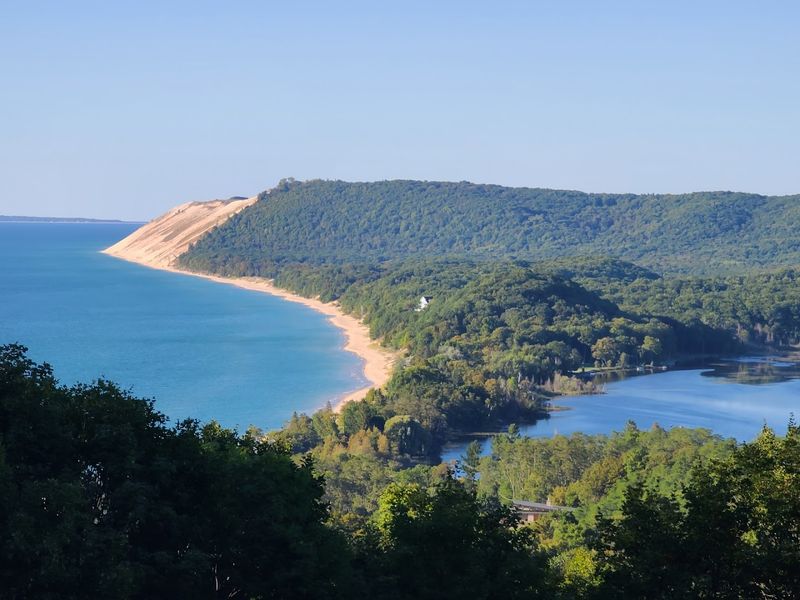
Voted “Most Beautiful Place in America” by Good Morning America viewers back in 2011, Sleeping Bear Dunes National Lakeshore has been on bucket lists ever since — and July is when it absolutely earns that title. The drive through the national lakeshore between Glen Arbor and Empire is a rolling, stunning loop through dunes, forests, inland lakes, and some of the most dramatic Lake Michigan views anywhere in the state.
Start at the Philip A. Hart Visitor Center in Empire to grab a park map and get oriented.
The Pierce Stocking Scenic Drive is the crown jewel — a 7.4-mile paved loop through the park with a dozen overlooks, including the famous Dune Overlook where you can stare straight down a 450-foot sand dune to the blue water below. The drive is included with your park entry pass.
Glen Arbor is a tiny, walkable town just inside the park boundary with excellent local shops and a beloved ice cream spot. Empire has a laid-back beach town vibe and a small grocery store — a good place to restock your cooler before exploring.
The nearby Sleeping Bear Heritage Trail connects several key park areas by bike if you brought wheels.
The Dune Climb is free with park admission and wildly fun — kids especially love sprinting up the sand and tumbling back down. Just know that hiking all the way to the water and back is a serious physical challenge in July heat, so bring plenty of water and realistic expectations.
Many people underestimate how demanding it actually is.
Annual America the Beautiful passes cover entry here and make the whole trip dramatically cheaper if you plan to visit multiple national parks or recreation areas this year. The park’s inland lakes like Glen Lake offer calmer swimming options when Lake Michigan feels rough.
6. Au Sable River Valley Scenic Byway – Oscoda, Iosco County
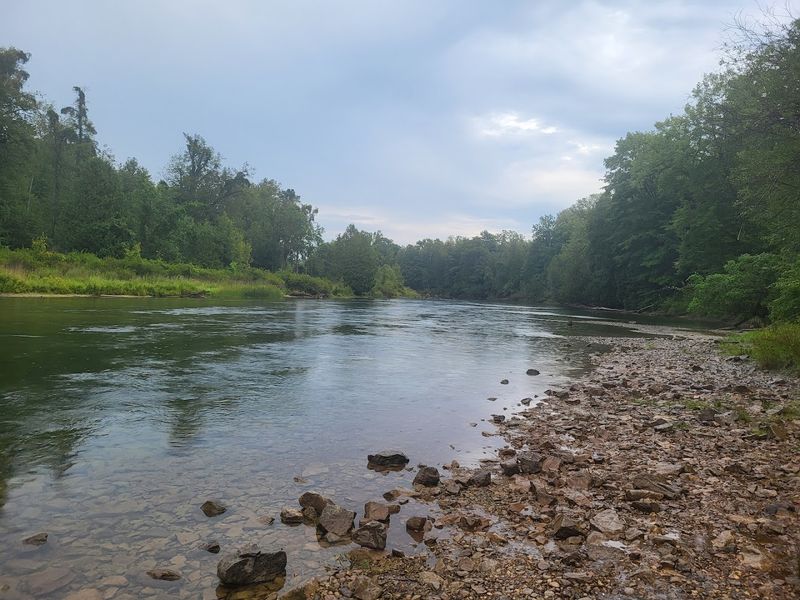
The Au Sable River has a reputation among fly fishermen and canoeists that borders on legendary, and once you drive alongside it, you’ll understand why people get almost poetic about this place. The Au Sable River Valley Scenic Byway runs through the river valley near Oscoda, where the river empties into Lake Huron, and the whole corridor has a cool, shaded, almost meditative quality even on the hottest July days.
Oscoda itself sits right at the river mouth and Lake Huron shoreline, giving you the unusual option of watching a river meet a Great Lake. The town is small and low-key with affordable motels, local diners, and a relaxed pace that feels genuinely welcoming.
From here, the byway follows the river upstream through a landscape of towering pines and hardwoods that block out the summer sun in the best possible way.
Canoeing or kayaking the Au Sable is one of the great Michigan summer experiences, and several outfitters along the route offer rentals and shuttle services at reasonable rates. You don’t need to be an experienced paddler — the river is generally gentle and family-friendly in most sections during summer.
Fishing licenses are required if you want to cast a line, but watching others do it from the bank is completely free.
Lumberman’s Monument is a must-stop along the byway — a bronze statue honoring the loggers who shaped this region’s history, with an interpretive trail and a sweeping view of the river valley below. The visitor area here is managed by the National Forest and has minimal fees.
The byway is a relatively short drive, making it easy to combine with a Lake Huron beach stop in Oscoda. Bring a hammock, string it between two pines riverside, and you’ve got the most budget-friendly afternoon in northern Michigan.
7. Traverse City to Leelanau Peninsula Loop – Traverse City, Grand Traverse/Leelanau Counties
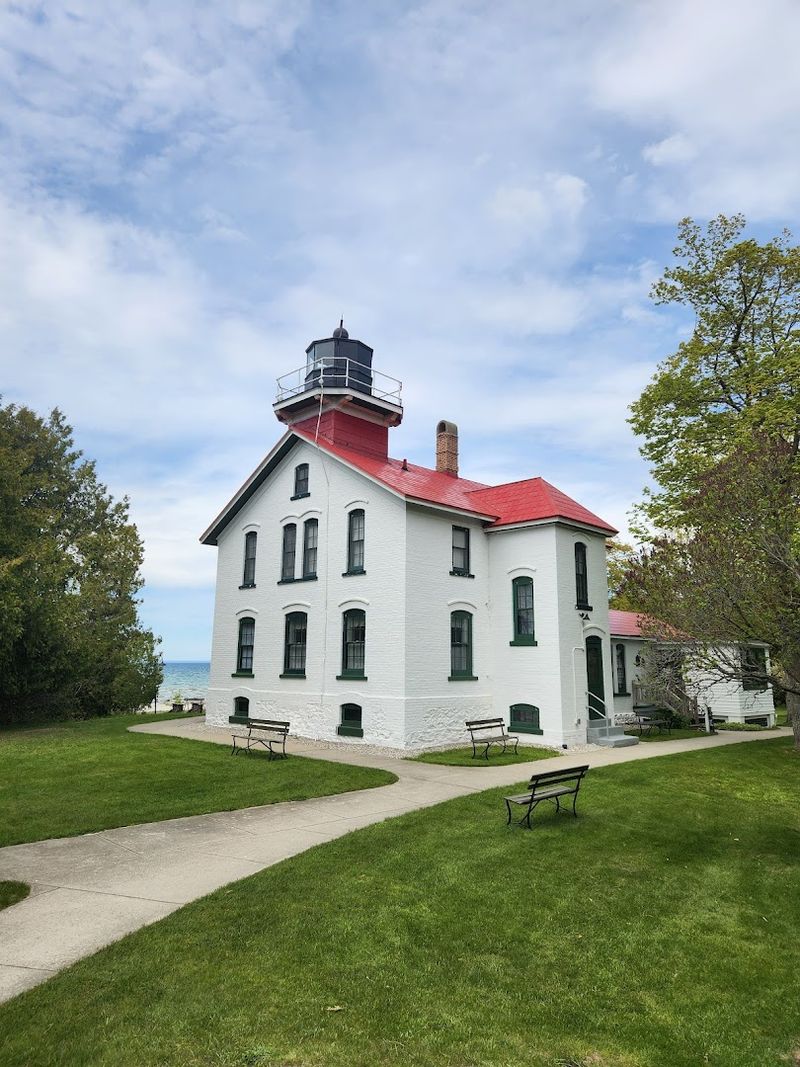
Traverse City calls itself the Cherry Capital of the World, and it backs that claim up every July with a famous cherry festival and roadside stands overflowing with fresh fruit. But the real road trip magic starts when you leave TC behind and loop out onto the Leelanau Peninsula — a narrow finger of land between Grand Traverse Bay and Lake Michigan that is genuinely one of Michigan’s most beautiful places.
The loop takes you through small towns like Suttons Bay, Leland, and Glen Arbor, each with its own distinct character. Leland’s Fishtown is a cluster of weathered fishing shanties right on the water — it looks like something out of a storybook and is one of the most photographed spots in northern Michigan.
You can browse local shops and watch boats come in without spending a dime.
Wineries and farm stands line the roads throughout the peninsula, and while tasting rooms can add up, many offer free or low-cost tastings. Stopping at a cherry stand and paying a few dollars for a bag of fresh Montmorency cherries is a Leelanau rite of passage that no road tripper should skip.
The orchards in full summer production are stunning to drive through even if you don’t stop.
Leelanau State Park at the northern tip has a lighthouse, hiking trails, and beach access for a standard Recreation Passport fee. The views of Lake Michigan from the park’s bluffs are hard to match anywhere else on the peninsula.
Go early in the morning to avoid the July crowds and catch the light at its most dramatic.
The full loop from Traverse City is roughly 80 miles and can be comfortably done in a day. Budget travelers can eat well by hitting roadside stands and packing drinks from home rather than stopping at the touristy restaurants in every town.
8. Mackinac Straits Scenic Route – St. Ignace, Mackinac County
Crossing the Mackinac Bridge is one of those Michigan experiences that never quite gets old no matter how many times you’ve done it. The five-mile suspension bridge connects the Lower and Upper Peninsulas over the Straits of Mackinac, and the views from the road deck — water stretching in every direction, the shoreline curving away into the distance — are genuinely breathtaking.
St. Ignace on the UP side is the starting point for this scenic route, and it punches well above its size in terms of what’s worth seeing.
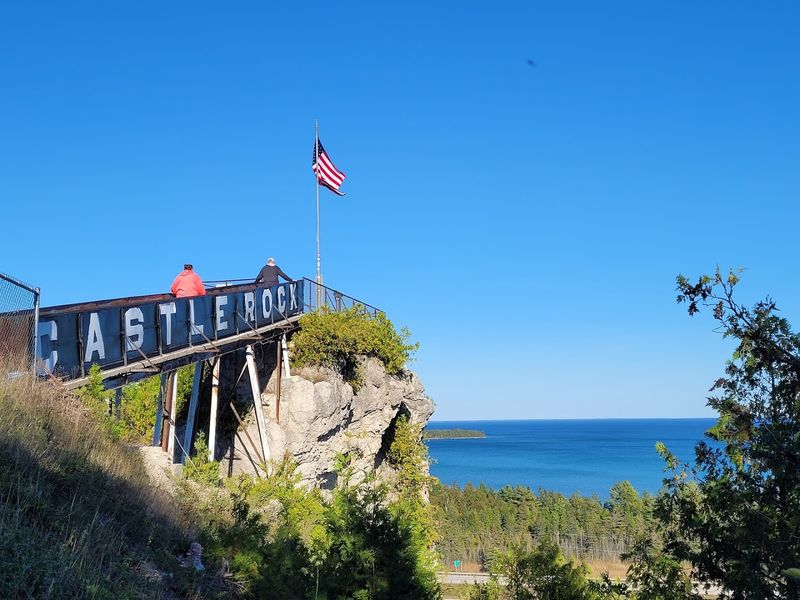
The Mackinac Straits Scenic Route from St. Ignace follows the shoreline through a stretch of UP coastline that most people blow past on their way somewhere else. Castle Rock is an easy climb just north of town — a limestone outcrop with a sweeping view of the straits and a quirky roadside feel that belongs in a classic American road trip scrapbook.
The fee to climb is minimal and the view is disproportionately good.
Straits State Park in St. Ignace sits right on the water with direct bridge views from the campground — a genuinely spectacular spot to spend a July night for a very reasonable fee. The park beach is calm and warm by midsummer, and the sunset views of the bridge lighting up are memorable.
This might be the best value campground in the entire state.
Mackinac Island is just a short ferry ride from either St. Ignace or Mackinaw City, and while the island itself has no cars, it’s worth a day trip if your budget allows. The ferry costs vary by company, so shop around before you book.
Even staying on the mainland and watching the island ferries come and go from the St. Ignace harbor has its own unhurried pleasure.
Grab a pasty — a UP staple meat pie — from one of the local spots in St. Ignace and eat it on the waterfront. It’s filling, affordable, and deeply regional.
9. Pictured Rocks Lakeshore Road – Munising, Alger County
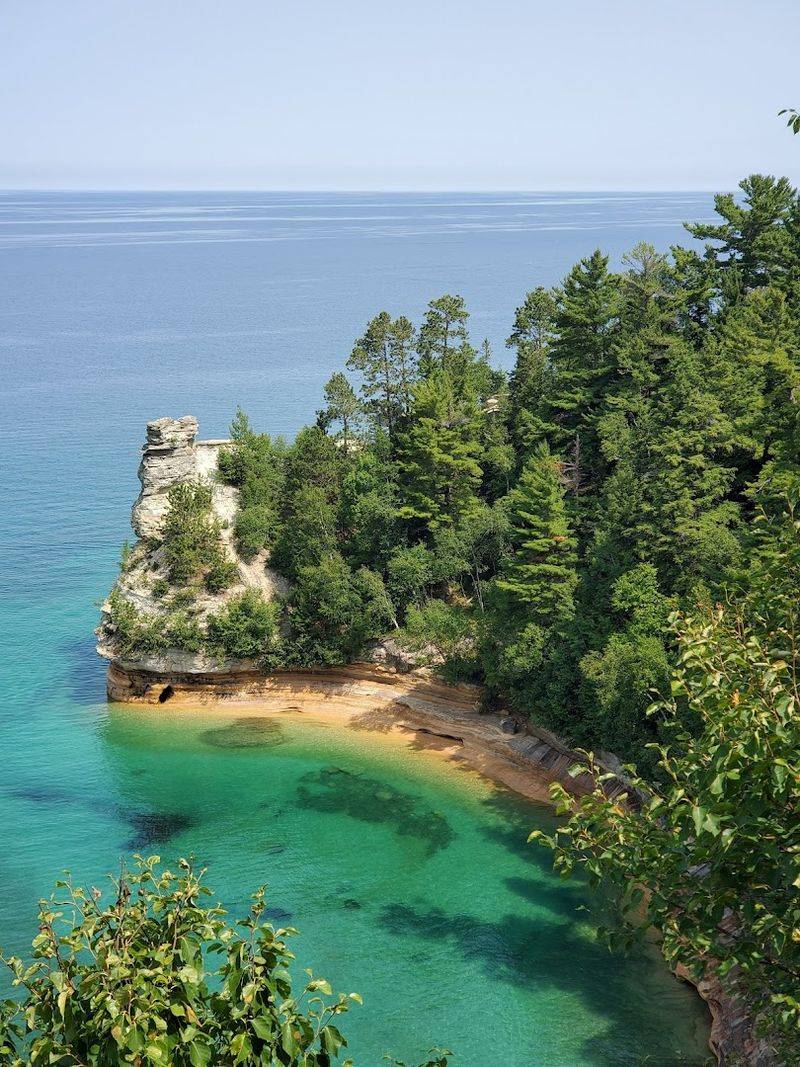
The colored sandstone cliffs of Pictured Rocks stretch for nearly 15 miles along Lake Superior’s southern shore, and seeing them from the road — or better yet from the water — is one of those experiences that makes you feel small in the best possible way. The Pictured Rocks Lakeshore Road connects the key access points along the national lakeshore from Munising eastward, and every pullout along the way offers something worth stopping for.
Munising is the gateway town and a solid budget base with affordable motels, a grocery store, and some genuinely good local restaurants. The Munising Falls trailhead is right in town and leads to a 50-foot waterfall tucked into a sandstone canyon — it’s free, easy, and takes less than 30 minutes round trip.
Start here before heading east along the lakeshore road.
Miners Beach, Miners Castle, and Chapel Falls are the three big stops along the route and each one delivers something different. Miners Castle is a dramatic rock formation with a free overlook platform and views straight down to the impossibly blue water below.
Chapel Falls requires a moderate hike through forest but rewards you with a tall, graceful waterfall that drops into a gorge.
The lakeshore cruise boats out of Munising are a popular way to see the cliffs up close, and while they do cost money, they’re one of the most value-packed tourist experiences in the UP — you simply cannot fully appreciate the scale of these formations from land alone. Booking early for July dates is strongly recommended because tours fill up fast.
Kayaking along the cliffs is another option for more adventurous visitors, with several outfitters in Munising offering guided tours and rentals. Always check conditions before paddling — Lake Superior can turn rough without much warning even in summer.
The lakeshore road itself is free to drive and endlessly rewarding.
10. Upper Peninsula Waterfall Tour from Munising – Munising, Alger County
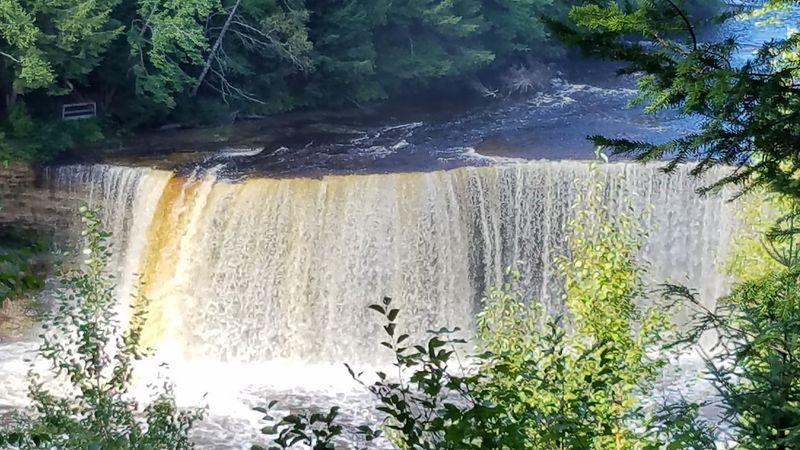
Michigan’s Upper Peninsula has more than 300 documented waterfalls, and a surprising number of them are clustered within easy driving distance of Munising. Using the town as a base, you can build a full waterfall tour that covers a dozen or more falls in a single day without spending much more than gas money and a few snacks.
This is genuinely one of the best budget adventures in the entire state.
Munising Falls is the obvious opener — it’s right in town, free, and takes almost no effort to reach. From there, head west toward Au Train and then south toward the interior to start hitting the more remote falls.
Laughing Whitefish Falls, Alder Falls, and Wagner Falls are all within a reasonable drive and each one has its own personality, from wide curtain drops to narrow ribbon cascades threading through rock.
Bond Falls, while technically a longer drive toward Paulding, is worth the extra miles if you have the time — it’s widely considered one of the most photogenic waterfalls in the entire Midwest. The viewing platform puts you right at water level with the falls spreading across a wide rocky ledge.
No entrance fee, no crowds, just water and rock and the sound of rushing white noise filling the forest.
A waterfall map of the UP is easy to find online or at visitor centers in Munising, and planning your route in advance saves significant backtracking. Some falls require short hikes ranging from five minutes to over a mile, so wear actual shoes rather than sandals.
Trails can be muddy in July after rain, which is worth factoring into your footwear choice.
Packing your own food for this tour is a smart move since you’ll be far from towns for much of the day. A full cooler of sandwiches, fruit, and cold drinks turns a waterfall tour into a proper all-day adventure that costs almost nothing.
11. Tunnel of Trees Scenic Drive / M-119 – Harbor Springs to Cross Village
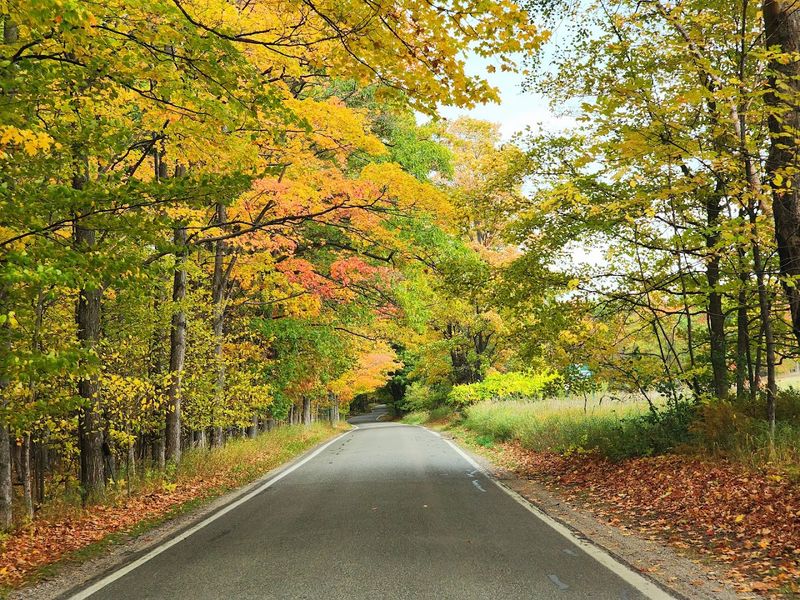
The Tunnel of Trees section of M-119 between Harbor Springs and Cross Village is about 20 miles long and almost impossibly beautiful — a narrow, winding two-lane road where the tree canopy closes in so tightly overhead that you feel like you’re driving through a living green tunnel. Local drivers know to take it slow, not just because the curves demand it, but because rushing this road would be genuinely wasteful.
This is a drive meant to be savored.
Harbor Springs is a polished little resort town with a gorgeous natural harbor and a charming downtown that makes a perfect starting point. Grab a coffee before you leave because the tunnel section has no gas stations or shops — it’s just you, the trees, and occasional glimpses of Lake Michigan sparkling through the branches to the west.
Those water views appear and disappear like something from a dream.
The road was built in the 1800s and runs along a Lake Michigan bluff, which is why those water glimpses are so dramatic — you’re actually elevated above the shoreline for much of the drive. Several pullouts along the route let you stop safely and take in the view without blocking traffic.
July light filtering through the leaves creates a green-gold glow that photographers specifically chase on this road.
Cross Village at the northern end is home to Legs Inn, one of Michigan’s most unique restaurants — a Polish-American roadhouse built from driftwood and natural stone with a legendary atmosphere and solid food. It’s not the cheapest meal on this list, but splitting an order or stopping just for a drink on the deck overlooking the lake is a reasonable compromise for budget travelers.
The whole drive takes less than an hour without stops, but most people stretch it to two or three hours of exploring. Cell service is limited throughout, so download your music or podcast before you set out — this road deserves a proper soundtrack.
Share this story