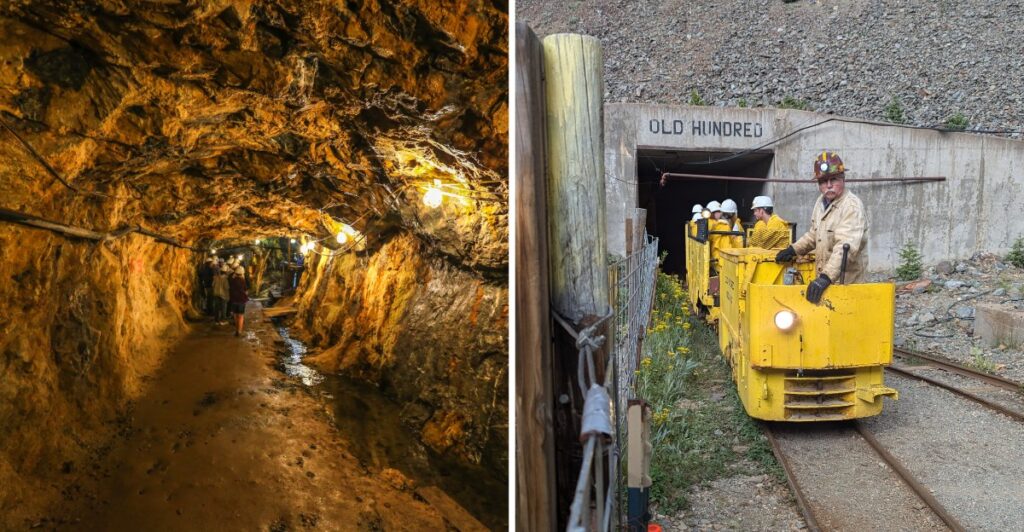
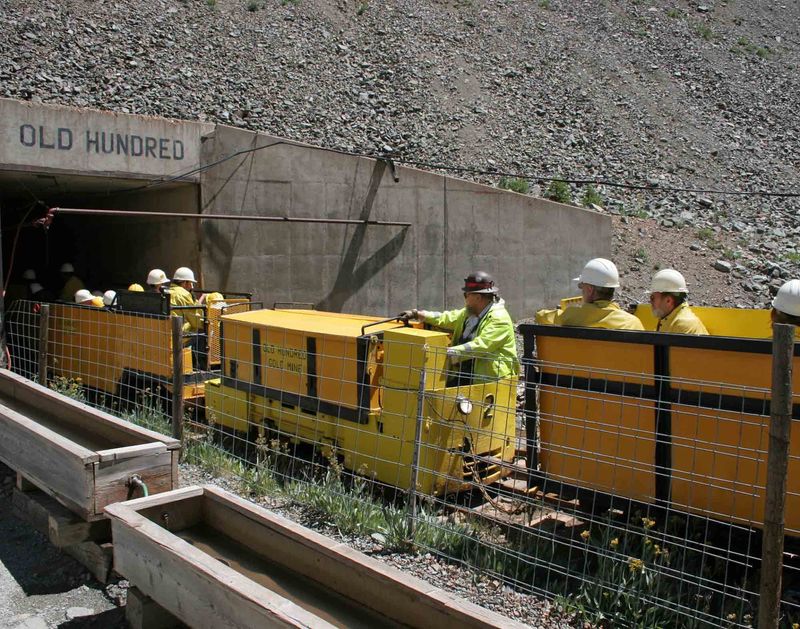
The adventure begins with a mine train disappearing straight into a Colorado mountainside. High above Silverton, visitors can head underground to see the tunnels and equipment connected to the region’s hard-rock mining history while learning how miners once drilled, blasted, and hauled ore from deep inside the mountain.
The experience continues above ground, where panning gives everyone a chance to search through real mine material for glittering bits of gold, silver, and copper. It is part history lesson and part treasure hunt, with plenty of mountain atmosphere thrown in. Best of all, you may leave carrying a tiny piece of Colorado mining history yourself.
A Rocky Road Into the San Juan Peaks
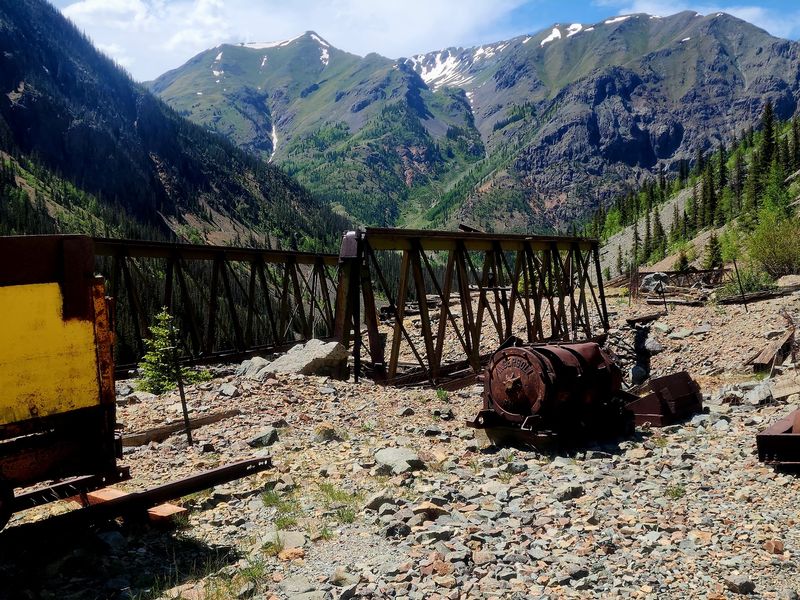
Silverton sits in a bowl of mountains, but the mine is not in town. You drive through the main street, hang a right, and follow County Road 4A as the pavement gives way to gravel. The valley narrows, the peaks climb higher, and old mining ruins start popping up on the slopes.
The road is bumpy in places, yet regular cars, minivans, and trucks all make it to the lot. Speeds stay slow, so give yourself extra time. A clear, calm day makes the drive far more relaxed, especially if mountain storms are rolling in, which happens often on summer afternoons.
Along the way, keep an eye out for the Mayflower Mill. That huge old building is where ore from mines like this one was crushed and sorted to pull out the metal. You pass right by it on the way in and out, so it makes an easy second stop.
When you reach the Old Hundred site, the setting does a lot of the talking. Rusty equipment sits outside, wooden buildings lean against the hillside, and the mountains rise straight up behind everything. Fresh air at this height is thin and crisp, and even in July, a breeze can carry a chill.
Cell service usually fades out here. Download your directions before you leave Silverton, and tell anyone waiting on a text that you might be quiet for a while. Snap photos of the valley before the tour, because the light shifts fast as clouds move over the ridges.
The parking area is close to the main building, so there is no long hike. Step out, stretch, and look up. Somewhere inside that mountain is the tunnel you are about to ride into, and the entrance is closer than it seems.
All Aboard the Mine Train
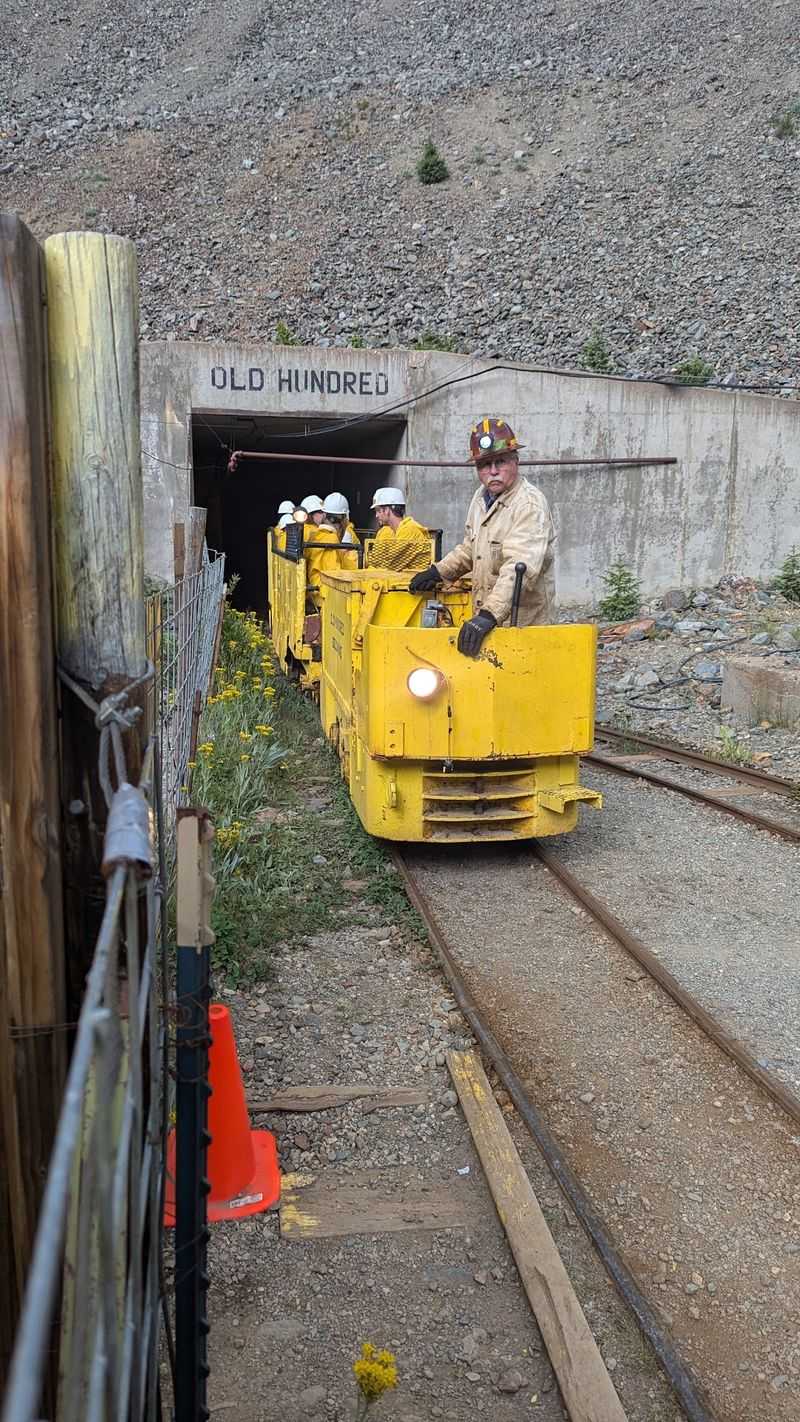
Clack, rumble, darkness. The first thing that happens on this tour is a ride straight into the mountain on a small mine train. Riders squeeze into low cars, the engine hums, and daylight shrinks behind you until the tunnel goes pitch black.
Before boarding, the staff hands out two key items: a hard hat and a raincoat. Neither one is for show. Water drips from the ceiling in spots, and the rock walls feel close enough to touch.
The coats keep you dry enough that you will not walk out soaked, and the hats give your head a little armor in tight spaces.
The ride lasts only around five minutes, but it packs a thrill. Kids grip the side rails, grown-ups duck a little out of habit, and everyone notices the temperature drop. The air down there stays cool all year, which is a shock after the sunny parking lot.
That cold is the reason layers matter. Bring a sweatshirt or light jacket to wear under the provided raincoat. Closed-toe shoes are a must too, since the floor is wet and rocky. Sandals will leave your toes chilly and unhappy.
Arrive a bit before your tour time. Groups often start small, then fill up as people trickle in, and the train can end up nearly full. Getting there early also gives you time to try panning before you head underground.
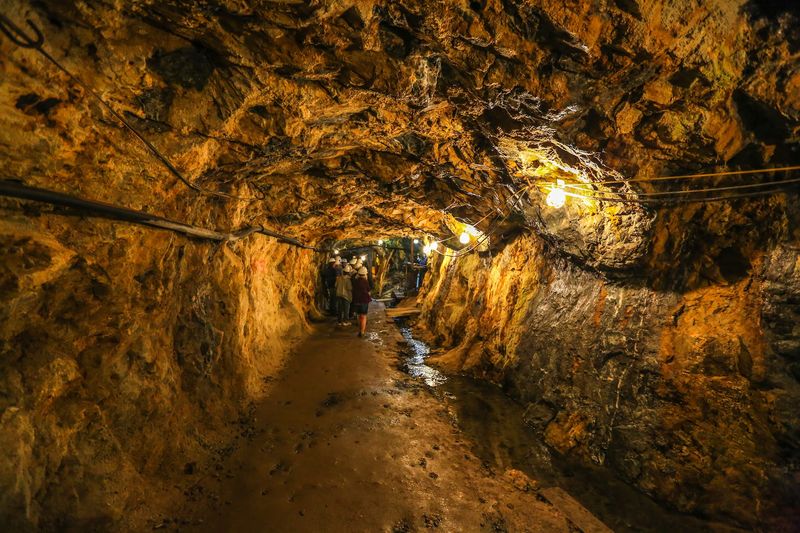
Once the train stops, the walking portion begins. Lights flick on along the tunnel, the sound of dripping water echoes, and your guide steps forward. The real lesson is about to start, right there in the heart of the rock.
Guides Who Actually Swung the Hammer
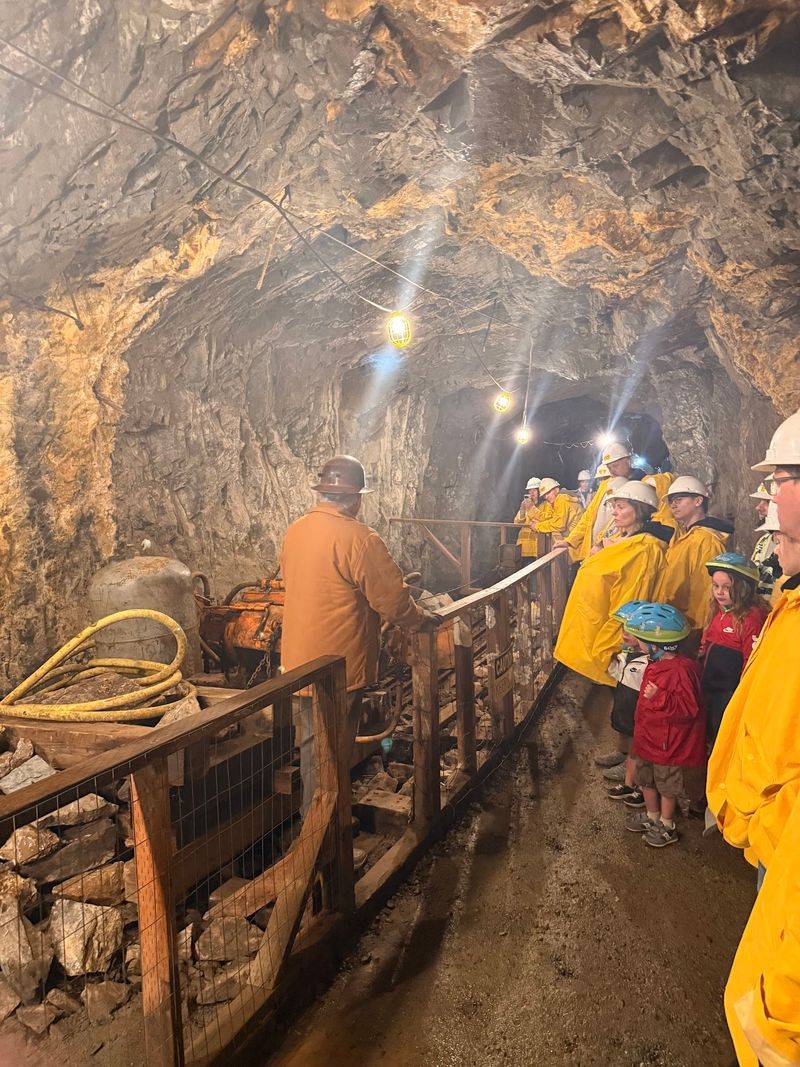
Most museums use signs to tell stories. Here, the stories come from people who lived them. Many of the guides at Old Hundred are former hard rock miners, and some come from long family lines of miners in the San Juans.
That changes everything about the tour. When a guide talks about cold mornings, loud drills, and working deep underground, he is not reading a script. He is describing his old job.
Names like George, Bob, Rick, Trent, and Dan come up again and again from past groups, each with his own style and favorite tales.
One guide has even shared that the mine once belonged to his great-great-grandfather. Hearing family history spoken inside the same rock walls where it happened gives the tour a weight that photos never could.
Kids are pulled right into the action. Guides ask them questions, let them help at displays, and answer the wild things young minds come up with. Adults with deep mining knowledge get just as much attention, since these folks can handle tough technical questions with ease.
Patience is part of the package too. Groups with special needs children, toddlers, and grandparents all move through together, and the pace adjusts so nobody gets left behind.
Here is a friendly tip from local custom: bring a little cash to tip your guide. These are working pros sharing real life experience, and a thank-you goes a long way.
Some visitors even buy a mining book in the shop and ask their guide to sign it. Not a bad souvenir, considering who wrote the stories in your head.
Drills, Dynamite, and a Very Loud Lesson
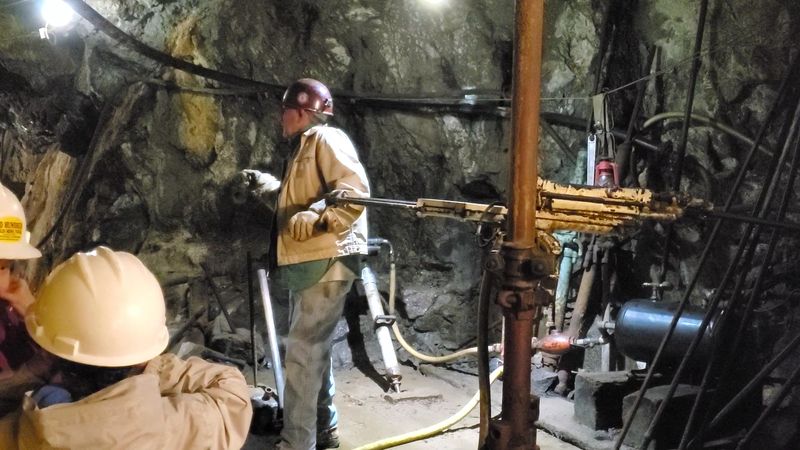
Cover your ears. Seriously. Partway into the tunnel, the guide fires up an air-powered drill, and the roar bounces off the rock like thunder in a closet.
Live demonstrations are the core of this tour. Instead of looking at dusty tools behind glass, you watch real machines run. Guides show how miners drilled rows of small holes into the rock wall, packed them with dynamite, hooked everything to a blasting machine, and shouted the famous warning, fire in the hole.
Next comes the cleanup. Heavy loaders, sometimes called mucking machines, scoop up broken rock and toss it into ore cars. Seeing one actually move makes it easy to picture how much effort went into each ton of rock pulled from the mountain.
The stations do not stop there. You will see how mine lighting changed over the decades, from flickering candles to carbide lamps to battery lights. There is also a look at the lift that carried workers and ore between different mine levels.
Noise is the one thing to plan for. Guides always give a warning before starting a machine, and plugging your ears with your fingers works for most people. Ear protectors are available in the office, and they are a smart pick for little kids or anyone sensitive to sound.
The spaces are tight, damp, and dim in places. Anyone with strong claustrophobia should think it over first, and very young children who cannot sit through a talk may get restless.
By the end of the demos, the danger of the job becomes clear. Rock, noise, water, and darkness were daily partners for miners, and you feel all four standing in that tunnel.
Swirl, Tilt, and Find Your Own Silver
Grab a pan, scoop some dirt, and start shaking. Outside the mine, long water tanks are filled with real mining material, and anyone can sift through it before or after the tour.
Panning looks simple, but there is a trick. Fill your pan with dirt and water, then swirl it in a gentle circle. Tilt it slightly so the light sand washes over the edge.
Heavy bits like gold and silver sink to the bottom, because metal is much denser than plain rock. Patience pays off. Rushing tosses the good stuff out with the mud.
Slow, steady swirls leave a little pile of dark sand, and that is where tiny shiny specks hide. Some people find small balls of silver, while others spot colorful stones and little gems.
Gold is the dream, of course, but do not be crushed if you only find silver or pretty rocks. The fun is in the hunt. Many families find treasures worth keeping, and those finds go home with you at no extra charge.
Kids can stay busy at the troughs for a long time, which is handy while waiting for the next train. Adults get hooked too, especially once they spot that first glint. Guides sometimes wander over after the tour to help young panners learn the right wrist motion.
Bring a small bag or container for your finds. Wet hands and tiny stones do not mix well with pockets. A towel in the car is also smart, since your sleeves will probably end up dripping.
Cold water plus mountain air can chill fingers fast. Take short breaks, warm up in the sun, then get back to swirling.
Timing Your Visit to This Colorado Mountain Mine
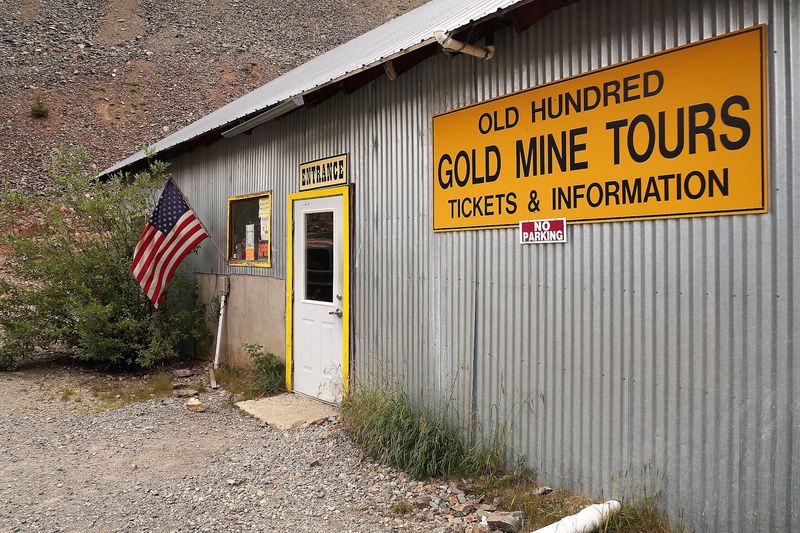
Tours run every day from 10 AM to 4 PM during the open season, with set departure times throughout the day. Plan to show up around 30 to 40 minutes early. That leaves time to pay, use the restroom, and practice panning before boarding.
Do not expect a fancy ticket booth. The operation is relaxed and rustic, even a little rusty in the best way. Head into the main building, find a staff member, and pay your admission there.
It runs on a friendly, informal system that matches the old mining camp setting. From train ride to walking tour to the trip back out, the underground part takes roughly 50 minutes to an hour. Add panning time and shopping, and two hours is a comfortable window.
Restrooms sit outside and are cleaner than you might guess for such a remote spot. Affordable snacks are available too, so a hungry kid will not derail the day.
The gift shop is worth a peek. Geodes, crystals, and mineral samples line the shelves, along with books about mining in the San Juans. Pick something small to remind you of the trip.
Weather in Silverton changes in a hurry. Mornings are often clear, while afternoon storms build over the peaks in summer. An early tour usually means calmer roads and brighter photos.
For a full story of how metal was mined and processed, pair this stop with the Mayflower Mill on the same road. Visiting the mill after the mine shows what happened to all that rock once it left the tunnel, and the order makes the whole process click.
Why This Tunnel Beats a Textbook
Picture a history class where the teacher hands you a hard hat, puts you on a train, and drives you into a mountain. That is the basic idea here, and it works shockingly well.
Mining built Silverton. The town name itself points to the treasure people chased in these peaks, and the hills are still dotted with old shafts and wooden ruins. Standing inside a real mine helps all of those crumbling buildings outside make sense.
Plenty of mine tours exist across the West, but few combine so many pieces in one stop. Here you get a train ride, working machines, stories from real miners, and the chance to find metal with your own hands. Each part teaches something different, so the lesson never drags.
The trip also suits a wide range of ages. Families bring kids under 12 alongside grandparents over 65, and both ends of that age span find something to enjoy. Little ones love the noise and the panning. Older visitors tend to soak up the stories and engineering.
There is a serious side too. Hearing about the cold, the blasting, and the danger shows how hard miners worked to pull wealth from stone. That respect for the workers comes through in every station.
Plain and unpolished, the operation skips flashy screens in favor of wet rock and loud drills. That honest approach is exactly the point. You leave with muddy shoes, a bag of shiny stones, and a much clearer picture of the people who once spent their days deep under these mountains, chasing a glint in the dark.
Share this story