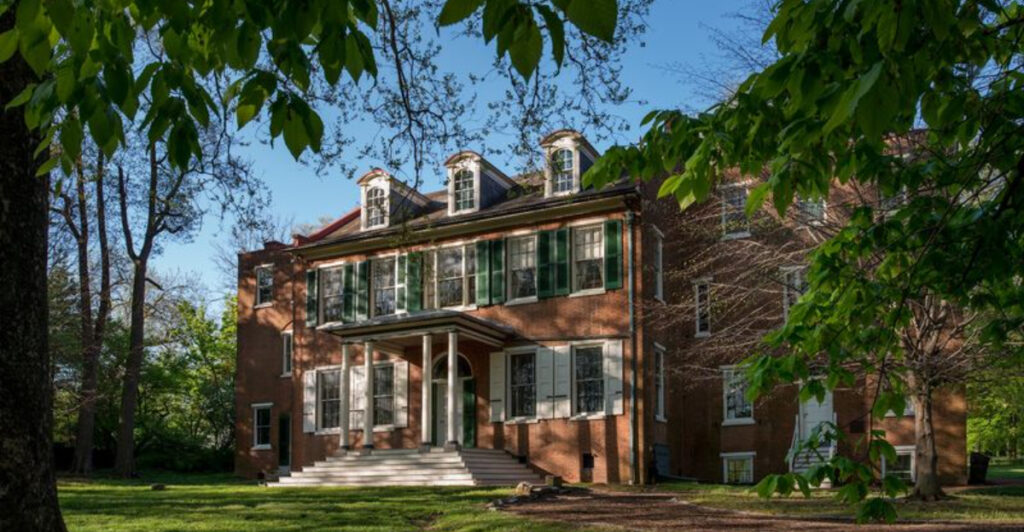
Step onto the grounds of Wheatland and it feels less like a museum and more like a house waiting for its owner to return before dinner. In Lancaster, Pennsylvania, this 17-room mansion preserves the personal world of President James Buchanan with remarkable intimacy, from furnishings he actually used to spaces arranged with lived-in realism.
What makes the visit so compelling is not just the architecture, but the tension between elegant domestic comfort and the stormy national history tied to its most famous resident. If you want a presidential site that feels personal, atmospheric, and unexpectedly revealing, Wheatland is the kind of place that stays with you long after the tour ends.
1. A Presidential Home Frozen in Time
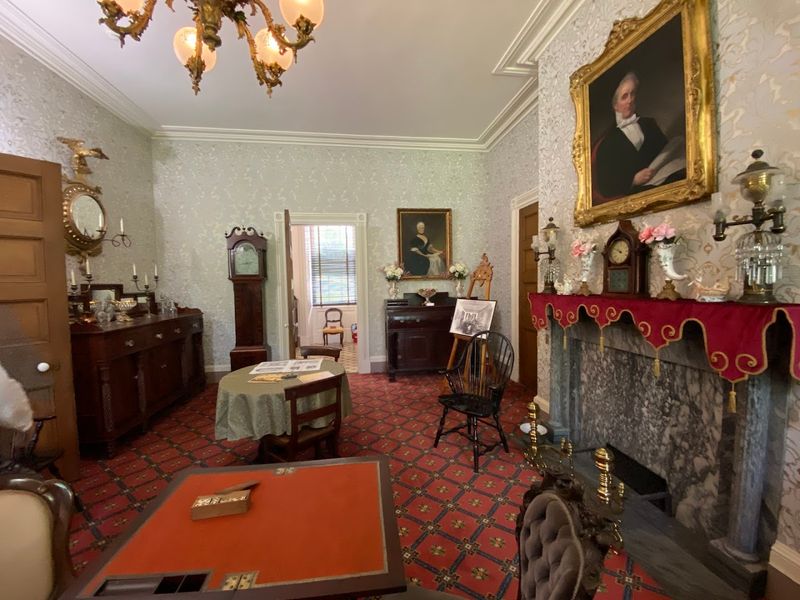
Walking up to Wheatland, you immediately sense why this house stands apart from so many historic homes.
It does not feel staged into a generic period setting.
It feels preserved with unusual closeness to the life Buchanan actually lived here.
The mansion contains seventeen rooms, yet the overall impression is intimate rather than overwhelming.
Original furnishings, personal belongings, paintings, and decorative details help the rooms read like a residence paused in time.
That authenticity is what visitors mention again and again after touring the house.
I think that is Wheatland’s real power.
You are not simply learning dates from a presidential timeline.
You are moving through a domestic world where political conversations, family routines, and private worries once unfolded.
In Lancaster, that makes Wheatland feel less like a distant monument and more like a direct encounter with the complicated humanity of America’s fifteenth president, preserved with extraordinary care for modern visitors today.
2. Why Wheatland Matters in Pennsylvania History
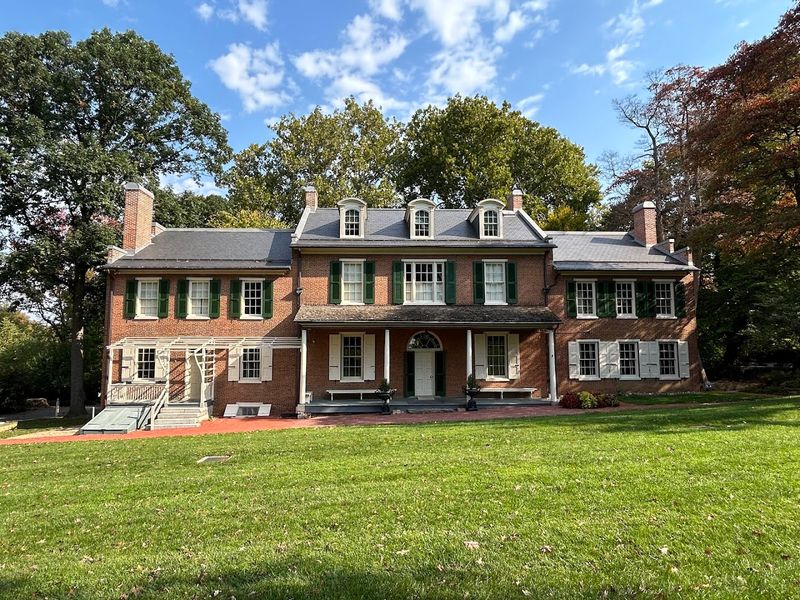
Pennsylvania can claim only one U.S. president as a native son, and Wheatland is the place most closely tied to that legacy.
James Buchanan was born in Pennsylvania, and this Lancaster estate became the home most associated with his mature public life.
That alone gives the property major historical weight.
But the importance of Wheatland goes beyond state pride.
This is where Buchanan lived before and after his presidency, making it a crucial site for understanding how he presented himself privately and publicly.
The house offers context for a man whose administration remains one of the most debated in American history.
That tension gives a visit unusual depth.
You are not entering the home of a universally celebrated figure.
You are stepping into the world of a controversial president whose legacy still prompts strong opinions.
Wheatland preserves that story without losing the grace, complexity, and very human texture that make the place worth experiencing in person.
3. Rooms Filled With Original Belongings
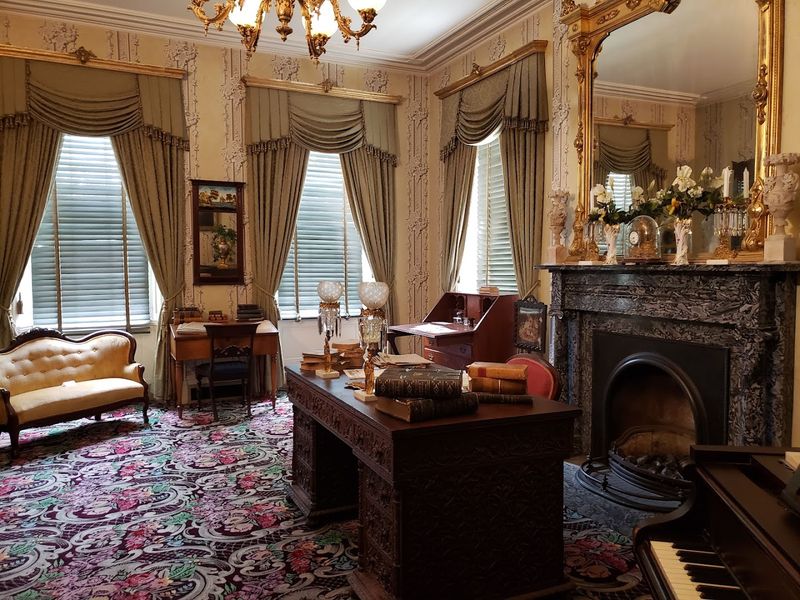
One of the most impressive things about Wheatland is how much of the house still connects directly to Buchanan and his family.
Visitors repeatedly praise the number of original furnishings and personal items on display.
That matters because original objects create a stronger emotional pull than reproductions ever can.
As you move from room to room, the house reveals itself through furniture, artwork, textiles, and household details that belonged to the people who lived there.
These pieces do more than decorate the mansion.
They quietly show taste, status, routines, and the expectations of elite nineteenth-century domestic life.
I find that especially compelling in presidential homes, where it is easy for politics to overshadow everything else.
At Wheatland, the objects help restore a sense of everyday reality.
You can imagine guests arriving, conversations beginning, letters being opened, and evenings settling in.
The house becomes not just historically significant, but deeply believable as a place once fully inhabited.
4. The Presence of Harriet Lane
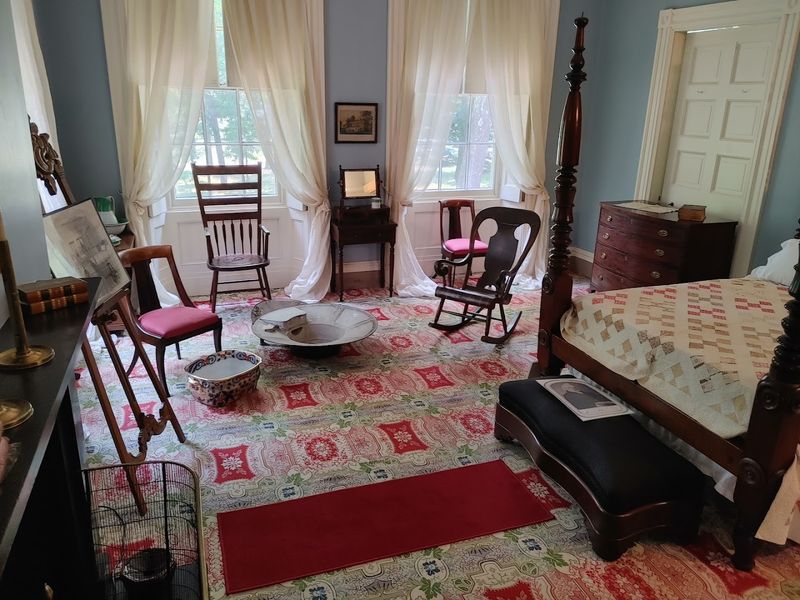
Wheatland is not only the story of James Buchanan.
The house also carries the presence of Harriet Lane, Buchanan’s beloved niece, who played a major role in his social and political world.
Her importance appears often in tours, and visitors clearly notice how much she shaped the atmosphere surrounding the household.
Because Buchanan was unmarried, Harriet Lane became one of the most visible women connected to his public life.
At Wheatland, that family relationship adds dimension to the house.
It shifts the site from being a bachelor statesman’s residence into a more textured domestic setting filled with influence, companionship, and social performance.
Some visitors want even more focus on Buchanan himself, while others enjoy how Harriet’s story expands the experience.
I think both responses make sense.
What matters is that Wheatland feels populated by real personalities, not just political titles.
Through Harriet Lane, the mansion reveals how family networks shaped the culture of power in nineteenth-century America.
5. What the Guided Tour Adds
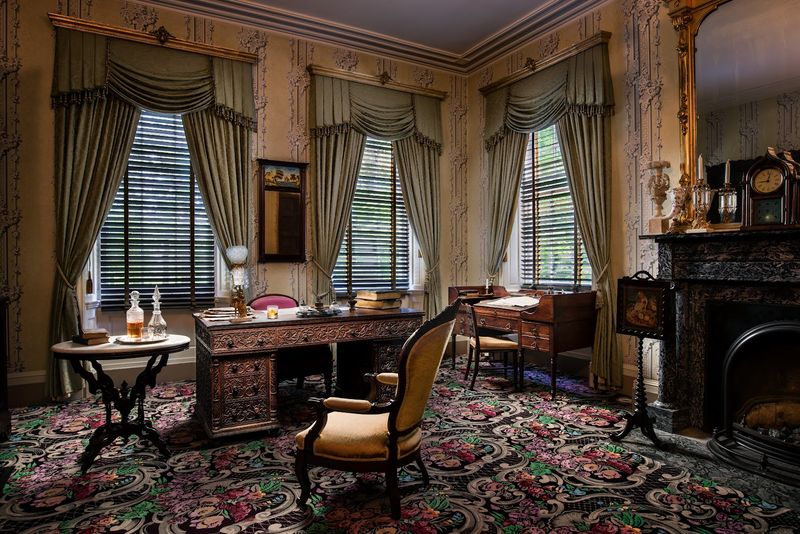
Wheatland seems to leave a strong impression partly because the guided experience is so often praised.
Review after review mentions knowledgeable staff, engaging storytelling, and guides dressed in period clothing.
That combination helps bridge the gap between static rooms and the larger historical drama connected to them.
A good guide can make all the difference in a presidential house, especially when the subject is as complex as Buchanan.
At Wheatland, visitors often describe the tours as balanced, informative, and surprisingly accessible.
The best guides do not simply recite facts.
They animate the spaces and invite you to notice small details that would otherwise pass quietly by.
I also love that many guests mention how questions are welcomed.
That creates a more personal encounter with the site.
Instead of standing at a distance from history, you feel drawn into it.
For families, history buffs, and casual travelers alike, that makes Wheatland more memorable than a quick walk-through ever could be.
6. A Mansion That Feels Lived In
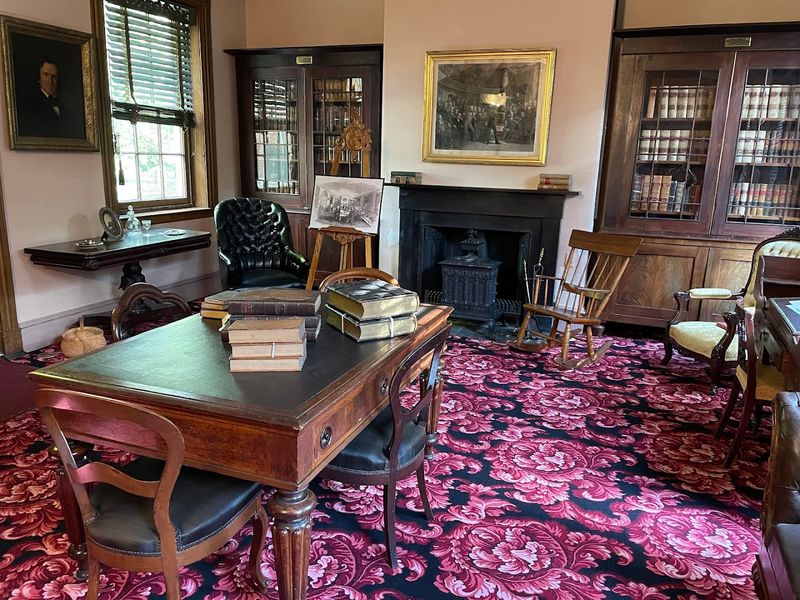
Many historic properties are beautifully restored, but not all of them feel inhabited.
Wheatland does.
There is a subtle difference between a house that displays history and a house that seems to hold onto it.
Here, the arrangement of rooms, objects, and decorative choices creates the impression that daily life has only briefly stepped away.
That feeling is reinforced by the absence of excessive theatricality.
Wheatland appears thoughtfully interpreted, yet it does not rely on heavy-handed effects to make its point.
Instead, the home allows furniture placement, personal artifacts, and architectural flow to suggest how the household functioned from one room to the next.
For me, this is where the mansion becomes especially memorable.
You are not pushed toward a single dramatic moment.
You are invited to observe rhythms of life: receiving guests, writing correspondence, dining, reading, and retreating to private corners.
Those quiet domestic cues make Buchanan’s world feel more immediate, nuanced, and surprisingly tangible to a modern visitor today.
7. Planning a Visit to Wheatland
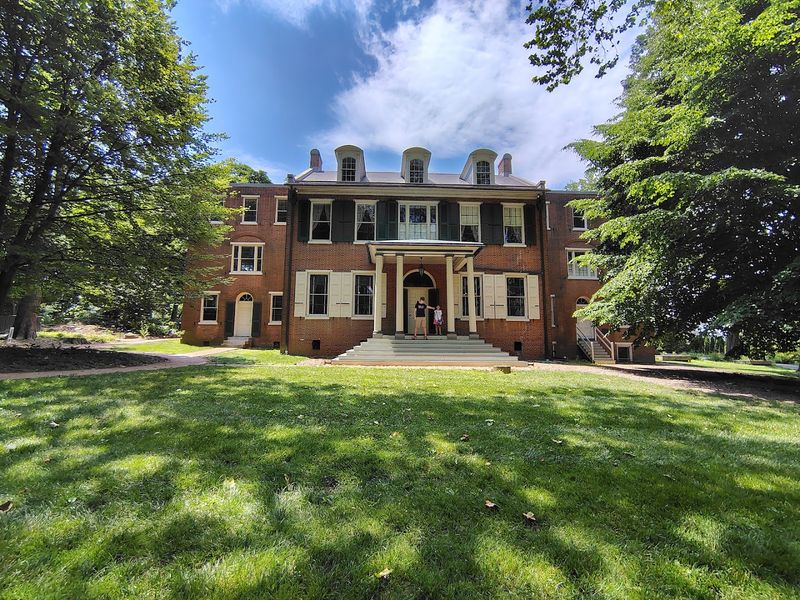
If you are planning to visit Wheatland, the practical details are refreshingly straightforward.
The site is located at 1120 Marietta Avenue in Lancaster and currently holds strong reviews from visitors who consistently recommend the experience.
It operates Monday through Saturday from 10 AM to 3 PM and remains closed on Sundays.
Those limited hours make advance planning important, especially if you are fitting Wheatland into a broader Lancaster itinerary.
Reviews suggest the visit is worth scheduling carefully rather than treating it as an afterthought.
Several guests specifically mention the introductory film, the excellent house tour, and the value of taking time to absorb both.
I would also keep seasonal programming in mind.
Holiday tours have earned special praise, and some visitors mention the gift shop and temporary exhibits as worthwhile extras.
If you want the fullest experience, arrive with enough time to explore without rushing.
Wheatland rewards attention, and it is exactly the kind of landmark that deserves an unhurried visit.
8. Facing Buchanan’s Difficult Legacy
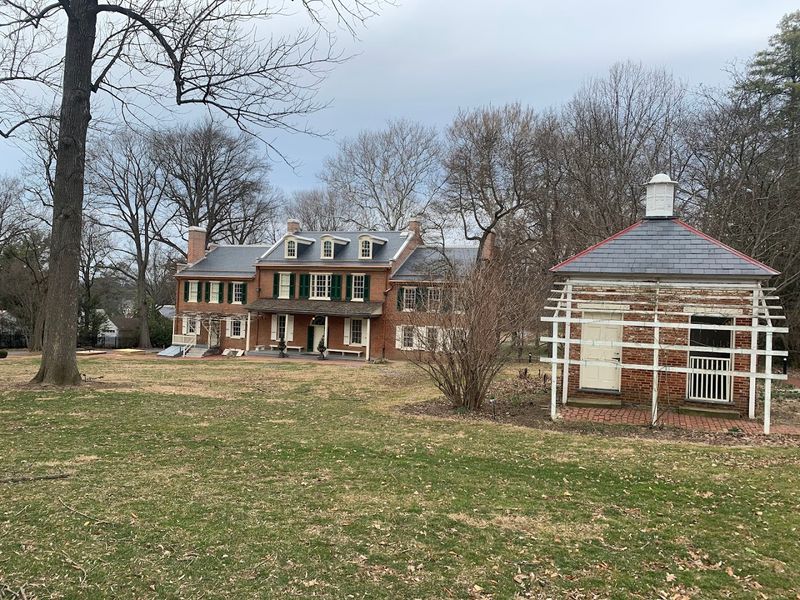
Any honest visit to Wheatland has to reckon with the fact that James Buchanan is widely ranked among America’s weakest presidents.
Visitors know that before they arrive, and some reviews say so bluntly.
Yet the site remains compelling precisely because it does not depend on uncomplicated admiration to hold your interest.
Instead, Wheatland offers something more challenging and more rewarding.
It lets you examine the private environment of a public figure whose decisions still provoke criticism, especially in the years leading to the Civil War.
The house becomes a place to think about leadership, failure, reputation, and the limits of personal refinement in moments of national crisis.
I appreciate that tension.
You can admire the preservation of the home, the beauty of the rooms, and the richness of the artifacts without pretending Buchanan’s record was stronger than it was.
In fact, that complexity makes the visit more intellectually satisfying.
Wheatland asks you to engage history as it really is: fascinating, uncomfortable, and undeniably human.
9. Why Wheatland Is Worth Seeing Today
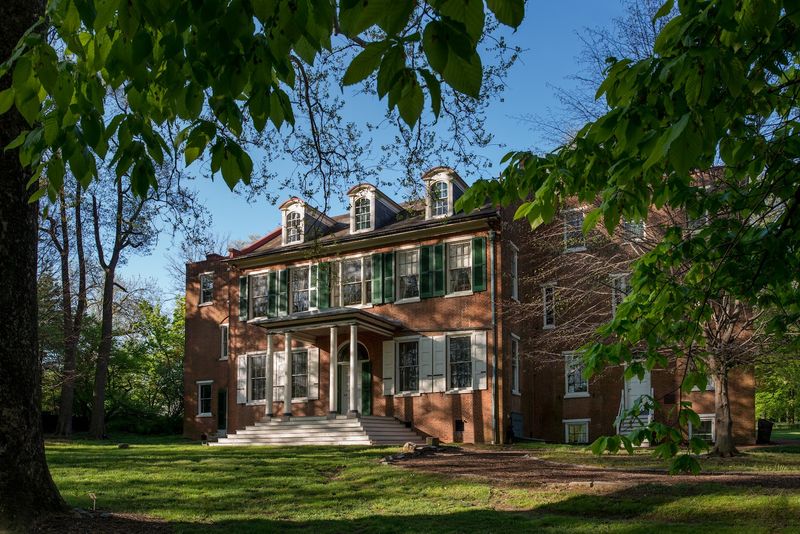
Wheatland endures because it offers more than a checklist stop for presidential tourism.
The house combines architecture, original artifacts, strong interpretation, and a remarkably personal atmosphere.
Even visitors who arrive skeptical about Buchanan himself often leave impressed by the quality of the experience and the care given to the property.
There is also something deeply satisfying about finding a national story in such a local setting.
Lancaster’s streets and surrounding neighborhood give Wheatland a grounded presence rather than an isolated museum feel.
You can sense that this was once a lived community, not just a backdrop for famous events.
That is why I think Wheatland resonates so strongly.
It invites you to look past simplified rankings and into the textured world behind them.
You come for the house of a president, but you stay for the atmosphere, the objects, the storytelling, and the sense of nearness to another century.
In Pennsylvania, few historic landmarks feel this immediate, revealing, and quietly unforgettable.
Share this story