Bari Foods has earned its reputation as one of Illinois’ most iconic Italian delis, drawing sandwich lovers to Chicago for legendary subs stacked with premium Italian meats, cheeses, fresh bread, and generations of family tradition.
A neighborhood favorite for decades, this classic West Grand Avenue deli doubles as an Italian grocery, giving visitors access to imported specialties, homemade sauces, pasta, and other pantry staples alongside its famous sandwiches. The combination of authentic flavors, generous portions, and old-school charm keeps both locals and travelers coming back. If you’re searching for one of the best Italian subs in Illinois, Bari Foods belongs at the top of your list.
A Grand Avenue Storefront With Zero Need for Flash
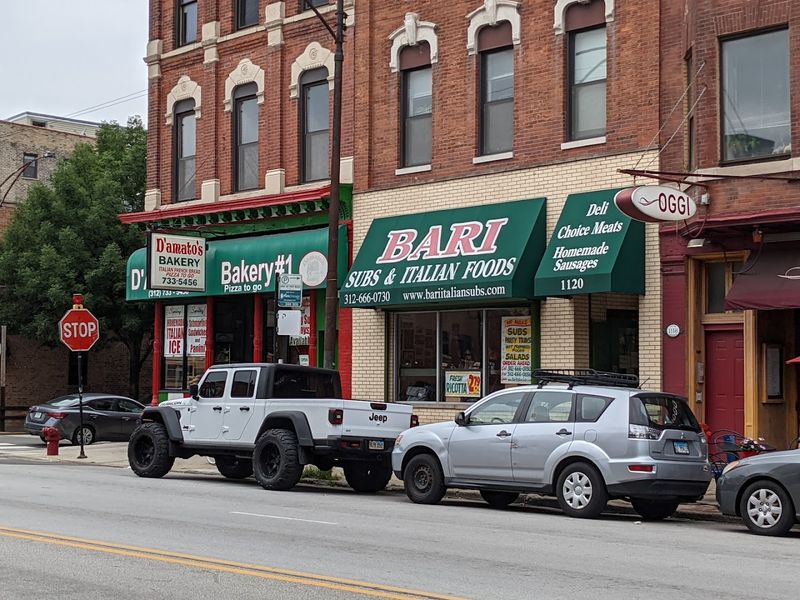
Bari Foods does not rely on polished signage, trendy branding, or oversized windows to announce itself. The draw starts with a modest Grand Avenue storefront and a compact footprint that looks more like a working neighborhood market than a destination lunch spot.
That understatement is part of the hook, because the place signals substance before a single sandwich even hits the counter.
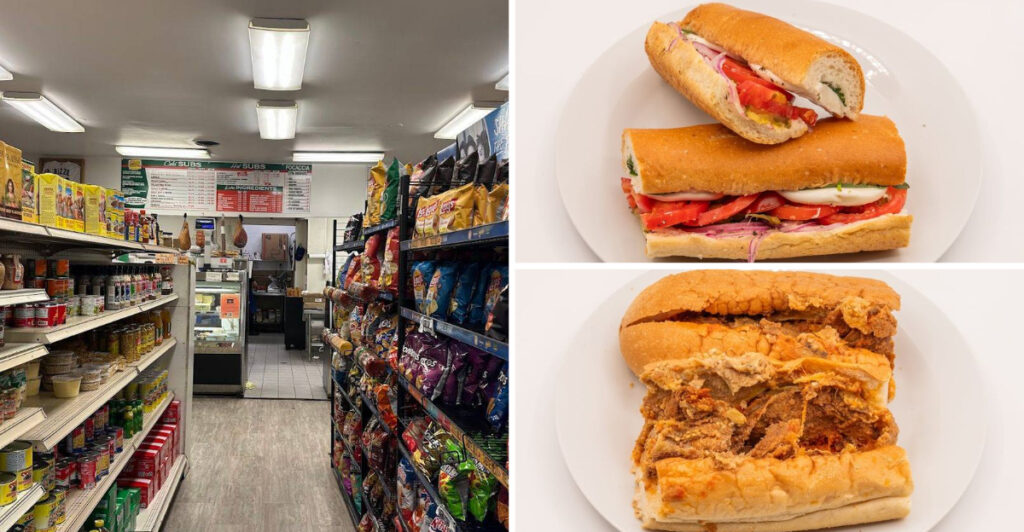
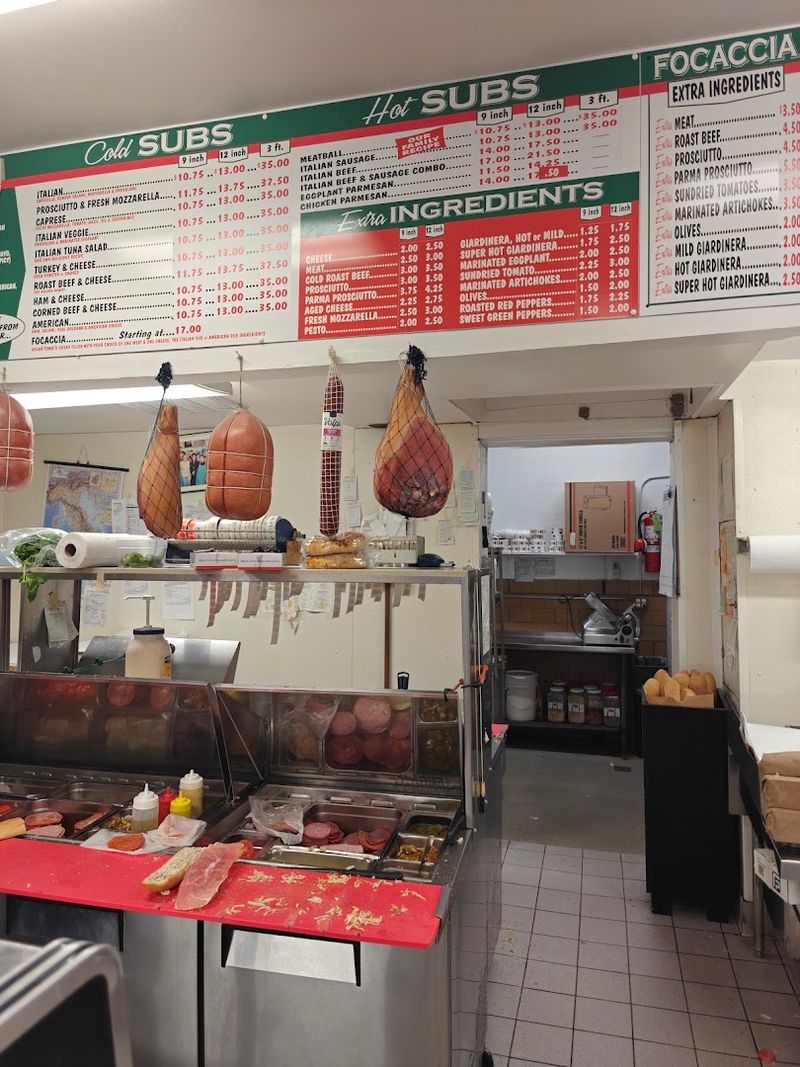
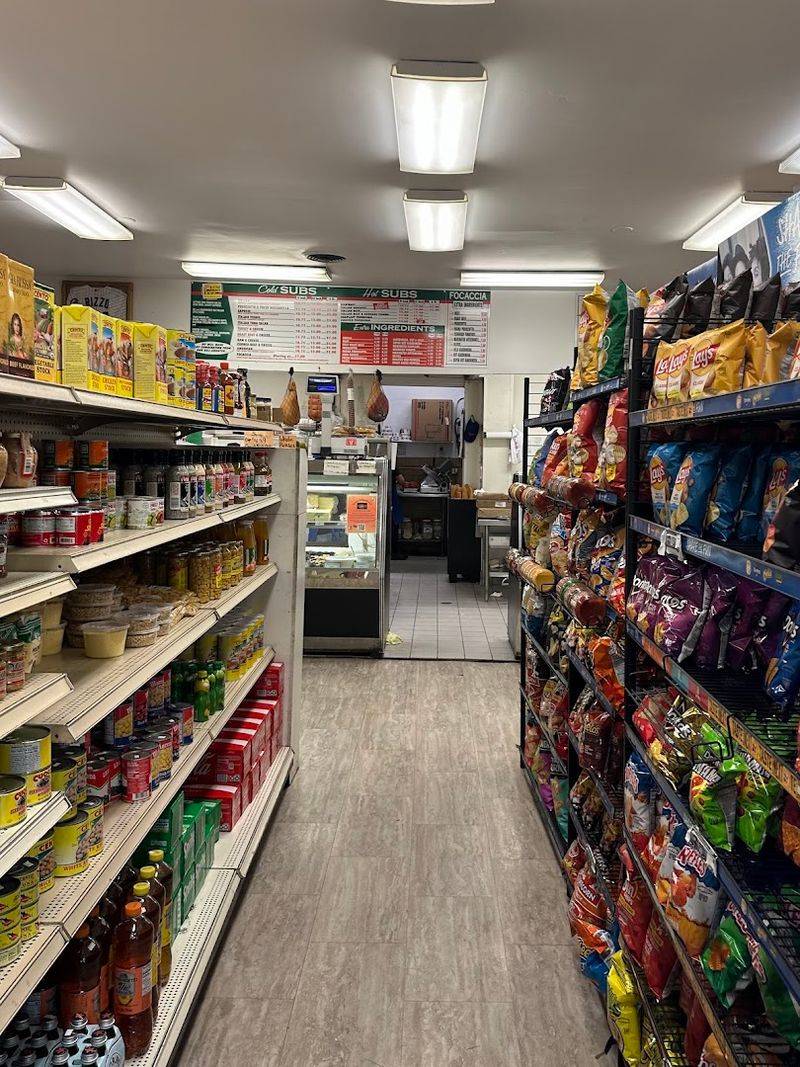
Inside, the layout tells you exactly what kind of operation this is. Shelves hold Italian pantry staples, deli goods, and grocery items that make the store useful even before the sandwich order comes into play.
The setup pulls you inward, past ingredients and household provisions, until the food counter at the back becomes the obvious focal point.
That walk matters. Instead of entering a restaurant designed around seating and ambiance, you move through a store that still functions as a grocery first, which gives the meal a sharper sense of place.
Bari feels anchored to daily neighborhood life, not staged for a camera, and that changes how the whole visit lands.
The visual character leans old Chicago without trying too hard. Framed memorabilia, stacked products, and a no-nonsense service rhythm create a space that looks lived in, practical, and busy in the most convincing way.
Nothing about it appears overworked, and that restraint makes the deli counter feel even more important. For a first-time visitor, the effect is immediate. You are not arriving at a place built to impress with design tricks.
You are arriving at a place built to keep producing food that gives people a reason to cross the city, circle for parking, and come back again once the sandwich paper is empty.
The Subs That Turn a Quick Stop Into a Citywide Mission
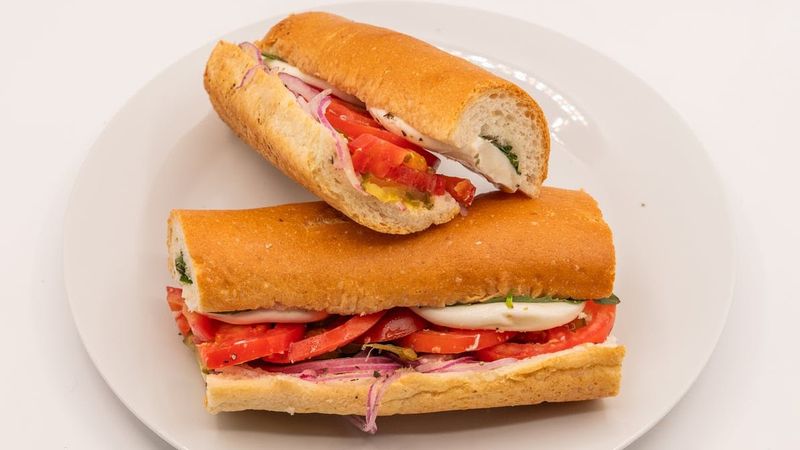
The headliner at Bari Foods is the sub, and it earns that status fast. These sandwiches are not delicate little stacks built for neat bites.
They come substantial, tightly packed, and balanced in a way that makes the bread, meat, cheese, and peppers work as one thing instead of a loose pile of ingredients.
The Italian sub gets much of the spotlight, and it makes sense why. Its appeal starts with proportion. The bread has enough structure to support serious filling, yet it does not bully the meats or turn the sandwich into a chew toy, which is a common problem when shops chase crunch over function.
Texture does a lot of the heavy lifting here. A good sub needs resistance on the outside and give in the center, and Bari seems to understand that instinctively.
The fillings land with a measured saltiness rather than an all-out cured meat blast, so each bite stays composed instead of collapsing into pure intensity.
That balance is where the sandwich separates itself. Too many deli subs are either skimpy, overloaded, or aggressively seasoned to the point that everything tastes like one note.
Bari’s version is remembered for distribution, with meats, cheese, vegetables, and condiments showing up consistently through the whole length rather than disappearing after the first few bites.
Portion size adds another layer to the appeal. Even the regular-sized sandwiches feel generous, and larger sizes move well beyond snack territory.
In practical terms, that means the sandwich can serve as lunch, dinner, or the kind of late-afternoon second meal that explains why drivers from outside Chicago treat this corner deli like a planned stop instead of an impulse craving.
Where the Italian Beef Gets Loud, Wet, and Very Chicago
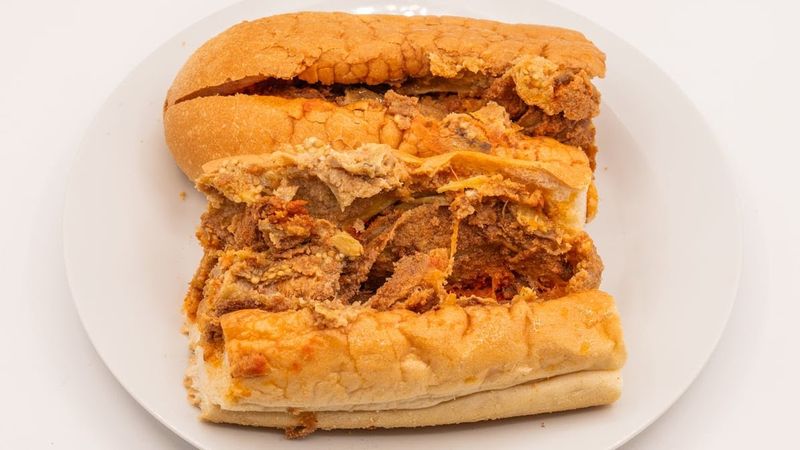
Then there is the Italian beef, which gives Bari Foods a second lane of fame beyond cold subs. This is the sandwich that pushes into full Chicago territory: juicy sliced beef, hot giardiniera, bread built to survive the soak, and the option to go properly dipped.
Bari’s version is regularly noted for being generous, peppery, and heavy in the hand. The bread deserves real credit here. A dipped beef lives or dies by structural integrity, and Bari’s roll is praised for holding together even when loaded with jus.
That matters because a wet sandwich should feel dramatic, not disastrous, and Bari appears to land on that exact edge where mess becomes part of the pleasure instead of a sign of poor construction. Heat plays an important role. The giardiniera is not a decorative afterthought tossed on top for color.
It brings bite, acidity, and spice, and Bari’s hotter pepper options have a reputation for delivering real impact instead of a timid little tickle. In several accounts, the peppers are strong enough to shape the whole sandwich, not merely accompany it.
There is also a practical intelligence to the way the beef is assembled. One especially sharp detail stands out: giardiniera placed under the meat can keep the peppers from spilling everywhere with each bite.
That sounds small, but sandwich engineering is often the difference between a classic and a chore, especially once the jus starts working through the bread.
If the sub is Bari’s broadest crowd-pleaser, the beef is its louder statement. It speaks in drips, spice, and serious portions, and it gives the shop a firm foothold in one of Chicago’s most competitive sandwich categories. At a deli this compact, that kind of range is not a side note. It is a major part of the address’s pull.
The Grocery Shelves Make the Counter Hit Harder
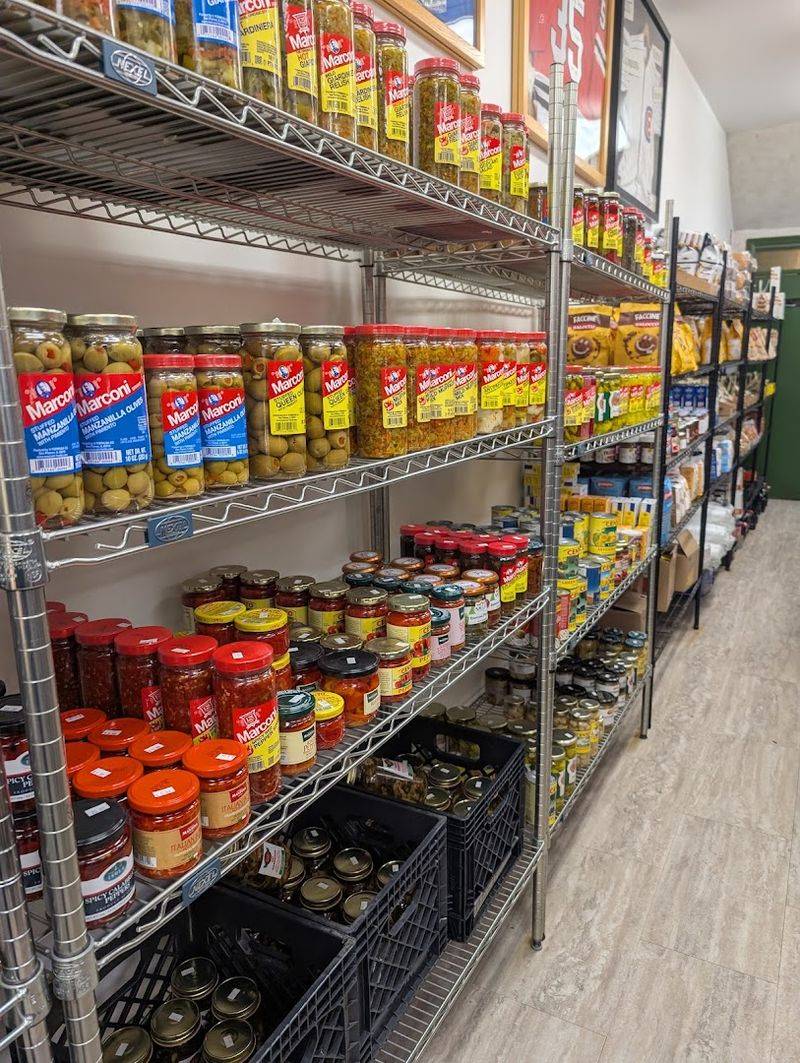
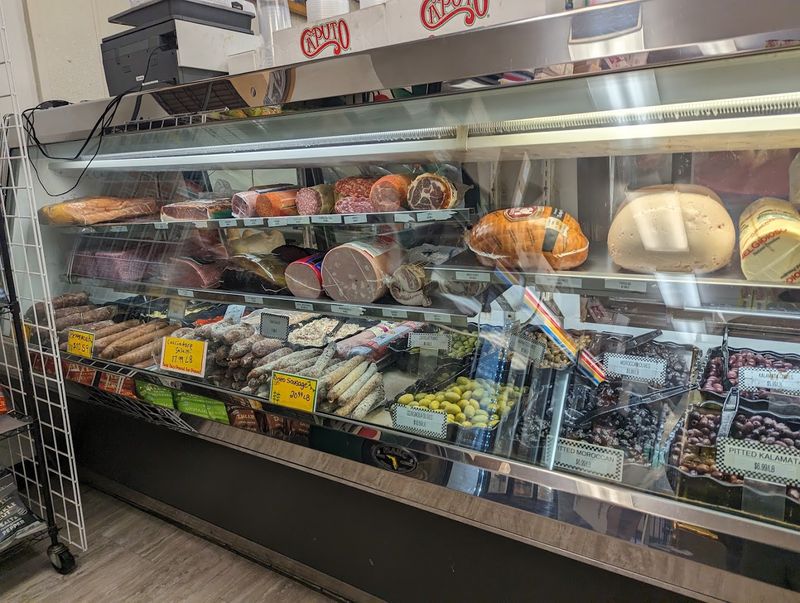
One of Bari Foods’ smartest advantages is that the sandwich experience is framed by an actual grocery. Before the order is even called, the space reminds you that this is a deli connected to ingredients, pantry culture, and everyday cooking.
That context gives the food more authority than a stand-alone sandwich window ever could. The compact market selection adds visual density to the room. Imported dry goods, cold cuts, cheeses, salads, and cookout-ready staples turn a lunch run into a browse, and the browse changes the pace of the visit.
Instead of hovering in a purpose-built queue, you move through an environment that suggests recipes, family meals, and a longer tradition of Italian American shopping in Chicago.
This matters especially for Bari’s identity. The store is not trying to isolate one heroic menu item from the rest of food culture.
It presents sandwiches as part of a wider system that includes meats by the pound, provisions for home, and jars or pantry goods that extend the experience past the paper wrap. That makes the deli counter feel supported by a real backbone.
The groceries also sharpen the appeal of Bari’s condiments and add-ons. When a place can sell you the hot giardiniera that made your sandwich sing, the heat becomes more than an in-store thrill.
It becomes a carry-home ingredient, the sort of purchase that turns an impressive lunch into a repeatable habit in your own kitchen.
For visitors, that mix creates a stronger sense of discovery than a typical sandwich stop. You are not just waiting for a number to be called.
You are standing inside a working food shop where the shelves quietly explain why the counter knows what it is doing. The result is a meal that feels grounded in ingredients, not marketing language.
Why This Chicago Classic Pulls Drivers From Across Illinois
Bari Foods sits in that rare category of city spots that inspire actual route planning. This is not the kind of place you only visit if you happen to be nearby and vaguely hungry.
It has the profile of a destination deli, the sort of address that gets folded into errands, game-day plans, airport pickups, and cross-state drives because the food justifies the detour.
Part of that pull comes from value matching volume. Bari’s sandwiches are repeatedly described as large, packed, and fairly priced for what lands in your hands.
In a moment when many lunch counters charge premium numbers for carefully modest portions, a hefty sub or serious Italian beef still carries cultural power. It feels useful as well as indulgent.
The timing of the craving matters too. These are sandwiches that travel well enough to become part of a larger day.
A wrapped sub can head to work, to a friend’s place, to a park, or back home for a split meal later, and that flexibility broadens the deli’s reach beyond the immediate block. Bari becomes less of a sit-down event and more of a strategic food move.
There is also the matter of reputation without overexposure. Bari is well known, but the store still reads like a functioning neighborhood business rather than a polished attraction built around endless merch and selfie lines.
That balance gives it extra credibility. The place feels discovered even when it is already deeply established. For Illinois drivers, Chicago has no shortage of famous food names competing for attention. Bari stands out because it appears to deliver both old-school substance and practical satisfaction at once.
You do not leave with a tiny artisanal token. You leave with a serious sandwich, greaseproof paper in hand, and very good evidence that the mileage made sense.
How to Order Smart and Avoid the Midday Squeeze
Bari Foods works best when approached with a little strategy. This is a compact deli with strong demand, and the space is designed around efficiency rather than lingering.
Knowing that in advance changes the experience in a good way, because you can focus on the food and the flow instead of being surprised by a busy counter or a tight lunch rush.
The operating hours are straightforward: 8 AM to 6 PM Monday through Saturday, then a shorter 8 AM to 2 PM window on Sunday.
Those hours make Bari practical for lunch, early dinner, and weekend sandwich runs, but they also signal that showing up casually late in the day can be a gamble if you have your heart set on a specific order. Popular items move.
At peak times, the room can get busy fast. The line tends to be manageable rather than chaotic, yet the limited footprint means every extra person changes the feel of the place.
If you want a calmer browse through the grocery shelves before ordering, an earlier visit is the safer play. If you only care about grabbing food, the quick-service rhythm helps keep things moving.
Parking is the other planning factor that deserves attention. This part of Chicago can require patience, and the deli’s popularity does not help.
Anyone driving in should leave a little extra time, especially at lunch, because hunting for a spot while already hungry is the one part of the Bari ritual that does not improve the appetite.
Ordering smart also means leaning into the details. Decide whether you want hot peppers, a dipped beef, or extra jus before reaching the counter.
Bari is at its best when the decision is crisp and the handoff is smooth, leaving you free to step outside with a wrapped sandwich and get straight to the part that matters.
A Deli That Still Acts Like a Deli
The sharpest reason Bari Foods stands out may be the simplest one: it still behaves like a deli. In an era when many food spots are engineered around branding first and product second, Bari’s identity is rooted in function.
It slices, stacks, wraps, stocks shelves, moves lines, and sends people out the door with food that solves lunch in a very direct, very satisfying way. That practical DNA shapes everything. The service style is brisk, counter-based, and untheatrical.
The room is compact, the grocery element is real, and the sandwiches are built to be eaten rather than admired from three angles under flattering lights. There is confidence in that format, especially in a city where old institutions survive only by continuing to do the work well.
Bari also benefits from range without confusion. It can draw you in with a famous Italian sub, then hold your attention with a strong Italian beef, deli meats for later, and pantry items that make the stop useful beyond one meal.
The place stays focused even while offering enough variety to reward a second visit built around a totally different order.
Chicago has plenty of respected sandwich names, and Illinois drivers have no shortage of food targets once the highway opens up. Bari’s advantage is that it avoids the trap of becoming a legend in quotation marks.
The fame points back to the food, the portions, the bread, the peppers, and the grocery-store setting that gives the whole thing backbone.
So the final takeaway is not abstract. Bari Foods matters because it delivers a complete deli experience in a compact, old-school package, and the sandwiches back up the reputation with substance.
On Grand Avenue, that combination still has enough force to move people across the city and across the state, one wrapped sub at a time.
Share this story