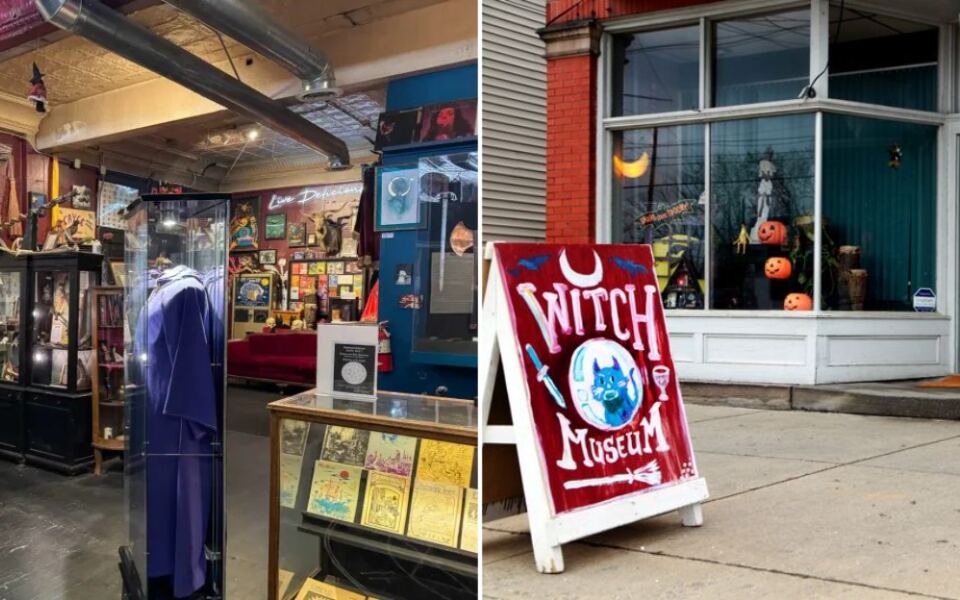
A wooden box on display supposedly holds a demon, and the story says it was trapped in the 1970s. I can’t scroll past a fact like that without wanting the whole tale.
That box shares space with a horned ceremonial helmet and a carved mandrake root. Vintage Ouija boards and ancient Egyptian figures sit nearby too. Hundreds of objects are packed into one small Ohio museum.
I like how the place treats magic as history instead of a cheap scare. The collection traces back to the man who brought Wicca to America. His personal items are still part of the story.
Tours stay small, with only a handful of people at a time. That means you can lean close and ask the strange questions. I’d love to explore the mysterious artifacts up close and hear the fascinating stories behind each one.
1. A Collection That Started On Basement Shelves Now Has A Real Home
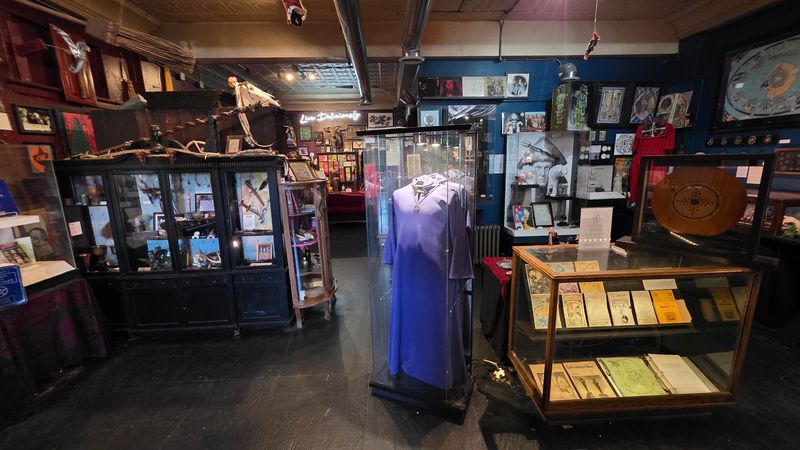
Some of the most famous occult objects in America once sat on basement shelves in Long Island. That collection is now the Buckland Museum of Witchcraft & Magick, and it lives in Cleveland, Ohio.
Raymond Buckland started it all in 1966. He was an Englishman who moved to the United States in the 1960s.
His big spark came from a visit to Gerald Gardner’s collection on the Isle of Man. Buckland went home inspired to build something similar.
The result became the first museum of its kind in the country to take an anthropological approach. In plain words, it studies folklore and the supernatural like real human culture.
That idea still shapes the place today. The museum shows the tools and imagery of witchcraft and magick with respect and curiosity.
It also celebrates the First Amendment and the power of outsider art. That’s a pretty bold mission for one small building.
I believe that mix is what makes it stand out. You get spooky objects, but you also get honest history about people and their beliefs.
Go in with questions. The whole point is learning what witches really did, not what old movies claimed.
2. Long Island, New Hampshire, Virginia, New Orleans, Then Cleveland
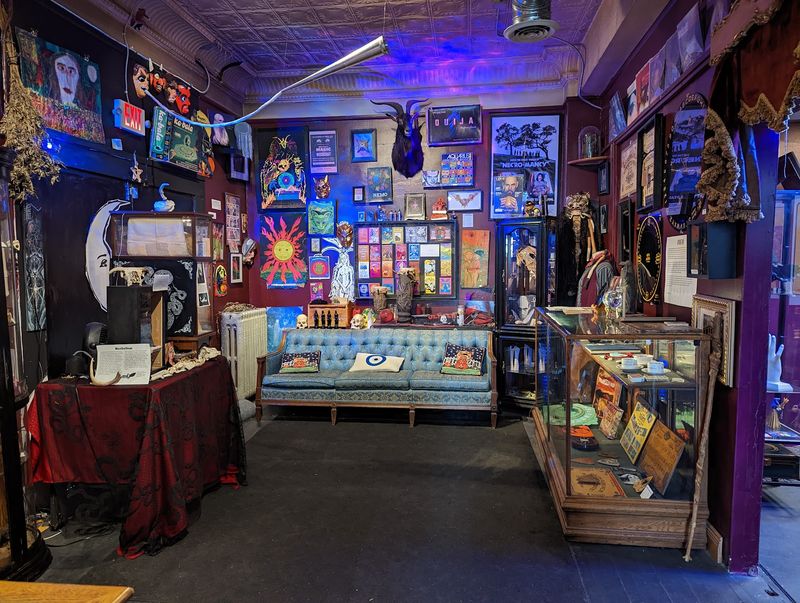
Few museums have moved around as much as this one. The collection packed its bags more times than a traveling circus.
From 1966 to 1973, everything stayed in Buckland’s Long Island basement. Then it moved to New Hampshire from 1973 to 1976.
Virginia came next, from 1977 to 1979. After that, Buckland’s busy writing and lecture schedule pushed the artifacts into storage for years.
A short revival happened in New Orleans in 1999. That city feels like a natural fit, but the stay didn’t last.
The real turning point arrived in 2015. The artifacts went to the Temple of Sacrifice, a Columbus coven founded by Buckland, and Toni Rotonda became the owner.
Cleveland finally welcomed the museum around April 2017. Steven Intermill took over as chief curator and director.
Honestly, it’s impressive anything survived all those moves. Every crate, shelf, and storage unit added another chapter to the story.
The collection reaches its 60th anniversary in 2026. Six decades is a long journey for a museum that began in someone’s basement.
Knowing this backstory makes each object feel more precious. They’ve earned their spot in the glass cases.
3. Good Luck Ignoring The Demon In A Box
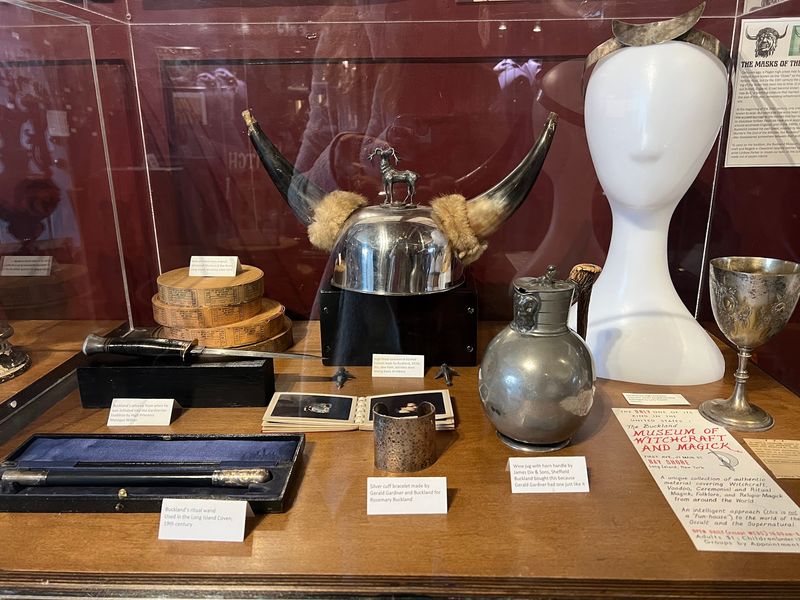
Here’s a museum label nobody forgets. A box on display supposedly contains a demon.
According to the legend associated with the artifact, Raymond Buckland and a ceremonial magician supposedly trapped a demon inside the box during the 1970s.
Whether you believe it or not, it’s a fantastic conversation starter. Skeptics and true believers can stand side by side and stare at the same lid.
The museum keeps the tale part of its history. That’s what makes it fun instead of cheesy.
Staff often share stories behind notable artifacts during tours. This one is a natural pick for anyone who loves a good legend.
My advice is simple. Ask about it, then listen closely to how the story is told.
You’ll learn something about ceremonial magic along the way. Old rituals for binding spirits are a real part of occult history.
Kids and teens usually find this kind of artifact irresistible. It turns a history lesson into something that feels like a campfire story.
Just don’t expect a peek inside. Some boxes are better left closed, especially ones with a reputation like this.
Snap a photo without flash, and you’ll have a story for weeks.
4. Horned Helmets And Mandrake Roots Steal The Show
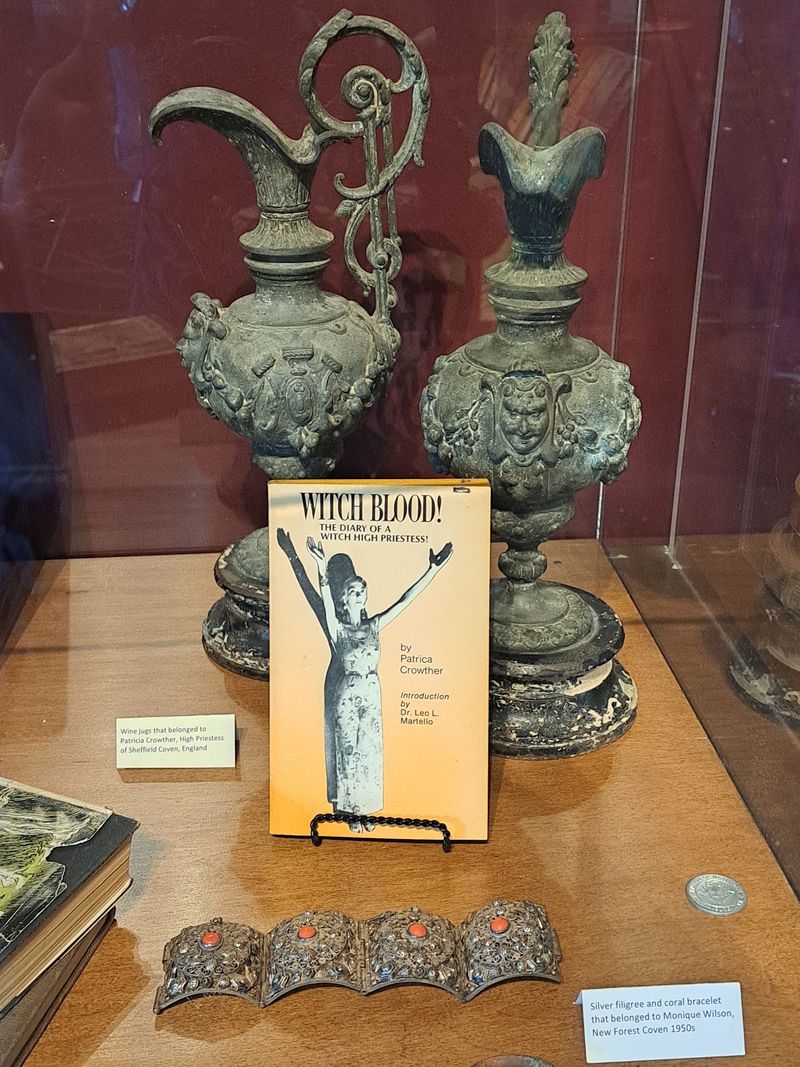
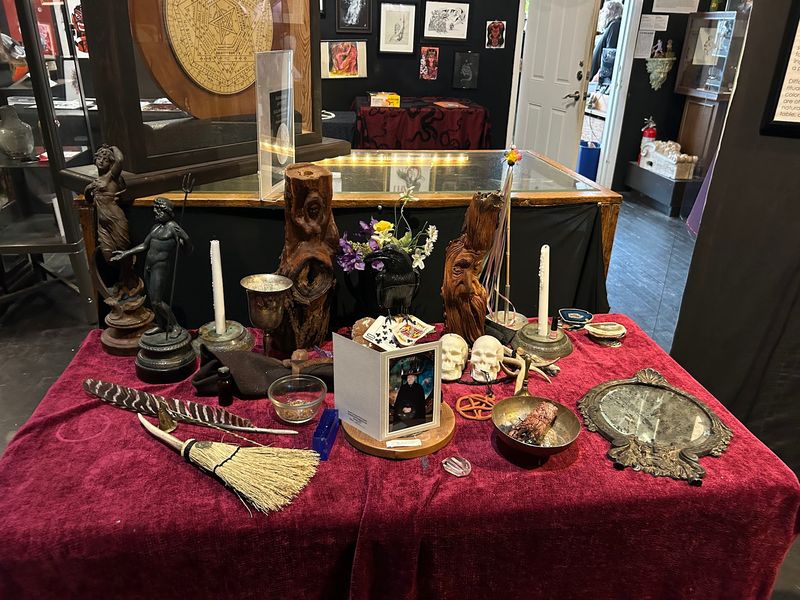
A horned ceremonial helmet once worn by a High Priest sits among the highlights. It looks dramatic, and it carries real ritual meaning.
Nearby you’ll find crescent-shaped headpieces. The crescent shape connects to moon symbolism common in witchcraft traditions.
Then there’s the Alruan, a carved mandrake root. Mandrake has a long history in European folklore and magic.
Old legends gave the root almost human qualities. Carving one into a figure made it a powerful charm in the eyes of its owner.
These ritual tools help you see how people practiced their beliefs. They aren’t props from a movie set.
The museum also displays historic ritual tools from different traditions. You’ll spot items tied to European pagan practices too.
Look at the craftsmanship on each piece. Someone spent real time making these objects feel sacred.
I like that the displays push past stereotypes. Pointy hats and broomsticks don’t tell the full story.
Take your time reading what’s around each case. The details explain who used these objects and why.
You’ll leave knowing far more about witchcraft than any Halloween costume aisle could teach.
5. Famous Names From The Occult World Left Their Mark Here
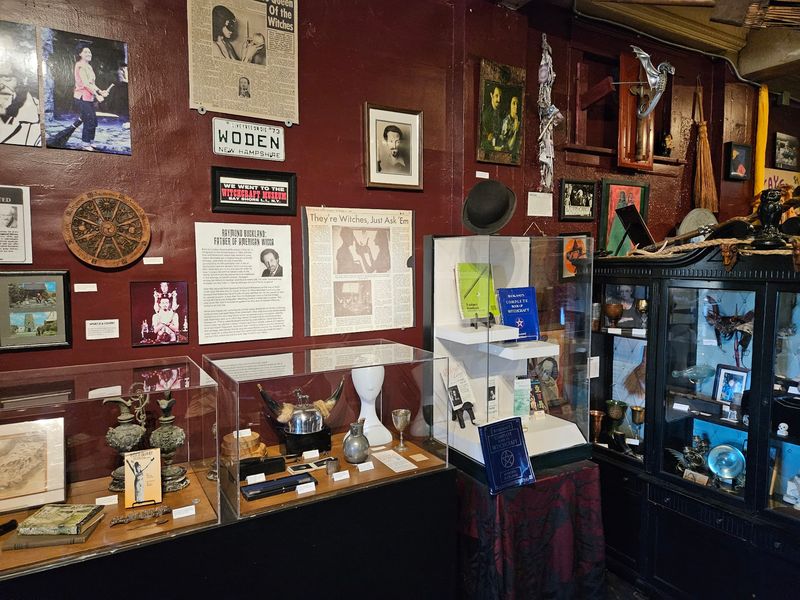
Gerald Gardner, Aleister Crowley, Sybil Leek, and Anton LaVey all have a presence here. That’s quite a guest list for one Ohio museum.
The collection holds artifacts connected to many leaders of pagan and occult communities. Each name represents a different chapter in modern magical history.
Gardner is often linked to the rise of modern Wicca. Buckland’s visit to Gardner’s collection helped spark this entire museum.
Raymond Buckland himself is a huge part of the displays. He’s recognized for bringing Wicca to the United States.
He helped establish one of the earliest Gardnerian Wiccan covens in the United States. His personal belongings help visitors explore that important chapter in American Wiccan history.
Director Steven Intermill adds pieces from his own collection too. That keeps the museum feeling personal instead of stiff.
If you know these names, you’ll feel like you hit the jackpot. If you don’t, you’ll leave with a new reading list.
Either way, the connections are fascinating. Seeing real belongings makes these figures feel like actual people.
Bring curiosity and maybe a notebook. You’ll want to look up a few names on the drive home.
6. Ouija Boards, Egyptian Figures, And A Rotating Gallery Keep Things Fresh
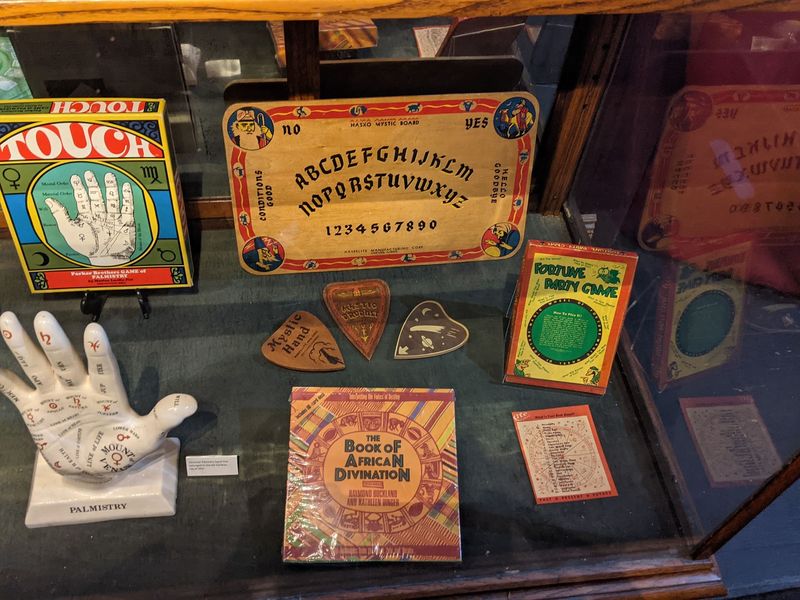
Vintage Ouija boards line part of the collection. They’re a fun reminder of how mainstream spirit talk once became.
Ancient Egyptian ushabti figures add a much older layer. These small figures connect to Egyptian beliefs about the afterlife.
Hundreds of fascinating artifacts make up the museum’s collection, although only a portion can be displayed at any one time.
That’s way too much to show at once. So the museum rotates items periodically to keep things moving.
A rotating gallery also features exhibits on different witchcraft-related topics. Every visit can reveal something you missed before.
I love that idea for return trips. You’re not just seeing the same shelves over and over.
The density is part of the charm. Every corner seems to hold another object asking for attention.
Plan to look up, down, and sideways. Small treasures hide in surprising spots.
Photos are allowed as long as you skip the flash. Video recording isn’t permitted, so keep the phone in camera mode.
Bring patience, because rushing here would be like skimming a spellbook. You’d miss all the good parts.
7. Small Tours Mean You Can Ask All The Weird Questions
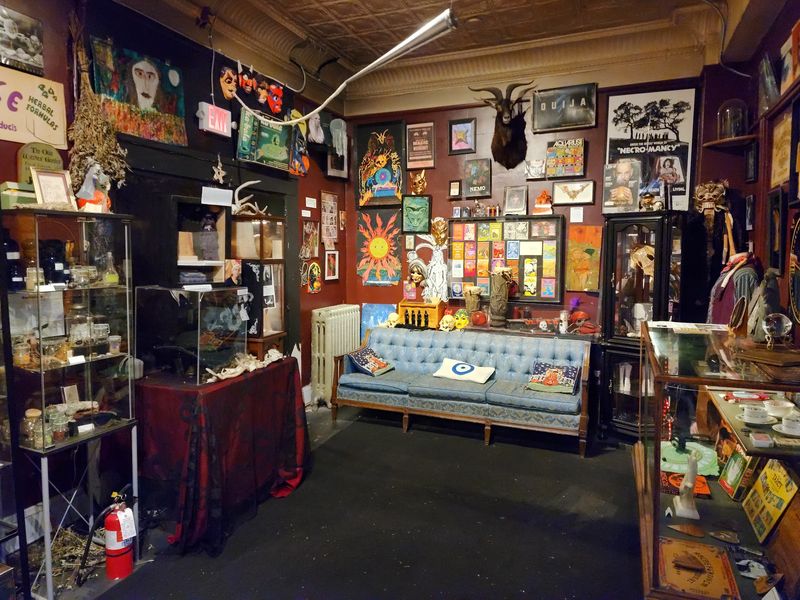
Eight people is the usual limit for a tour. That small size changes the whole experience.
Tours typically open with a brief introduction to Wicca. You’ll also hear about the museum’s history and Raymond Buckland.
After that, you get time to explore on your own. The director often jumps in to share stories behind notable artifacts.
It feels more like a conversation than a lecture. You can ask what something is without shouting over a crowd.
Self-guided tours are available on Wednesdays. That’s a nice pick if you like moving at your own pace.
The average visit runs about 45 minutes. Big fans of the subject can easily spend over two hours.
Buying tickets online ahead of time is smart. It guarantees entry, though tickets are sold at the door too.
Online tickets cost a little less than door tickets. Some special events may carry an extra fee.
The museum aims to clear up myths about witches. Small tours make that goal easy to reach, one curious question at a time.
8. Save Room In Your Bag For The Award-Winning Gift Shop
Scene Magazine readers voted it Best Occult Shop in Cleveland 2026. That’s a serious win for a museum shop.
The store sells t-shirts, buttons, crystals, and jewelry. You’ll also find herbs and magical supplies.
Book lovers should brace themselves. The shop is known for Ohio’s largest selection of out-of-print occult books.
New and used titles fill the shelves. Hunting for a rare find can easily eat up extra time.
I can’t imagine leaving without at least browsing the books. Old occult titles have such wonderful covers and strange titles.
The shop makes a great stop after the tour. You’ll have fresh ideas about what to read next.
A souvenir here feels more meaningful than a random magnet. Crystals and buttons make easy gifts for spooky friends.
Give yourself a budget before you go in. Those shelves can be very convincing.
Even casual visitors may find something fun. A witchy t-shirt is a pretty good way to remember the day.
9. Find It On Broadview Road And Watch For The Plague Doctor
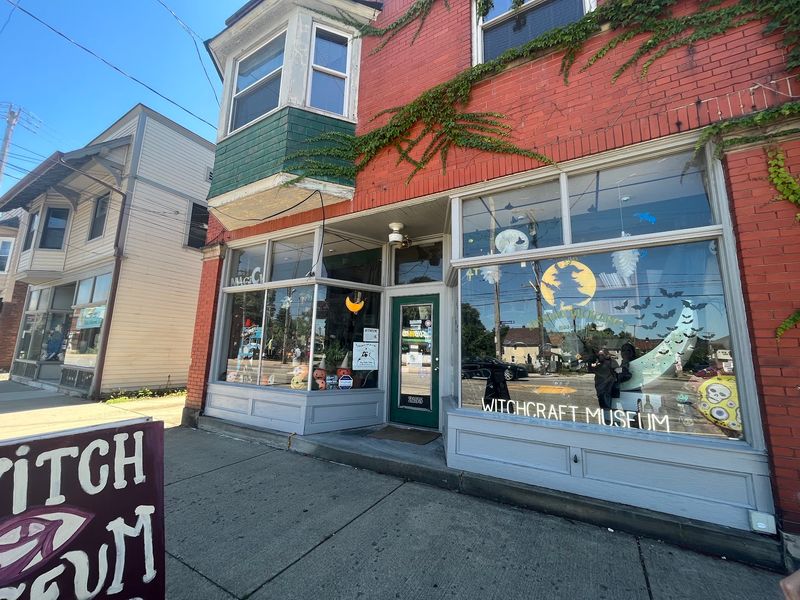
A giant papier-mache plague doctor often greets you at the entrance. A grim reaper, pumpkins, bats, and skulls usually keep him company.
That theatrical display sets the mood fast. It’s playful, a little spooky, and very photo-friendly.
You’ll find the Buckland Museum of Witchcraft & Magick at 2155 Broadview Rd, Cleveland, OH 44109. It sits in the Old Brooklyn neighborhood.
Parking is available behind the building. Street parking out front works too.
The museum is open year-round, Monday through Sunday. Hours vary by day, so check before you head out.
Fridays and Saturdays run a bit later into the evening. Sundays close earlier, so plan accordingly.
Admission covers all ages at the same rate. Families can make it an easy outing without fancy planning.
Visiting Cleveland from elsewhere in Ohio or beyond? It fits nicely into a day of city sightseeing.
Bring curiosity and a camera without flash. The plague doctor will happily pose, though he never smiles back.
Share this story