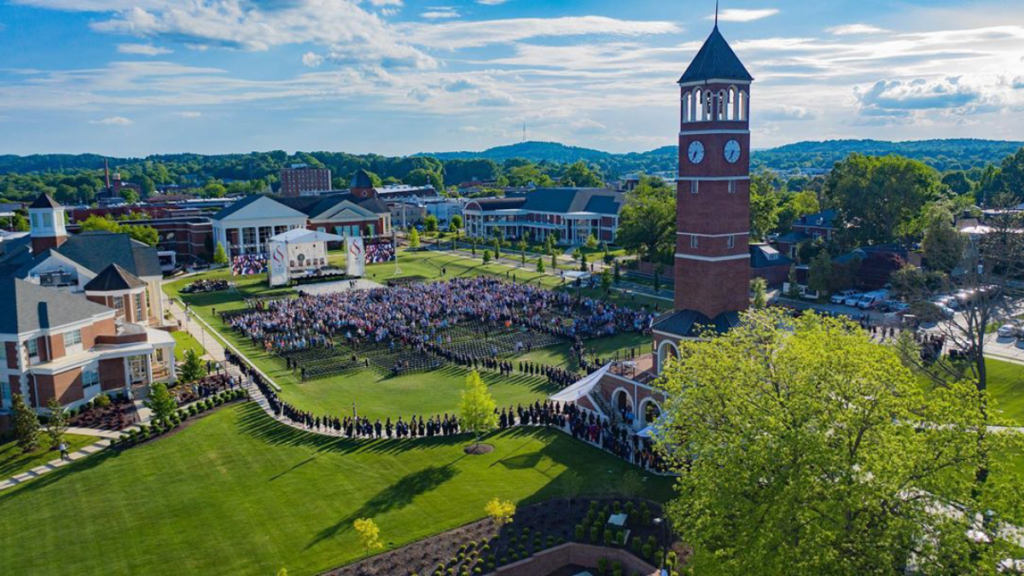
Tennessee has earned a reputation as one of the friendliest states for retirees, thanks to no state income tax and a lower overall cost of living. But not every corner of the Volunteer State delivers on that promise anymore.
Rising home prices, increased property taxes, and higher everyday expenses are making it harder for people on fixed incomes to stretch their retirement dollars in certain communities across Tennessee.
1. Franklin
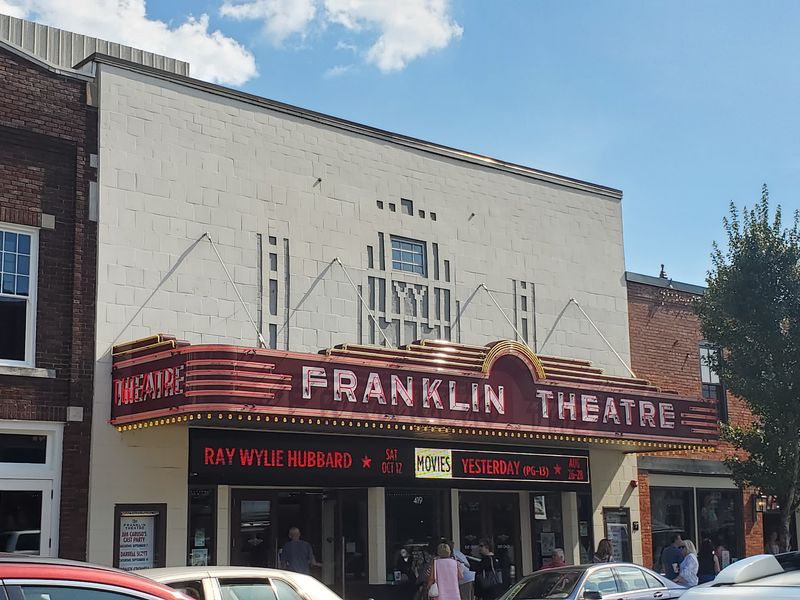
Franklin sits at the top of the list when it comes to sticker shock. What was once a charming historic town south of Nashville has transformed into one of the most expensive real estate markets in the entire state.
Retirees who settled here years ago are watching their property taxes climb as home values soar, and anyone hoping to move in now faces six-figure price tags that can quickly drain a retirement nest egg.
The appeal is obvious. Franklin offers a walkable downtown filled with boutiques, restaurants, and a strong sense of community. The schools are excellent, the crime rate is low, and the town retains a certain Southern elegance that draws people in. But all of that charm comes at a steep cost that many retirees simply cannot afford on Social Security and modest savings.
Housing inventory remains tight, which keeps prices elevated even when the broader market cools. Condos and townhomes that might offer a more affordable entry point are still priced well above what similar properties cost in other Tennessee cities.
Even renting in Franklin can be prohibitively expensive, with landlords capitalizing on high demand from young professionals and families.
For retirees already living in Franklin, the rising costs create a difficult choice. Selling might bring a windfall, but finding a comparable community at a lower price point within Tennessee is getting harder.
Staying put means absorbing higher property taxes and utilities, plus the general increase in groceries, dining, and healthcare that comes with living in a high-cost area.
Franklin remains a beautiful place to call home, but it has shifted from a retirement haven to a luxury market. Retirees on fixed incomes are finding it increasingly difficult to justify the expense, especially when other Tennessee towns offer similar amenities without the financial strain.
The squeeze is real, and it is forcing many to reconsider whether Franklin still fits their retirement budget.
2. Nashville

Music City has always been a magnet for culture, entertainment, and opportunity. Retirees are drawn to world-class healthcare, vibrant arts scenes, and a calendar packed with concerts, festivals, and sporting events.
But the cost of enjoying all that Nashville offers has skyrocketed in recent years, making it one of the toughest places in Tennessee for retirees trying to live comfortably on a fixed income.
Home prices in Nashville have climbed relentlessly, fueled by an influx of new residents from higher-cost states and a booming job market. Even neighborhoods that were once considered affordable have seen double-digit price increases.
Renting is no bargain either, with average apartment costs now rivaling those in much larger metro areas. For retirees who do not already own a home outright, the financial pressure is intense.
Everyday expenses add up quickly in Nashville. Dining out, entertainment, and even routine errands cost more than they do in smaller Tennessee cities.
Property taxes have risen alongside home values, and utilities can be higher due to the urban infrastructure. Healthcare, while excellent in quality, is not always cheaper just because the facilities are nearby.
Traffic congestion has also become a daily headache, turning simple trips to the grocery store or doctor’s office into frustrating ordeals. Parking fees, tolls, and the general wear and tear on a vehicle all contribute to a higher cost of living that retirees might not have anticipated when they first considered Nashville.
Despite these challenges, Nashville continues to attract retirees who prioritize access to top-tier medical care and an active social scene. But the reality is that living in Music City requires a larger budget than many retirees have.
The squeeze is forcing some to relocate to nearby suburbs or smaller towns where their retirement dollars stretch further, even if it means sacrificing some of the conveniences that made Nashville appealing in the first place.
3. Sevierville
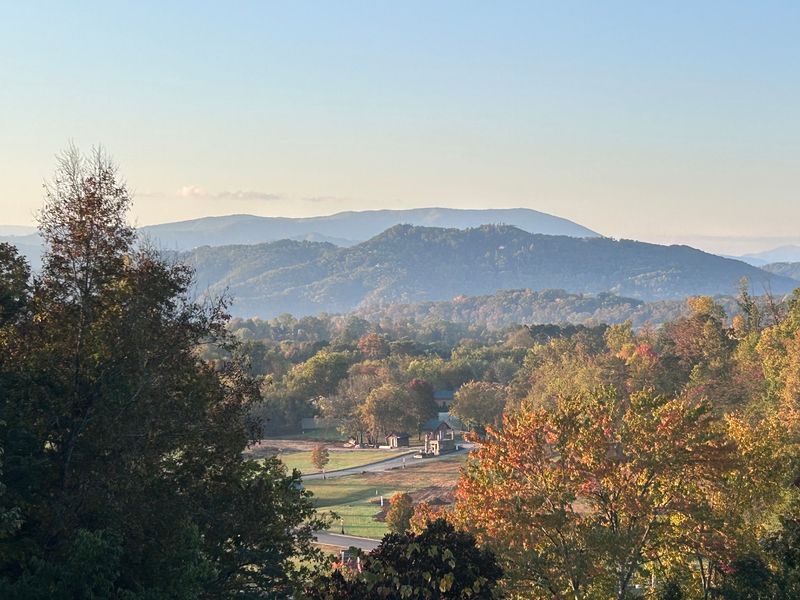
Sevierville serves as the gateway to the Great Smoky Mountains, offering retirees stunning natural beauty and easy access to outdoor recreation. The area has long been a favorite for people seeking a quieter retirement surrounded by mountain vistas and fresh air.
But the same tourism that makes Sevierville attractive has also driven up costs in ways that many retirees did not anticipate.
Short-term vacation rentals have exploded in popularity, and investors have scooped up properties to convert into Airbnb listings. That trend has reduced the number of homes available for full-time residents and pushed prices higher.
Retirees hoping to buy a modest cabin or condo are now competing with buyers who plan to turn the property into a revenue stream, which inflates the market beyond what many fixed-income budgets can handle.
Property taxes have climbed as home values rise, and the cost of groceries, gas, and services reflects the tourist-driven economy. Even healthcare, which should be straightforward in a smaller town, can be more expensive due to limited competition among providers.
Retirees who imagined a peaceful, affordable life in the Smokies are finding that Sevierville is not the bargain it used to be.
Traffic is another issue that affects quality of life. During peak tourist seasons, the roads around Sevierville become clogged with vacationers heading to Pigeon Forge and Gatlinburg.
What should be a quick trip to the store can turn into a lengthy ordeal, adding stress and frustration to daily routines.
The natural beauty of the area remains undeniable, and for some retirees, the higher costs are worth it. But the financial squeeze is real, and it is forcing many to weigh whether Sevierville still makes sense as a retirement destination.
The charm of the mountains is still there, but the affordability that once made it accessible to retirees on modest budgets is fading fast.
4. Murfreesboro
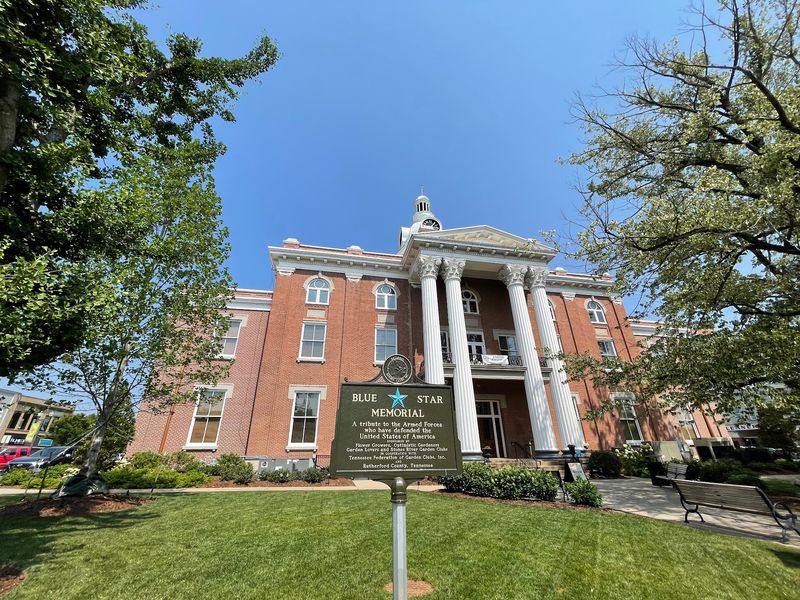
Murfreesboro has grown at a breakneck pace over the past decade, transforming from a quiet college town into one of Tennessee’s fastest-growing cities. That growth has brought new restaurants, shopping centers, and entertainment options that appeal to retirees looking for convenience and amenities.
But rapid expansion has also driven housing costs higher, creating a tougher financial landscape for those on fixed incomes.
New subdivisions pop up regularly, but the homes are often priced for young families and working professionals rather than retirees. Even older homes in established neighborhoods have seen their values climb, which means higher property taxes for long-time residents.
Renting is not much easier, with demand from college students and young workers keeping prices elevated across the board.
The influx of new residents has strained local infrastructure, leading to increased traffic and longer wait times for services. Retirees who moved to Murfreesboro for its small-town feel are now navigating a city that feels more crowded and expensive every year.
Groceries, utilities, and healthcare costs have all crept upward, reflecting the area’s transition from affordable to moderately expensive.
Middle Tennessee State University adds a layer of complexity to the housing market. Student housing demand keeps rents high near campus, and landlords often prefer short-term leases to capture the college market.
Retirees looking for stable, long-term housing can find themselves priced out or forced into less desirable neighborhoods farther from the city center.
Despite the challenges, Murfreesboro still offers a lot to retirees who can afford it. The city has good healthcare facilities, a variety of dining and shopping options, and a relatively mild climate.
But the financial squeeze is undeniable, and retirees on tight budgets are finding it harder to justify the rising costs. What was once an affordable alternative to Nashville is now facing many of the same affordability issues that plague larger Tennessee cities.
5. Knoxville
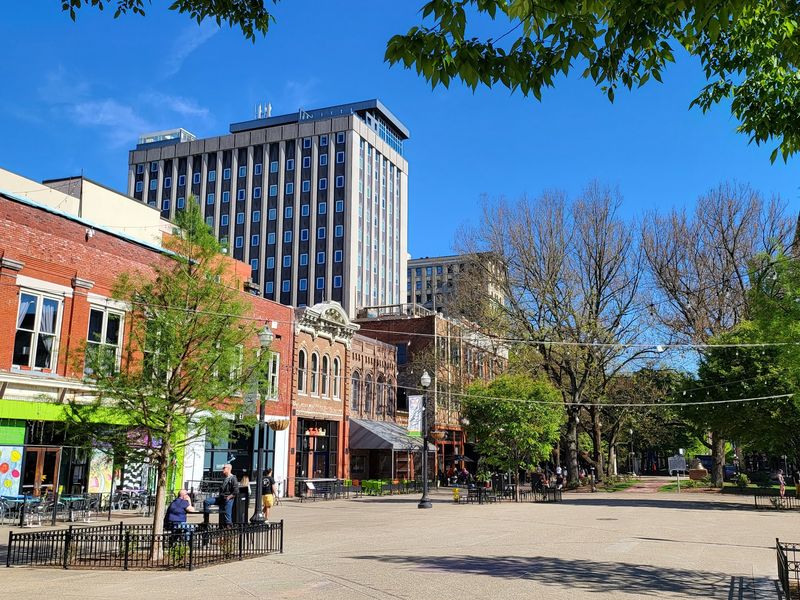
Knoxville has always been seen as a more affordable option for retirees in East Tennessee. The city offers a mix of urban amenities and outdoor recreation, with the University of Tennessee adding cultural and sporting events to the calendar.
But recent housing market trends have started to chip away at Knoxville’s reputation as a budget-friendly retirement destination, leaving retirees feeling the pinch.
Home prices have climbed steadily, driven by an influx of remote workers and retirees from more expensive states. Neighborhoods that were once considered affordable have seen significant appreciation, and property taxes have followed suit.
For retirees who already own their homes, the increased tax burden can be manageable but still frustrating. For those looking to buy, the market is becoming less welcoming.
Rental prices have also risen, particularly in areas close to downtown and the university. Retirees who prefer renting to avoid maintenance responsibilities are finding fewer affordable options.
Even suburban areas that used to offer lower rents are now seeing competition from younger renters and families, which keeps prices elevated.
Healthcare in Knoxville is generally good, with several major hospitals and specialty clinics serving the area. But the cost of care can still add up, especially for retirees without comprehensive insurance.
Prescription drugs, routine appointments, and emergency visits all contribute to a higher overall cost of living that retirees need to factor into their budgets.
Traffic congestion has increased as the city grows, making it harder to get around quickly. Retirees who value convenience and easy access to services are finding that Knoxville is not quite as laid-back as it used to be.
The city still has a lot to offer, but the financial squeeze is real, and it is forcing retirees to reconsider whether Knoxville remains the affordable East Tennessee option they were hoping for.
6. Lebanon
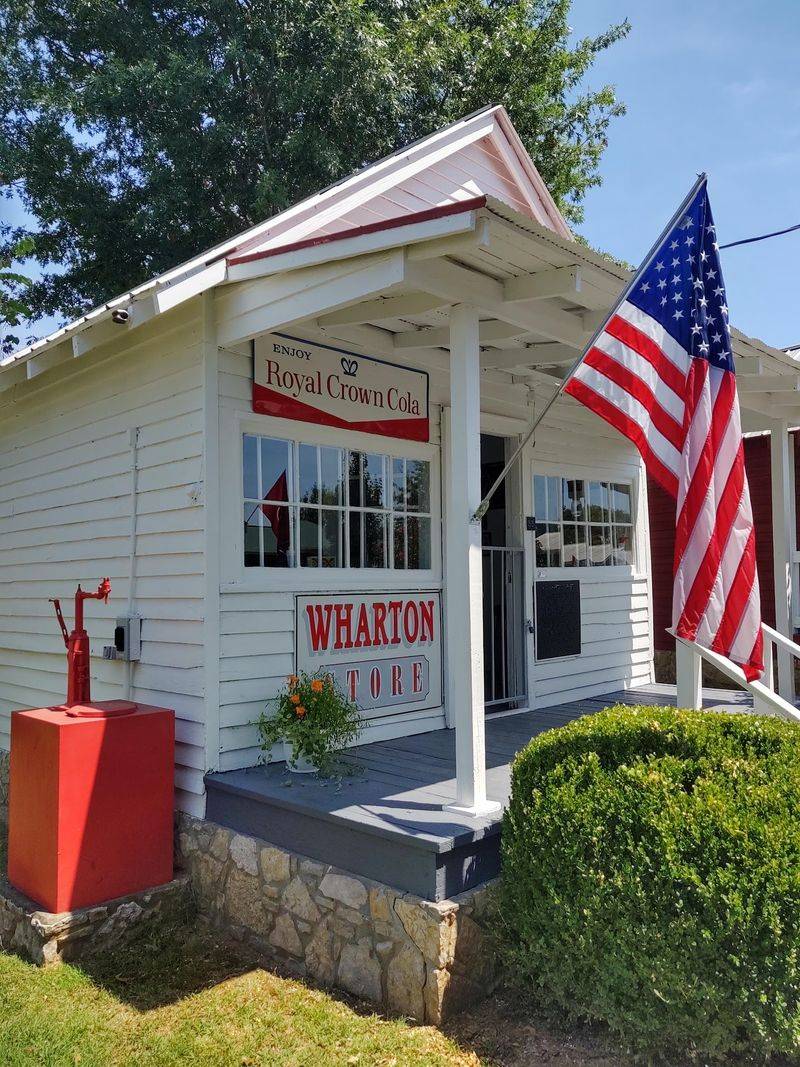
Lebanon offers a quieter, small-town atmosphere while still being close enough to Nashville for convenient access to big-city amenities. That combination has made it increasingly popular with retirees who want a slower pace of life without complete isolation.
But the town’s growing appeal has come with a downside: rising home prices that are making it harder for retirees to find affordable housing.
The proximity to Nashville means that people priced out of the capital city are looking to Lebanon as a more affordable alternative. That demand has pushed home values higher, and sellers are taking advantage of the competitive market.
Retirees hoping to downsize or relocate to Lebanon are finding that the savings compared to Nashville are not as substantial as they once were.
Property taxes have also increased as home values rise, adding to the financial burden for retirees on fixed incomes. Even those who bought years ago are feeling the squeeze as their annual tax bills climb.
For retirees who were counting on Lebanon to be a budget-friendly option, the reality is becoming less appealing.
Everyday expenses in Lebanon are generally lower than in Nashville, but they are still higher than in more rural parts of Tennessee. Groceries, dining, and services all cost more than they might in smaller towns farther from the Nashville metro area.
Healthcare options are decent but limited, which sometimes requires trips into Nashville for specialist care, adding travel costs to the equation.
Lebanon still has a lot to offer retirees who value a tight-knit community and easy access to a major city. But the financial squeeze is real, and it is forcing retirees to carefully weigh whether the rising costs are worth the benefits.
For some, the answer is yes. For others, the search for affordable retirement housing continues elsewhere in Tennessee.
7. Columbia
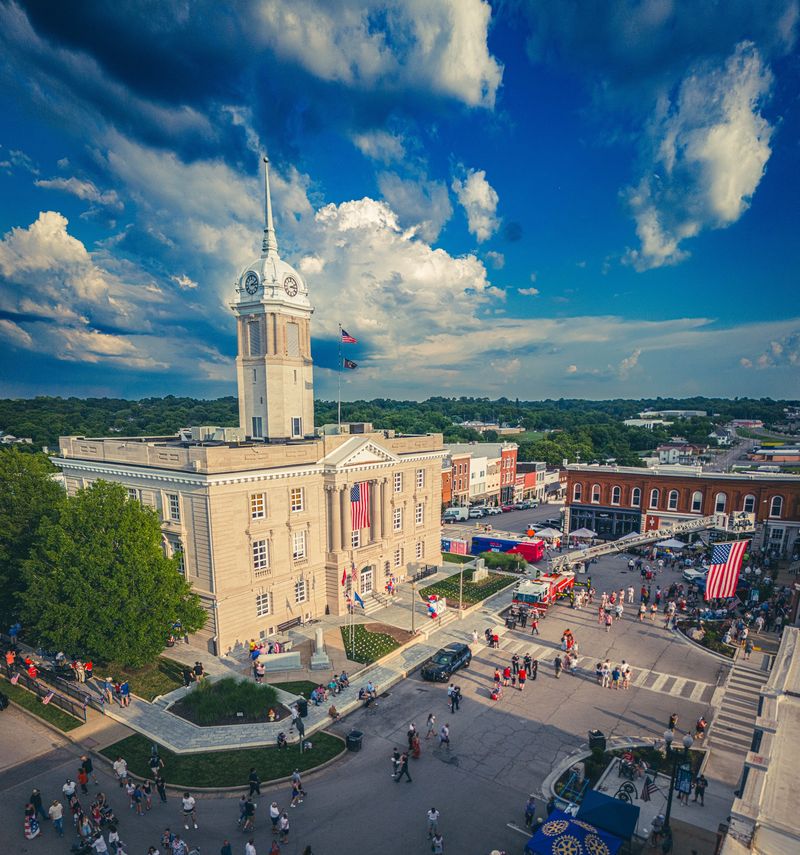
Columbia has quietly become one of Middle Tennessee’s most talked-about towns. Its historic downtown, antebellum architecture, and friendly community vibe have attracted retirees looking for a place with character and charm.
But as word has spread, housing costs have climbed faster than many retirees expected, creating a financial squeeze that is hard to ignore.
The town’s popularity has surged in recent years, fueled by its proximity to Nashville and its reputation as a more affordable alternative. But that influx of new residents has driven up demand for housing, and prices have responded accordingly.
Retirees who were hoping to buy a charming older home or a new build are finding that the market is more competitive and expensive than it was just a few years ago.
Property taxes have risen alongside home values, which adds to the financial burden for retirees on fixed incomes. Even those who already own their homes are feeling the pinch as their annual tax bills increase.
For retirees on tight budgets, these rising costs can make it harder to justify staying in Columbia, despite the town’s many appealing qualities.
Everyday expenses in Columbia are generally reasonable, but they are not as low as some retirees might expect from a smaller Tennessee town. Groceries, utilities, and services all cost more than they might in more rural areas.
Healthcare options are available locally, but for specialized care, retirees often need to travel to Nashville or another larger city, which adds both time and expense.
Columbia’s growth is a double-edged sword. The town is gaining new restaurants, shops, and amenities that make it more attractive, but those improvements come with higher costs that not all retirees can afford.
The financial squeeze is real, and it is forcing some retirees to reconsider whether Columbia still fits their retirement budget. The charm is still there, but the affordability is slipping away.
8. Crossville
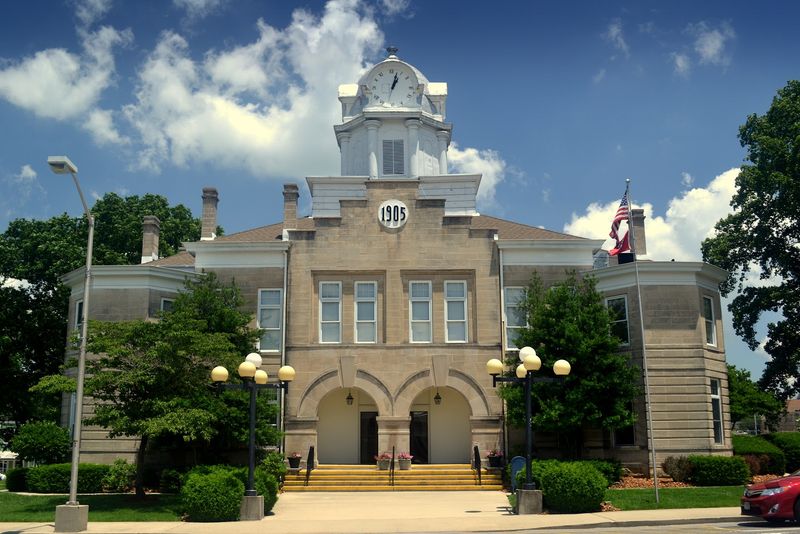
Crossville has built a reputation as one of Tennessee’s premier retirement destinations. Sitting atop the Cumberland Plateau, the town offers cooler summers, beautiful scenery, and a strong sense of community among retirees.
Golf courses, retirement communities, and outdoor recreation have long made Crossville a go-to choice for people seeking an active, affordable retirement. But rising housing costs are changing that equation.
The town’s popularity with retirees has driven demand for housing, and prices have climbed in response. What was once an affordable option for retirees on modest budgets is now more expensive than many anticipated.
Homes in established retirement communities have appreciated significantly, and new construction is often priced higher to reflect the area’s desirability.
Property taxes have also increased as home values rise, which adds to the financial burden for retirees living on fixed incomes. Even those who purchased their homes years ago are seeing their annual tax bills climb, which can strain budgets that were carefully planned around lower costs.
For retirees who moved to Crossville specifically for affordability, the rising expenses are a frustrating surprise.
Healthcare in Crossville is generally good, with a local hospital and several clinics serving the community. But for specialized care, retirees often need to travel to Knoxville or Nashville, which adds both time and expense.
Groceries and everyday services are reasonably priced, but they are not as cheap as some retirees might expect from a smaller town.
Crossville still offers a lot to retirees, including a strong sense of community, beautiful scenery, and plenty of recreational opportunities. But the financial squeeze is real, and it is forcing some retirees to reconsider whether Crossville remains the affordable retirement haven they were hoping for.
The town’s reputation as a budget-friendly option is fading, and retirees on tight budgets are feeling the pressure more than ever before.
9. Chattanooga
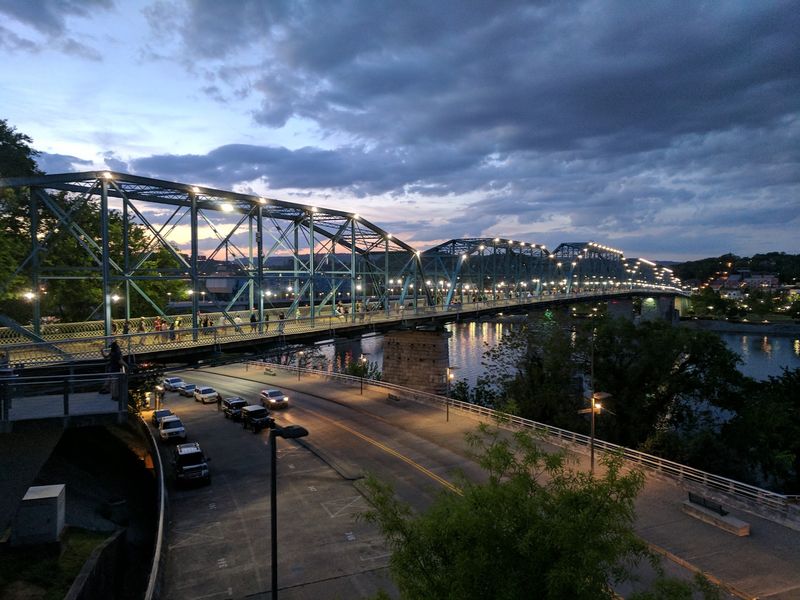
Chattanooga has undergone a remarkable transformation over the past two decades, evolving from a struggling industrial city into a vibrant, modern community. The downtown riverfront, world-class attractions like the Tennessee Aquarium, and easy access to outdoor recreation have made Chattanooga increasingly popular with retirees.
But that popularity has come with rising costs that are squeezing retirees on fixed incomes.
Home prices in Chattanooga have climbed steadily, particularly in neighborhoods close to downtown and the riverfront. Areas that were once considered affordable have seen significant appreciation, and new developments are often priced for higher-income buyers.
Retirees looking for affordable housing are finding fewer options, and rents have also risen as demand increases.
Property taxes have gone up as home values rise, which adds to the financial burden for retirees who already own their homes. For those on tight budgets, the increased tax bills can be difficult to absorb, especially when combined with rising costs for utilities, groceries, and healthcare.
Chattanooga is still less expensive than Nashville or Franklin, but it is no longer the bargain it once was.
Everyday expenses in Chattanooga are generally reasonable, but they are higher than in smaller Tennessee cities. Dining out, entertainment, and services all cost more, reflecting the city’s growing popularity and economic development.
Healthcare is widely available, with several major hospitals and specialty clinics, but the cost of care can still add up, particularly for retirees without comprehensive insurance.
Traffic congestion has increased as the city grows, making it harder to get around quickly. Retirees who value convenience and easy access to services are finding that Chattanooga is not quite as relaxed as it used to be.
The city still offers a lot to retirees, but the financial squeeze is real, and it is forcing some to reconsider whether Chattanooga fits their retirement budget. The appeal is still there, but the affordability is slipping away.
10. Cleveland
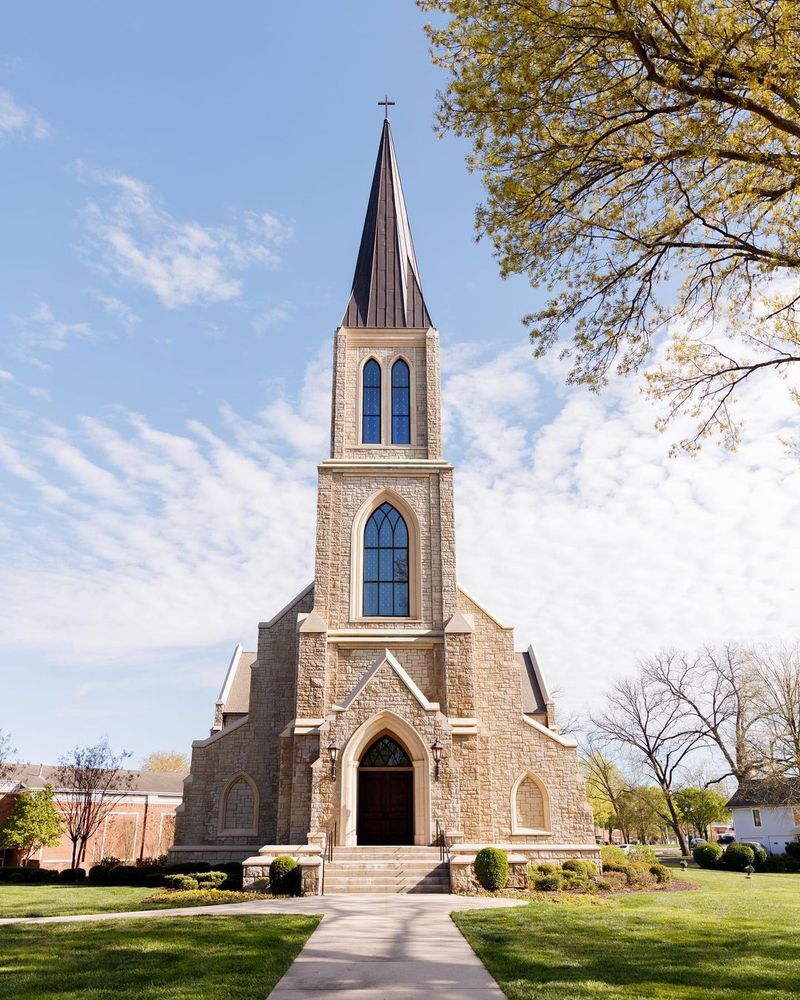
Cleveland sits just north of Chattanooga, offering retirees a smaller-city feel with easy access to big-city amenities. The town has long been seen as a more affordable alternative to Chattanooga, attracting retirees who want to be close to urban conveniences without paying urban prices.
But rising home prices are starting to change that perception, and retirees are feeling the financial squeeze.
Housing costs in Cleveland have climbed in recent years, driven by demand from people looking for affordable options near Chattanooga. What was once a budget-friendly market is now more competitive, with prices rising faster than many retirees anticipated.
For those hoping to buy a home in Cleveland, the savings compared to Chattanooga are not as significant as they once were.
Property taxes have also increased as home values rise, adding to the financial burden for retirees on fixed incomes. Even those who purchased their homes years ago are seeing their annual tax bills climb, which can strain carefully planned retirement budgets.
For retirees who moved to Cleveland specifically for affordability, the rising costs are a frustrating surprise.
Everyday expenses in Cleveland are generally lower than in Chattanooga, but they are still higher than in more rural parts of Tennessee. Groceries, utilities, and services all cost more than they might in smaller towns farther from the Chattanooga metro area.
Healthcare is available locally, but for specialized care, retirees often need to travel to Chattanooga, which adds both time and expense.
Cleveland still offers a lot to retirees, including a quieter pace of life, friendly community, and proximity to outdoor recreation. But the financial squeeze is real, and it is forcing retirees to carefully weigh whether the rising costs are worth the benefits.
For some, Cleveland remains an affordable option compared to Tennessee’s biggest cities. For others, the search for truly affordable retirement housing continues elsewhere in the state.