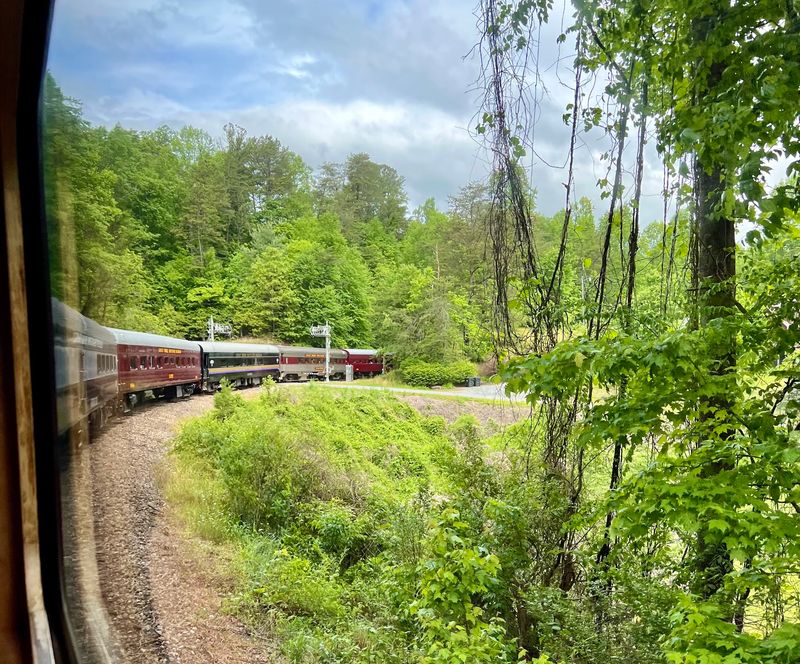
Some of the best views in western North Carolina come with a conductor, a train whistle, and a seat by an open window. A small mountain town in Swain County sends vintage trains rolling along rivers, through a tunnel, and deep into a whitewater gorge.
The ride can stretch four or five hours, with a stop halfway that may hand you a riverside town or a crowd of rafters waving from the rapids. Late fall is a smart time to climb aboard, when the summer rush has thinned and the valleys are wide open to the eye.
Stick around, because the seat you pick, the car you book, and the side of the train you sit on can change the whole day. Here is how to make this North Carolina outing count.
A Depot on Mitchell Street
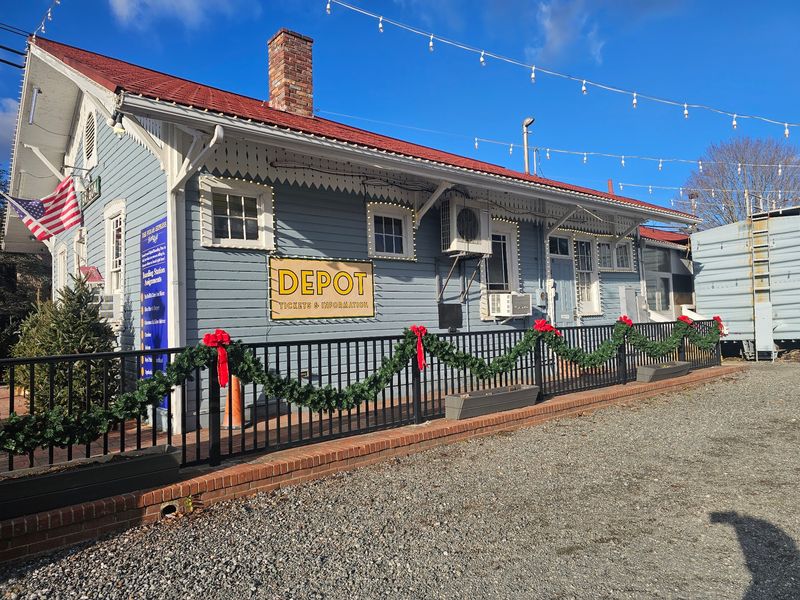
Every great North Carolina day trip needs a starting line, and this one sits right in downtown Bryson City. The Great Smoky Mountains Railroad operates from its historic depot at 45 Mitchell St, Bryson City, NC 28713, in the far western part of the state.
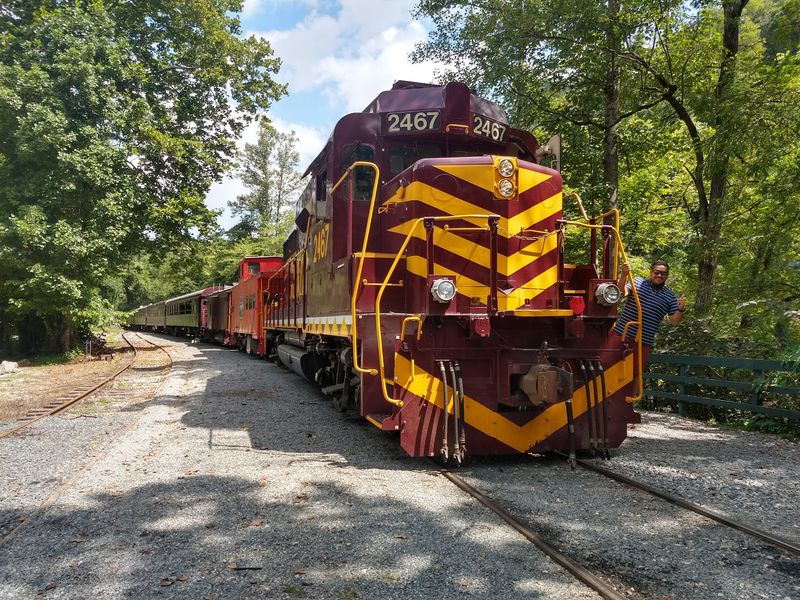
The railroad runs scenic trips by vintage steam and diesel-era trains, with dining cars and open-air cars that travel from the depot into the surrounding countryside. It is a big local favorite, holding a 4.5-star average across more than 8,700 opinions on Google Maps.
Bryson City itself sits at the doorstep of the Smoky Mountains, so the train fits neatly into a weekend of mountain plans. The depot area is walkable, with shops and places to eat clustered close to the tracks.
Parking sits directly across the street from the station, which makes arrival less of a puzzle than many mountain attractions. A paid lot option has been about $10 in the past, though rates can change.
For North Carolinians looking for a novel outing without leaving the state, this little depot is the gateway to a full day of valley scenery.
Rails With a Story to Tell
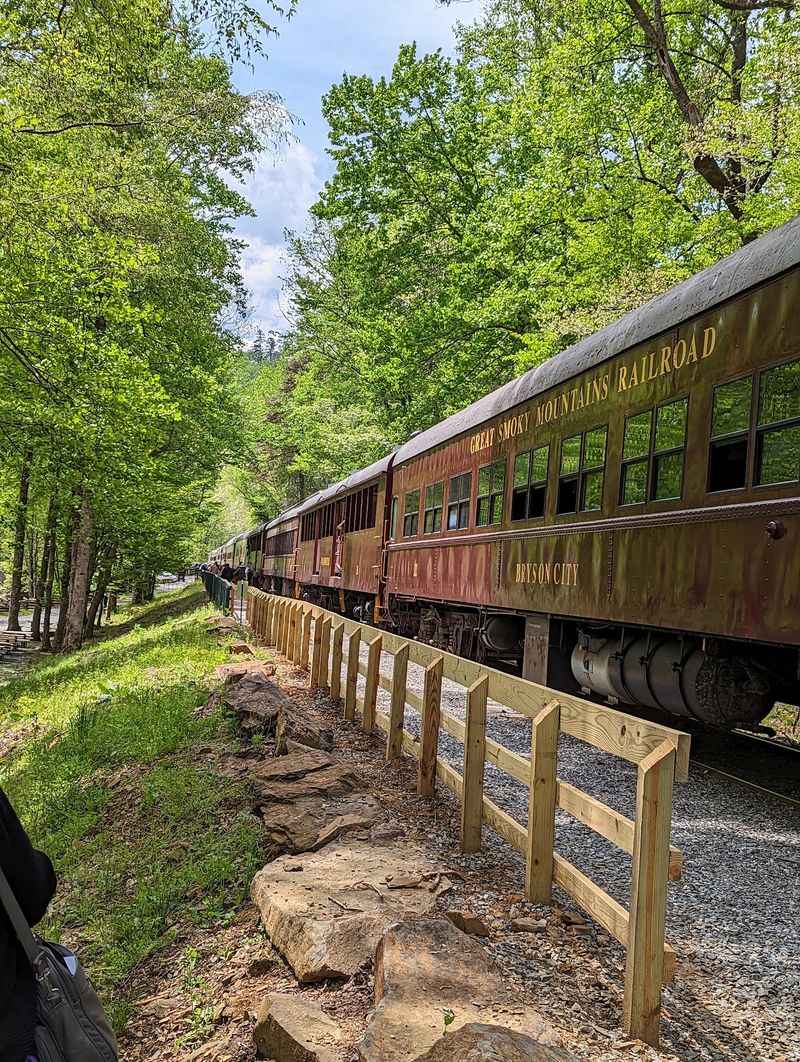
History rides along on every trip, and it often comes with a microphone. Car hosts, sometimes called car directors, share stories about the region and the railroad as the train rolls out of town.
The narration covers the history of the area along with plenty of fun facts, so the trip works as a moving classroom without feeling like homework. Some hosts become the highlight of the day thanks to their knowledge and their knack for a good tale.
Staff members tend to earn praise for being friendly and informative about both the landscape and the trains themselves. That matters on a ride that can last several hours.
Several of the passenger cars carry their own names, such as the MacNiell, the Catamount, the Royal Palms, the Cherokee, and the Beautiful Jackson. Each name gives the cars a bit of personality, and some have been recently reupholstered.
Back at the depot area, a model train museum adds another layer. It is interactive and features a wide variety of current and former railroad lines.
Railroad buffs may want to budget extra time before boarding, since the museum is easy to underestimate.
Steam, Whistles, and Old Iron
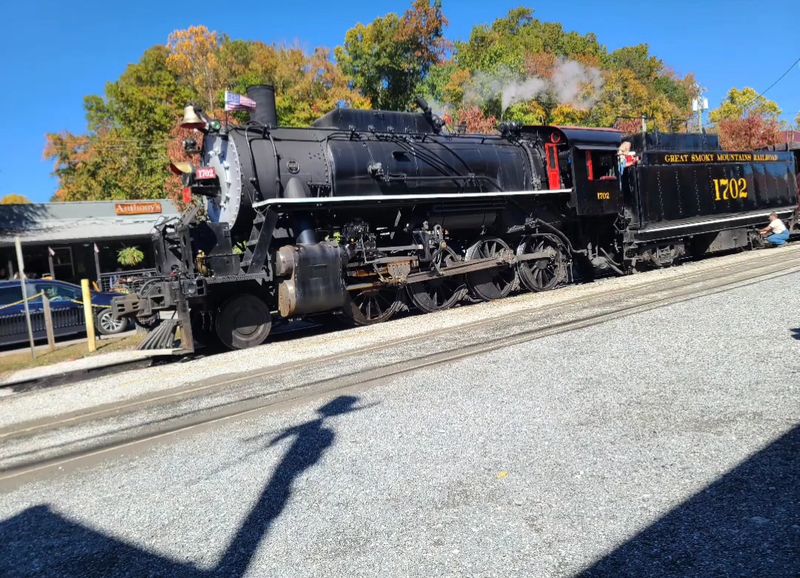
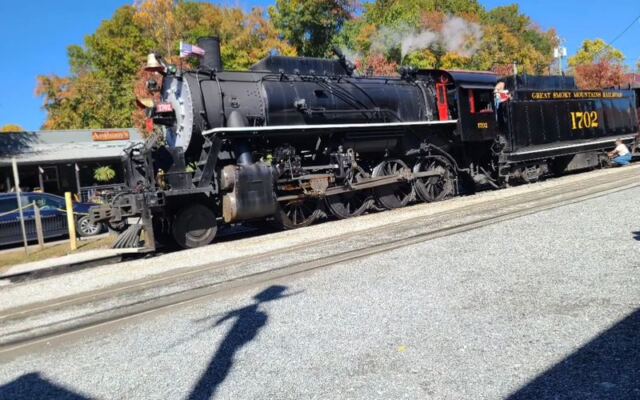
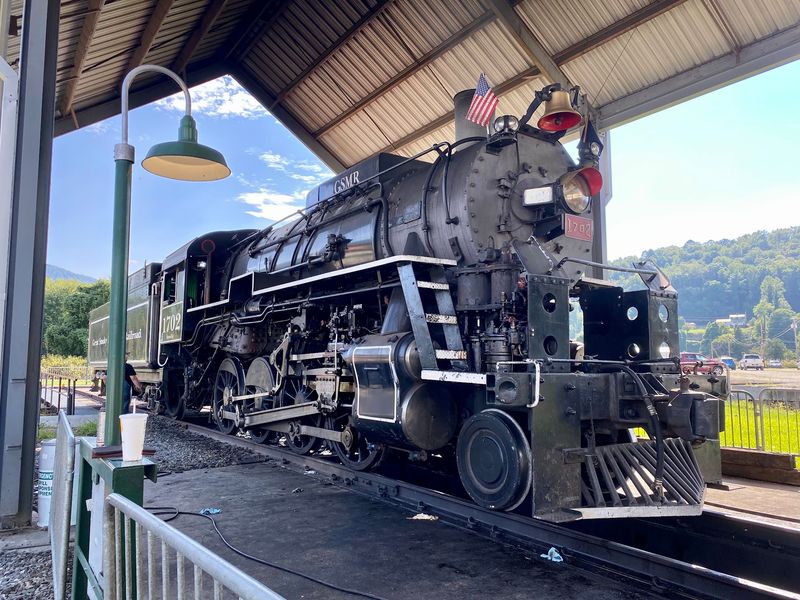
Steam engines have a way of turning grown adults back into kids at a crossing. The railroad runs certain excursions behind a steam locomotive, and those trips draw plenty of attention.
One route, the Nantahala steam ride, runs a little over four hours in total. Other excursions roll with different power, so it pays to check which engine is scheduled before booking.
Riders who want the full steam experience often choose an open car near the back of the train. That spot puts you outside, with the engine working up ahead and the valleys sliding past.
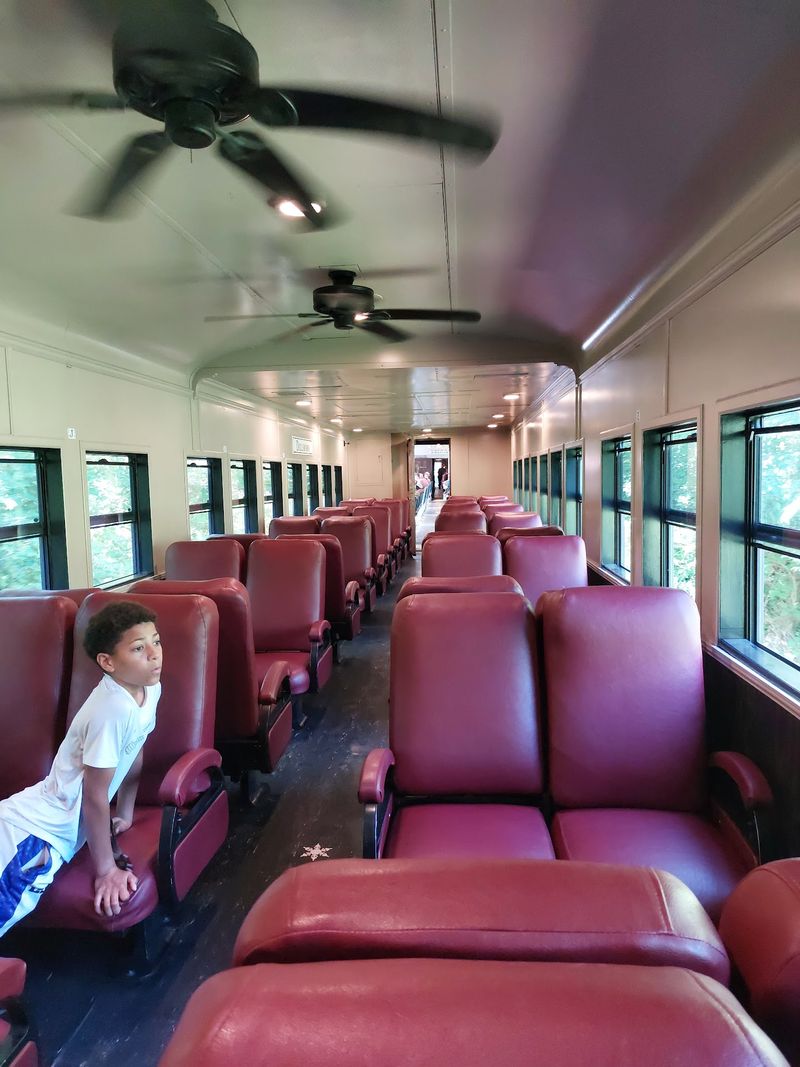
The vintage equipment is part of the appeal. Coaches with sliding windows and ceiling fans keep things simple and old-fashioned in the best way.
Train lovers can also pick up keepsakes like train whistles and hats from the cafe car. Those souvenirs tend to keep the conversation going long after the ride ends, sometimes at full volume in the back seat on the drive home.
For a family with a young rail fan, a steam day may be the trip that sets the bar for every outing that follows.
The Tuckasegee River Run
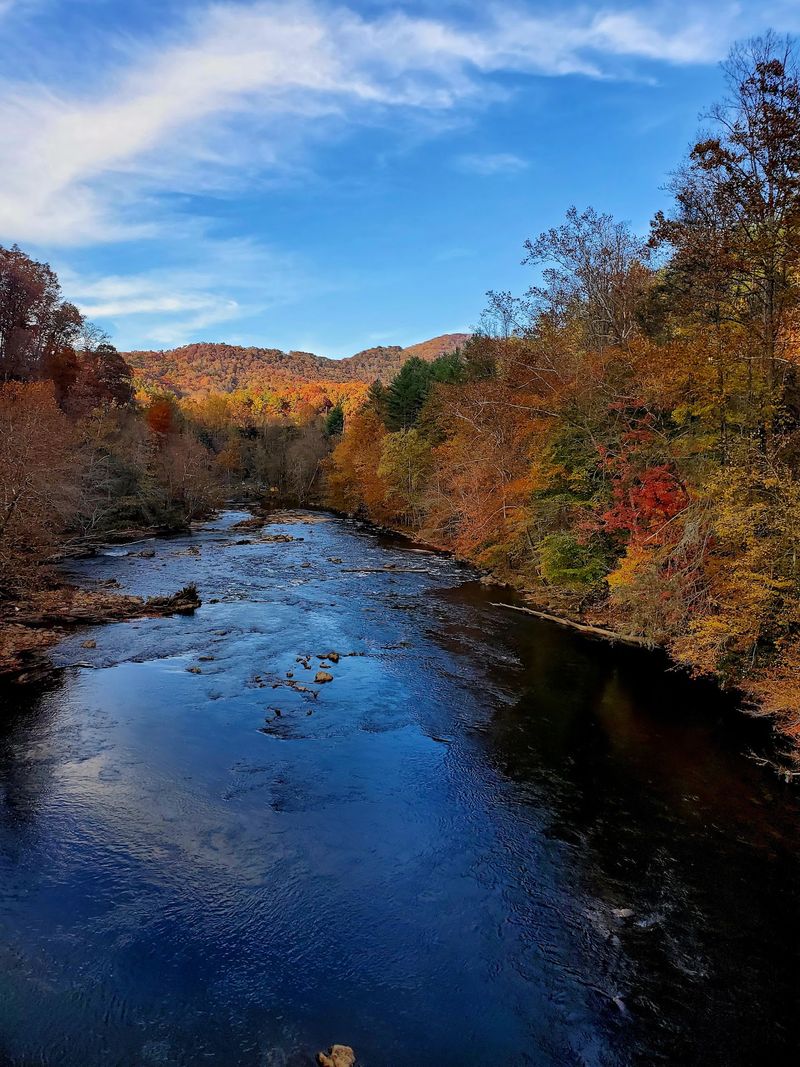
Rivers and railroads have been partners in these mountains for a long time. The Tuckasegee River excursion follows that waterway from Bryson City toward the town of Dillsboro.
The round trip lasts about four hours. Riders spend around an hour and a half heading out, then take a layover in Dillsboro before returning.
Along the way, the train crosses the river a couple of times. Water birds sometimes appear along the banks, and the route passes through an old tunnel for about 90 seconds, which tends to get a cheer.
Mountain views frame the river for much of the journey. The creek side of the train offers the best look at the water, so seat selection matters here.
The Dillsboro layover has run anywhere from 45 minutes to about 90 minutes, depending on the trip. That window gives time to browse shops and find a place to eat in town.
Be ready for some walking in Dillsboro, as seating and shade can be limited. Sturdy shoes may save the afternoon, and the train does not wait for stragglers.
Into the Nantahala Gorge
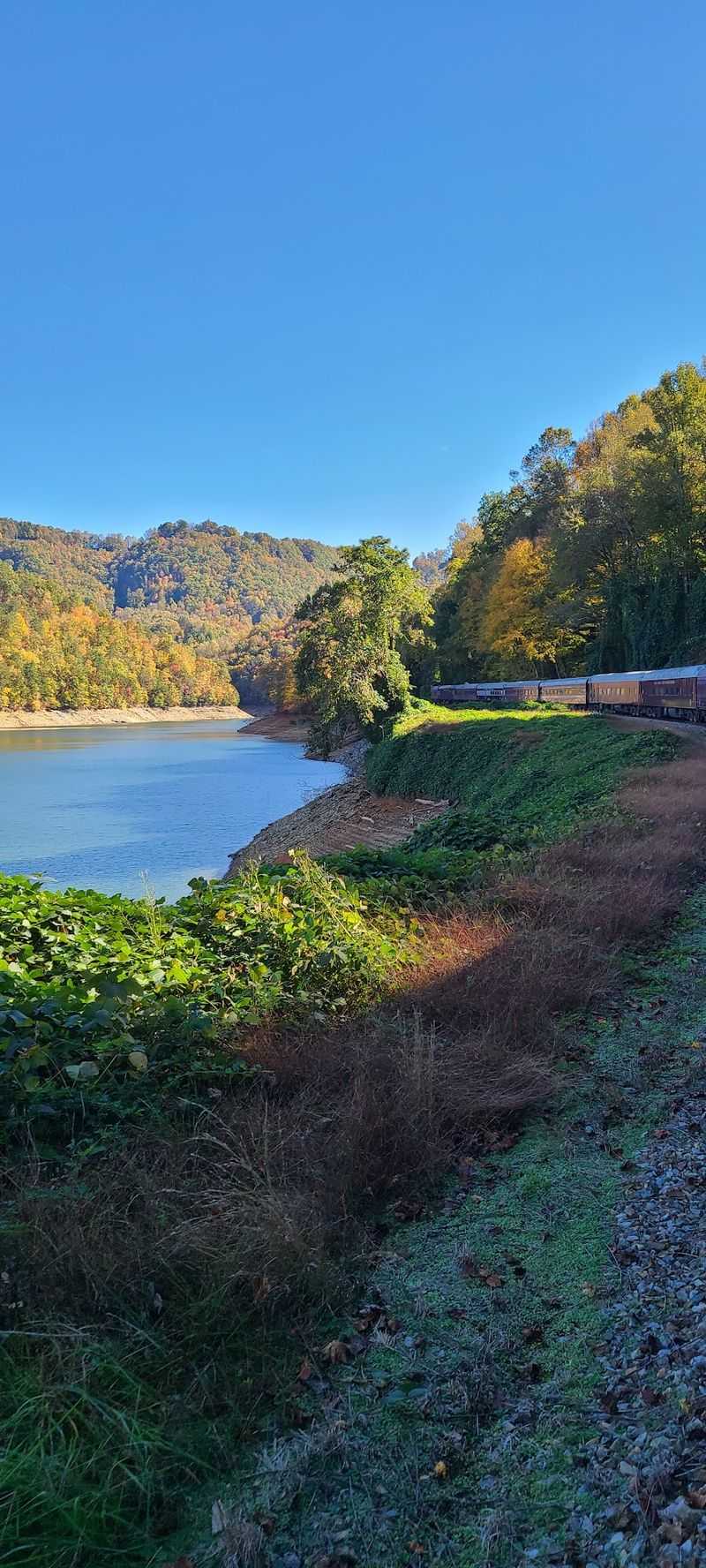
Whitewater fans, meet your new favorite train ride. The Nantahala Gorge excursion departs Bryson City, follows the Tuckasegee River, winds through dense forest, and reaches the gorge.
The round trip runs about four and a half to five hours. Riders get roughly an hour at the Nantahala Outdoor Center area, near Wesser, where the Appalachian Trail crosses through.
During that stop, people watch kayakers and rafters charge through the rapids. Some passengers have even played rock, paper, scissors with rafters from the train window.
The outdoor center has a general store, outfitters, and shops. Jeep rides, ziplines, and rafting can be added at the stop, though those adventures need to be booked in advance.
The train route also passes over Fontana Lake, adding big water to the mountain views.
One honest heads-up: some riders find stretches of the gorge route heavy on hillside and light on wide views, especially from certain seats. Picking your side wisely, covered later, can make a real difference.
For an active family, combining the train with a gorge adventure makes a full weekend day.
Open-Air Cars Win Fans
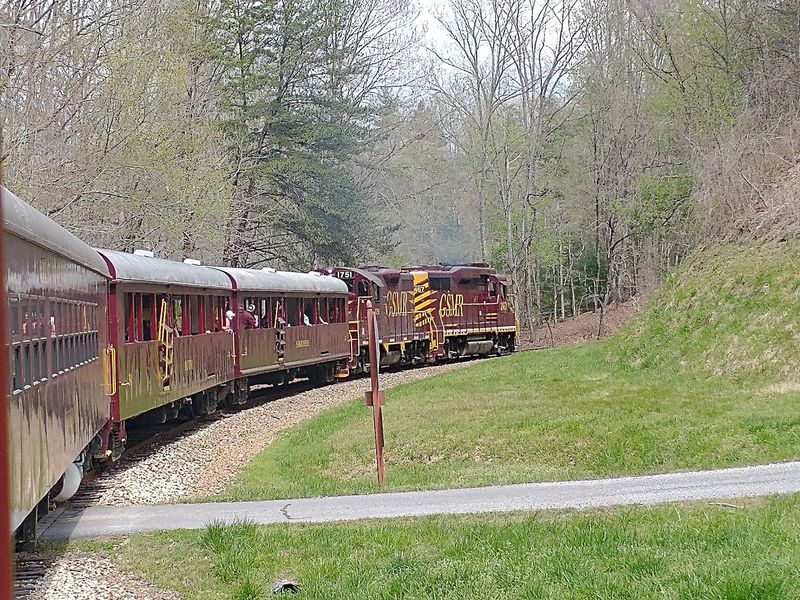
Cheap seats rarely get this much love. The open-air cars are often the least expensive option on the train, yet many riders call them the best way to take in the scenery.
These cars have cushioned bench seats that feel comfortable and roomy. With no glass in the way, photographers get clear shots of the mountains and rivers.
The open design also keeps things cool on warmer days. In late fall, though, temperatures in the mountains can swing during a single trip.
Planning layers makes sense for anyone booking an open car in the cooler months. A jacket that comes off and goes back on may be the most useful thing you pack.
On lighter days, crew members have sometimes invited passengers from enclosed cars to visit the open-air car for a while. That is not a promise, but it is a nice bonus when it happens.
Some riders who booked enclosed seats ended up standing in open cars for more movement, since sitting still in one spot for hours can feel long.
For pure views on a budget, the open car is hard to beat.
Choosing Your Class of Travel
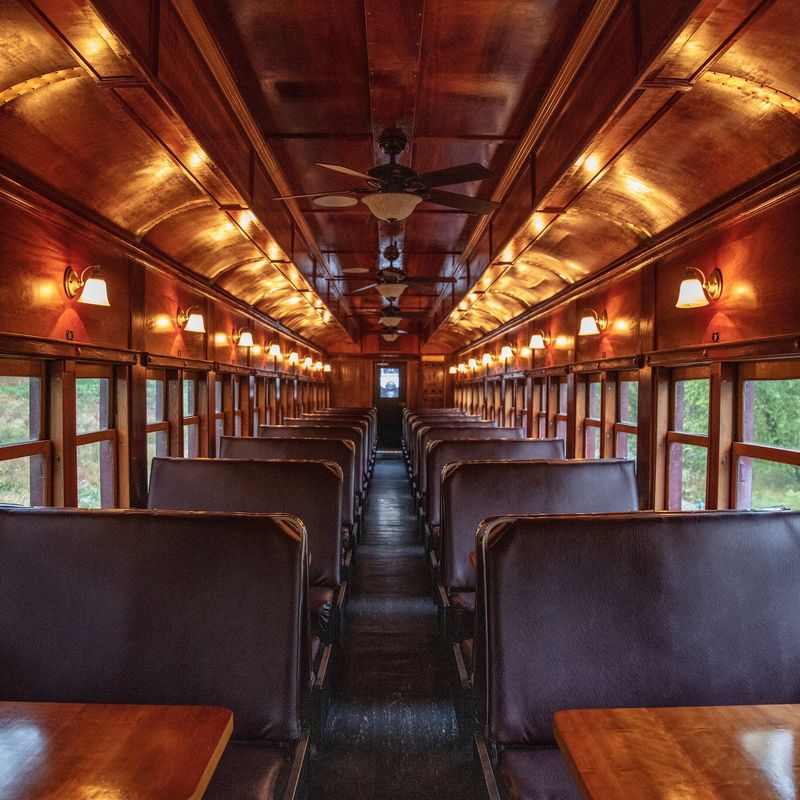
Ticket options here come in tiers, and the right one depends on how you like to ride. There are roughly four types of travel, ranging from open-air and standard coach up to first class with a served meal.
Coach Plus is a popular middle step. It offers larger seats, a quieter car, sliding windows, and pairs of cushioned benches facing each other across a sturdy table.
That layout works well for couples, families, card games, and snacks. The upgrade has typically cost about $30 to $50 more than standard coach, depending on the season.
First class cars come with a provided meal and attentive car attendants. Crown class adds extras like a souvenir cup with refills on soft drinks, tea, and coffee.
Some cars are set aside for adults 21 and older, and the seating categories can feel a bit confusing at checkout. Reading each description carefully before paying helps avoid surprises.
Prices vary widely by route and class. Past adult coach fares have hovered around $60 to $70, while premium seats with meals for two have run near $300.
The Left Side Secret
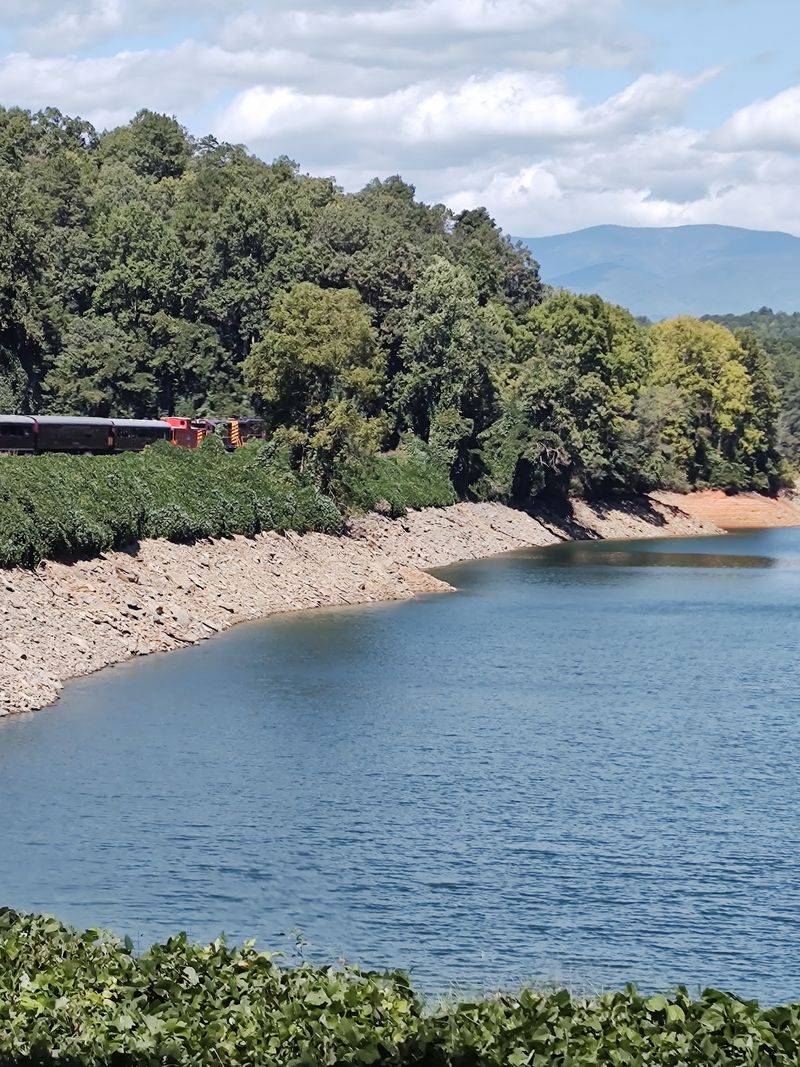
Here is a tip worth its weight in train tickets. The train does not turn around at the halfway point, so you return facing the same scenery you saw on the way out.
That makes seat choice a big deal. Riders often recommend the left side as the train departs Bryson City, which is the boarding side.
That side generally offers better views through much of the trip, especially along the river and in the gorge. In some cars, the P seats sit on the creek side for most of the ride.
Picking the wrong side can mean long stretches looking at hillsides covered in vines. Even the opposite side of some cars shows only a little more.
In Coach Plus, table pairs such as seats 13 to 16 and 21 to 24 are considered a sweet spot. Seats are often assigned from the higher-numbered end first, so lower-numbered sections may stay quieter.
Moving seats after boarding is not always allowed. Locking in the right side at booking is the smartest move you can make before leaving home.
Box Lunches and the Cafe Car
A long ride calls for a plan to stay fueled. The railroad offers pre-ordered box lunches, which have run about $14 to $15 each, plus a cafe car on board.
Box lunches are picked up at the station before departure. On busy trips, like holiday runs, the pickup line can wrap around the building, so arriving early is wise.
Boarding usually starts 30 minutes before departure. Getting your meal well ahead of that keeps the morning calm.
Some riders have found it unclear how to access their pre-bought lunches, so asking staff right away helps. Having lunch handled ahead of time also frees up the layover for shopping instead of standing in line.
The cafe car carries hot food, snacks, soft drinks, and keepsake gifts. Prices are fair to a little high, depending on the item.
Strolling to the dining car is worth doing even if you are not hungry, since the vintage setup is fun to see.
Small restrooms are available on board, though roominess can vary by car.
A Guitar on Board
Sing-alongs are not on the ticket, yet they keep showing up. On many trips, a traveling guitarist moves through the cars playing songs and taking requests.
The music can turn a quiet car into a group chorus. Out-of-state families have even heard tunes chosen just for them.
The performers accept tips, so bringing a few dollars in cash makes sense. It is a small touch that can lift the mood on a long ride.
Families with kids tend to enjoy the entertainment, and parents of children on the autism spectrum have shared that their kids enjoyed the experience too. Every child is different, but the relaxed pace may suit many families.
The atmosphere overall leans friendly and easygoing. Fellow passengers are often chatty, and the crew keeps things moving with good humor.
One thing to know: riders generally need to stay seated while the train is moving. On a four- or five-hour trip, that can feel long for restless legs.
Between the music and the stories, the time usually passes faster than expected.
Polar Express and Thomas Days
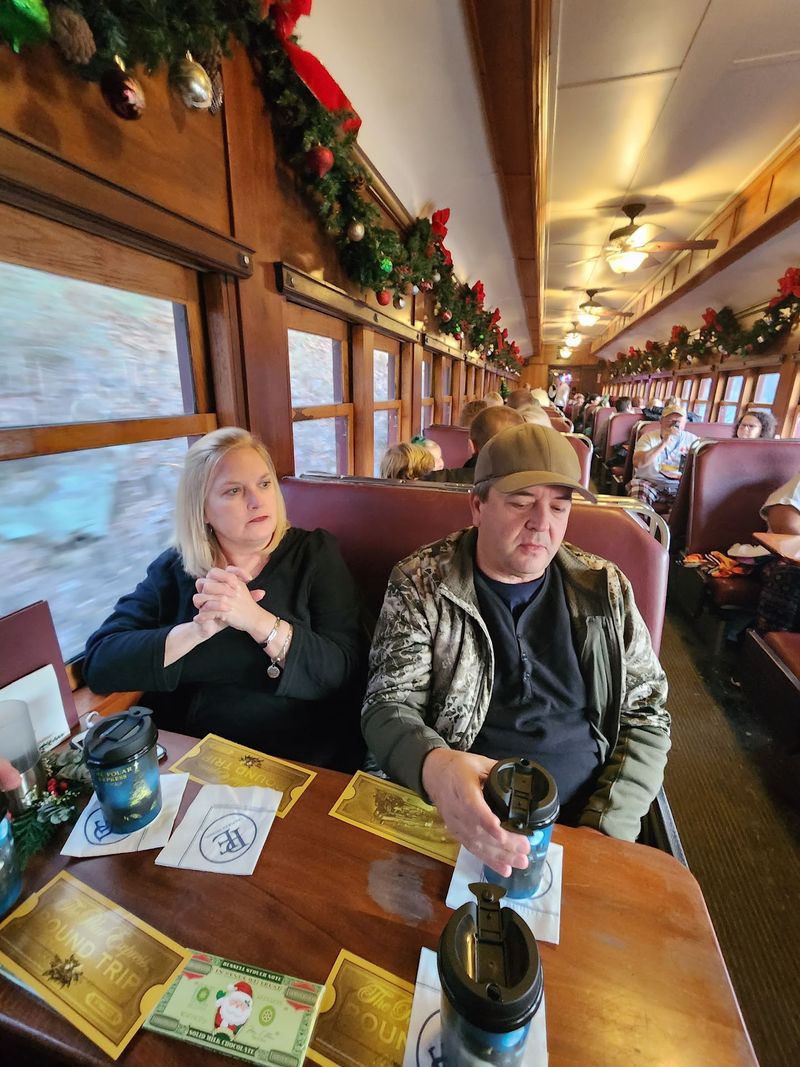
Holiday magic has a home address in Bryson City. The Polar Express is one of the most talked-about events at the railroad, drawing hundreds of mentions from riders.
For many families, it becomes the reason to plan a late-fall or holiday trip to the mountains. Booking early makes sense, since popular rides fill fast.
Day Out with Thomas is another family event. Kids get more activities than many parents expect, and the extra fun can be the real highlight beyond the ride itself.
Themed rides also pop up around holidays. A Freedom Trail train has run on the Fourth of July, with tickets around $60 for adults and $50 for kids, including a boxed meal.
Rail and raft packages pair a train trip with a guided whitewater outing. Riders are dropped at the outpost to meet their guide.
Event schedules change each year. Checking the railroad’s website before making plans keeps surprises to a minimum.
If your kids already know every word of the Polar Express story, this may be the year to make it real.
Know Before You Board
A little planning goes a long way on this outing. Reserving tickets in advance makes arrival smooth and easy.
Plan for more walking than expected between the parking lot and your railcar. Golf carts are available to help reach the loading area if needed.
Comfortable shoes matter at the layover stops too. In some spots, the train halts a fair distance from the shops, leaving just enough time to walk there and back.
The train does not wait. Keeping an eye on the clock during the layover is essential.
On-board photos taken by staff come at an extra cost, so decide ahead whether that souvenir fits your budget. Snacks and souvenirs in the cafe car also add up.
Rainy days do not ruin the trip. Many riders call it a great way to spend a wet day in the mountains, especially in enclosed cars.
Tickets and current details are available at gsmr.com, where routes, classes, and schedules are listed.
Hours and fares vary by season, so confirm everything online before driving in.
Worth the Whistle Stop
Not every outing earns a spot on a bucket list, but this one keeps landing there. Riders often call it the highlight of a mountain trip and talk about coming back with more family.
It is not perfect for everyone. A few riders have felt the scenery on certain routes did not justify premium prices, and the long seated stretches may test some patience.
Choosing the right route, class, and side of the train can tip the scales. The Tuckasegee run suits a relaxed day, while the Nantahala Gorge pairs well with adventure.
Late fall adds a strong case for going. The valleys open up, crowds may ease, and the holiday trains wait just around the bend.
For North Carolinians, the appeal is simple. This vintage ride runs right here in Swain County, a manageable drive for a weekend escape.
Bryson City locals clearly care about their town and its railroad. Treating both with respect keeps the experience good for everyone.
Pack layers, pick the left side, and let the mountains handle the rest.
Share this story