Tennessee packs some of the South’s best scenery, history, and outdoor fun into one state, and you don’t need deep pockets to enjoy it. From waterfalls that’ll make your jaw drop to museums that could eat up an entire afternoon, plenty of spots let you explore without draining your wallet.
Whether you’re chasing wildlife on a pontoon boat, climbing ancient Native American mounds, or stepping inside a working 19th-century mill, these ten picks prove that adventure doesn’t come with a hefty price tag.
1. Reelfoot Lake State Park, Tiptonville
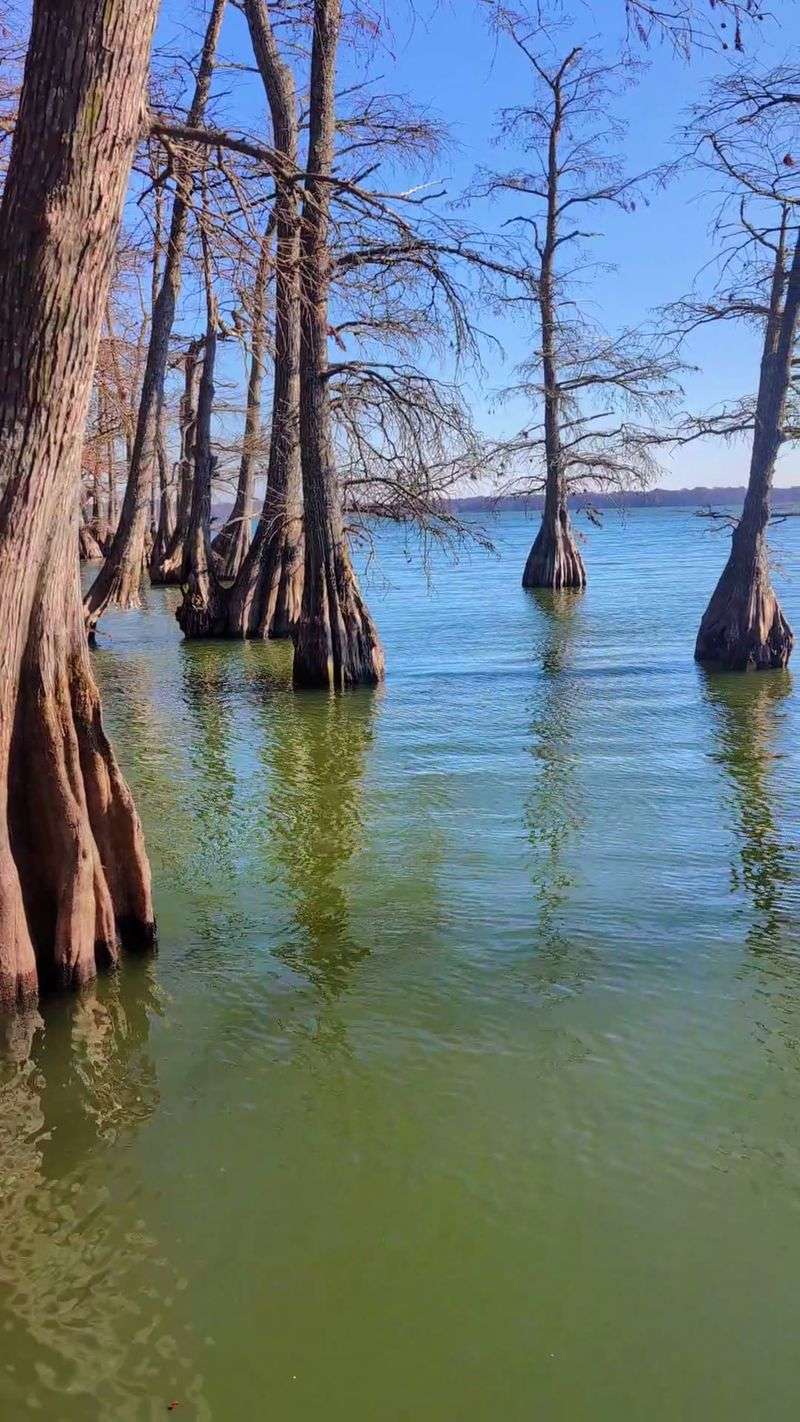
Formed by a series of earthquakes in the early 1800s, Reelfoot Lake looks nothing like most Tennessee waterways. Cypress trees rise straight out of the shallow water, and the shoreline twists into quiet coves that feel more like Louisiana than the Volunteer State.
It’s a magnet for birds, especially bald eagles in winter, and the best way to see them is from a pontoon.
Ranger-led boat tours glide across the lake at a pace slow enough to spot herons wading in the shallows and turtles sunning on half-submerged logs. Eagles perch in the tallest trees, scanning for fish, and if you’re lucky you’ll catch one swooping down to snag a meal.
The guides know where to look and share stories about the lake’s wild formation and the wildlife that calls it home.
Most cruises clock in under $20 per person, making this one of the cheaper ways to get out on the water in Tennessee. You’ll want to book ahead during eagle season, roughly November through February, when the big raptors migrate south and the tours fill up fast.
Even outside peak season, the lake stays busy with birds year-round.
Pack a light jacket if you’re going in cooler months, because the breeze on the water can bite. Binoculars help, but they’re not required since the pontoon gets close enough for good views.
The park also has hiking trails and a museum if you want to stretch your legs before or after the cruise.
Reelfoot sits in the northwest corner of the state, about an hour and a half from Memphis. It’s a bit of a haul from the bigger cities, but the scenery and wildlife payoff make the drive worthwhile.
If you’ve never seen a bald eagle in the wild, this is one of the best spots in Tennessee to check that box without spending a fortune.
2. Pinson Mounds State Archaeological Park, Pinson
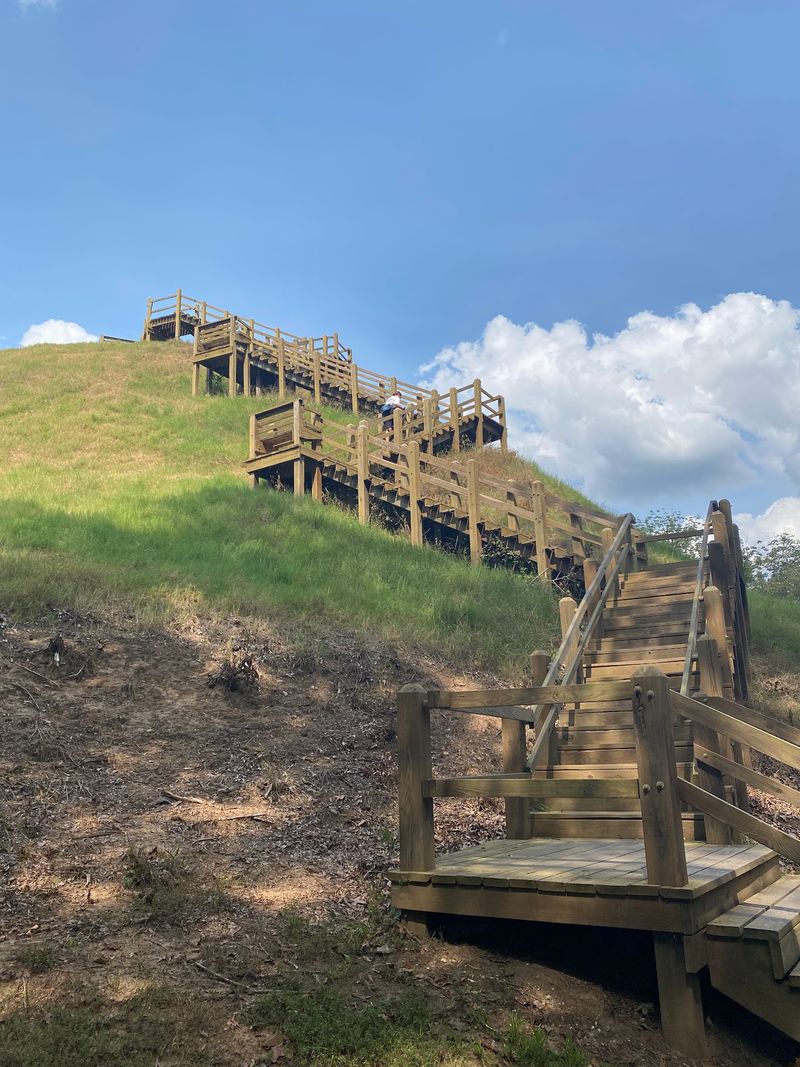
West Tennessee holds one of the country’s most impressive collections of prehistoric mounds, and Pinson Mounds lets you walk right up to them without paying a dime. Built by Middle Woodland peoples more than a thousand years ago, these earthworks rise from the forest floor like grassy hills, some reaching heights that rival a three-story building.
Sauls Mound, the tallest, offers a view over the surrounding woods that makes the climb worth every step.
The park sprawls across more than 1,200 acres, with miles of trails winding through hardwood forest and open fields. You’ll pass smaller ceremonial mounds, ancient habitation sites, and interpretive signs that explain how these communities lived and why they built such massive structures.
It’s a quiet place, the kind where you can hike for an hour and only see a handful of other visitors.
Sauls Mound stands 72 feet tall, and the path to the top is steep but short. Once you reach the summit, you can see for miles across the tree canopy, and it’s easy to imagine what this landscape looked like when the mounds were still in active use.
The museum near the visitor center displays artifacts found on-site, including pottery, tools, and ceremonial objects.
Admission to the park is completely free, which makes it one of the best deals in the state for anyone interested in history or archaeology. The trails range from easy loops to longer hikes, so you can tailor your visit to your energy level.
Spring and fall bring the best weather, but the park stays open year-round.
Pinson sits about 15 minutes south of Jackson, close enough for a quick day trip but remote enough to feel like a real escape. Bring water, wear sturdy shoes, and plan to spend at least a couple of hours exploring the mounds and trails.
3. Fort Pillow State Historic Park, Henning
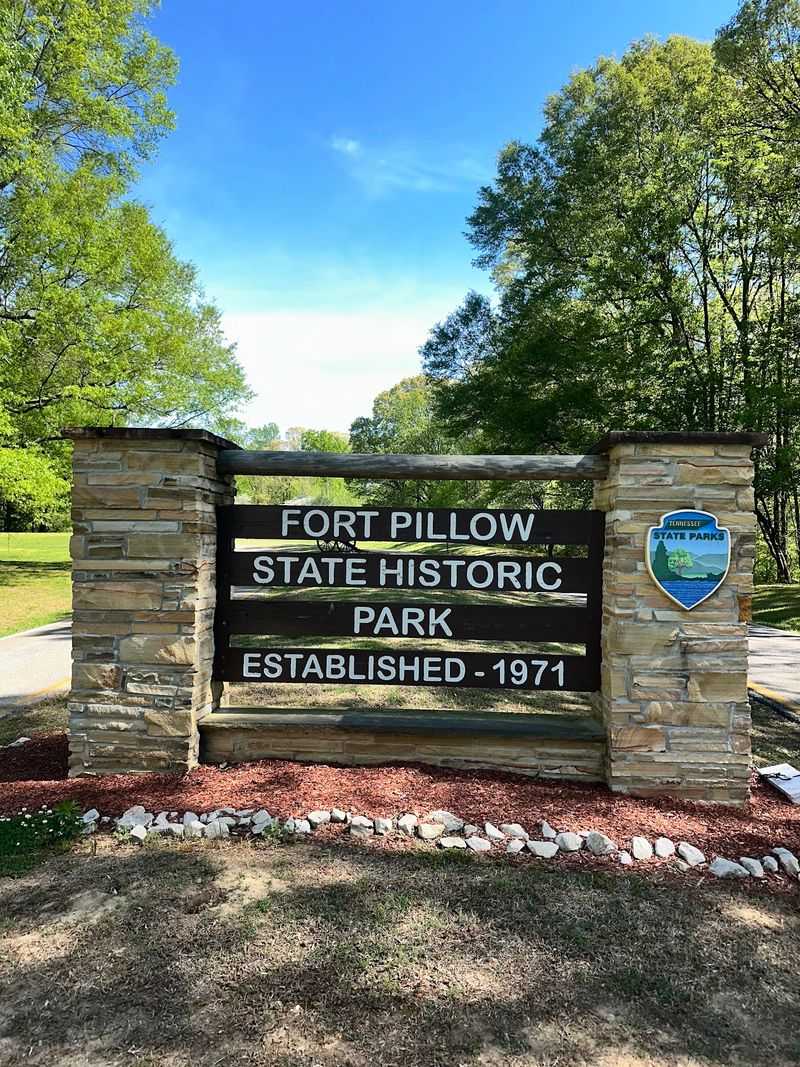
Perched on bluffs high above the Mississippi River, Fort Pillow tells a complicated chapter of Civil War history while offering some of the best river views in West Tennessee. The park preserves the site of a Confederate fortification that later became the scene of a controversial 1864 battle, and you can still walk the reconstructed earthworks and imagine what it was like to defend this strategic position.
Admission is free, so you can spend as much or as little time as you want exploring the grounds.
The bluff-top trails wind through open fields and wooded sections, with overlooks that drop straight down to the river below. On a clear day, you can see for miles upstream and downstream, watching barges push their way along the current.
The earthworks themselves are grass-covered now, but the layout is still clear, and interpretive signs explain the fort’s design and the events that unfolded here.
The park museum sits near the entrance and houses artifacts from the battle, including weapons, uniforms, and personal items recovered from the site. Rangers are usually on hand to answer questions and provide context about the fort’s role in the war and the broader history of the region.
The museum is small but packed with information, and it’s a good starting point before you hit the trails.
Fort Pillow is about an hour north of Memphis, tucked into a quiet corner of Lauderdale County. It doesn’t get the same crowds as bigger Civil War sites, which means you’ll often have the trails and overlooks to yourself.
The lack of crowds adds to the experience, especially if you’re looking for a reflective walk through history.
Bring a hat and sunscreen if you’re visiting in summer, because the bluffs offer little shade and the sun can be relentless. The trails are mostly easy, but the overlooks require a bit of careful footing near the edges.
4. Dunbar Cave State Park, Clarksville
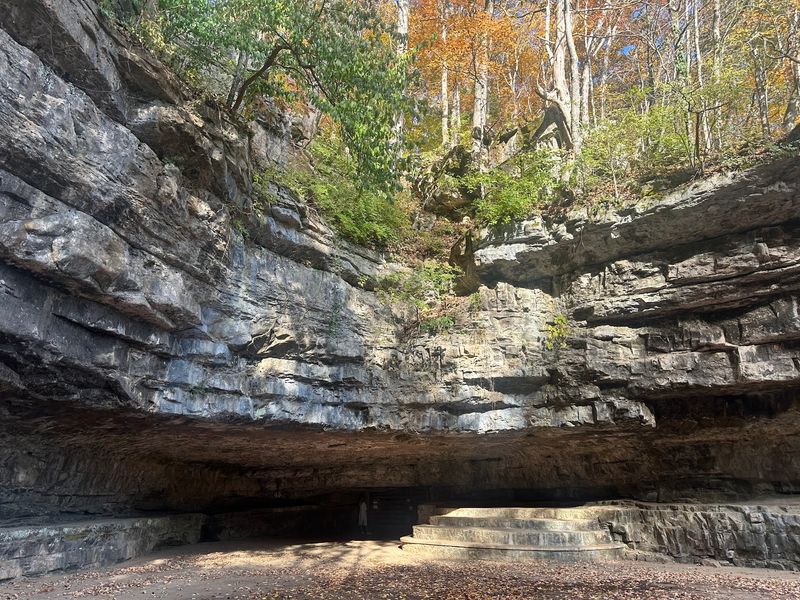
Just outside Clarksville, Dunbar Cave hides a surprisingly wild retreat that feels miles away from the city. The cave entrance alone is worth the trip, a massive mouth in the limestone that opens into cool darkness and has been drawing visitors for thousands of years.
Native Americans left artwork on the walls, and later the cave became a nightclub and dance hall in the 1930s, hosting big-band performances deep underground. These days, it’s a state park, and general access costs nothing.
The trails loop around Swan Lake, a small body of water that reflects the surrounding trees and makes for easy, flat walking. You’ll spot turtles, frogs, and a surprising variety of birds, especially during migration season when warblers and other songbirds pass through.
The main trail is just over a mile, perfect for a quick outing or a longer stroll if you take your time.
The cave itself is closed to casual visitors most of the year to protect the bat population, but the park offers special guided cave tours during certain months. Those tours carry a separate fee, usually around $10 or $15, but standing at the entrance and peering into the darkness is free anytime.
The opening is enormous, and even from the outside you can feel the cool air spilling out.
Dunbar Cave sits on the edge of Clarksville, close enough to Fort Campbell that you could easily combine a visit with other stops in the area. The park is small, so you won’t spend a full day here, but it’s a great spot to stretch your legs or take a break from driving.
Bring a flashlight if you want to peek a little deeper into the entrance, though you won’t be able to go far without a ranger.
The trails are well-maintained and mostly shaded, making this a solid pick even in the heat of summer. Parking is free, and the park rarely gets crowded outside of weekends.
5. Tennessee State Museum, Nashville

Nashville’s Tennessee State Museum covers 13,000 years of history under one roof, and you can walk through all of it without spending a cent. From the first Native American settlements to the Civil War, Reconstruction, and the rise of country music, the museum tells the state’s story through artifacts, interactive displays, and full-scale recreations.
You could easily spend half a day here and still not see everything.
The prehistoric section features tools, pottery, and burial artifacts that show how early peoples lived and thrived in what would become Tennessee. Moving forward in time, you’ll find displays on European exploration, frontier settlement, and the state’s role in the Revolutionary and Civil Wars.
The Civil War galleries are especially detailed, with uniforms, weapons, and personal letters that bring the conflict to life.
One of the museum’s strengths is its coverage of Tennessee’s cultural contributions, particularly in music. Exhibits on the birth of the blues, the rise of country music in Nashville, and the influence of Memphis soul give visitors a sense of how deeply music runs through the state’s identity.
You’ll see instruments, costumes, and recordings from some of the biggest names in American music history.
The museum moved to a new building a few years ago, and the space is modern, bright, and easy to navigate. Galleries are organized chronologically, so you can follow a clear path through Tennessee’s past.
Interactive touchscreens and short films add depth to the exhibits, and the museum does a good job of making history accessible to all ages.
Located in downtown Nashville, the museum sits close to Bicentennial Capitol Mall and the state capitol building, making it easy to combine with other free or low-cost attractions. Parking can be tricky downtown, so plan to use a nearby garage or public transit if possible.
The museum is open most days except Mondays, and admission is always free.
6. Burgess Falls State Park, Sparta
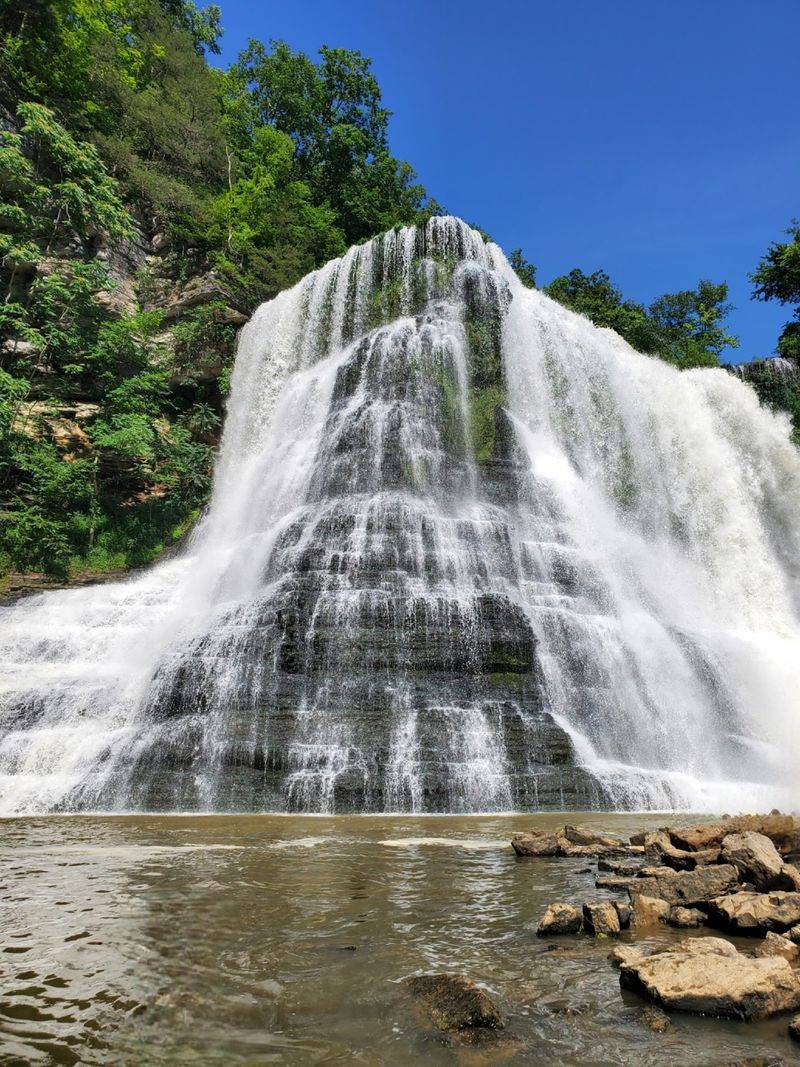
Burgess Falls delivers one of Tennessee’s most dramatic waterfall scenes, and the hike to reach it is just challenging enough to feel like an adventure without beating you up. The trail follows the Falling Water River downstream, passing a series of smaller cascades before reaching the main event, a 136-foot drop into a rocky gorge.
The roar of the water echoes off the canyon walls, and the mist rises in clouds when the flow is strong.
The trail is about three miles round-trip, mostly level until the final descent to the overlook platform. Along the way, you’ll cross wooden bridges, walk through shaded forest, and catch glimpses of the river as it tumbles over smaller falls.
Each cascade is worth a quick stop, but everyone’s headed for the big one at the end.
The main waterfall viewing platform sits right at the edge of the gorge, giving you a head-on look at the falls as they plunge into the pool below. In spring and after heavy rain, the volume of water is staggering, and you’ll feel the spray even from the platform.
Summer can slow the flow, but the falls never fully dry up, and the gorge stays impressive year-round.
Burgess Falls sits about halfway between Nashville and Knoxville, just outside the small town of Sparta. It’s a popular spot on weekends, so arriving early or visiting on a weekday gives you a better shot at having the falls to yourself.
The park charges no admission, and the trails are well-maintained and clearly marked.
Wear shoes with good traction, especially if the trail is wet, because the final stretch down to the overlook can be slippery. Bring water and snacks, and plan to spend at least a couple of hours at the park.
There are picnic tables near the parking area if you want to make it a longer outing.
7. Falls Mill and Museum, Belvidere
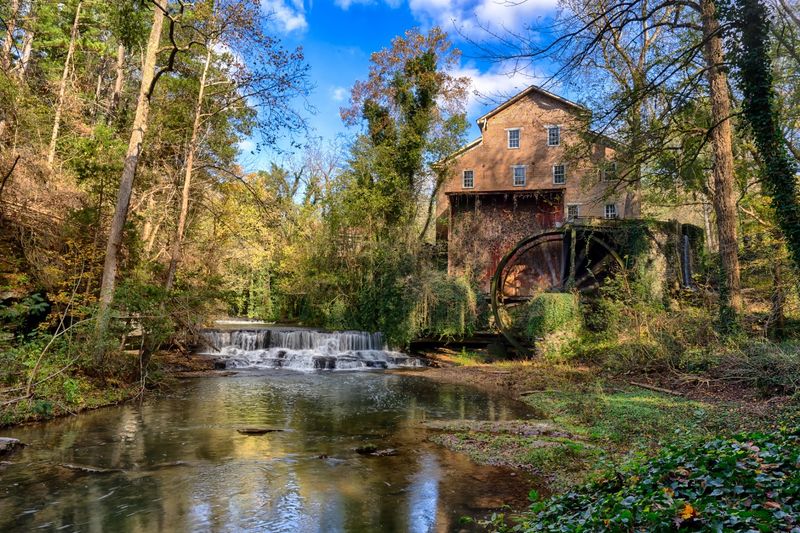
Tucked into the rolling countryside of southern Middle Tennessee, Falls Mill still grinds cornmeal and flour the way it did more than 150 years ago. The waterwheel turns with the flow of Factory Creek, powering the massive grinding stones inside the three-story wooden building.
It’s a working piece of history, and you can tour the mill, watch the machinery in action, and buy stone-ground products to take home. Admission runs around $10 for adults, making it an affordable stop for anyone who wants something different from another standard hiking trail.
The mill was built in the 1870s and has been restored to working condition, with most of the original equipment still in use. Inside, you’ll see the wooden gears, leather belts, and heavy stones that turn grain into flour, all powered by nothing but the creek outside.
The tour guides explain how the system works and share stories about the families who ran the mill over the decades.
Outside, the mill sits beside a small waterfall where Factory Creek drops over a limestone ledge. It’s a peaceful spot, and the sound of the water blends with the creaking of the waterwheel to create a scene that feels pulled from another century.
The grounds include a covered bridge, a picnic area, and a short walking path along the creek.
The mill also operates a small museum with artifacts from the area’s agricultural past, including old tools, photos, and household items from the 1800s. You can browse the gift shop for stone-ground grits, cornmeal, pancake mix, and other products milled on-site.
Everything is made in small batches, and the quality is noticeably better than what you’ll find at a grocery store.
Falls Mill is about 30 minutes south of Tullahoma, well off the beaten path but worth the detour. It’s a quiet, low-key attraction that appeals to history buffs, foodies, and anyone looking for a slower pace.
8. Ozone Falls State Natural Area, Ozone
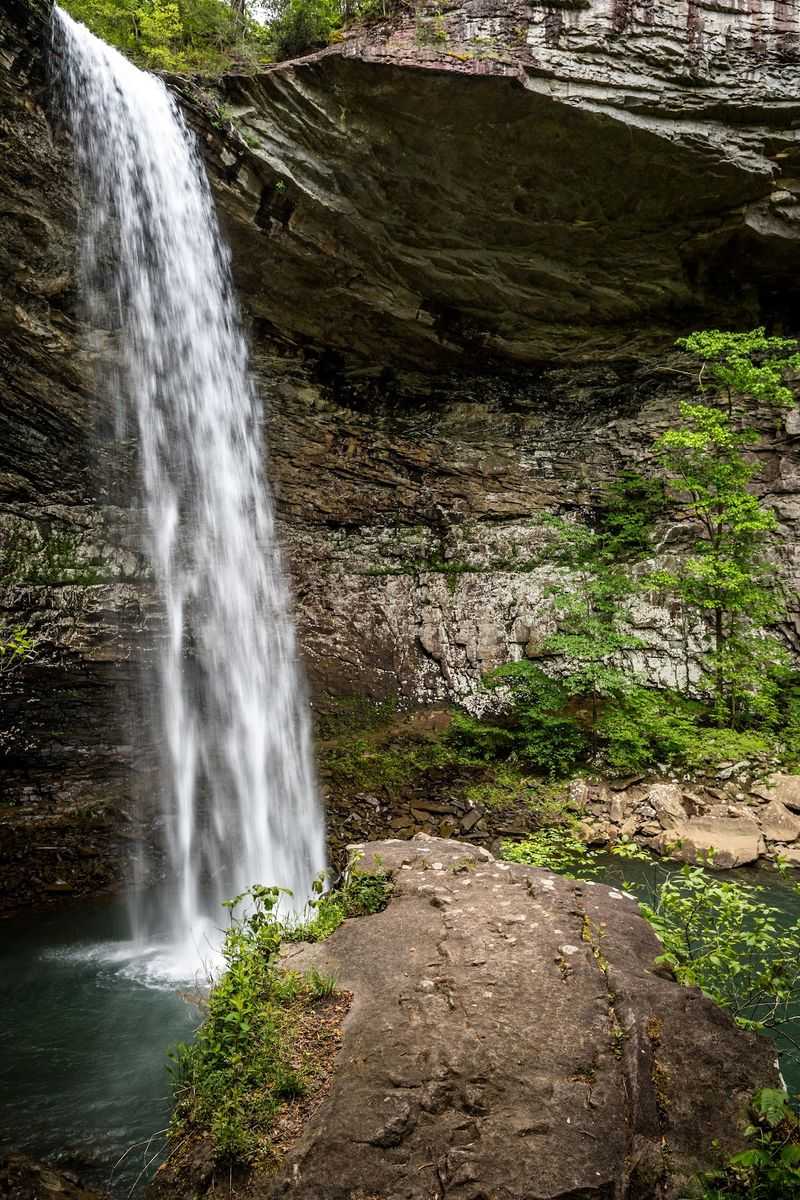
Ozone Falls drops 110 feet into a natural amphitheater of rock that looks like it belongs in a national park, not beside a rural Tennessee highway. The waterfall is surprisingly accessible, with a short trail leading from the parking area to an overlook at the top and a steeper path down to the base.
The whole setup feels more remote than it actually is, and the payoff is one of the most photogenic waterfalls in the state.
From the top, you can peer over the edge and watch the water freefall into the plunge pool below, surrounded on three sides by moss-covered cliffs. The amphitheater shape creates a natural echo chamber, amplifying the sound of the falls and giving the place an almost otherworldly feel.
Ferns and wildflowers cling to the rock walls, and the mist keeps everything damp and green.
The trail to the base is short but steep, with tree roots and loose rocks that require careful footing. Once you reach the bottom, you’re standing inside the amphitheater, looking up at the falls as they pour down from above.
It’s a dramatic perspective, and the cool air and spray are a relief on hot summer days. Swimming is technically allowed, though the water is cold and the currents can be unpredictable.
Ozone Falls sits along the Cumberland Plateau, about 30 minutes west of Crossville. The parking area is small, so weekends can get crowded, especially in spring and fall when the weather is prime.
Weekday visits offer a better chance of solitude, and the falls are impressive year-round, though spring runoff brings the heaviest flow.
The state natural area is free to visit, with no entrance fee or permit required. Bring a camera, because the falls and the surrounding rock formations are ridiculously photogenic.
Just watch your step on the trail down, and be prepared for slippery conditions near the water.
9. Cravens House and Lookout Mountain Trails, Chattanooga
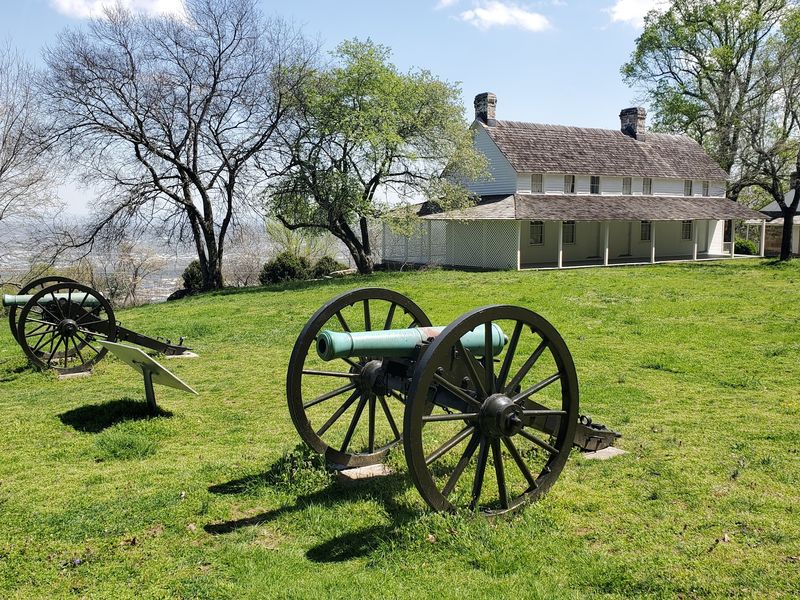
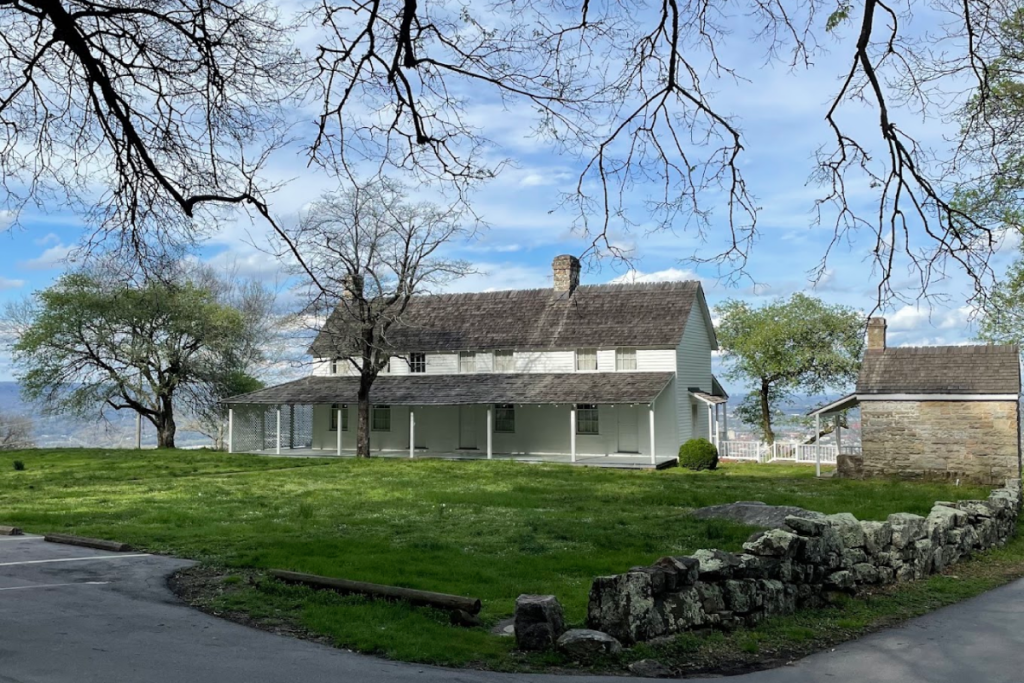
Perched on the side of Lookout Mountain, the Cravens House sits at the center of one of the Civil War’s most dramatic battles, and the views from the surrounding trails stretch all the way across Chattanooga and into the Tennessee Valley. The house itself is a restored frame structure that served as a field hospital during the Battle of Lookout Mountain in 1863, and rangers offer tours that explain the home’s history and the fighting that swirled around it.
Best of all, visiting the house and hiking the trails won’t cost you anything.
The trails around Cravens House connect to the larger network of paths on Lookout Mountain, offering everything from easy strolls to more challenging climbs. From the overlooks, you can see Moccasin Bend curving around the base of the mountain, the city of Chattanooga spreading out below, and the ridges of the Cumberland Plateau rolling off into the distance.
On clear days, the views go on for miles.
The house itself is small but packed with history. Inside, you’ll find period furnishings, interpretive displays, and stories about the families who lived there before and after the war.
The grounds include the foundation of the original outbuildings and markers that explain the tactical importance of this spot during the battle. It’s a quiet, reflective place that feels a world away from the busy tourist areas higher up the mountain.
Cravens House is part of Chickamauga and Chattanooga National Military Park, and admission is free. The trails are well-maintained and clearly marked, with options for hikers of all levels.
You can combine a visit here with other stops on Lookout Mountain, including Point Park and the Incline Railway, though those attractions carry separate fees.
Parking is limited, so arriving early or visiting on a weekday helps avoid the crowds. Bring water, wear good shoes, and plan to spend at least a couple of hours exploring the trails and soaking in the views.
10. Carter Mansion, Elizabethton
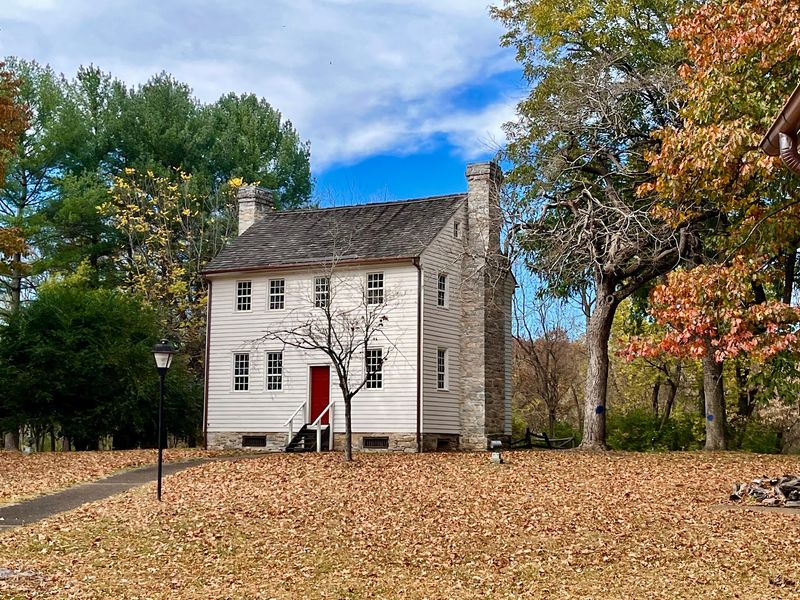
Built in the 1770s, Carter Mansion holds the title of Tennessee’s oldest surviving frame house, and stepping inside feels like walking straight into the frontier era. The log-and-frame structure sits on the edge of Elizabethton, surrounded by modern development, but inside, the house has been carefully preserved to reflect the lives of the Carter family and the early settlers who pushed into what was then the western edge of North Carolina.
Ranger-led tours run just $10 for adults, making this one of the better inexpensive historic experiences in far East Tennessee.
The mansion was home to John and Landon Carter, prominent figures in the early settlement of the region, and the house served as a gathering place for frontier leaders during the Revolutionary War era. The rooms are furnished with period pieces, and the guides share stories about daily life on the frontier, the challenges of building in the wilderness, and the political intrigue that shaped early Tennessee.
The tour covers multiple floors and lasts about an hour.
One of the most interesting features is the mix of construction styles. Part of the house is built from hand-hewn logs, while other sections use milled lumber, showing the transition from rough frontier building to more refined craftsmanship as the settlement grew.
The original fireplaces, wooden floors, and window glass are still in place, and the attention to detail in the restoration is impressive.
Carter Mansion sits just outside downtown Elizabethton, in the shadow of the Appalachian Mountains. It’s a small site, so you won’t spend all day here, but it pairs well with other historic stops in the area, including Sycamore Shoals State Historic Park.
Tours are offered on a limited schedule, so it’s worth calling ahead or checking online to confirm times before you make the drive.
The mansion grounds include a small garden and interpretive signs about the early settlement period. Parking is free, and the site is rarely crowded, giving you a chance to ask questions and explore at your own pace.
Share this story