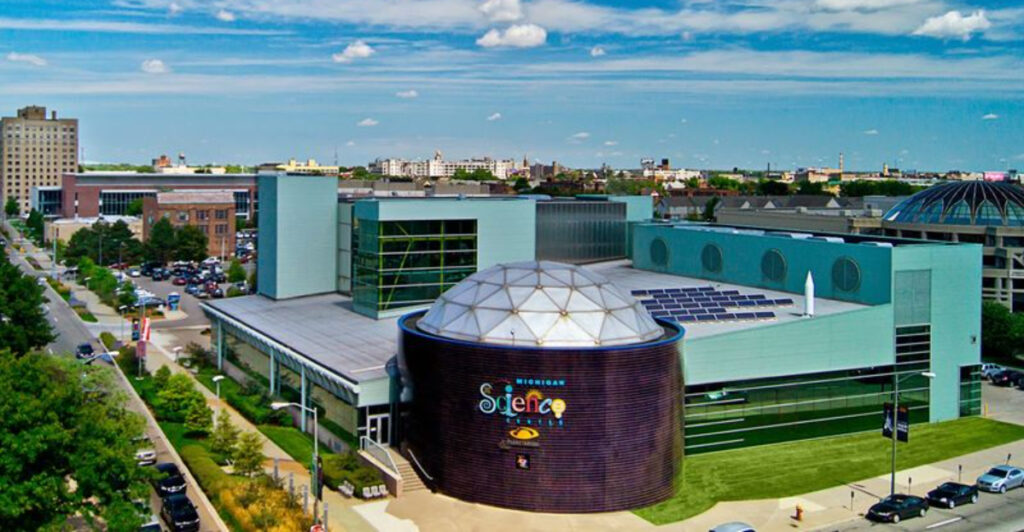
Science feels a lot more exciting when visitors get to touch, test, build, and experiment for themselves. In Detroit, Michigan, the Michigan Science Center turns big ideas into hands-on discovery, giving kids and adults room to move through exhibits that make learning feel active instead of distant.
The appeal comes from that mix of play and purpose: curious minds can explore, ask questions, watch demonstrations, and see how science connects to the real world. It is lively, approachable, and built for families who want more than a quiet museum walk.
For anyone looking for a Detroit stop where fun and discovery work together, this museum has plenty to explore.
Bright Energy on John R Street
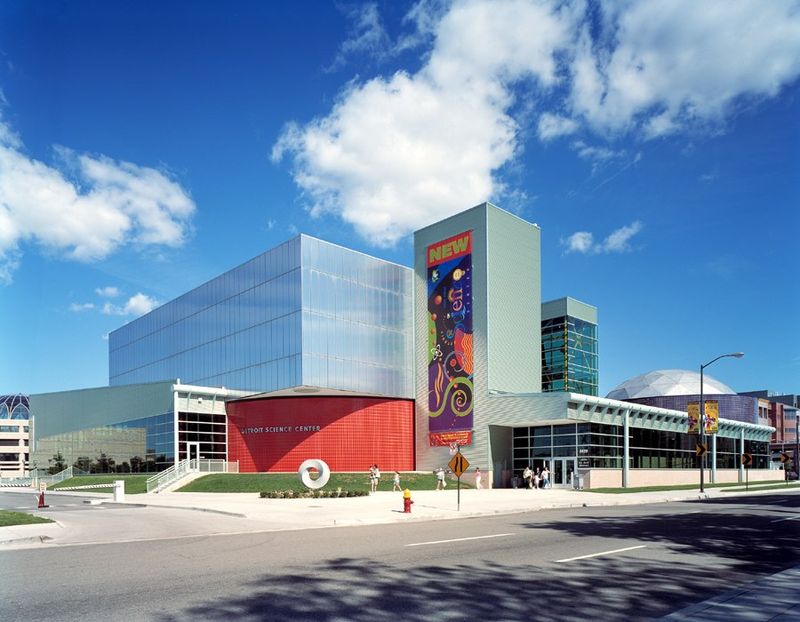
Before any exhibit even starts, the Michigan Science Center gives off the kind of energy that tells families they are in for an active day. The building sits in Detroit’s cultural district near other major institutions, which adds a sense of importance without making the visit feel stiff or formal.
Instead of looking like a quiet museum built only for reading signs, it presents itself as a place where movement and curiosity belong together.
Once inside, the layout opens up in a way that can feel bigger than expected. Open sightlines, ramps, and several levels create a busy visual scene, with children spotting things in different directions almost right away.
That openness is exciting, though it also means adults should keep an eye on younger kids who may want to rush toward the first flashing screen or climbing area they see.
The center works well for families because it quickly sets a playful tone. Escalators, wide walkways, and visible exhibit zones help build anticipation as everyone figures out where they want to begin.
There is no single correct route, so the day can feel flexible instead of overly planned.
That first impression matters for nervous first-time visitors. A science museum can sound serious on paper, but this one signals early that learning here will involve touching buttons, trying small experiments, and wandering into spaces made for active brains.
The result is a welcoming start that lowers pressure and raises excitement.
For anyone planning a visit, arriving a little before opening is a smart move. The museum runs daytime hours from 10 AM to 4 PM on Tuesday through Sunday, and quieter entry moments can make it easier to get oriented before the busiest crowds spread across the floors.
Hands-On Science That Refuses to Sit Still
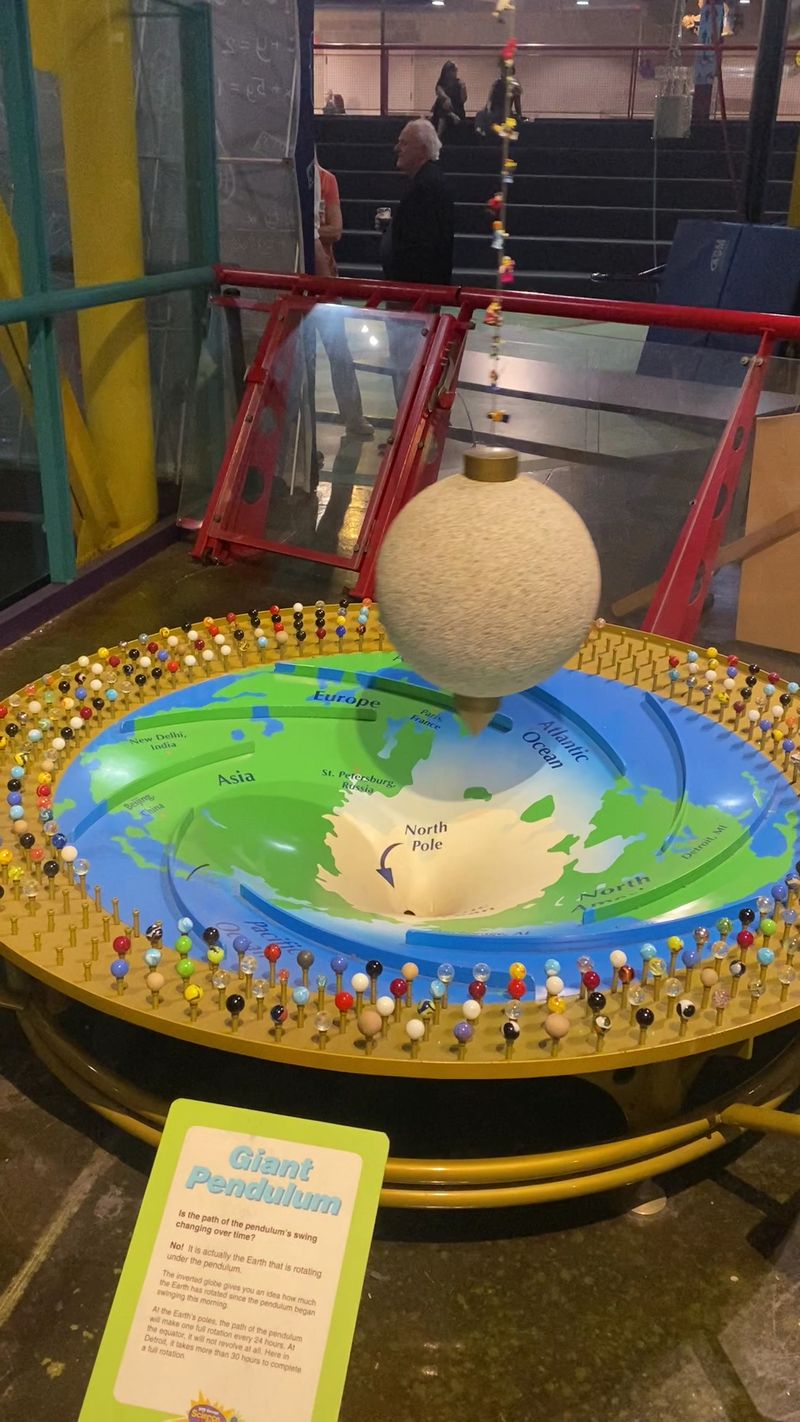
Some museums ask kids to slow down and look carefully. The Michigan Science Center often asks them to push, build, test, and try again, which is exactly why the place holds attention so well.
Hands-on exhibits are a major part of the experience, turning science into something physical instead of distant.
That matters most for children who learn by doing. A lesson about motion makes more sense when a child sends an object down a track, changes a part, and watches the outcome shift.
Ideas like energy, sound, light, engineering, and problem-solving become easier to understand when they are tied to movement and immediate feedback.
The museum is especially useful for mixed-age family groups because there are many ways to interact. Younger children can enjoy simple cause-and-effect moments, while older kids can spend longer figuring out why an experiment works.
Adults are not left out either, since many stations are designed to pull everyone into the same activity rather than placing parents on the sidelines.
Not every exhibit is guaranteed to be operating at every moment, and that is a realistic part of visiting an interactive museum with heavy daily use. A practical approach works best here: if one station is down or crowded, move on and circle back later.
With multiple floors and a broad range of activities, there is usually another area ready to grab attention.
Families who get the most out of the center tend to follow curiosity instead of forcing a strict schedule. Let one child spend extra time building while another explores a nearby display, then regroup.
The museum rewards that flexible style because its strongest feature is not a single object. It is the chance to learn through action, repeat an experiment, and turn confusion into excitement in real time.
Under the Dome, Space Gets the Spotlight
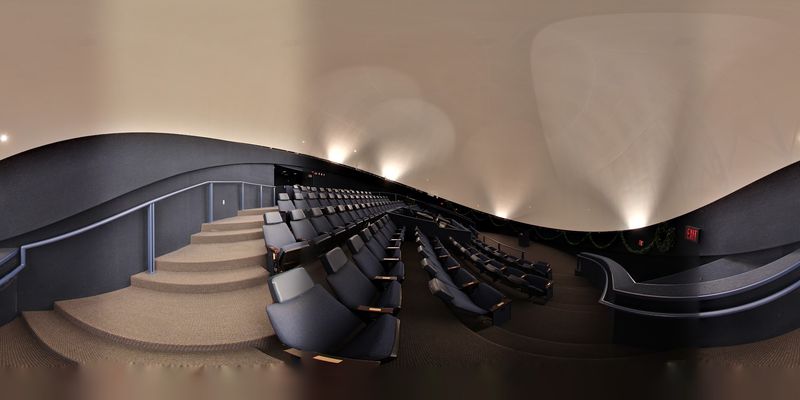
Few parts of the Michigan Science Center create a stronger sense of pause than the planetarium. After the noise and motion of the exhibit floors, stepping into a dark domed theater changes the rhythm of the day.
Heads tilt back, voices drop, and attention shifts upward.
The planetarium stands out because it can work for different ages in different ways. For little kids, familiar characters or simple space visuals can make astronomy feel friendly instead of confusing.
Older children and adults often enjoy the scale of the screen, the feeling of being surrounded by stars, and the way a show can explain big ideas without turning into a classroom lecture.
Several visitors make this experience a highlight, and it is easy to understand why. Space already carries natural wonder, but the dome format adds immersion that a regular screen cannot match.
The room can turn a lesson about the universe into a shared event, one where a family reacts together instead of each person wandering through separate displays.
There is one practical detail worth planning around. Planetarium shows may require advance booking or separate timing, so it helps to check show availability as early in the visit as possible.
Waiting until the end of the day can lead to missed chances, especially on busy weekends, school breaks, or special event days.
Parents with very young children should also think about whether a dark theater setting will be relaxing or overwhelming. Some kids love it, while others may prefer shorter, louder, more physical exhibits.
For families whose children are ready for it, though, the planetarium adds a strong change of pace. It brings scale, focus, and a sense of wonder that balances the museum’s busier areas, making science feel both huge and surprisingly close at the same time.
Kid-Sized Discovery Zones for Younger Explorers
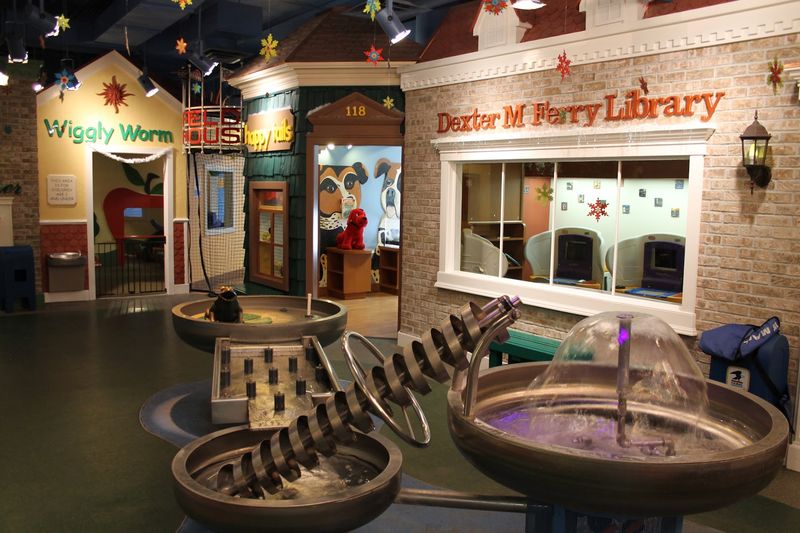
Parents of younger children often need more than a museum with advanced displays and long explanations. At the Michigan Science Center, there are areas designed to meet little ones at their own level, including spaces that let them play, pretend, splash, climb, and explore without needing to understand complex science terms.
That makes the visit more enjoyable for families with preschoolers or early elementary kids.
These younger-focused sections matter because early learning starts with the senses. Water features, simple building stations, and pretend-play setups help children connect motion, texture, balance, and cause-and-effect in ways that feel natural.
A child may not use the word physics, but pouring water through a table or moving pieces around a play station builds real understanding all the same.
The design also helps break up the visit. Older siblings may want the high-energy technology exhibits or theater experiences, while younger children need a zone where touching everything is part of the plan.
Having that option lowers stress for adults and keeps the day from turning into a long series of reminders to stay still.
Families should still plan with care. Open layouts can make it easy for fast walkers to drift toward another area, so staying close matters.
Bringing a change of clothes for toddlers is also a smart idea if water-based play is on the schedule, and weekday visits may offer a calmer experience for children who do better with less noise.
One of the strongest things about this part of the museum is that it treats young children as active learners, not just tagalongs. The message is clear: science is not only for older kids who can read every panel.
Curiosity can start with small hands, messy play, pretend jobs, and a child who is thrilled to discover how one simple action changes what happens next.
A Detroit Institution with Michigan Roots

Some family attractions entertain for a day and then disappear from thought by the next week. The Michigan Science Center carries a deeper local role because it is part of Detroit’s long educational and cultural landscape.
For many adults in the region, a visit today connects with childhood memories from earlier years, which gives the museum a cross-generational pull that newer attractions often lack.
That sense of continuity adds weight to the experience. Kids may be focused on lights, buttons, and building challenges, while the adults with them may notice familiar spaces, long-standing features, or the simple fact that a science destination in the city is still serving families.
A museum like this does more than fill a Saturday. It supports the idea that science belongs in public life and should stay reachable for local children.
Its location helps strengthen that role. Set in Detroit’s museum district, the science center sits among places that signal learning, creativity, and civic pride.
The area gives the visit a broader context, as if one stop can lead to bigger conversations about the city, education, and how public institutions shape family routines.
There is also a practical side to that community importance. Field trips, school groups, and family return visits all point to the same truth: the center functions as a repeat destination, not a one-time novelty.
Membership can make sense for households that live within driving distance and expect to return more than once.
Not every corner is polished to the same level all the time, and some exhibits may need updates. Even so, the larger value of the place remains clear.
It gives Detroit and the wider Michigan region a hands-on science hub where curiosity, city identity, and family tradition can share the same building in a way that feels active, useful, and rooted in place.
How to Plan a Smoother Day Inside Michigan Science Center
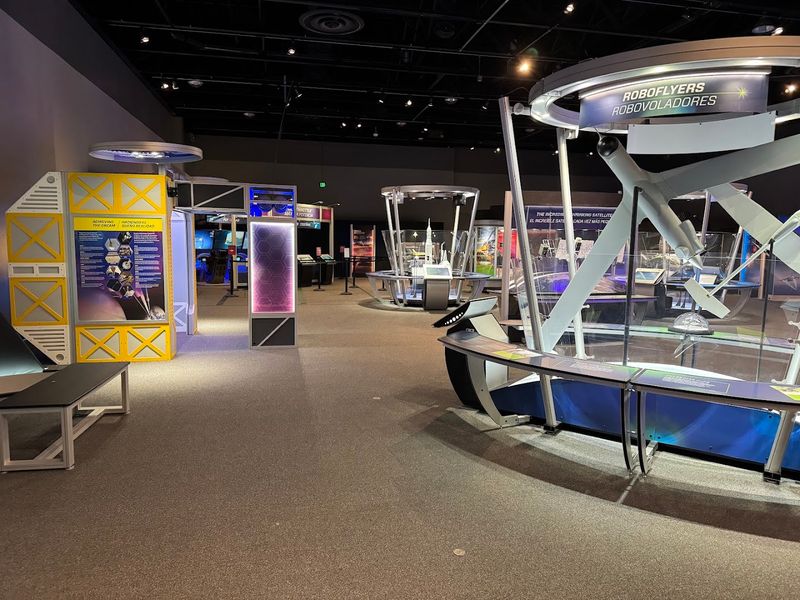
A smart visit to the Michigan Science Center starts with expectations, not guesswork. The building offers enough exhibits, add-on experiences, and kid-focused spaces that it is easy to lose track of time or miss something hidden in a corner.
Families who pause early, check the map, and note any theater or planetarium times usually end up having a much smoother day.
One helpful strategy is to decide on priorities before the first sprint toward the nearest glowing display. If a planetarium show matters most, lock that in early.
If younger children need the play-centered lower level first, begin there while energy is high and attention spans are fresh.
Timing can make a noticeable difference. Weekdays may be calmer, especially outside school trip peaks, while spring break, weekends, and special events can bring louder crowds and longer waits at favorite stations.
Since regular operating hours are generally 10 AM to 4 PM from Tuesday through Sunday, arriving near opening gives families more flexibility than showing up in the middle of the afternoon.
It also helps to plan for the basics. Parking may require patience, with a small lot, possible street parking, and nearby paid options depending on the day.
Bringing water is useful, and families should not count on a full meal setup inside, since food choices may be limited compared with larger attraction complexes.
Adults with toddlers or preschoolers may want to talk about meet-up points in advance, especially because the museum’s open design can let children drift quickly toward whatever catches their eye. A stroller, light bag, and simple plan work better than carrying too much.
The center is at its best when the day stays flexible, but a few early decisions about timing, parking, shows, and snacks can turn a busy outing into one that feels much easier to manage.
Why the Return Trip Makes Sense
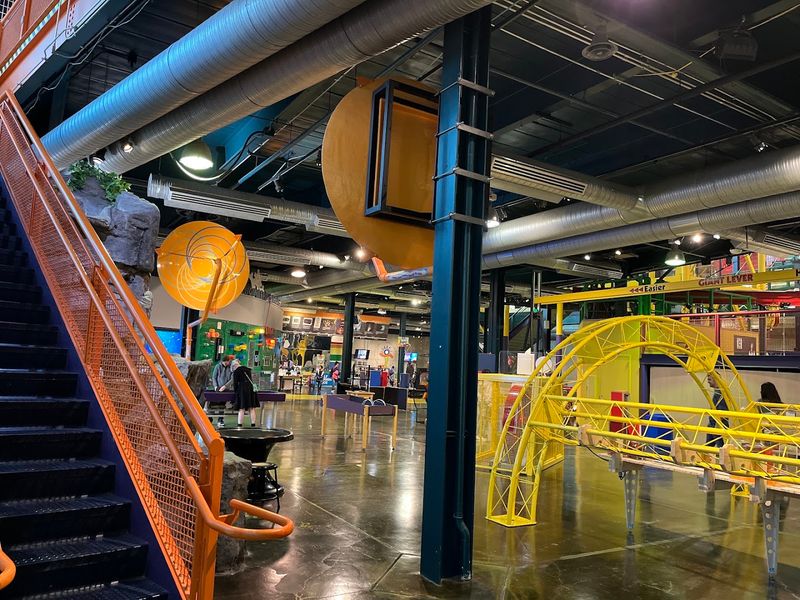
The clearest sign that the Michigan Science Center works is simple: one visit rarely covers everything. Families can spend hours moving through interactive displays, kid zones, theater options, and space-focused programming, yet still leave with areas they did not fully explore.
That unfinished feeling is not a flaw by itself. In a place built around curiosity, it can be a real advantage.
Science is especially well suited to repeat visits because understanding grows with age. A child who enjoys pushing buttons at four may return at eight ready to read the explanation beside the same exhibit.
A first trip can be about excitement, while a later one becomes more focused, more thoughtful, and often more rewarding.
The center also works as a family compromise spot. Younger kids have room for playful discovery, older children can chase more detailed activities, and adults are given enough to stay interested instead of merely supervising.
That broad range matters for households trying to find one outing that does not leave part of the group bored after an hour.
There are practical reasons a return trip can be useful too. Crowding, school groups, timed shows, and the occasional out-of-service exhibit may affect what a family can do on any single day.
Coming back on a quieter date can change the pace and open up corners that were easy to miss before.
Most importantly, the Michigan Science Center gives science a livelier identity than many students get in school. It links learning with movement, surprise, trial and error, and shared family time.
That combination helps turn big subjects into approachable ones. For Detroit families, day trippers, and anyone trying to spark interest in STEM without making it feel like homework, the museum offers a practical answer.
It sends kids home buzzing with questions, and that may be the best reason of all to plan another visit.
Share this story