Walk into Hatch Show Print and you’re stepping into more than a century of American music history. This legendary Nashville print shop has been cranking out concert posters since 1879, using the same old-school letterpress techniques that made Elvis, Johnny Cash, and countless other stars famous.
The smell of ink, the clatter of vintage machines, and walls covered floor-to-ceiling with iconic designs create an experience you won’t find anywhere else in Music City.
The Living Museum Where History Still Happens
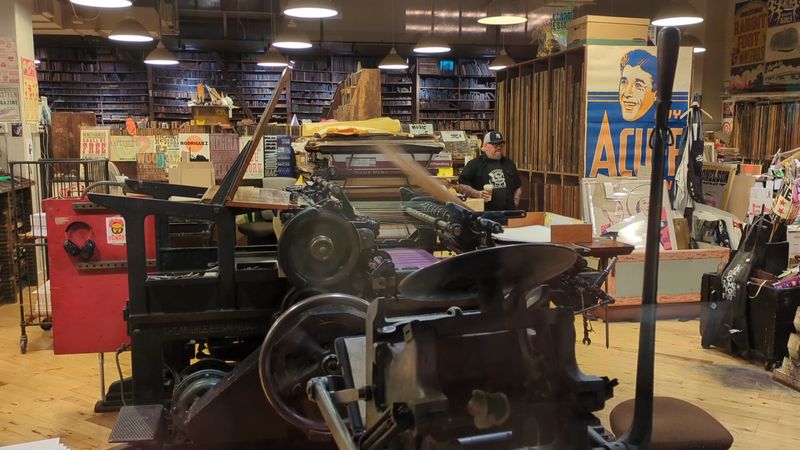
Most museums put history behind glass and rope it off so you can only look. Hatch Show Print does the exact opposite.
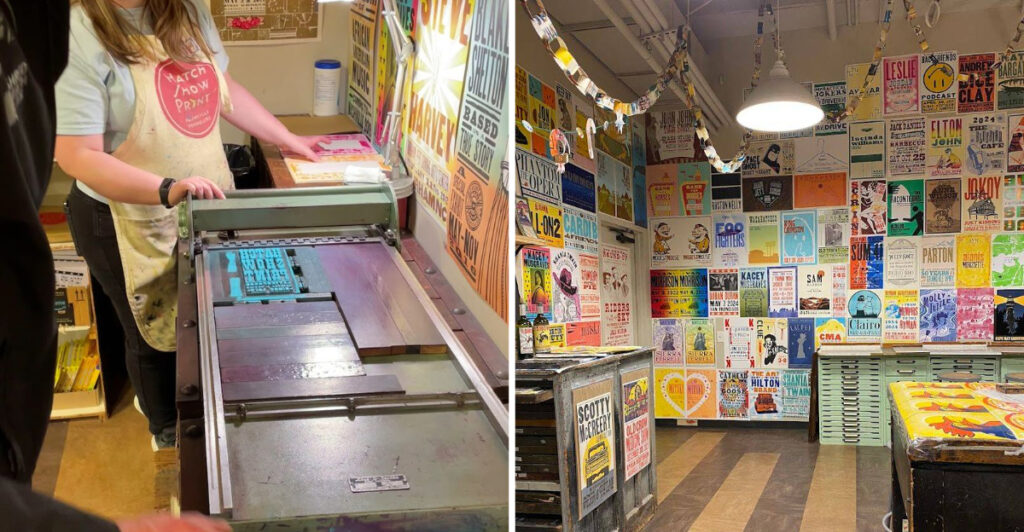
This place is a working print shop where you can watch artists and printers create the same kind of bold, colorful posters that advertised Grand Ole Opry shows back when your great-grandparents were young. The machines rumble and shake, ink fills the air with its distinctive smell, and real people practice a craft that most of the world forgot decades ago.
Located down the hall from the Country Music Hall of Fame on Rep. John Lewis Way, Hatch occupies a special spot in Nashville’s cultural landscape.
The shop’s front windows let passersby peek inside at the action even when they’re not on a tour. You’ll see massive printing presses that weigh thousands of pounds, cabinets stuffed with wooden type blocks worn smooth by generations of use, and poster proofs tacked up everywhere showing works in progress.
What makes this place extraordinary isn’t just that it’s old—plenty of things are old. The magic happens because Hatch never stopped working.
While other print shops closed down or switched to computers and digital printing, Hatch kept the traditional letterpress method alive. Every poster still gets designed by hand, carved into wood or metal, inked up, and pressed onto paper one color at a time.
The commitment to authenticity means you’re not watching a demonstration or a reenactment. These folks have actual deadlines, real clients, and genuine projects underway.
When you visit, you might see them working on posters for upcoming concerts at the Ryman Auditorium, designing new prints for their retail shop, or fulfilling custom orders from musicians and businesses across the country. The past isn’t just preserved here—it’s actively creating the future, one impression at a time.
Tours That Turn Visitors Into Printmakers
Signing up for a Hatch Show Print tour means you won’t just learn about letterpress printing—you’ll actually do it. Every tour participant gets hands-on time with a vintage roller, pressing their own souvenir poster to take home.
It’s one thing to hear about how printing works, but feeling the pressure needed to transfer ink onto paper gives you instant respect for the skill involved in this craft.
Tours run throughout the week and typically last about an hour, though many visitors say the time flies by. Your guides are often long-time employees who’ve spent years (sometimes decades) working at Hatch.
They know the stories behind famous posters, remember legendary musicians who’ve walked through the door, and can explain technical details about typography and printing that you never knew existed. Their passion for the craft shines through in every explanation.
The experience starts in a back room surrounded by examples of Hatch’s work spanning multiple generations. You’ll see posters for everyone from Elvis Presley to Taylor Swift, from the Grand Ole Opry’s earliest days to last week’s show at the Bluebird Cafe.
The guides explain how each poster gets designed, discussing color choices, typography decisions, and the physical limitations that make letterpress printing both challenging and beautiful.
After the history lesson, you’ll move to the workshop area where the real action happens. Even if you visit on a weekend when the design studio isn’t fully operational, you’ll still get to peek into where the magic happens.
The noise level can get pretty intense when machines are running, but that’s part of the authentic experience. Tours are limited to small groups and book up fast, especially during tourist season, so reserve your spot online well before your Nashville visit.
Posters That Defined Music City’s Visual Identity
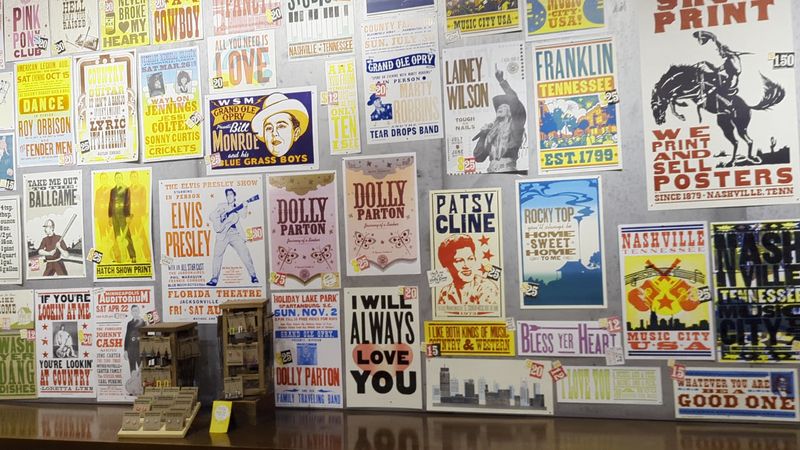
When you picture a classic concert poster—bold letters, bright contrasting colors, that unmistakable handmade look—you’re probably thinking of Hatch’s signature style. Since 1879, this print shop has created visual advertising for thousands upon thousands of performances, establishing a design aesthetic that became synonymous with Nashville itself.
Walk down Broadway today and you’ll see modern posters imitating the Hatch look, but nothing beats seeing the originals.
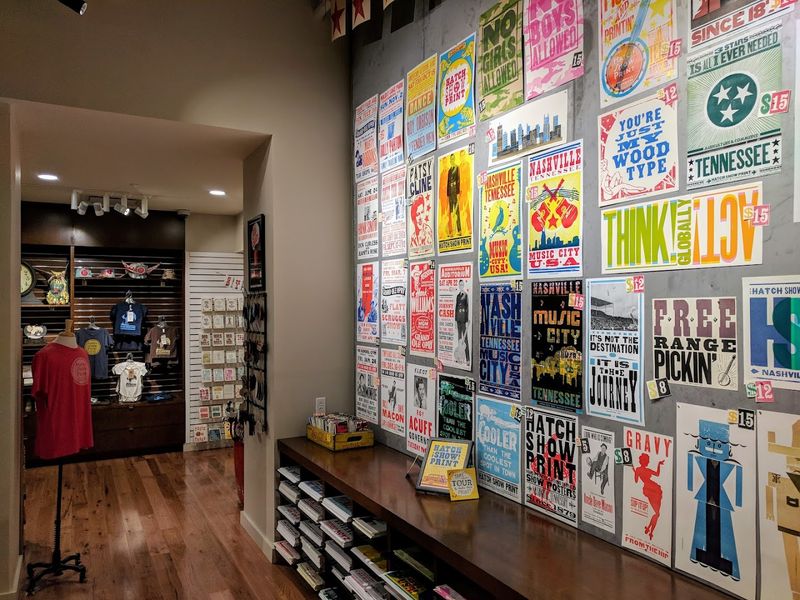
The shop’s walls function as an unintentional museum of American music history. Posters advertising performances by Johnny Cash, Patsy Cline, Dolly Parton, and countless other legends hang alongside more recent work for contemporary artists.
Each poster tells a story about who was playing where, what tickets cost, and what kind of entertainment people craved during different eras. Some advertised circus acts and boxing matches back when Hatch printed for all kinds of events, not just musical performances.
What makes Hatch posters instantly recognizable is their bold, no-nonsense approach to design. Without computers or fancy software, designers had to work within the constraints of wooden type blocks and limited colors.
This forced them to be creative with layout, typography, and composition. Words got stacked, stretched, and arranged in ways that grabbed attention from across the street.
The result was advertising that worked as both functional announcement and legitimate art.
The letterpress technique itself adds a physical dimension that modern printing can’t replicate. When ink gets pressed into paper under tremendous pressure, it creates a subtle impression you can actually feel with your fingers.
Colors sit on the surface with a richness and depth that digital printing never quite achieves. Many artists and musicians specifically seek out Hatch today because they want that authentic, tactile quality for their promotional materials.
The Printing Process That Time Forgot
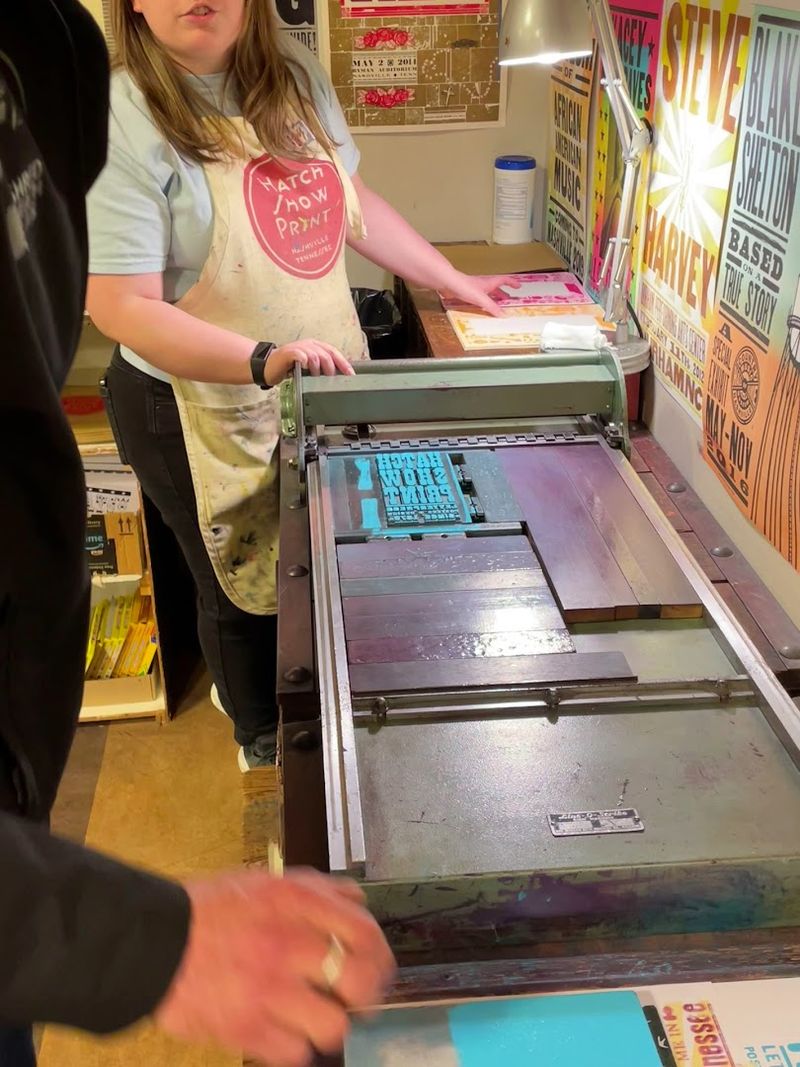
Computers make designing posters ridiculously easy these days—you can change fonts, adjust colors, and resize images with a few mouse clicks. Hatch Show Print deliberately chooses the hard way.
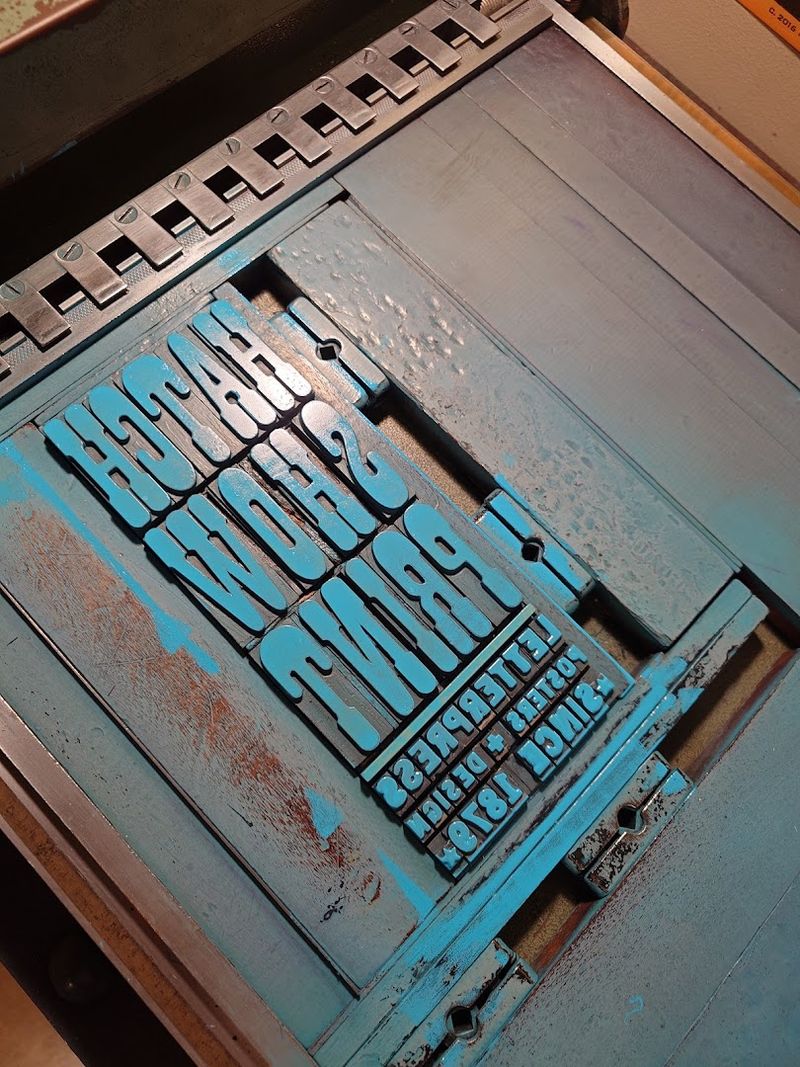
Every single poster starts with physical blocks of wood or metal type that get arranged by hand, inked up, and pressed onto paper. If you want to print three colors, you run the paper through three separate times, carefully lining up each layer so the colors hit exactly where they should.
The process begins with design, but not on a screen. Artists sketch layouts on paper, selecting typefaces from Hatch’s massive collection of wooden and metal letters.
Some of these type blocks are over a century old, their edges worn smooth from thousands of impressions. Once the designer finalizes the layout, printers arrange the physical type into a form, spacing everything precisely and locking it all together so nothing shifts during printing.
Inking happens next, with rollers spreading ink across the raised surfaces of the type. The printer then positions paper on the press, brings down the platen with significant force, and creates one impression.
For a simple two-color poster, this means running every single sheet through twice. Complex designs with five or six colors require that many separate runs, with drying time needed between each color layer.
This labor-intensive method explains why Hatch posters cost more than mass-produced alternatives and why the shop can’t just whip out thousands of copies overnight. But the results justify the effort.
Each poster carries the slight imperfections and variations that prove it was made by human hands using real physical materials. No two are absolutely identical.
The texture, the depth of color, and the tangible impression left in the paper all combine to create something that feels substantial and permanent in a world of disposable digital images.
A Shop That Survived Everything
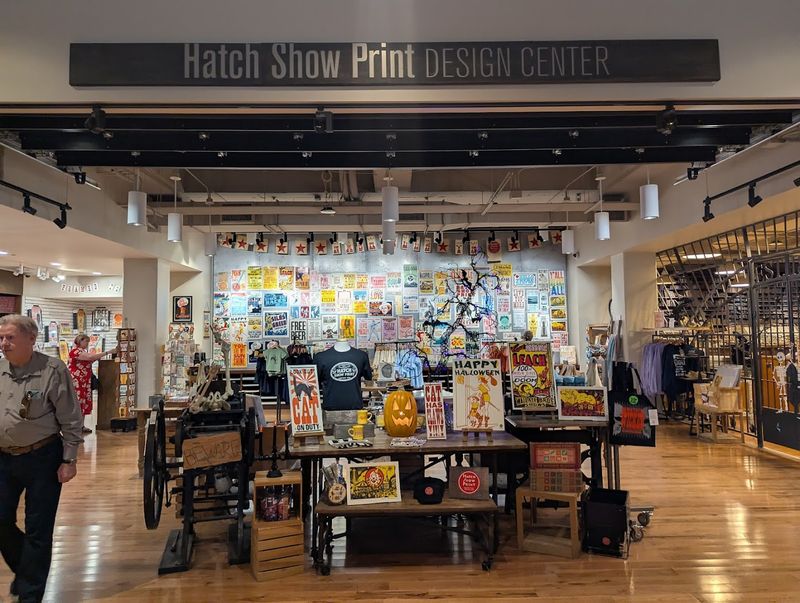
Staying in business for 145 years requires more than just good work—it demands adaptability, stubbornness, and probably a little luck. Hatch Show Print has weathered economic depressions, world wars, the rise and fall of different music genres, the digital revolution, and countless other changes that killed off most of its competitors.
The fact that you can still visit today and watch them work using century-old techniques is honestly remarkable.
The shop got its start in 1879 when brothers Charles and Herbert Hatch opened for business in downtown Nashville. Back then, letterpress was the only printing game in town, so Hatch competed with dozens of other shops for work.
They printed everything—circus posters, theatrical announcements, business cards, church programs, and eventually, as Nashville grew into Music City, concert advertisements that would become their specialty.
As the 20th century progressed and new printing technologies emerged, most letterpress shops either modernized or closed. Offset printing was faster and cheaper.
Later, computer design and digital printing made traditional methods seem hopelessly outdated. Hatch easily could have followed the crowd, but instead they doubled down on their traditional techniques.
This decision almost seemed foolish at the time, but it ultimately saved them by making them unique.
The turning point came when people started appreciating handmade, authentic goods again. Musicians and artists began seeking out Hatch specifically because their posters looked different from everything else.
In 2013, the Country Music Hall of Fame recognized Hatch’s cultural importance and acquired the business, moving it to its current location and ensuring its survival. Now operated as part of the museum, Hatch continues functioning as a working print shop while also serving as an educational resource, teaching new generations about a craft that nearly vanished from American life.
The Gift Shop Where Every Purchase Tells a Story
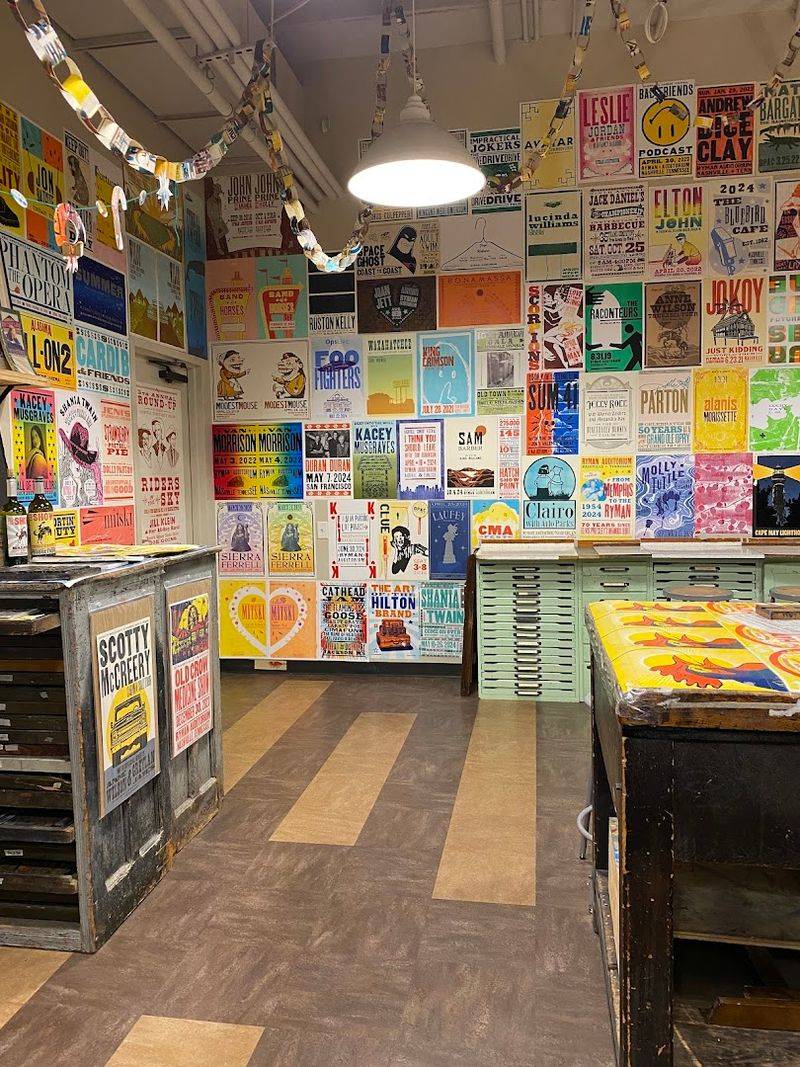
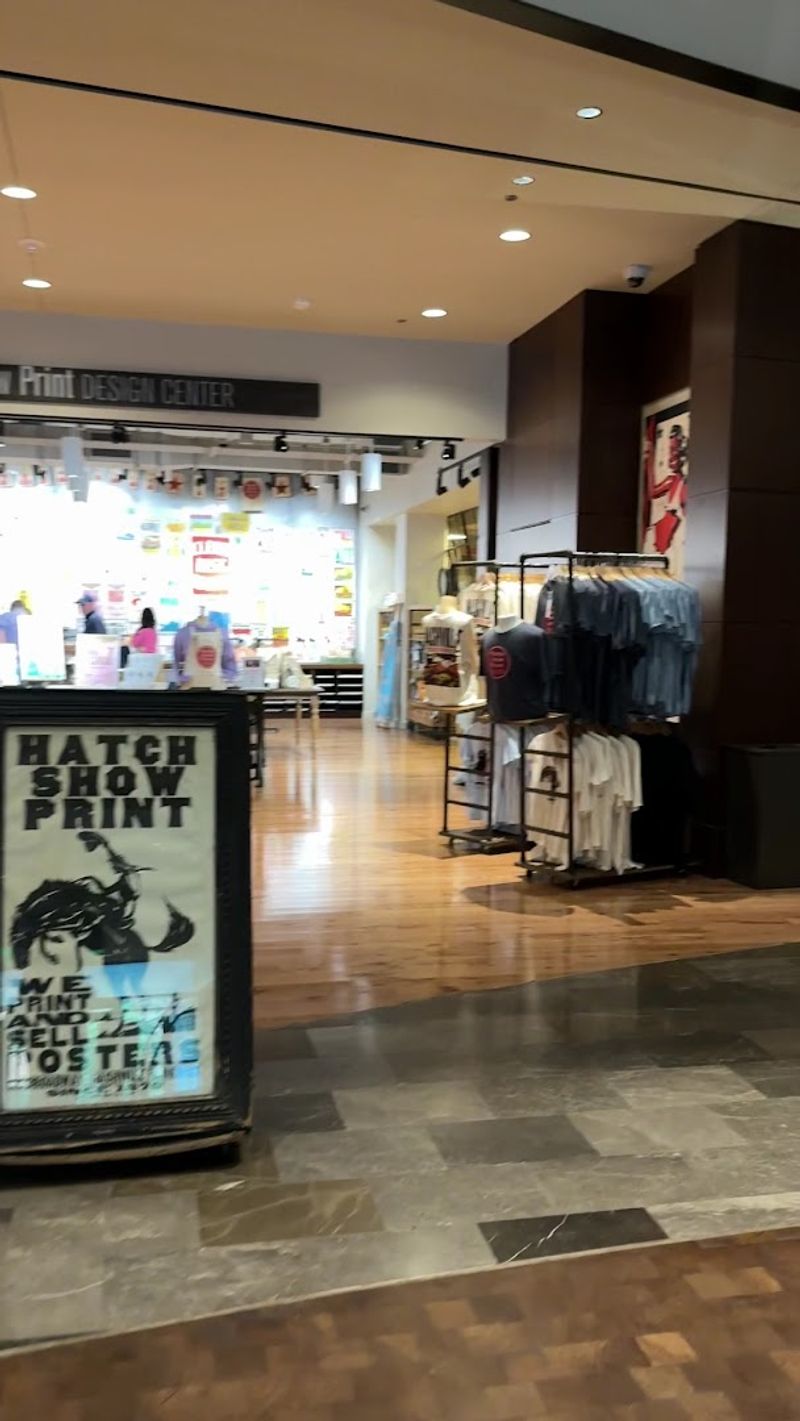
You don’t need to take a tour to enjoy Hatch Show Print—the retail shop up front welcomes browsers and buyers throughout the week. Walking in feels like entering a very specific kind of heaven for anyone who appreciates graphic design, music history, or just really cool-looking stuff.
Posters cover every available wall space, organized by theme, artist, and era, creating a visual overload in the best possible way.
The inventory goes way beyond concert posters. You’ll find greeting cards with letterpress designs, t-shirts featuring classic Hatch graphics, ornaments, neighborhood prints celebrating different areas of Nashville, and designs honoring local restaurants and landmarks.
State-themed prints let you take home a piece of Tennessee pride, while reproductions of vintage posters let you own a slice of music history without dropping thousands on an original.
Current concert posters share space with designs for contemporary artists, proving that Hatch isn’t stuck in the past. They’ve created posters for everyone from the Red Hot Chili Peppers to the Eagles, Taylor Swift to Jack White.
Seeing a modern artist’s name rendered in Hatch’s classic style creates an interesting blend of old and new, tradition and innovation. These posters often become collectibles, especially when they’re for sold-out shows or special events.
Prices vary widely depending on what catches your eye. Simple greeting cards start at just a few bucks, while elaborate multi-color posters can run into the hundreds.
Limited edition prints and vintage originals command premium prices, but even budget-conscious visitors can usually find something affordable to take home. Staff members know the stories behind many of the designs and can help you find exactly what you’re looking for, whether that’s a poster of your favorite artist or a print that captures Nashville’s spirit in bold, colorful type.
Location That Puts You in Music City’s Heart
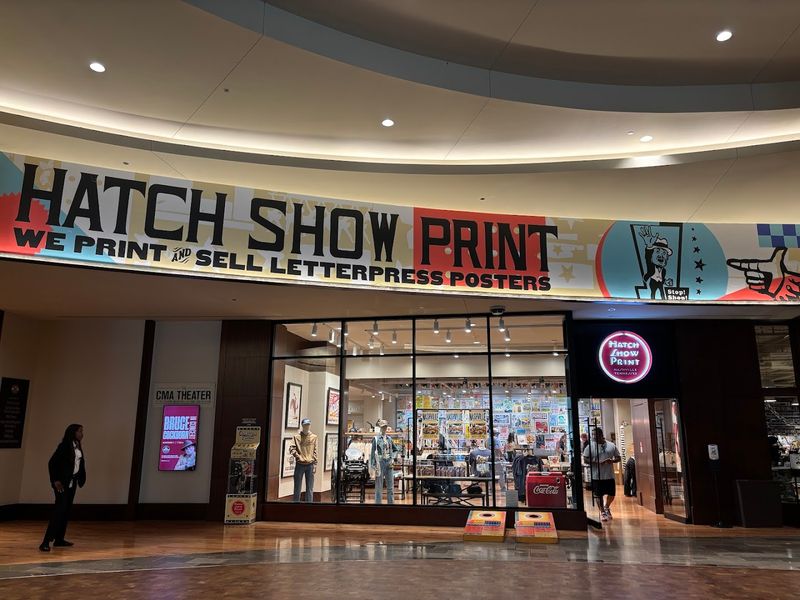
Finding Hatch Show Print couldn’t be easier—it shares a building with the Country Music Hall of Fame at 224 Rep. John Lewis Way South, right in the thick of downtown Nashville.
This location puts you within walking distance of Broadway’s honky-tonks, the Ryman Auditorium, and pretty much every other major attraction in the city. You can easily combine a Hatch visit with lunch on Broadway, a museum tour, or shopping in the Gulch.
The shop operates seven days a week, opening at 9 AM and staying open until 5:30 PM. This generous schedule means you can stop by early before crowds descend on downtown, or swing through later in the afternoon after exploring other attractions.
Being closed only during overnight hours makes Hatch accessible even for visitors with packed itineraries or those who prefer avoiding the midday rush.
Parking downtown Nashville always requires some planning, but several options exist near Hatch. The Country Music Hall of Fame offers paid parking for visitors.
Street parking occasionally opens up on surrounding blocks, though it fills quickly during peak tourist seasons. Several parking garages operate within a few blocks, and many visitors find that parking once and walking to multiple attractions beats moving your car around downtown all day.
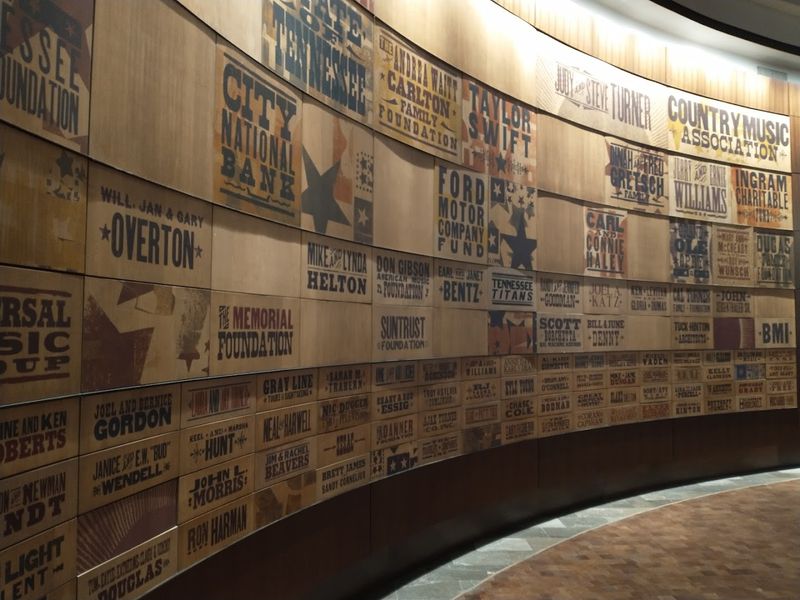
The building itself deserves a moment of appreciation. The hallway connecting Hatch to the Country Music Hall of Fame features exhibits that anyone can view for free, even without purchasing museum admission.
This means you can peek at music history displays, browse the Hatch shop, and soak up some culture without spending a dime. The architecture blends historic preservation with modern museum design, creating a space that honors Nashville’s past while serving contemporary needs.
When you walk through, you’re literally moving through layers of Music City’s story, from the earliest days of country music to the printing traditions that advertised it all.
Hands-On Workshops Beyond the Basic Tour
If the standard tour leaves you wanting more hands-on time with letterpress printing, Hatch offers special workshops and events throughout the year. The monthly Block Party, held on the first Saturday during the downtown art crawl, gives participants extended access to printing equipment and materials.
Instead of making just one quick print during a tour, workshop attendees can spend hours experimenting with different designs, colors, and techniques.
These Block Party sessions start with a condensed history lesson and technical overview, then turn participants loose with an impressive array of wooden block prints. You can stamp designs onto t-shirts, tote bags, or poster paper, mixing and matching images to create something completely unique.
The variety of available blocks means your creation can be as simple or complex as your ambition and available time allow.
Many participants wish they had even more time—the creative possibilities feel endless once you get rolling. Bringing a friend or making it a date activity adds to the fun, as you can collaborate on designs or compete to see who creates the coolest print.
The relaxed, social atmosphere encourages experimentation and conversation with other art-minded folks who appreciate hands-on creativity.
Beyond Block Parties, Hatch occasionally offers specialized letterpress classes and workshops that go deeper into printing techniques. These might focus on specific skills like typesetting, color mixing, or operating particular types of presses.
Availability varies throughout the year, so checking their website or calling ahead helps you catch these special opportunities. Some workshops fill up weeks in advance, particularly during peak tourist seasons when Nashville draws extra visitors.
The investment pays off in skills learned, souvenirs created, and stories you’ll tell about the time you became a letterpress printer, even if just for an afternoon.
The Artists Who Keep Tradition Alive
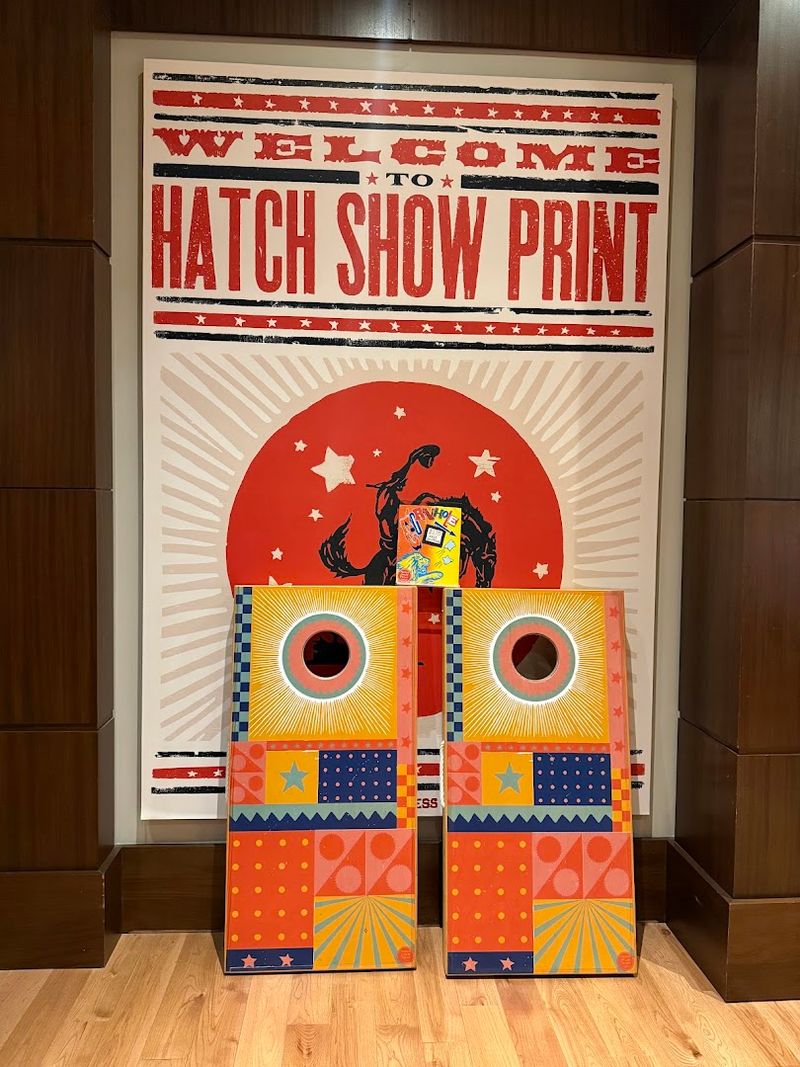
Behind every Hatch Show Print poster stands a skilled craftsperson who spent years learning techniques that most design schools don’t even teach anymore. The artists and printers working here aren’t just operating machines—they’re practicing a craft that requires equal parts artistic vision, technical precision, and physical strength.
Watching them work reveals just how much skill goes into something that might look simple at first glance.
Many staff members have worked at Hatch for decades, building knowledge that can’t be learned from books or YouTube videos. They understand how different papers absorb ink, which type blocks work best for specific design effects, and how to troubleshoot the thousand little problems that crop up when working with century-old equipment.
This accumulated wisdom gets passed down through informal apprenticeships, with experienced printers teaching newer employees the tricks and techniques that make everything work.
The physical demands surprise people who think printing is just pushing buttons. These printers haul heavy type cases, operate presses that require significant force, and stand on their feet for hours arranging tiny pieces of metal and wood into precise layouts.
The work builds specific muscles and calluses. It requires patience when a design isn’t working, problem-solving skills when equipment acts up, and artistic judgment about spacing, color, and composition.
What really sets these folks apart is their passion for the craft. They could make more money doing computer design work that’s physically easier and faster.
Instead, they choose to preserve and practice a traditional art form because they believe it matters. When they give tours, their enthusiasm for letterpress printing shines through in every explanation.
They’re not just employees doing a job—they’re craftspeople maintaining a living connection to American printing history, ensuring that future generations can still experience the beauty and authenticity of handmade posters.
Why Musicians Still Choose Hatch
In an age when anyone can design a poster on their laptop and print thousands of copies cheaply, why do successful musicians still come to Hatch? The answer goes beyond aesthetics—though the distinctive look certainly doesn’t hurt.
Artists choose Hatch because a poster from this shop carries instant credibility, connecting new music to a tradition stretching back generations. It’s like getting your album mixed at Abbey Road Studios or playing the Ryman Auditorium; the location itself adds meaning.
The letterpress process creates posters that feel special in ways digital printing can’t match. When fans buy a Hatch poster at a concert, they’re taking home a piece of art that was physically crafted, not just printed.
The texture, the slight imperfections, and the knowledge that real human hands arranged every letter make these posters collectible in ways that mass-produced merchandise never becomes. Limited runs and hand-numbered editions turn promotional materials into sought-after memorabilia.
Working with Hatch also signals that an artist values craftsmanship and tradition. In a music industry increasingly dominated by algorithms and streaming numbers, choosing letterpress printing makes a statement about caring how things are made.
It suggests an artist who appreciates history, supports traditional crafts, and wants their visual identity to reflect thoughtfulness rather than just chasing whatever design trends are currently popular.
The shop’s reputation for quality means musicians trust Hatch to represent their brand accurately. A poorly designed or cheaply made poster can hurt an artist’s image, but Hatch’s proven track record over 145 years provides assurance.
They’ve created posters for legends and newcomers alike, understanding how to capture each artist’s unique identity while maintaining the classic Hatch aesthetic. From indie bands to country superstars, from rock legends to contemporary pop artists, musicians across genres continue choosing Hatch because some traditions prove their worth by lasting over a century.
Photography Rules and Tour Etiquette
Visiting Hatch Show Print isn’t like touring a museum where you can wander freely and photograph everything. This is a working business with active projects, proprietary designs, and equipment that requires careful handling.
Understanding the rules before you go helps everyone have a better experience and keeps the shop running smoothly. Most restrictions make perfect sense once you understand why they exist.
Photography policies vary depending on where you are in the building. The retail shop typically allows photos since the merchandise is meant to be seen and shared.
However, the workshop areas have stricter rules to protect designs in progress and respect client confidentiality. Some posters being printed might be for events not yet announced publicly, or custom work that clients don’t want shared before official release.
Tour guides will tell you when photography is allowed and when cameras need to stay put.
The noise level during tours can get intense when printing presses are running. These machines weren’t designed with quiet operation in mind—they’re built for power and reliability.
Wearing hearing protection isn’t usually necessary for the short time you’re there, but sensitive ears might find the clatter overwhelming. The guides try to time their explanations around the noise, but sometimes you just have to lean in and listen carefully.
Tour group sizes stay deliberately small to ensure everyone can see demonstrations and ask questions. This intimacy makes the experience better but also means tours sell out quickly.
Booking online well ahead of your visit is practically mandatory during busy seasons. Show up at least five to ten minutes early for check-in, as tours depart promptly at scheduled times.
Late arrivals might miss the tour entirely since groups move through different areas on a tight schedule. Respecting these guidelines helps Hatch maintain the quality experience that earns them such glowing reviews from visitors.
Taking a Piece of Nashville Home
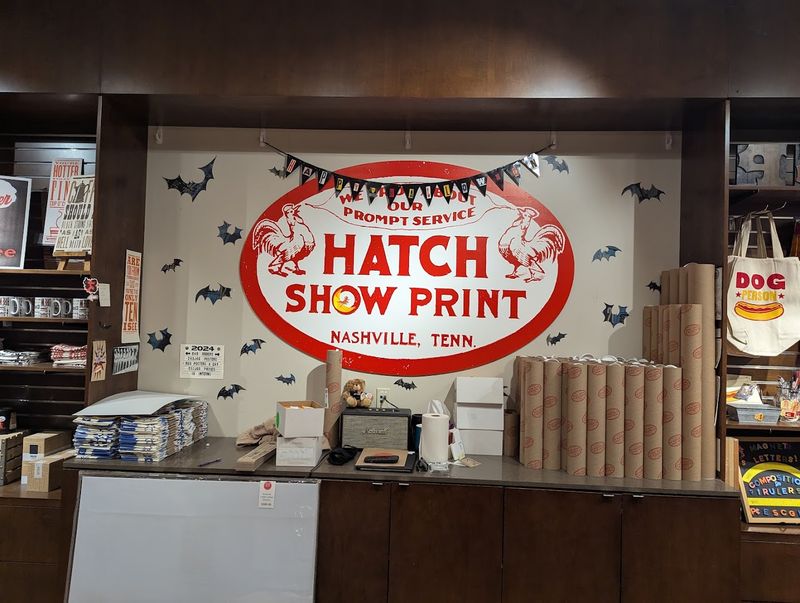
Every tour participant leaves Hatch with a freshly printed poster they made themselves, but that’s just the beginning of what you can take home. The retail shop offers hundreds of designs that let you own a piece of Nashville’s visual history and support the continuation of traditional printing crafts.
Choosing what to buy becomes the hardest part—everything looks so good that narrowing down options requires real willpower.
Posters make obvious choices, whether you’re drawn to vintage reproductions of historic shows or contemporary designs for current artists. Framing a Hatch poster creates instant wall art that sparks conversations and adds character to any room.
The prints work in surprisingly varied settings, from modern apartments to traditional homes, adding a shot of color and personality wherever they hang. Their bold typography and limited color palettes give them a timeless quality that won’t look dated in five years.
Smaller items like greeting cards let you share Hatch’s aesthetic with friends and family without breaking your budget. These cards work for any occasion, and recipients who appreciate design or music history will recognize the quality immediately.
T-shirts featuring classic Hatch designs turn you into a walking advertisement for traditional crafts and give you a conversation starter when other design nerds spot your shirt and want to talk about letterpress printing.
The souvenirs you create during tours need about 24 hours to fully dry before you should frame or display them. The staff packages them carefully in brown paper bags to protect the fresh ink during travel.
Once home, these hand-printed posters become tangible reminders of your Nashville visit and proof that you participated in a craft tradition spanning three centuries. Unlike mass-produced tourist merchandise that ends up in closets, Hatch prints tend to get displayed proudly, serving as both decoration and conversation piece for years to come.
Share this story