Michigan is full of surprises, and some of the coolest ones are hiding right inside its factories, studios, and mills. From chocolate being poured into molds to copper miners blasting through rock, the behind-the-scenes world of Michigan manufacturing is genuinely fascinating.
These 13 factory tours let you pull back the curtain and watch skilled people create things you probably use or love every day. Pack your curiosity and get ready to see how the magic really gets made.
1. Quincy Mine Tour — Hancock
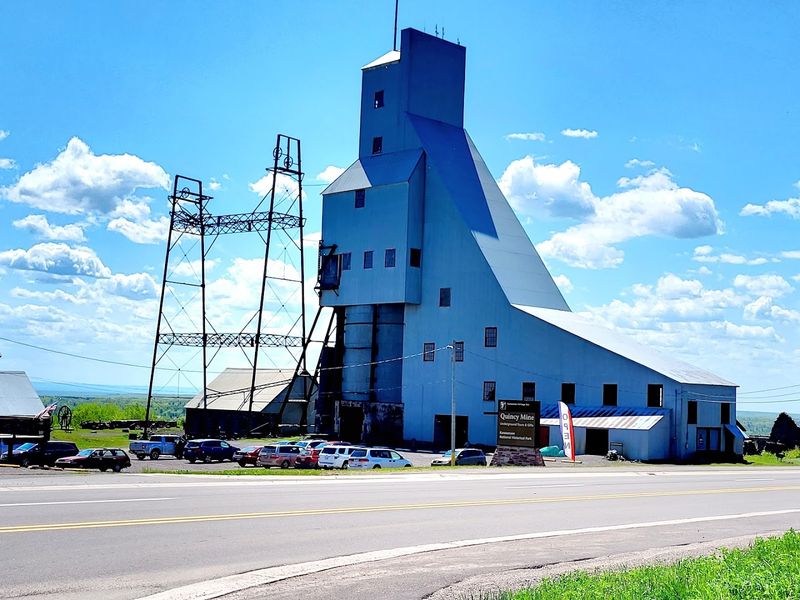
Few places in Michigan carry as much raw, underground drama as the Quincy Mine in Hancock, tucked into the Keweenaw Peninsula where copper mining once ruled the world. This is not a polished museum experience — it is a real historic mine shaft that lets you descend deep into the earth and feel the weight of history pressing in from all sides.
The Quincy Mine was one of the most productive copper mines in the world during the 1800s, and walking through its tunnels is genuinely humbling.
The tour takes visitors aboard a tram that rides down a steep, rocky incline into the mine itself. Once underground, guides explain how miners drilled, blasted, and hauled copper ore out by hand and machine for decades.
The temperature drops noticeably as you go deeper, so a light jacket is a smart call even in summer.
Above ground, the Quincy hoist house is just as impressive. It holds one of the largest steam-powered hoisting engines ever built, a massive piece of machinery that once lifted ore-filled cages at remarkable speed.
Standing next to it puts the scale of this whole operation into perspective fast.
Families with kids old enough to handle a little darkness and tight spaces tend to love this tour. There is something about being underground that turns even reluctant sightseers into wide-eyed explorers.
The guides are knowledgeable and clearly passionate about the region’s copper heritage.
Quincy Mine sits within the Keweenaw National Historical Park, so the surrounding area has plenty of other stops worth making. Plan a full day up here — the Upper Peninsula rewards those who take their time with it.
2. Pewabic Pottery Tour — Detroit
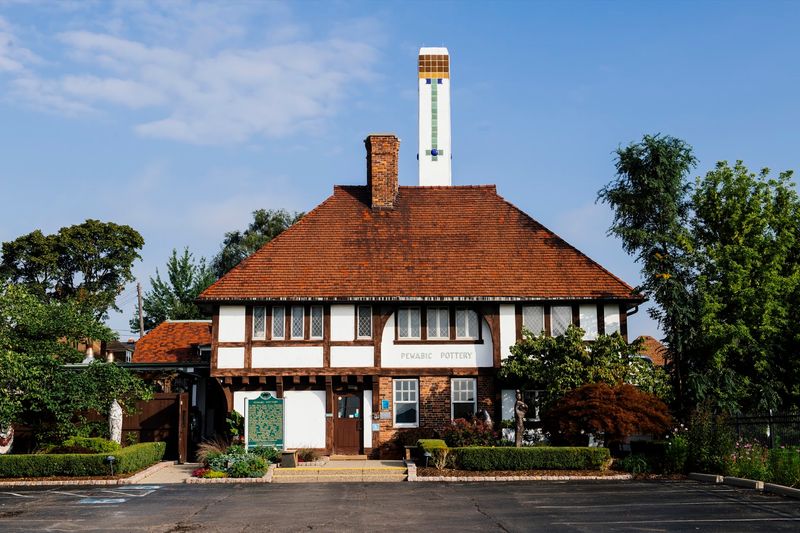
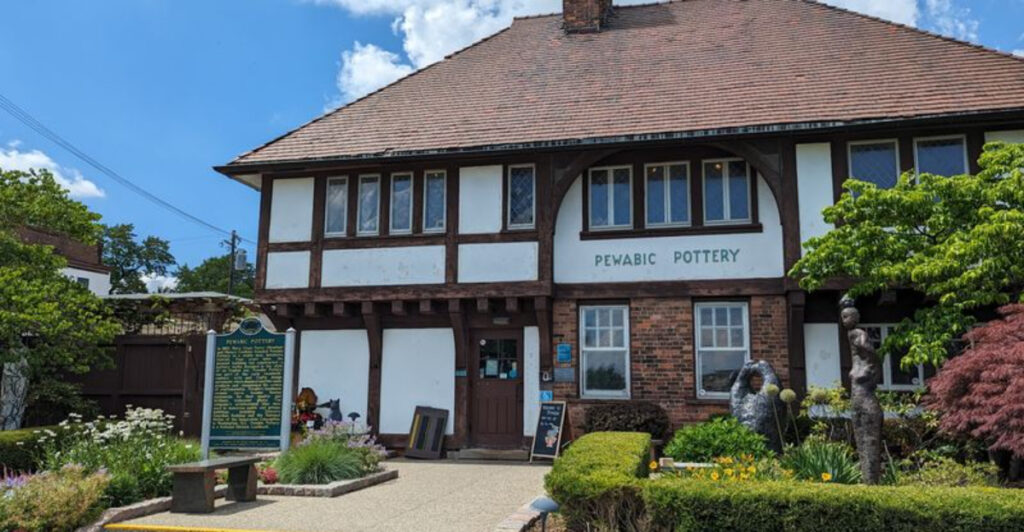
Pewabic Pottery has been firing clay in Detroit since 1903, and the fact that it is still going strong more than a century later says everything about how special this place really is. The studio is housed in a gorgeous Tudor Revival building on East Jefferson Avenue, and the moment you step inside, the smell of clay and glaze hits you like a warm welcome.
Pewabic tiles have ended up in landmarks across the country, including the National Shrine of the Immaculate Conception in Washington D.C.
Tours here walk visitors through the full ceramic process, from raw clay being wedged and shaped to the finished pieces coming out of the kilns in brilliant color. Watching a skilled potter throw a piece on the wheel is mesmerizing — the clay looks almost alive as it rises and takes shape under steady hands.
The studio does not rush the process, and that patience shows in every finished piece.
What makes Pewabic stand out from your average art tour is the depth of craft knowledge on display. The guides are often working artists themselves, so questions get real, detailed answers rather than rehearsed talking points.
You leave feeling like you actually learned something instead of just watching a demonstration.
The gift shop is genuinely hard to walk out of empty-handed. Tiles, bowls, vases, and ornaments in Pewabic’s signature iridescent glazes line the shelves, and the price range covers both splurge-worthy pieces and affordable keepsakes.
It is one of those rare spots where the shopping feels as meaningful as the tour itself.
Check the Pewabic website ahead of your visit since tour availability can shift with workshops and special events. Booking in advance is the smart move, especially on weekends.
3. DeKlomp Wooden Shoe & Delft Factory — Holland
Holland, Michigan, leans fully into its Dutch heritage, and nowhere is that more evident than at DeKlomp Wooden Shoe and Delft Factory on US-31. This place is part working factory, part cultural experience, and entirely worth the stop.
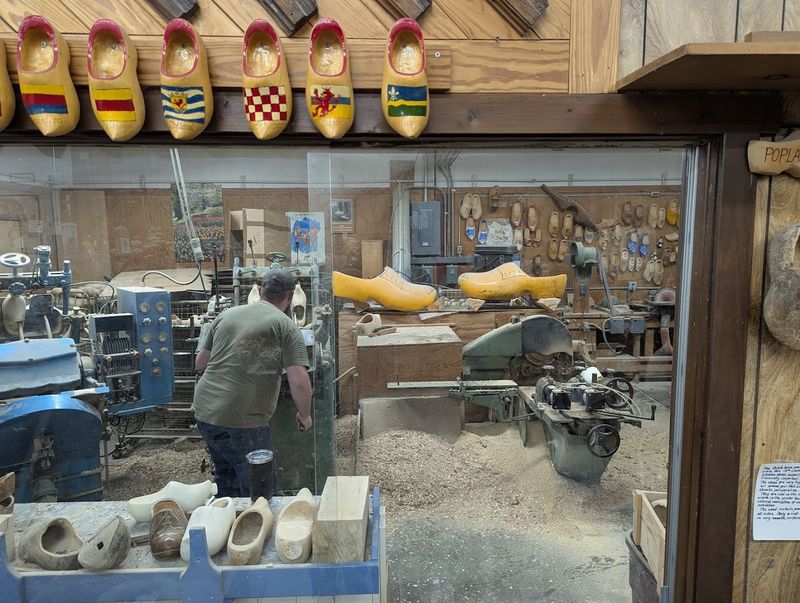
You can watch artisans carve wooden shoes — called klompen — right out of solid blocks of wood using a combination of traditional technique and specialized machinery.
The wooden shoe carving demonstration is the kind of thing that seems simple until you actually watch it happen. Turning a rough block of poplar or willow into a wearable clog requires real skill and an eye for proportion.
The machinery used to rough out the shape is surprisingly loud and powerful, which makes the whole process feel more industrial than you might expect from something so old-fashioned.
Beyond the shoes, the factory also produces hand-painted Delft pottery — the iconic blue-and-white Dutch style that has been popular for centuries. Watching an artist freehand those intricate designs onto a ceramic surface is quietly impressive.
The steady hand and focused concentration required is evident even from a few feet away.
Admission to the factory floor is free, which makes this an easy yes for families on a budget. The retail shop attached to the factory carries a wide selection of Dutch souvenirs, from miniature windmills to full-sized clogs in every color.
It is touristy in the best possible way — fully committed to the bit and genuinely enjoyable because of it.
DeKlomp is open year-round, though hours shift seasonally. Visiting during Tulip Time festival in May turns the whole Holland experience up several notches, with the factory buzzing alongside thousands of blooming flowers across the city.
4. Morley Candy Makers / Sanders Candy Factory Tour — Clinton Township
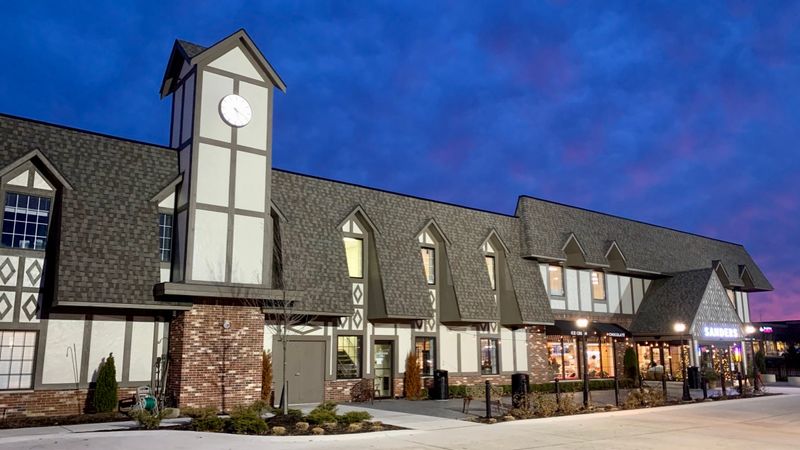
There is something almost magical about watching chocolate get made at scale, and the Morley Candy Makers factory tour in Clinton Township delivers exactly that kind of joy. Morley Candy Makers is the company behind the beloved Sanders brand — a Michigan institution known for its hot fudge, chocolate turtles, and cream puffs that have been making Michiganders happy since 1875.
Seeing where those treats come from hits different when you are watching the actual production line.
The tour takes visitors through the facility where Sanders candies are made, showing the journey from raw ingredients to finished, boxed product. The chocolate enrobing machines are a particular crowd favorite — rows of candies riding a conveyor belt under a curtain of flowing chocolate is genuinely mesmerizing.
The warm, sweet smell throughout the building is practically a sensory experience on its own.
Groups and school tours are especially popular here, and it is easy to see why. The tour is educational without being dry, blending food science, local history, and a little showmanship into something that holds attention across age groups.
Staff members clearly enjoy sharing the story of a candy brand that most Michigan families grew up with.
After the tour, the factory store is the obvious next stop. Sanders hot fudge by the jar, seasonal chocolates, and gift sets are all available, often at better prices than you will find at retail.
Picking up a jar of hot fudge as a souvenir is practically required at this point.
Tours typically require advance reservations, especially for larger groups, so check the website before heading out. The Clinton Township location is easy to reach from Detroit, making it a solid half-day trip for anyone with a serious sweet tooth.
5. The Parade Company Studio Tour — Detroit
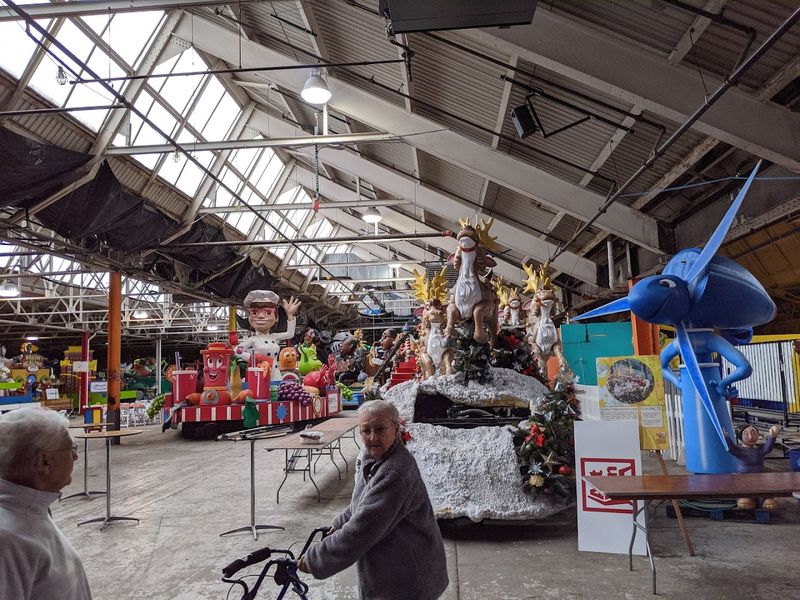
Every November, millions of people watch America’s Thanksgiving Parade roll through downtown Detroit without ever wondering where those enormous, glittering floats actually come from. The answer is a massive warehouse on Mount Elliott Street, home to The Parade Company — and they open it up for tours that are unlike anything else in the city.
Walking into that building feels like stepping into the workshop of some wonderfully chaotic creative giant.
The studio tour shows visitors the full float-building process, from the earliest wire frame and steel structure stages to the final layers of paint, sequins, and decoration. The scale of the work is staggering.
Some floats are two or three stories tall, and seeing them in various states of construction makes the finished product on TV feel even more impressive.
What stands out most is the craft involved. These are not simple builds — they require welders, sculptors, painters, and costume designers all working together on a tight seasonal deadline.
The tour guides do a great job of breaking down who does what and why certain design decisions get made. You come away with real respect for the team behind the tinsel.
The Parade Company also builds props and floats for other events throughout the year, so depending on when you visit, the studio might be mid-production on something completely different. That unpredictability keeps the experience fresh for repeat visitors.
Tours are offered on select dates and fill up quickly, particularly in the months leading up to Thanksgiving. Booking early is strongly recommended.
It is a Detroit experience that feels genuinely local and creative — far removed from the typical tourist circuit, and better for it.
6. Glass Academy — Dearborn
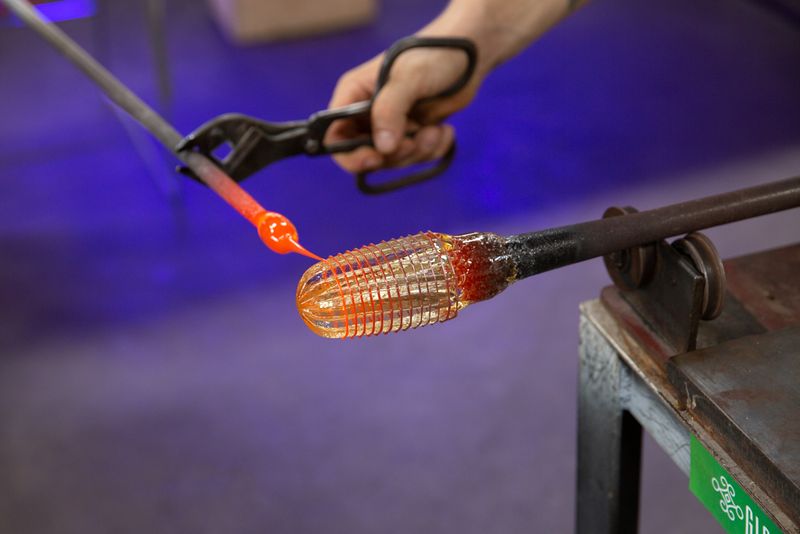
Molten glass is one of the most visually dramatic materials in all of manufacturing, and Glass Academy in Dearborn puts it front and center for anyone willing to show up and watch. Founded by a group of working glass artists, this studio has grown into a serious creative hub that offers both observation tours and hands-on classes.
Even just watching an experienced glassblower work is the kind of thing that stops you in your tracks.
The process starts at the furnace, where glass is heated to around 2,000 degrees Fahrenheit until it glows a brilliant orange-red. The artist gathers a blob of this liquid glass on the end of a long metal pipe, then begins the rhythmic cycle of blowing, rotating, and shaping that turns formless heat into something beautiful.
It requires constant movement — the glass cools quickly, so there is no standing still.
Glass Academy offers structured tours for groups, but the real draw for many visitors is signing up for a hands-on experience. Beginner sessions let participants try gathering glass and blowing a basic shape under close professional supervision.
Most people describe it as both terrifying and completely thrilling — which is a pretty good combination for a memorable afternoon.
The studio’s gallery space showcases finished work from resident artists and instructors, with pieces available for purchase. The range of styles is impressive, from simple ornaments to complex sculptural forms.
It is a good reminder that glassblowing is both a craft and a fine art.
Glass Academy is located in Dearborn’s creative district and pairs well with other nearby attractions. Classes and tours book up, especially on weekends, so checking availability online before planning your visit is the practical move.
7. Ford Rouge Factory Tour — Dearborn
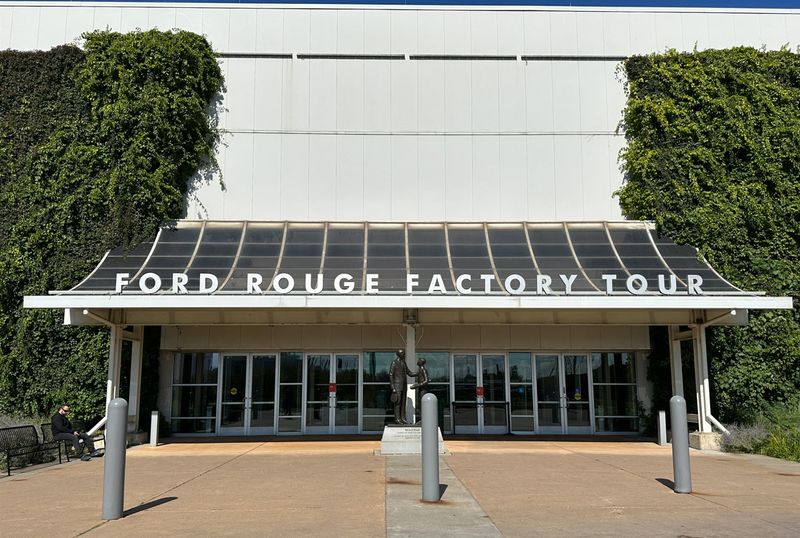
The Ford Rouge Complex is one of the most legendary manufacturing sites in American history, and the public tour that runs through part of it is genuinely one of the best industrial experiences available anywhere in the country. Henry Ford built the Rouge in the early 1920s with the vision of controlling every step of production under one roof — iron ore and raw materials in one end, finished cars out the other.
That ambition is still visible in every corner of the facility.
The tour kicks off with an engaging multimedia presentation that covers the history of the Rouge and Ford’s manufacturing legacy. From there, visitors walk elevated catwalks directly over the working assembly line where Ford F-150 trucks are built.
Watching a truck go from a bare frame to a nearly finished vehicle in real time is genuinely impressive — the precision and pace of the line is hard to fully appreciate until you see it in person.
One of the more unexpected highlights is the living roof on the truck plant building. It is one of the largest living roofs in the world, covered in sedum plants that help manage stormwater and reduce energy costs.
Ford built it as part of a broader sustainability push, and it has become a talking point on every tour.
The Henry Ford complex surrounding the Rouge tour also includes Greenfield Village and The Henry Ford museum, so a full day here is easily justified. The Ford Rouge tour alone runs about two hours from start to finish.
Tickets are purchased through The Henry Ford’s website, and timed entry slots fill up fast, especially during summer and school break seasons. Buying tickets at least a week ahead is a smart habit for this one.
8. Cherry Republic — Glen Arbor
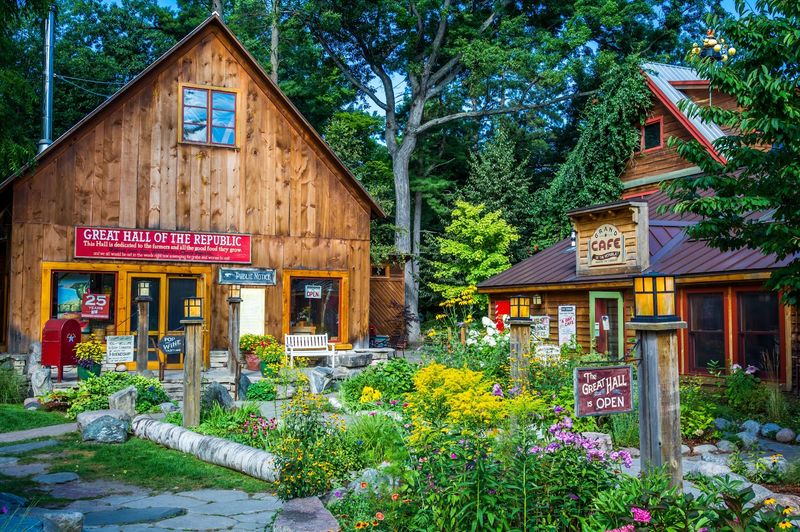
Northern Michigan’s cherry industry is legendary, and Cherry Republic in Glen Arbor has turned that regional pride into something that is part store, part tasting room, part production showcase, and entirely delightful. Sitting just outside Sleeping Bear Dunes National Lakeshore, Cherry Republic started as a small roadside shop and grew into a full-on cherry empire that ships products across the country.
The Glen Arbor flagship is the heart of the whole operation.
While Cherry Republic is not a traditional factory tour in the industrial sense, the production side of things is woven into the visitor experience in a way that feels authentic and interesting. You can watch cherry products being made, learn about the sourcing of Michigan tart cherries, and understand how everything from cherry salsa to cherry wine comes together.
The tasting stations throughout the store let you sample before you buy, which is both generous and strategically brilliant.
The building itself is worth the visit. It has expanded over the years into a sprawling complex with a restaurant, a beer and wine tasting area, a bakery, and a retail floor packed with hundreds of cherry-themed products.
The staff are enthusiastic and knowledgeable, which makes the whole place feel less like a gift shop and more like a genuine destination.
Kids go absolutely wild for the cherry soda and the chocolate-covered cherry samples. Adults tend to linger a bit longer near the wine and hard cider section.
Everyone leaves with bags full of something, which tells you everything about how well this place is designed.
Glen Arbor itself is a charming little town worth exploring after your Cherry Republic stop. The proximity to Sleeping Bear Dunes makes this a natural anchor for a full day of Up North Michigan adventure.
9. Michigan Sugar Company Factory Tour — Bay City

Sugar beets are one of Michigan’s most important crops, and the Michigan Sugar Company in Bay City is where millions of pounds of those beets get transformed into the granulated sugar that ends up in kitchens across the Midwest. Most people never think twice about where their sugar comes from, which is exactly what makes this tour so unexpectedly eye-opening.
The scale of the operation is nothing short of enormous.
The Michigan Sugar Company is a farmer-owned cooperative, which gives it a different character than a typical corporate factory. The growers who supply the beets actually have a stake in the company, and that agricultural connection comes through clearly during the tour.
Guides explain the full journey from field to bag, covering how beets are harvested, transported, washed, sliced, and processed into pure white sugar through a series of industrial steps that are fascinating to watch unfold.
The processing equipment inside the Bay City facility is massive — towering tanks, miles of conveyor systems, and automated packaging lines that move product at a pace that makes your head spin. The tour does a solid job of breaking down each step in terms that are accessible without dumbing things down.
Food science meets agriculture meets heavy industry, all in one building.
Tours are typically offered during the fall processing season, which runs roughly from October through December when the beet harvest is at its peak. This timing makes it a natural addition to a fall color trip through the Saginaw Bay region of Michigan.
Booking ahead is essential since spots fill up quickly during the limited tour window. The Michigan Sugar Company’s website has current tour information, and the company also produces the Pioneer and Big Chief sugar brands, names many Michigan families will recognize from their pantry shelves.
10. Gilbert Chocolates Factory Tour — Jackson
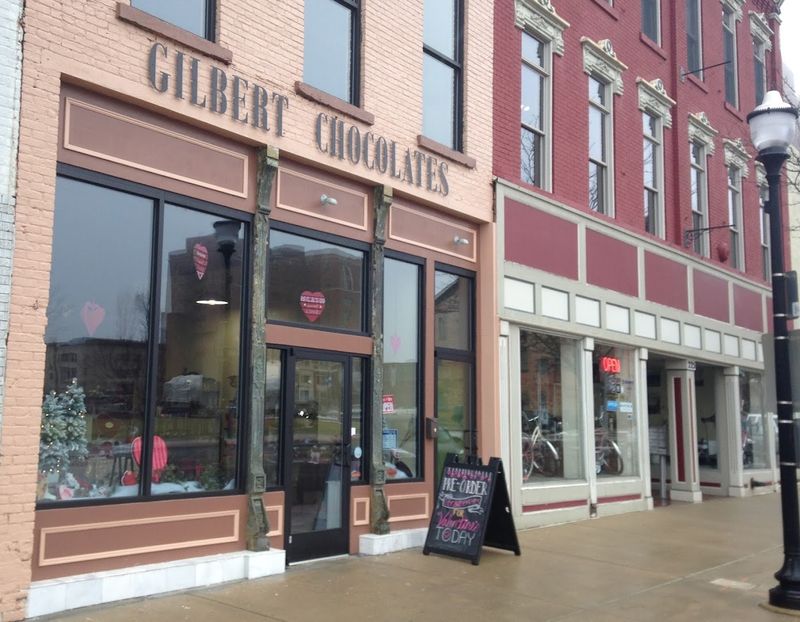
Jackson, Michigan, is not the first city that comes to mind when people think of artisan chocolate, but Gilbert Chocolates has been quietly making the case for decades. This family-run operation has built a loyal following across the state on the strength of its hand-crafted chocolates, and the factory tour gives visitors a front-row seat to the process that makes those treats so consistently good.
It is the kind of place that feels like a genuine local treasure.
The tour walks guests through the production kitchen where Gilbert’s chocolates are made in relatively small batches compared to the big candy manufacturers. That smaller scale means more hand involvement at every step — you can actually see individual chocolates being dipped, coated, and finished by skilled candy makers rather than just watching automated machines do all the work.
The human element makes the whole thing more engaging and more personal.
Watching the chocolate tempering process is a highlight for anyone with even a passing interest in food science. Getting chocolate to the right temperature so it sets with that satisfying snap and glossy finish is genuinely tricky, and seeing someone do it well is oddly satisfying.
Guides explain the why behind each step rather than just narrating what you are watching.
The shop attached to the factory carries the full Gilbert’s line, including seasonal specialties that are worth grabbing when they are available. Prices are reasonable for handmade chocolate of this quality, and the gift boxes make excellent presents that feel thoughtful rather than generic.
Gilbert Chocolates is a reminder that Michigan’s food manufacturing scene is not just about big industry. Sometimes the most memorable factory experience is the one happening in a small building where people still make things carefully, one piece at a time.
11. Yates Cider Mill — Rochester Hills
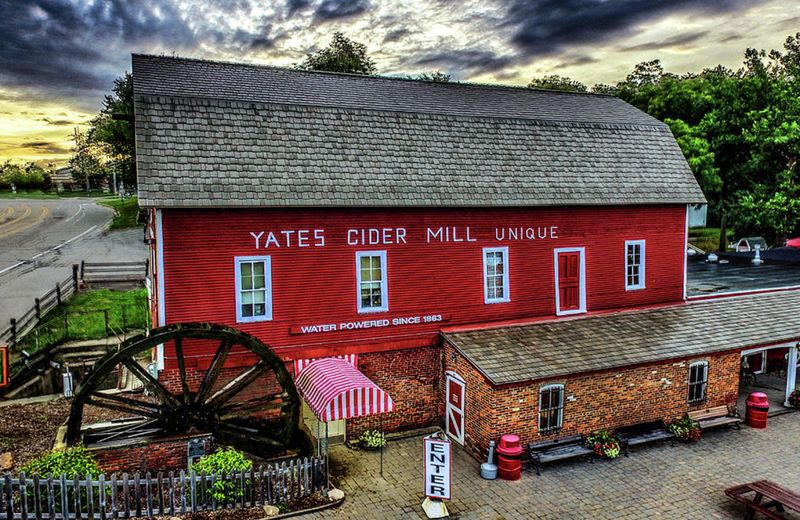
Autumn in Michigan is basically synonymous with cider mills, and Yates Cider Mill in Rochester Hills is one of the oldest and most beloved in the state. Operating since 1863, Yates has been pressing apples and selling fresh cider and donuts to generations of Michigan families.
Coming here in October feels less like a tourist activity and more like a seasonal ritual that connects you to something genuinely rooted in place.
The mill tour shows visitors how fresh-pressed apple cider is made using traditional pressing methods that have not changed dramatically over the years. Apples are ground into a pulp called pomace, then pressed under significant pressure to extract every drop of juice.
Watching the press in action — the slow, steady squeeze that produces a flowing stream of golden cider — is one of those simple, satisfying things that sticks with you.
Clinton River runs right alongside the property, and the setting during peak fall color season is almost unfairly beautiful. Ducks wander the grounds, the smell of fresh donuts drifts out from the bakery, and families spread out on the lawn with cups of warm cider in hand.
It is the kind of scene that makes you feel good about being a Michigander.
The fresh cider donuts are not optional. Hot, lightly spiced, and dusted with cinnamon sugar, they are the kind of thing people drive from across metro Detroit specifically to eat.
Picking up a bag for the ride home is standard operating procedure for anyone who has been here before.
Yates is open seasonally, generally from late summer through the end of fall. Weekends in October get busy — arriving earlier in the day gives you better parking and a shorter line at the donut counter.
12. Holland Energy Park Visitor Center — Holland

Most people drive past power plants without giving them a second thought, but the Holland Energy Park Visitor Center makes a compelling argument that you should stop and pay attention. Holland’s city-owned power plant is one of the most forward-thinking municipal energy facilities in the Midwest, and the visitor center built alongside it does a genuinely impressive job of making energy generation accessible and interesting to regular people of all ages.
The center features interactive exhibits that walk visitors through how electricity is generated, distributed, and used across a modern city. The displays cover everything from natural gas turbines to renewable energy sources, and they do it without drowning you in technical jargon.
Kids especially seem to respond well to the hands-on elements, which let them engage with the concepts rather than just reading about them.
One of the more striking features is the view into the actual power plant from the visitor center. Seeing the real turbines and equipment through the glass while an exhibit explains what they are doing creates a direct connection between the information and the thing itself.
It is the kind of design choice that makes the whole experience click in a way that a purely abstract exhibit never could.
Holland Energy Park is also a green space — the surrounding area includes walking paths, public art, and a solar canopy that generates power for the facility. The whole complex is designed to be a community asset rather than just industrial infrastructure, and that intention comes through clearly when you spend time there.
Admission to the visitor center is free, which makes it a low-barrier stop for families visiting Holland. It pairs naturally with a trip to DeKlomp or a walk through downtown Holland, turning a quick visit into a genuinely well-rounded afternoon.
13. Stormy Kromer Factory Tour — Ironwood
Up in the far western edge of the Upper Peninsula, Ironwood is home to one of Michigan’s most beloved and legitimately quirky manufacturing stories. Stormy Kromer started as a cap designed by a railroad engineer named George Stormy Kromer who kept losing his hat to the wind.
His wife Ida sewed him a solution — a fitted wool cap with a band that pulled down over the ears — and what started as a personal fix eventually became an icon of Upper Midwest cold-weather gear.
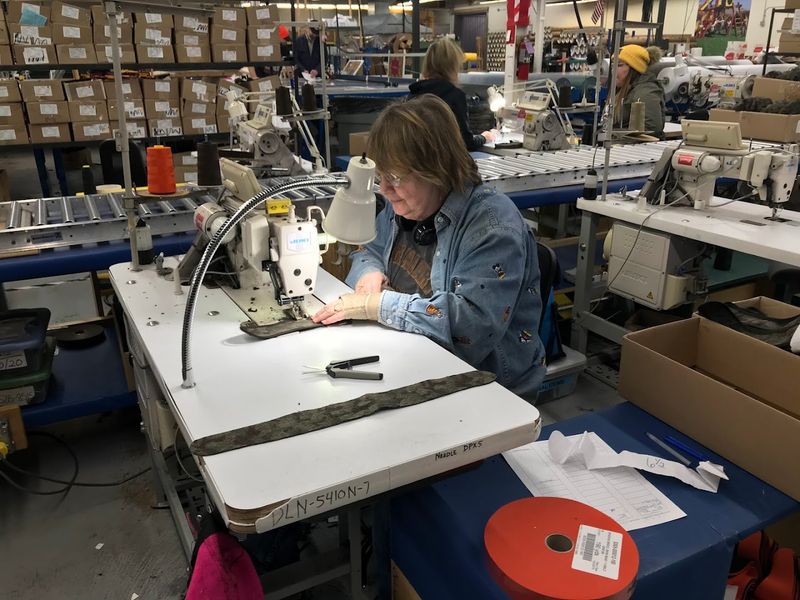
The factory tour in Ironwood pulls back the curtain on how these caps are still made today, largely by hand using skilled sewers who take real pride in their craft. You can watch the full production process, from fabric cutting to assembly to the final quality check before a cap ships out.
The attention to detail at each station is evident — this is not a facility running on autopilot.
What gives the Stormy Kromer tour its particular warmth is the human side of the story. The workers here often have multi-generational connections to the brand and the community, and that loyalty shows up in how they talk about their work.
It is a genuinely moving thing to see in an era when so much manufacturing has moved overseas or become fully automated.
The retail shop attached to the factory carries the full Stormy Kromer line, including the classic original cap in every plaid variation imaginable, plus newer additions like jackets, mittens, and accessories. Buying a cap directly from the factory floor feels more meaningful than ordering one online.
Ironwood itself is a scenic destination in the Gogebic Range, with ski hills, waterfalls, and trails nearby. The Stormy Kromer factory tour is a perfect anchor for a long UP weekend that deserves to be taken slowly.
Share this story