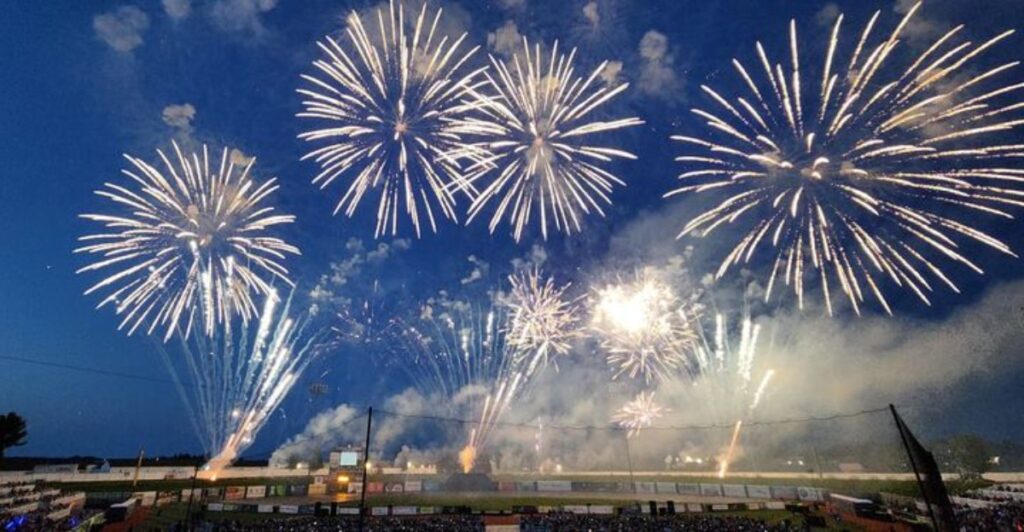
Summer nights in Traverse City get a giant burst of color when the International Fireworks Championship takes over Turtle Creek Stadium. On Friday, September 11, and Saturday, September 12, 2026, six award-winning pyrotechnic teams from around the world will compete across two nights, filling the sky with different styles, pacing, music, and big-finish moments.
The event matters because it is more than a quick holiday show; it turns a local stadium into a full evening experience with ticketed seating, crowd energy, easy viewing, and the thrill of watching one team try to outshine the next. For anyone who loves fireworks with real spectacle, this Traverse City event gives Michigan summer one last dramatic glow before fall arrives.
When the Stadium Turns Into an Outdoor Theater
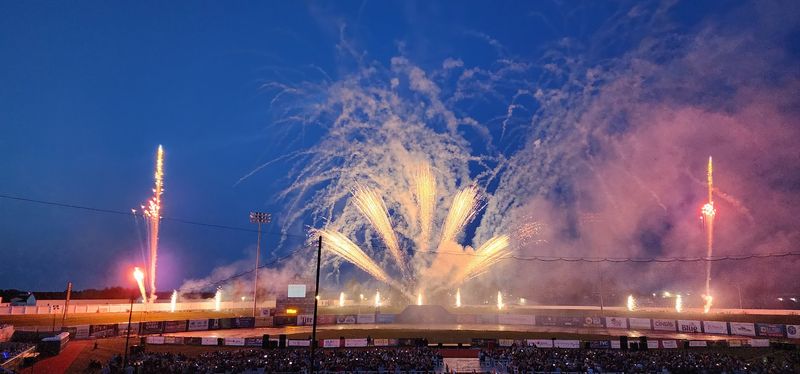
Before the first shell even rises, Turtle Creek Stadium already changes the mood of the night. Baseball parks usually pull attention toward the field, but during the International Fireworks Championship, every eye starts drifting upward.
The open bowl, the seating angles, and the lawn space help create a strong sense of focus, almost like an outdoor theater built for the sky instead of a stage.
That setup matters more than it might seem. A fireworks competition works best when the crowd can settle in, look up comfortably, and stay connected to the show without fighting for a view.
At this stadium, sight lines are a real advantage, and the compact layout keeps the event feeling lively rather than spread out and distant. Even before the first burst, the place carries a shared kind of anticipation.
Night adds another layer. As the field lights, concourse glow, and fading daylight mix together, the stadium becomes part of the spectacle instead of just a container for it.
The contrast between the dark Michigan sky and the sharp color overhead helps each launch stand out more clearly. Gold trails, red peonies, silver crackle, and blue washes all read bigger when the setting around them is controlled and easy to watch.
For families, groups of friends, and anyone who likes large events without arena-level chaos, that balance is a practical plus. There is room to enjoy the build-up, grab food, talk between rounds, and then lock in when each team begins its sequence.
The result is a stronger viewing experience from the very first blast.
Six Teams, Six Styles, One Big Sky in Michigan
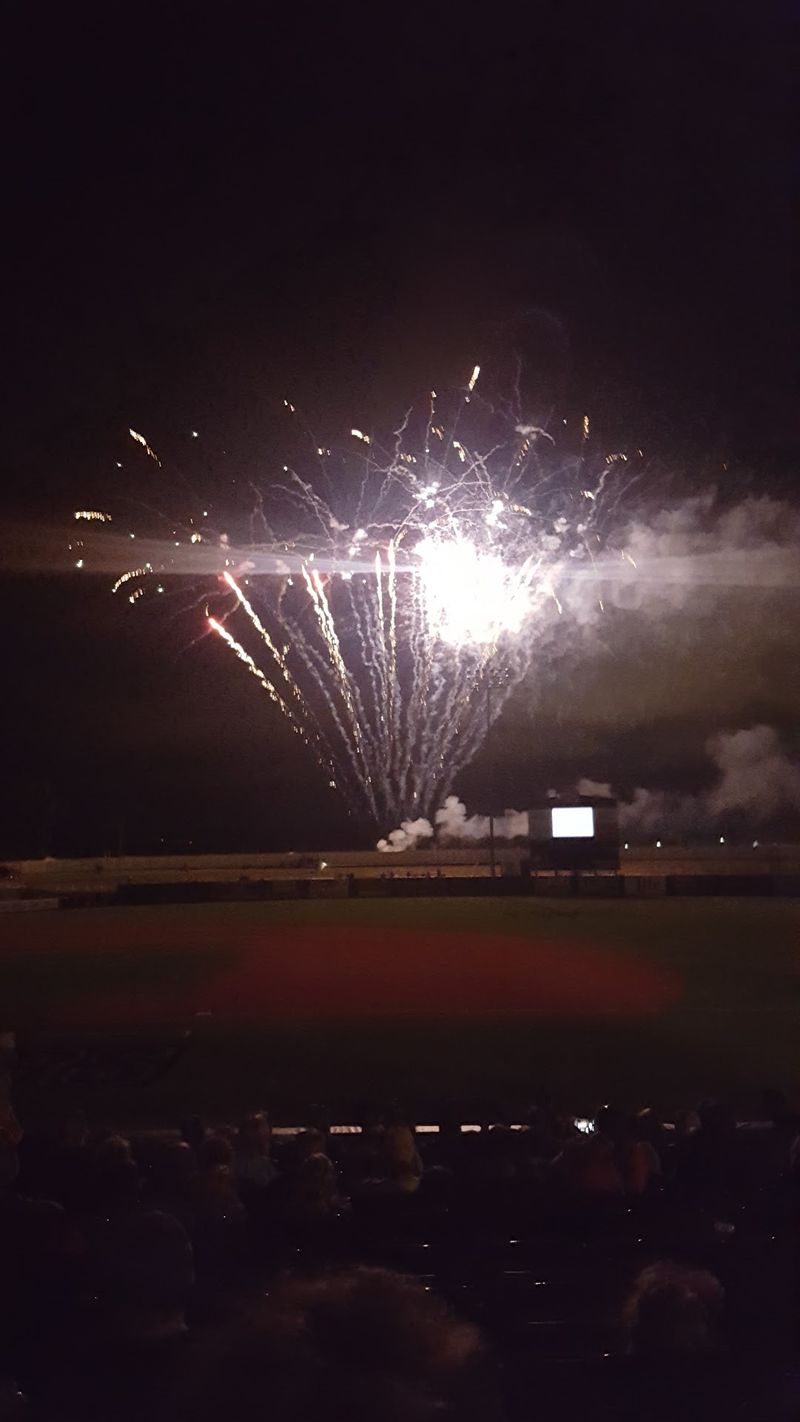
No two fireworks teams design a show in exactly the same way, and that is the whole fun of this event. One crew may build slowly with elegant color changes, while another pushes for loud, fast rhythm right away.
During the International Fireworks Championship, that variety keeps the audience alert because the sky never settles into one predictable pattern for long.
Competition gives the evening extra edge. Instead of watching a single display that rises, peaks, and ends, the crowd gets a string of creative approaches shaped by timing, color choices, shell size, and finale strategy.
Some teams seem to favor precision, matching bursts tightly so the sky looks organized and crisp. Others lean into surprise, sending up effects that spread wider or crackle longer to grab a reaction.
That contrast is especially effective over Traverse City, where the dark summer backdrop helps each style read clearly from the stands. Fast-fire sequences can feel almost athletic, while slower builds create a hush before the next wave of sound rolls across the stadium.
Children usually lock onto the bold shapes and noise, but older viewers often start noticing the craft behind the pacing. It becomes part spectacle, part friendly showdown.
Seeing six teams over two nights also changes how people watch. A single display can blur together after a while, but multiple competitors invite comparison.
Which team used color best? Which finale landed hardest?
Which show felt most balanced from start to finish? By the end, the event is not simply about fireworks filling the sky.
It is about how different artists use the same sky to tell six very different stories.
Two Nights That Build Real Momentum
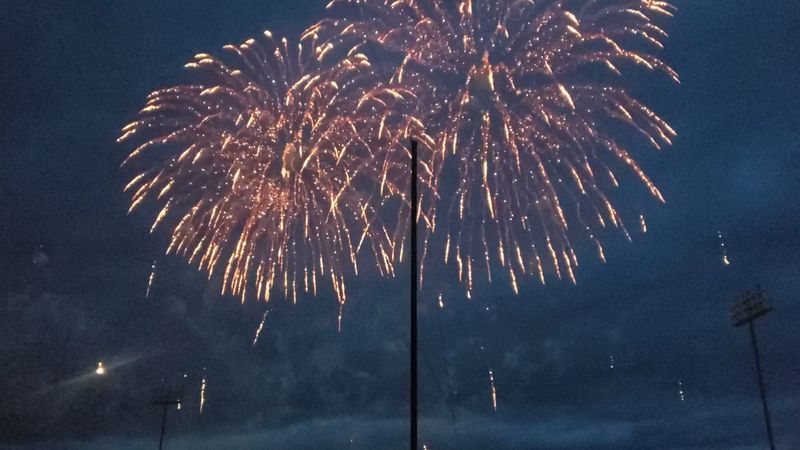
A two-night event has a different kind of energy than a one-and-done show. Instead of putting all the pressure on a single evening, the International Fireworks Championship gets room to breathe.
That gives the weekend a bigger shape, with one night setting the tone and the next night raising the stakes as more teams take their turn over Turtle Creek Stadium.
There is also a simple practical benefit. Weather, travel timing, and summer schedules can make one-night events tricky, especially in busy northern Michigan.
Spreading the competition across two nights gives more flexibility for locals, vacationing families, and people driving in from nearby towns. It can also ease the pressure on parking, arrival times, and concession lines because the excitement is shared over a wider window.
From a viewing standpoint, two nights help prevent overload. Fireworks are thrilling, but long stretches of nonstop explosions can flatten the experience if every moment competes at the same level.
Splitting the event allows each group of teams to stand out more clearly. Audiences can remember favorite moments, compare styles the next day, and return with sharper attention instead of trying to absorb everything at once.
The second evening often carries a fresh buzz because people already know the venue and understand the rhythm of the event. Families can adjust seating plans, arrive earlier for food, or choose a better lawn spot after learning the layout on night one.
That kind of built-in do-over is rare at seasonal events. Here, it becomes part of the appeal, turning a fireworks competition into a mini tradition that unfolds across two bright, noisy, crowd-filled nights.
Turtle Creek Stadium Makes the Show Easier to Enjoy
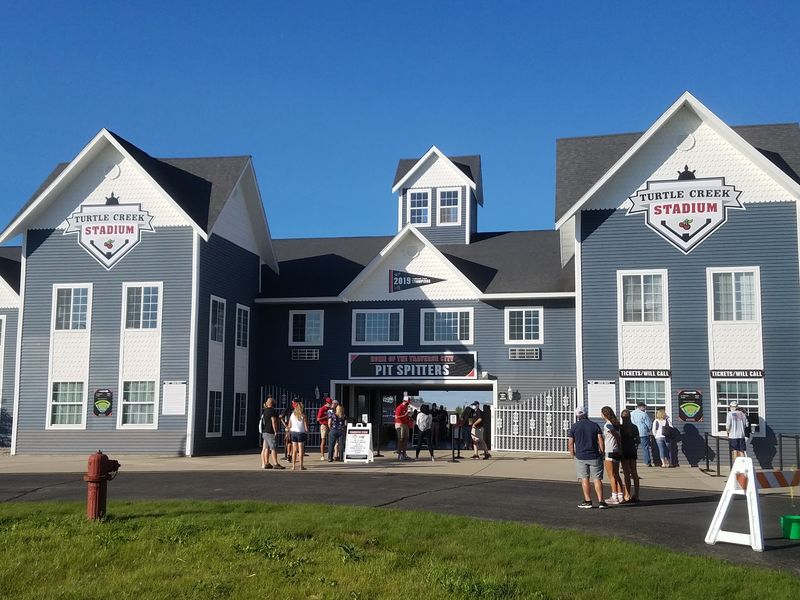
Big events can lose their shine when the basics are hard, but Turtle Creek Stadium gives this championship a strong home base. The venue is known as a place where seating works well from many angles, and that matters when the action is overhead.
For a fireworks competition, comfort, visibility, and easy movement are not side details. They shape whether the night feels smooth or frustrating.
The stadium setting helps in several ways. Fixed seats offer structure for viewers who want a defined spot, while lawn seating can suit families who like a looser setup.
Concessions keep the evening from becoming a race to eat before arrival, and the crowd can settle in for a longer experience without leaving the grounds. Clean facilities and a well-kept layout also make the night less tiring, especially for parents managing children or groups with mixed ages.
Accessibility and crowd flow deserve attention too. A fireworks event brings a different pattern than a baseball game because many people arrive close to start time and stay through the finale.
A venue that handles entry, movement, and exits with some efficiency gives the whole event a calmer rhythm. That is one reason a stadium can work so well for pyrotechnics.
It already knows how to host large numbers of people in a focused space.
Food prices at event venues can run high, so planning ahead is wise, but the tradeoff is convenience. Once inside, the evening becomes simple: find your place, watch the sky, and enjoy the shifts between sound, color, and crowd reaction.
In a region full of scenic outdoor spots, Turtle Creek Stadium stands out by offering a structured, family-friendly way to experience a very unstructured art form.
Best Seats, Smart Timing, and a Better Night Out
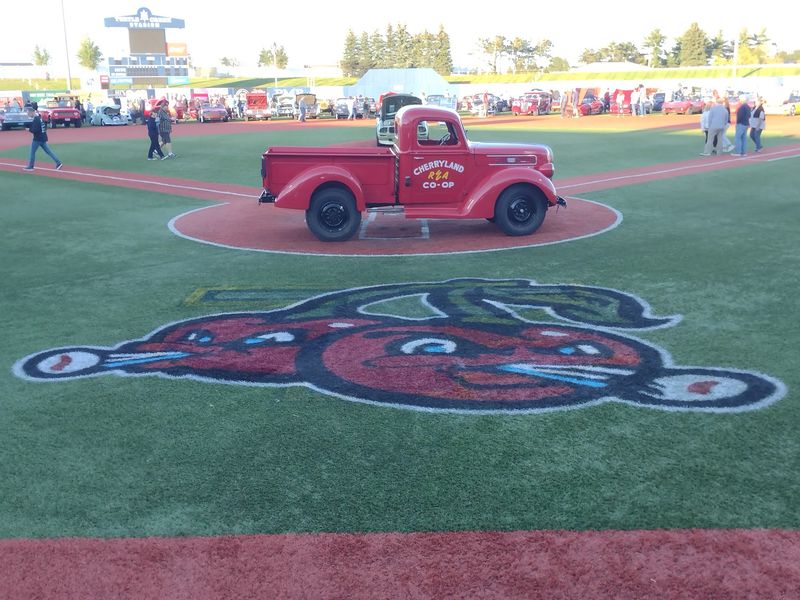
Showing up with a small plan can make a big difference at the International Fireworks Championship. Fireworks may be the star, but the best experience starts earlier, with arrival time, seat choice, and a realistic idea of how long the evening will last.
Anyone treating it like a quick pop-in event may spend too much time in lines or searching for the right viewing angle.
Early arrival is usually the smartest move. It gives time to park, enter without a rush, and decide whether a regular seat or lawn space fits the group better.
Families with younger kids may appreciate a little extra room to spread out, while adults who prefer a fixed view may like staying in the main seating bowl. Sunset also adds its own entertainment, since the changing light sets up the first launches beautifully.
Comfort matters more than many people expect. Nights can cool off after warm afternoons, and long stretches of sitting make little things stand out, like having a light layer, staying hydrated, and eating before the peak rush.
Since venues often have cashless purchasing and event pricing, it helps to budget ahead instead of being surprised once everyone wants snacks at the same time. That small bit of planning can lower stress fast.
The final tip is simple: stay through the ending and be patient on the way out. Competition fireworks are built around pacing, and the strongest material often comes late, when teams use larger shells and denser sequences to finish hard.
Leaving early misses the payoff. Waiting a few extra minutes after the last burst can also let traffic thin, making the trip home smoother than a rushed dash to the parking lot.
Why This Traverse City Event Stands Out After the Last Burst
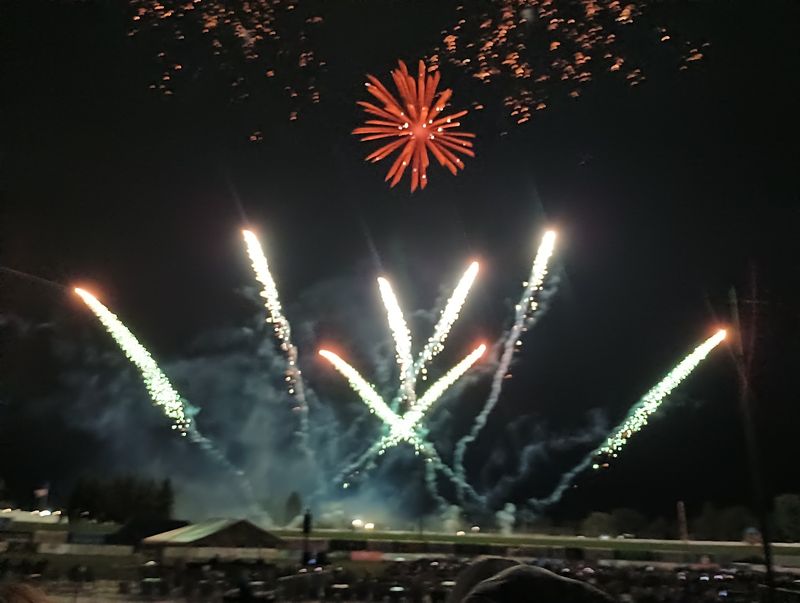
Some fireworks shows are over almost as soon as they begin, but this one aims for a fuller event experience. The International Fireworks Championship at Turtle Creek Stadium combines competition, venue comfort, and community-scale excitement in a way that gives the night more shape.
By the time the last burst fades, the evening has offered more than a bright sky. It has delivered pacing, contrast, and a sense of occasion.
Traverse City is a strong setting for that kind of event. Summer already brings energy to the area, and a championship format adds a headline-level attraction without needing a giant city backdrop.
The stadium keeps the experience grounded and accessible, which can make the night easier for families, date nights, and groups of friends who want a special outing without the complications of a massive festival footprint.
There is also a nice balance between local and dramatic. Turtle Creek Stadium is not some distant mega venue where people disappear into a huge crowd.
It stays personal enough to feel manageable while still giving the fireworks room to look big and bold overhead. That mix is rare.
It lets the event feel exciting without becoming exhausting, and that matters when younger kids, grandparents, and first-time attendees are all part of the same audience.
The sharpest takeaway is simple. Six teams across two nights create repeat moments of surprise, comparison, and crowd-wide attention that a standard fireworks show usually cannot match.
Add in a venue known for good sight lines and a family-friendly setup, and the championship gains a clear identity. In northern Michigan, that combination turns an ordinary summer evening into a planned destination, one loud color burst at a time.
Share this story