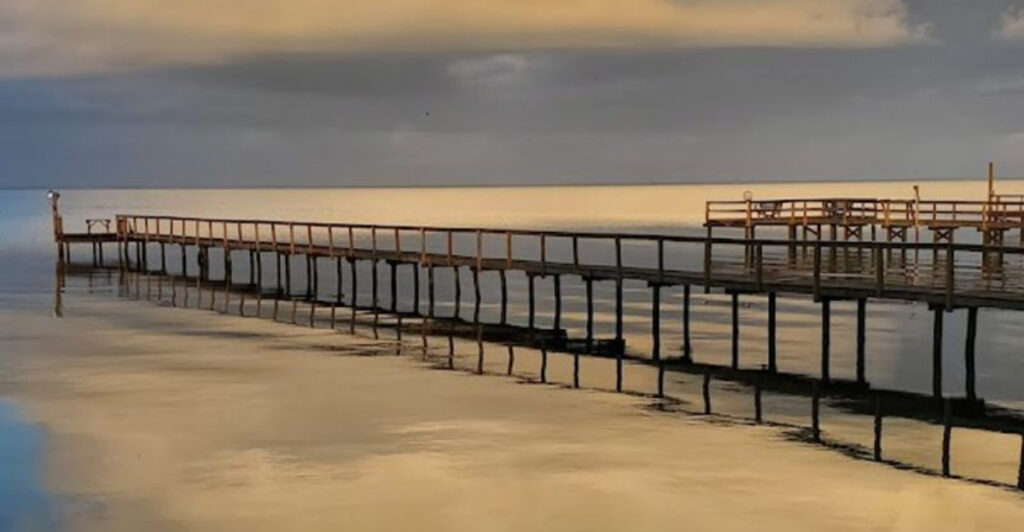
Texas is huge, and most folks stick to the same handful of tourist traps when planning a road trip. But if you veer off the beaten path, you’ll find quirky towns, stunning natural wonders, and charming hideaways that locals have been enjoying for years. These spots offer authentic experiences without the crowds, giving you a real taste of what makes the Lone Star State so special.
Pack your bags and get ready to discover the Texas that guidebooks often miss.
1. Alpine
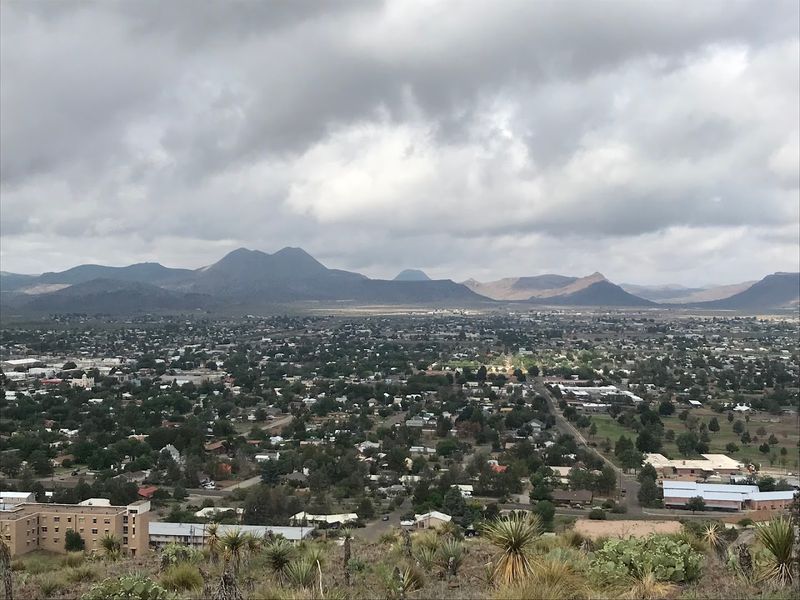
Nestled in the high desert of West Texas, Alpine sits at over 4,000 feet elevation and offers a refreshing escape from the state’s typical heat. The town serves as a gateway to Big Bend, but it’s worthy of a stop all on its own. Downtown Alpine features galleries, vintage shops, and locally-owned cafes that give the area a creative, artsy vibe you wouldn’t expect in such a remote location.
Sul Ross State University calls Alpine home, which adds a youthful energy to this small community of around 6,000 people. Students and locals mingle at coffee shops and taco stands, creating a welcoming atmosphere. The campus itself is worth a stroll, especially the Museum of the Big Bend, which showcases regional history and culture through fascinating exhibits.
Outdoor enthusiasts find plenty to do around Alpine. Hiking trails wind through the surrounding mountains, offering panoramic views of the Chihuahuan Desert. The clear, dark skies make this an exceptional spot for stargazing, with the Milky Way visible on most nights.
Food options range from classic Texas barbecue to surprisingly good Mexican fare and even farm-to-table dining. Several breweries and wine-tasting rooms have popped up in recent years, reflecting Alpine’s growing reputation as a cultural hub. Local events like the Cowboy Poetry Gathering draw visitors who appreciate authentic Western traditions.
Alpine works perfectly as a base camp for exploring the region, but don’t rush through it. The slower pace and friendly locals make it easy to relax and recharge. Whether you’re grabbing breakfast at a century-old hotel or browsing handmade crafts at a gallery, Alpine delivers a genuine slice of West Texas life that feels worlds away from the state’s big cities.
2. Port Aransas
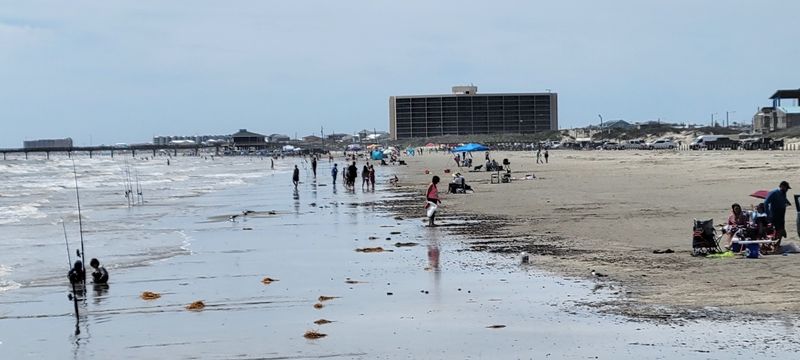
Port Aransas occupies a barrier island along the Texas Gulf Coast, offering 18 miles of sandy beaches without the Spring Break chaos of South Padre. Locals call it Port A, and it maintains a laid-back fishing village charm despite growing popularity. Golf carts outnumber cars in many neighborhoods, and flip-flops count as formal wear at most restaurants.
Fishing defines the culture here. Charter boats leave daily for deep-sea adventures, while the jetties and piers attract anglers hoping to land redfish, speckled trout, or flounder. Even if you’ve never held a rod, watching the sunrise from the pier with a cup of coffee makes for a peaceful morning.
The local fishing guides know these waters intimately and can put even beginners on fish.
Beach access remains easy and mostly free, with multiple public access points along the shoreline. The sand is soft, the water stays relatively calm, and you can still find stretches where crowds thin out. Dolphin sightings happen regularly, especially if you take a boat tour through the ship channel or around the nearby islands.
The restaurant scene focuses heavily on fresh seafood, naturally. Shrimp, oysters, and fish come straight from local boats to your plate. Several casual spots serve cold beer and fried fish baskets with ocean views.
Don’t skip the food trucks either—some serve excellent tacos and BBQ at prices that won’t drain your wallet.
Port Aransas works well for families, couples, or solo travelers seeking coastal relaxation. The vibe stays chill year-round, though summer weekends do see more visitors. Nearby attractions include the University of Texas Marine Science Institute and Mustang Island State Park.
Whether you’re surfcasting at dawn or sipping margaritas at sunset, Port A delivers authentic coastal Texas without pretension.
3. Jefferson
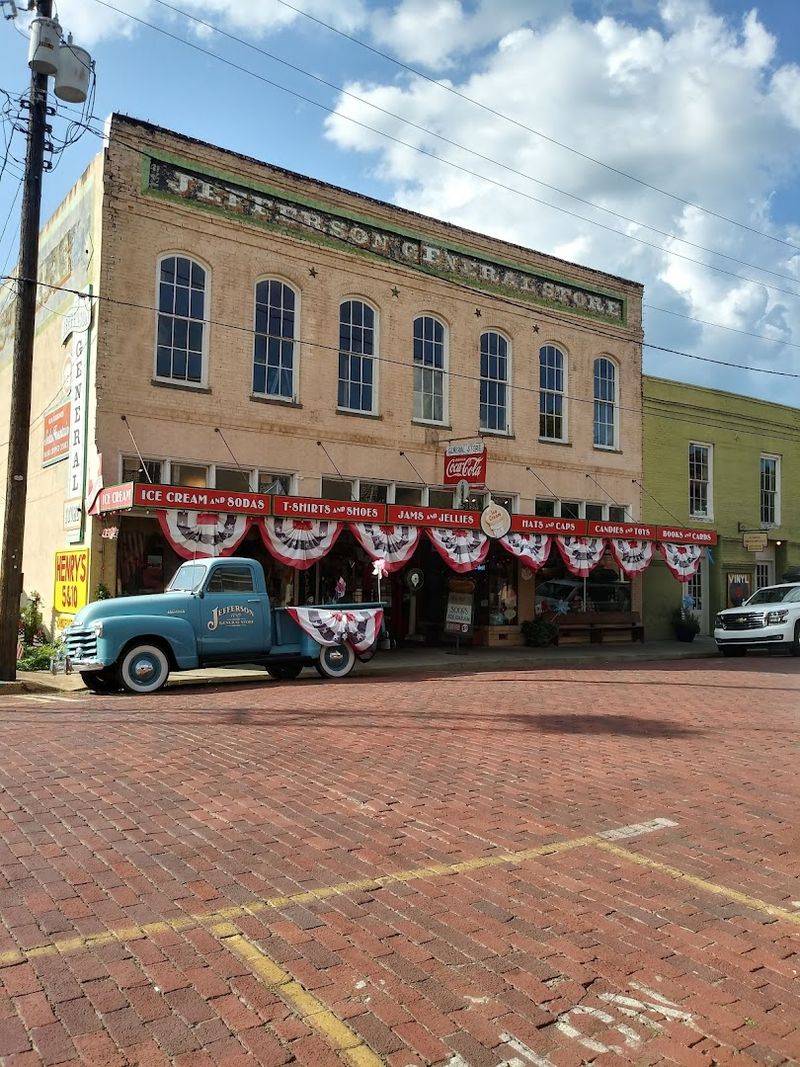
Step into Jefferson and you’ll feel like you’ve traveled back to the 1800s. This East Texas town thrived as a riverport during the steamboat era, and the wealth from that period shows in the dozens of preserved Victorian homes lining the streets. Massive oak trees draped with Spanish moss create tunnels of shade over brick sidewalks, adding to the old-world atmosphere.
Antique shopping here isn’t just a hobby—it’s practically a sport. The downtown area packs in over 30 antique stores, each crammed with everything from vintage furniture to rare collectibles. You could spend an entire day browsing without hitting every shop.
Even if you’re not buying, the displays offer a glimpse into Texas history through objects and oddities.
Ghost stories and haunted history tours draw paranormal enthusiasts from across the state. Several historic hotels and bed-and-breakfasts claim resident spirits, and guided tours share tales of mysterious happenings. Whether you believe in ghosts or not, the stories add an entertaining layer to exploring the town’s historic buildings.
The Big Cypress Bayou runs along the edge of town, and boat tours offer a different perspective on Jefferson’s natural beauty. Guides point out wildlife, explain the ecosystem, and share stories about the town’s riverboat past. Kayak rentals let you explore at your own pace if you prefer paddling to cruising.
Jefferson’s restaurant scene leans toward Southern comfort food and homestyle cooking. Expect fried chicken, catfish, and pecan pie served in charming historic buildings. Several tea rooms offer lighter fare for lunch.
The town hosts festivals throughout the year, including a popular Christmas celebration that transforms the entire downtown into a Victorian holiday scene. Plan at least a full day to properly explore Jefferson’s shops, museums, and historic sites.
4. Marfa Lights Viewing Area
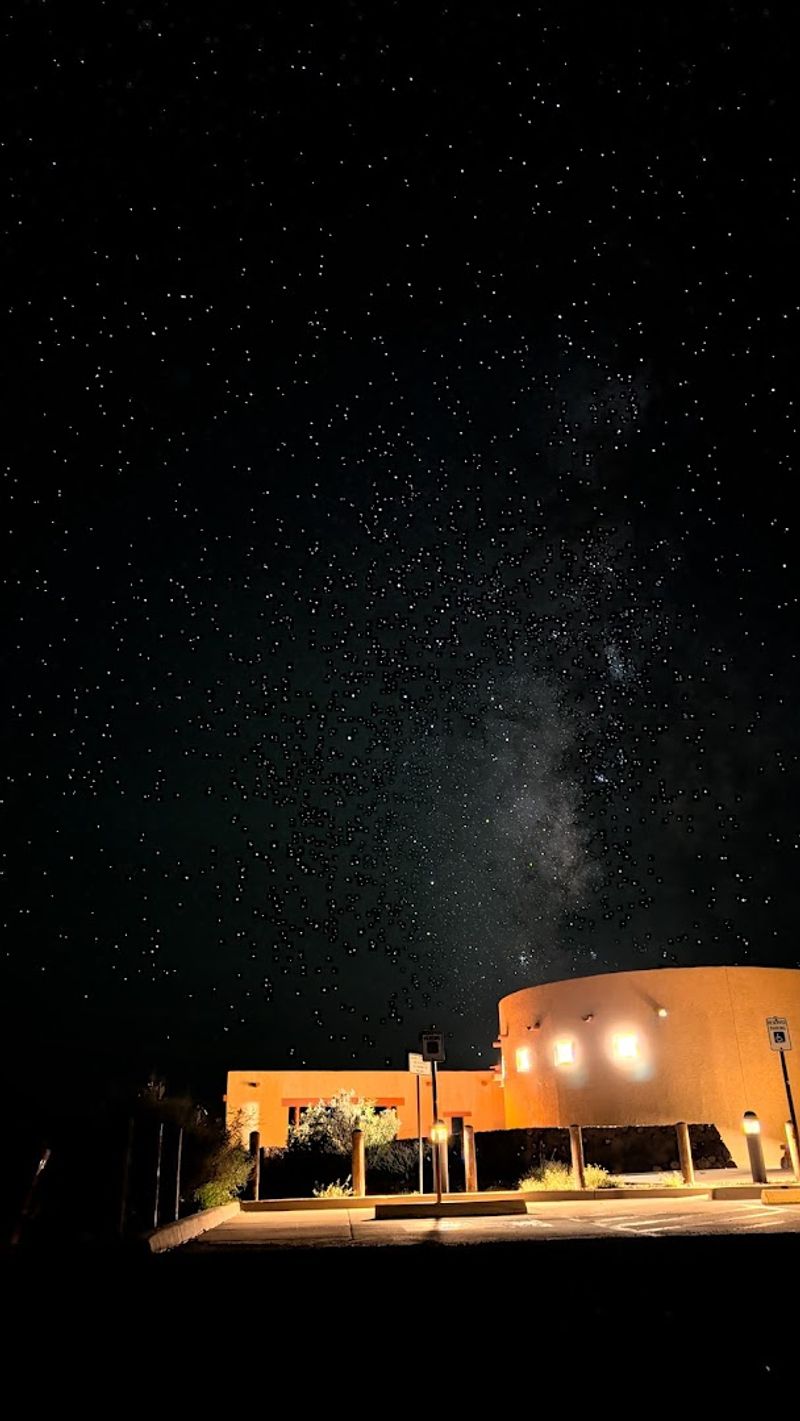
About nine miles east of Marfa, a roadside viewing area offers front-row seats to one of Texas’s most puzzling phenomena. The Marfa Lights have been reported since the 1880s, appearing as glowing orbs that dance, split, merge, and change colors across the desert horizon. Scientists have proposed various explanations—car headlights, atmospheric reflections, swamp gas—but none fully account for all the sightings.
The viewing platform includes informational plaques explaining the history and various theories about the lights. Restrooms and parking make it easy to settle in for an evening of sky-watching. The lights don’t appear every night, and patience is required.
Some visitors see nothing, while others witness a full show of moving, colorful lights.
Timing matters when planning a visit. The lights appear most frequently on clear nights, and the best viewing happens after dark. Bring blankets or lawn chairs since you might be there awhile.
The location sits far from city lights, making it excellent for regular stargazing even if the mysterious lights don’t cooperate.
The nearby town of Marfa has embraced its weird reputation, evolving into an unlikely art destination. Minimalist installations, galleries, and quirky shops fill the small downtown. The contrast between high-concept art and dusty ranchland creates a surreal atmosphere that matches the mystery of the lights.
Local lore includes countless stories from ranchers, travelers, and longtime residents who’ve witnessed the phenomenon. Some describe the lights as playful, others as eerie. Native American legends about the lights predate European settlement, adding historical depth to the mystery.
Whether you witness the lights or not, the journey to this remote viewing area takes you through stunning West Texas landscape. The wide-open desert, distant mountains, and enormous sky create a setting that feels both isolating and magnificent.
5. Colorado Bend State Park
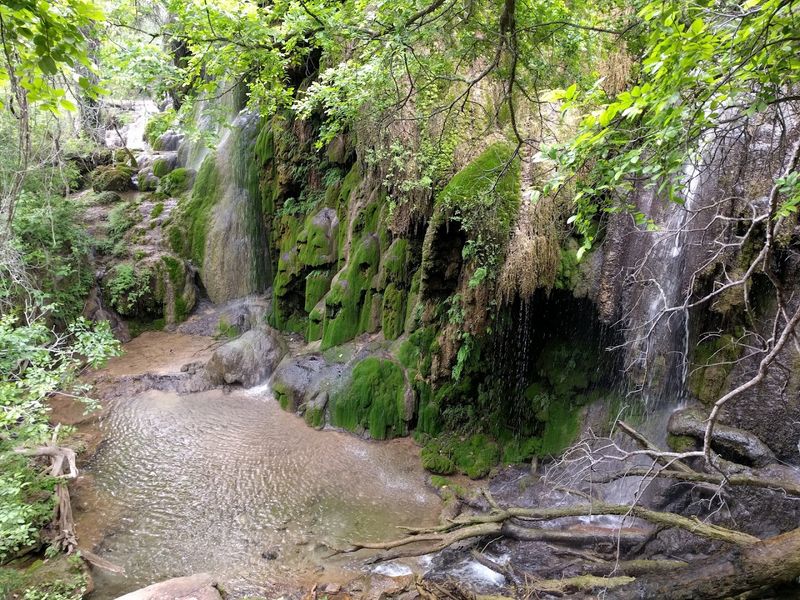
Hidden in the Hill Country along the Colorado River, this state park remains surprisingly uncrowded despite offering some of Texas’s most spectacular scenery. Gorman Falls serves as the main attraction—a 60-foot waterfall that cascades over travertine formations covered in moss and ferns. The hike to reach it spans about three miles round trip, following a rocky trail that rewards your effort with a stunning natural amphitheater.
The falls flow year-round thanks to underground springs, creating a microclimate that supports plant species rarely seen elsewhere in Texas. Maidenhair ferns, columbines, and other moisture-loving plants thrive in the spray zone. The travertine deposits continue growing, building up layer by layer as mineral-rich water flows over the rock face.
Beyond the falls, the park offers over 35 miles of hiking and mountain biking trails. Routes wind through juniper-covered hills, along the riverbank, and past limestone outcroppings. Spring wildflowers blanket the meadows, while fall brings cooler temperatures perfect for exploring.
Wildlife sightings include white-tailed deer, armadillos, and numerous bird species.
Cave tours take visitors underground to explore Gorman Cave, though these require advance reservations and fill up quickly. The cave system features delicate formations and provides habitat for several bat species. Above ground, the river offers opportunities for fishing, swimming, and kayaking when water levels cooperate.
Primitive camping is the only overnight option—no hookups or fancy facilities. This keeps visitor numbers manageable and preserves the park’s wild character. Campsites spread out along the river and in the backcountry, offering privacy and peaceful nights under star-filled skies.
Cell service is essentially nonexistent, which many visitors consider a feature rather than a drawback. Pack everything you need, including plenty of water, and be prepared for rugged conditions that feel genuinely remote.
6. Rockport
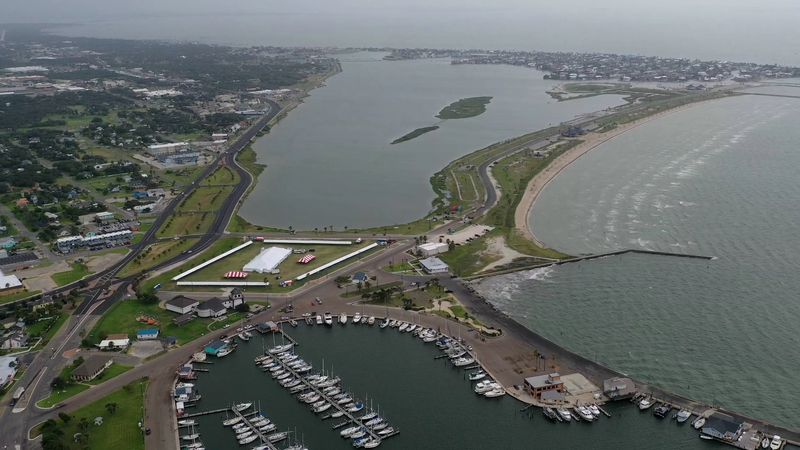
Rockport hugs the Texas coast north of Corpus Christi, offering a quieter alternative to busier beach towns. Massive live oak trees, some over 300 years old, provide shade throughout the town and create a distinctive coastal forest atmosphere. The famous Big Tree in nearby Goose Island State Park measures over 35 feet in circumference and stands as one of the largest live oaks in the state.
Art galleries and studios dot the downtown area, reflecting Rockport’s long history as an artists’ colony. Local painters capture coastal scenes, while sculptors and craftspeople sell their work in charming shops. The Rockport Center for the Arts hosts rotating exhibitions and offers classes for visitors wanting to try their hand at creative pursuits.
Birding enthusiasts flock here, especially during migration seasons. The area sits along the Central Flyway, making it a prime spot for observing hundreds of species. Whooping cranes winter in the nearby Aransas National Wildlife Refuge, and boat tours offer close-up views of these endangered birds.
Roseate spoonbills, herons, and pelicans are common sights year-round.
The harbor fills with working shrimp boats, and you can buy fresh catch directly from fishermen at the docks. Several restaurants specialize in Gulf seafood prepared simply to let the quality shine through. Fried shrimp, grilled redfish, and oyster po’boys dominate menus, often served with waterfront views.
Beaches in Rockport tend toward calm, shallow waters protected by barrier islands. Families appreciate the gentle waves and shell-covered shores perfect for beachcombing. Kayaking through the bays and marshes reveals a different side of the coast, with opportunities to spot dolphins, sea turtles, and stingrays.
The town rebuilds stronger after Hurricane Harvey damaged much of the area, and the resilient community welcomes visitors warmly while maintaining its authentic coastal character.
7. Wimberley
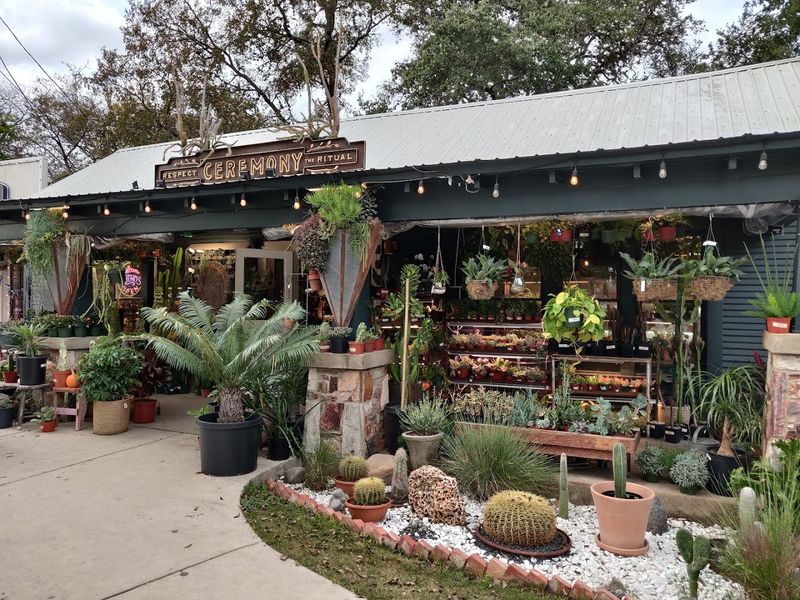
Tucked into the Hill Country between Austin and San Antonio, Wimberley wraps around Cypress Creek and the Blanco River. Swimming holes carved into limestone bedrock provide natural pools perfect for cooling off during hot Texas summers. Blue Hole Regional Park offers one of the most popular spots, though locals know dozens of other creek access points for those willing to explore.
The town square buzzes with activity on weekends, especially during the first Saturday of each month when the Wimberley Market Days transforms the area into a massive outdoor marketplace. Hundreds of vendors sell everything from handmade jewelry to organic produce, antiques to artisan food products. Even if you’re not shopping, the people-watching and live music make it worth a visit.
Art studios and galleries cluster throughout town, showcasing work from local painters, potters, and sculptors. Many artists open their studios to visitors, offering a behind-the-scenes look at their creative process. The eclectic mix of styles ranges from traditional Western art to contemporary abstract pieces.
Wineries and breweries have multiplied in recent years, taking advantage of the Hill Country’s growing reputation for craft beverages. Tasting rooms offer samples alongside views of rolling hills and oak-covered landscapes. Food trucks and farm-to-table restaurants provide excellent dining options that emphasize local ingredients and creative preparations.
Outdoor recreation extends beyond swimming. Hiking trails wind through the Wimberley Valley, mountain biking routes challenge riders with technical terrain, and the rivers support kayaking and tubing. Jacob’s Well, a natural spring that feeds Cypress Creek, draws divers to explore its underwater cave system, though access is limited to protect the fragile ecosystem.
Wimberley maintains a small-town feel despite its proximity to major cities, with locally-owned businesses far outnumbering chains. The combination of natural beauty, artistic culture, and outdoor activities creates a well-rounded destination that appeals to various interests.
8. Fort Davis
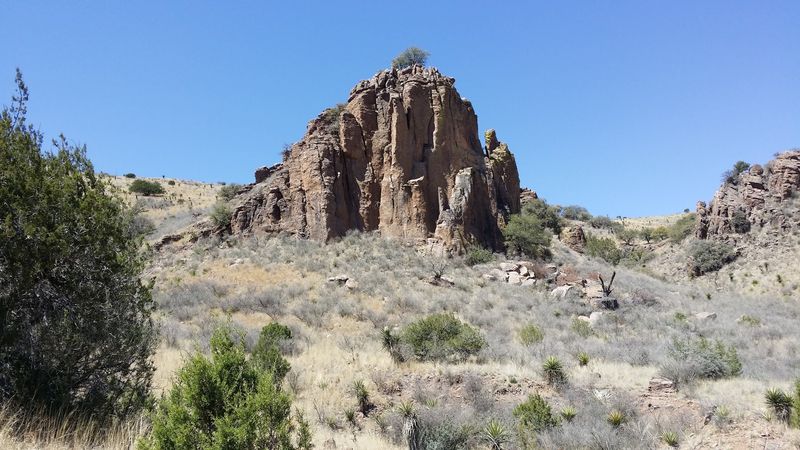
At 5,050 feet elevation, Fort Davis claims the title of Texas’s highest town. The cooler temperatures and mountain setting make it a pleasant surprise in a state known for heat. The Davis Mountains rise dramatically around the town, creating scenery more reminiscent of New Mexico than typical Texas landscapes.
Pine trees and grasslands replace the expected cacti and mesquite.
The historic fort that gave the town its name operated from 1854 to 1891, protecting travelers and mail routes through West Texas. Today it stands as one of the best-preserved frontier military posts in the Southwest. Walking through the restored buildings and officers’ quarters provides genuine insight into 19th-century military life.
Park rangers in period clothing demonstrate daily activities and answer questions about the fort’s history.
McDonald Observatory sits atop Mount Locke just outside town, housing some of the world’s most powerful telescopes. Public star parties happen several nights each week, allowing visitors to view planets, nebulae, and distant galaxies through research-grade equipment. Daytime solar viewing reveals sunspots and solar flares in remarkable detail.
The observatory’s location in one of the darkest spots in the continental United States makes it ideal for astronomical research and public programs.
Scenic drives loop through the mountains, with pullouts offering panoramic views. The drive up to the observatory itself winds through changing ecosystems as elevation increases. Wildlife includes mule deer, javelinas, and occasionally black bears wandering down from Mexico.
Fort Davis retains a frontier town atmosphere with false-front buildings and locally-owned shops. The small population of around 1,200 creates a tight-knit community feel. Several bed-and-breakfasts operate in historic homes, and a handful of restaurants serve hearty meals suited to the mountain climate.
Davis Mountains State Park provides camping and additional hiking opportunities just a few miles from town.
9. Palestine
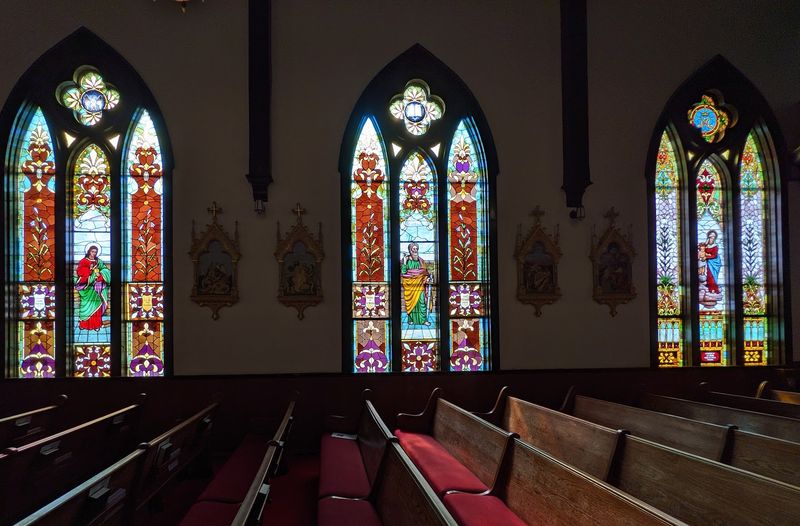
Palestine (pronounced PAL-es-teen by locals) sits in the Piney Woods of East Texas, where the landscape shifts from prairies to forests. The town’s historic downtown features over 100 buildings on the National Register of Historic Places, creating a cohesive Victorian-era streetscape. Brick facades, detailed ironwork, and period architecture transport visitors to the late 1800s when Palestine thrived as a railroad hub.
The Texas State Railroad operates vintage steam and diesel trains from Palestine to Rusk, covering 25 miles of scenic track through the forest. The journey takes about four hours round trip, with a layover in Rusk for lunch and exploring. Riding in restored passenger cars while the locomotive chugs through towering pines offers a nostalgic experience that kids and adults both enjoy.
Special event trains run throughout the year, including popular fall foliage rides and Christmas-themed excursions.
Downtown Palestine rewards exploration on foot. Antique stores fill multiple blocks, offering furniture, vintage clothing, and collectibles. Several shops specialize in Texas history items and memorabilia.
The Museum for East Texas Culture occupies a beautiful historic building and chronicles regional history through well-curated exhibits. Don’t miss the old-fashioned soda fountain that still serves ice cream floats and phosphates.
Dogwood trails wind through town and surrounding areas, spectacular in spring when thousands of trees bloom in shades of white and pink. The annual Dogwood Festival draws visitors from across Texas to celebrate the flowering season with arts, crafts, and live entertainment. Even without the blooms, the tree-lined streets and historic neighborhoods make for pleasant walks.
Palestine’s restaurant scene emphasizes Southern cooking and barbecue. Expect chicken-fried steak, catfish, and slow-smoked brisket served in generous portions. Several cafes occupy historic storefronts, adding atmosphere to your meal.
The town moves at a slower pace than most of Texas, inviting visitors to relax and savor the small-town experience.
Share this story