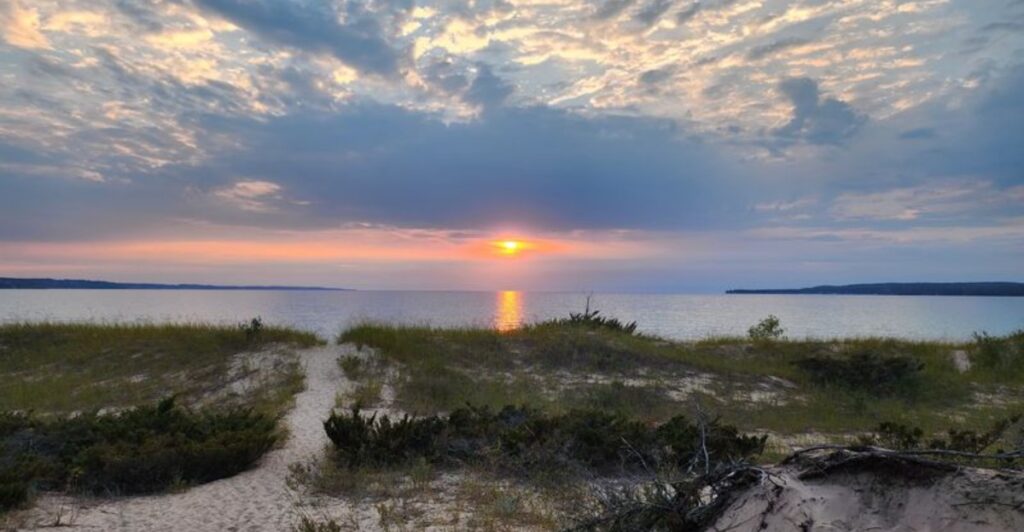
Beach walks feel a lot more exciting when the shoreline might be hiding a piece of ancient Michigan history. Along the state’s Great Lakes beaches, Petoskey stones turn an ordinary stroll into a small treasure hunt with their fossil-like honeycomb patterns and unmistakable local charm.
The appeal comes from how simple the search can be: water shoes, a small bag, patient eyes, and enough time to let the waves reveal something special. Some of Michigan’s prettiest beaches also happen to be good places to look, which makes the hunt even better.
For anyone who loves shoreline scenery with a little discovery built in, these Petoskey stone beaches deserve a spot on the list.
1. North Point Nature Preserve
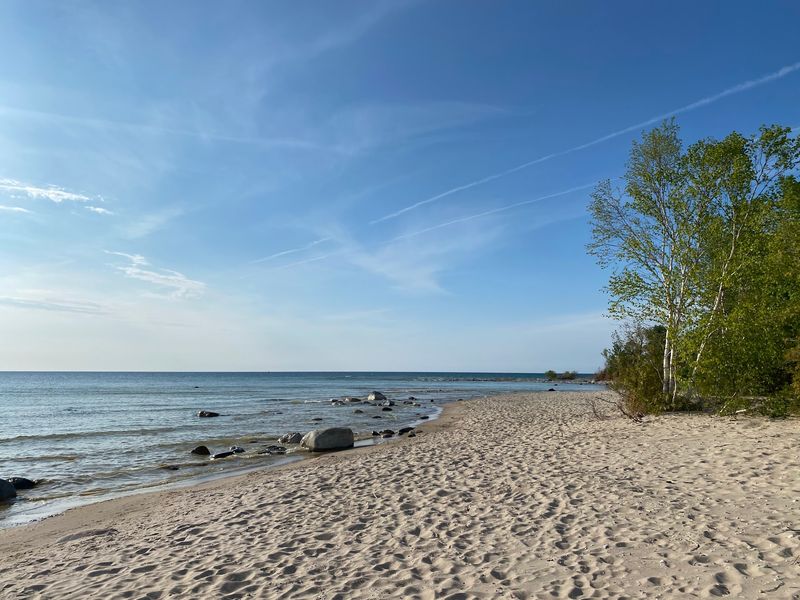
Early light can give this shoreline a real advantage. When the water sits calm and the sun hits at an angle, the rounded fossil pattern on a Petoskey stone is often easier to notice among plain gray rocks.
North Point Nature Preserve works best for patient walkers who do not mind slowing down. You can scan the waterline, check damp gravel, and pause wherever waves have sorted stones into narrow bands.
Footwear matters more here than many first timers expect. A pair of water shoes or old sneakers can help you move comfortably over mixed sand, pebbles, and slick stones without cutting the hunt short.
Try looking after a breezy day rather than during rough surf. Once the lake settles, fresh material may be spread along the edge, and that is often when careful searchers get their best look.
A small container beats stuffing finds into a pocket. Wet stones can be heavier than they seem, and a simple mesh bag lets sand fall through while keeping your hands free.
Do not rush for the biggest rock in sight. Many good Petoskey stones are modest in size, smooth from the water, and easy to miss because they blend in until they are wet.
Color can fool you at first. Plenty of pieces look plain beige or gray until lake water brings out the familiar coral cells, so it helps to dip doubtful stones before deciding.
Families can make the search more fun by giving everyone a small area to check. That simple move cuts down on crowding and keeps the walk relaxed instead of turning it into a race.
Bring a towel and a little patience. Even on a slow day, the setting still gives you a quiet stretch of shoreline and a better souvenir story than anything hanging on a gift shop rack.
If conditions are bright, calm, and cool, you may want extra time here. North Point rewards the kind of beachcombing that turns a casual stop into a satisfying little mission.
2. Peterson Park

Some beaches make you work a little, and that is part of the fun. Peterson Park has the kind of shoreline where a careful eye, steady pace, and decent shoes can pay off nicely.
The beach often mixes larger rocks with smaller gravel, so scanning in layers helps. Look first for rounded stones near the water, then check pockets where wave action has tucked pieces together.
Cloudy skies are not always bad for hunting. Soft light can cut glare on wet stones, which sometimes makes the honeycomb pattern stand out better than it does in harsh midday sun.
A simple trick is to carry a water bottle just for rinsing. Splashing a dry stone can reveal details fast, saving you from hauling home a bag full of lookalikes.
You will probably notice that pace matters here. Fast walkers usually pass over good candidates, while slower searchers catch subtle shapes, smoother surfaces, and the faint cell pattern that marks the real thing.
Kids often enjoy this beach because every patch looks a little different. One area may be packed with pebbles, while another has flatter stones that are easier to inspect one by one.
It helps to keep expectations realistic. Some visits bring only one keeper or none at all, but the shoreline itself gives you plenty to enjoy while you search.
A short break can sharpen your eyes better than nonstop scanning. Sit for a minute, study a confirmed Petoskey stone photo on your phone, then start again with the pattern fresh in mind.
Respect the setting by taking only modest finds and leaving the rest for others to discover. That approach keeps the hunt fun and makes the beach feel welcoming on future trips too.
Peterson Park suits people who like a slower, quieter treasure hunt. Instead of rushing from spot to spot, you can let the shoreline reveal itself one careful glance at a time.
3. Petoskey State Park
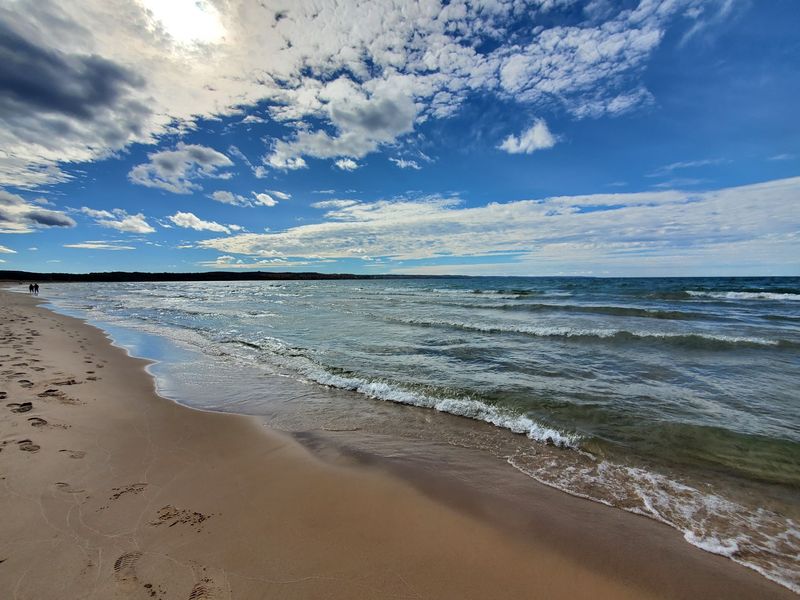
The name alone raises expectations, and for good reason. Petoskey State Park is one of those places where even a casual beach walk can turn into a serious scan of the shoreline.
You get a nice mix of beachgoing and stone hunting here. That balance makes it useful for groups, since some people can swim or relax while others focus on the gravel bands.
Start near the edge where wet stones collect. Petoskey stones usually show their pattern more clearly when damp, and that can save you from second guessing every pale rock you pick up.
Morning tends to be the easiest time for careful searching. Fewer footprints, lower glare, and a fresh look at the strand line can all help you spot stones before the day gets busy.
Bring a small bag, but do not load it too fast. It is smarter to keep only the best examples and spend more time searching than to carry a heavy pile of maybes.
One helpful habit is checking both sandier sections and rockier pockets. Waves do not sort every area the same way, and a stretch that looks ordinary can surprise you after ten quiet minutes.
New hunters often focus only on perfectly round stones. In reality, some good finds are lumpy, partly broken, or worn enough that the pattern shows on only one side.
If you are coming with kids, turn it into a pattern game. Ask them to look for tiny connected cells, almost like a fossil mosaic, instead of grabbing any smooth gray rock.
The beach can be popular, so patience helps. Rather than chasing spots where everyone else is bent over, walk a little farther and search an area that has fewer footsteps.
Petoskey State Park makes the hunt feel approachable without removing the challenge. You still need luck and attention, but the setting gives you a solid chance to learn what your eyes should seek.
4. Rex Beach at Antrim Creek Natural Area
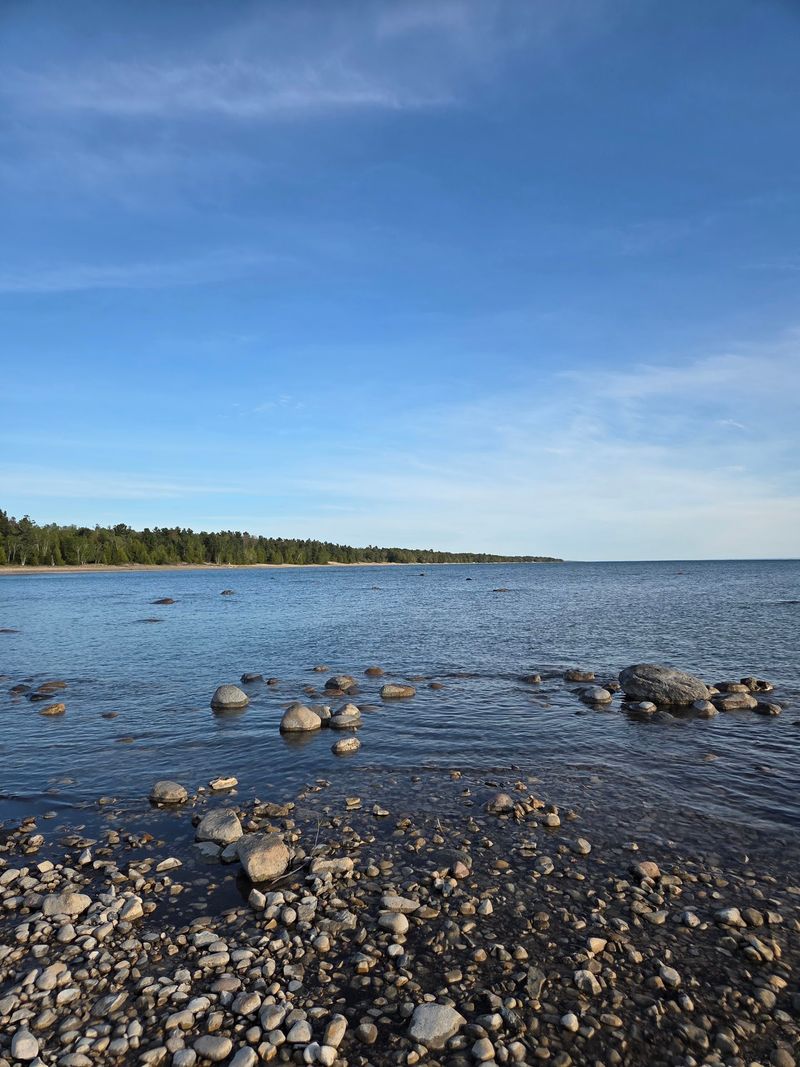
Rex Beach has a nice no fuss energy that suits stone hunters well. You arrive ready to pay attention, because the shoreline can look simple at first and then start showing useful details.
Instead of scanning every rock equally, watch for places where waves have made natural sorting lines. Those narrow bands of mixed gravel and rounded stones are often better than wide empty patches.
The trick here is staying flexible. If one stretch seems picked over or too sandy, move along and check areas where the texture underfoot changes from soft to crunchy.
Shallow water can be especially tempting on a clear day. With sun behind you, submerged stones sometimes reveal their patterns better than dry ones piled higher on shore.
A small net bag works well at Rex Beach. You can drop in possible finds, swish the bag in the water, and quickly compare stones without juggling everything in your hands.
There is also value in looking twice at pieces others skip. A flat stone with a dull surface may not catch attention until it gets wet, and then the classic coral cells appear.
Wind direction can change your luck more than you might expect. After wave action stirs the edge, fresh stones may be exposed, making a return visit smarter than writing off the beach too soon.
If your group includes beginners, pick one confirmed example online before you arrive. Having a simple mental picture helps keep the search focused and cuts down on random pocket filling.
Breaks matter, especially on a stony beach. Stop, stretch, and reset your eyes now and then, because fatigue makes ordinary rocks blend together after a while.
Rex Beach at Antrim Creek Natural Area is a good place for steady, observant hunting. It rewards readers of the shoreline, the kind who notice where water, light, and texture quietly do the sorting.
5. Frankfort Public Beach
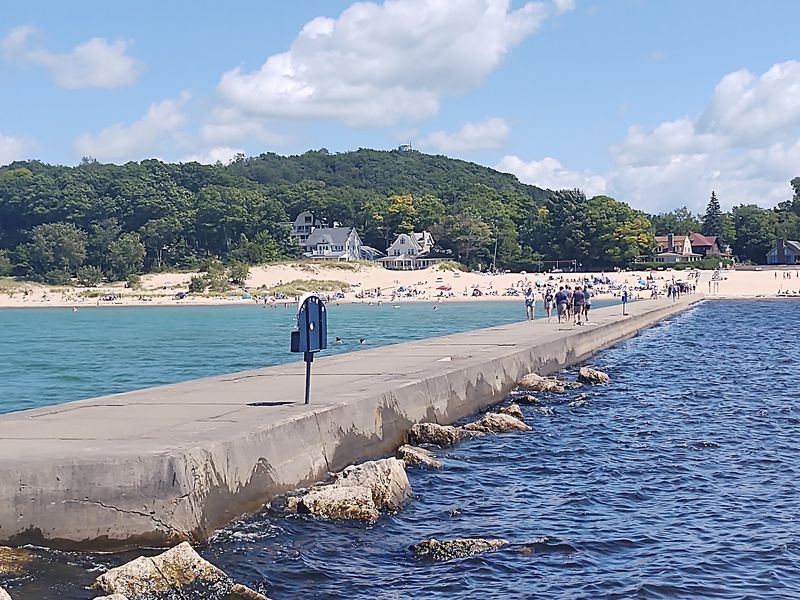
Frankfort Public Beach gives you room to roam, and that helps. On a broad shoreline, you can test different sections instead of spending all your time hoping one small patch delivers.
Start by noticing where sand gives way to pebbles. That border zone is often more interesting than the wide smooth middle, especially after lake movement has piled stones into fresh lines.
Because the beach feels open, it is easy to walk too fast. Slow your pace on the rockier stretches and let your eyes settle on shape, texture, and pattern instead of color alone.
Petoskey stones are rarely the flashiest pieces on the shore. Many are muted, rounded, and plain until wet, so carrying a little water or checking close to the waterline can really help.
Busy beaches also call for smart timing. Earlier hours often give you better searching before footprints, towels, and general beach activity take over the spots you want to inspect.
Children usually do better with a simple challenge than a long lecture. Ask them to hunt for a stone with a tiny honeycomb look, then compare finds together after a few minutes.
Another useful move is setting a distance goal. Walk one stretch without collecting anything, then turn around and search carefully on the way back with fresher eyes.
Do not be discouraged by long runs of ordinary rocks. Petoskey hunting can flip quickly from nothing to a solid find, especially when wave sorted material appears near a slight dip or curve.
Frankfort also works well for mixed travel plans. You can pair a beach stop with town time nearby, which makes the hunt feel easy to add instead of needing a full day.
For travelers who like a practical, flexible search, this beach fits nicely. You get space, scenery, and enough changing shoreline texture to keep the hunt interesting from start to finish.
6. Mt. McSauba Recreation Area and Beach
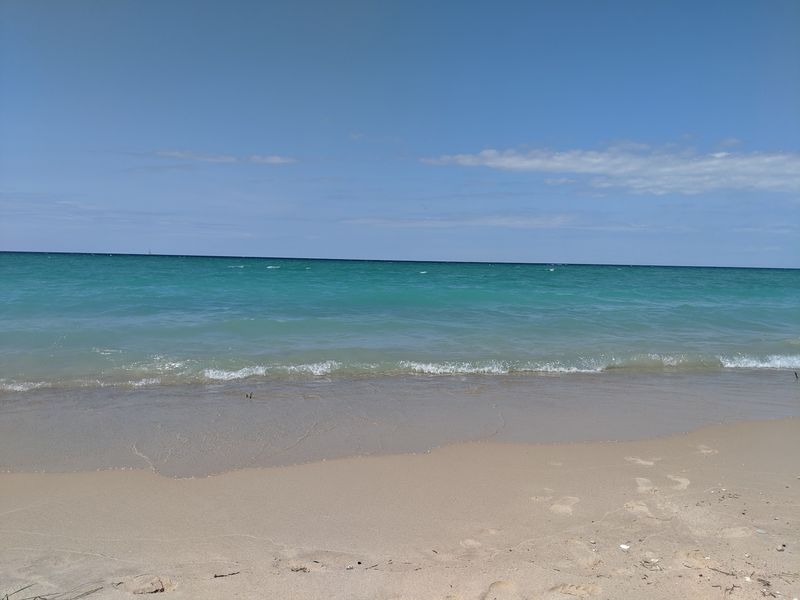
Mt. McSauba brings a playful mix of beach day and treasure hunt.
You can show up for the water, then end up crouched over a promising patch of stones longer than planned.
The shoreline here rewards close looking more than bold wandering. Rather than covering huge distance, focus on shorter sections where rounded stones collect and the lake has recently shifted material around.
One smart strategy is to search after swimming traffic dies down a bit. Quieter moments make it easier to notice subtle patterns and keep your attention on the ground.
Petoskey stones often hide among common gray stones with similar size and smoothness. The difference appears when the surface is wet, so keep doubtful pieces near the edge for a quick rinse.
If you are bringing kids, this beach can keep everyone moving without much effort. A short challenge to find the most unusual pattern usually works better than asking for nonstop searching.
Try not to judge a spot too quickly. Some stretches look sparse until you kneel down and realize the stones are tightly packed with small, inspectable pieces.
A lightweight towel is useful beyond drying off. It gives you a clean place to spread possible finds, compare them side by side, and decide which stones actually show the fossil pattern.
The beach setting makes casual hunters comfortable, but success still comes from patience. Spending ten focused minutes in one productive band often beats thirty distracted minutes of wandering.
Keep your collection modest and your standards high. One sharp, clearly patterned stone will mean more later than a pocket full of uncertain pieces gathered in a hurry.
Mt. McSauba Recreation Area and Beach is a nice match for travelers who want options.
You can keep the outing easygoing while still giving yourself a real shot at finding a natural Michigan keepsake.
7. Empire Beach
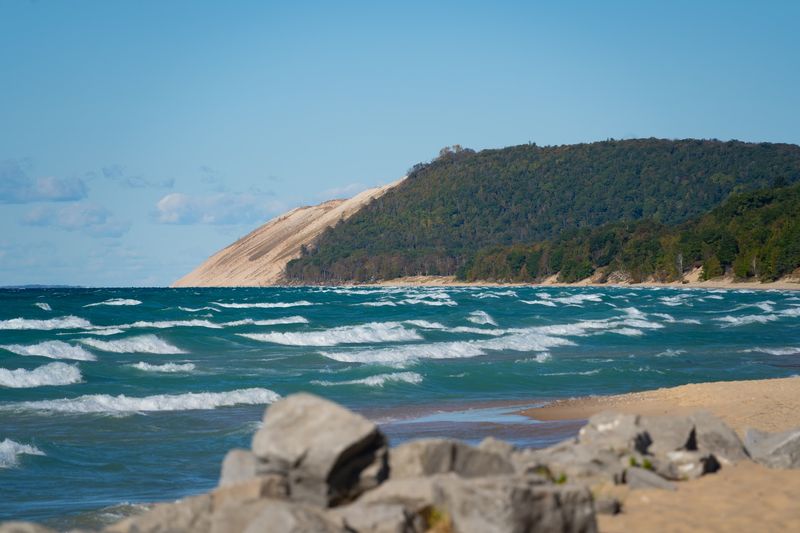
Empire Beach is the kind of place that can pull your eyes in two directions. The big water view grabs attention first, but the better move is to look down and start scanning.
For Petoskey hunting, transitions are your friend here. Check spots where sand, pebbles, and small washed stones meet, because shifting lake action often gathers interesting pieces along those uneven edges.
Bright afternoons can make everything sparkle too much. A morning walk or a softer light period can help you separate actual pattern from plain wet shine on ordinary stones.
You do not need special gear, but a few basics help. Water shoes, a small mesh bag, and a bottle for rinsing stones can turn a casual search into a more efficient one.
Empire works well for beginners because you can combine the hunt with a relaxed beach stop. That takes pressure off, which is useful since Petoskey stones rarely appear right on cue.
When you spot a possible find, check for connected cell shapes instead of random cracks. The pattern usually looks organized, almost like a fossil network, even when the stone is worn smooth.
Take advantage of the shoreline angle too. Looking with the sun behind you, rather than straight into glare, can improve your odds of seeing texture on wet surfaces.
Families often enjoy making a small sorting station on a towel. Gather a handful, rinse them, compare patterns, and return the ordinary ones before moving to the next patch.
Long empty stretches are part of the game, so keep your mood steady. One overlooked stone near your shoes can matter more than a hundred quick glances farther down the beach.
Empire Beach offers a search that stays simple and scenic. You can wander, learn the pattern with practice, and leave with either a real find or sharper eyes for the next shoreline stop.
8. Fisherman’s Island State Park
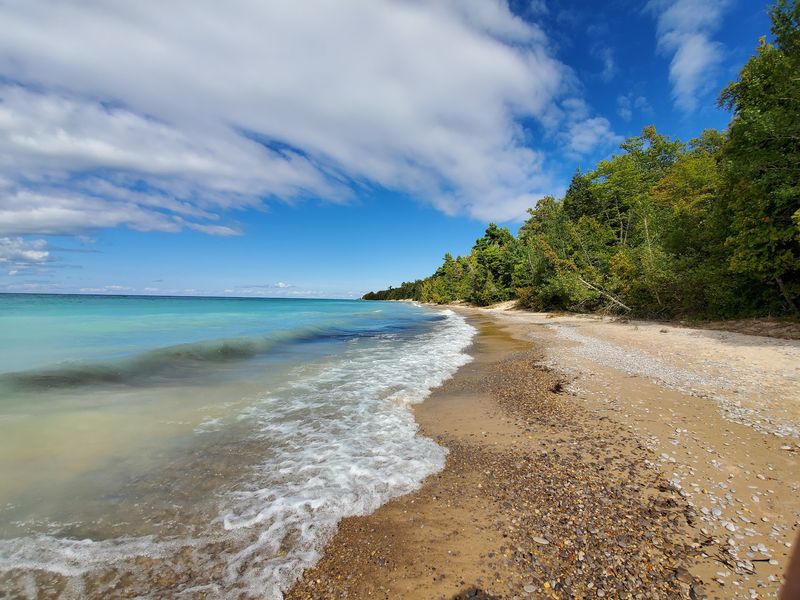
Fisherman’s Island State Park has a wilder edge, and that changes the hunt. Instead of a polished beach setup, you get a stretch that encourages observation, patience, and a little curiosity.
On beaches like this, variety can work in your favor. Different pockets of gravel, drifted material, and wave sorted stones give you several textures to check without seeing the same surface all day.
Do not expect every section to produce equally. One curve in the shoreline may seem empty, while another nearby collects rounded stones that deserve a much slower walk.
A calm day after recent wave action can be especially useful. Freshly moved stones often create the best opportunities, especially where the water has left a neat line of damp rocks.
Because the setting can feel more rugged, comfort matters. Bring sturdy shoes, a layer for wind, and enough water so you are not tempted to rush back early.
Petoskey stones can blend in well with other smooth beach stones here. Focus on surface pattern first, then shape, rather than assuming the roundest or prettiest rock will be the right one.
This park rewards people who can settle into a rhythm. Walk, pause, crouch, rinse, and repeat is a better formula than covering distance with your head half raised.
If you are searching with a partner, divide jobs for a while. One person can scan the dry upper line while the other checks the damp edge, then compare results and switch.
The quieter feeling adds to the appeal, but the hunt stays practical. You are really reading how the lake has arranged the shore and using that clue to narrow your search.
Fisherman’s Island State Park suits travelers who like a beach with a bit more character. The reward may be a Petoskey stone, but the process itself is what makes the stop memorable.
9. Point Betsie Lighthouse Beach
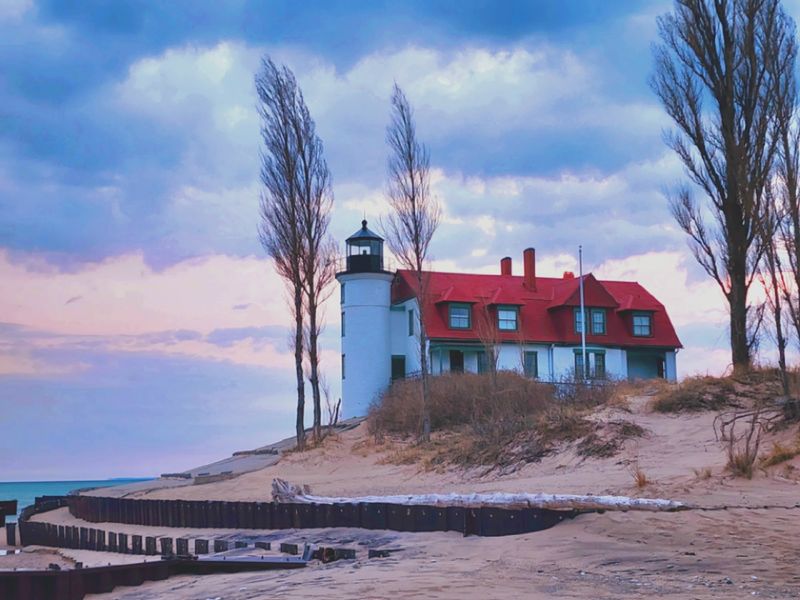
A lighthouse in view can distract even a focused beachcomber. At Point Betsie Lighthouse Beach, the smart move is enjoying the landmark while still giving careful attention to the wet stones underfoot.
The shoreline here can shift in texture from one small stretch to the next. That makes it useful to check several pockets rather than betting all your time on the first promising patch.
Petoskey hunting often improves when you work close to the waterline. Wet surfaces reveal patterns better, and recently washed stones tend to be easier to inspect than dry ones farther up.
Because this is a photogenic stop, it helps to separate your goals. Spend a few minutes taking in the scene, then switch fully into search mode so your eyes stop drifting upward.
A low crouch can make more difference than people expect. From closer to the ground, subtle pattern and texture become easier to notice among stones that all looked similar while standing.
Kids may like this beach because the setting already feels like an outing with a mission. Give them a simple rule, such as choosing only stones that show a repeating cell pattern.
Windy days can make long searching sessions less comfortable, so dress with that in mind. A light jacket and secure hat are small choices that can buy you much more hunting time.
Try comparing stones in pairs when you get stuck. Holding a likely candidate next to an ordinary smooth rock can make the fossil pattern stand out more clearly.
Point Betsie works especially well for travelers who want scenery with their search. You are not staring at the ground in a forgettable spot, and that keeps the outing lively even on slow hunts.
With patience, this beach offers more than postcard views. It gives you a chance to leave with a naturally patterned stone and a shoreline memory that beats any trinket shop shelf.
10. Magnus Park City Beach
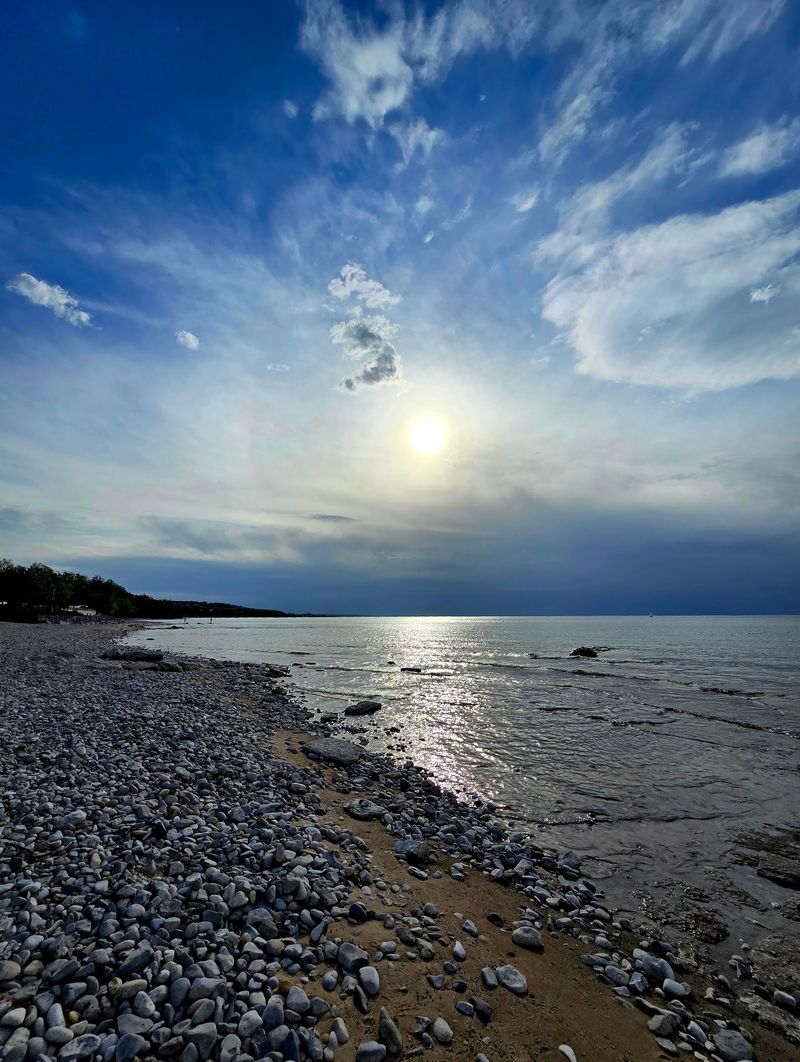
Magnus Park City Beach is a good reminder that easy access and good hunting can go together. You can arrive without much fuss and still find plenty of reason to keep your eyes on the shore.
Look for sections where small stones gather in loose bands instead of thick piles. Those spread out areas can be easier to search because each rock has a bit more space around it.
When conditions are bright, use the sun wisely. Stand so light falls across the stones rather than straight back at you, and patterns may show up faster on wet surfaces.
Beginners often do well here by keeping the search simple. Focus on smooth, rounded stones with a pale gray or tan look, then rinse anything that hints at a repeating cell design.
You do not need to cover the whole beach. A careful ten minute pass through one productive stretch can beat a long wandering walk that never settles into real observation.
If children are joining in, try a compare and return method. Let them gather a few candidates, inspect them together, keep the best one, and put the rest back before moving on.
Take advantage of the beach texture changes after lake movement. A section that looked plain on one visit may collect fresh stones after weather shifts, so repeat stops can pay off.
Comfort matters for concentration. Water shoes, sunscreen, and a small bag for finds keep the outing practical and stop little annoyances from cutting the hunt short.
Magnus Park also works for travelers with mixed plans for the day. You can fit in a focused search without turning the beach stop into a major expedition.
That flexible setup is part of the appeal. The beach invites a low pressure hunt, yet it still gives careful searchers a fair shot at finding a Petoskey stone worth carrying home.
11. Michigan Beach Park – Charlevoix
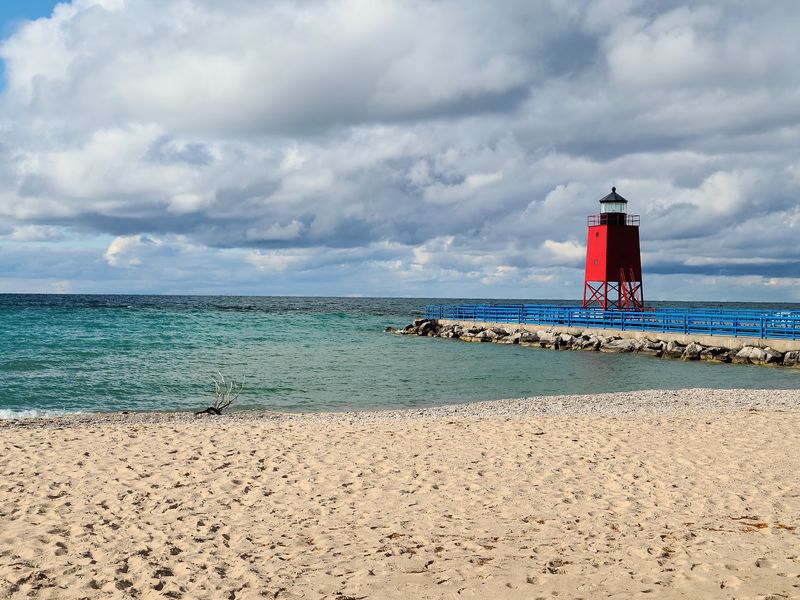
Michigan Beach Park in Charlevoix makes a strong case for trading shopping time for shoreline time. A walk here can turn practical fast once you notice how many stones deserve a second look.
The best approach is to treat the hunt like a slow scan, not a quick grab. Watch the waterline, check damp gravel bands, and keep an eye on stones that look plain until rinsed.
This beach can suit families well because the outing stays simple. You can stroll, pause often, and let each person search a small section without turning the whole stop into hard work.
Petoskey stones are easiest to confirm when wet, so keep close to the edge at first. That way, a likely piece can be dipped right away and judged before it joins your collection.
One useful habit is carrying only your strongest candidates. Too many maybes get heavy, and they also make it harder to remember which stones actually showed a clear coral pattern.
Look for rounded pieces with connected cells rather than random speckles. Once your eyes lock onto that pattern, the beach starts to look different and ordinary rocks become easier to rule out.
Timing can improve the experience too. A less crowded part of the day gives you room to move slowly and notice productive patches that might be missed in a busier rush.
Short breaks help more than most people think. Stand up, stretch, and reset your focus before the stones all start blending together into one gray blur.
Even when the hunt is slow, the payoff is still solid. You spend time at the lake, sharpen your eye, and avoid leaving with a souvenir made somewhere far from Michigan.
Michigan Beach Park – Charlevoix offers the kind of search that stays approachable. It does not promise instant success, but it gives you a pleasant, practical place to try your luck carefully.