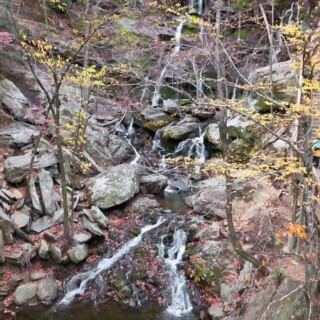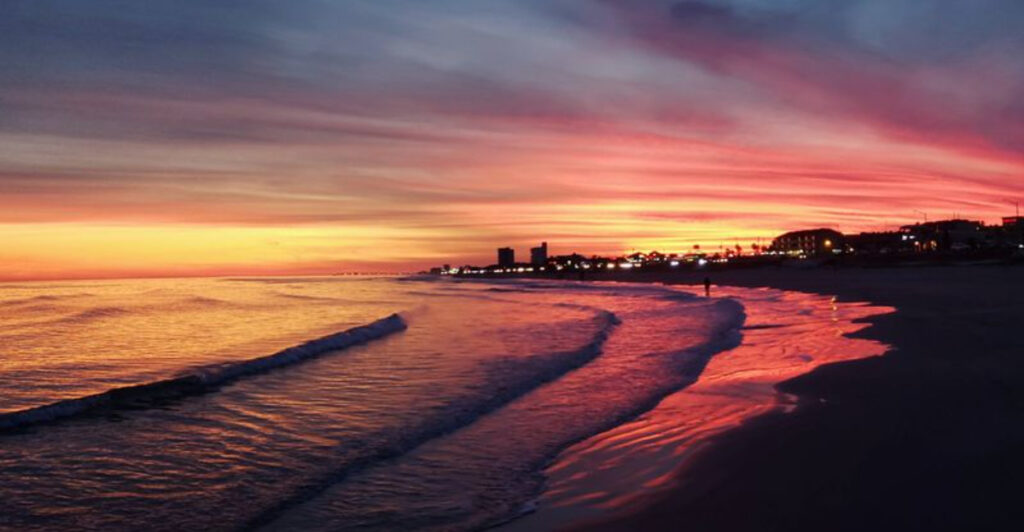
Texas is famous for the Alamo, South by Southwest, and rodeos, but those hotspots are packed with crowds and overpriced parking. The real magic happens in places most visitors never hear about—hidden canyons with ancient rock art, crystal-clear swimming holes in the desert, and quirky museums that tell stories you won’t find in guidebooks. These ten spots offer authentic Texas experiences without the chaos, giving you room to explore, breathe, and actually enjoy your trip.
1. Pedernales Falls State Park (Johnson City)
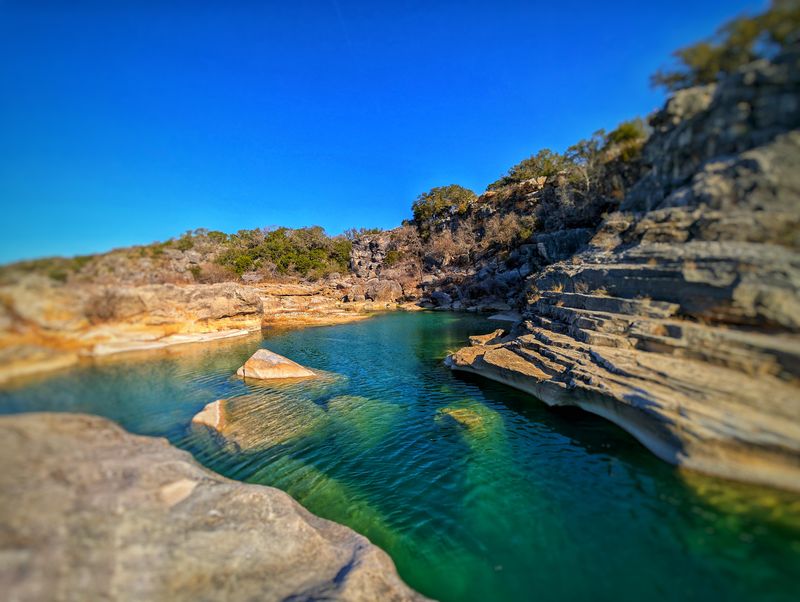
About an hour west of Austin, limestone shelves create a stair-step waterfall that stretches wider than a football field during spring runoff. The Pedernales River carves through layers of rock that are millions of years old, forming pools that shimmer turquoise when the sun hits just right. You can wade in shallow areas upstream or hike the trails that loop around the falls for different vantage points.
Bring sturdy shoes because the rocks can be slippery, and pack a picnic—there are shaded tables near the river where you can eat lunch while watching painted buntings flit through the trees. The park gets busy on weekends, but weekday mornings feel almost private. Early summer is ideal because wildflowers blanket the hillsides and the water level is still high enough to make the falls dramatic.
If you camp overnight, you’ll hear coyotes yipping after dark and wake up to deer grazing near your tent. The night sky here is stunning since there’s minimal light pollution. Swimming is allowed in designated areas, but always check current conditions because flash floods can turn the gentle river into a raging torrent within minutes.
The trails range from easy riverside walks to challenging ridge climbs that reward you with panoramic views of the Hill Country. Bird-watchers love this spot—over 150 species have been recorded here, including golden-cheeked warblers that nest only in central Texas. You won’t find souvenir shops or cotton candy stands, just raw Texas landscape and the sound of water rushing over ancient stone.
2. National Cowgirl Museum & Hall of Fame (Fort Worth)
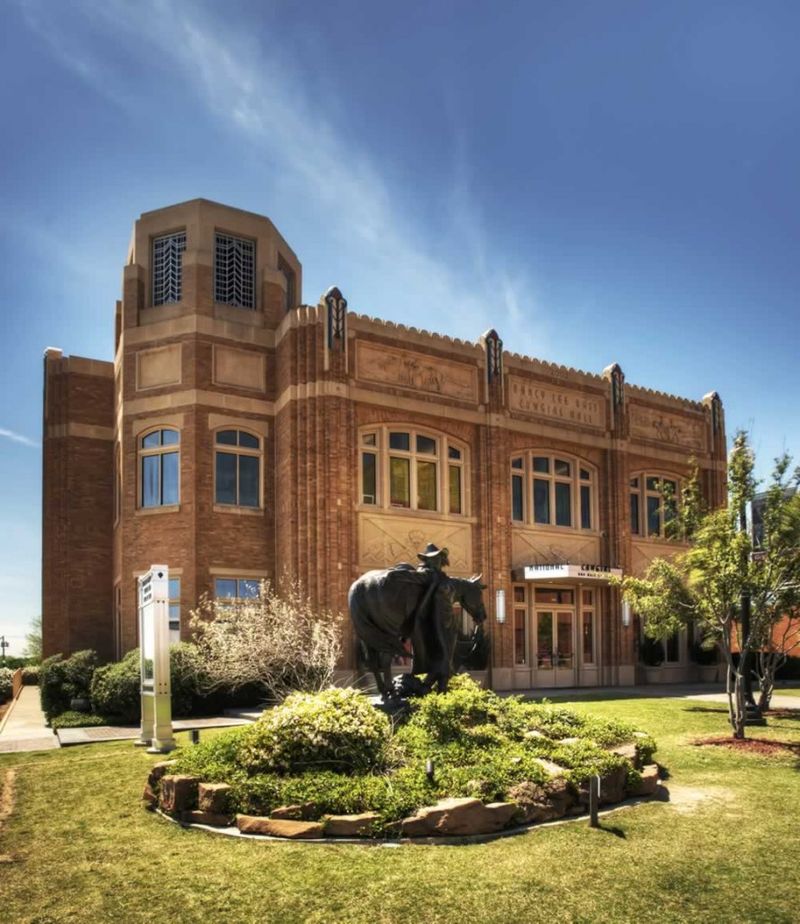
Fort Worth’s Cultural District holds a museum dedicated entirely to women who shaped the American West, and it’s nothing like the dusty cowboy exhibits you might expect. Interactive galleries showcase rodeo champions, ranchers, artists, and activists who broke barriers when society told them to stay home. You’ll see Annie Oakley’s firearms, Georgia O’Keeffe’s paintings inspired by New Mexico landscapes, and videos of modern barrel racers flying around barrels at breakneck speed.
The Hall of Fame honors over 200 women, from frontier settlers who defended homesteads to contemporary veterinarians working on massive cattle operations. Touchscreen displays let you explore their stories in depth, and rotating exhibits highlight different aspects of Western heritage. Kids love the hands-on area where they can practice roping and try on cowgirl gear.
What makes this place special is how it reframes Western history through women’s perspectives, showing their contributions that textbooks often skip. You’ll learn about Henrietta Chamberlain King, who ran the massive King Ranch after her husband died, expanding it into an empire. Or Lucille Mulhall, who could rope eight horses at once and performed for Teddy Roosevelt.
The architecture itself is worth admiring—soaring ceilings and natural light create an inspiring atmosphere. Plan at least two hours to explore properly, and don’t miss the theater where short films bring these women’s achievements to life. The gift shop sells books, jewelry, and art by contemporary Western women artists, offering unique souvenirs you won’t find at chain stores.
This museum proves the Wild West wasn’t just wild—it was filled with women who refused to be sidelined.
3. Seminole Canyon State Park & Historic Site (Comstock)
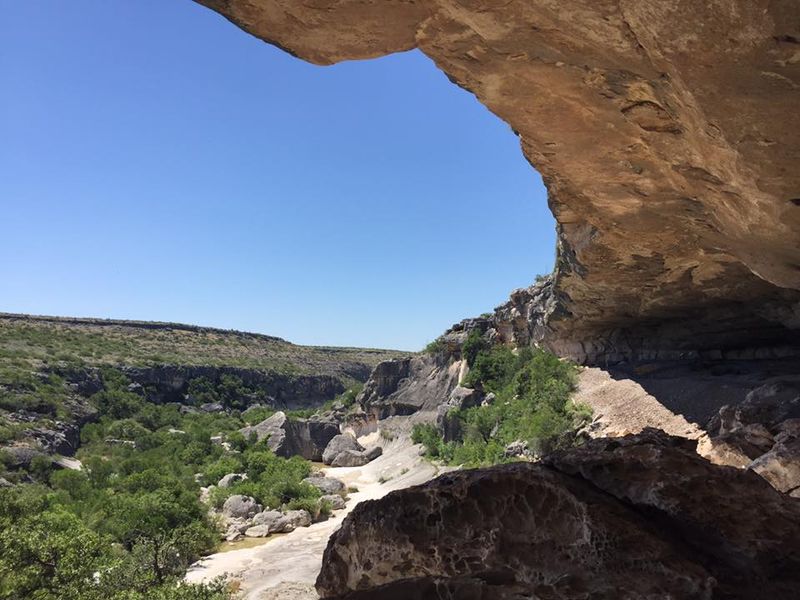
Deep in the Chihuahuan Desert, canyons hide 4,000-year-old rock art that rivals anything you’d travel to Europe to see. Fate Bell Shelter preserves vivid pictographs painted by prehistoric hunter-gatherers—shamanic figures, animals, and geometric patterns in red, black, yellow, and white pigments made from minerals and plants. Rangers lead guided hikes to the shelter because the trail is steep and the art is fragile, but the journey down into the canyon feels like stepping back through millennia.
The park sits in one of Texas’s most remote corners, where the Pecos River meets the Rio Grande. Temperatures soar in summer, so visit between October and April when mornings are crisp and hiking is pleasant. The canyon walls tower overhead, creating microclimates where ferns and moss thrive despite the surrounding desert.
Besides the guided tours, you can explore other trails that wind through prickly pear forests and past rock overhangs where you might spot more faded art. Bring binoculars for birdwatching—zone-tailed hawks and golden eagles nest in the cliffs. The visitor center displays artifacts and explains how archaeologists dated the paintings and what they might have meant to the people who created them.
Camping here means genuine solitude. You’ll share the night with javelinas and kit foxes instead of crowds. The stars are phenomenal because you’re far from any city lights.
Photography enthusiasts should time visits for early morning when the sun illuminates the canyon walls without harsh shadows. This isn’t a quick roadside stop—you need to commit time and energy, but the reward is experiencing sacred art in its original context, untouched by commercialization.
4. Wild Basin Wilderness Preserve (Austin)
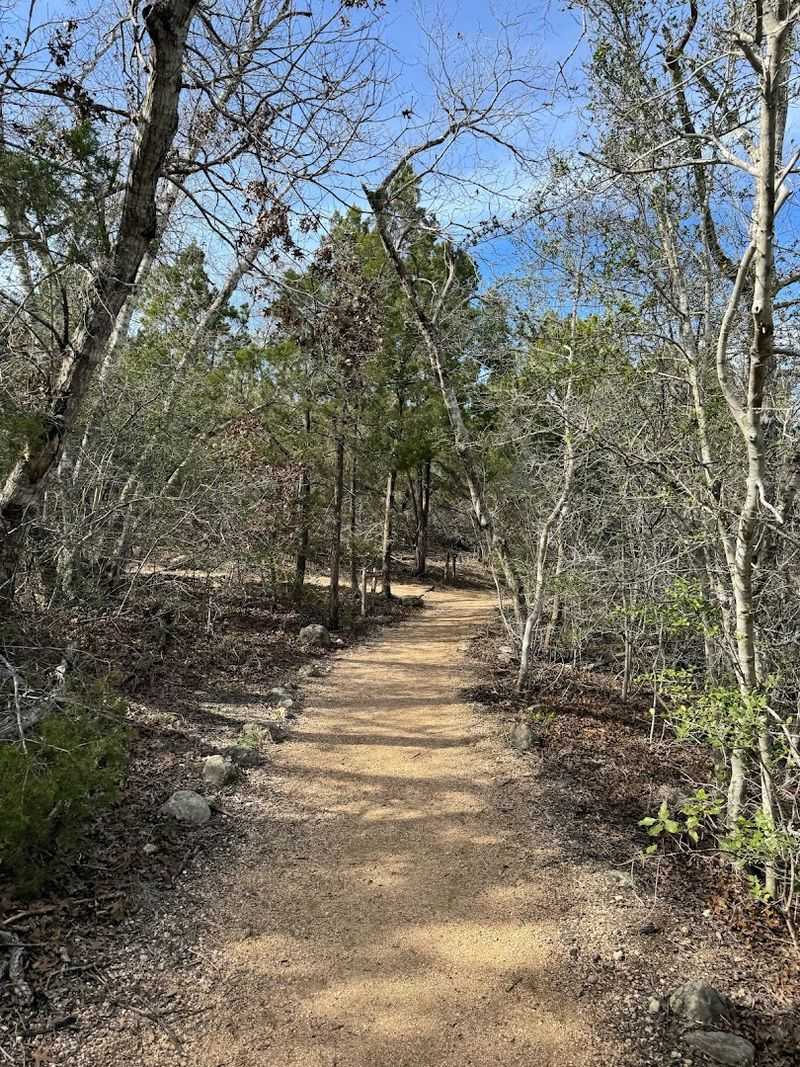
Tucked into West Austin’s hills, this 227-acre preserve offers an escape from the city without actually leaving town. Creeks tumble over limestone ledges, creating small waterfalls and pools where you can cool off after hiking. The trails wind through juniper and oak forests, past caves where bats roost, and across meadows where wildflowers bloom in spring.
Unlike Austin’s crowded Barton Creek Greenbelt, Wild Basin limits visitor numbers to protect the ecosystem, so you’ll rarely encounter big groups. The preserve focuses on conservation and education—volunteers lead nature walks explaining the Hill Country ecology, from golden-cheeked warblers to black-capped vireos. You might spot armadillos digging for grubs or watch a great blue heron fishing in the creek.
The main loop trail is moderate, with some rocky sections that require careful footing. Side paths lead to scenic overlooks and quiet spots perfect for sketching or journaling. Bring a field guide because the plant diversity is remarkable—you’ll see everything from delicate columbines to massive live oaks that have stood for centuries.
The preserve is nonprofit-run, relying on donations and memberships, which means facilities are basic but well-maintained. There’s no playground or picnic pavilions, just nature. That simplicity is the point.
Families with curious kids will appreciate the interpretive signs that turn a hike into a learning adventure.
Visit after a rain when the waterfalls are most impressive, but avoid the trails if thunderstorms threaten because flash flooding is real. Early mornings offer the best wildlife viewing and cooler temperatures. This preserve proves you don’t need to drive hours for wilderness—sometimes the best nature experiences hide in your own backyard, waiting for you to slow down and notice.
5. Balmorhea State Park (Toyahvale)
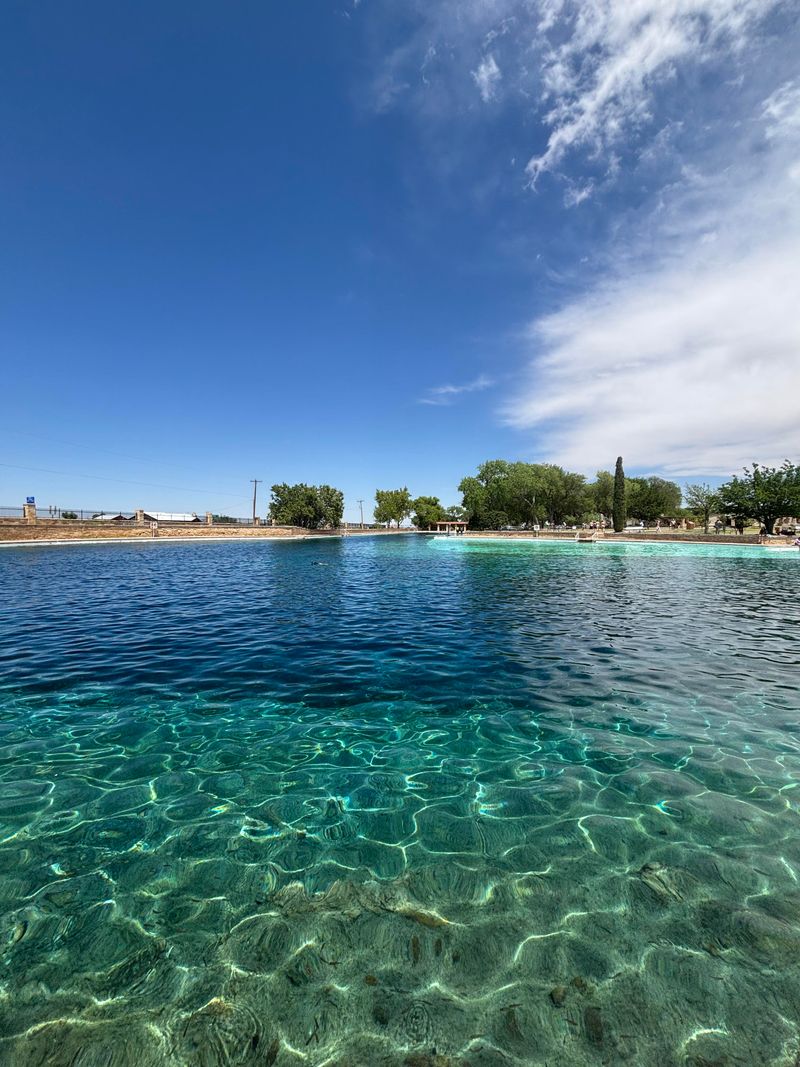
In the middle of West Texas desert, a spring pumps 15 million gallons of crystal-clear water daily into what might be the state’s best swimming hole. The pool stretches nearly two acres, with depths reaching 25 feet in spots, and stays a constant 72-76 degrees year-round. You can see straight to the bottom even in the deepest sections, watching endangered Comanche Springs pupfish dart among underwater plants.
Built by the Civilian Conservation Corps in the 1930s, the pool uses natural spring water that’s so pure you can drink it. Scuba divers come to practice in the clear conditions, and snorkelers glide above rocky ledges where aquatic vegetation sways. The water is cool enough to be refreshing in summer but not so cold you can’t stay in for hours.
Surrounding the pool, the park offers camping, picnic areas, and a small motel built from local stone. The desert landscape feels stark—creosote bushes, yuccas, and endless sky—but the spring creates an oasis that attracts hundreds of bird species during migration. Sunrise at the pool is magical, with steam rising off the water and mountains turning pink in the distance.
Weekends draw crowds, especially in summer, so arrive early or visit midweek. The park limits swimmer numbers to prevent overcrowding, which means you might wait during peak times. Bring your own snorkel gear because rentals aren’t always available, and pack a lunch since the nearest restaurants are miles away.
This isn’t a waterpark with slides and lazy rivers—it’s a natural spring enhanced thoughtfully to allow swimming while protecting the ecosystem. The simplicity is the appeal. You swim where water has bubbled up from underground aquifers for thousands of years, in a pool that feels both ancient and timeless, surrounded by desert that stretches to the horizon.
6. El Paso (El Paso)
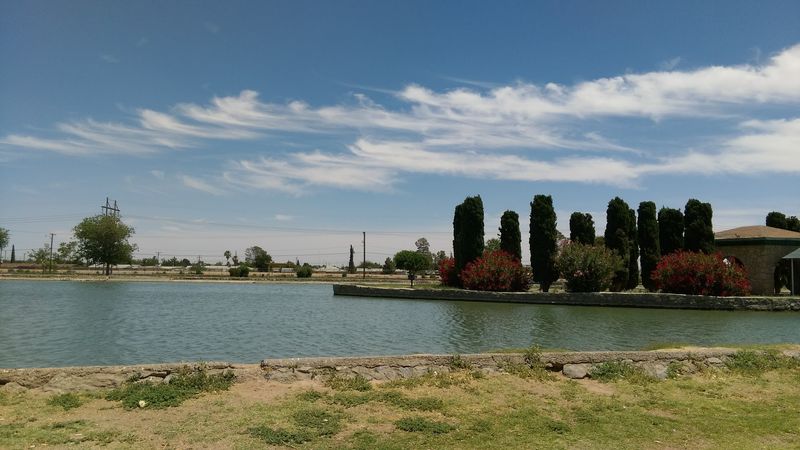
Sitting where Texas, New Mexico, and Mexico converge, this border city offers a cultural blend you won’t find anywhere else in the state. The Franklin Mountains rise right through the middle of town, creating hiking trails with views across three states and into Juárez. Downtown mixes historic Spanish missions with modern art installations, while neighborhoods serve authentic Mexican food that puts chain restaurants to shame.
Hueco Tanks State Park, just outside the city, attracts rock climbers from around the world who come to scale ancient boulders covered in Native American pictographs. The tanks—natural rock basins that collect rainwater—supported human life for thousands of years. You need reservations because the park limits visitors to protect the archaeological sites, but guided tours reveal hidden art and explain the area’s significance.
El Paso’s food scene reflects its border location. You’ll find menudo shops open at dawn, tortilla factories where women hand-pat masa, and taquerias serving breakfast burritos the size of your forearm. The Mercado Mayapan offers fresh produce, spices, and prepared foods in a traditional market setting.
Don’t miss trying chile con queso made the El Paso way—smooth, spicy, and nothing like the processed stuff elsewhere.
The city feels less frantic than Dallas or Houston, with a relaxed pace that matches the desert climate. Summer heat is intense, so spring and fall are ideal for exploring. The Mission Trail connects three Spanish colonial missions built in the 1680s, offering history and architecture in a quiet, contemplative setting.
Most tourists skip El Paso entirely, heading straight for Big Bend or Marfa. That’s a mistake. This city has 400 years of layered history, outdoor adventures in the Franklin Mountains, and a genuine border culture that’s evolved organically rather than being packaged for visitors.
You’ll leave with a deeper understanding of what Texas actually is—not just cowboy hats and oil wells, but a complex place where cultures meet and blend.
7. Galveston (Galveston)
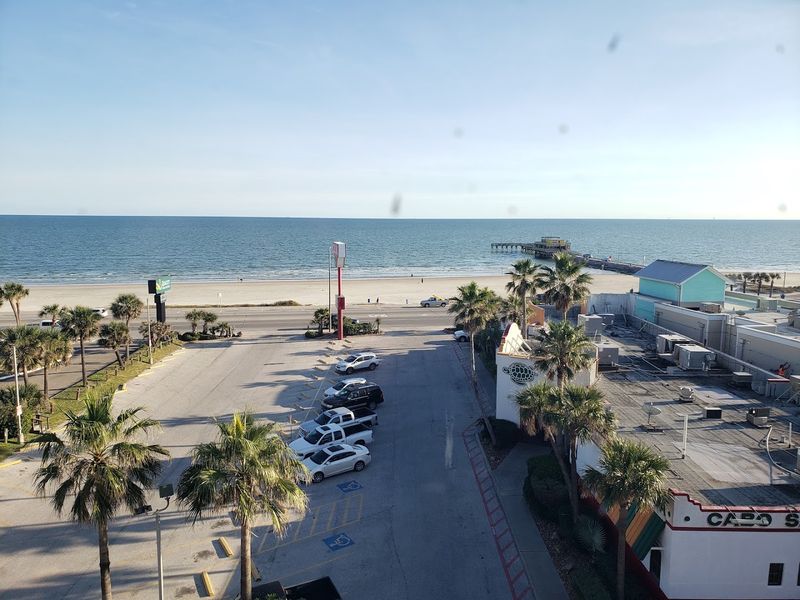
An hour south of Houston, this barrier island mixes beach town vibes with Victorian architecture and a complicated history. The Strand Historic District preserves ornate buildings from Galveston’s era as Texas’s wealthiest city, before the 1900 hurricane killed thousands and shifted power to Houston. Walking these streets feels like exploring a place frozen in time—iron balconies, brick facades, and shops selling antiques and local art.
The beaches aren’t Caribbean-perfect, but they’re accessible and less crowded than South Padre Island. Stewart Beach offers family-friendly amenities, while East Beach attracts a younger crowd with live music and volleyball. The water is murky because of sediment from the Mississippi River, but it’s warm and swimmable.
Fishing from the piers is popular, and dolphin-watching tours depart daily from the harbor.
Bishop’s Palace, a Victorian mansion built in 1892, showcases the wealth that once flowed through Galveston. The architecture is stunning—turrets, stained glass, and intricate woodwork. Moody Mansion offers another glimpse into Gilded Age luxury.
These aren’t just museums; they’re time capsules showing how the elite lived when Galveston was Texas’s most important port.
The island’s food scene leans heavily on Gulf seafood. Gaido’s has served fried shrimp and crab since 1911, while newer spots experiment with coastal cuisine. Don’t leave without trying gumbo—Galveston’s version reflects both Cajun and Texan influences.
The Pleasure Pier offers carnival rides extending over the Gulf, fun for kids but touristy.
What makes Galveston interesting is its layers—beach resort, historic port, survivor of natural disasters, and modern city trying to balance preservation with development. You can spend mornings on the beach, afternoons touring Victorian homes, and evenings eating fresh seafood while watching the sun set over the Gulf. It’s not fancy or pristine, but it’s authentic Texas coast, complete with salt air and stories of resilience.
8. Fort Worth (Fort Worth)
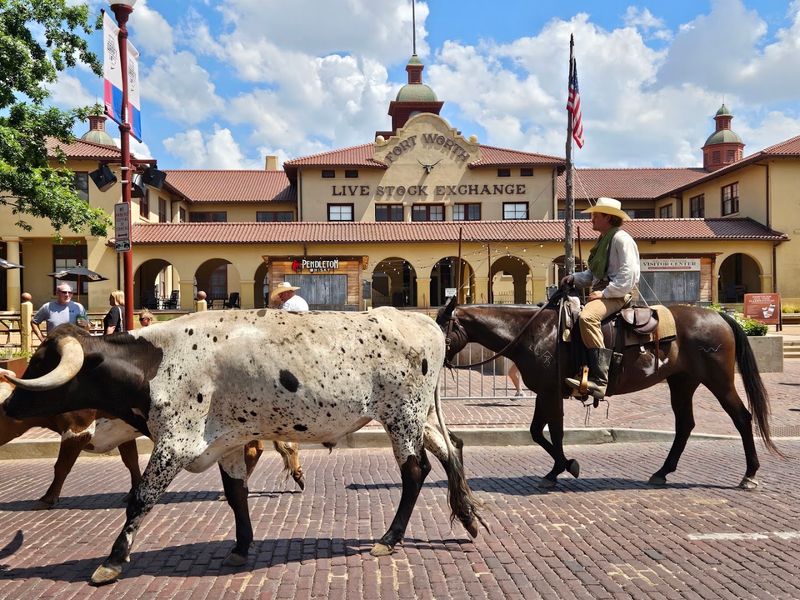
While Dallas gets the spotlight, its neighbor to the west quietly offers more authentic Texas character. The Stockyards National Historic District preserves the city’s cattle-trading heritage with twice-daily longhorn drives down brick streets, honky-tonks where you can two-step to live music, and rodeos every weekend. Cowboys here aren’t costume performers—many work actual ranches and come to town for competition and nightlife.
The Cultural District rivals any major city’s museum offerings. The Kimbell Art Museum houses works by Caravaggio, Monet, and Picasso in a building designed by Louis Kahn that’s itself a masterpiece. The Modern Art Museum focuses on postwar American and European art, while the Amon Carter showcases Western American art and photography.
You can spend an entire day museum-hopping without repeating yourself.
Fort Worth Botanic Garden offers 110 acres of themed gardens, including a Japanese Garden with koi ponds and traditional architecture. Trinity Park surrounds the gardens, providing trails for running and cycling. The city invested heavily in parks and green spaces, creating an urban environment that feels less congested than other Texas metros.
Downtown’s Sundance Square buzzes with restaurants, theaters, and shops in restored historic buildings. Street performers entertain crowds, and food trucks serve everything from barbecue to Vietnamese banh mi. The atmosphere is walkable and friendly, lacking the corporate sterility of some revitalized downtowns.
What sets Fort Worth apart is how it balances Western heritage with sophisticated culture. You can watch cutting horses compete in the morning, tour world-class art in the afternoon, and dance to country music at night. The city doesn’t apologize for being Texan—it celebrates that identity while also embracing arts, education, and diversity.
Locals call it “Where the West Begins,” and that’s accurate. This is where urban Texas meets ranch country, creating something that feels both cosmopolitan and authentically Western, a combination you won’t find just anywhere.
9. Big Thicket National Preserve (Kountze)
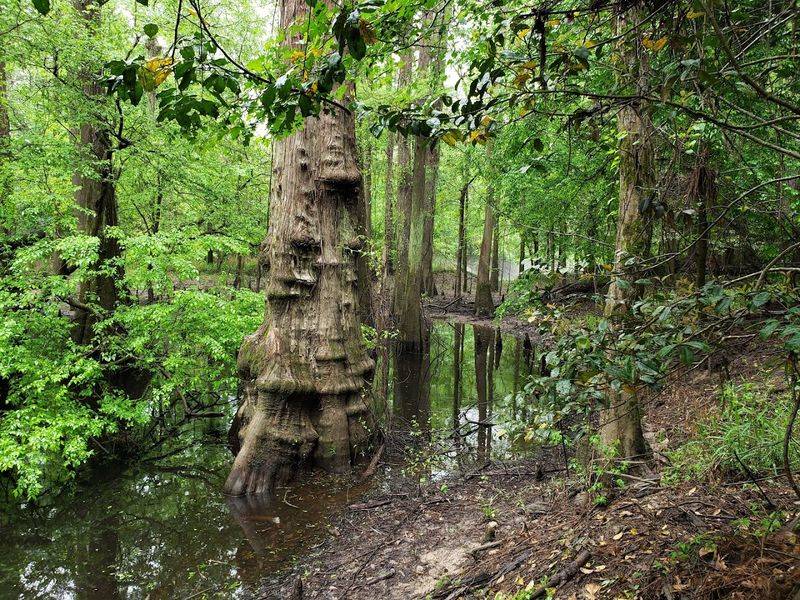
Where East Texas transitions into Louisiana, ecosystems collide in a biological crossroads unlike anywhere else. Desert plants from the Southwest grow alongside cypress swamps, while southeastern pine forests meet midwestern prairies in a 100,000-acre preserve that scientists call “the biological crossroads of North America.” You can hike through nine different ecosystems in a single day, each supporting unique plants and animals.
The preserve isn’t a single park but rather scattered units protecting different habitats. Kirby Nature Trail offers an easy boardwalk through a cypress slough where alligators sun themselves and prothonotary warblers nest. The water is tea-colored from tannins, creating an otherworldly atmosphere when sunlight filters through Spanish moss.
Carnivorous pitcher plants grow in boggy areas, trapping insects in their tubular leaves.
Paddling the Neches River or Village Creek reveals the preserve from a different perspective. Turtles plop off logs as you glide past, and herons stalk fish in the shallows. Camping along the waterways is primitive but rewarding—you’ll fall asleep to bullfrogs and wake to bird calls.
Bring bug spray because mosquitoes are relentless, especially in summer.
The preserve’s diversity extends to wildlife. Black bears have returned after being locally extinct, and rumors of ivory-billed woodpeckers persist though none have been confirmed. More commonly, you’ll spot white-tailed deer, armadillos, and countless bird species.
The mix of habitats means you might see an eastern bluebird and a roadrunner on the same hike.
This isn’t manicured nature. The Thicket is wild, dense, and sometimes challenging to navigate. Trails can be muddy, and you’ll sweat through your shirt within minutes in summer.
But that rawness is precisely what makes it valuable. While tourists flock to beaches and mountains, Big Thicket remains overlooked, protecting ecosystems found nowhere else and offering experiences for those willing to embrace genuine wilderness.
10. Balcones Canyonlands National Wildlife Refuge (near Marble Falls)
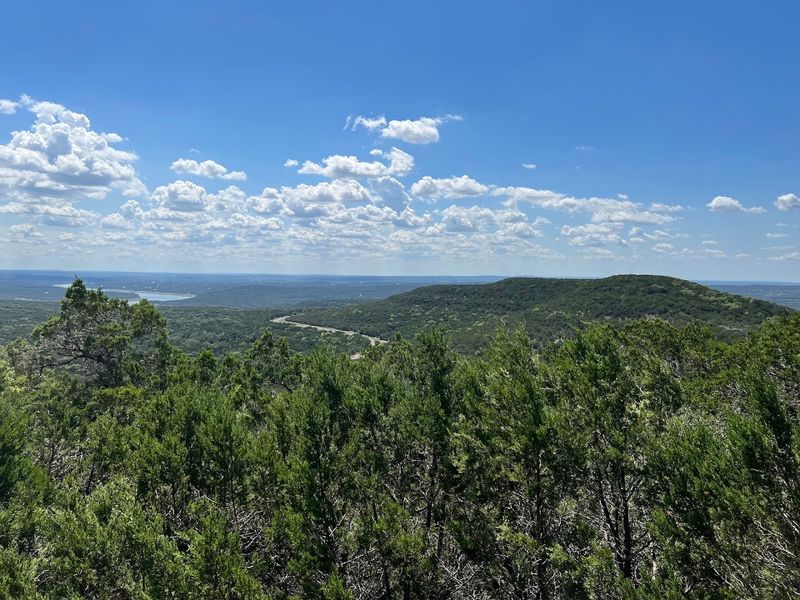
Northwest of Austin, canyons and mesas protect endangered songbirds that nest only in central Texas. The refuge was established specifically to save the golden-cheeked warbler, a small bird that builds nests exclusively from Ashe juniper bark strips. Black-capped vireos also breed here, along with dozens of other species that depend on Hill Country habitat disappearing to development.
Unlike many wildlife refuges, this one limits public access to protect nesting birds, but designated trails and seasonal tours let you explore without disturbing wildlife. The landscape is quintessential Hill Country—limestone outcrops, spring-fed creeks, and juniper-oak woodlands. Wildflowers explode in spring, painting hillsides with bluebonnets, Indian paintbrush, and wine cups.
Hiking here requires paying attention. Trails aren’t always well-marked, and the terrain is rocky. Wear boots with good ankle support and bring plenty of water because shade is limited.
The rewards include solitude and the chance to spot rare birds. Bring binoculars and a field guide, or join a ranger-led bird walk during spring migration when warblers return from Central America.
The refuge also protects caves where millions of Mexican free-tailed bats roost. Evening bat flights are spectacular—clouds of bats spiral into the sky at dusk, heading out to consume tons of insects nightly. The refuge doesn’t publicize cave locations to prevent disturbance, but rangers sometimes offer special programs.
What makes Balcones Canyonlands special is its conservation mission. This isn’t a park designed for recreation—it’s a refuge prioritizing wildlife. Visitors are welcome but secondary to the birds, bats, and other creatures that call this place home.
That focus creates a different experience, one where you’re a guest in nature’s house rather than a customer expecting entertainment. The refuge proves that protecting habitat benefits everyone, preserving the Hill Country character that makes Texas special while giving endangered species a fighting chance.
Share this story