Checking into a hotel gets a lot more interesting when the building had an entirely different life before guests ever arrived. Across Michigan, former banks, office towers, firehouses, and private homes have been transformed into places to stay, leaving pieces of their original stories visible in the architecture and surrounding neighborhoods.
The appeal comes from getting more than just a room for the night, because each property offers a small window into the community around it. Some feel grand and polished, while others keep a quieter sense of history.
For anyone who likes Michigan getaways with character built into the walls, these hotels give you plenty of stories to sleep on.
1. The Vault Hotel – Houghton
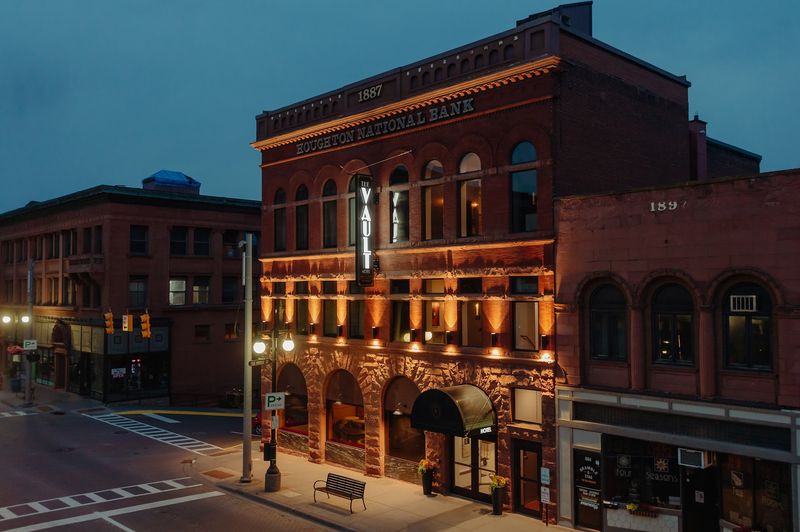
Sleeping in a former bank sounds like the setup for a heist movie. At The Vault Hotel, it is simply your base for exploring Houghton.
The building’s banking past gives the stay its theme, and its downtown setting puts shops and places to eat within an easy stroll. Look at the exterior before you check in; older commercial buildings often reveal their former jobs through sturdy materials and grand entrances.
Houghton sits in the Keweenaw Peninsula, where copper mining shaped towns, roads, and fortunes. That wider history adds context to a bank building: money had to move through a region built around industry.
You do not need a formal tour to enjoy the connection. Walk the nearby blocks, notice the mix of building ages, and imagine how busy this center was when mining supported local trade.
Pack for the weather rather than the calendar. Upper Peninsula conditions can change quickly, especially near Lake Superior.
Comfortable shoes help on downtown walks, and a warm layer earns its space in your bag even during a mild-looking stretch. If you are driving, check seasonal road conditions before heading into more remote parts of the peninsula.
Ask about parking and arrival details before your trip, particularly if you plan to reach town late. For a fuller day, pair the hotel with a walk along the waterfront and a visit to local history exhibits; check current hours first.
Copper Country history is easier to follow once you have seen both the downtown streets and the landscape beyond them.
The fun here is in spotting the bank-to-hotel shift without treating the building like a museum. Enjoy the room, then step outside and let Houghton fill in the rest of the story.
A little reading about the region before arrival can also help you recognize place names and understand why this small downtown mattered.
2. The Cochrane House – Detroit
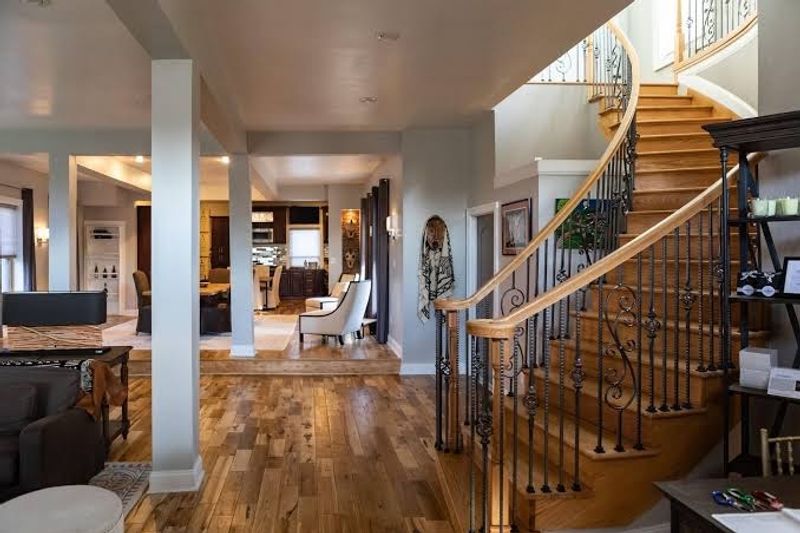
Not every historic stay began with a grand lobby. The Cochrane House brings you into a residential side of Detroit’s story, where the building’s earlier life as a home is part of the appeal.
Its scale encourages a slower visit than you might plan around a big downtown hotel. Start by looking at the surrounding streets, not only the front door; a house makes more sense when you see its neighborhood.
Historic homes can show their age in ways that add interest. Room shapes, stairs, windows, and exterior details may remind you that the property was not designed as a modern hotel.
That is a reason to review room descriptions carefully before booking. If stairs, parking, or a particular bathroom setup matter to you, confirm those details directly rather than making assumptions from photos.
Detroit rewards a plan built around neighborhoods. Check the house’s location against the museums, restaurants, and events you want to visit, then allow time for travel between stops.
A map can make two addresses look closer than a real trip across the city. If you will be out after dark, settle your transportation plans before dinner so the return feels simple.
For a useful bit of context, read about how Detroit’s residential districts developed alongside its businesses and industry. The city’s story was never limited to factories or office towers.
Homes, churches, parks, and corner shops helped form daily life, and staying in a former house makes that easier to picture.
Keep your itinerary light enough to enjoy the property itself. A few quiet minutes noticing its layout can tell you more than rushing past every detail.
Confirm current check-in arrangements ahead of time, then leave room for a walk nearby when conditions are good. The Cochrane House offers a different lens on Detroit: one shaped by domestic life, not a skyline.
3. Cambria Hotel Detroit Downtown – Detroit
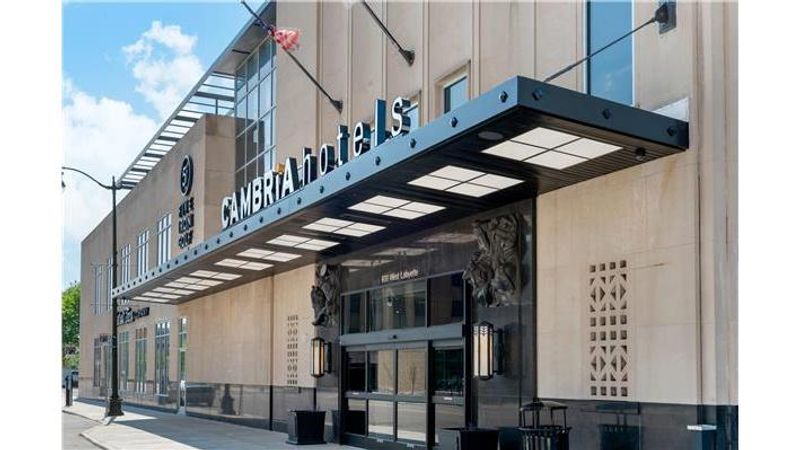
Here is a downtown puzzle you can solve on foot: how does an older city building become a hotel built for present-day travel? Cambria Hotel Detroit Downtown makes that question part of your stay.
Rather than arriving with a list of facts to memorize, take a close look at the building and its block. The contrast between older architecture and current hotel use is the point.
Downtown Detroit has changed roles many times. Commercial buildings that once served daily business now welcome diners, workers, concertgoers, and overnight guests.
That shift is easier to understand when you stay nearby and see the area at different hours. Walk the block after breakfast, then look again in the evening.
The same street can have a different pace once offices close and event crowds arrive.
Before booking, compare room options with your actual plans. If a quiet night matters, ask about rooms away from street noise or busy shared spaces.
If you are arriving by car, confirm current parking arrangements and costs. Downtown parking rules can vary by lot, and a little checking saves a frustrating loop around the block with luggage.
Use the hotel as a starting point for a self-guided architecture walk. Look up the background of buildings you pass using reliable local history sources, and keep an eye out for carved stone, older signs, and changes in window styles.
These clues show how Detroit grew without asking you to spend the whole day indoors. Stay aware of traffic when stopping for photos.
For dinner or a show, check walking routes and closing times before you leave. Downtown distances are manageable, but weather and event crowds can affect the plan.
The Cambria works best when you let the city share the spotlight: enjoy the updated hotel, then go see the older streets that gave it a reason to be here.
4. Saint John’s Resort – Plymouth
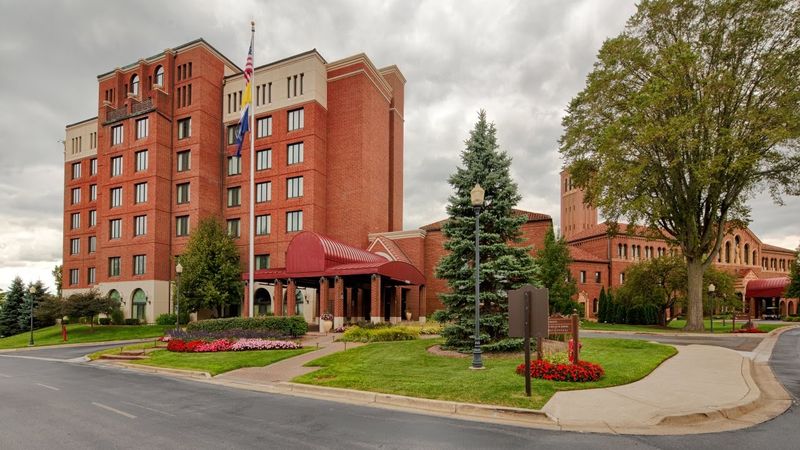
A former religious campus is not the usual starting point for a resort weekend. That earlier chapter is central to Saint John’s Resort in Plymouth, where the setting invites you to notice more than your room.
As you move around the property, pay attention to how the buildings and grounds fit together. A place designed around shared routines can have a layout quite unlike a hotel built from scratch.
The resort setting makes a slower schedule easy to justify. Instead of stacking every hour with off-site plans, leave time to explore the grounds and enjoy the spaces open to guests.
Check the current property map and access rules first, since event areas and private functions may affect where you can go. A wedding or conference can change the rhythm of a visit.
If the site’s past interests you, ask staff where guests can learn about it or look for reliable background from the property and local history groups. Keep the distinction between past and present clear.
The campus has been adapted for hospitality, and not every space serves the purpose it once did. That change is part of the story, not a flaw in it.
Plymouth also gives you an easy change of scene. Its downtown offers places to eat and browse, while the resort provides room to slow down between outings.
Check driving time before making dinner reservations, especially during busy weekend periods. If you are attending an event on site, confirm where to park and how far your room is from the venue.
Bring shoes you can walk in if you plan to explore the grounds. Michigan weather may alter outdoor plans, so keep an indoor option handy as well.
A stay here is most interesting when you notice how a campus with one original purpose has been reshaped for gatherings, meals, and overnight guests today.
5. Shinola Hotel – Detroit
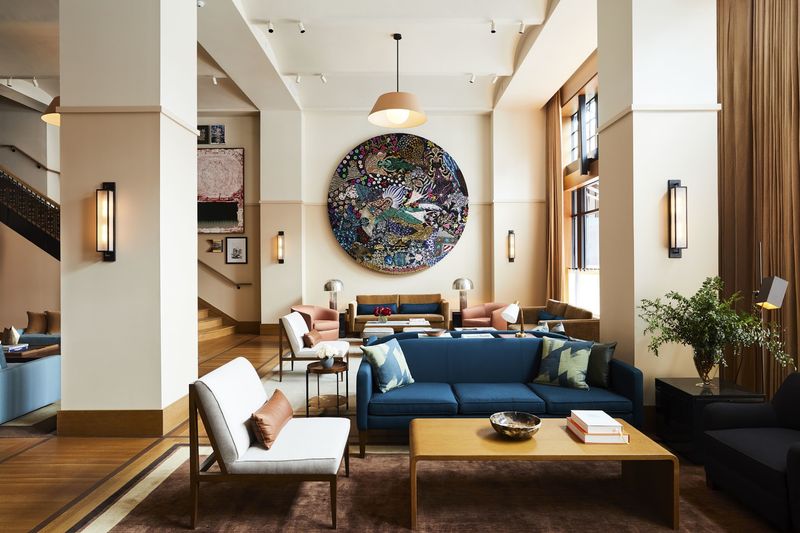
Woodward Avenue is good at showing off Detroit’s many eras at once. The Shinola Hotel joins that scene through a collection of older downtown buildings given a new role.
Its story is less about one grand former use and more about what happens when commercial spaces become a place to sleep, eat, and meet. Give yourself a few minutes outside to study the different facades.
Inside, the hotel connects its identity to Detroit-based design and retail. You can enjoy those details without assuming every object tells the whole city’s story.
For a wider view, walk Woodward and nearby streets, where businesses, entertainment spaces, and older architecture sit close together. The street offers a quick lesson in how a downtown changes while keeping visible pieces of its past.
Location is a practical advantage if your plans center on downtown. Check the route to your show, game, or dinner before leaving the hotel; event nights can bring crowded sidewalks and slower traffic.
A reservation nearby may save time, but confirm hours because schedules change. If you are driving, review parking options in advance instead of counting on an easy curbside space.
This can also be a good base for a trip without a packed schedule. Choose one nearby destination, then allow time to look around on the way there.
Notice entrance details, storefront widths, and signs of renovation. Small observations make the idea of adaptive reuse much clearer than a long description on a screen.
For the best room fit, ask about layout, street exposure, and accessibility needs before confirming your stay. Downtown hotels can offer very different experiences from one room to another.
After checking in, use the hotel as a starting line rather than the entire itinerary. Its surprising past is tied to the working city outside, and Woodward supplies the next chapter as soon as you step onto the sidewalk.
6. Historic Webster House Bed & Breakfast – Bay City
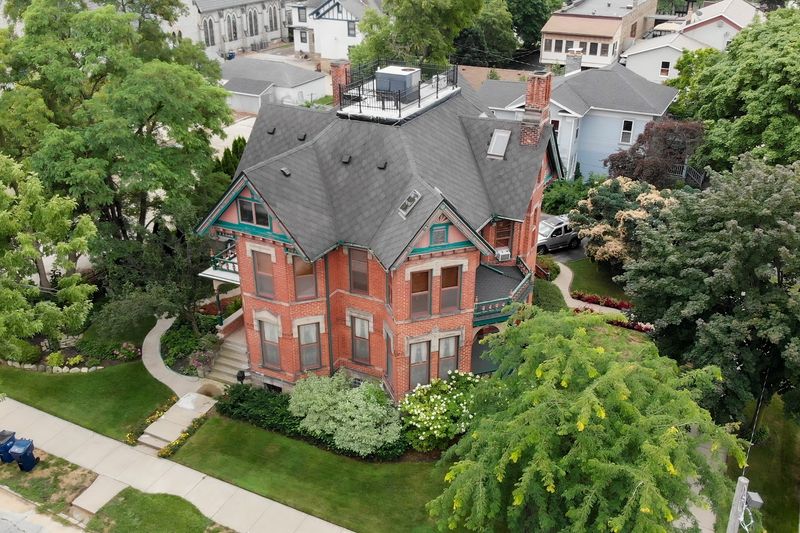
Big porches and carefully worked trim can stop a walk in its tracks. Historic Webster House Bed & Breakfast offers that kind of Bay City stay, with a former private home as the main attraction.
You are not checking into a standard row of identical rooms. Expect the house itself to shape the visit, from its exterior details to the way interior spaces connect.
Bay City has a strong connection to Michigan’s lumber era, and its historic houses give that history a human scale. Large homes can hint at the money and skilled work that once circulated through town.
For a clearer picture, visit local history displays or take a walk through nearby older streets. Look closely, but remember that homes around the inn may still be private residences.
A bed-and-breakfast stay calls for a little more planning than a chain hotel stop. Confirm arrival windows, breakfast details, and parking before you leave home.
Room features can differ in an older property, so ask directly about stairs, bed size, and bathroom arrangements if those details affect your comfort. Clear questions now make the stay easier later.
Do not limit your Bay City time to the house. Find a route toward the waterfront, check current hours for local shops, and build in time for a relaxed meal.
Weather near the water can turn breezy, so a light extra layer is useful. If your visit falls during a festival or other busy weekend, book meals and activities ahead when possible.
Back at the inn, let the craftsmanship have your attention. Notice the shapes of windows and doorways and how the rooms reflect a household rather than a purpose-built hotel.
You do not need to guess the date of every detail to appreciate the contrast. A night here turns a familiar question, where should we stay, into a better one: how did Bay City live when this house was new?
7. ROOST Detroit at Book Tower – Detroit
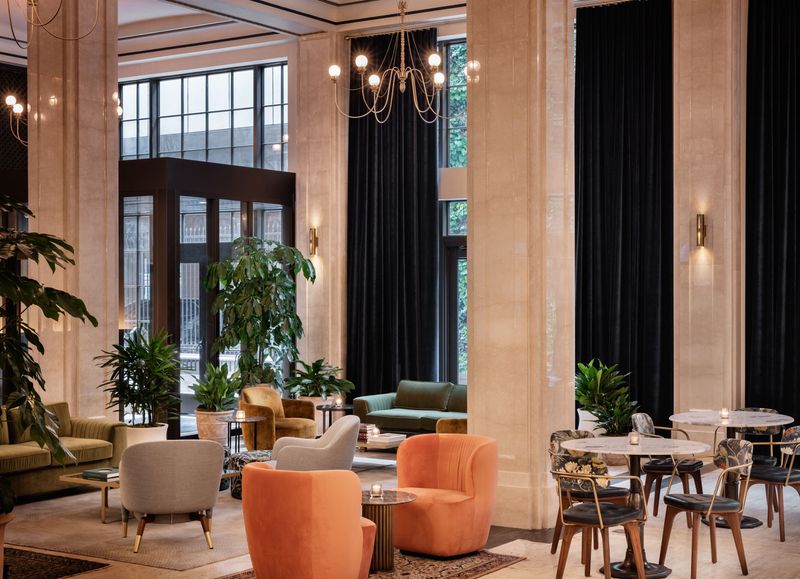
Book Tower knows how to get your attention before you even reach the door. ROOST Detroit places apartment-style stays inside this landmark downtown building, giving you a chance to experience its next chapter rather than admire it only from the street.
The tower’s long life includes major changes in how its spaces are used. Look up outside first; the scale is part of the story.
An apartment-style stay can be useful when your trip lasts more than a quick overnight. Check the specific unit’s features before booking, especially if you plan to prepare meals or need space to work.
Amenities can vary, and a photograph of a shared area may not describe your own room. Knowing what is included helps you pack and plan realistically.
Give yourself time to explore the public areas that are open during your visit. Restored architectural details can make the building’s earlier ambitions easier to understand.
Follow posted guidance, though; a historic landmark in active use is not an open-access museum. Some spaces may belong to businesses, residents, or private events.
Once outside, take a short walk through downtown and compare Book Tower with its neighbors. Notice differences in height, materials, and decorative detail.
Detroit’s skyline was built in layers, and the view from the sidewalk makes that clear. If you want deeper background, check preservation sources for the building’s documented history rather than relying on a quick social media caption.
Plan your arrival with downtown traffic in mind. Confirm the current entrance, unloading instructions, and parking choices before you drive over.
If you are using public transportation, check the latest schedules and the distance from your stop. ROOST is a strong pick when you want the practical benefits of a longer-stay setup while sleeping inside a building whose past is visible from blocks away.
8. CityFlatsHotel – Port Huron

Port Huron’s waterfront story is bigger than a view of passing boats. CityFlatsHotel gives you a downtown base in an adapted older building, close enough to explore how the city connects its streets to the water.
Check the building from across the road before heading inside. Its commercial shape hints at an earlier purpose, even though it now serves overnight guests.
Do a little route planning before you arrive. Port Huron has riverfront areas, downtown blocks, and views tied to its border location, but they are not all reached by the same short walk.
Mark the spots you want to see and check whether you will need a car. Wind can make a waterfront outing cooler than the forecast suggests, so keep a layer handy.
The hotel’s past is a prompt to notice how downtown buildings are reused. A structure designed for one kind of business can find another life when a city changes.
You may see signs of that shift in nearby storefronts too. Avoid guessing at dates or former tenants from appearances alone; local museums and historical groups are better places to check those facts.
If you are booking around an event, ask about parking and street access. Festivals and busy weekends can change your easiest route into downtown.
Also review your room choice for the details that matter most, such as noise, stairs, or space for luggage. Older buildings sometimes offer layouts that differ from what you expect in a newer hotel.
For an easy outing, set aside time for both the downtown streets and a waterfront stop. One shows where daily business happens; the other explains why Port Huron’s location matters.
Check public access and current hours before leaving. Then return to the hotel with a better sense of its setting: not simply an old building with beds, but part of a working city beside an important waterway.
9. Detroit Foundation Hotel – Detroit
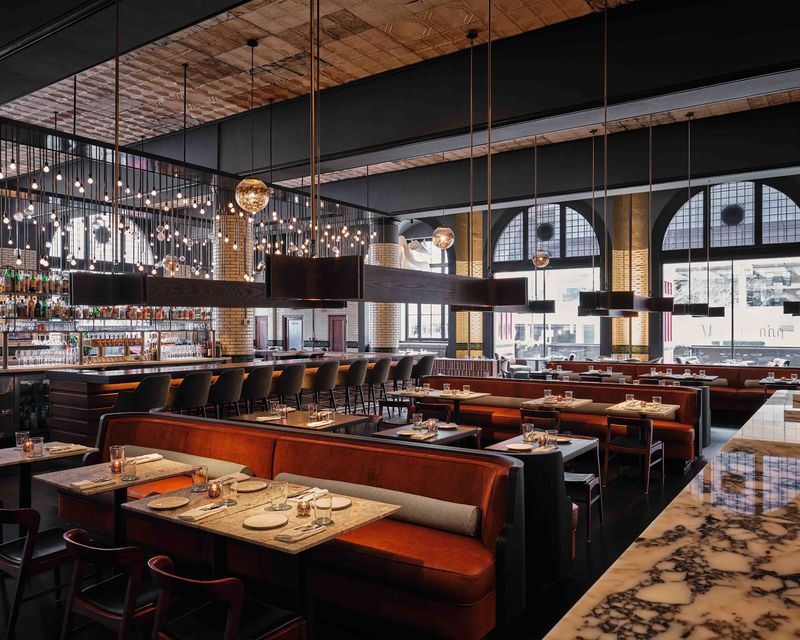
Imagine a fire engine leaving your hotel instead of a rideshare picking you up. Detroit Foundation Hotel occupies the former Detroit Fire Department headquarters, a past that gives its building a clear, practical story.
The large openings and sturdy exterior make more sense once you know its old job. Pause outside and picture the building during an ordinary workday for the crews based there.
The change from public service building to hotel is a sharp one. Spaces once planned around equipment and quick response now serve meals, gatherings, and sleep.
That contrast makes the property interesting even if you are not usually drawn to architecture. Look for visible details of the old building, but do not assume every design choice is original.
Renovation always brings new work alongside preserved elements.
Its downtown location can help if your plans include museums, events, or meetings nearby. Check actual walking distances and routes instead of judging by a map’s small screen.
Detroit blocks can be longer than they look, and bad weather makes a short trip less pleasant. If you are driving, ask about current parking arrangements and allow extra time during major events.
Curious about the firehouse years? Seek out the hotel’s own background information or local historical records.
You can also use the stay as a reason to learn how city services grew as Detroit expanded. Fire stations were built for real needs, not just for attractive photographs, and that working history gives the hotel more depth.
Book the room that suits your trip, then make time for a look at the building from across the street. You will see more of its outline and its relationship to neighboring structures.
After that, enjoy the comforts of its present life. The story here is easy to grasp: a place once built for urgent departures has become a place where you can finally slow down.
10. The Kalamazoo House – Kalamazoo
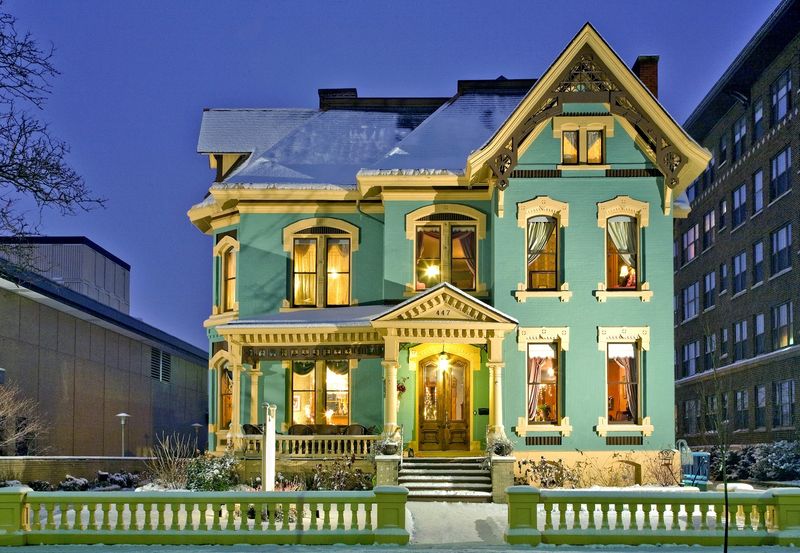
Some city trips work better when your home base is an actual former home. The Kalamazoo House offers that shift in scale, trading the feel of a large hotel for a historic house setting.
Its earlier residential use is part of what you notice as you move between rooms and look at the street outside. Give yourself a moment to see the building before you hurry off to dinner.
Kalamazoo has plenty to explore, but the best plan depends on your interests and the season. Check the locations and hours of museums, performances, shops, and restaurants before building a route.
Leave enough space between stops to walk or park without rushing. A relaxed schedule also gives you time to notice older buildings that you might otherwise pass without a glance.
At the house, ask practical questions before booking. Historic properties can differ from modern hotels in room size, stair access, sound travel, and parking arrangements.
Breakfast and check-in routines may have their own schedules. None of those details is a problem when you know them ahead of time; surprises are less fun when you are carrying bags after a long drive.
To connect the stay with the city, read a little about Kalamazoo’s neighborhoods and older architecture. Then take a careful walk nearby, using public sidewalks and respecting private property.
Look for differences between homes built for families and buildings built for shops or offices. The contrast helps explain why a night in a house can offer a different view of local history.
Bring comfortable walking shoes and a backup indoor plan if the forecast turns wet. If you are traveling during a busy college or event weekend, make reservations early and verify parking instructions.
The Kalamazoo House is a useful reminder that a building does not need a dramatic former job to carry a story. Ordinary home life is history too, and here it shares space with your stay.
11. Hotel David Whitney – Detroit
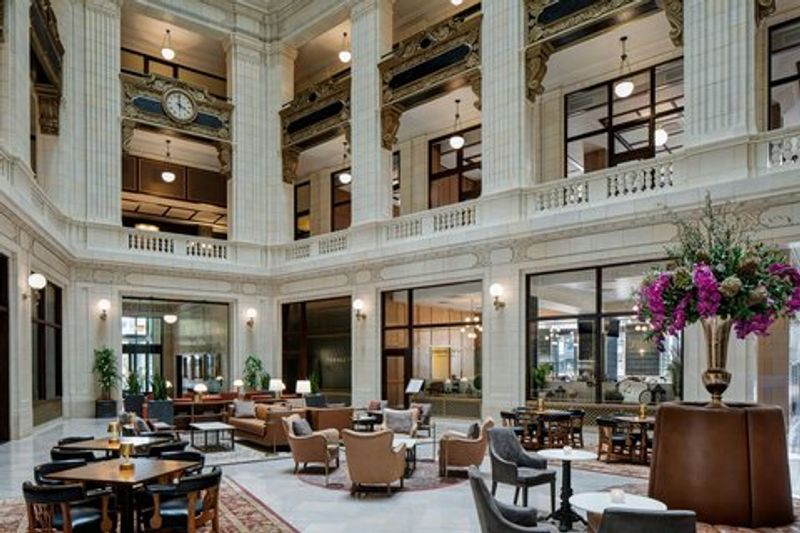
Stand in downtown Detroit and look up: the David Whitney Building was made to be noticed. Hotel David Whitney lets you stay inside that historic structure instead of giving it a quick glance on your way past.
Its earlier life as an office building helps explain its downtown position and imposing design. Before check-in, take a step back to see how the building meets the street.
An old office address becoming a hotel says a lot about changing city needs. Workers once came for a business day; now guests also arrive with weekend bags and dinner plans.
The shift does not erase the past. It gives the building a reason to stay active, while its architecture keeps a visible link to an earlier Detroit.
Use the location to plan a walk among nearby historic buildings and entertainment spots. Research opening hours before you go, especially if you want to enter a particular venue.
Sidewalk views alone can be rewarding: compare entrances, upper floors, and the way each building uses decoration. Watch for traffic when you stop to take photos, and avoid blocking busy doorways.
For a smooth arrival, confirm which entrance serves hotel guests and how parking or drop-off works. Downtown streets can change with construction and events.
If you need an accessible room or prefer one away from street activity, contact the hotel about current options. Historic structures can hold a range of layouts, so specifics matter more than general descriptions.
Give the building a second look after dark, when the surrounding streets may show a different side of downtown. Stay with well-lit routes and check your transportation plans if you are heading farther out.
The David Whitney works especially well for a trip built around architecture or a show. You can enjoy today’s hotel comforts while keeping the office building’s long city life in view.
12. The Siren Hotel – Detroit
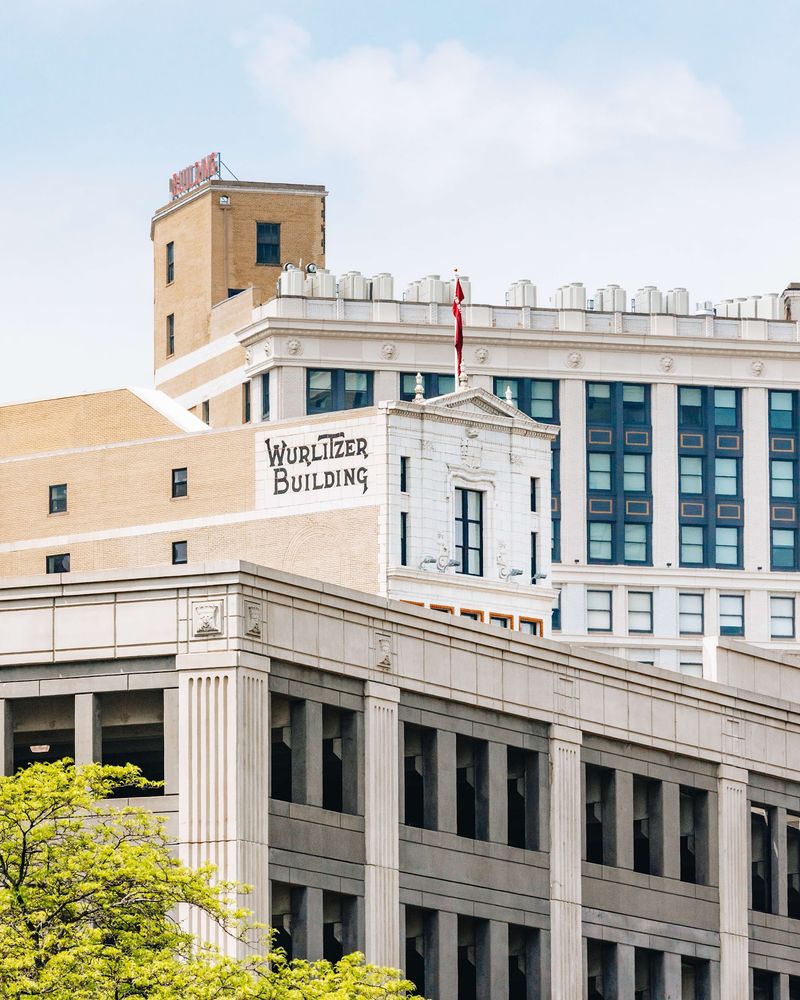
A building tied to the music business makes a fitting home for a hotel called The Siren. The property occupies Detroit’s historic Wurlitzer Building, once linked to selling musical instruments.
That former role offers a lively way to read the address. Look at the building as more than a backdrop for a room; it belongs to a downtown where commerce and entertainment have long crossed paths.
You do not need to know the full history of instruments to enjoy the connection. Think about how a music retailer would have drawn customers into the city, then consider the crowds heading to nearby shows today.
The businesses have changed, but downtown still depends on people coming together for an evening out. That makes a concert or theater plan a smart match for this stay.
Check venue times and walking routes before booking tickets. A nearby performance may be easy to reach on foot, but late-night transportation deserves a plan too.
If you are driving, confirm parking details and any event-night costs. A quick call can answer questions that a general map will not, especially when street work or a busy schedule changes access.
Rooms in a converted downtown building may not all have the same layout or street exposure. Review the room description and ask about noise if you sleep lightly.
Pack what you need for a night out, but leave time to appreciate the building during daylight as well. Its facade and place among its neighbors are easier to study before evening crowds gather.
For a deeper history stop, look up documented information about the Wurlitzer Building through trusted local sources. Avoid turning every design detail into a claim about its past; some features may be newer additions.
The Siren gives you a strong starting note, while the surrounding streets carry the tune forward. Plan one good outing, keep your return simple, and let the old music address do its work.
Share this story