Historic downtowns feel different when the buildings still look connected to the stories that shaped the town around them. Across Michigan, old brick storefronts, longtime businesses, walkable streets, and preserved architecture offer glimpses into communities built around railroads, rivers, mines, mills, and industry.
The appeal goes beyond history, because many of these districts are still lively places to eat, shop, wander, and spend an afternoon. Each one has its own character, from grand facades to quieter main streets that have changed surprisingly little.
For anyone who likes small-town charm with a deeper story behind it, these twelve Michigan downtowns are worth exploring on foot.
1. Tecumseh: Antique Heaven on Chicago Boulevard
Antique hunters have a running joke about downtown Tecumseh: you stop for ten minutes and leave three hours later. Settled in the 1820s, the town ranks among the older communities in southeast Michigan.
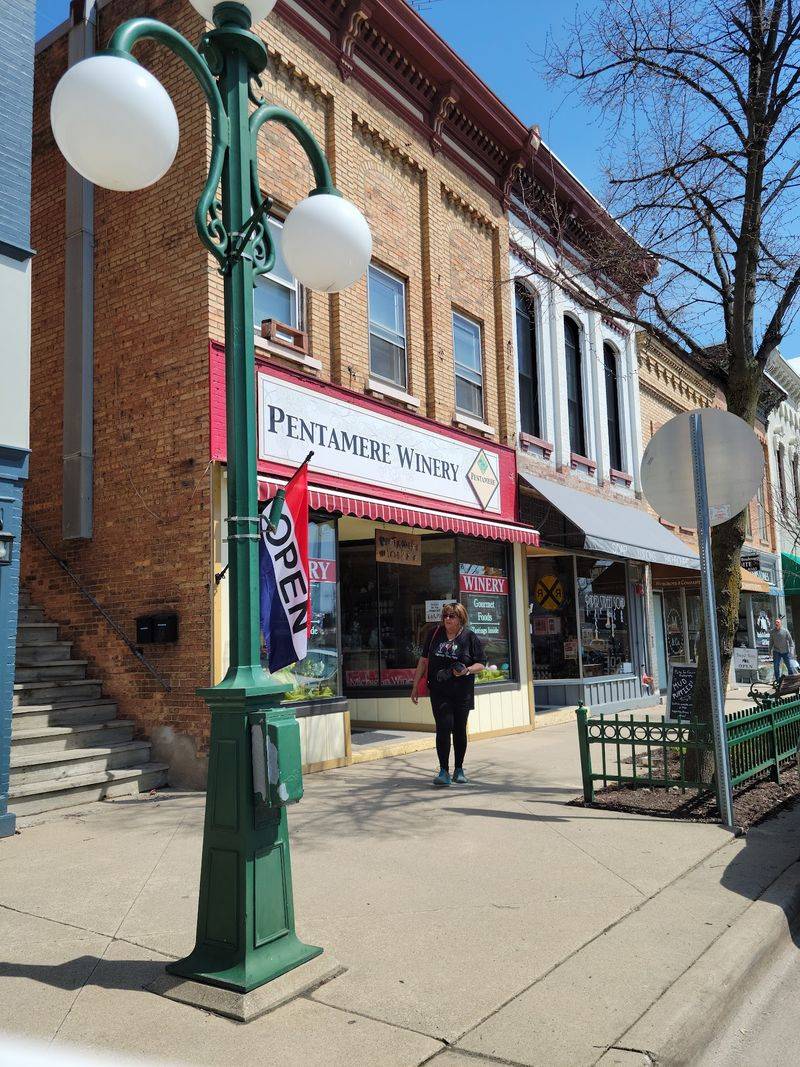
Its brick storefronts along Chicago Boulevard and Evans Street still carry that early main street look, with tall windows and decorative cornices.
Start your visit on foot, since the district is compact and easy to cover. Park once, grab a coffee, and wander.
You’ll find vintage shops packed with old signs, dishware, furniture, and odd little treasures that make great conversation pieces.
Look up as you walk. Many of the buildings show off their original details above the modern shop signs, from arched window tops to painted brick that hints at businesses long gone.
Spotting those faded ghost signs becomes a fun game, especially for kids who need something to keep them busy.
Food here leans cozy rather than fancy. Local cafes, a bakery or two, and family-style restaurants give you plenty of spots to refuel between shops.
Ask a shop owner for a lunch recommendation, and you’ll usually get an honest answer plus a story about the building you’re standing in.
Timing matters in a town this size. Weekends bring more open doors and more energy, while weekday mornings are calmer if you want space to browse without bumping elbows.
Summer events and holiday decorations add extra color, so check the downtown calendar before you go.
Tecumseh also sits in Lenawee County farm country, which means the drive in is part of the fun. Rolling fields, old barns, and quiet two-lane roads set the mood before you even find a parking spot.
Pair the trip with a stop at a nearby orchard or farm stand during harvest season, and you’ve got a full day planned without much effort.
2. Negaunee: Iron Range Grit With Deep Roots
Iron built Negaunee. The town grew up in the 1800s around some of the earliest iron ore discoveries in the Upper Peninsula, and that rugged mining story still shapes how downtown looks.
Nothing about it is polished for tourists, and that’s the appeal.
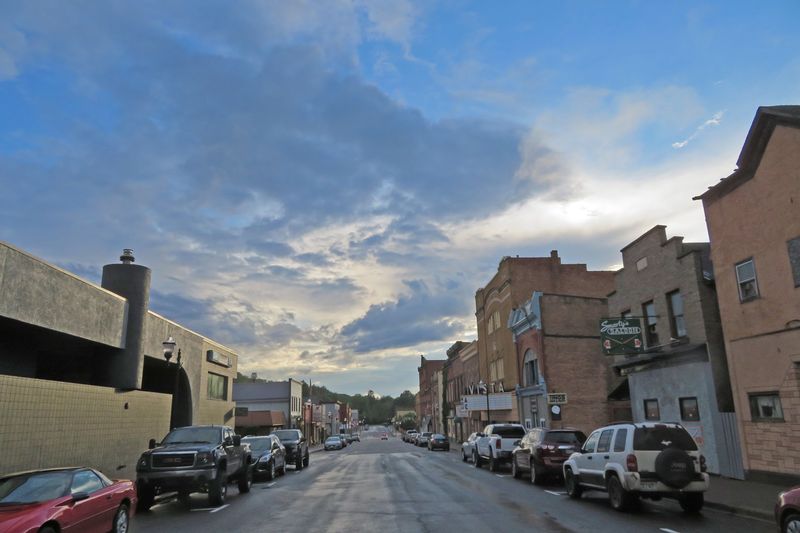
Walk along Iron Street, the name alone gives you a hint, and you’ll see solid, no-nonsense buildings made to last through brutal Yooper winters. Thick stone and brick walls, sturdy storefronts, and upper-floor windows tell you this was a working town, not a resort.
Many of those buildings now hold small shops, bars, and local businesses run by people whose families have lived here for generations.
Here’s a fun twist. According to local history, parts of the old town were abandoned decades ago because underground mining made the ground unsafe, and some of that area is now a park where you can find old foundations and street outlines.
Walking there gives you a strange, fascinating peek at what used to be.
Hungry? Grab a pasty.
The hearty meat-and-potato pastry came to the region with Cornish miners, and it’s still a lunch favorite across the U.P. Locals will happily debate whether gravy or ketchup belongs on top, so pick a side and stand firm.
Just outside town, the Michigan Iron Industry Museum explains how the region’s ore helped feed American industry. It pairs well with a downtown stroll, since you’ll look at the old buildings differently once you understand the money and muscle behind them.
Plan around the weather. Summer and early fall bring mild days, bright colors, and easy walking, while winter turns everything into a snowy scene that calls for good boots.
Either way, you can combine a visit with nearby Marquette or Ishpeming for a full Iron Range road trip that looks nothing like the lower half of the state.
3. Coldwater: Curtain Calls on Chicago Street
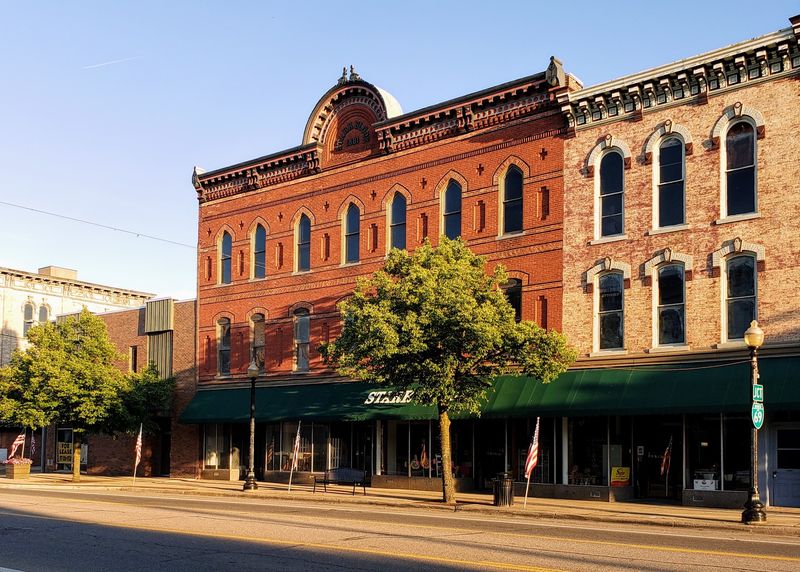
Picture a velvet-curtained theater opening its doors in 1882, and then picture it still putting on shows today. That’s the Tibbits Opera House, the crown jewel of downtown Coldwater and one of the oldest working theaters in Michigan.
Catching a performance there is the best way to experience the district. Summer theater, concerts, and community productions fill the calendar, and the inside of the building is worth the ticket price on its own.
Arrive early so you can grab dinner nearby and still have time to admire the ceiling.
Beyond the theater, Coldwater’s downtown along Chicago Street shows off a handsome mix of 1800s commercial buildings. Brick facades, cast-iron details, and tall second-story windows create a skyline that hasn’t changed much in over a century.
Some buildings wear bright paint, while others keep their weathered original brick.
The town sits right on historic U.S. 12, an old route that once carried travelers between Detroit and Chicago. That road history explains why so many businesses popped up here, and why downtown still has a crossroads energy.
Road trip fans can hop along US-12 and link Coldwater with several other small towns in a single day.
Branch County is also known for its chain of lakes, so summer visitors often mix a downtown afternoon with boating or swimming. You can spend the morning on the water and the evening at a show without much driving at all.
Plenty of lake cottages sit within a short drive.
For shopping, expect local boutiques, gift stores, and a few antique spots worth poking around. Prices tend to be friendly, and shop owners are usually happy to chat.
If you visit during a downtown festival or holiday event, the streets fill up with families, music, and food vendors, so bring comfortable shoes and a little extra patience for parking.
4. Manistee: Lumber-Era Elegance by the Lake
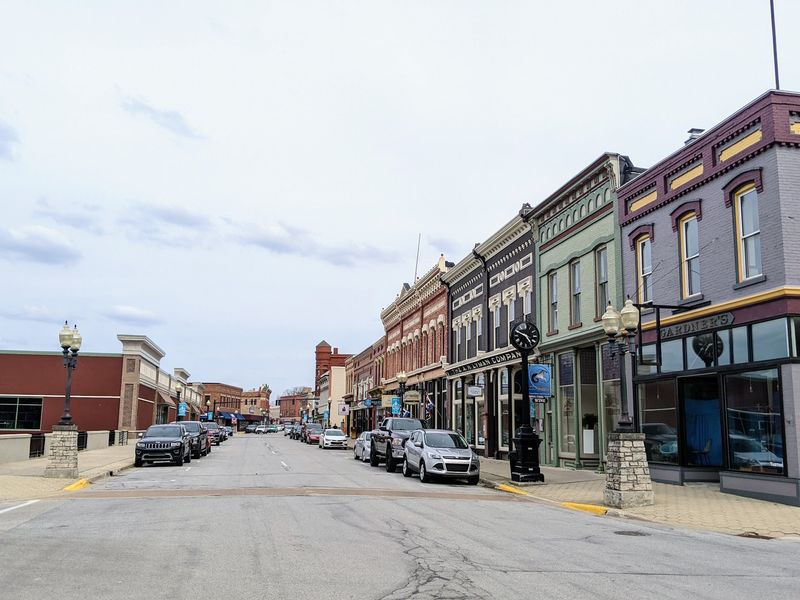
Lake Michigan sunsets are great. Lake Michigan sunsets after a stroll past Victorian storefronts are even better, and Manistee delivers both.
Back in the late 1800s, Manistee was a booming lumber town, and that timber money shows up everywhere downtown. River Street is lined with ornate brick buildings, many rebuilt after a massive fire in 1871 swept through the town.
The result is a main drag packed with elegant details, from decorative trim to large display windows.
Don’t skip the Ramsdell Theatre. Built in 1903, it’s a beautiful old performance hall with a rich interior and a long local history.
Check the schedule for shows, or look for a tour if you just want to peek inside.
One of the best parts of downtown is the Manistee Riverwalk. The path follows the river right behind the shops and leads toward the lake, so you can mix shopping with an easy scenic walk.
Boats glide by, gulls hang around, and benches give you plenty of spots to sit with an ice cream cone.
Shops here lean toward local gifts, books, clothing, and home decor, with cafes and restaurants tucked in between. Many storefronts keep a cheerful, classic look with awnings and window displays that change with the seasons.
Browsing slowly pays off, since some of the best finds hide in the back rooms.
Summer is peak season, and weekends can get busy with beach traffic. For a quieter trip, try late spring or early fall, when the air is crisp and the crowds thin out.
Fall color along the nearby coastline makes the drive especially pretty.
Before leaving, head out to First Street Beach or the pier area near the lighthouse. Watching the sun drop into the lake is the classic way to wrap up a Manistee day, and it costs nothing.
5. Wayland: Low-Key Main Street Between Two Cities
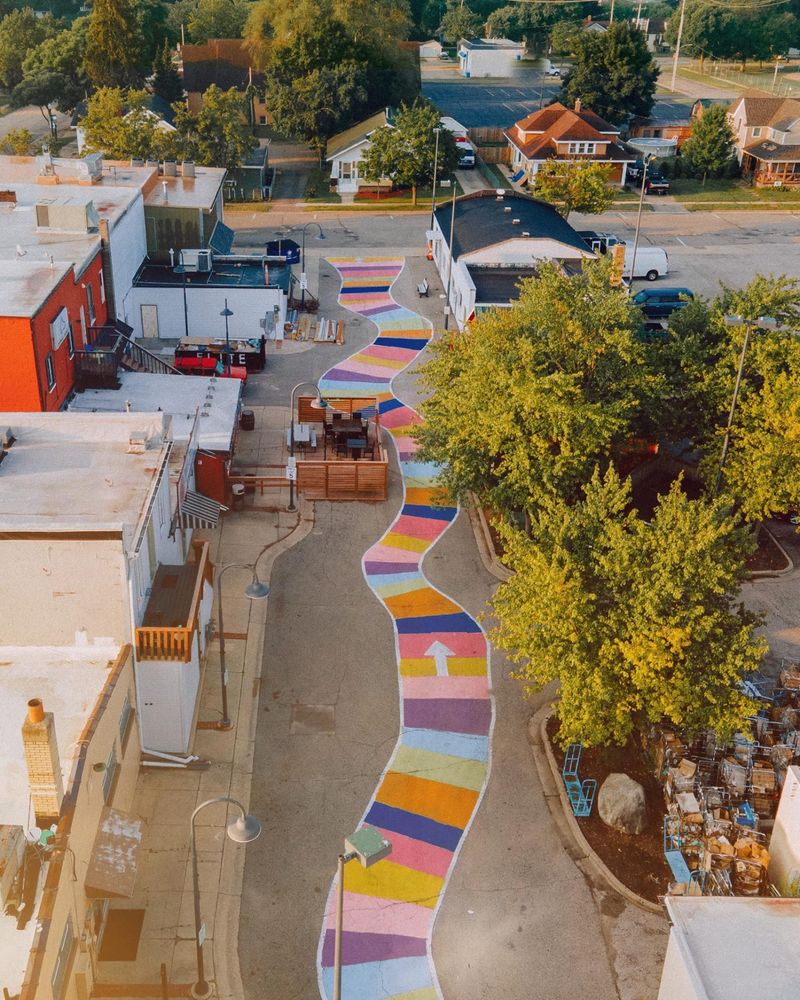
Not every great downtown needs a big reputation. Wayland, tucked between Grand Rapids and Kalamazoo, proves that a few blocks of well-kept history can be just as satisfying as a famous tourist stop.
The historic district centers on Main Street, where brick commercial buildings from the late 1800s and early 1900s still stand shoulder to shoulder. These structures once held general stores, banks, and hardware shops that served farm families from the surrounding countryside.
Today, many house local businesses that keep that hometown service alive.
Wayland moves at a slower pace, and that’s the point. You won’t fight crowds or pay for pricey parking.
Instead, you can stroll, pop into a small shop, and grab a bite without rushing.
Food options tend to be casual and friendly. Think diners, pizza places, and spots where the staff might remember your order the second time you visit.
Pull up a seat, order the daily special, and listen to locals chat about high school sports and the weather.
Pay attention to the buildings as you walk. Look for date stones, old business names carved above doorways, and cornices that show off the craftsmanship of the time.
A quick online search of Wayland history before your trip can help you spot details you’d otherwise miss.
The town’s location makes it an easy add-on to a bigger West Michigan outing. You can stop on your way to Grand Rapids breweries, Kalamazoo museums, or nearby lakes, since Allegan County and Barry County have plenty of water to explore.
Gun Lake, in particular, sits just a short drive away and pulls in summer crowds.
Community events give downtown extra life, especially during summer and around the holidays. Local parades, festivals, and seasonal celebrations bring families out onto Main Street.
Checking the city or chamber website before you go is a smart move if you want to catch one.
6. Holly: Rowdy Railroad Past, Friendly Present
Carry Nation, the famous anti-saloon crusader, reportedly marched into Holly in 1908 with her hatchet and her strong opinions. The town still celebrates that wild visit, and it’s a great clue to the lively personality of this downtown.
Holly grew up as a railroad town, with multiple train lines crossing here in the 1800s. That rail traffic brought travelers, and travelers brought saloons, hotels, and a rowdy reputation.
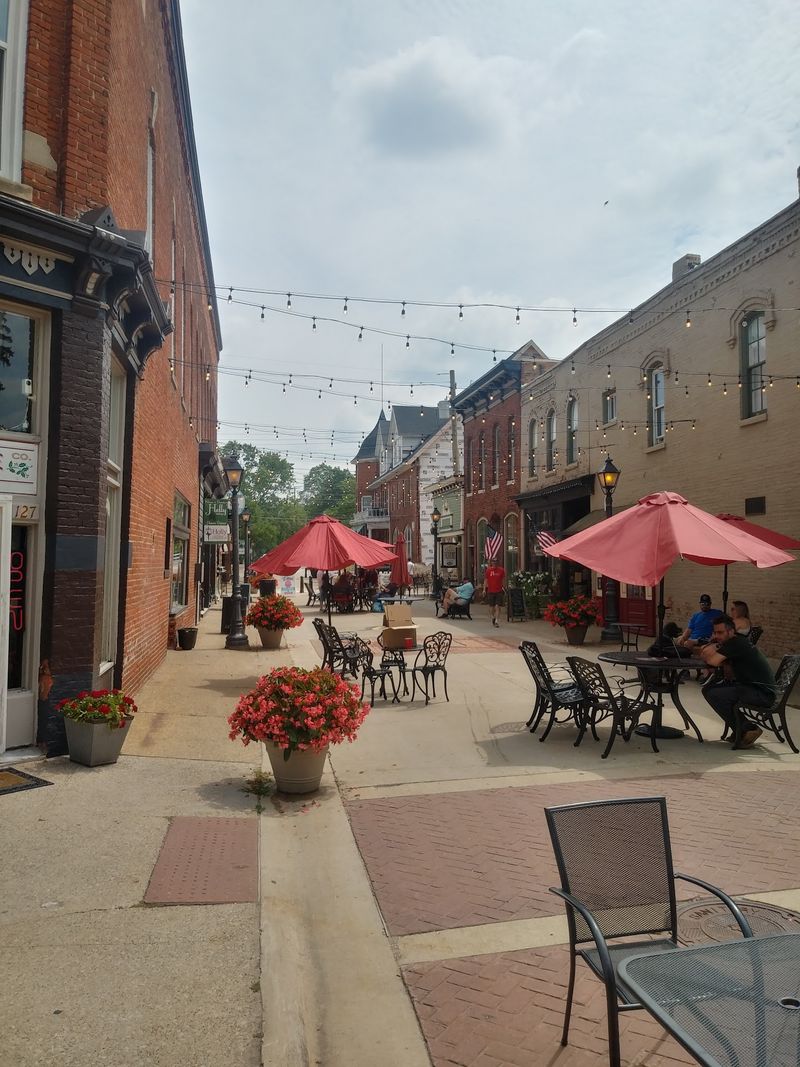
Battle Alley, a short brick-paved street downtown, earned its name from the brawls that once broke out there.
Today, Battle Alley is far more peaceful and much more fun to explore. Small shops, antique stores, and quirky boutiques fill the historic buildings along it and nearby Saginaw Street.
You can easily lose an hour just browsing old books, vintage clothes, and handmade gifts.
Then there’s the Holly Hotel. Built in the 1890s, the grand building is known for its elegant dining room and its reputation as one of Michigan’s more famous haunted spots.
Whether or not you believe in ghosts, the stories add a fun spark to dinner.
Timing your visit around a festival is a smart play. Holly is known for seasonal events like its Dickens-themed holiday celebration, when costumed characters stroll the streets and the whole downtown gets decked out.
Summer brings its own events too, so check the village calendar ahead of time.
Parking is usually easy, and the district is small enough to cover on foot. Wear comfy shoes, since brick streets and old sidewalks can be a bit uneven.
Nature lovers can round out the day nearby. Holly sits close to state recreation areas with trails, lakes, and campgrounds, so you can hike in the morning and shop in the afternoon.
Train fans might also enjoy watching for freight trains still rolling through town.
7. Grand Haven: Boardwalks, Fountains, and Brick
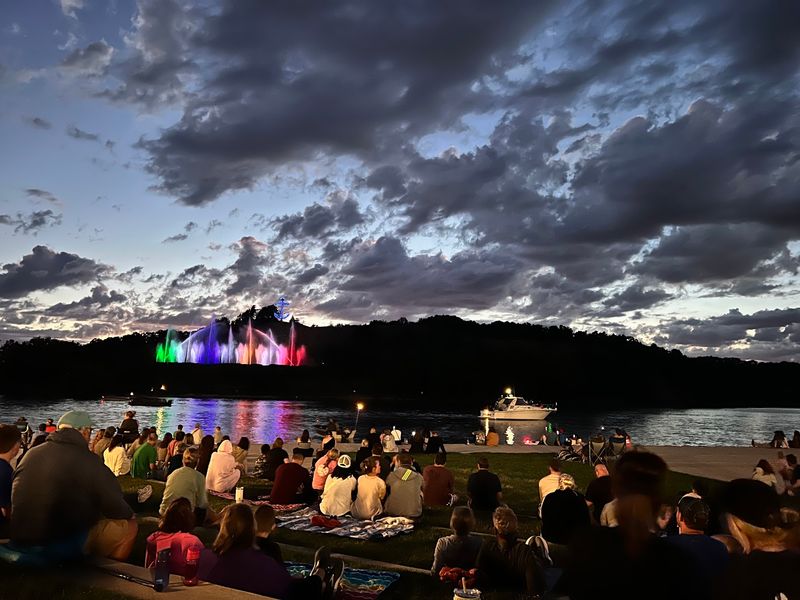
Every summer evening, music and colored water shoot into the sky across the channel from downtown Grand Haven. The Grand Haven Musical Fountain has been putting on these free shows since the 1960s, and it’s become a local tradition families plan their nights around.
The historic district itself wraps around Washington Avenue and the streets nearby, where brick buildings from the late 1800s and early 1900s hold shops, restaurants, and cafes. Many storefronts keep their classic look, with big windows and decorative upper floors.
Sidewalks stay busy during warmer months, with people carrying shopping bags, coffee cups, and beach towels.
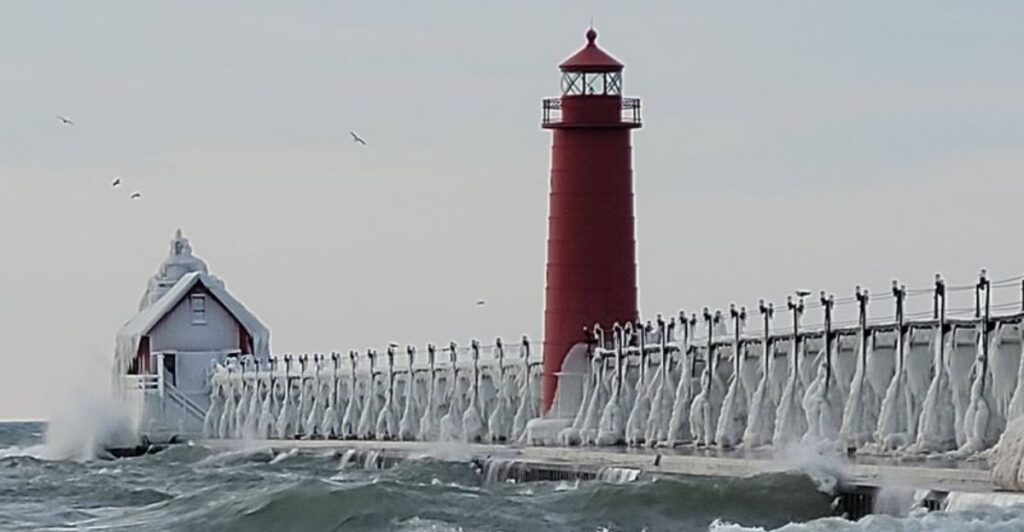
Head west toward the water and you’ll hit the boardwalk along the Grand River. It stretches toward the famous red lighthouse and pier, making it one of the best walks in West Michigan.
Bring a jacket, even in summer, since the lake breeze can surprise you.
Food choices range from ice cream and fudge to seafood and casual pub fare. Grab takeout and find a bench along the river to watch boats cruise out toward Lake Michigan.
Sunset is prime time, so claim your spot early.
Grand Haven gets busy, especially during the Coast Guard Festival in late July and early August. The town is proud of its long connection to the U.S.
Coast Guard, and the festival brings parades, fireworks, and huge crowds. If you prefer calm streets, avoid that week or show up early in the day.
Off-season visits have their own rewards. In winter, the lighthouse sometimes gets coated in ice, creating wild frozen shapes that photographers love.
Downtown shops stay open, and you can snag a cozy table at a restaurant without a wait.
Parking fills fast on summer weekends, so arrive early or use public lots a few blocks away. The walk in is short and pleasant.
8. Buchanan: Mill Town Turned Maker Hub
Water power put Buchanan on the map. McCoy Creek runs right through town, and in the 1800s its steady flow turned mill wheels that helped the community grow.
You can still see that history at Pears Mill, a restored mill near downtown that sometimes opens for tours and demonstrations. Standing next to the big wheel gives kids and adults a real sense of how people made flour before modern factories took over.
Check hours before visiting, since schedules can change with the seasons.
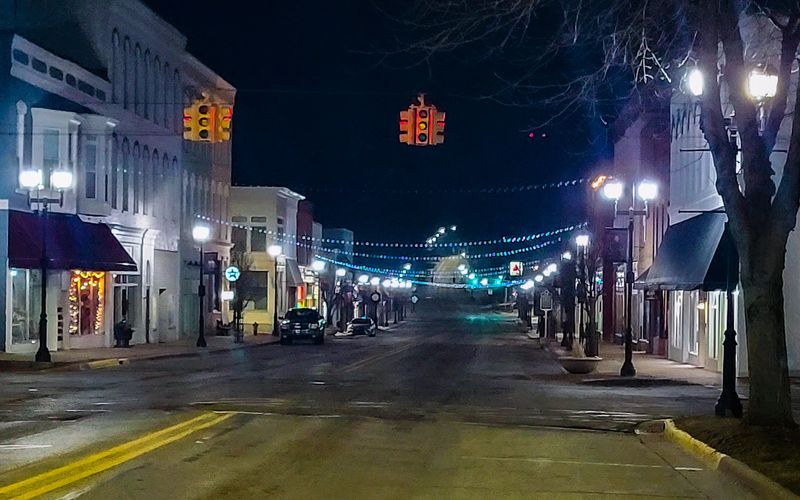
Downtown Buchanan centers on Front Street, where old brick buildings hold a growing mix of local businesses. In recent years, the town has attracted artists, makers, and small shop owners who have given the district fresh energy.
You’ll find galleries, boutiques, and cafes sitting comfortably inside century-old walls.
The creative scene is a big part of the draw. Murals, public art, and handmade goods pop up around town, and you’ll often meet the people who actually made what’s on the shelves.
Chatting with them is half the fun.
Food and drink options have grown too, with spots for coffee, casual meals, and local beer. Grab a seat near a window and watch life roll by on Front Street.
It’s a relaxed scene where nobody hurries you out the door.
Buchanan sits in the southwest corner of the state, not far from the Indiana border and Lake Michigan beaches. That location makes it easy to combine with a trip to Harbor Country, the wine trail, or nearby state parks.
You could spend a morning downtown and an afternoon on the sand.
Seasonal events, art walks, and holiday gatherings liven up the streets throughout the year. Visiting on a weekend usually gives you the most open shops and the best chance to catch something happening.
9. Ishpeming: Ski Legends and Stone Storefronts
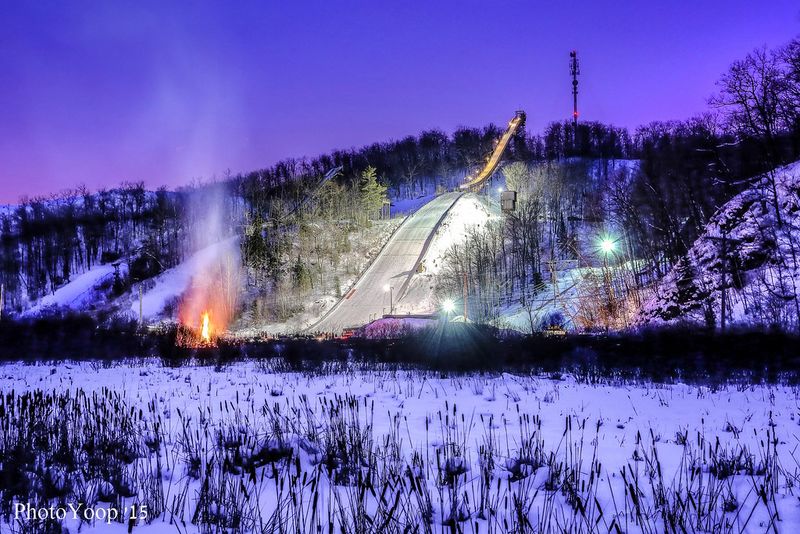
Did you know the U.S. Ski and Snowboard Hall of Fame sits right in Ishpeming?
Few people expect a national museum in a small Upper Peninsula town, but skiing runs deep here, and the town’s history with the sport stretches back well over a century.
Main Street tells the other half of the story: iron mining. Like its neighbor Negaunee, Ishpeming boomed when ore was pulled from the ground nearby, and the downtown buildings reflect that prosperity.
Sturdy stone and brick structures with detailed trim line the street, built to handle heavy snow and long winters.
Take your time walking the district. You’ll see grand old commercial buildings, churches, and storefronts that have survived boom and bust.
Some now hold shops, restaurants, and local businesses, while others show their age in ways that make them even more interesting to study.
Food here is hearty and practical. Pasties, burgers, and warm comfort meals are the norm, and portions tend to be generous.
Local bars and cafes are good places to meet residents, who are often happy to share tips on trails and backroads.
Outdoor adventure sits right at the edge of town. Mountain biking, hiking, snowshoeing, and cross-country skiing trails loop through the hills, and the scenery during fall color season is outstanding.
Winter visitors can check out the ski jumping history that made the area famous, including the big Suicide Hill jump nearby.
Dress for the weather no matter when you visit. Even summer nights can turn chilly, and winter brings serious snow that can pile high along the sidewalks.
Good boots and layers will make your stroll much more comfortable.
Pair Ishpeming with Negaunee and Marquette for a road trip. All three are close together, so you can stack history, food, and Lake Superior views into one packed weekend.
10. Owosso: Steam Trains and a Storybook Castle
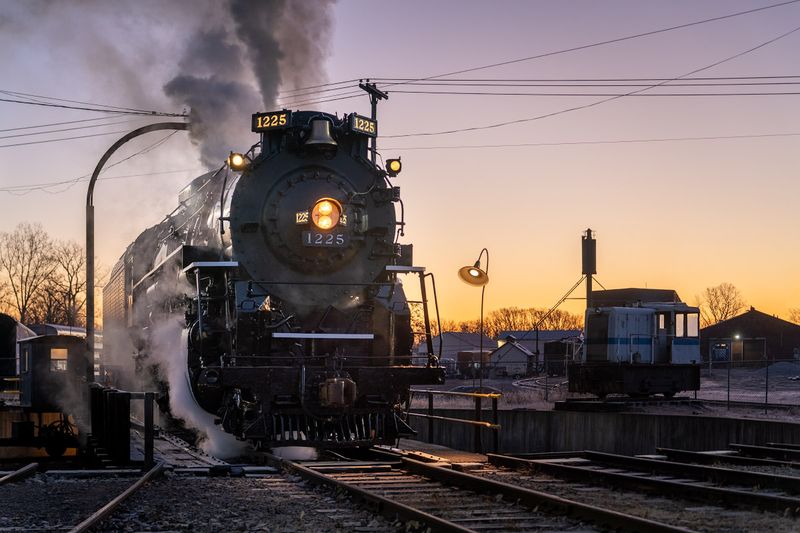
A giant black steam locomotive helped inspire one of the most popular holiday movies ever made. The Pere Marquette 1225, based in Owosso, served as a model for the train in The Polar Express, and train fans travel from far away to see it.
The Steam Railroading Institute keeps that history rolling, and its special excursion rides sell out quickly around the holidays. Book early if you want a seat, and check the schedule since trips don’t run every weekend.
Downtown Owosso has plenty to offer between train rides. The historic district is filled with handsome brick commercial buildings from the late 1800s and early 1900s, many with carefully restored facades.
Washington Street serves as the main spine, lined with shops, restaurants, and local businesses.
The Shiawassee River curves through town, adding green space and walking paths close to the shopping area. On a nice day, grab a sandwich and head to the water for an easy picnic.
Benches and small parks give you spots to rest between stops.
Owosso also claims some famous connections. Author James Oliver Curwood built a castle-like writing studio here, now known as Curwood Castle, and it’s one of the most photographed spots in town.
It sits near the river and makes a fun, unusual stop, especially if you enjoy local history with a storybook twist.
Shopping leans toward antiques, gifts, and local specialty stores. Browsing is easy since the district is walkable, and parking is typically simple to find.
Some stores stock vintage railroad items, which make great gifts for train lovers.
Events bring downtown to life throughout the year, with festivals, holiday celebrations, and train-related weekends drawing crowds. Glowing storefronts and seasonal decorations make winter visits especially cheerful.
Plan a full day if you want to fit in the railroad, the castle, and a relaxed dinner downtown.
11. Marshall: A Landmark District Worth Every Step
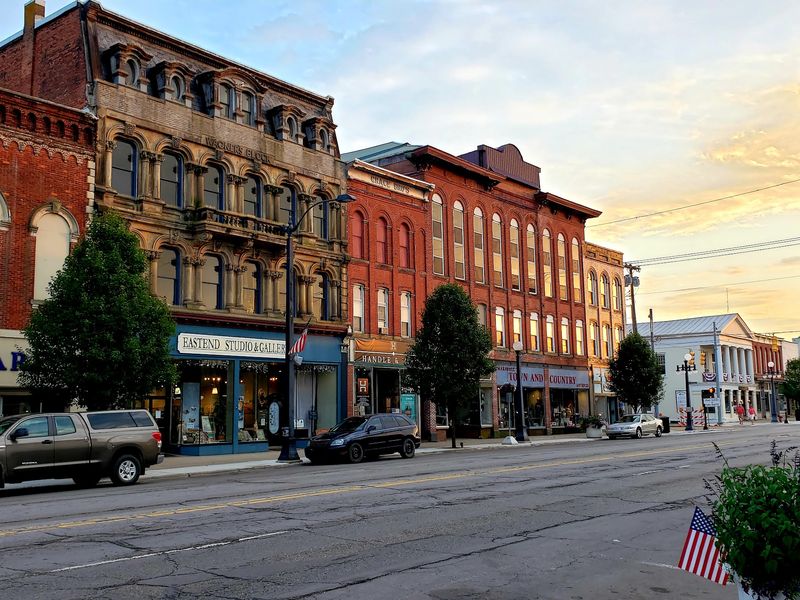
Few small towns in America can claim National Historic Landmark status for their downtown district, and Marshall is one of them. Its huge collection of 19th-century buildings earned it the honor, and walking these streets is a lot like flipping through an architecture textbook come to life.
Start at the Honolulu House, one of the most unusual buildings in Michigan. Built in the 1860s by a former U.S. consul to Hawaii, it mixes Italianate, Gothic Revival, and Polynesian touches into a style that looks almost out of place in the Midwest.
Tours are available at certain times of year.
Michigan Avenue, the main street through downtown, is lined with beautifully preserved brick storefronts. Shops sell antiques, books, home goods, and gifts, while restaurants range from casual cafes to classic sit-down spots.
Schuler’s Restaurant, a Marshall favorite for generations, is a popular stop for a long, comfortable meal.
Here’s a fun bit of history. In the 1840s, Marshall was once a serious contender to become Michigan’s state capital, and some residents even built a governor’s mansion before the vote went to Lansing.
That house still stands as a reminder of what almost happened.
The best time to visit may be during the annual Historic Home Tour, usually held in September. Private homes open their doors to the public, giving you a rare peek inside stunning old houses.
Tickets can sell out, so plan ahead.
Take a slow walk through the residential blocks around downtown too. The variety of architectural styles is remarkable, with Greek Revival, Italianate, and Queen Anne homes sitting side by side.
Marshall sits right off I-94 between Battle Creek and Jackson, which makes it an easy stop on a longer drive. Even a quick lunch break turns into a leisurely stroll once you see those storefronts.
12. Three Rivers: Where Waterways Meet Main Street
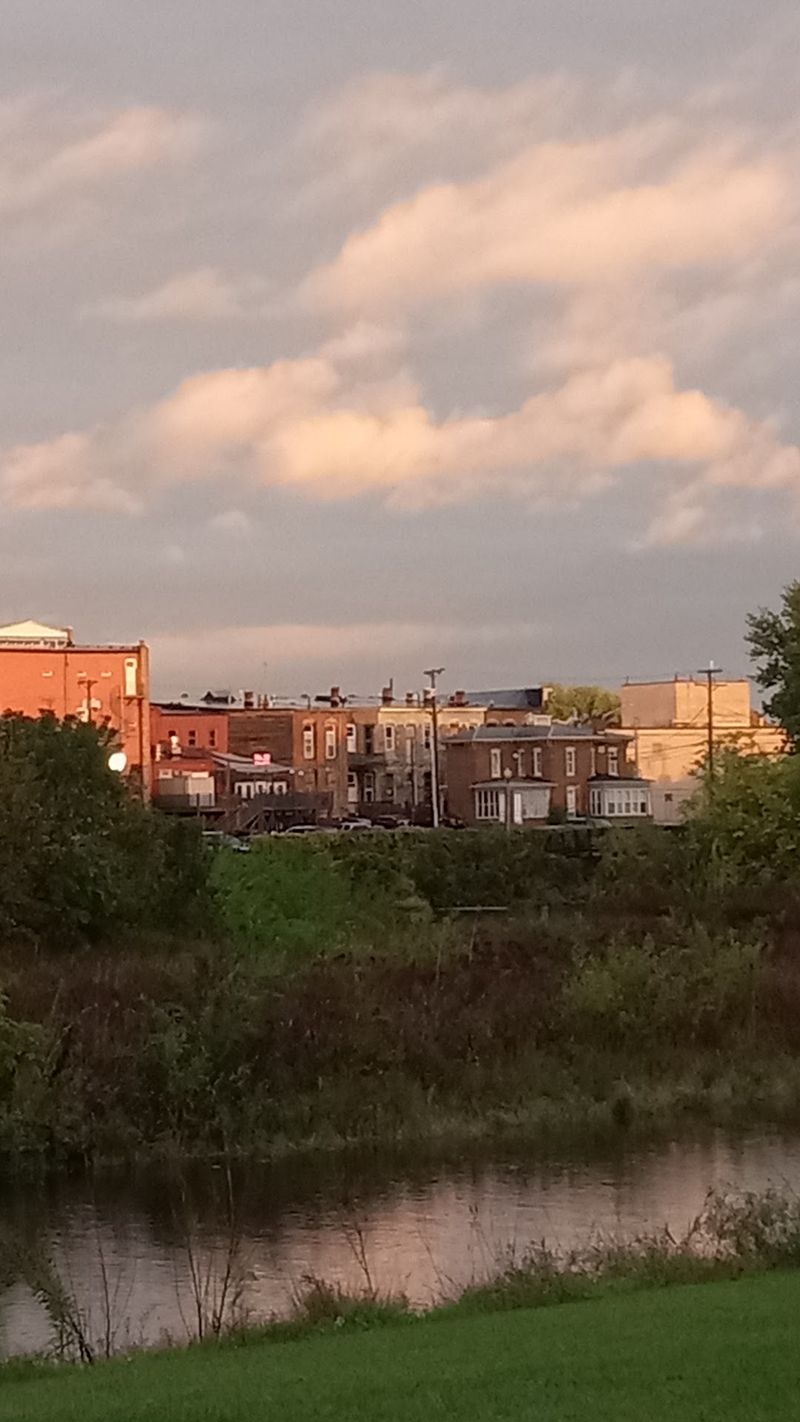
Three rivers, one downtown, and a whole lot of brick. The name is no mystery here: the St. Joseph, Rocky, and Portage rivers all meet in town, and water has shaped the community since its earliest days.
The Downtown Three Rivers Commercial Historic District focuses on Main Street, where two- and three-story brick buildings from the late 1800s and early 1900s form a classic small-town streetscape. Many storefronts have been updated inside while keeping their historic character outside.
Look for decorative brickwork, old signage, and ornate trim along the rooflines.
Local shops mix antiques, gifts, clothing, and specialty items. You’ll also find cafes, restaurants, and places to grab a drink after a day of browsing.
Owners tend to be friendly and happy to point you toward their favorite spots around town.
The rivers are the real bonus. Parks and trails near downtown let you walk along the water, and paddlers can bring kayaks or canoes to explore at their own pace.
On warm days, it’s easy to combine a morning on the river with lunch downtown.
Art has become a bigger part of the Three Rivers story too. Murals, galleries, and public art pieces add color to the streets, and community events often spotlight local creators.
Keep your phone handy for photos, since some of the painted walls make great backdrops.
St. Joseph County also has plenty of farmland, Amish communities, and quiet backroads nearby. A drive through the countryside before or after your downtown visit gives you a fuller picture of the area.
Watch for roadside stands selling fresh produce and baked goods in summer and fall.
Weekends tend to bring the most open shops and events, while weekday visits are calmer. Checking the downtown association’s website helps you catch festivals, markets, or holiday happenings.
Share this story