Tennessee offers some of the best day trips in the South without emptying your wallet. From thundering waterfalls hidden in state parks to underground lakes that seem straight out of a fantasy novel, the Volunteer State delivers adventures that cost less than a fancy dinner.
Whether you’re craving mountain views, music history, or natural wonders that’ll make your Instagram followers jealous, these nine destinations prove you don’t need a big budget to create unforgettable memories.
1. Fall Creek Falls State Park — Spencer
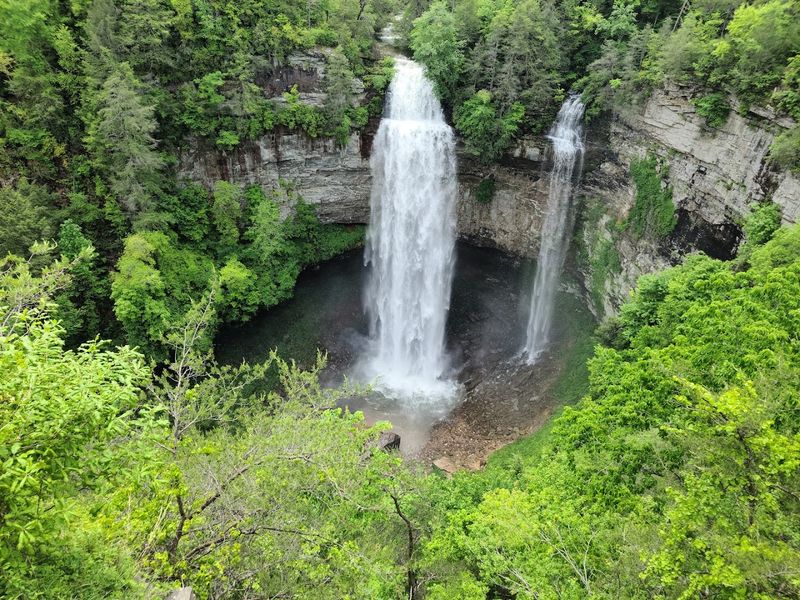
Waterfalls don’t get much more dramatic than the 256-foot plunge at Fall Creek Falls, one of the tallest cascades east of the Rockies. The park sprawls across more than 26,000 acres of Cumberland Plateau wilderness, giving you plenty of room to explore without bumping into crowds.
You can hike to multiple waterfalls in a single day, each one offering its own personality and photo opportunities.
The trail system ranges from easy strolls to challenging treks, so families with young kids and serious hikers both find their happy place here. Cane Creek Falls and Cane Creek Cascades are shorter walks if you’re not up for the longer routes.
The overlook platforms give you jaw-dropping views without requiring you to scramble down steep paths.
Pack a picnic because the day-use areas have tables with million-dollar views for the price of absolutely nothing. Swimming holes stay refreshingly cool even during August heat waves, and the nature center offers free educational programs that kids actually enjoy.
Fishing enthusiasts can cast lines in the lake without needing a guide or expensive equipment rentals.
The park charges a minimal entrance fee that’s less than what you’d spend on movie tickets, and camping options exist if you want to extend your stay. Fall colors transform the gorges into a painter’s palette come October, making autumn visits particularly spectacular.
Spring wildflowers carpet the forest floor, creating another seasonal reason to return throughout the year.
2. Rock Island State Park — Rock Island
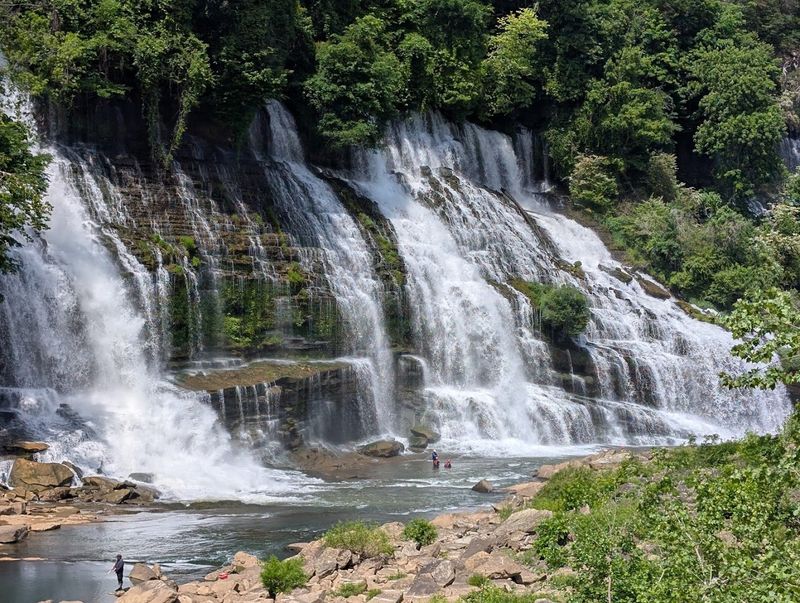
Where three rivers collide, you’ll find Rock Island State Park serving up some of the most photogenic swimming holes in Tennessee. The Great Falls waterfall churns out turquoise pools that look more like Caribbean destinations than Middle Tennessee landscapes.
Local college students have known about this spot for decades, but it remains surprisingly uncrowded on weekdays.
The Twin Falls area offers calmer waters perfect for families who want to wade without worrying about strong currents. You can spend an entire afternoon hopping between different swimming spots, each with its own depth and vibe.
The rock formations create natural water slides that thrill-seeking kids ride over and over until they’re completely exhausted.
Hiking trails wind through the park, connecting the various falls and overlooks without requiring marathon-level endurance. History buffs appreciate the old mill ruins and the powerhouse that once generated electricity for the region.
The park preserves these structures while letting nature reclaim the surrounding areas in beautiful ways.
Kayakers and paddleboarders launch from designated areas to explore the Caney Fork River’s calmer sections. The park provides free parking and facilities without charging the admission fees you’d encounter at commercial water parks.
Bring your own food and drinks because the nearest restaurants sit several miles away in town.
Summer weekends do get busy, so arriving early or visiting during shoulder seasons gives you more elbow room. The water stays cold year-round thanks to the dam releases upstream, making it refreshing even when temperatures soar into the nineties.
3. Burgess Falls State Park — Sparta
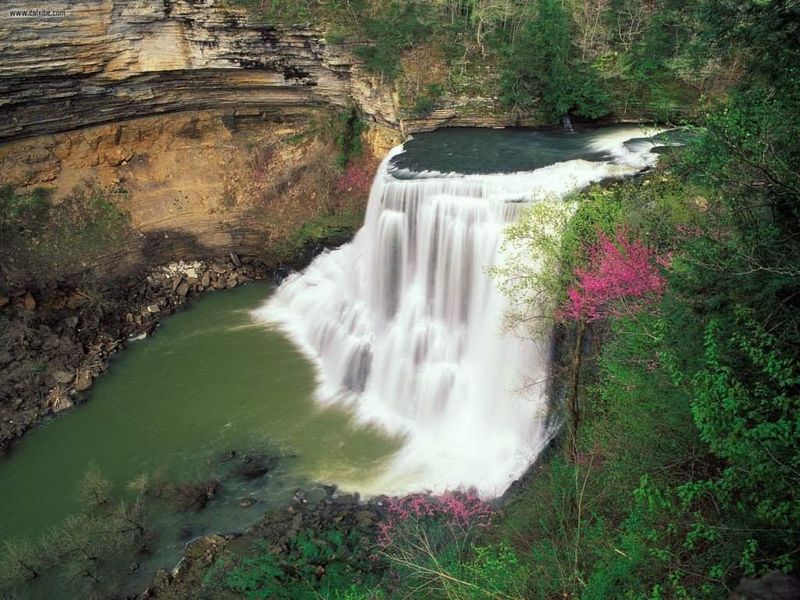
Most people drive right past Sparta without realizing they’re missing one of Tennessee’s most rewarding waterfall hikes. Burgess Falls saves its best surprise for the end of a moderate trail that follows the Falling Water River downstream.
The path takes you past three smaller falls before revealing the main event: a 136-foot curtain of water plunging into a limestone gorge.
The entire round-trip hike covers just three miles, making it doable for families with elementary-aged kids who can handle some uphill sections. Wooden stairs and viewing platforms at the main falls let you get close to the action without risking a dangerous scramble.
The mist from the falls creates natural air conditioning that feels amazing after the walk in.
Unlike some Tennessee parks that charge parking fees, Burgess Falls remains completely free to visit. The trailhead has decent facilities including restrooms and picnic tables where you can refuel after your hike.
Photographers love the late afternoon light that illuminates the falls and creates rainbows in the spray.
Spring brings the highest water flow, turning the falls into a thundering spectacle that you can hear from the parking lot. Fall foliage frames the cascades in brilliant reds and golds, though the trails get more crowded during peak color season.
Winter visits offer solitude and sometimes ice formations, but watch for slippery conditions on the stairs.
The park sits about an hour from Nashville and Cookeville, making it an easy day trip from either direction. Local anglers fish the river above the falls for bass and bream when they’re not hiking.
4. Cummins Falls State Park — Cookeville
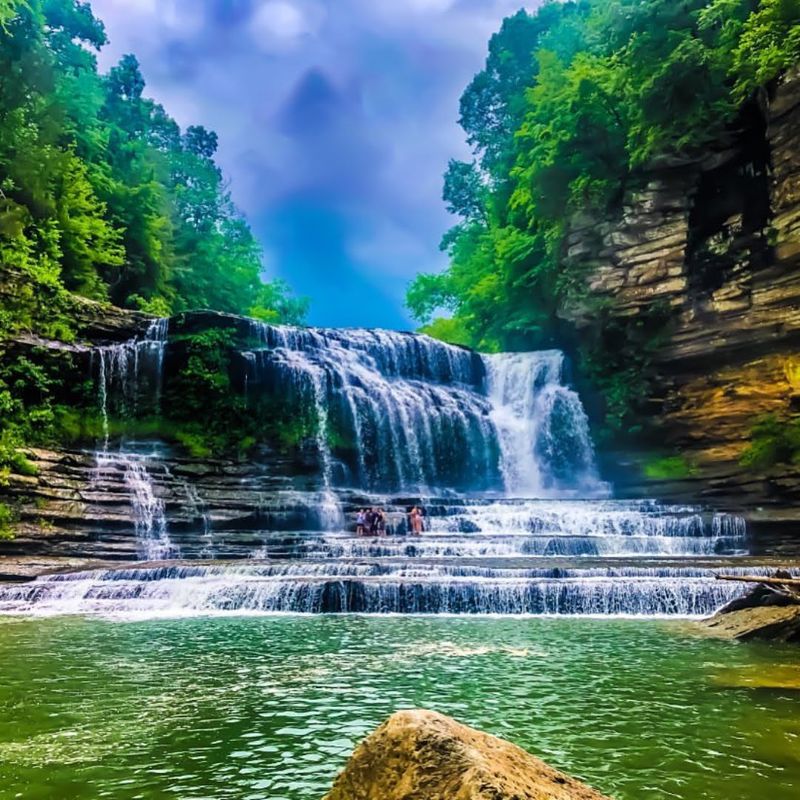
Swimming at the base of a 75-foot waterfall feels like discovering a secret paradise, except Cummins Falls welcomes visitors who are ready for a bit of adventure. Getting to the main falls requires wading through the river multiple times, turning the journey into an attraction itself.
Water shoes are absolutely essential because the rocky riverbed will shred regular sneakers in minutes.
The park implemented a reservation system during peak season to protect the natural resources and prevent overcrowding. Permits cost just a few dollars and ensure you’ll actually have room to enjoy the swimming hole.
This system also helps rangers monitor conditions and keep visitors safe during high water events.
The hike down to the falls takes about 45 minutes, combining forest trails with river crossings that range from ankle-deep to thigh-deep depending on recent rainfall. Strong swimmers can paddle right up to the falls, while others relax in the calmer pools downstream.
The gorge walls create a natural amphitheater that amplifies the sound of rushing water.
Safety warnings are serious here because flash floods can occur with little notice during heavy rains upstream. Rangers close the trail when water levels rise too high, so check conditions before making the drive.
The park requires all visitors to watch a brief safety video before heading down to the falls.
Weekdays offer the best experience with fewer people and easier parking. The return hike uphill challenges tired legs, but the memory of swimming beneath a waterfall makes every step worthwhile.
Pack snacks and plenty of water because you’ll work up an appetite on this adventure.
5. The Lost Sea Adventure — Sweetwater
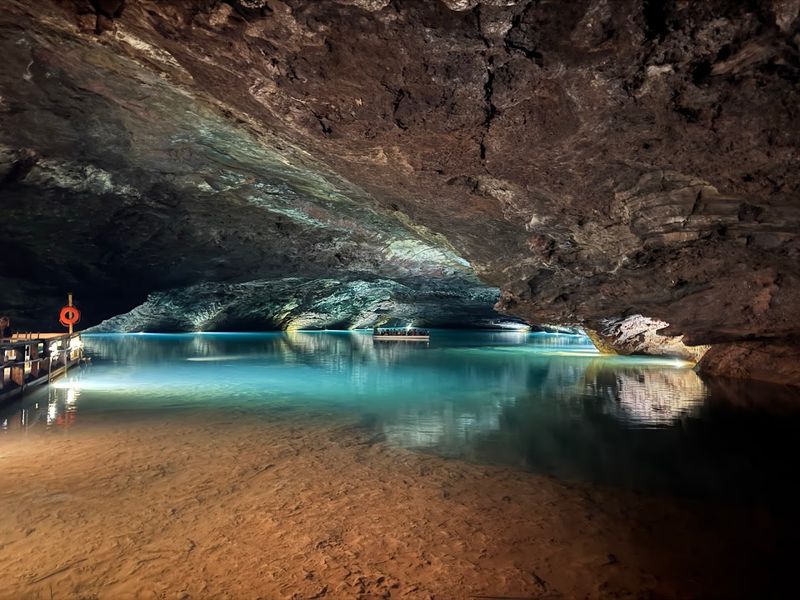
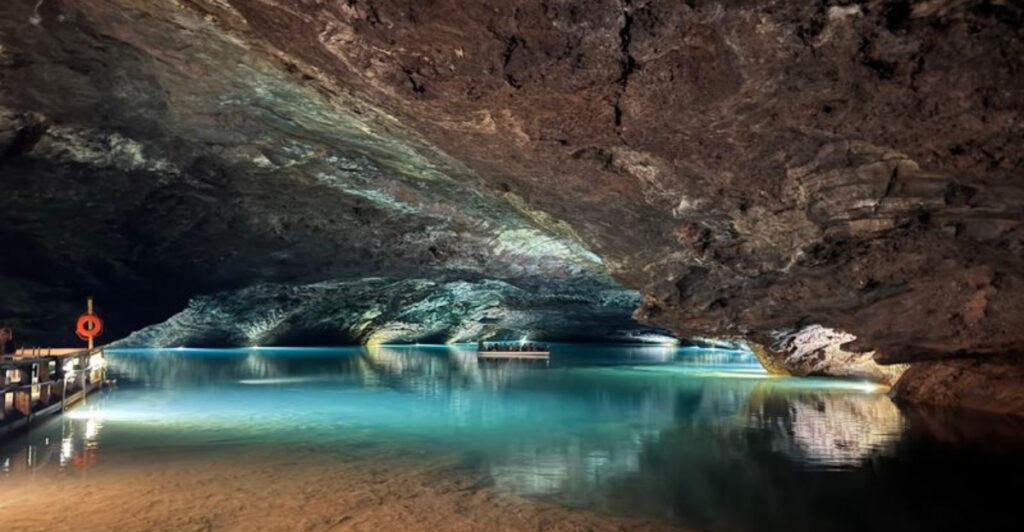
America’s largest underground lake sits beneath the rolling hills of East Tennessee, completely hidden from the world above. The Lost Sea Adventure takes you 140 feet below ground to explore caverns that stayed secret until a young boy wiggled through a tiny opening back in 1905.
Today’s tours follow well-lit pathways and include a glass-bottom boat ride across the mysterious lake.
The temperature underground stays at a constant 58 degrees year-round, making it a perfect escape from summer heat or winter cold. You’ll walk through massive rooms decorated with stalactites, stalagmites, and formations that look like frozen waterfalls.
The guides share stories about moonshiners who once used the caves and Civil War soldiers who carved their names in the walls.
The boat ride glides across water so clear you can see rainbow trout swimming beneath the surface. These fish have lived in complete darkness for generations, adapting to their unusual environment.
The lake extends far beyond the areas tourists visit, with divers mapping over 13 acres of underwater passages.
Tours run year-round and last about an hour and a half, with plenty of stops for photos and questions. The admission price is reasonable compared to other commercial cave tours, and the experience delivers genuine wonder without feeling like a tourist trap.
Kids love the adventure aspect, while adults appreciate the geological and historical significance.
The facility includes a small museum and gift shop at ground level. Comfortable walking shoes are important because the cave floor can be uneven in spots, though the main paths are well-maintained and accessible.
6. Tennessee State Museum — Nashville
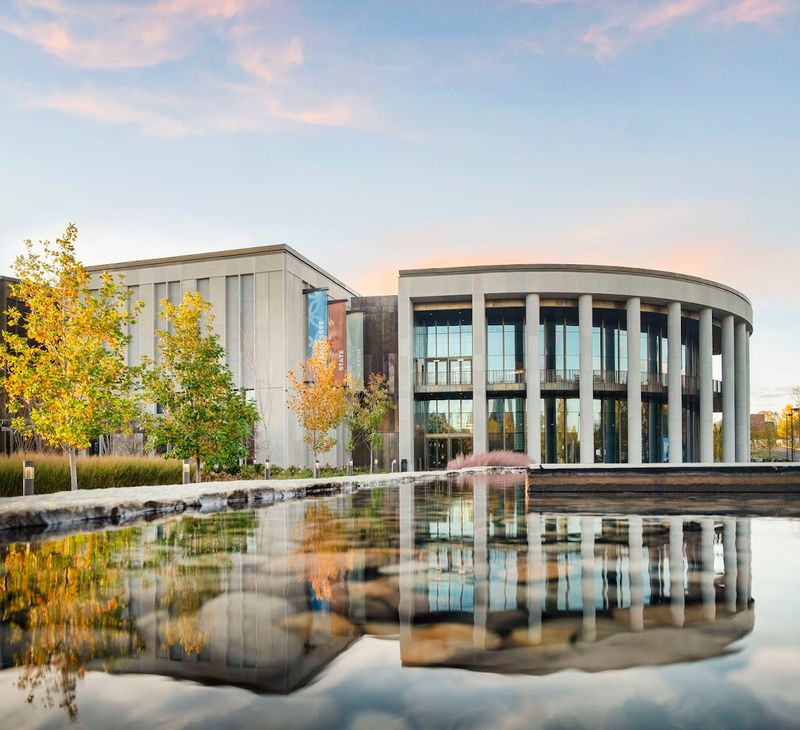
Free admission to a world-class museum might sound too good to be true, but the Tennessee State Museum delivers exactly that in the heart of Nashville. The modern building opened in 2018, replacing the old location with expanded galleries that showcase everything from ancient Native American artifacts to Civil Rights history.
You could easily spend half a day wandering through exhibits that bring Tennessee’s story to life.
The first-floor galleries cover natural history and early inhabitants, displaying mastodon bones and explaining how indigenous peoples shaped the landscape. Moving upward through the building, you travel forward through time, encountering pioneer life, the Civil War, and Tennessee’s musical heritage.
Interactive displays let kids try on period clothing and handle replica tools.
Music lovers appreciate the extensive collection of instruments, costumes, and memorabilia from Tennessee’s legendary performers. The museum doesn’t just focus on country music either, giving equal attention to blues, rock, and gospel traditions.
Davy Crockett’s rifle and Andrew Jackson’s belongings share space with Bessie Smith’s records and artifacts from the Memphis sanitation workers’ strike.
Rotating special exhibitions bring fresh perspectives and keep repeat visitors engaged throughout the year. The museum shop offers Tennessee-themed books and gifts without the inflated prices common at tourist attractions.
Downtown parking can be tricky, but the museum validates parking at nearby garages, reducing your costs significantly.
The building’s architecture itself impresses, with natural light flooding the galleries and comfortable seating areas throughout. Guided tours are available for free, or you can explore at your own pace using the mobile app.
School groups fill the halls on weekday mornings, so afternoons tend to be quieter.
7. Reelfoot Lake State Park — Tiptonville
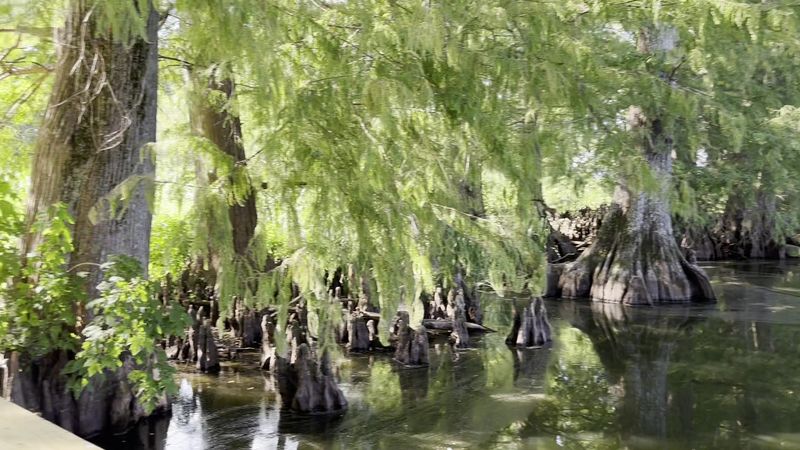
Earthquakes created Reelfoot Lake back in 1811-1812, and the shallow waters have supported an incredible ecosystem ever since. Bald cypress trees rise from the water, their knees breaking the surface and creating an otherworldly landscape that looks more like Louisiana than Tennessee.
The lake sits in the state’s northwest corner, far from the typical tourist routes, which keeps it wonderfully uncrowded.
Winter brings thousands of bald eagles to Reelfoot, making it one of the premier eagle-watching destinations in the eastern United States. The park offers guided boat tours during eagle season, getting you close to roosting trees and feeding areas.
Even if you visit during other seasons, the birdwatching remains exceptional with herons, egrets, and countless waterfowl.
Fishing guides operate year-round, helping anglers catch crappie, bass, and catfish from the stumps and lily pads. You can also rent a boat and explore on your own, though navigation requires attention because the lake is shallow and full of obstacles.
The park maintains a fishing pier and cleaning station for visitors who want to try their luck from shore.
Several short nature trails wind through the park, including a boardwalk that extends over the water for photography and wildlife observation. The visitor center explains the lake’s geological origins and displays mounted specimens of local wildlife.
Rangers lead interpretive programs throughout the year, many of them free with park admission.
Camping facilities range from primitive sites to cabins with modern amenities. The nearby town of Tiptonville offers basic services and a few local restaurants serving Southern comfort food.
Sunset over the cypress trees creates magical light that photographers drive hours to capture.
8. Lookout Mountain Incline Railway — Chattanooga
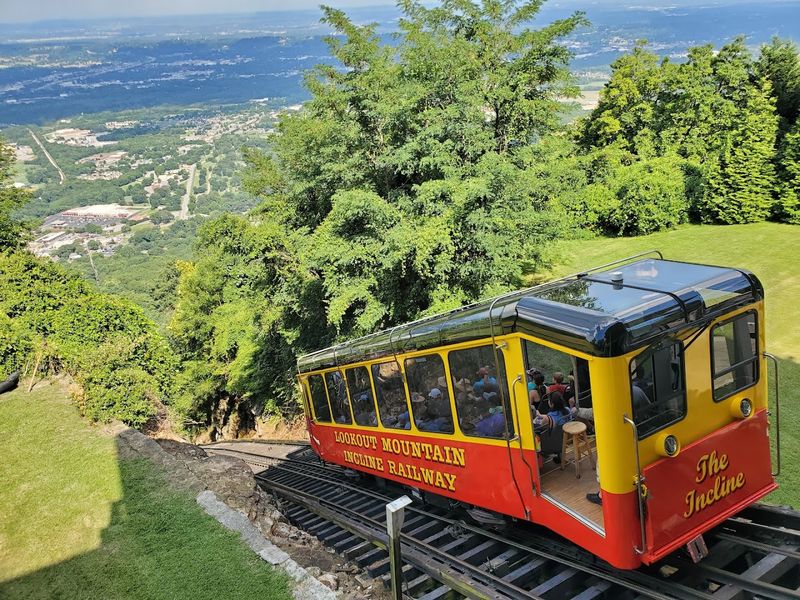
Riding up a 72.7 percent grade might sound terrifying, but the Incline Railway has safely carried passengers up Lookout Mountain since 1895. The bright red trolley cars climb nearly a mile of track, rising from the base to the summit in about 15 minutes.
Looking down through the car’s glass floor as the city shrinks below creates an unforgettable thrill.
At the top, you’ll find Rock City Gardens and Ruby Falls, both worthy attractions in their own right. The Incline itself, though, deserves recognition as an engineering marvel that’s still running on its original track.
The views during the ascent showcase Chattanooga’s downtown, the Tennessee River, and mountains stretching into the distance.
Ticket prices are reasonable, especially considering you’re riding a National Historic Landmark and one of the world’s steepest passenger railways. The station at the base includes a small museum with historical photos and information about the Incline’s construction.
You can also learn about the role Lookout Mountain played during the Civil War’s Battle Above the Clouds.
The upper station offers observation decks and a gift shop, plus access to walking trails if you want to explore the mountaintop. Sunset rides are particularly popular because the city lights begin twinkling as you descend.
The railway operates year-round except for occasional maintenance closings, so check the schedule before visiting.
Parking at the lower station is free, and the surrounding neighborhood has several local restaurants worth trying. The Incline makes a great addition to a Chattanooga day trip that might also include the Tennessee Aquarium or the Riverwalk.
Combination tickets with nearby attractions can save money if you’re planning to visit multiple sites.
9. South Cumberland State Park — Monteagle
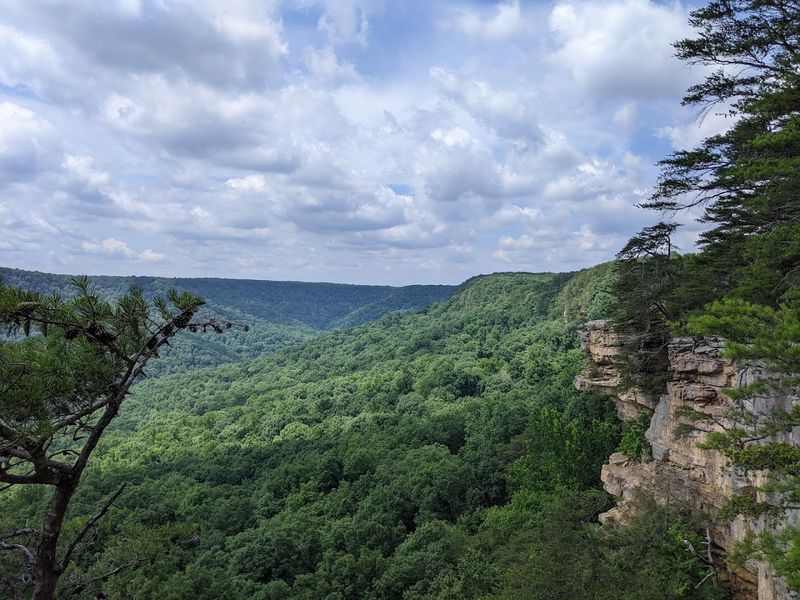
Thirty thousand acres of protected wilderness sounds like a national park, but South Cumberland State Park delivers that scale without the crowds or entrance fees. The park actually consists of several separate areas spread across the Cumberland Plateau, each offering distinct landscapes and adventures.
Savage Gulf, Fiery Gizzard, and Stone Door are just a few of the dramatic names that hint at the rugged beauty waiting here.
The Stone Door trail leads to a massive rock crack that early settlers used as a passage through otherwise impassable bluffs. Standing at the overlook, you can see for miles across tree-covered valleys that look virtually unchanged from centuries ago.
The trail is short and family-friendly, delivering big rewards for minimal effort.
Serious hikers tackle the Fiery Gizzard Trail, consistently ranked among the best day hikes in the Southeast. The 13-mile path crosses streams, climbs beside waterfalls, and navigates boulder fields that require both hands and feet.
You don’t have to complete the entire trail to enjoy it; shorter out-and-back sections work perfectly for half-day adventures.
Savage Gulf offers backcountry camping for those who want to extend their stay into overnight wilderness experiences. The park maintains several developed campgrounds with amenities, plus primitive sites for backpackers seeking solitude.
Rangers lead guided hikes and educational programs throughout the year, all free to participants.
Fall foliage transforms the park into a kaleidoscope of color, while spring wildflowers carpet the forest floor. The plateau’s elevation keeps temperatures cooler than surrounding lowlands, making summer visits more comfortable.
Winter brings occasional snow that creates fairytale landscapes, though some trails may close during icy conditions.
Share this story