Texas stretches out for miles in every direction, packed with wild landscapes and hidden corners that won’t cost you a dime to explore. From boardwalks over wetlands to peaceful hiking trails along city lakes, the Lone Star State offers outdoor experiences that rival pricey attractions without touching your wallet. Whether you’re craving a quiet afternoon surrounded by nature or an adventure that gets your heart pumping, these eight spots prove that the best things in life really are free.
1. Balcones Canyonlands National Wildlife Refuge (Marble Falls)
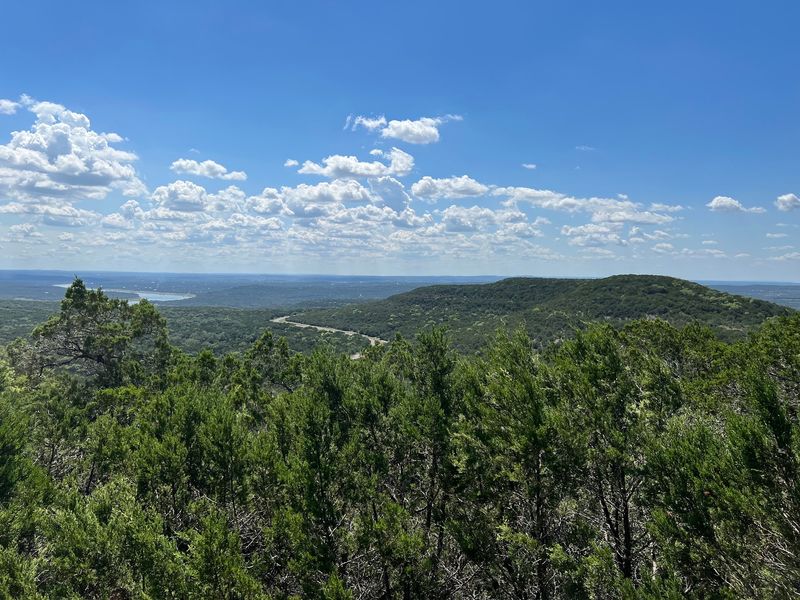
Perched in the Hill Country west of Austin, this 23,000-acre refuge protects some of the most rugged and beautiful terrain you’ll find anywhere in central Texas. The landscape here is all about contrasts: deep canyons carved into pale limestone, thick stands of Ashe juniper, and open grasslands dotted with wildflowers in spring. More than 30 endangered species call this place home, including the golden-cheeked warbler, which nests only in these exact conditions.
You can explore several trails that wind through different habitats, each offering its own flavor of wilderness. The terrain can be challenging, with rocky paths and steep drop-offs, so sturdy shoes are a must. Early morning visits reward you with the best wildlife viewing, when deer browse near the trails and birds fill the air with song.
What makes this refuge special is how untouched it feels despite being so close to growing cities. There are no paved roads cutting through the heart of it, no visitor centers crowding the experience. Just you, the land, and whatever creatures decide to show themselves.
Spring brings the most dramatic transformation, when bluebonnets and Indian paintbrush carpet the meadows in color. But even in summer’s heat or winter’s chill, the refuge offers solitude and natural beauty that feels like a world away from everyday life. Pack plenty of water, respect the wildlife, and leave only footprints behind.
This is raw Texas wilderness at its finest, and the price of admission is absolutely nothing.
2. Cattail Marsh Scenic Wetlands & Boardwalk (Beaumont)
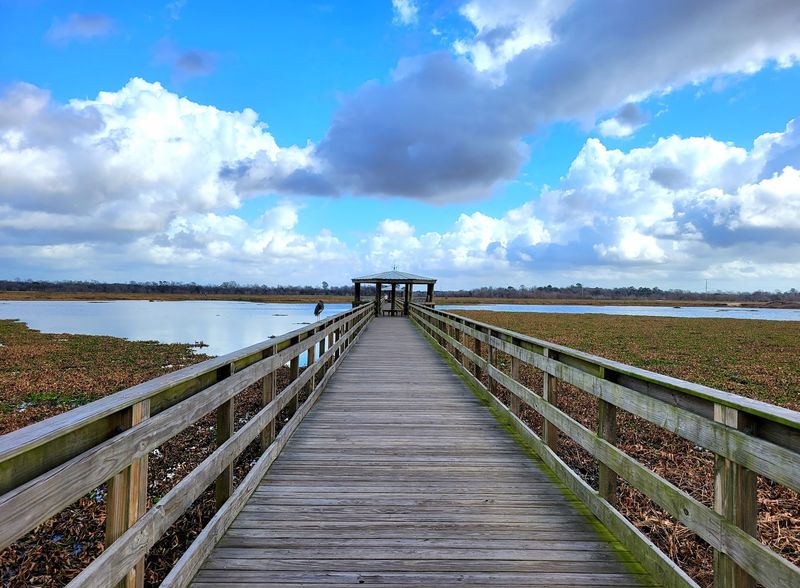
Beaumont’s answer to expensive nature tours comes in the form of a mile-long boardwalk that floats above 900 acres of constructed wetlands. This spot started as a wastewater treatment project and evolved into one of Southeast Texas’s best birdwatching destinations. The elevated walkway keeps your feet dry while putting you right in the middle of a thriving ecosystem where alligators sun themselves and herons stalk the shallows.
Over 200 bird species have been spotted here throughout the year, making it a magnet for anyone with binoculars and patience. Roseate spoonbills flash their shocking pink feathers against green reeds. Anhinga spread their wings to dry in the sun like living sculptures.
During migration seasons, the marsh becomes a layover spot for countless species traveling between continents.
The boardwalk includes several observation platforms where you can stop and scan the water for movement. Educational signs explain the wetland’s role in filtering water and supporting wildlife, but honestly, the real education comes from just watching nature do its thing. You might spot a nutria swimming past or catch an alligator’s eyes barely breaking the surface.
Summer heat can be intense, so early morning or late afternoon visits work best. Bring water, sunscreen, and bug spray because mosquitoes consider this paradise too. The marsh proves that environmental solutions can create recreational treasures, transforming what could have been purely functional into something beautiful and accessible to everyone regardless of budget.
3. Fort Worth Water Gardens (Fort Worth)
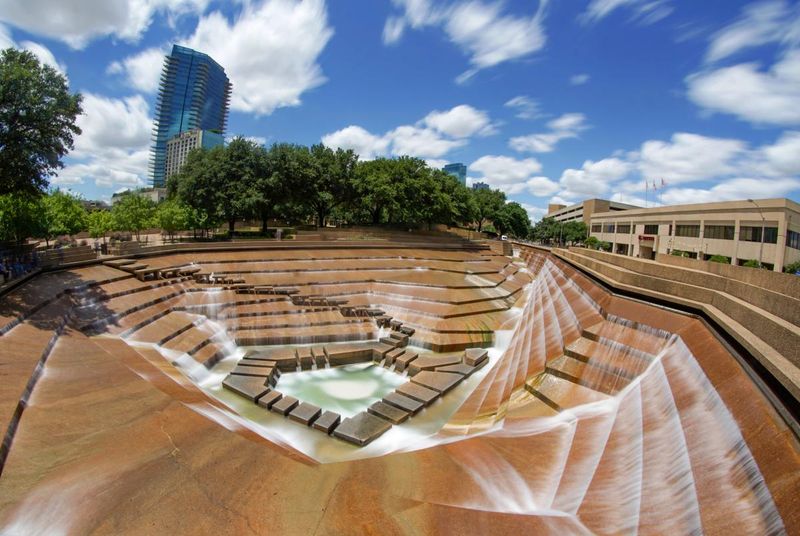
Right in the heart of downtown Fort Worth sits a concrete canyon where water takes center stage in the most dramatic way possible. Designed by Philip Johnson and opened in 1974, this 4.3-acre park feels like stepping into a completely different world despite being surrounded by skyscrapers. The main attraction is the Active Pool, where 19,000 gallons of water per minute cascade down terraced steps, creating a thunderous roar that drowns out city noise.
Three distinct areas offer different moods and experiences. The Active Pool draws crowds who carefully descend the slick steps to stand at the bottom, surrounded by walls of falling water. The Quiet Pool lives up to its name with still water and cypress trees creating a meditative space.
The Aerating Pool features illuminated fountains that spray and dance, especially beautiful after dark.
Families love this place because kids can safely explore while parents relax on the wide steps. The sound of rushing water creates natural white noise that makes conversation feel private even in a public space. Photographers flock here for the dramatic angles and interplay of light on water.
The gardens underwent major renovations recently, addressing safety concerns while preserving the original brutalist design that makes them so unique. Visit on a hot Texas afternoon and the mist from the waterfalls provides natural air conditioning. The concrete stays cool under your feet, and the whole experience feels both urban and elemental.
No admission fee, no time limits, just water, stone, and whatever peace you can find in the middle of Cowtown.
4. Oak Point Park and Nature Preserve (Plano)
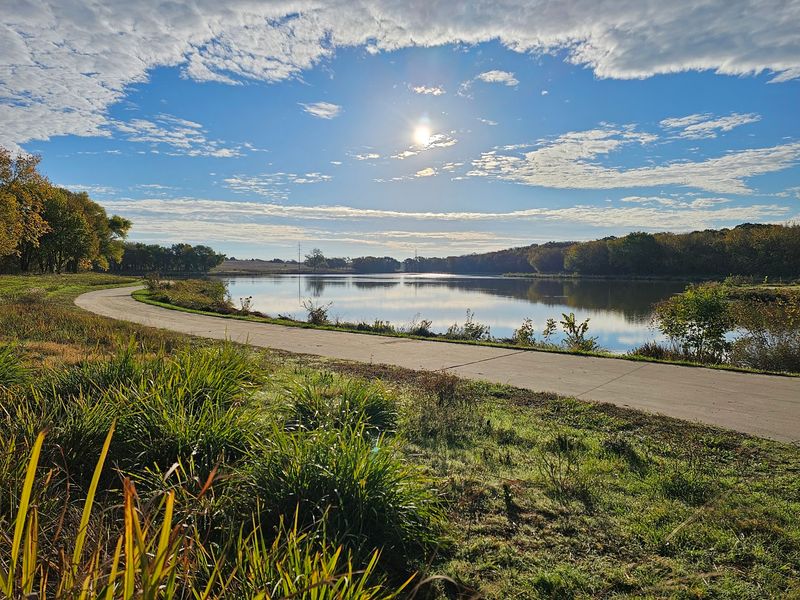
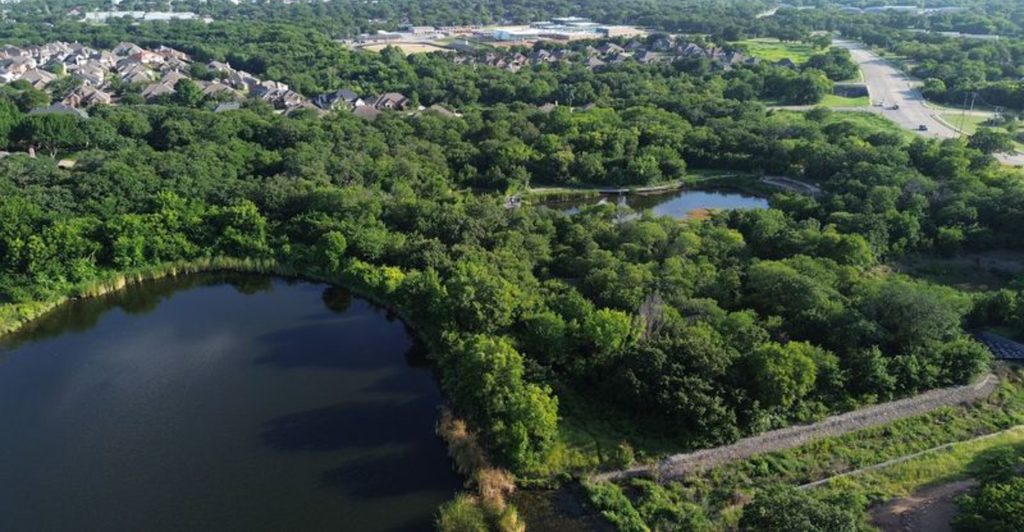
Plano’s largest park sprawls across 801 acres along the shores of Lake Lewisville, offering a rare slice of wilderness in the middle of suburban sprawl. Five miles of paved trails wind through oak forests and open prairies, perfect for walking, running, or cycling without worrying about traffic. The preserve protects native ecosystems that existed here long before shopping centers and neighborhoods took over the surrounding landscape.
What sets Oak Point apart from typical city parks is the genuine sense of remoteness you can find here. Trails loop away from the main areas into sections where the only sounds come from wind through the trees and birds calling from the branches. White-tailed deer browse in the meadows at dawn and dusk.
Wildflowers bloom in waves throughout spring and summer, painting the grasslands in changing colors.
The park includes both natural surface trails for those who want a more rugged experience and smooth paths suitable for strollers or wheelchairs. Fishing spots dot the shoreline where the park meets the lake, and a boat ramp provides free access to the water. Bring your own gear and spend the day casting for bass or crappie without paying marina fees.
Mountain bikers appreciate the dedicated trails that challenge skills without requiring a long drive to more remote locations. Families spread blankets for picnics under the shade of mature oaks. Bird enthusiasts add species to their life lists while wandering the quieter corners.
The preserve proves that even in one of the fastest-growing metro areas in America, wild spaces can survive and thrive when protected properly, offering everyone a free escape from concrete and crowds.
5. Japanese Tea Garden (San Antonio)
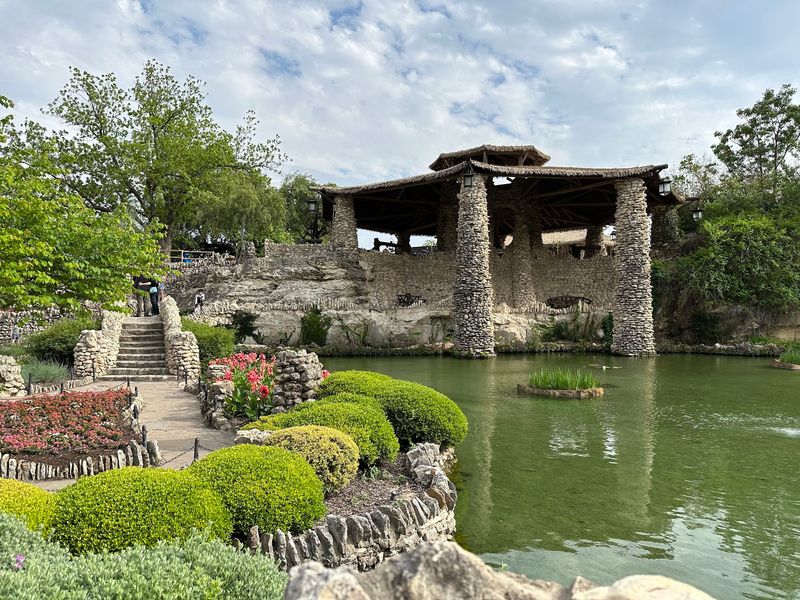
Tucked into an old limestone quarry in Brackenridge Park, this garden has been San Antonio’s peaceful retreat since 1918. Stone pathways wind past koi ponds where massive fish glide like underwater dreams. A 60-foot waterfall tumbles over quarry walls, creating a soundtrack of flowing water that makes the outside world fade away.
The garden blends traditional Japanese design elements with native Texas plants in a way that feels both exotic and perfectly suited to the climate.
The history here runs deep and complicated, reflecting San Antonio’s own evolving story. Originally called the Chinese Tea Garden, it was built by prison labor in an abandoned cement quarry. For decades, the Jingu family lived on-site and maintained the gardens until they were forced out during World War II anti-Japanese sentiment.
The garden fell into neglect before being restored and properly renamed to honor its Japanese influences and the family who cared for it.
Today, visitors cross arched stone bridges and discover hidden corners where benches invite quiet contemplation. The koi pond serves as the centerpiece, with fish so large and friendly they gather when people approach, hoping for food. Stone pagodas and lanterns punctuate the landscape, while native plants adapted to Texas heat thrive alongside more traditional Japanese garden species.
The garden stays open year-round and never charges admission, making it accessible to everyone regardless of economic circumstances. Early mornings bring the most peaceful atmosphere before crowds arrive. The combination of rushing water, shaded pathways, and careful landscaping creates a microclimate that feels several degrees cooler than the surrounding city, offering both visual beauty and physical relief from San Antonio heat.
6. Sheri Capehart Nature Preserve (Arlington)
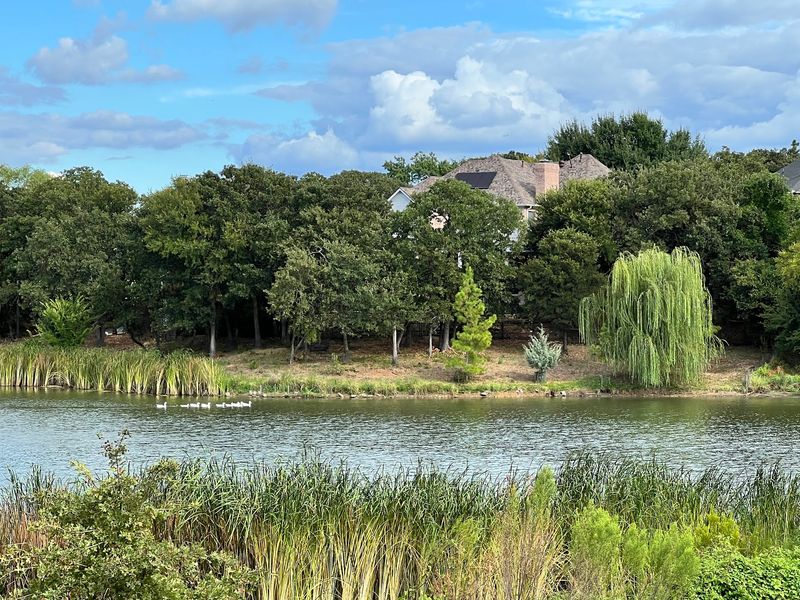
Arlington carved out this 22-acre preserve to protect a remnant of the Blackland Prairie that once covered millions of acres across North Texas. Most of that ecosystem disappeared under plows and pavement, making places like this increasingly rare and valuable. Walking the trails here is like stepping back in time to see what the landscape looked like before cities transformed it completely.
The preserve focuses on native plant restoration, with volunteers working to remove invasive species and encourage native grasses and wildflowers to reclaim their territory. Interpretive signs explain the ecology and history, teaching visitors about the importance of prairies in supporting pollinators, preventing erosion, and maintaining biodiversity. But you don’t need to read every sign to appreciate the beauty of big bluestem grass swaying in the breeze or butterflies dancing between blooms.
Trails loop through different sections of the preserve, some mowed regularly and others left wilder to support ground-nesting birds and small mammals. The terrain is mostly flat and easy, suitable for families with young children or anyone wanting a gentle walk rather than a strenuous hike. Benches placed strategically along the paths invite you to sit and observe whatever wildlife might appear.
Spring brings the most dramatic wildflower displays, with bluebonnets, Indian blanket, and other native species creating waves of color. But each season offers something different, from the architectural beauty of dried seed heads in winter to the full green abundance of summer. The preserve hosts occasional educational programs and volunteer workdays, giving people chances to learn more and contribute to conservation efforts.
Free parking, free admission, and free education about an ecosystem most Texans never get to experience anymore.
7. Lady Bird Lake Hike & Bike Trail (Austin)
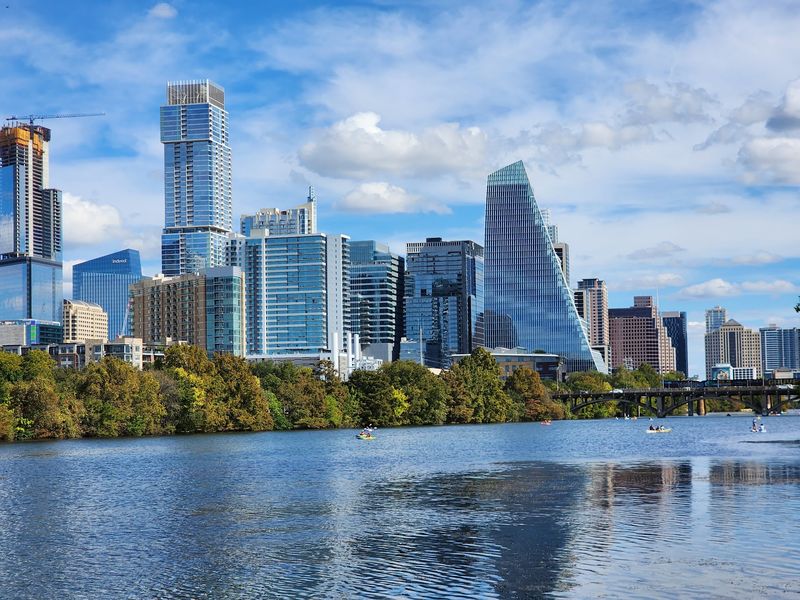
Austin’s most popular trail wraps around Lady Bird Lake for over 10 miles of paved pathway connecting parks, neighborhoods, and some of the best skyline views in the city. On any given day, you’ll share the trail with runners training for marathons, families teaching kids to ride bikes, and tourists soaking up the outdoor culture that defines Austin. The trail proves that exercise and recreation don’t require expensive gym memberships when you’ve got free infrastructure this good.
Multiple access points mean you can tackle as much or as little as you want. Park near Zilker and head east to see the downtown skyline rising above the water. Start at Auditorium Shores and watch paddleboarders and kayakers navigate the lake while you walk.
Each section offers different scenery, from manicured parks to wilder stretches where trees arch over the path and turtles sun themselves on logs.
The trail connects to other Austin attractions without requiring a car. Walk to Barton Springs Pool, explore Zilker Park, or grab tacos from food trucks near the trailheads. Pedestrian bridges cross the lake at several points, letting you create loops of varying lengths.
Distance markers help you track your progress if you’re training, or ignore them completely if you’re just out for a casual stroll.
Summer heat makes early morning or evening the best times to visit, when temperatures drop and the light turns golden on the water. Watch bats emerge from under the Congress Avenue Bridge at dusk, then walk back along the trail as the city lights up. The trail sees heavy use because it delivers exactly what people want: safe, scenic routes for human-powered transportation and recreation right in the heart of the city, accessible to anyone with working legs or wheels.
8. San Antonio Missions National Historical Park (San Antonio)
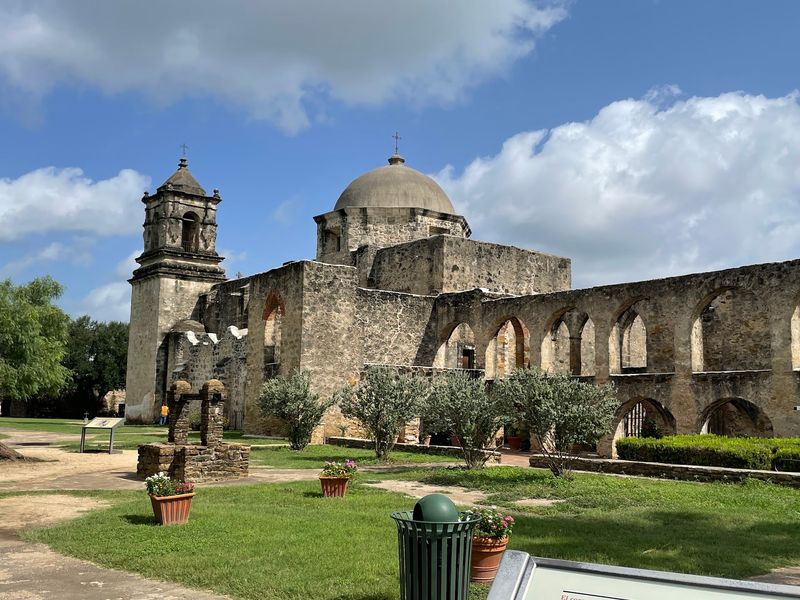
Four Spanish colonial missions stretch along the San Antonio River, connected by trails that let you walk through three centuries of Texas history without spending a cent. Mission Concepción, San José, San Juan, and Espada each tell part of the story of how Spain tried to colonize this region through religion and agriculture. The churches still hold services, making them living history rather than museum pieces frozen in time.
Mission San José earns its nickname as the Queen of the Missions with the most complete restoration and the famous Rose Window carved into the sacristy wall. Walking the grounds, you can explore the granary, workshops, and living quarters that formed a complete community. Rangers offer free talks throughout the day, explaining how the missions functioned and the complex relationships between Spanish colonizers and indigenous peoples who lived and worked here.
A hike and bike trail connects all four missions, running about eight miles one way along the river. You can walk or bike the whole thing, stopping to explore each mission in depth, or drive between them and just walk the individual grounds. Each mission has its own character and state of preservation, from Concepción’s original frescoes to Espada’s working aqueduct system still channeling water after hundreds of years.
The park offers something rare: genuine historical significance combined with beautiful natural settings and absolutely no admission fees. Picnic areas near the missions let you make a full day of it. The river trail provides shade and scenery between historical stops.
Visit during the week to avoid weekend crowds and have the missions almost to yourself. These buildings have witnessed everything from Native American conversions to Texas independence, and now they’re preserved for everyone to experience and learn from, regardless of ability to pay.
Share this story