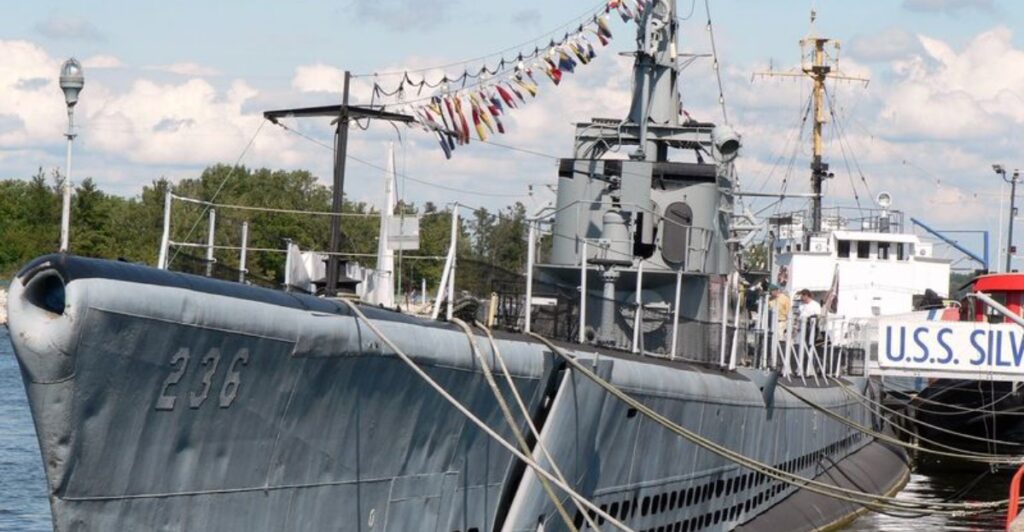
History feels a lot more real when you can step inside the cramped spaces where sailors once lived and worked. In Muskegon, Michigan, the USS Silversides Submarine Museum lets visitors explore a genuine World War II submarine and, during select overnight programs, even sleep aboard the vessel.
The appeal comes from how immersive the experience feels, blending a hands-on history lesson with the kind of adventure that is hard to recreate in a traditional museum. Tight bunks, narrow passageways, and working spaces offer a powerful look at life beneath the surface.
For anyone craving a Michigan outing that feels vivid, unusual, and memorable, this submarine experience stands out.
A steel giant waiting by the water in Michigan
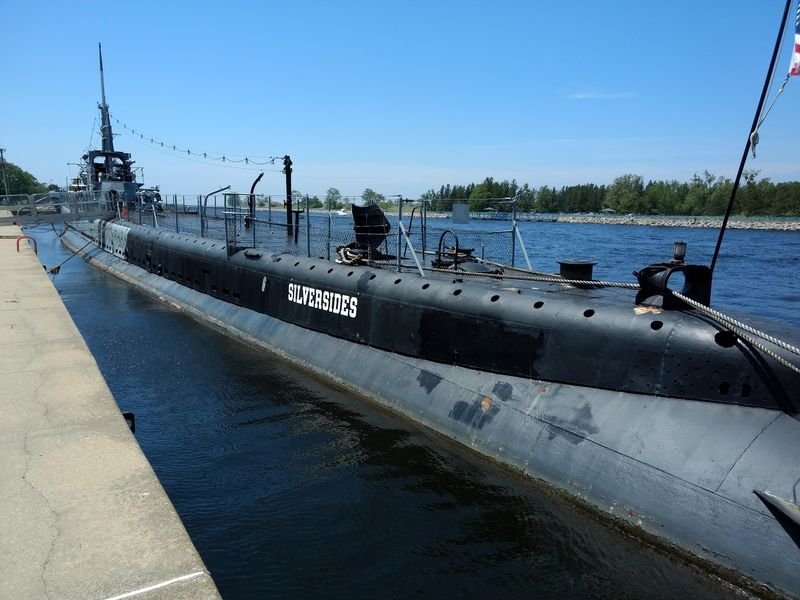
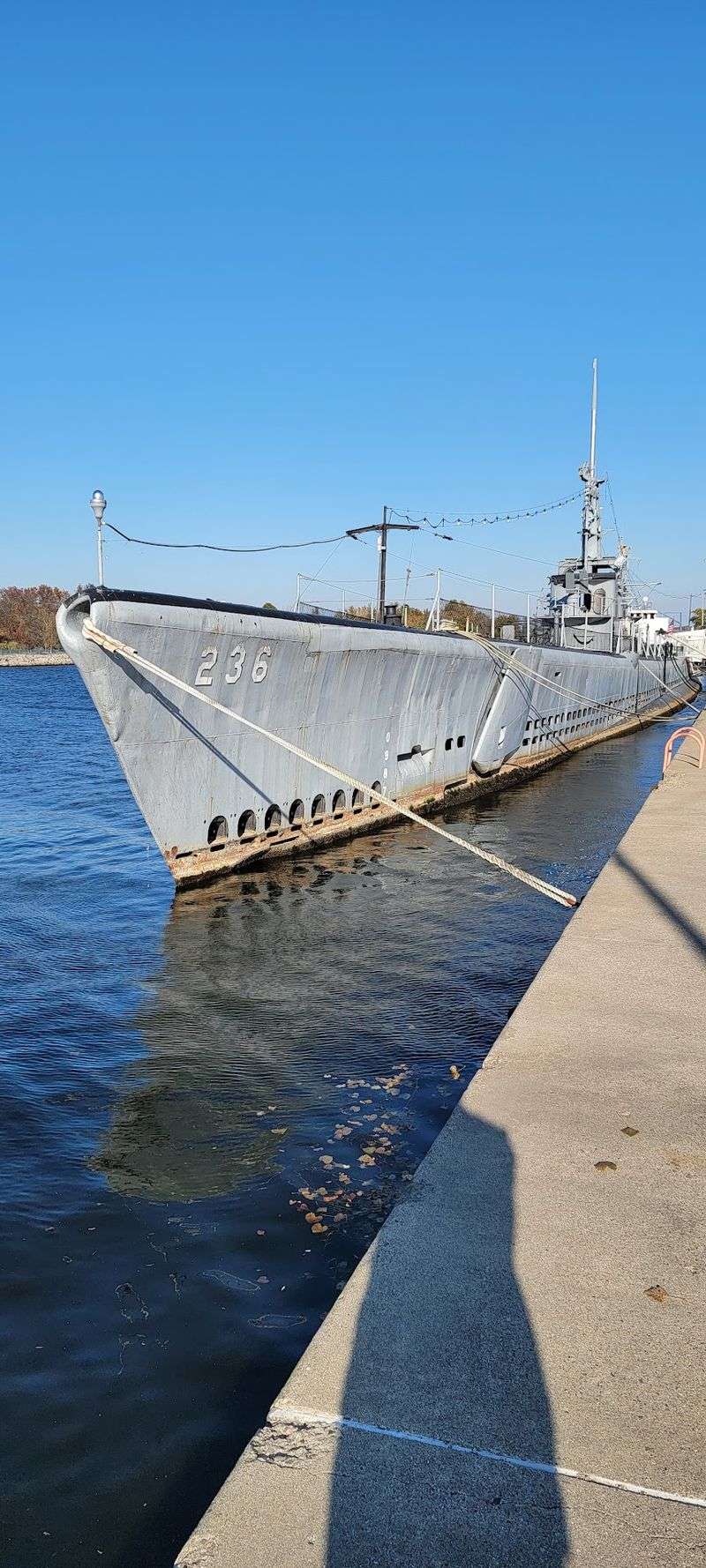
Before you ever step below deck, the setting does a lot of the storytelling. USS Silversides sits near the water in Muskegon with the long, dark shape of the submarine stretching out like a piece of wartime machinery parked in plain sight.
It is striking because submarines are supposed to hide. Here, one rests quietly where you can study every curve, hatch, and line from the outside.
The location adds to the effect. Muskegon already has a strong connection to ships, lake traffic, and working waterfront views, so the museum does not feel dropped in at random.
Instead, the submarine looks right at home beside the shoreline. On a clear day, the breeze, open sky, and nearby water make an interesting contrast with the heavy steel body of the boat.
That first look matters because it prepares you for the scale of the experience. Photos can make old military vessels seem abstract, but standing next to one changes that fast.
You notice how narrow it is compared with larger surface ships, yet also how packed it must have been with people, equipment, fuel, and supplies.
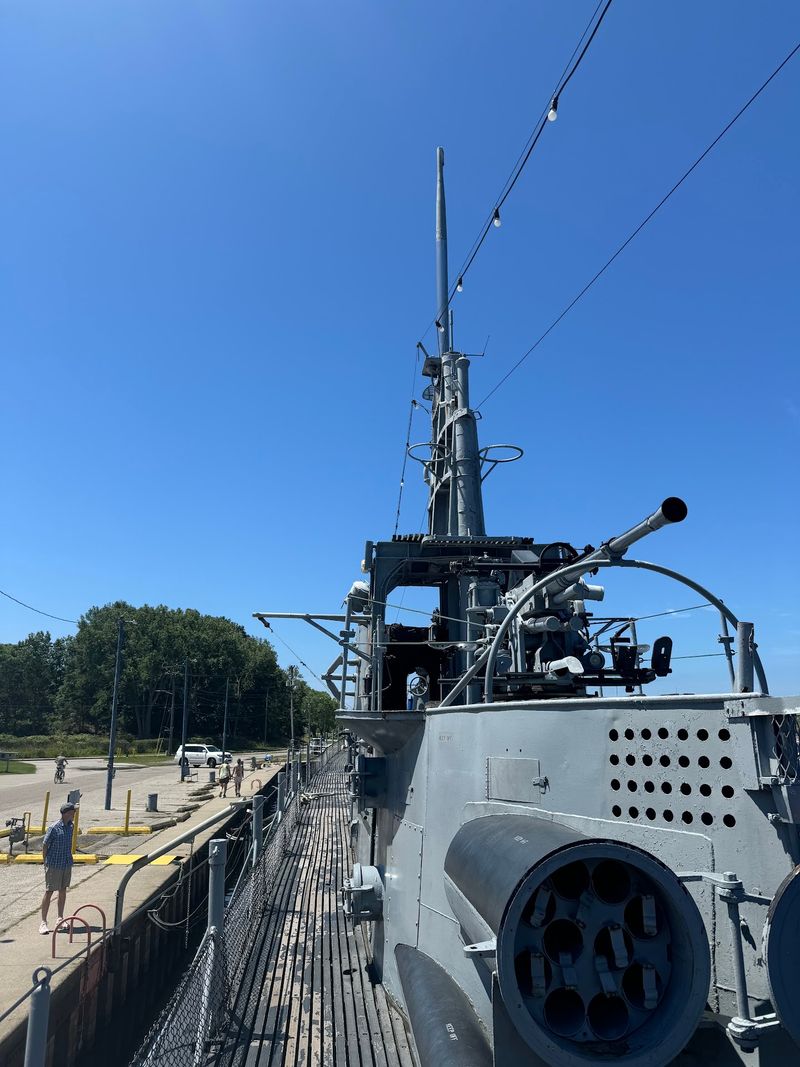
If you are visiting with kids, spend a few extra minutes outside before rushing in. Point out the size of the deck gun, the tight entry points, and the low profile built for survival.
If you are planning an overnight stay, this is also the moment to reset expectations. The submarine is fascinating, but it was built for duty, not comfort.
That contrast begins outside, with a cold steel hull against a bright Michigan sky.
Where your bunk becomes the history lesson
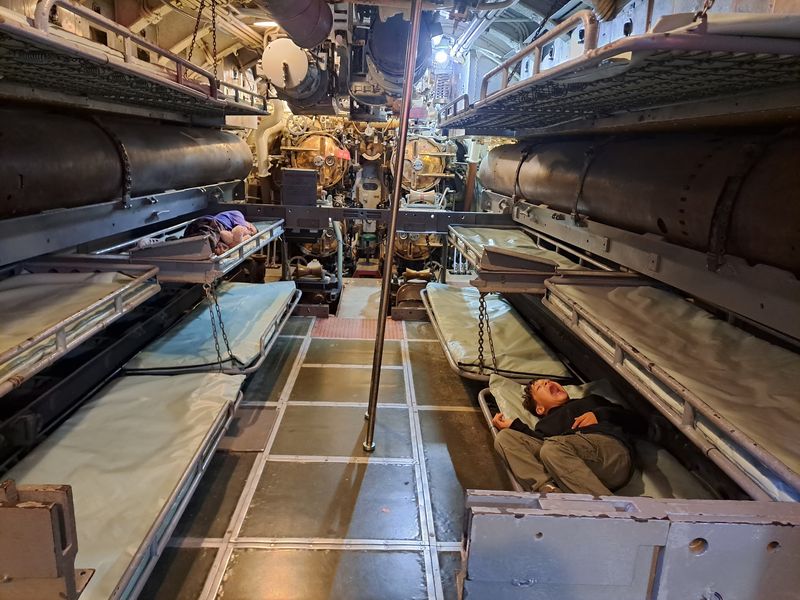
Few museum programs let you understand history with your whole body, but an overnight aboard USS Silversides comes close. Instead of reading about wartime submarine life from a safe distance, you settle into the cramped sleeping spaces where sailors once rested between long shifts.
The bunks are the headline for a reason. They turn a visit into an experience you can measure in inches, not just facts.
Everything about the sleeping setup tells you how little extra room existed on a working submarine. The quarters are narrow, stacked, and close to pipes, metal surfaces, and equipment.
Privacy barely exists. Personal space shrinks fast.
Even lying down becomes a lesson in how sailors adapted to routines that demanded discipline and toughness every day.
If you get the chance to join an overnight program, go in with the right mindset. It is exciting, but it is not a hotel stay with a naval theme.
Expect hard surfaces, unusual smells, close quarters, and the constant reminder that dozens of men once lived and worked in spaces that now challenge visitors for a single night. That is exactly what gives the program its power.
Families and scout groups often connect strongly with this part of the museum because kids can instantly compare their own daily comforts with what submarine crews handled during World War II. Packing light makes the evening easier, and comfortable clothes help in tight spaces.
Most of all, bring curiosity. You are not there for luxury.
You are there to understand how sailors slept, moved, and carried on inside a machine designed for war. By morning, the bunks make the past feel startlingly real.
Tight passages, ladders, and the true shape of submarine life
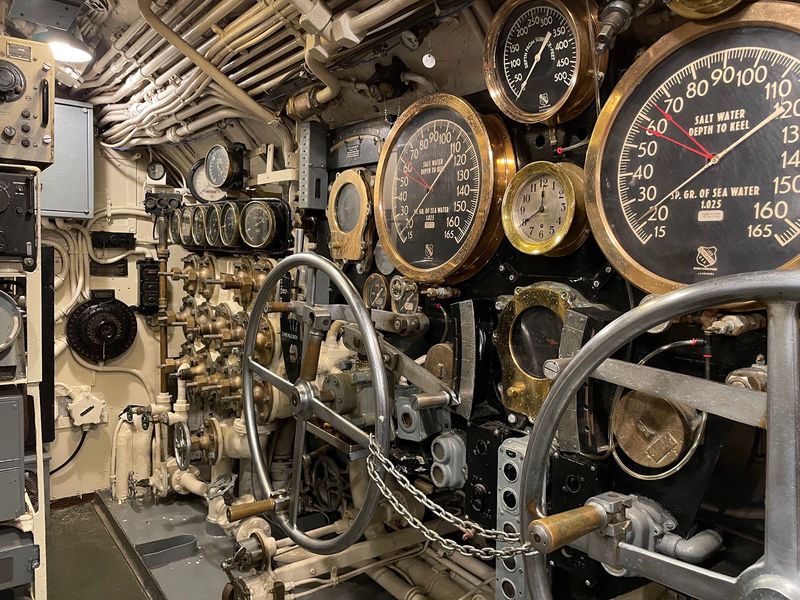
One of the biggest surprises inside USS Silversides is how quickly the submarine changes your sense of space. Hallways pinch in.
Doorways feel circular and awkward. Ladders interrupt the flow from one section to the next.
It only takes a few minutes to understand that everyday movement on board was never simple.
Walking through the submarine is more than a tour route. It shows how every inch had a purpose.
Beds, storage, machinery, controls, and weapons all had to fit inside a compact steel shell. There is almost no wasted room.
For modern visitors used to wide hallways and open rooms, the layout is eye-opening in a way that books and films rarely match.
If narrow spaces make you uneasy, it helps to know that the museum also offers ways to learn above deck and in the museum building. That can make the visit easier for younger children or anyone not ready to go below.
Still, for those who can manage it, the walk through the submarine is the clearest lesson on what service in this environment demanded. You duck, step carefully, and pay attention to every movement.
The physical challenge is part of the educational value. A submarine was not built around comfort, easy walking, or a calm sightseeing pace.
It was built around survival, stealth, and mission needs. Looking at gauges or bunks is interesting, but feeling the squeeze of the passageways drives the point home much faster.
Wear shoes with good grip, move slowly on ladders, and give yourself time between compartments. A rushed visit misses the details.
The better approach is to pause, look closely, and imagine doing ordinary tasks in that setting for weeks at a time. Suddenly, the submarine is not just a display.
It becomes a working world.
The museum building adds the backstory the submarine cannot tell alone
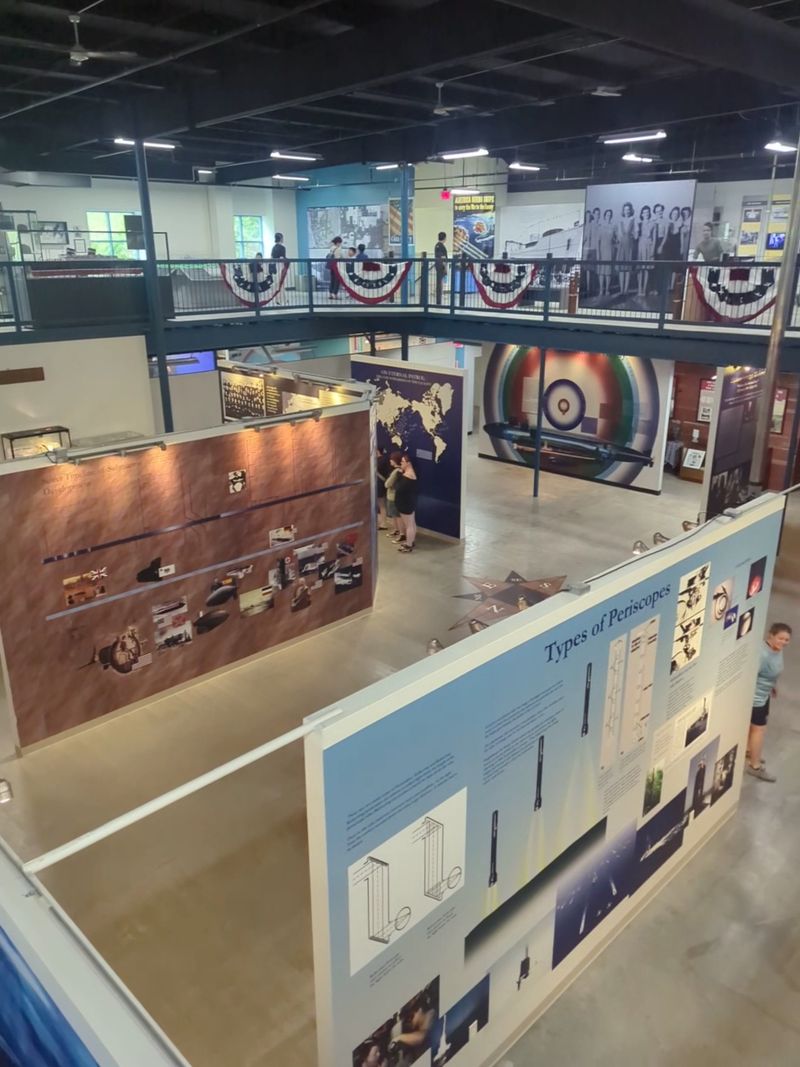
As gripping as the submarine is, the museum building gives the visit its wider meaning. Inside, the focus expands beyond one vessel and helps explain submarine warfare, naval service, and the World War II context surrounding USS Silversides.
Without that extra layer, the submarine would still be impressive, but much harder to fully understand.
Exhibits, artifacts, and interpretive displays help connect the physical tour to real people and larger events. You can move from seeing equipment on the boat to learning how crews trained, what missions demanded, and why submarines mattered so much during wartime.
The museum also includes films and educational material that can be especially useful if someone in your group is hesitant about the below-deck spaces.
That balance makes the site work well for different ages. Kids often connect first with the hands-on side and the unusual shape of the submarine itself.
Adults may spend longer with the displays, reading details and piecing together the daily rhythm of service life. Neither approach is wrong.
The best visits usually mix both, moving between objects, stories, and the real vessel outside.
Plan enough time for the building, not just the boat. It is easy to focus on the headline attraction and treat the museum as a warm-up, but that shortchanges the full experience.
The exhibits help explain why the overnight program carries such impact. Sleeping in a bunk means more after you have spent time learning who served there and what conditions they faced.
If weather turns chilly or rainy, the museum becomes even more helpful. It gives you a solid indoor portion with plenty to examine at your own pace.
By the time you step back outside, the submarine no longer looks like a simple artifact. It reads as a chapter of history anchored right in Muskegon.
Not polished comfort, but the rough edges are the point
Some attractions smooth every edge until history looks neat and easy. USS Silversides does not work that way, and that is one reason it stands out.
The submarine can smell like machinery. The metal surfaces, narrow rooms, and plain sleeping areas remind you that naval service aboard a wartime sub was demanding, messy, and very physical.
That roughness gives the site honesty. A polished replica with bright lighting and extra elbow room might be easier to tour, but it would lose the hard truth of the setting.
Here, discomfort teaches. You start to picture long patrols, limited fresh air, constant equipment noise, and the challenge of sharing every hour of the day with a full crew in close quarters.
For an overnight stay, this matters even more. It helps to treat the program as a hands-on history experience rather than a novelty sleepover.
Comfortable clothes, simple expectations, and a flexible attitude go a long way. The payoff is not softness or quiet.
The payoff is understanding. Even one night can shift how you think about military life at sea.
Parents should prepare younger visitors ahead of time so the adventure does not become a shock. Explain that spaces are tight, ladders take care, and sleeping arrangements are basic.
Framing those details as part of the story makes the evening more rewarding. Kids often rise to the challenge when they know the point is to learn how sailors managed real conditions.
There is a special kind of value in a place that does not hide the hard parts. USS Silversides lets history stay solid, narrow, and slightly uncomfortable.
That choice gives the submarine its punch. Instead of pretending the past was easy, it shows the strain built into the design.
By the time you leave, the bunks and passageways have done their job without softening the truth.
How to make the most of your time on board
A smart visit to USS Silversides is less about rushing and more about pacing. The museum rewards curiosity, especially if you give yourself enough time to move between the indoor exhibits and the submarine without hurrying.
Many people can tour the boat, glance at a few displays, and head out. The stronger experience comes from slowing down and letting each part build on the next.
Start in the museum building if you can. That gives you names, context, and basic submarine knowledge before you step into the real vessel.
Once you board, details make more sense. Control areas, bunks, storage spaces, and passageways feel less random when you already understand how tightly every task on board connected to the next.
If an overnight program is on your agenda, treat the daytime visit as preparation, not filler. Read the displays.
Watch the film if available. Pay attention to how little room exists in each compartment.
Later, when the lights dim and you settle into sleeping quarters, those earlier details click together in a much stronger way.
Families with mixed comfort levels can split the experience naturally. One person might prefer the documentary or exhibit spaces while others explore below deck, then everyone can compare notes afterward.
That flexibility is useful because submarines are fascinating, but not every visitor enjoys ladders or enclosed passageways. The museum offers more than one way to learn.
Try not to arrive too close to closing time. Tour access can end before the full day does, and the submarine deserves more than a quick dash.
A morning or early afternoon visit works best. With a little planning, you can take in the outdoor vessel, the indoor history, and the special thrill of standing where sailors once worked, slept, and waited beneath the waterline.
Why this Muskegon night aboard a WWII sub stands apart
Plenty of museums teach history, but very few let you sleep inside it. That single difference gives USS Silversides a special place among Michigan attractions.
The overnight program transforms the submarine from an object you observe into an environment you briefly share. For one night, the scale of sacrifice and routine becomes much easier to grasp.
Part of what makes the experience so unusual is its mix of adventure and restraint. There is real excitement in boarding a World War II submarine and settling into old crew spaces after dark.
At the same time, the setting refuses to become fantasy. The low ceilings, stacked bunks, metal air, and compact passageways keep reminding you that this boat was built for serious work in dangerous conditions.
Muskegon is a fitting home for that kind of encounter. The waterfront setting adds texture to the visit without distracting from the submarine itself.
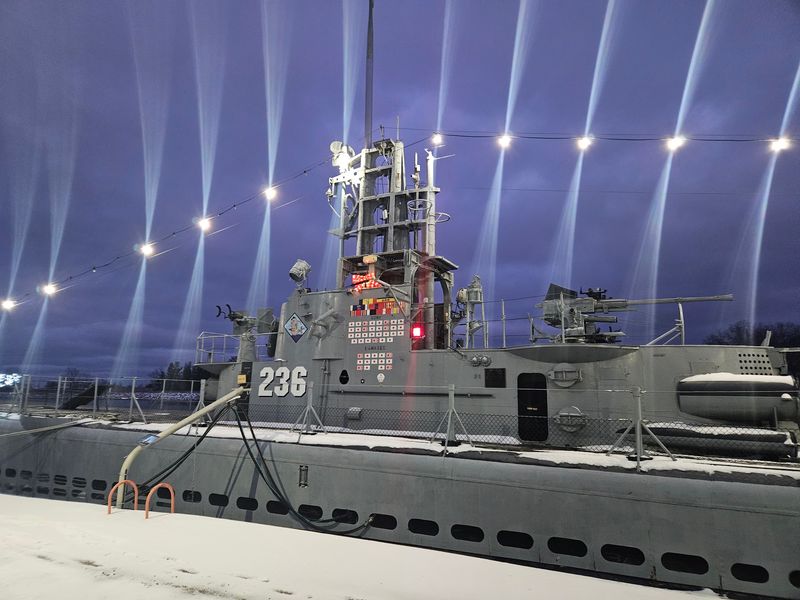
You can spend part of the day in the museum, part outside by the vessel, and then carry the whole experience into the evening if you are there for an overnight. The place changes character as daylight fades, becoming quieter and more focused.
That shift is where the museum really separates itself from standard day-trip stops. History here is not trapped behind glass or reduced to labels.
You crawl through it, study it, and if you are lucky, sleep inside it. The program especially suits scouts, history-minded families, and travelers who want a memorable stop that offers more than photos.
If your idea of a great outing includes comfort, this may not be the easiest pick. If your idea of a great outing includes perspective, texture, and a story you can physically step into, USS Silversides earns its reputation.
In a state packed with lake views and classic road trip stops, spending the night in sailors’ bunks is about as distinctive as Michigan gets.
Share this story