Georgia invites you to lace up, breathe deep, and discover trails that move from salt marsh breezes to granite domes and misty Appalachian peaks. If you crave an easy warmup before testing your legs on rugged climbs, this lineup guides you step by step, from boardwalk strolls to soul-stirring summits.
Along the way, waterfalls roar, canyons yawn open, and hardwood forests glow with seasonal color, reminding you that progress feels best when the journey is varied and vivid. Start where you are, choose the grade that fits today, and let each hike be a small promise to your future self, leading you steadily higher across the best of Georgia’s wild beauty.
1. Skidaway Island Boardwalk Trail
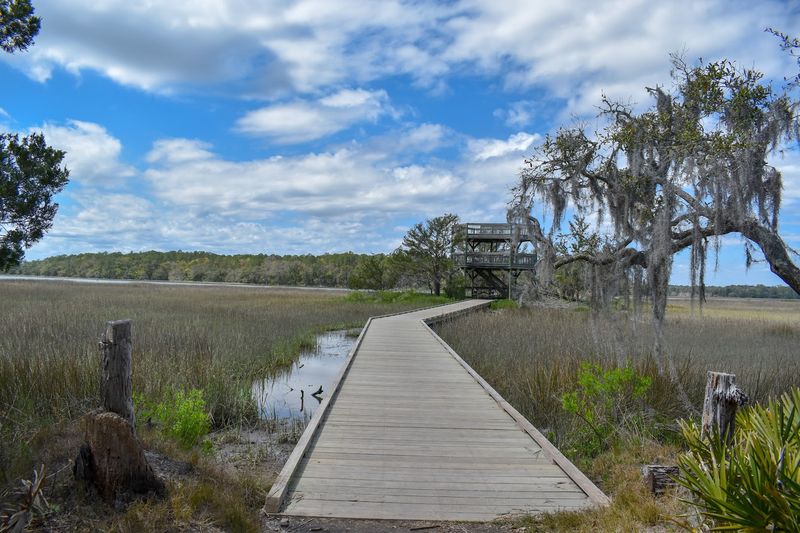
Salt marsh light shimmers across a living mosaic of spartina grass and tidal creeks, and your steps fall softly on the wooden planks.
The boardwalk makes this a gentle, confidence-building start, especially if you are easing into Georgia hiking or walking with kids.
Breezes smell faintly briny, and wading birds stalk the shallows like quiet guides.
Skidaway Island State Park keeps navigation simple, with well-marked loops that connect boardwalk segments, sandy paths, and shaded live oak lanes.
You can linger at observation decks to spot fiddler crabs, ospreys, or a glimpse of dolphin out in the Skidaway Narrows.
The terrain is flat, but the scenery shifts constantly with the tide, giving repeat visits a new flavor.
Bring water, insect repellent, and a hat for midday sun, since coastal light reflects off the water.
If you hike near sunrise or sunset, colors warm the marsh and photo ops multiply.
Park rangers offer interpretive programs that deepen the story of barrier island ecology and maritime forest resilience.
For a longer day, pair the boardwalk with nearby nature trails to explore saw palmetto, Spanish moss, and ancient shell middens.
You will notice how the boardwalk invites a mindful pace, one that invites looking closer rather than charging ahead.
This is a trail about listening to the shorebirds, watching light skitter across ripples, and remembering that slow is still progress.
When you finish, you will feel rested, not spent, ready to climb higher on the next outing.
Start easy here, then build toward hillier terrain inland.
Georgia hiking does not need to rush.
It just needs a first step that makes you want another.
2. Anna Ruby Falls Trail
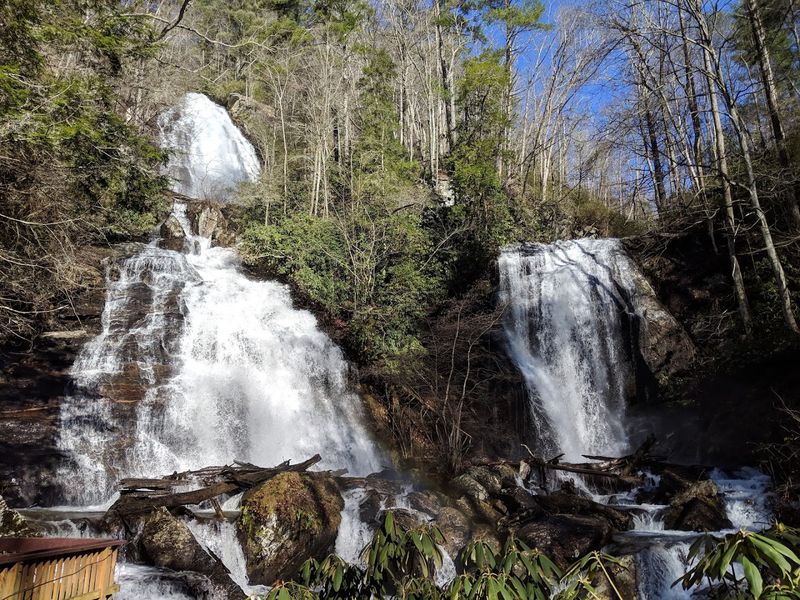
A cool, paved path slips through rhododendron and hemlock, guiding you toward twin curtains of water that thunder into a mossy gorge.
This is a short but uplifting walk, ideal when you want big drama without big mileage.
Kids, grandparents, and first-time hikers all feel welcome on the gentle grade.
Anna Ruby Falls rewards patience as the sound intensifies with each bend.
Wooden platforms provide safe, wide views, and mist refreshes your face on hot days.
Interpretive signs explain how Curtis and York Creeks plunge from Tray Mountain, merging power and grace into a photogenic spectacle.
You will want non-slip shoes, since the spray can dampen the pavement near the overlooks.
Arrive early on weekends near Helen to beat crowds and snag parking.
The Chattahoochee National Forest setting means seasonal magic: spring blooms, summer green tunnels, fall leaf fireworks, and quiet winter clarity.
Though brief, the trail invites you to linger, noticing lichen textures, stream chatter, and swallowtail butterflies skimming the edge.
It is a lesson in low-effort, high-reward hiking, a perfect stepping stone before steeper routes.
Families can combine it with nearby Unicoi State Park for lakeside loops and paddle options.
Standing at the rail, you will feel the white noise cleanse the busy parts of your mind.
The falls fall, and in that simple, relentless motion, you sense momentum for your next hike.
Let this gentle victory count.
It gets you moving, builds confidence, and gives you a postcard memory to carry uphill tomorrow.
3. High Falls State Park Trails
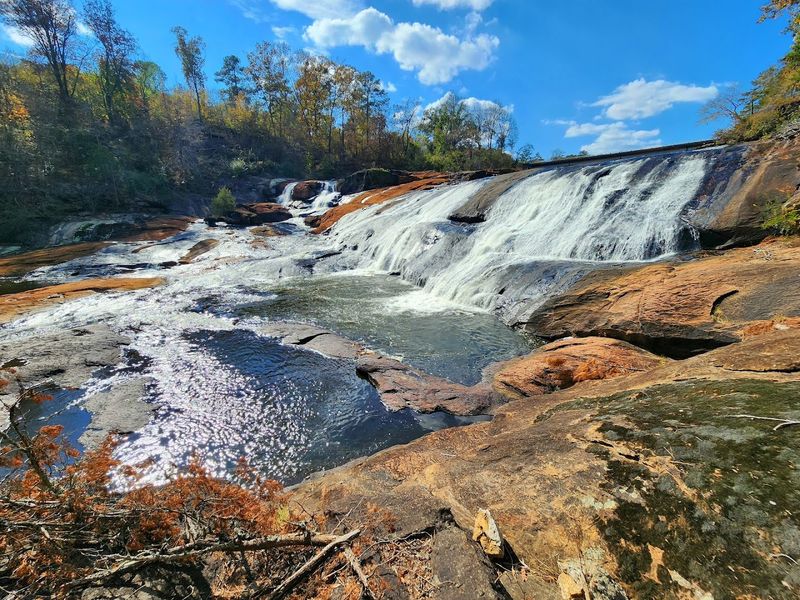
Whitewater rushes across ragged shoals while the Ocmulgee flexes its muscle, and you trace the shoreline on a network of friendly trails.
This is where an easy stroll can tilt toward moderate if you mix in rocky sections and stairs.
Scenic bridges, riverside roots, and photogenic overlooks make every mile feel full.
High Falls State Park offers the Falls Trail and Tranquility Trail, which can be linked for variety.
Expect brief climbs that spike your heart rate before leveling out under hardwood shade.
After rain, the roar intensifies, turning casual snapshots into frame-worthy shots that celebrate raw river energy.
Wear good traction for wet rock near viewpoints, and respect barriers where water surges.
In summer, humidity builds, so start early and carry more water than you think you need.
Families appreciate picnic areas and a lake for paddling or fishing once the hike wraps up.
As you walk, notice the industrial echoes of the old mill site and how nature keeps reclaiming space.
The trails here are proof that progress does not need to be linear.
You can push a little on one loop, throttle back on the next, then sit riverside watching foam trace mesmerized patterns downstream.
By the time you return to the trailhead, legs feel pleasantly worked, not washed out.
It is a perfect bridge from flat boardwalks to hillier state park circuits farther north.
With every footfall by the falls, confidence gathers.
The climb will come soon.
For now, learn the river’s rhythm and let it set your pace.
4. Arabia Mountain Trail
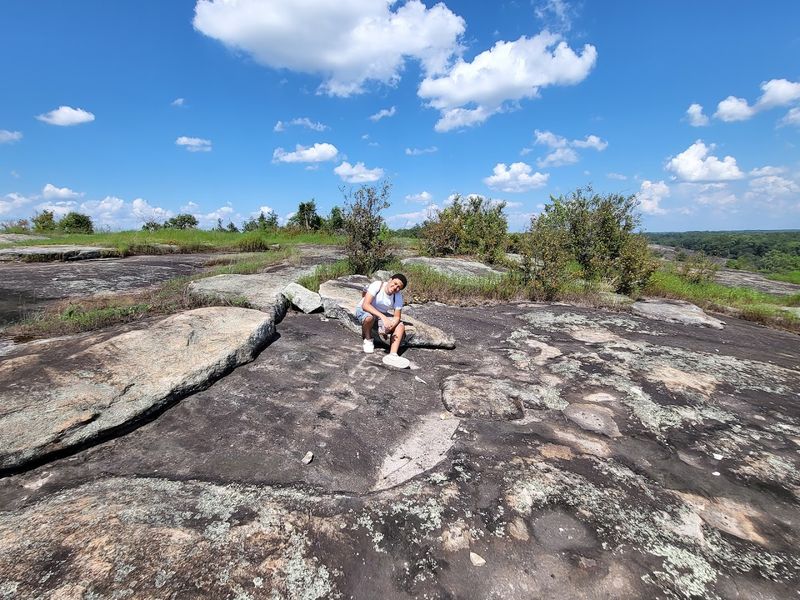
Granite opens like a moonscape, dimpled with solution pits that cradle seasonal blooms and tiny worlds.
The route weaves boardwalk, crushed gravel, and bare rock, keeping the effort modest while views feel epic.
If you want a taste of summit drama without long mileage, this is where to start near Atlanta.
Arabia Mountain’s monadnock ecosystem thrives in extremes, and you will see lichens painting abstract patterns on stone.
In spring, diamorpha turns solution pits into red confetti, a surreal pop of color against gray.
Wayfinding is straightforward, but watch for rock cairns and blazes to stay off fragile crusts.
Footwear with grip matters on sloped granite, especially after rain.
Sun exposure can be harsh, so bring a brimmed hat and time your hike for sunrise or late afternoon, sweetness.
The PATH trail network adds mileage if you want to extend with rolling, bike-friendly greenways.
This place invites reflection, with long views toward Stonecrest and distant skylines reminding you how close nature sits to daily life.
Keep your stride steady, breathe, and let the wide horizon ease you into bigger ambitions.
There is no rush to the top when every step across ancient rock feels like progress.
Afterward, stop by the Davidson-Arabia Mountain Nature Preserve center to learn about quarry history and rare plants.
You will carry the minimalist beauty with you, a lesson in finding grandeur in simple lines and open sky.
Next time, you might tack on more elevation elsewhere.
Today, let Arabia’s clean geometry set the tone for climbs ahead.
5. Raven Cliff Falls Trail
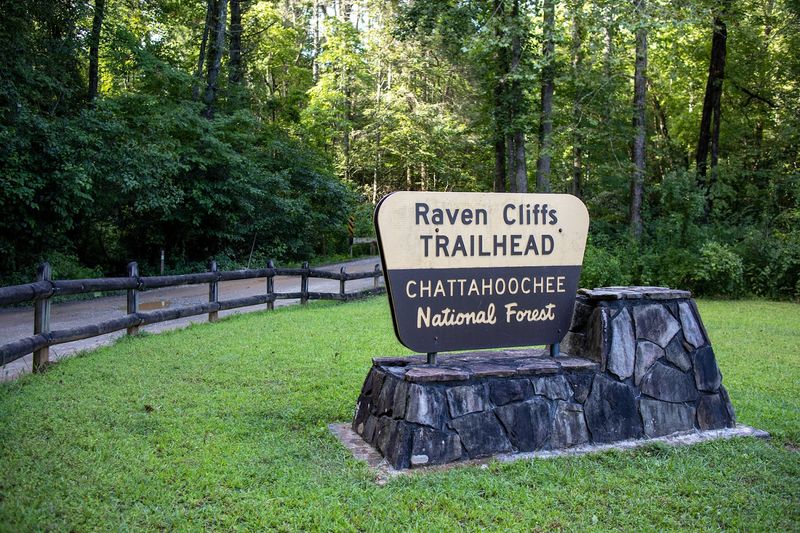
Forest hush deepens as you trace Dodd Creek, hopping past mossy boulders and pausing on footbridges to spy trout holding in clear pools.
Mileage stays approachable while roots and rocks raise the difficulty to a friendly moderate.
The payoff is a waterfall that appears to split a cliff in two, pouring from a narrow cleft like a secret revealed.
Raven Cliff Falls encourages steady pacing rather than speed.
You will feel small climbs stack up, then ease, then rise again, always with the creek chiming beside you.
After rain, the spectacle swells and the final scramble requires focus, so shoes with bite make a difference.
Start early near Helen to find parking and thinner crowds.
Summer shade makes this a heat escape, while fall color wraps the gorge in copper and gold.
In winter, ice ribbons stitch the rock and the air smells mineral clean.
This is a trail for practicing balance, foot placement, and patience as you approach bigger mountain goals.
Keep a snack handy for the turnaround viewpoint and drink in the drama.
If the last bit feels too spicy, there are excellent vantage points along the creek that still deliver.
On the walk out, everything seems easier, your body already wiser to the terrain.
You hear the same water, but now it sounds like applause.
Let that momentum carry forward to steeper climbs, knowing you earned it here with thoughtful steps and a steady heart.
6. East Palisades Trail & Bamboo Forest
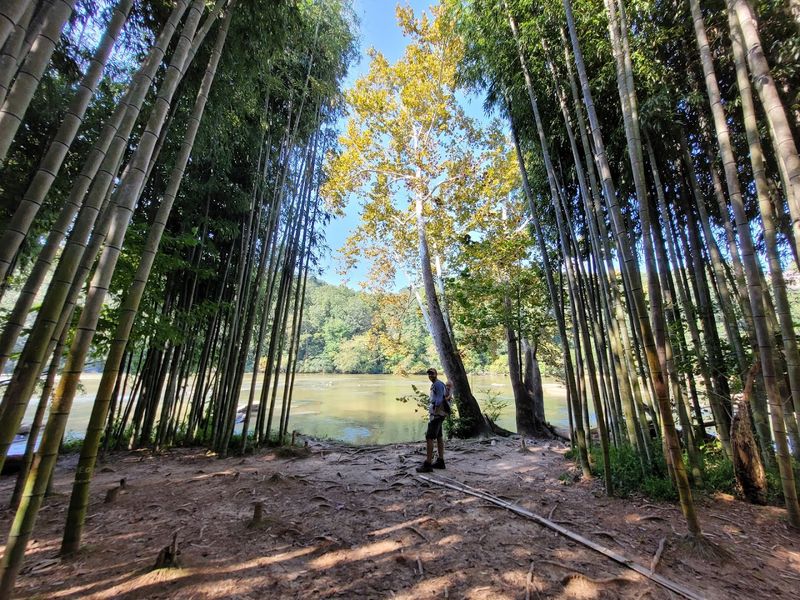
River murmurs at your elbow while bluffs rise through hardwood shade, an oasis tucked shockingly close to city streets.
The path crisscrosses ridgelines and dips to sandy coves, sometimes ramping up to moderate with roots and short, punchy climbs.
Then you step into a bamboo grove, tall stalks swaying and whispering like rain.
East Palisades offers a choose-your-own adventure feel, with multiple junctions and overlooks.
Carry a map or offline app to keep your loop clean, and expect to share the trail with runners and dogs.
The Chattahoochee’s light changes all day, making the water a constant companion that never looks the same twice.
Traction matters if you descend to slick river rock, and bug spray helps in warm months.
Start early on weekends to enjoy quieter paths and easier parking at Whitewater or Indian Trail lots.
Pack a snack and linger at the bamboo to soak in the cinematic mood.
This urban wildland is perfect for building stamina without a long drive to the mountains.
One visit can be an easy riverside ramble, the next a heart-thumping loop that tests your pacing on rolling terrain.
You will leave surprised at how far you felt from the bustle, even if your car is minutes away.
With steady practice here, steeper trails up north will feel more approachable.
Let the river teach rhythm, let the bamboo teach calm, and let your legs learn to float through rooty steps.
It is city-adjacent magic that nudges you upward, gently and effectively.
7. Cloudland Canyon West Rim Loop
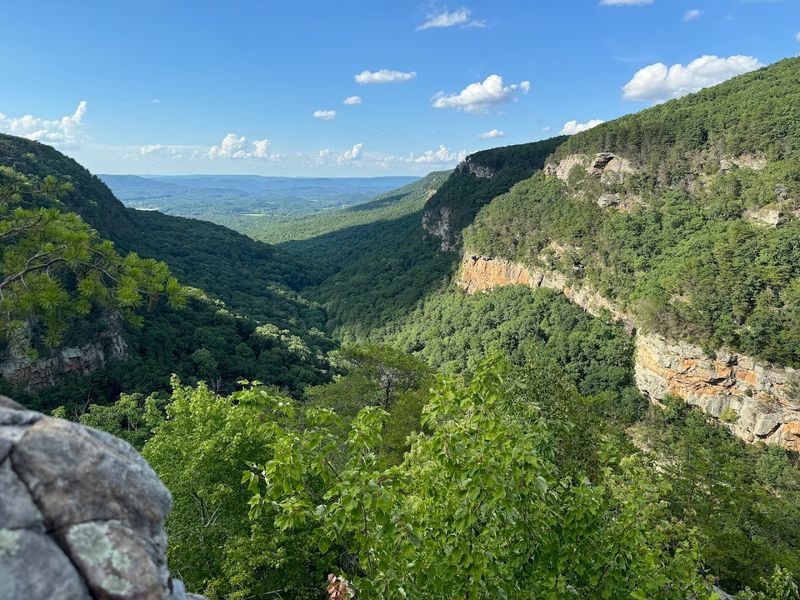
Sandstone cliffs carve a mighty amphitheater where clouds gather and drift, and the loop skims the edge with views that stop conversations.
The footing ranges from smooth forest duff to rocky ledges, pushing the challenge into solid moderate.
Stairs and elevation changes will warm your calves, but every climb buys a bigger horizon.
Cloudland Canyon’s West Rim Loop is well-marked and wildly photogenic.
Overlooks like Daniel Creek and Sitton Gulch reveal a gorge that feels western in scale, yet the trail design keeps it accessible.
After rain, the canyon roars, and light shafts paint the walls with shifting gold.
Bring layers because wind can whip across the rim even on mild days.
Good shoes are non-negotiable, and trekking poles help on slick rock and stair descents.
Start clockwise or counterclockwise based on where you want the tougher bits to land relative to your energy curve.
With each switchback, you practice sustainable pacing that pays off on bigger mountain routes.
Picnic tables wait near the trailhead for a celebratory refuel, and cabins or campsites make a weekend of it.
If you time it for fall, prepare for a color explosion that makes even the parking lot feel like art.
Walking out, you will feel taller inside, like the canyon carved a new space for boldness.
This loop puts real air under your ambitions while keeping the mileage friendly.
It is the perfect middle step in a Georgia progression that soon points at high summits.
8. Amicalola Falls Loop Trail
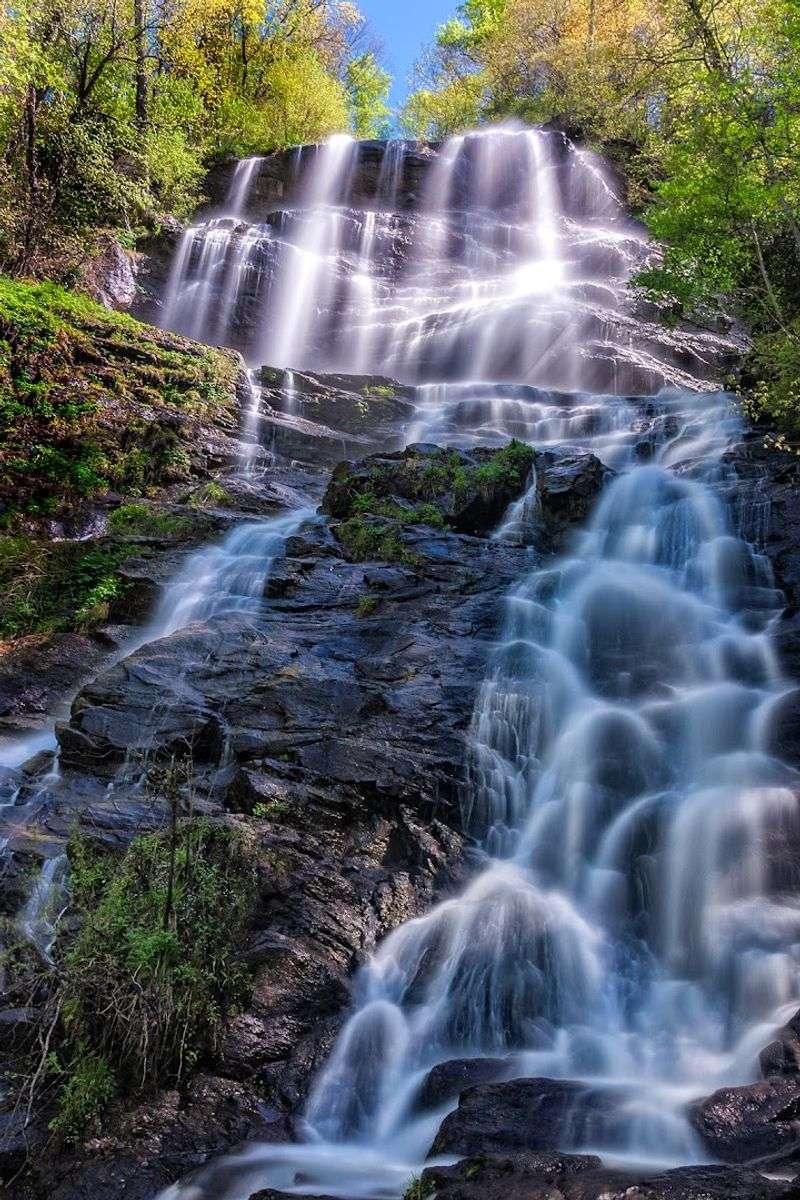
Stairs rise alongside Georgia’s tallest waterfall, and every step feels charged by mist and thunder.
You can keep it short with viewpoint spurs or commit to the loop for a moderate workout that trains mind and calves.
The payoff is a constant spectacle, especially when sunlight ignites spray into fleeting rainbows.
Amicalola Falls State Park manages this trail with clear signs and sturdy railings.
Expect crowds on weekends, so arrive early to savor quieter moments on the platforms.
Linking the base with the top takes effort, but your confidence will spike when you look back at all those treads below.
Tread carefully because wood can be slick, and keep a steady rhythm to avoid redlining too early.
Hydration helps, and a light layer guards against cool spray in shoulder seasons.
If you have time, visit the visitor center to learn about Appalachian Trail history and the Springer-bound tradition.
This loop turns stair climbing into a scenic skill, one that transfers directly to steeper mountain hikes.
Rest, lean forward, and find a pace that clicks with your breath.
The forest here hums with life, and the waterfall’s voice keeps you moving when your legs get chatty.
At the top, the view stretches, and you realize what steady steps can achieve.
It is a proud moment that belongs to you, earned without needing alpine mileage.
Consider it your ticket to the next tier of Georgia challenges, where ridgelines call your name.
9. Panther Creek Falls Trail
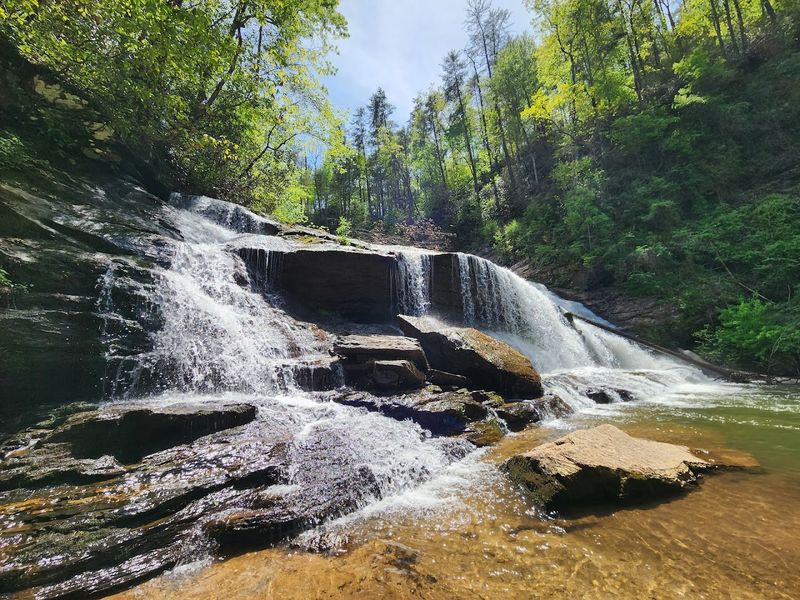
A wilder edge greets you as the path clings to slopes above a boisterous creek, mixing beauty with a bit more grit.
Roots, narrow bench cuts, and occasional blowdowns nudge this toward the harder side of moderate, especially in summer humidity.
Yet the prize is a long, lacy cascade spilling into a turquoise pool that begs for a barefoot break.
Panther Creek Falls demands attention to footing and patience with crowds near the beachy turnaround.
Start early and pack extra water, plus a filter if you want to top off responsibly.
The scenery keeps delivering between moments, with side streams, laurel thickets, and rocky overlooks that earn quick photo stops.
Footwear discipline matters here, and trekking poles may help on sloped sections.
Be ready for out-and-back dynamics that feel steeper on the return.
After heavy rain, parts can get muddy or slick, so adjust your expectations and celebrate steady progress over speed.
When you reach the falls, find a respectful spot and breathe in the cool mist.
Snack, stretch, and let the cascade’s white noise massage your mind.
It is a strong test before tackling gorge stairs or big ridge climbs elsewhere in Georgia.
On the hike out, you will feel your balance sharpen and your endurance rise quietly.
This trail rewards grit with joy, and it shows you how far you can go with focus and snacks.
Consider it a gateway to tougher routes with higher stakes and bigger payoffs.
10. Tallulah Gorge Hurricane Falls Trail
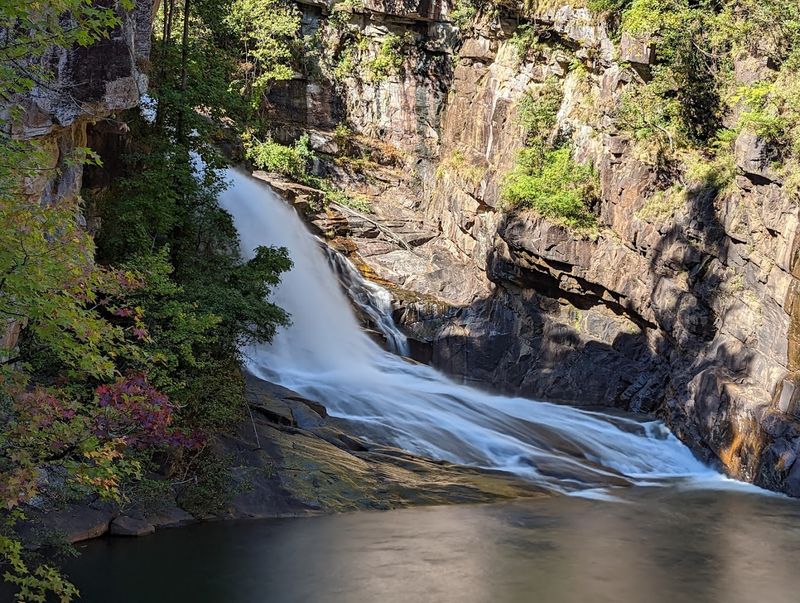
Steel stairs plunge into a colossal chasm where rock walls glow and the river muscles through the dark.
Your quads will notice fast, but railings and platforms keep the challenge structured and safe.
The suspension bridge sways gently, delivering a thrill before the final steps to Hurricane Falls.
Tallulah Gorge is a permit-driven place for rim-to-floor hikes on certain days, so check park rules before you go.
Even without permits, the official stairs and overlooks offer a robust workout with cinematic views.
Water levels, dam releases, and seasonal closures add variables to plan around.
Grip is essential on wet steps and slick rock near spray zones.
Start with a conservative pace, then open up if your legs respond well.
Carry water and expect your heart rate to spike on the ascents, which feels both brutal and incredibly satisfying.
Lookouts across the gorge serve up angles of L’Eau d’Or and Tempesta as well, so build in photo pauses.
Autumn color can be jaw-dropping, while winter sharpens the lines for crystalline clarity.
This is a training ground for mountain stamina packaged in a relatively compact distance.
When you top out, you will feel that unmistakable post-stair glow.
It says you are ready for bigger climbs, and it is probably right.
Let Hurricane Falls be the roar in your ears that carries your ambition forward, one careful step after another.
11. Blood Mountain Loop
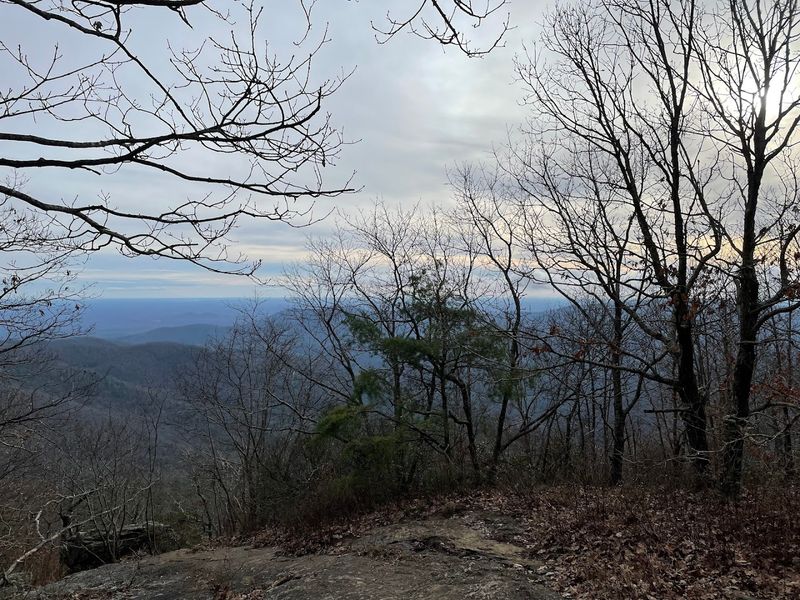
Granite knobs and wind-curled oaks usher you onto the Appalachian Trail for a loop that brings real elevation and classic Blue Ridge views.
The grade steadies into a true climb, tipping the effort into strenuous for many hikers.
You will earn every vista, and that makes the summit feel like a rite of passage.
Starting at Byron Reece or Neels Gap, the route mixes AT white blazes with side-trail connectors.
Expect rock steps, switchbacks, and weather that can change quickly on exposed sections.
The stone shelter near the top hints at the area’s hiking heritage and offers a windbreak in colder months.
Footwork matters on the rocky descent, especially when leaves hide slick surfaces.
Pack layers, a real lunch, and more water than you think, because the climb pulls hard.
Midweek mornings are blissfully quiet, while weekends draw a lively community of hikers testing themselves.
You will learn to pace, to breathe through burning calves, and to read the mountain’s cadence.
The views tumble across layered ridges, teaching humility and joy in equal measure.
This loop is a hinge point in any Georgia progression, the moment where you stop wondering if you can and simply do.
Back at the trailhead, pride rides shotgun as you plan the next summit.
The mountain asked for your best and handed back a bigger version of you.
Carry that forward to the next ridge and watch your world widen.
12. Mount Yonah Trail
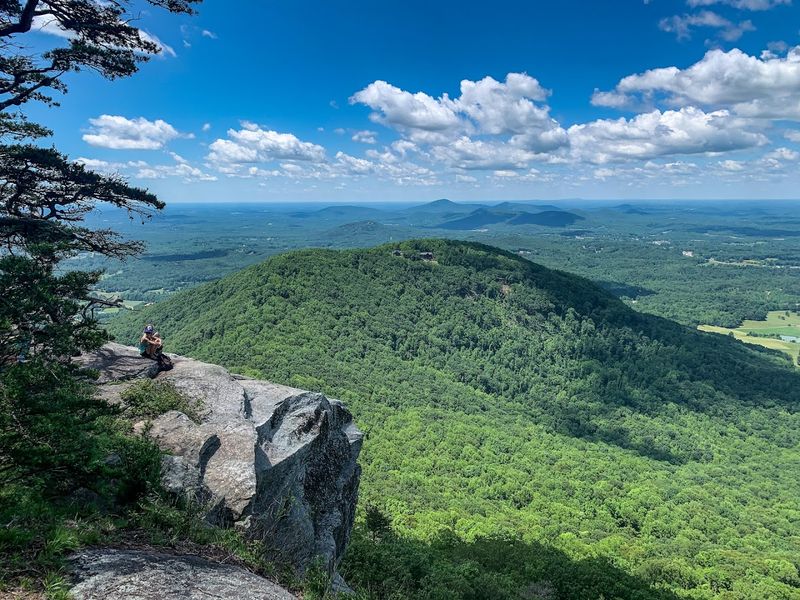
Steady climbing through mixed forest leads to bald granite and views that spill across farm fields and distant folds.
The grade is consistent and honest, making this a fantastic training hill for bigger goals.
You will feel the effort but never feel lost, thanks to a straightforward, popular route.
Mount Yonah’s trail delivers rocky steps, root tangles, and occasional slick patches after rain.
Military training sometimes occurs nearby, lending an unexpected soundtrack to the woods.
As you near the top, cliffside clearings and broad slabs invite snacks, photos, and a long, contented sit.
Good shoes and water are essential, and trekking poles help on the descent if knees get chatty.
Arrive early for parking and cooler temps, especially in summer.
In shoulder seasons, breezes at the summit can run cool, so carry a light layer.
This climb teaches sustainable effort, the steady grind that does not blow up halfway.
You will notice how small breaks pay big dividends, and how a calm mind tames steep pitches.
The payoff is a classic North Georgia panorama that keeps calling you back.
On the way down, practice light feet and short steps to protect joints.
By the time you reach the car, you will know you leveled up.
Yonah becomes a benchmark in your personal hiking story, one that points directly toward higher ridges ahead.
13. Rabun Bald via Bartram Trail
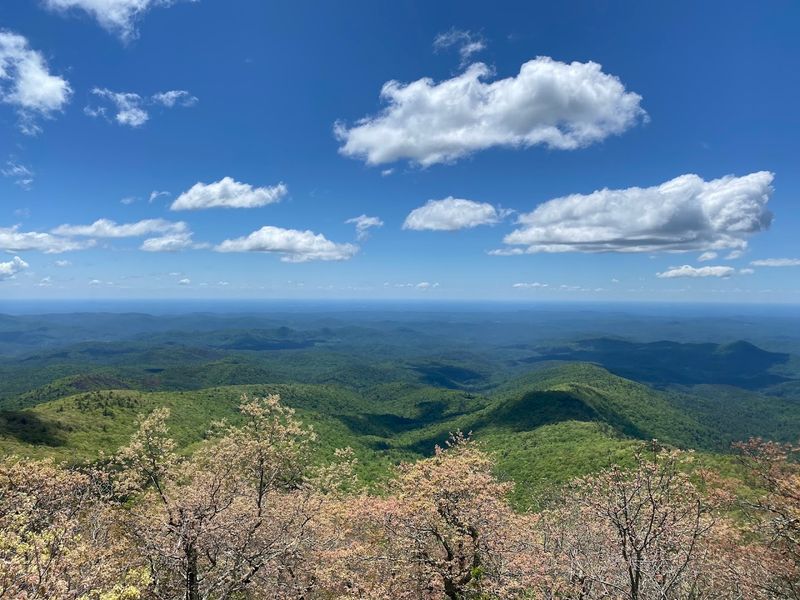
Second-highest in Georgia means serious views, and the Bartram Trail approach builds them step by patient step.
The climb is steady with a few stout pitches, threading rhododendron tunnels and hardwood slopes to a summit tower.
It lands in the strenuous camp for many hikers, yet the route is elegant and kind to thoughtful pacing.
Rabun Bald’s observation platform turns a great view into a 360-degree epic, with South Carolina ridges rolling away.
Wayfinding is clear if you stay on yellow blazes, though a GPS app helps at junctions.
Weather can whip up, so bring layers, snacks, and enough water to ride the full effort.
Expect roots, rocks, and occasional mud, plus bird song that traces your progress between oxygen breaks.
Summer greens are lush, but fall steals the show with patchwork color exploding across basins.
Winter grants long-range clarity and a bracing, cleansing wind.
This hike is a capstone for many Georgia trail seekers, a test that rewards strategy over brute force.
Short pauses, steady cadence, and mindful fueling turn a grind into a flow.
At the tower, you will feel the sky get bigger inside your chest.
On the descent, you learn to dance the terrain, light and quick, without losing control.
That skill will serve on even bigger peaks, wherever your boots land next.
For now, bask in the knowledge that Rabun Bald made you stronger and more curious at the same time.
14. Brasstown Bald Summit Trail
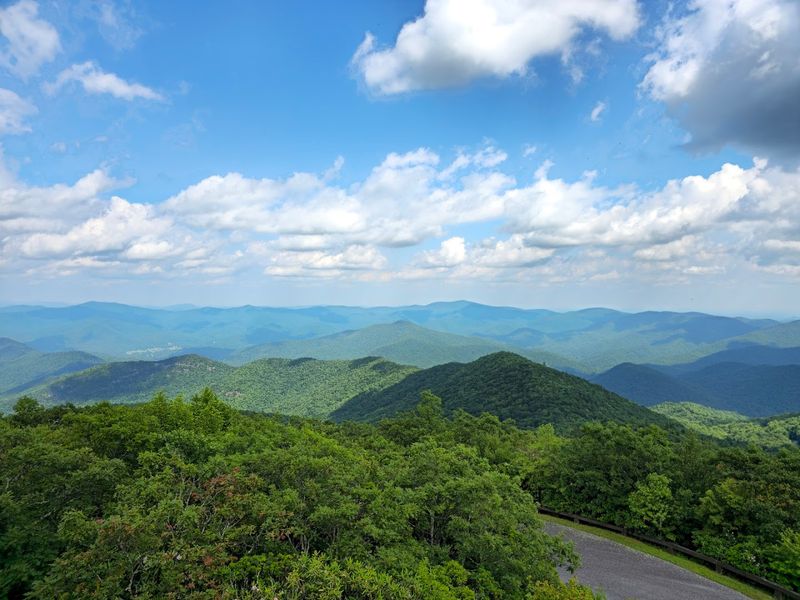
Highest in Georgia comes with a friendly option, a short paved path that climbs briskly to an observation tower.
Elevation lends the air a clean edge, and the views sweep across four states on a clear day.
This is a perfect victory lap after a season of building strength on lower peaks.
Brasstown Bald’s summit trail may be brief, but it will raise your pulse if you keep a snappy pace.
Families and newer hikers appreciate the secure footing and interpretive signs about high-elevation flora.
Shuttles sometimes run seasonally, offering options for differing energy levels.
Start early for sunrise magic or linger for sunset when ridgelines stack in purple layers.
Even in summer, breezes can chill, so pack a light jacket.
The observation deck transforms your effort into an event, with plaques pointing out distant landmarks.
Use this climb to practice breath work and efficient strides, then soak in the panorama as your reward.
The path down is simple, giving you space to reflect on how far you have come.
It is a reminder that the highest point does not need to be the hardest day.
As you leave, the tower shrinks behind you, but the feeling of standing above Georgia stays large.
You earned it step by step, from marsh boardwalks to canyon rims to this lofty perch.
Now you know the route upward, and you know it is yours to repeat whenever you crave sky.
Share this story