Railroad history has a different kind of pull when you can stand beside the equipment that once helped move a city. Along Maple Street in Saginaw, Michigan, the Saginaw Railway Museum brings steel wheels, old cabooses, rare photographs, and regional rail stories together in a compact space with far more character than its size suggests.
Long before highways took over, trains helped shape this part of Michigan, and this volunteer-run museum keeps that legacy alive through real artifacts and hands-on exploration. Whether you grew up hearing trains rumble through town or want to introduce a younger generation to the golden age of rail, this small Saginaw stop has enough surprises to make the visit feel genuinely worthwhile.
Vintage Rolling Stock Sitting Right Out in the Open
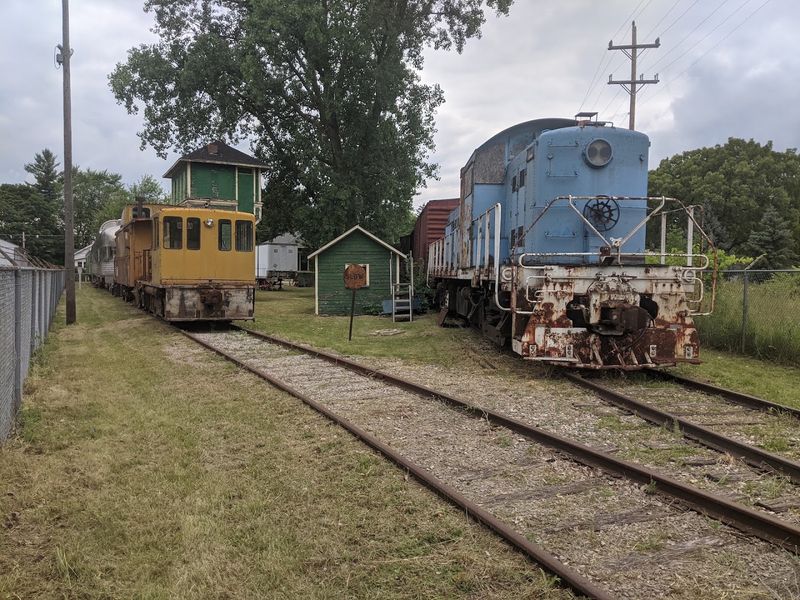
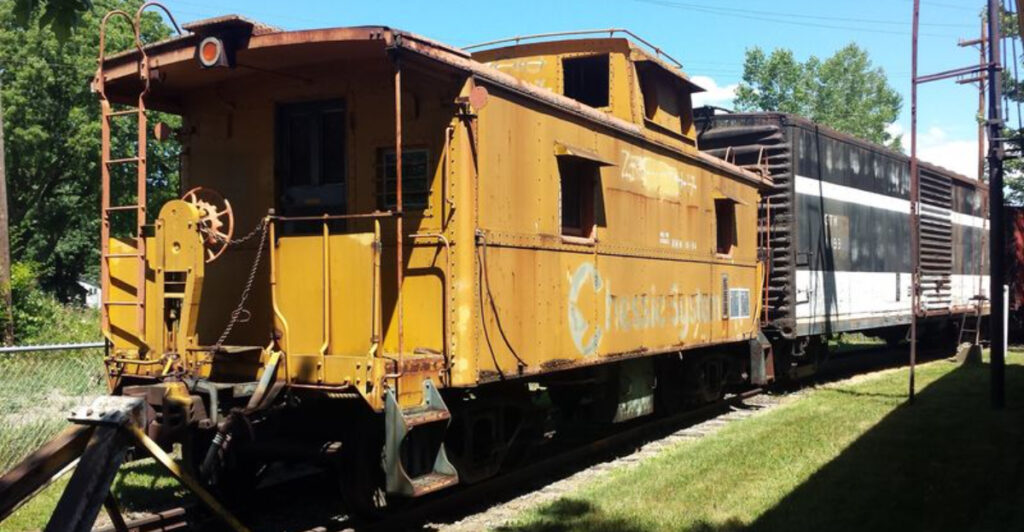
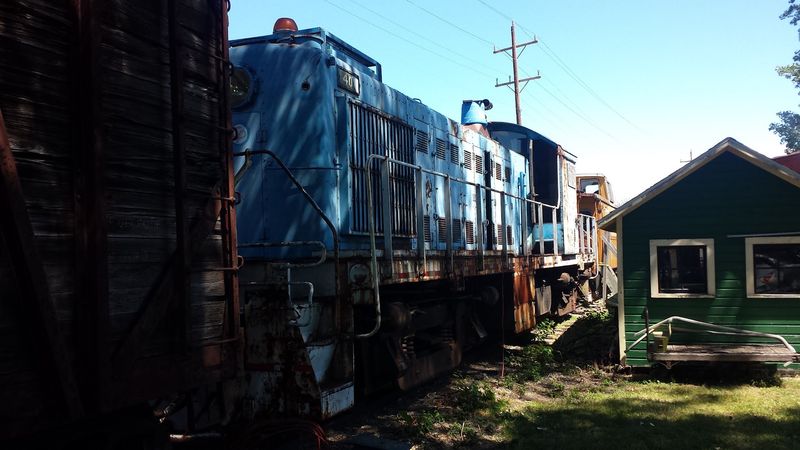
Pull up to 900 Maple Street and the first thing that catches your eye isn’t a sign or a gift shop — it’s the actual equipment. Full-size pieces of rolling stock sit on tracks outside, close enough to walk around and examine from just a few feet away.
There’s no glass barrier between you and history here.
The outdoor display area gives the museum a yard-like feel, almost as if the trains just stopped mid-journey and waited for curious people to show up. A classic caboose stands as one of the centerpiece pieces, red and weathered in the way only decades of service can produce.
Getting up close to it puts the sheer scale of railroad equipment into perspective, especially for kids who’ve only seen trains from a distance.
Volunteers at the museum are actively working to restore several of these pieces, so the equipment isn’t just sitting still — it’s slowly coming back to life. Ongoing restoration means different visits can reveal different progress, which gives regulars a reason to return and newcomers a chance to see preservation work in real time.
Rust gets scrubbed, parts get sourced, and details get repainted with careful attention to accuracy.
The collection includes rare rolling stock that railroad historians find particularly interesting, representing equipment types that once moved goods and people across Michigan’s rail network. Each car tells a different chapter of how freight and passengers moved across the Midwest before interstates changed everything.
Standing beside a piece of machinery that once rumbled across the state carries a certain weight that no photograph fully captures. The outdoor setting, open sky above and gravel underfoot, makes the whole experience feel grounded and real rather than polished and distant.
Climbing Inside the Caboose — A Must for Train Lovers
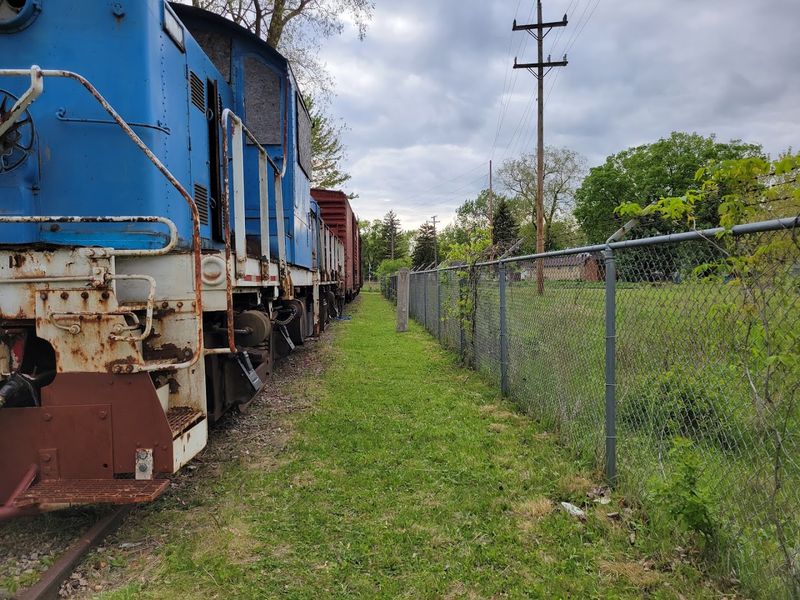
Not every museum lets you step inside its exhibits. At the Saginaw Railway Museum, climbing into the old caboose is part of the deal, and it’s one of those experiences that sticks with you long after you’ve left the parking lot.
The moment you step through the door, the scale shifts completely.
Inside, the caboose holds onto its original character — tight quarters, small windows, and the kind of compact functionality that railroad workers lived with during long hauls across the country. You can see exactly how a crew would have occupied the space, where they rested, how they watched the tracks behind the train, and what kind of life unfolded in that rolling little room.
It’s a surprisingly personal glimpse into working railroad life.
For kids, this is the highlight of the whole visit. Stepping up into a real caboose, looking out those small rear windows, and imagining the tracks stretching out behind you fires up a kind of imagination that no exhibit panel can match.
Adults tend to linger too, pointing out details and asking questions that the volunteer guides are well-equipped to answer.
Guided tours often spend extra time at the caboose, giving visitors context about how these cars functioned within a larger train operation. The caboose wasn’t just a passenger car — it was a mobile office, a safety checkpoint, and a home base for the rear crew during transit.
Understanding that transforms the experience from simply looking at an old train car into appreciating a piece of working American industrial history. The tight wood-paneled walls and worn surfaces do more storytelling than most museum placards ever could.
Plan to spend a few minutes here — it earns every one of them.
The Model Railroad Layout That Steals the Show
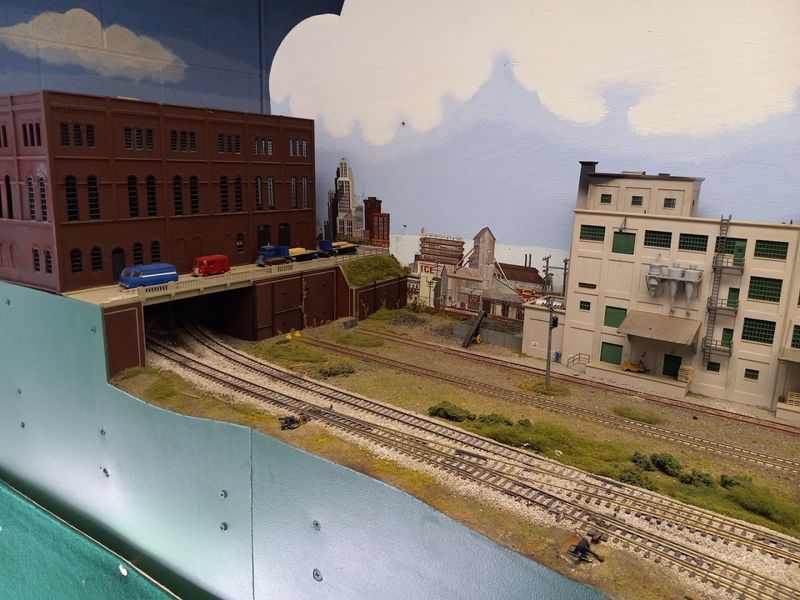
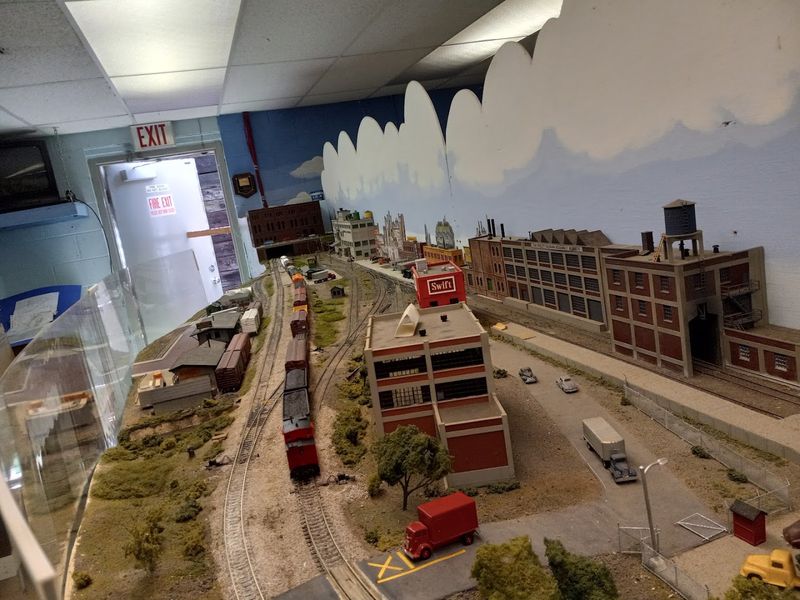
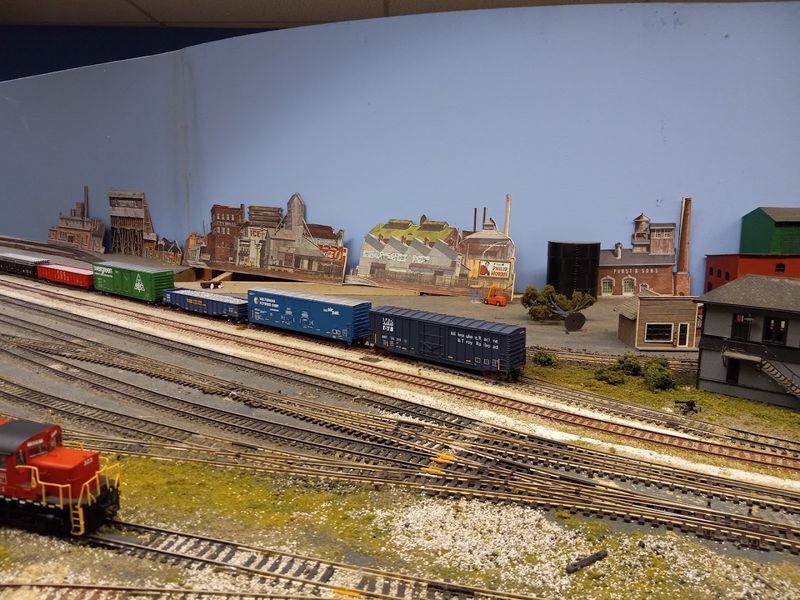
Scale model railroads have a way of pulling people in regardless of age, and the layout at Saginaw Railway Museum is no exception. Miniature trains move through carefully constructed landscapes, past tiny buildings and scaled-down infrastructure that mirrors the look of real railroad operations.
The attention to detail in the layout is the kind of thing that rewards slow, patient looking.
Model railroading is its own deep hobby with a serious following, and this display reflects that passion. The layout isn’t a casual tabletop setup — it’s a dedicated exhibit that shows off the craft of model building alongside the history of rail travel.
For anyone who has ever assembled a model train set at home, seeing a full museum-quality layout in person raises the bar considerably.
Kids gravitate toward the moving trains immediately, tracking each car as it navigates curves and switches. Adults who grew up with model railroads often get a nostalgic jolt from the familiar sound of small electric motors and the click of wheels on miniature track.
The layout manages to be entertaining and educational at the same time, which is a harder balance to strike than it sounds.
Railroad enthusiasts consistently point to the model layout as a must-see during any visit to the museum. It provides a visual overview of how rail networks operated — showing yards, depots, and line segments in a way that full-size equipment simply cannot.
Seeing the whole system in miniature actually helps put the outdoor rolling stock into broader context. After spending time with the model layout, walking back outside to look at the real equipment takes on new meaning.
The two exhibits work together in a way that makes the overall visit more complete and more satisfying than either one alone.
A Picture Archive and Library That Serious Researchers Love
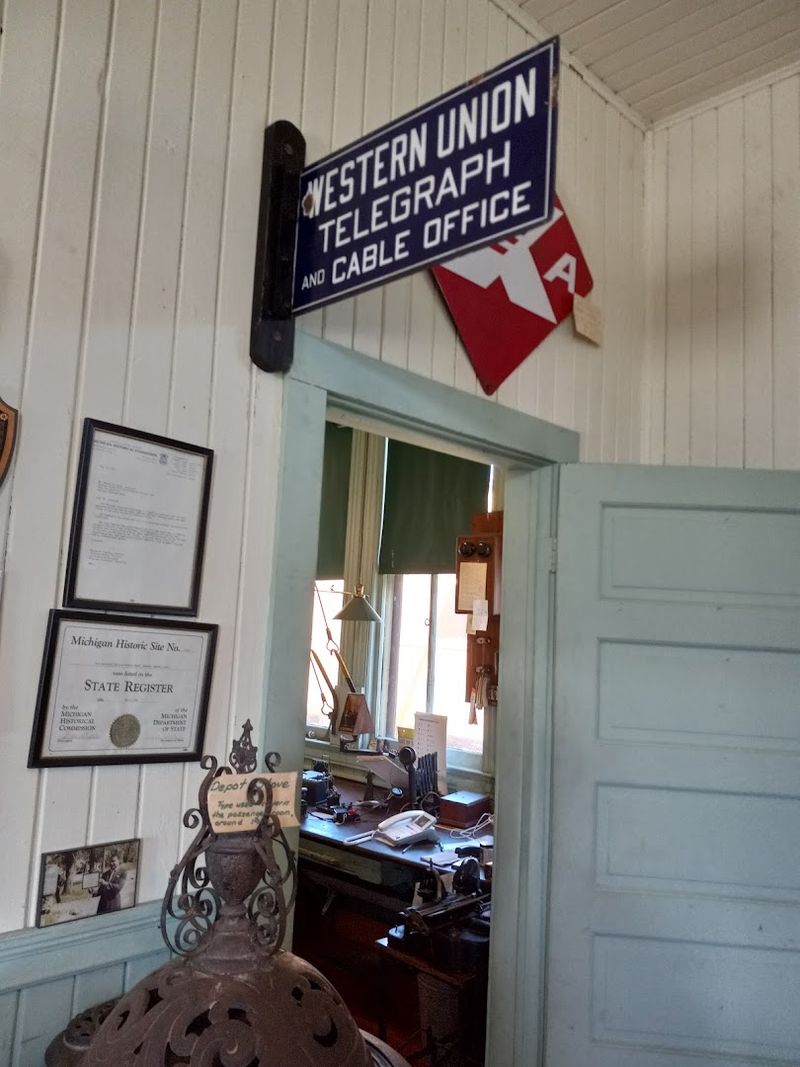
Behind the rolling stock and the model trains, the Saginaw Railway Museum holds something that casual visitors might overlook but dedicated researchers find invaluable — a substantial photograph archive and library of railroad literature. This collection doesn’t get the same immediate visual impact as a full-size caboose, but its depth is quietly impressive.
The photo archive documents the railroad history of the Saginaw area with images that go back generations. Old photographs of stations, workers, locomotives, and rail yards capture a version of this city that no longer physically exists.
For local historians and railroad buffs, flipping through those images connects the present landscape to a very different past, when rail lines shaped where people lived, worked, and traveled.
The library component adds another layer, with railroad literature covering topics from technical operations to regional history. Books, manuals, and periodicals related to Michigan’s rail network have been gathered here over the years, creating a reference collection that’s difficult to find anywhere else in the region.
It’s the kind of resource that rewards return visits and deeper exploration.
Volunteers who staff the museum tend to be knowledgeable about the collection and happy to help navigate it. That human element makes a real difference — having someone who can pull a specific photograph or point you toward a relevant book turns a browsing session into a focused discovery.
The archive represents years of careful preservation work, and much of it relates specifically to Saginaw and its surrounding communities. Railroad lines once converged here in significant numbers, and this collection preserves the paper and photographic record of that era.
For anyone researching Michigan industrial history, this library alone justifies a visit to the museum.
Volunteer-Driven Preservation With Real Heart Behind It
Every museum has staff, but not every museum has people who show up because they genuinely can’t imagine not showing up. The Saginaw Railway Museum runs almost entirely on volunteer energy, and that distinction shapes the entire experience in ways that are hard to quantify but easy to feel.
The volunteers here aren’t just handing out brochures — they’re doing hands-on restoration work, conducting guided tours, maintaining the grounds, and building out the collection. Some have been involved for years, accumulating deep knowledge about specific pieces of equipment or particular periods of Saginaw’s railroad history.
That accumulated expertise turns a guided tour into something far more engaging than a standard walk-through.
One regular visitor liked the museum enough to become a member and start volunteering after multiple visits. That kind of conversion — from curious guest to active contributor — says something about the pull the place has on people who care about local history.
The museum’s progress over the years reflects the consistent effort of people who keep coming back to do the work.
Guided tours are available and worth requesting, especially for first-time visitors. A knowledgeable volunteer can walk you through the outdoor equipment, explain the significance of specific cars, and share context about how Saginaw’s rail network functioned within the broader Michigan and Midwest rail system.
That context transforms individual exhibits from interesting objects into connected pieces of a larger story. Special appointments have been arranged for groups in the past, showing a flexibility that larger institutions rarely offer.
The personal attention and genuine enthusiasm that volunteers bring to each interaction makes the Saginaw Railway Museum feel like a community project rather than a formal institution — and that’s precisely what makes it worth visiting.
Saginaw, Michigan’s Deep Railroad Roots on Full Display
Saginaw wasn’t always the mid-sized Michigan city it is today. During its industrial peak, it was a hub of lumber, salt, and manufacturing activity — and the railroads made all of that possible.
The Saginaw Railway Museum exists specifically to tell that story, grounding the exhibits in local history rather than presenting a generic overview of American rail travel.
Multiple railroad lines once converged on Saginaw, moving raw materials out and finished goods in. The city’s economic rise in the 19th and early 20th centuries tracked closely with rail expansion, and the museum connects those dots with photographs, artifacts, and equipment that tie directly to this region.
That local focus gives the collection a specificity that broader transportation museums can’t replicate.
Understanding the railroad history of Saginaw also means understanding the workforce that built and operated those lines. Workers from various backgrounds kept the trains running, maintained the infrastructure, and built careers in an industry that defined the region for decades.
The museum holds onto that human dimension alongside the mechanical one, which keeps the exhibits from feeling purely technical.
For Michigan residents, there’s a particular satisfaction in seeing state and regional history presented at this scale. The Saginaw Railway Museum doesn’t try to tell every railroad story — it tells this railroad story, the one that unfolded on these specific tracks through this specific city.
That focused approach gives the museum a clarity of purpose that makes each exhibit feel deliberate rather than random. The connection between the physical location on Maple Street and the history being preserved there adds a layer of meaning that enriches every item on display.
Railroad history here isn’t abstract — it’s rooted in streets, neighborhoods, and industries that shaped the city still standing around the museum today.
Planning Your Visit — Hours, Tips, and What to Expect
The Saginaw Railway Museum operates with limited hours, which is one of the most important things to know before making the trip. Open only a few hours per month, the schedule requires advance planning rather than a spontaneous drop-in.
Checking the current schedule before heading out is essential — showing up on a closed day means missing the whole experience.
The museum sits at 900 Maple Street in Saginaw, Michigan, making it straightforward to find with standard navigation tools. Parking is available on the grounds, and the outdoor layout means a good portion of the experience happens in the open air.
Comfortable shoes are a practical choice given the gravel and uneven terrain around the equipment.
Admission pricing is modest, which fits the community-focused nature of the operation. For those who want a deeper connection to the museum, membership options are available and directly support the ongoing restoration and preservation work.
Members gain more regular access and the chance to be part of the long-term project of keeping this collection intact.
Families with children should plan for at least an hour, possibly more if kids want extended time with the model railroad or inside the caboose. Groups interested in more in-depth tours should consider reaching out in advance to arrange a guided experience — the museum has accommodated special appointments before, and that level of personal attention is genuinely rare.
Arriving close to opening time rather than near closing gives the most flexibility and the best chance of a full tour. The museum rewards patience and curiosity more than speed.
Go ready to ask questions, look carefully at the details, and let the volunteers share what they know. That approach turns a short visit into a genuinely memorable afternoon in Saginaw.
Share this story