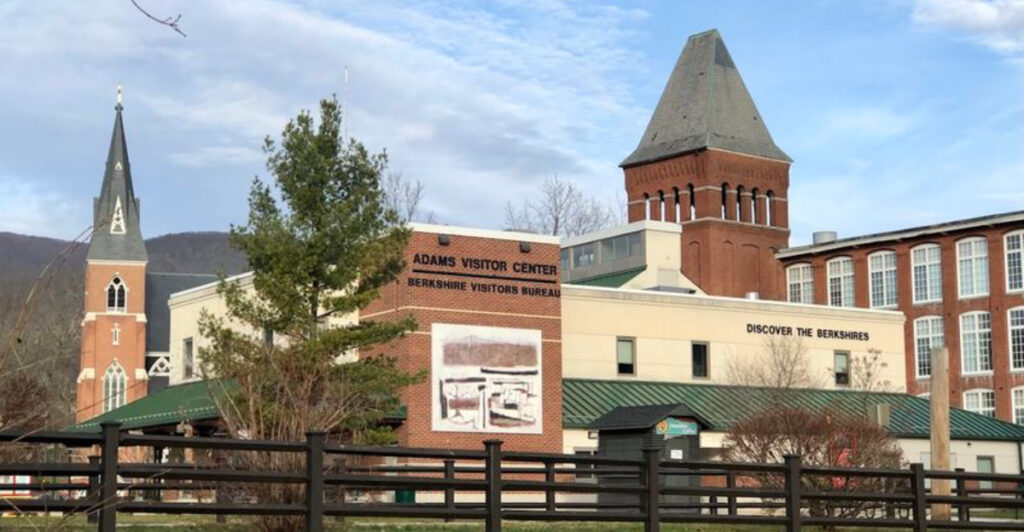
Massachusetts has a way of turning an ordinary drive into a living history lesson, especially when the road leads past brick smokestacks, river bends, and downtown blocks that still carry the rhythm of the industrial age. If you love places where old mills, worker housing, church spires, and weathered storefronts tell stories without trying too hard, these towns offer an atmosphere that makes you slow down, look more closely, and imagine what daily life felt like a century ago.
Across the Commonwealth, former textile and manufacturing centers still reveal the ambition, hardship, and creativity that helped shape both local communities and the wider economy of New England, and you can feel that legacy in preserved architecture, canal routes, mill ponds, and compact village centers that remain surprisingly intact. This list takes you through eleven historic Massachusetts mill towns where the past is still woven into the streetscape, giving you plenty of reasons to wander, explore, and see how industry left a lasting mark on some of the state’s most memorable places.
1. Hopedale
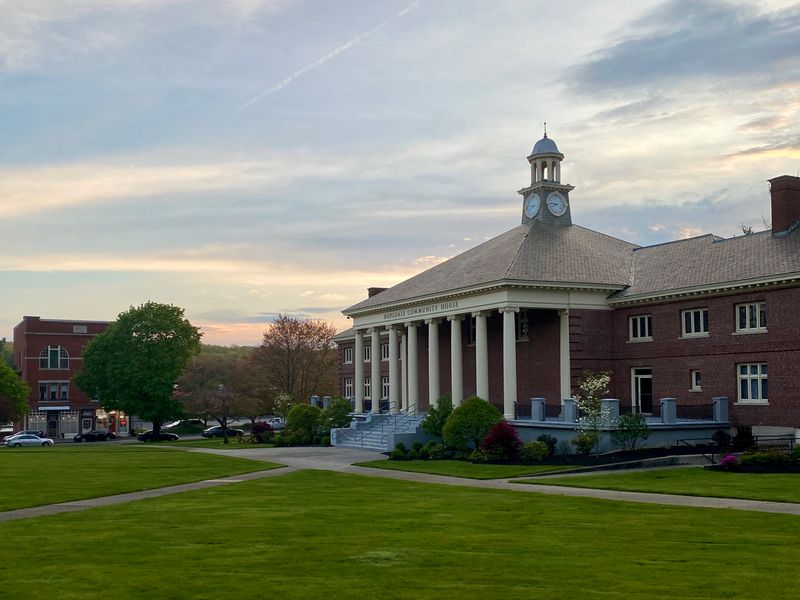
Tucked into the Blackstone Valley, this small Massachusetts town feels like a place where industrial history never fully loosened its grip on the landscape.
You can still sense the ordered vision of a company town here, where mills, homes, civic buildings, and open space were once tied closely to the ideals of work and community.
That balance gives Hopedale a distinctive personality that is quieter and more planned than many former manufacturing centers.
Its story is closely linked to the Draper Corporation, a major name in textile machinery that helped drive the region’s prosperity for decades.
As you move through town, the surviving brick structures and neatly arranged streets hint at the confidence of an era when machinery innovation shaped both the local economy and residents’ daily lives.
Even when some buildings have changed use, the original industrial framework remains easy to read.
What makes a visit especially rewarding is how approachable the history feels.
You are not looking at a single preserved landmark set apart from everything else, but a whole community where the mill town pattern still influences the view from one block to the next.
Churches, civic buildings, and former worker housing create a layered setting that helps you picture shifts changing, families walking home, and the steady pulse of factory life.
For anyone exploring historic Massachusetts, Hopedale offers a thoughtful stop that rewards slow observation rather than big spectacle.
The town invites you to notice details like masonry, street layout, and the relationship between water, industry, and neighborhood life.
If you want a mill town that feels intimate, legible, and deeply rooted in the Commonwealth’s industrial past, this is an easy place to appreciate.
2. Whitinsville (Northbridge)
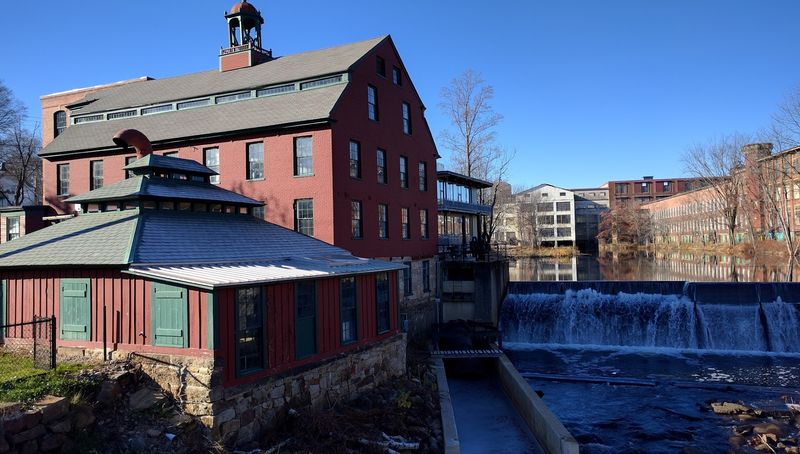
Along the Mumford River, this village presents one of the most recognizable mill town landscapes in central Massachusetts.
Large brick complexes, sturdy civic buildings, and tightly connected streets make it easy to understand how manufacturing once organized nearly every part of local life.
When you walk or drive through Whitinsville, the scale of that legacy is immediately visible.
The village is best known for its connection to the Whitin family, whose industrial reach helped transform Northbridge into a major textile center.
Their influence can still be read in the architecture, from impressive mill buildings to community institutions that grew alongside factory success.
You get a strong sense that industry here was not just about production, but about shaping a whole social and physical environment.
What I find compelling is how substantial the surviving historic fabric remains.
Many mill towns have fragments of their past scattered here and there, but Whitinsville still feels unified, with a downtown and industrial core that hold together as a coherent place.
That gives you a richer experience, because the story is not abstract or hidden behind a few plaques, it is embedded in the village itself.
Whitinsville also fits beautifully into a wider Blackstone Valley trip, especially if you enjoy tracing the routes of early American industry through Massachusetts.
The river setting, dense building stock, and long manufacturing history combine to create a townscape that feels both practical and quietly grand.
If you are searching for a place where the Commonwealth’s mill era still looks tangible, lived in, and remarkably complete, this village stands out for all the right reasons.
3. Uxbridge
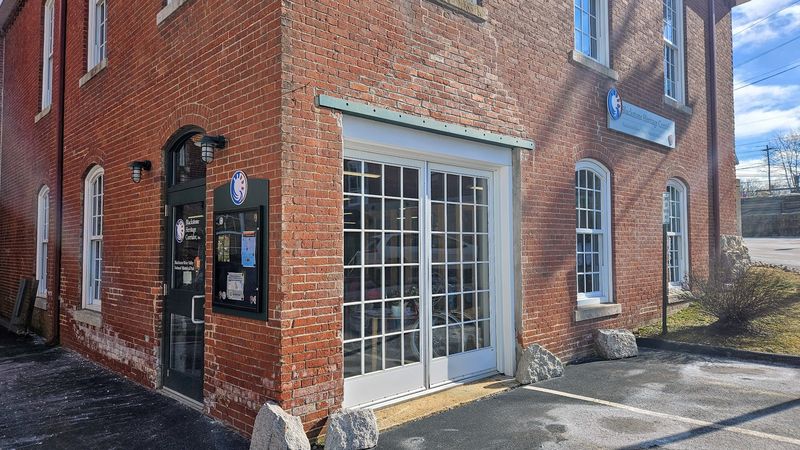
Set within the Blackstone Valley, this Massachusetts town carries a deep industrial history that stretches back to the earliest phases of American manufacturing.
Waterpower, transportation links, and skilled labor all helped turn the area into an important center for textile production and related trades.
As you explore Uxbridge, that past still appears in mills, village clusters, and landscapes shaped by the river.
The town is especially appealing because its history is spread across multiple sections rather than concentrated in one single block.
That means you notice industrial influence in bridges, roads, old housing, and reused buildings that continue to anchor the community.
Instead of feeling frozen in time, Uxbridge shows how a mill town can evolve while still keeping its historic identity visible.
There is also a wider Blackstone story here that adds depth to every visit.
This valley is often called the birthplace of the American Industrial Revolution, and towns like Uxbridge help explain why that description matters.
You are seeing not only old factories, but the regional network of water, labor, commerce, and invention that changed Massachusetts and the nation.
For travelers who like history with a strong sense of place, Uxbridge delivers more than a quick photo stop.
The town invites you to connect buildings with waterways, neighborhoods with employment patterns, and local landmarks with a much larger economic story.
If you want to step back into a Massachusetts mill town where industry, geography, and community development still fit together clearly and compellingly, Uxbridge makes a rewarding and memorable destination.
4. Turners Falls (Montague)
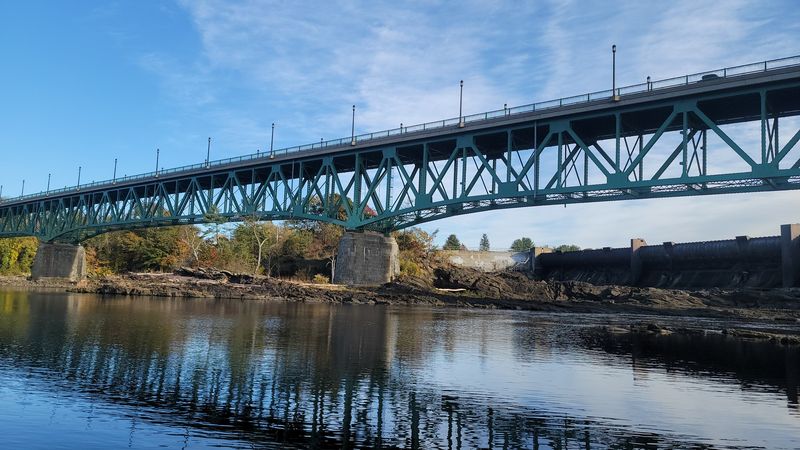
Perched beside the Connecticut River, this village has a mill town character that feels both powerful and unexpectedly scenic.
The combination of water, canal engineering, dense brick architecture, and hillside views gives the place a dramatic setting unlike many smaller industrial communities in Massachusetts.
Turners Falls immediately stands out as a town shaped by both natural force and human ambition.
Its growth was tied to hydroelectric power and planned industrial development in the late nineteenth century, and that legacy still shows in the canal system and substantial factory buildings.
As you move through the village, you can feel how carefully the industrial landscape was laid out to harness the river and support manufacturing.
The result is a place where infrastructure itself becomes part of the historic appeal.
Another reason this stop is so memorable is the contrast between rugged industry and vibrant village life.
Downtown storefronts, tightly packed streets, and surviving mill architecture create an atmosphere that feels active rather than purely nostalgic.
You are not just looking at remnants of production, but at a community that still uses its historic bones as the setting for everyday life.
If your idea of a great Massachusetts mill town includes bold architecture and a strong sense of geography, Turners Falls deserves a place near the top of the list.
The riverfront setting helps every historic detail feel larger, from brick facades to bridges and canal edges.
For anyone who wants to experience how waterpower, design, and local resilience shaped the Commonwealth’s industrial past, this village offers one of the most visually striking and historically layered examples around.
5. Southbridge
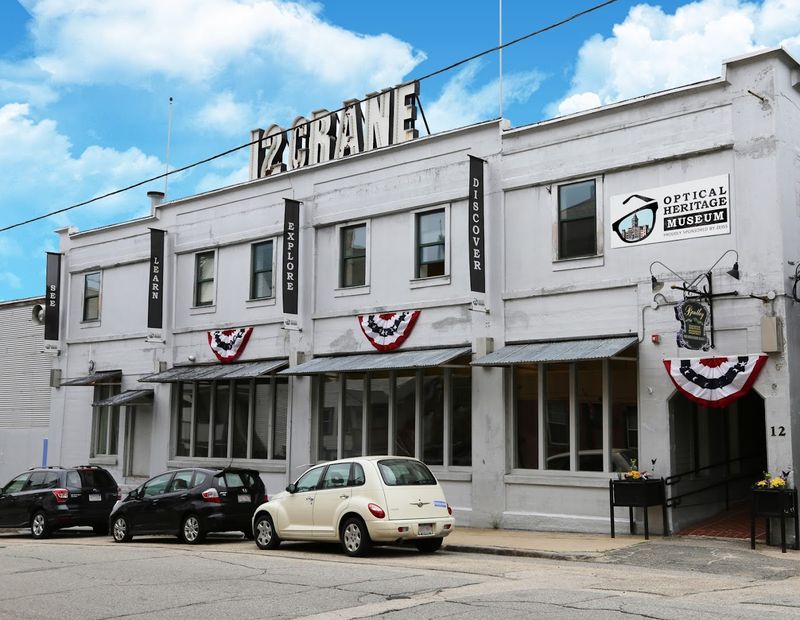
In South Central Massachusetts, this town tells a broader industrial story than many people expect at first glance.
While textile manufacturing mattered here, Southbridge became especially well known for optical production, giving its mill era a distinctive identity within the Commonwealth.
That mix of industries left behind a built environment that feels varied, substantial, and deeply connected to working life.
As you explore the town, old factory blocks and commercial buildings reveal how industry once supported a busy downtown and tightly knit neighborhoods.
The architecture has the solid, practical confidence you hope to find in a historic mill center, with brick facades and streets that still reflect earlier patterns of commerce and employment.
Even when the economy changed, the physical framework of that industrial success remained.
What makes Southbridge interesting is that it does not fit a single simple stereotype of a New England mill town.
It developed through manufacturing, entrepreneurship, and local adaptation, so the townscape feels layered rather than uniform.
You get a richer sense of how Massachusetts communities evolved when mills expanded, specialized, and responded to different markets over time.
For visitors who enjoy places where history is visible but not overpackaged, Southbridge offers plenty to notice.
The town rewards you for paying attention to industrial buildings, worker neighborhoods, and the way civic and commercial spaces grew alongside production.
If you want to understand how manufacturing shaped more than one type of industry in Massachusetts, this is a worthwhile stop that broadens the picture and shows just how diverse the Commonwealth’s mill town heritage can be.
6. Adams
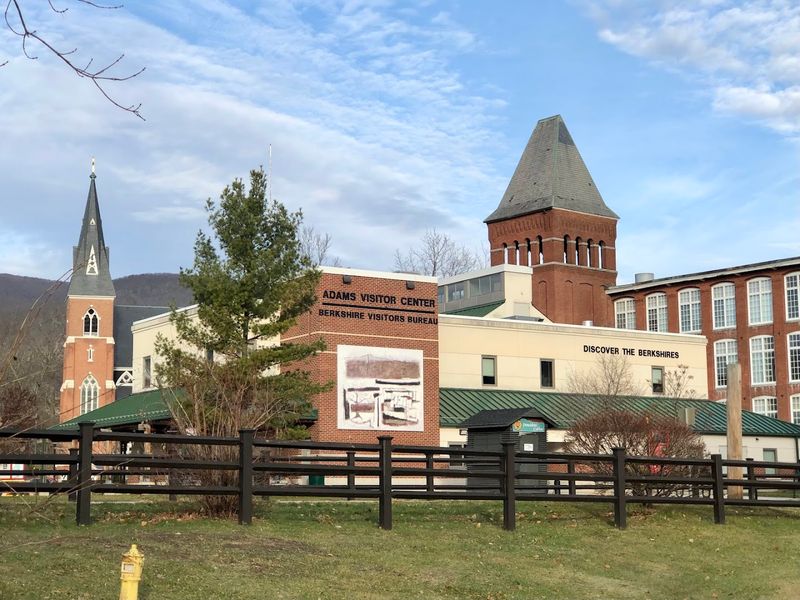
Surrounded by the Berkshires, this former mill town offers a setting where industrial history meets striking mountain scenery.
The landscape alone makes the story feel different, because mills here rose within a valley framed by slopes that add beauty and scale to the old manufacturing district.
As you approach Adams, you can sense how water, terrain, and transportation once worked together to support industry.
The town became an important textile center, and the surviving mill architecture still anchors that legacy in a very visible way.
Large factory buildings, village streets, and neighboring houses create a compact historical picture that is easy to appreciate even on a short visit.
There is a satisfying solidity to the place, as if the industrial age left behind more than memories and actually shaped the town’s entire posture.
I think Adams stands out because it combines gritty industrial heritage with a distinctly western Massachusetts atmosphere.
You are not just looking at brick and stone, but at a community where mountain views and mill walls share the same frame.
That contrast makes the history feel vivid, reminding you that manufacturing once flourished in places now associated as much with scenery and recreation as with labor and production.
If you are planning a mill town itinerary across Massachusetts, Adams adds welcome geographic variety while still delivering strong historic character.
The surviving industrial core helps tell a larger story about how mills spread beyond the eastern part of the state and took root in different landscapes.
For travelers who want their history paired with memorable surroundings, this town makes it easy to step back into the Commonwealth’s industrial past without losing sight of the Berkshires all around you.
7. North Billerica
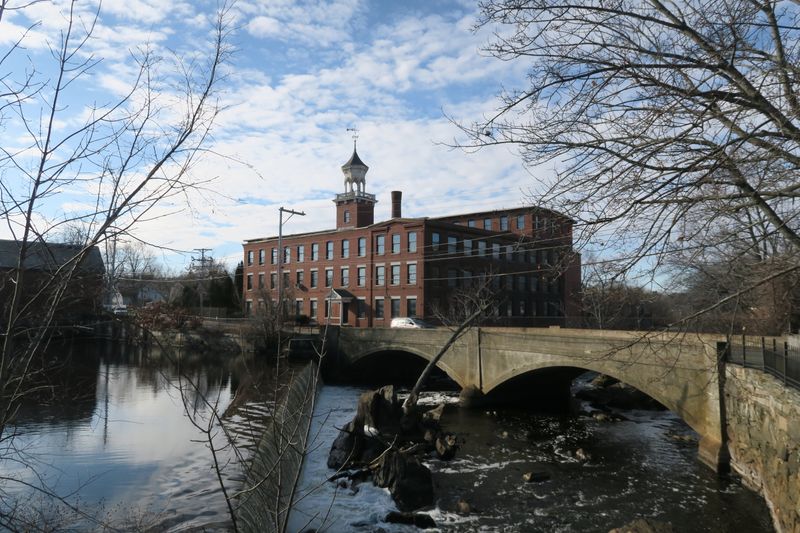
Just north of Boston, this village preserves a quieter side of Massachusetts industrial history that can be easy to overlook.
Its mill town character is woven into the river setting, the old factory buildings, and the village scale that still feels separate from faster suburban growth around it.
When you arrive in North Billerica, the past feels close, even though the region has changed dramatically.
The village developed around textile manufacturing and waterpower, and its surviving industrial architecture gives that history a clear physical form.
Brick buildings, nearby housing, and streets tied to the old mill complex help you imagine how work and community once revolved around the same compact area.
That closeness is part of what makes historic mill towns so compelling, and it remains legible here.
Another appealing feature is the way North Billerica bridges different eras of Massachusetts development.
It belongs to the early industrial story, yet it also sits within a landscape shaped by rail, commuting, and modern suburban life.
Because of that, the village becomes a reminder that mill towns were not isolated relics, but places that adapted as the Commonwealth kept changing around them.
If you enjoy finding history in locations that do not always headline travel lists, North Billerica is worth your attention.
The village rewards a slower look at masonry, waterways, and the relationship between industry and neighborhood form.
For anyone interested in how smaller mill centers contributed to Massachusetts manufacturing while retaining a distinct sense of place, this stop offers a thoughtful and approachable window into a past that still quietly shapes the present streetscape.
8. Indian Orchard (Springfield)
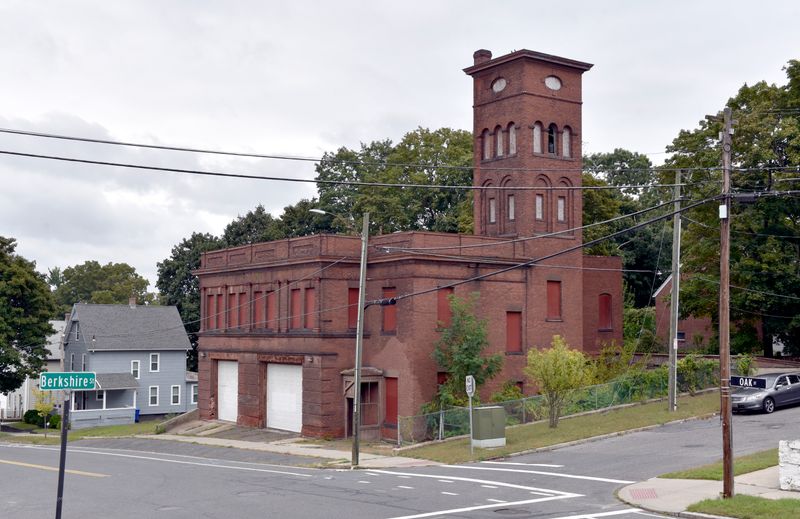
Within Springfield, this neighborhood has the feel of a distinct mill village with its own industrial identity and rhythm.
The concentration of factories, worker housing, and commercial streets creates a sense of place that still reflects the era when manufacturing dominated local life.
Indian Orchard shows how mill town history in Massachusetts was not limited to standalone towns, but also thrived within larger cities.
The Chicopee River played a major role in that development, providing the power and location needed for large-scale production.
As the industry expanded, the neighborhood grew into a dense and active community where work, shopping, worship, and home life all unfolded close together.
You can still read that pattern in the built environment, especially where brick mills and older streets remain prominent.
What makes this place especially interesting is its urban texture.
Unlike smaller villages with a calmer pace, Indian Orchard feels more compressed and energetic, giving you a vivid sense of how industrial neighborhoods function inside bigger population centers.
That density helps the history come alive, because the relationship between factory buildings and daily life feels immediate rather than distant.
For travelers interested in the full range of Massachusetts mill communities, Indian Orchard adds an important perspective.
It reminds you that industrial heritage is not only about picturesque villages, but also about working-class neighborhoods that powered city economies and welcomed generations of immigrant families.
If you want to explore a place where the Commonwealth’s manufacturing past still shows up in brick, street patterns, and community identity, this Springfield neighborhood offers a strong and memorable example.
9. Gilbertville (Hardwick)
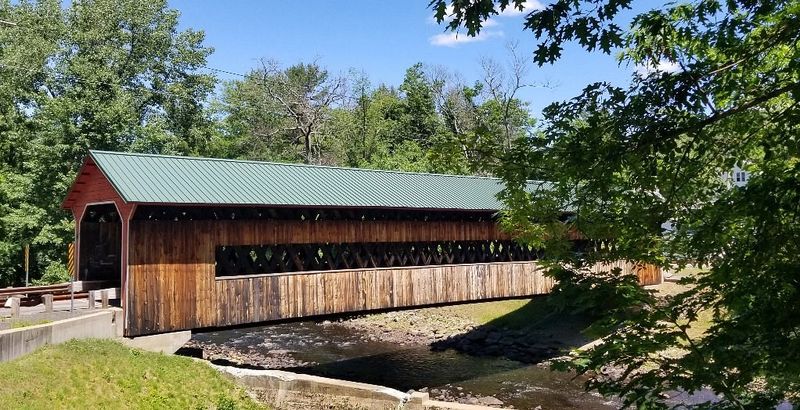
In a more rural part of central Massachusetts, this village offers a mill town experience that feels modest, intimate, and deeply rooted in its surroundings.
The scale is smaller than in some better-known industrial centers, yet that is part of the appeal because the relationship between village, water, and landscape remains easy to see.
Gilbertville invites you to imagine the daily routines of a place where manufacturing touched nearly every aspect of community life.
Historic mills and village buildings still suggest the era when local industry gave the area economic purpose and structure.
The architecture is not flashy, but it carries the practical character that defines so many authentic New England mill settlements.
As you look around, you can sense how jobs, housing, and local institutions once formed a tight web in a compact setting.
I like that Gilbertville feels less curated and more quietly persistent.
You are meeting history on its own terms, in a place where the industrial past survives through atmosphere, scale, and layout rather than through major tourist presentation.
That makes the village especially rewarding if you prefer destinations that feel discovered instead of staged.
For anyone tracing historic mill towns across Massachusetts, Gilbertville proves that smaller communities deserve just as much attention as larger centers.
The village broadens your understanding of how industry spread into rural areas and shaped places that still retain a strong sense of identity today.
If you want a stop where old mills, village streets, and the surrounding countryside come together in a way that feels personal and unhurried, this Hardwick village offers a memorable glimpse into the Commonwealth’s industrial heritage.
10. Forge Village (Westford)
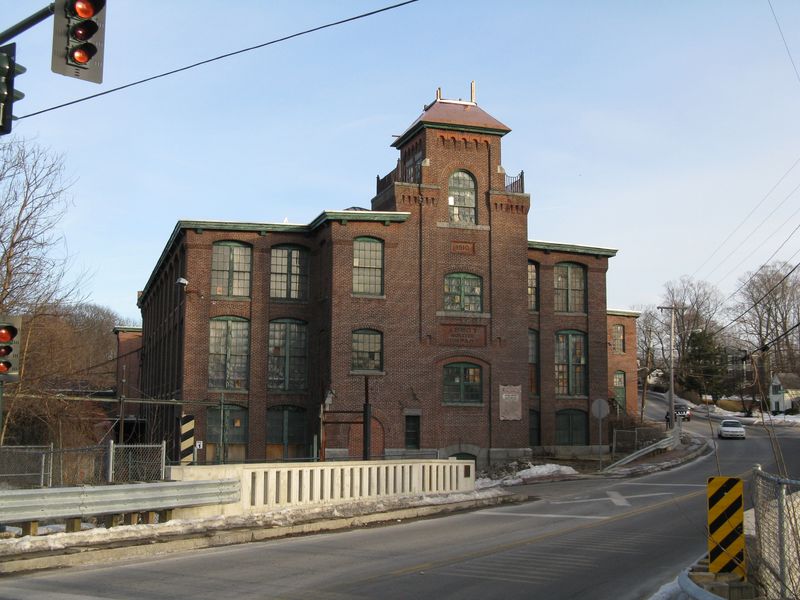
This village in Westford carries a name that immediately points to its industrial roots, and the setting still supports that story today.
Water, compact development, and surviving historic character combine to create a place where early manufacturing feels closely tied to the landscape.
Forge Village may be quieter now, but its past remains visible in ways that reward a careful visit.
The community developed around mills and metalworking activity, with local waterways helping power production and shape settlement patterns.
As you move through the village, you can see how industrial work once drew together homes, roads, and small commercial spaces into a practical, interconnected whole.
That pattern gives the area a historic coherence that stands apart from surrounding suburban growth.
One of the most appealing things here is the sense of continuity.
You are looking at a Massachusetts village that changed over time, yet still preserves enough of its earlier structure to make the mill era understandable.
Instead of overwhelming you with monumental factories, Forge Village tells its story through scale, layout, and the quieter details that many travelers miss when they focus only on larger industrial centers.
If you appreciate destinations where history reveals itself gradually, this is a satisfying stop.
The village encourages you to notice the relationship between working landscapes and community life, from water features to building placement and neighborhood form.
For a broader exploration of Massachusetts mill towns, Forge Village adds an important chapter, showing how smaller industrial settlements helped power the Commonwealth while creating places that still feel grounded, distinct, and very much shaped by their manufacturing origins.
11. Haywardville (Medford)
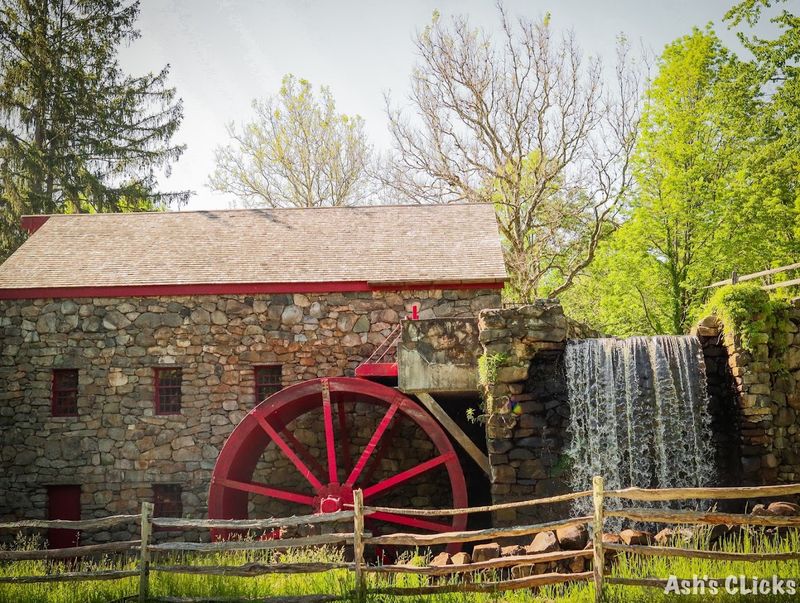
Close to Boston, this lesser-known historic area reflects an older industrial Medford that many visitors never pause to consider.
Its mill town identity is subtler than in larger, more intact factory villages, yet the connection between waterways, production, and neighborhood growth still shapes the story.
Haywardville is the kind of place where a little historical imagination can transform an ordinary pass through town into something much richer.
The area developed during a period when manufacturing took advantage of river access, local labor, and proximity to regional markets.
In Massachusetts, that combination often produced communities where industry blended directly into residential and commercial life, and Haywardville followed that pattern.
Even where redevelopment has altered the landscape, the industrial origins remain an essential part of understanding how this part of Medford evolved.
What makes it worth including is precisely that layered, partly hidden quality.
Not every mill town story survives in grand brick complexes, and sometimes the most interesting places are the ones that require you to read the city more carefully.
Here, the value lies in seeing how the industrial past influenced street patterns, settlement, and local identity within a heavily developed metropolitan setting.
For travelers interested in the full range of Massachusetts industrial heritage, Haywardville offers a useful reminder that mill history extends beyond the most photogenic destinations.
It shows how smaller manufacturing districts near major urban centers contributed to the Commonwealth’s growth and left marks that can still be traced today.
If you enjoy finding overlooked chapters of local history, this Medford area gives you a quieter but meaningful way to step back into the world that mills helped build.
Share this story