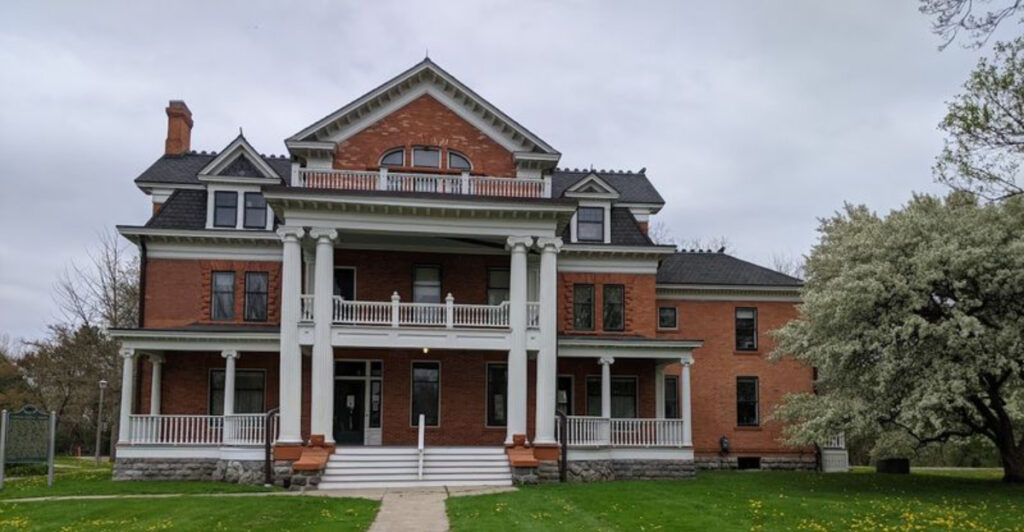
Lansing has a mansion that changes your sense of the city before you even reach the front door. Turner-Dodge House & Heritage Center pairs polished grandeur with a surprisingly intimate museum experience, where period rooms and local history sit close enough to study at your own pace.
The setting near Old Town adds another layer, making the visit feel connected to the broader story of north Lansing. If you want a place that delivers architecture, atmosphere, and context without dragging you through a stiff formal tour, this is the one to read about.
The Mansion on the Hill That Resets the Lansing Skyline
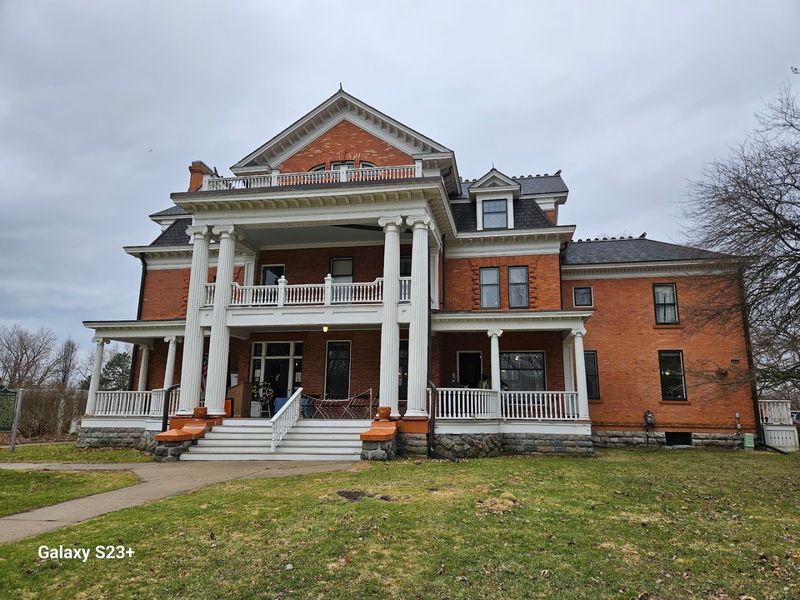
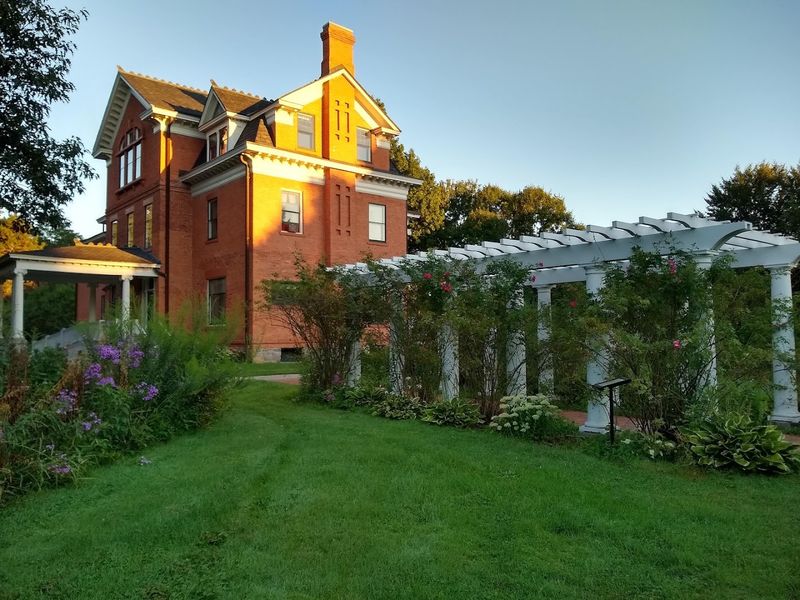
Turner-Dodge House makes its point before you cross the threshold. Set above the street at 100 E North St, the mansion rises with the kind of confident profile that instantly changes the scale of its surroundings.
Lansing can feel practical and low slung in many areas, so seeing this large historic house appear near Old Town creates a visual jolt that is both elegant and slightly unexpected.
The approach matters here. A house this large could come off as sealed, ceremonial, or distant, but the site reads more like a prominent residence that still belongs to the neighborhood’s story.
That mix of civic presence and domestic shape is part of the appeal, because it makes the building easier to connect with than a marble monument or a museum block.
Architectural details pull your attention upward and outward at the same time. The broad massing, prominent porch, generous windows, and formal symmetry communicate wealth from another era without needing flashy landscaping or theatrical signage.
Even if you only circle the grounds, the mansion delivers strong lines for photography, clear views from multiple angles, and enough texture in the facade to keep your eyes busy.
That exterior impact also sets up the rest of the experience. Instead of entering a place that needs heavy interpretation to become interesting, you start with a building that already tells you plenty about aspiration, status, and the city’s older layers.
By the time the front door comes into view, the house has already done one important job well: it has turned local history into something visible, immediate, and hard to shrug off.
Inside the Rooms, the Velvet Rope Is Missing
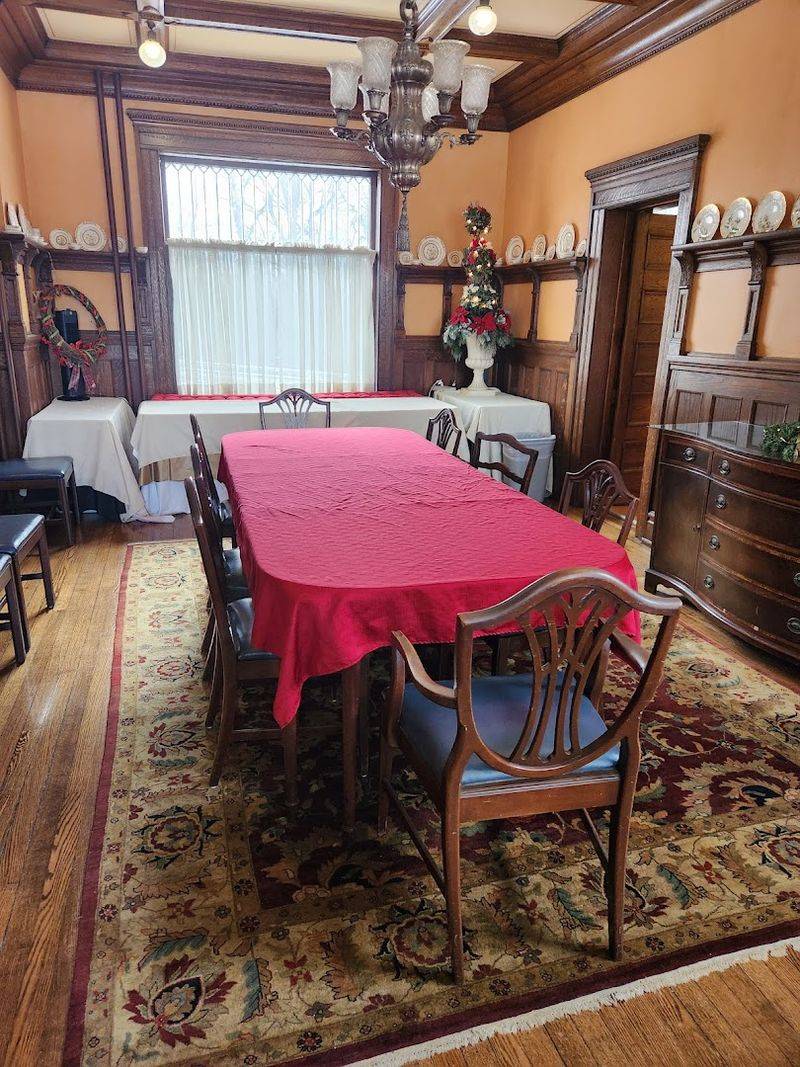
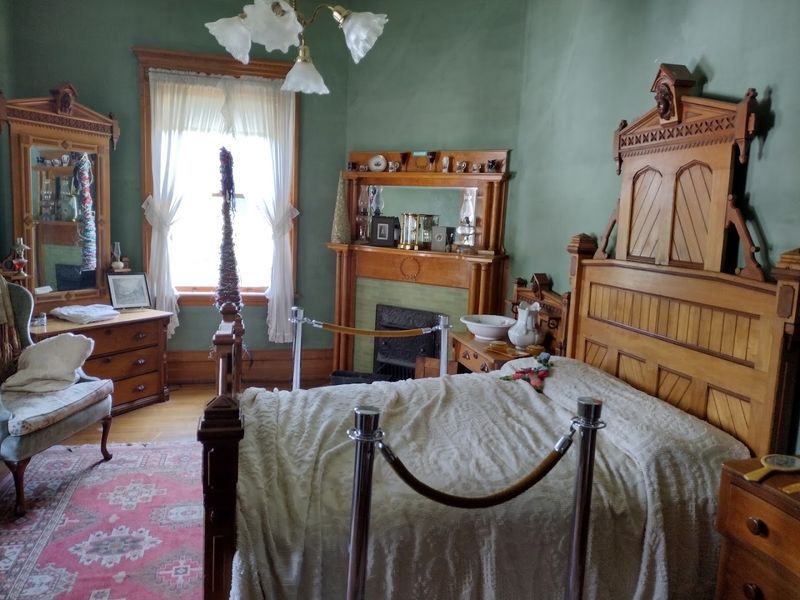
Plenty of historic houses ask you to admire the past from a careful distance. Turner-Dodge House does something more interesting by letting the rooms read as rooms first, not fenced off stage sets.
That decision changes the whole tone of the visit, because you move through the mansion with a stronger sense of scale, layout, and daily use instead of peeking across barriers at decorative objects.
The interior is known for period furnishings and accessories, and those pieces matter most when they are seen in relation to one another. A chair is not just a chair here.
It becomes part of a larger composition of taste, comfort, status, and domestic performance, especially when paired with woodwork, mantels, stair details, and the rhythm of adjoining spaces.
This closeness gives the house an intimacy many museums never achieve. Older visitors can study how wealthy families arranged formal and private life, while younger ones get a clearer lesson than they would from a textbook panel alone.
The experience is self guided enough to encourage wandering, yet structured enough that the historic framework stays legible as you move from room to room.
There is also a small thrill in being trusted with the space. You are not shuttled through a rigid path where every glance is prescribed in advance.
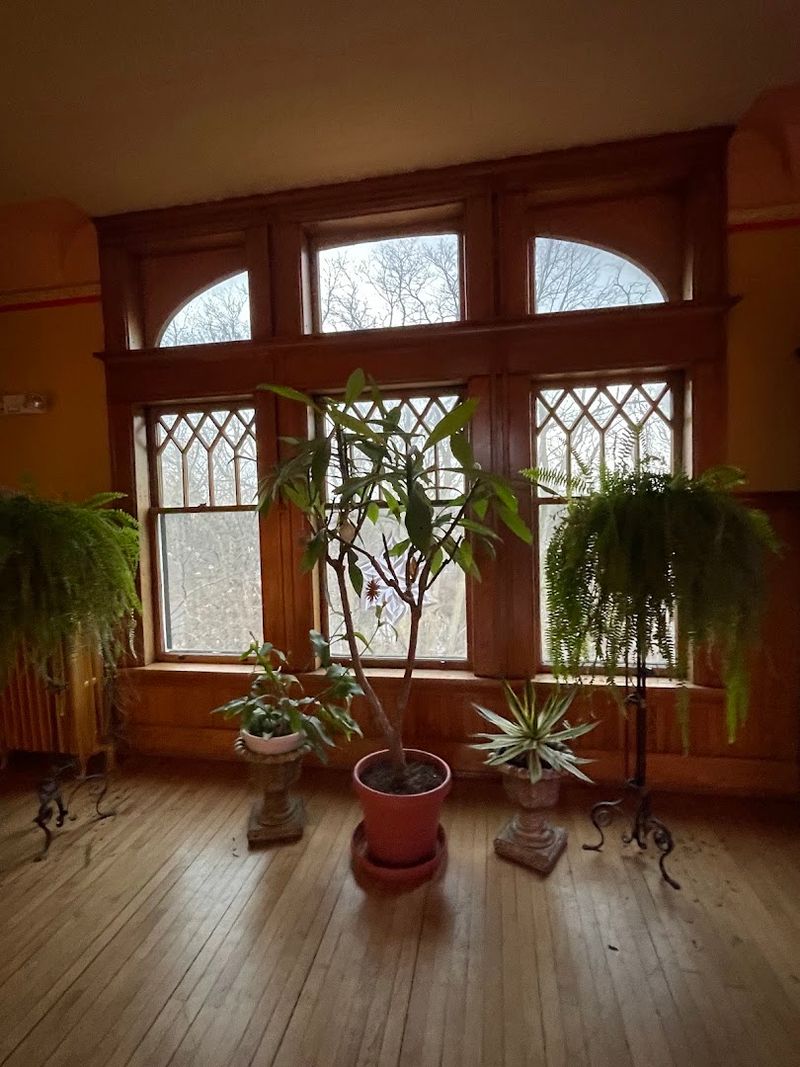
Instead, the mansion invites slower observation, whether that means lingering over decorative objects, noticing how light falls across the floors, or stepping back to take in the proportions of a parlor. For a history museum, that physical openness is a major strength, and it makes the house easier to read as lived architecture rather than museum theater.
Michigan History Hiding in Plain Sight on the Walls
The mansion itself is the headline, but the wall material gives Turner-Dodge House a second track that is just as rewarding. Historic photographs, local stories, and contextual displays tie the home to Lansing’s wider development, so the visit does not stay trapped in a single family’s decorative world.
You are constantly reminded that this place belongs to a changing city, not an isolated fantasy of old wealth.
That broader framing is especially useful in a state capital where architecture can easily be overshadowed by government buildings and campus conversations. Here, local history becomes specific and domestic.
Instead of abstract timelines, you get a more grounded sense of how power, industry, and civic life shaped the north side, and how one prominent house can reflect larger social ambitions within Michigan’s past.
The best moments often happen when the formal elegance of a room collides with a documentary detail nearby. A polished interior suggests privilege, then an image or caption expands the picture by placing the house within neighborhood growth, family legacy, or the city’s shifting identity.
That contrast prevents the experience from becoming a simple mansion walk through, because each room has the potential to point beyond itself.
It also helps explain why the house continues to matter. Preserved rooms are enjoyable on their own, but preserved context is what gives them weight.
Turner-Dodge House works because it offers both, with the displays acting as connective tissue between architecture and place. If your favorite museum visits are the ones where you come away understanding a city a little better, not just admiring a handsome building, this layer of interpretation is where the house earns extra attention.
Where Grand Rooms Double as a Working Civic Stage
Some preserved houses are visually impressive but functionally frozen. Turner-Dodge House has a livelier identity because it also operates as an event setting, and that changes how you read the building.
When a mansion still hosts receptions, celebrations, seasonal displays, and performances, the rooms stop behaving like sealed relics and start acting like part of the city’s present tense.
That active use fits the property well. The architecture already carries the posture of a place built to receive people, so gatherings do not feel forced into the rooms.
Instead, the space seems to return to one of its natural strengths: staging social life with a little ceremony, a little polish, and plenty of visual drama provided by the house itself.
There is a practical advantage to this dual role too. Even on a standard museum visit, you can sense that the mansion is not being preserved merely to be stared at.
It remains part of Lansing’s cultural circulation, hosting moments that range from holiday programming to more intimate private events. That keeps the house from slipping into the remote category of local landmark that everyone recognizes but few actually enter.
The event side also explains why the place can appeal to more than one type of visitor. Architecture fans get structure and detail.
Local history followers get context. People scouting a memorable venue see scale, atmosphere, and an interior that already knows how to hold attention without much extra decoration.
In a city where multipurpose historic spaces are not endless, Turner-Dodge House stands out by doing museum work and civic hosting in the same elegant shell. That combination gives it a pulse that many formal house museums simply do not have.
The Best 45 Minutes in the House Belong to Slow Walkers
Turner-Dodge House is not the kind of museum that should be rushed between errands. The strongest visit comes from slowing down and letting the layout guide you, especially since self guided exploration is part of the appeal.
Around forty five minutes can be enough for a satisfying pass, but only if you treat the mansion as a sequence of rooms to read rather than a checklist to finish.
Start by letting the architecture lead. The exterior creates expectations, then the interior answers with changing room proportions, sightlines, furnishings, and historical displays that gradually deepen the story.
If you move too quickly, the house risks becoming a blur of old wood and nice objects. If you move at a measured pace, the place opens into relationships between public rooms, private corners, decorative choices, and the social status those choices signaled.
This is also a good house for visual pauses. Stand in a doorway for a moment before entering the next room.
Look back down a hall instead of always forward. Notice how a museum housed in a former residence communicates through arrangement as much as through labels, with furniture placement and circulation patterns quietly explaining how the home once projected order, comfort, and prestige.
Late afternoon visits can be especially appealing when the light softens the interiors and the atmosphere calms down. The mansion does not need flashy effects to become photogenic or absorbing.
It simply rewards attention. For anyone who likes local history best when it is experienced through space, texture, and pacing, Turner-Dodge House delivers most when you give it time to unfold room by room instead of trying to conquer it in one brisk lap.
Plan Around the Schedule, Not the Fantasy
Turner-Dodge House rewards planning, because its limited public hours are part of the experience whether you like that or not. The museum is open Tuesday through Thursday from 1 PM to 7 PM and closed Friday through Monday, so this is not a casual drop in spot for a random weekend afternoon.
If you show up without checking the schedule, you may end up admiring the exterior only.
That schedule shapes the crowd, the pace, and the kind of visit you can have. Midweek hours often make the mansion feel calmer than more heavily trafficked attractions, which suits the house’s quieter strengths.
You are there to notice details, move through rooms at a measured speed, and absorb history without the churn of a packed queue or a loud tourist circuit.
Location helps keep the outing manageable. Being near Old Town makes it easier to pair the house with a broader north Lansing plan, whether that means a neighborhood stroll, some extra photography, or a more architecture focused afternoon.
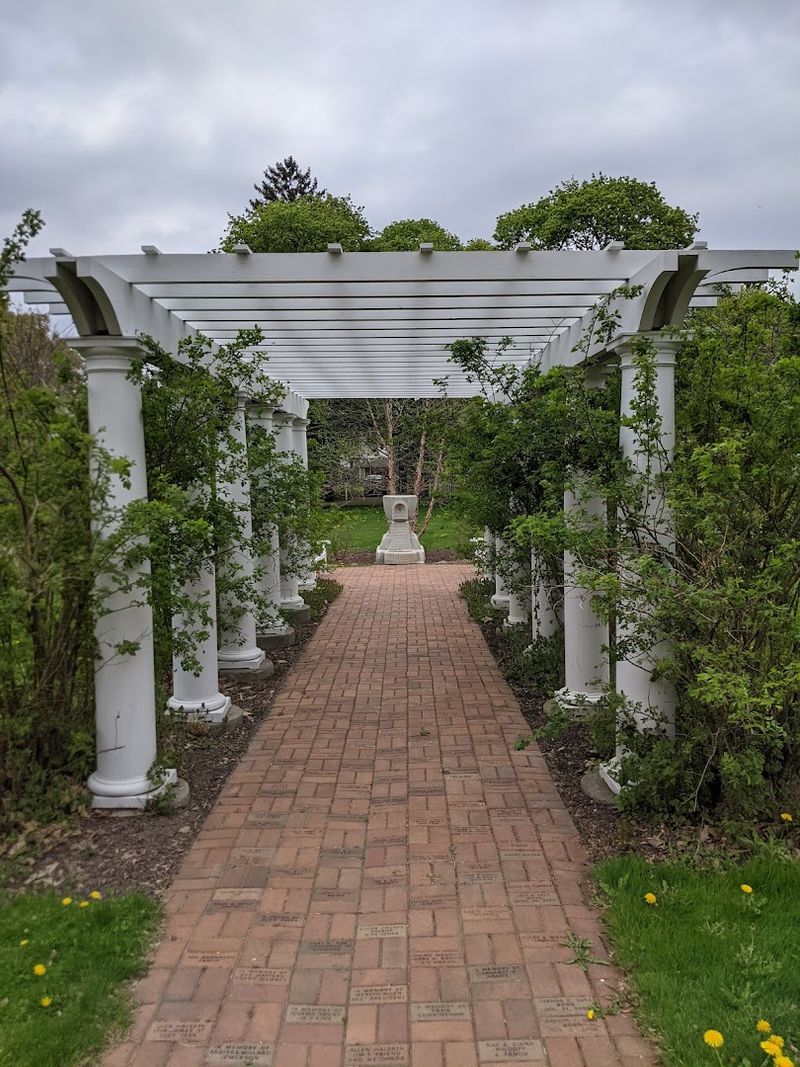
Even if the museum happens to be closed when you pass by, the grounds and exterior still offer enough visual interest to justify a brief stop, especially for first time visitors trying to map the city’s historic layers.
The smartest move is simple: build the day around the house instead of trying to squeeze the house into an already crowded day. That means arriving with enough time to linger, accepting that the mansion works on its own timetable, and treating the visit as a deliberate feature rather than a backup activity.
In return, you get a more relaxed and coherent experience, which suits this particular property far better than a rushed, clock watching approach ever could.
Why This Lansing Address Still Matters
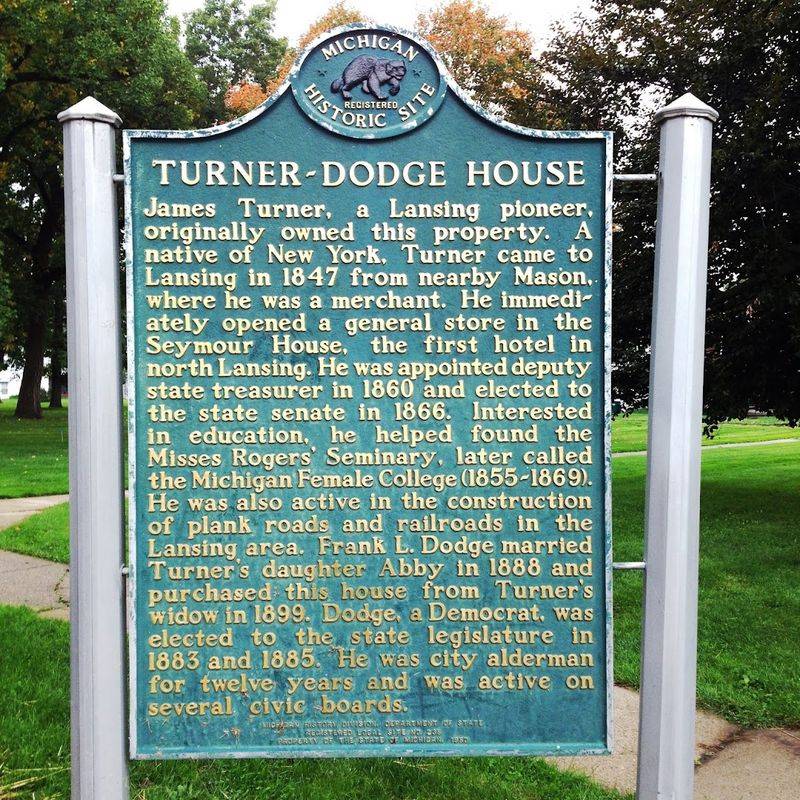
Turner-Dodge House stands out because it preserves more than a handsome old building. It preserves a way of reading Lansing that is easy to miss if you only know the city through government offices, traffic corridors, or newer development.
At this address, local history becomes architectural, walkable, and personal enough to study at room level rather than from a distance.
That is a meaningful distinction. Plenty of places can tell you that a city has deep roots.
Fewer can show those roots through a mansion that still carries the visual language of ambition, domestic display, and civic standing. The house gives shape to an older chapter of Lansing without flattening it into trivia, and the museum framework keeps that chapter connected to people, neighborhoods, and change over time.
There is also value in how approachable the experience remains. You do not need an academic interest in preservation to get something from the visit.
The appeal can begin with the exterior, deepen through the rooms, and sharpen through the historical material on display. By the end, the house has done three jobs at once: it has offered visual pleasure, supplied context, and made a familiar Michigan city look more layered than it did before.
For travelers, locals, photographers, and anyone building a smarter list of Lansing stops, Turner-Dodge House earns attention by being specific. It is not trying to be a sprawling museum campus or a flashy attraction machine.
It is a grand historic home with real presence, a clear sense of place, and enough interpretive substance to hold your attention well beyond the front porch. In a city that can hide its older elegance in plain sight, this mansion puts it directly in front of you.
Share this story