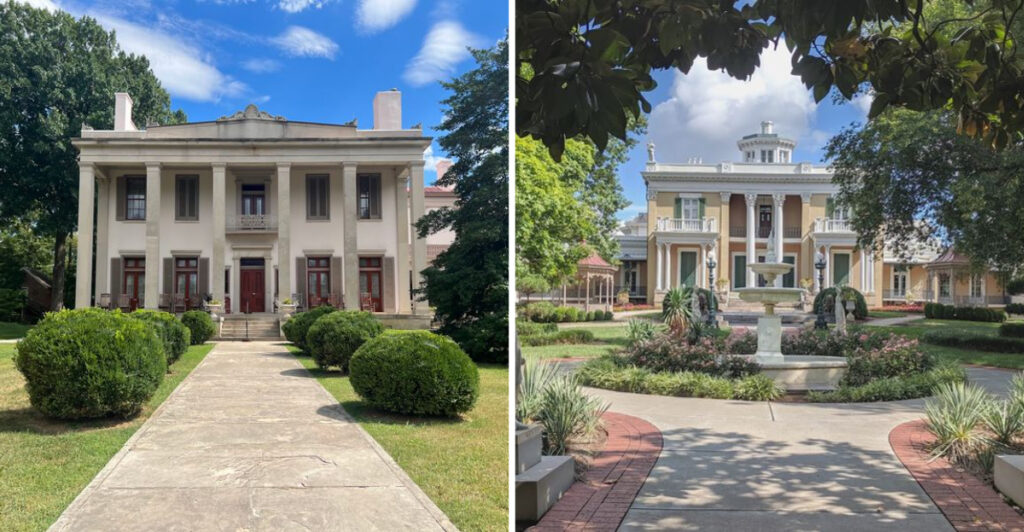
Explore Tennessee’s rich history by touring twelve remarkable mansions and estates that have been beautifully preserved and opened to the public. From elegant antebellum homes and grand Victorian residences to historic plantations and presidential estates, each destination offers a unique glimpse into the people, architecture, and events that helped shape the Volunteer State. Whether you’re fascinated by Civil War history, stunning period furnishings, or beautifully landscaped grounds, these historic landmarks provide an unforgettable journey through Tennessee’s past while showcasing some of its most impressive architectural treasures.
1. Belle Meade Historic Site & Winery – Nashville
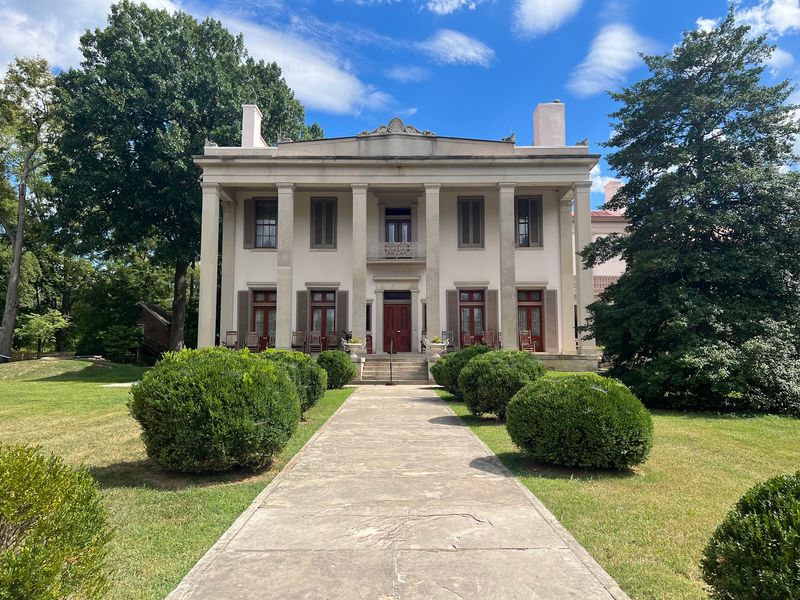
Known as the “Queen of Tennessee Plantations,” this sprawling estate once covered more than 5,400 acres and was home to one of the finest thoroughbred breeding operations in America. The mansion itself showcases stunning Greek Revival architecture, complete with towering columns and elegant rooms filled with period furnishings. Visitors can explore the main house, carriage house, and several original outbuildings that paint a vivid picture of antebellum life.
The property’s history extends beyond horse breeding into the complexities of the Civil War era, when the estate survived battles and occupation. Today, guided tours share stories of both the enslaved community that built and maintained the property and the Harding and Jackson families who owned it. The experience includes tastings at the on-site winery, which produces wines using traditional methods.
Special events throughout the year bring history to life through reenactments and seasonal celebrations. The grounds remain beautiful year-round, making any visit memorable. Whether you’re a history enthusiast or simply appreciate stunning architecture, Belle Meade offers an authentic glimpse into Tennessee’s past that feels both educational and deeply moving.
2. Belmont Mansion – Nashville
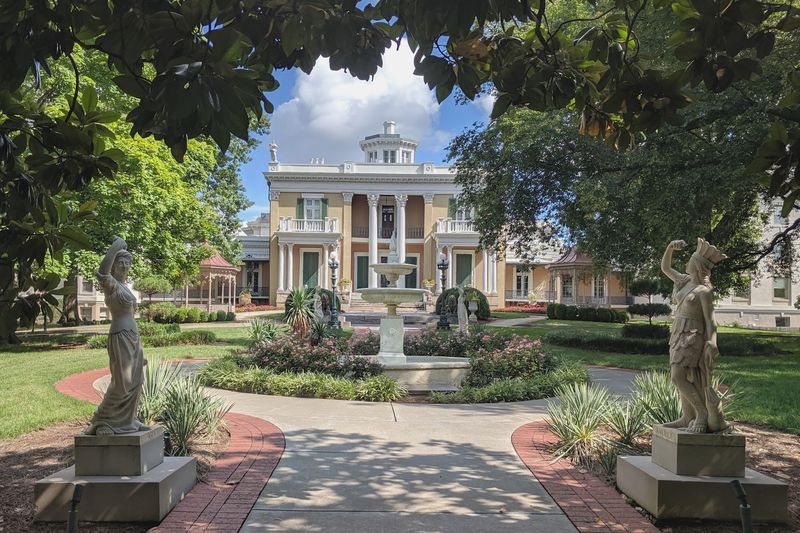
This Italian Villa-style mansion stands as one of the largest house museums in Tennessee, boasting 36 rooms filled with original furnishings and artwork. Built in the 1850s for Adelicia Acklen, one of the wealthiest women in America at the time, the estate represents the height of antebellum luxury. The elaborate plasterwork, imported marble mantels, and hand-painted ceilings showcase craftsmanship that remains breathtaking nearly two centuries later.
Adelicia’s story alone makes the visit worthwhile. She was a shrewd businesswoman who managed her plantations and investments with remarkable skill during a time when women rarely controlled such wealth. The mansion survived the Civil War largely intact, though it served as a Union headquarters for a period.
Tours guide visitors through lavishly decorated parlors, bedrooms, and dining spaces that reveal how the elite lived during the Victorian era. The grounds include beautiful gardens and the original water tower, adding to the estate’s charm. Educational programs and special exhibitions regularly enhance the experience, offering fresh perspectives on nineteenth-century Southern society.
For anyone interested in women’s history or architectural splendor, Belmont Mansion delivers an unforgettable experience that goes far beyond typical house tours.
3. Andrew Jackson’s Hermitage – Hermitage
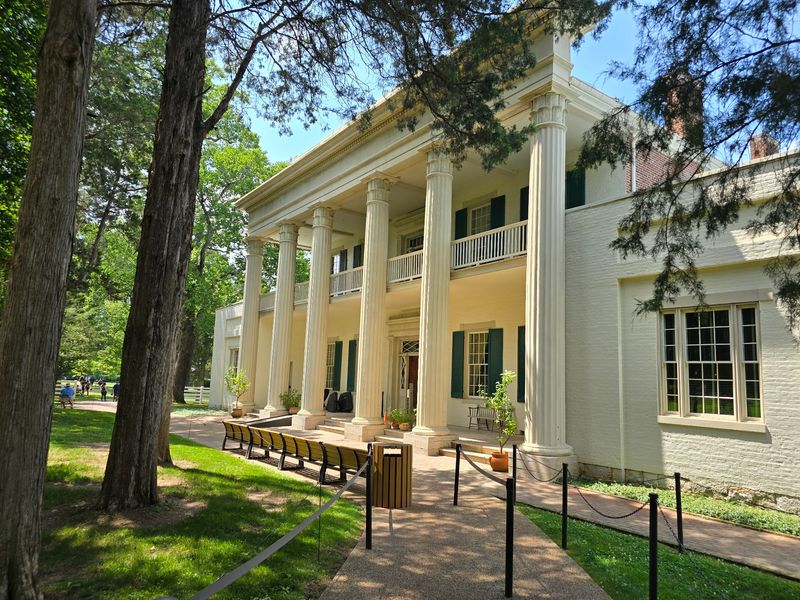
Home to America’s seventh president, this estate offers an intimate look at Andrew Jackson’s life from his military triumphs to his controversial presidency. The mansion itself went through several transformations, beginning as a modest farmhouse before evolving into the stately columned residence visitors see today. Original wallpaper, furniture, and personal items remain in place, creating an authentic atmosphere that transports you to Jackson’s era.
The property extends well beyond the main house, encompassing Jackson’s tomb, the original log cabin, gardens, and the nearby Alfred’s Cabin, which tells the story of the enslaved people who lived and worked on the plantation. This comprehensive approach to history doesn’t shy away from difficult truths, making the experience both educational and thought-provoking.
Interactive exhibits and knowledgeable guides bring Jackson’s complex legacy to life, discussing his military career, his marriage to Rachel, and his policies that shaped the young nation. The grounds remain beautifully maintained, with walking trails that let you explore the landscape Jackson himself knew. Seasonal events and living history demonstrations add extra layers to the experience, making multiple visits worthwhile for those fascinated by early American history and presidential legacies.
4. Travellers Rest Historic House Museum – Nashville
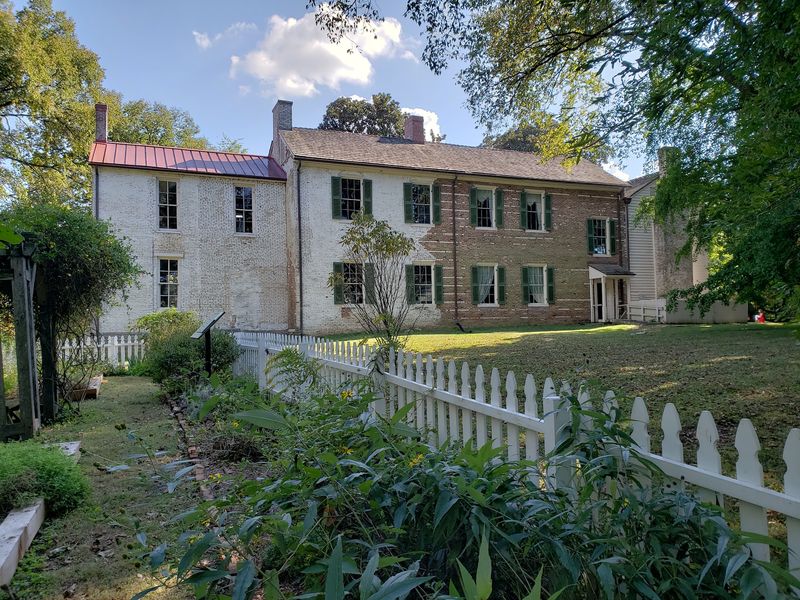
Built in 1799, this Federal-style plantation house served as home to Judge John Overton, a law partner and close friend of Andrew Jackson. The name comes from its original purpose as a working farm and inn along a major Native American trail that later became a key transportation route. The house’s simple elegance reflects the practical sensibilities of early Tennessee settlers who valued function alongside beauty.
Walking through the rooms, you’ll notice how the home expanded over the decades, with additions that tell the story of a growing family and increasing prosperity. Original outbuildings dot the property, including a smokehouse, loom house, and garden dependencies that illustrate the self-sufficient nature of early nineteenth-century plantation life. The site doesn’t gloss over the reality that enslaved workers made this lifestyle possible, offering honest interpretation of that difficult history.
Costumed interpreters and hands-on demonstrations help visitors understand daily life two centuries ago, from cooking methods to textile production. The gardens have been restored using historical records, showcasing plants that would have grown here during Overton’s time. Special programs focus on archaeology, preservation, and the various communities connected to the property, making each visit an opportunity to learn something new about Tennessee’s formative years.
5. Lotz House – Franklin
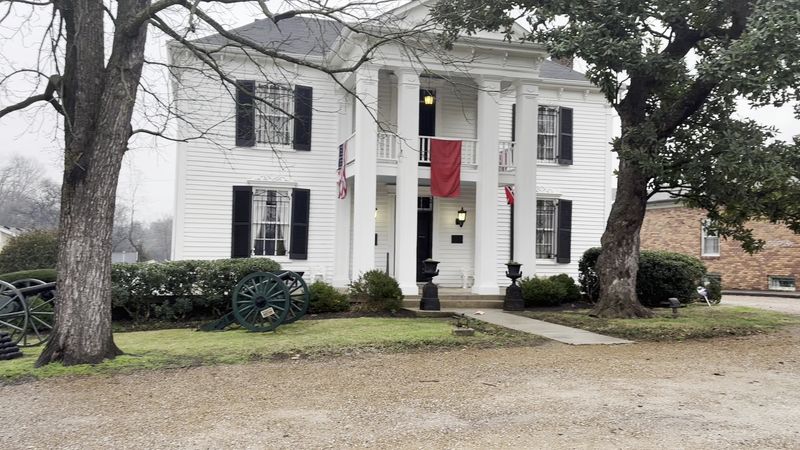
Caught directly in the crossfire during the Battle of Franklin in 1864, this modest home bears witness to one of the Civil War’s bloodiest engagements. The Lotz family huddled in their cellar while thousands of soldiers fought literally on their doorstep, and the house still shows evidence of that terrible day. Bullet holes, bloodstains, and other battle damage have been carefully preserved, offering a visceral connection to the war’s reality.
Johann Albert Lotz, a German immigrant and skilled piano maker, built this home for his family in the 1850s. His craftsmanship extended beyond the house to the beautiful instruments he created, and the museum displays one of his pianos alongside period furnishings. The intimate scale of the home makes the war’s impact feel immediate and personal rather than abstract.
Guided tours share the Lotz family’s harrowing experiences during and after the battle, when their home became a makeshift hospital. The stories humanize the conflict in ways that battlefield monuments cannot. Visitors often find themselves moved by the contrast between the family’s peaceful domestic life and the violence that suddenly engulfed them.
The museum’s location in downtown Franklin allows easy combination with other Civil War sites, creating a comprehensive understanding of that pivotal November day.
6. Carter House – Franklin
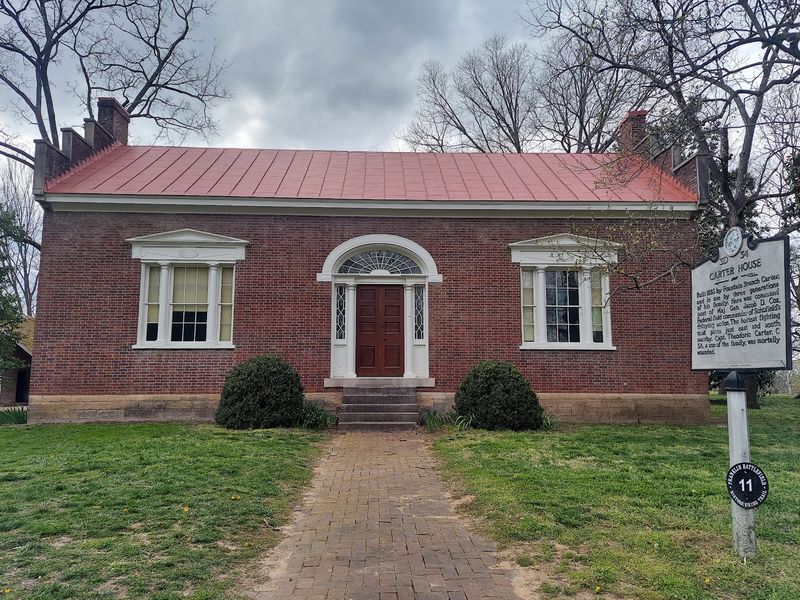
Standing at the very center of the Battle of Franklin, this 1830 farmhouse absorbed some of the heaviest fighting of the entire Civil War. The Carter family took refuge in their basement while Confederate forces launched desperate assaults across their property, resulting in catastrophic casualties. More than a thousand bullet holes still mark the structure, serving as silent testimony to the battle’s ferocity.
The family’s youngest son, Tod Carter, fought with the Confederate army and was mortally wounded just yards from his childhood home. He died two days later in the house, never fully regaining consciousness. This personal tragedy adds an especially poignant dimension to the site’s interpretation.
The museum doesn’t glorify war but instead emphasizes its human cost through the Carter family’s experience.
Behind the house, a small farm office building shows even more extensive battle damage and contains fascinating artifacts recovered from the property. Guided tours connect the tactical military story with intimate family histories, creating a balanced narrative that respects all perspectives. The carefully maintained grounds include original outbuildings and interpretive markers that help visitors understand troop movements and the battle’s progression.
Evening ghost tours offer a different perspective for those interested in the supernatural stories that inevitably surround such tragic sites.
7. Cragfont State Historic Site – Castalian Springs
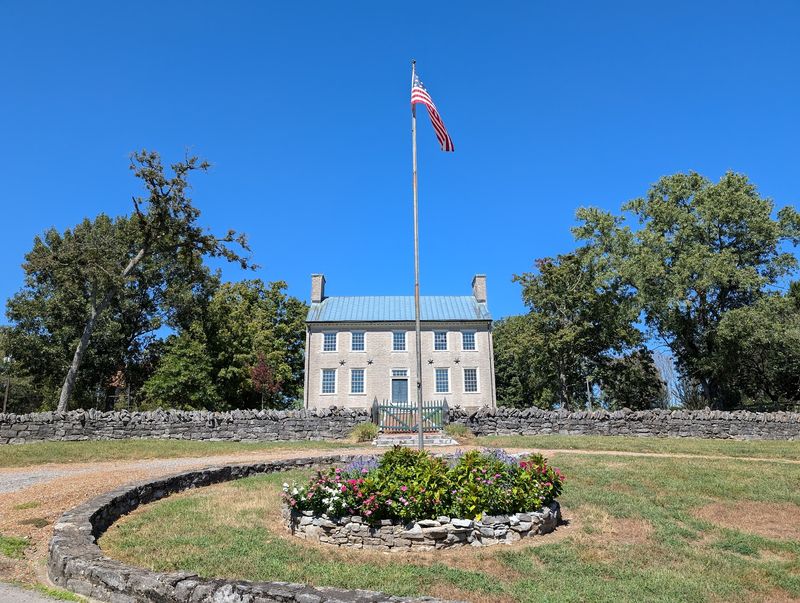
Built entirely of limestone quarried on the property, this impressive mansion rises from the Tennessee countryside like a monument to frontier ambition. General James Winchester, a Revolutionary War veteran and prominent early settler, constructed Cragfont between 1798 and 1802 as both home and fortress. The massive stone walls, some two feet thick, reflect the uncertainties of frontier life during that era.
The house represents one of the finest examples of Federal-period architecture in the region, with elegant proportions and refined details that seem almost miraculous given its remote location and early construction date. Winchester imported skilled craftsmen and fine materials, creating a level of sophistication rare on the frontier. The result feels both rugged and refined, perfectly capturing the contradictions of early Tennessee settlement.
Period furnishings fill the rooms, many original to the Winchester family, offering insights into how the frontier elite lived. The surrounding grounds retain their rural character, helping visitors imagine the isolation early settlers experienced. Special programs explore various aspects of early Tennessee history, from Native American relations to the development of regional architecture.
The site’s relative obscurity means crowds remain small, allowing for a more contemplative experience than you’ll find at busier historic homes. For those willing to venture off the beaten path, Cragfont rewards with authenticity and atmosphere.
8. Historic Rock Castle – Hendersonville
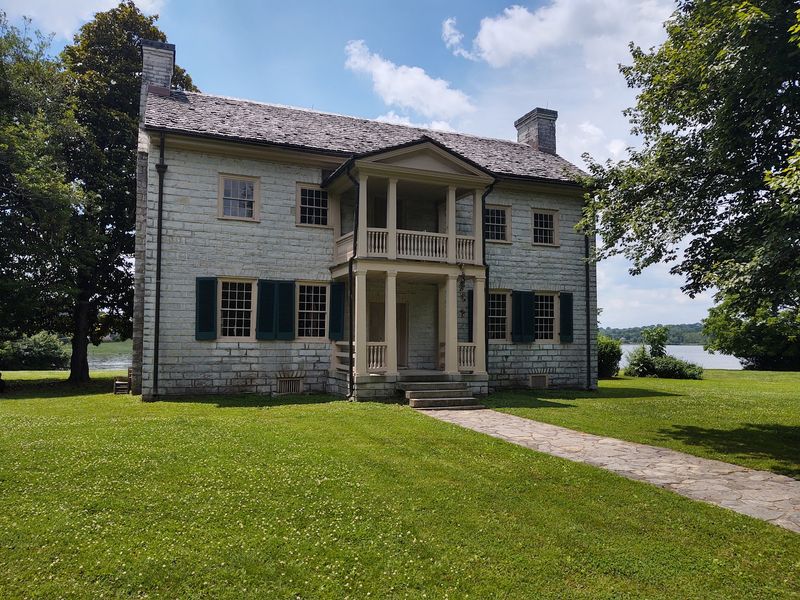
Completed in 1796, this imposing limestone structure ranks among Tennessee’s oldest surviving mansions and served as home to Daniel Smith, a Revolutionary War veteran and one of Tennessee’s first senators. The house earned its name from both its stone construction and its fortress-like appearance, with walls built to withstand potential attacks. Smith chose the site carefully, positioning his home on a bluff overlooking the Cumberland River for both defensive advantages and scenic beauty.
The mansion’s architecture blends practical frontier concerns with Georgian elegance, creating a unique aesthetic that reflects its transitional period in American history. Original woodwork, mantels, and architectural details survive throughout, while period furnishings recreate the atmosphere of prosperous late eighteenth-century life. The house also contains fascinating early innovations, including a clever ventilation system and advanced construction techniques unusual for the frontier.
Beyond the main house, several outbuildings dot the property, including a reconstructed kitchen and other dependencies that illustrate the estate’s self-sufficient operations. Costumed interpreters and special programs bring the past to life, exploring everything from period cooking to surveying techniques Smith used in his work mapping Tennessee. The site’s location near Nashville makes it easily accessible, yet it maintains a peaceful, rural atmosphere that helps visitors connect with Tennessee’s earliest days of statehood.
9. Sam Davis Home – Smyrna
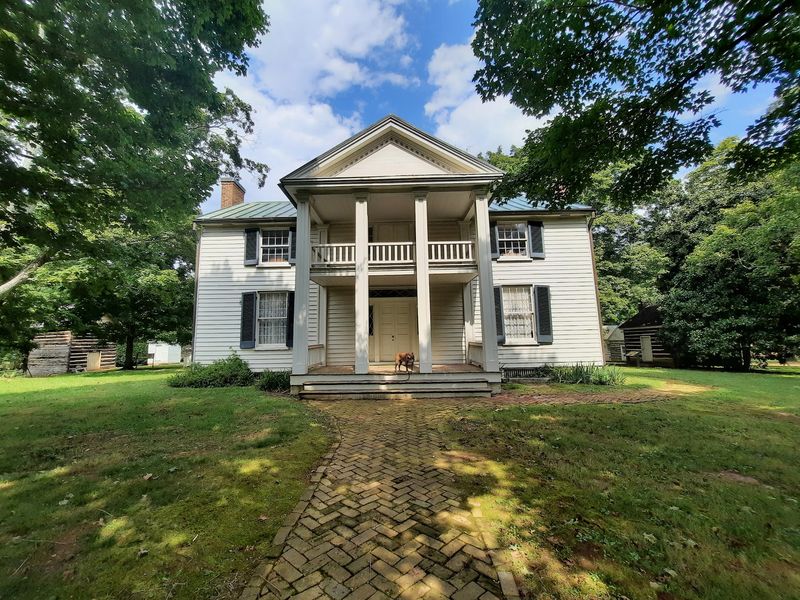
This modest farmhouse tells the story of Sam Davis, a young Confederate scout executed as a spy at age 21, who became known as the “Boy Hero of the Confederacy.” The home where he grew up remains remarkably preserved, offering a window into middle-class rural life in antebellum Tennessee. Unlike grand plantation mansions, this comfortable but unpretentious farmhouse represents the typical experience of most white Southern families during that era.
Davis refused to reveal his sources even when offered freedom in exchange for the information, choosing death over betrayal. His story, whether viewed as heroic or tragic depending on perspective, continues to fascinate visitors more than 150 years later. The museum presents his life and choices within the broader context of the Civil War, acknowledging the complexity of that conflict.
Original family furnishings fill the rooms, creating an intimate atmosphere that makes Davis feel like a real person rather than a historical abstraction. The grounds include several outbuildings, family cemetery, and interpretive areas that discuss the enslaved people who lived and worked on the property. Educational programs explore various aspects of Civil War history, from military tactics to home front experiences.
The site’s peaceful setting belies the dramatic events that made it historically significant, creating a contemplative space for reflecting on war, loyalty, and the choices individuals face during times of conflict.
10. Rippa Villa – Spring Hill
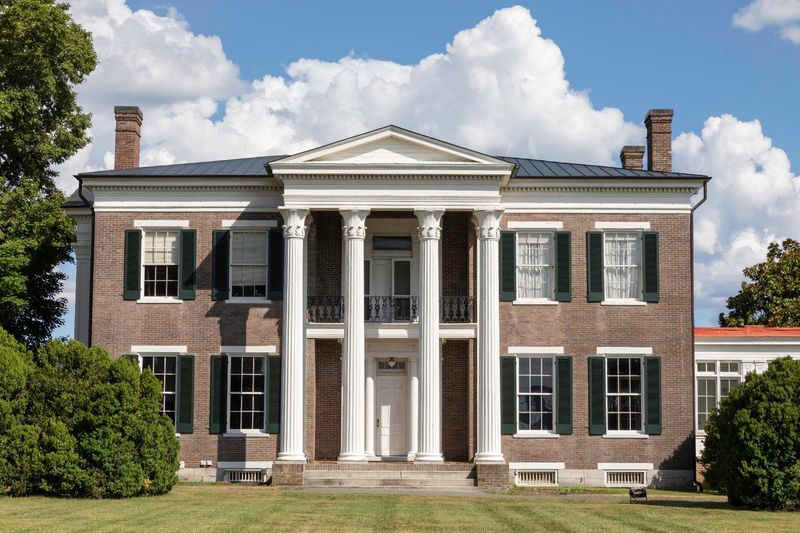
This stunning Greek Revival mansion served as headquarters for both Confederate and Union generals during the Civil War, giving it a unique perspective on that conflict. Built in 1855 for the Cheairs family, the house represents the prosperity some Middle Tennessee families achieved in the decades before the war. The elegant columns, symmetrical design, and refined details showcase the architectural ideals of the antebellum period at their finest.
General John Bell Hood used Rippavilla as his headquarters while planning the disastrous Battle of Franklin, making strategic decisions in the very rooms visitors walk through today. Later, Union forces occupied the property, leaving their own marks on the house’s history. This dual occupation gives the site unusual depth, allowing exploration of the war from multiple perspectives.
The mansion has undergone extensive restoration in recent years, revealing original paint colors, wallpapers, and architectural details hidden for decades. Period furnishings recreate the home’s appearance during its antebellum heyday. The site also addresses the experiences of enslaved people who worked the plantation, providing a more complete historical picture.
Special events, including Civil War reenactments and period demonstrations, bring history to life throughout the year. The grounds remain beautiful, with ancient trees and landscaping that evoke the property’s nineteenth-century appearance. For Civil War enthusiasts and architecture lovers alike, Rippavilla offers a rich, multilayered experience.
11. Tipton-Haynes State Historic Site – Johnson City
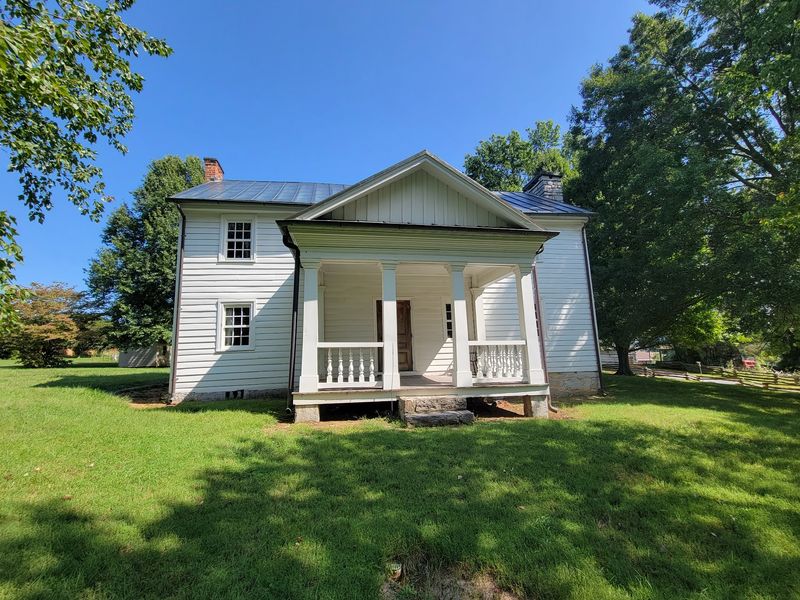
This site preserves more than two centuries of East Tennessee history, from frontier settlement through the Civil War and beyond. The original log structure, built around 1784, was home to Colonel John Tipton, a controversial figure in early Tennessee politics who played a key role in the State of Franklin controversy. Later owners expanded the house and farm, creating layers of history visible throughout the property.
The home sits in a naturally beautiful setting, surrounded by limestone caves, springs, and rolling hills that attracted settlers to this region. Native Americans used this area for thousands of years before European arrival, and archaeological work continues to reveal evidence of their presence. The site interprets this deep history alongside the more recent stories of the families who lived here.
Ten historic structures dot the property, including a smokehouse, loom house, law office, and cave springhouse, each telling part of the story of self-sufficient farm life. Cave tours explore the natural features that made this location desirable, while living history programs demonstrate period crafts and skills. The site hosts numerous events throughout the year, from heritage festivals to historical reenactments.
Gardens planted with heirloom varieties show what grew in East Tennessee gardens generations ago. The combination of natural beauty, architectural interest, and layered history makes Tipton-Haynes a fascinating destination for understanding how East Tennessee developed from frontier wilderness into settled farmland.
12. Oaklands Mansion – Murfreesboro
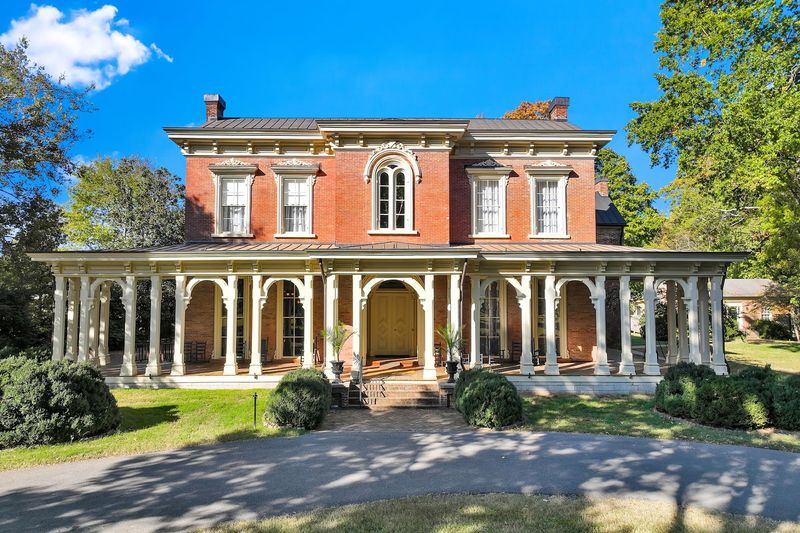
Starting as a simple brick farmhouse in the early 1800s, Oaklands evolved over decades into an elegant Italianate mansion that reflects changing architectural tastes and growing family fortunes. The Maney family expanded and renovated their home multiple times, creating a structure that reads like a timeline of nineteenth-century architectural styles. Each addition tells its own story about the family’s prosperity and aspirations.
The mansion gained historical significance during the Civil War when it served as headquarters for Confederate General Braxton Bragg before the Battle of Stones River. Union forces later occupied the property, and the house witnessed the chaos and destruction that engulfed Murfreesboro during the war years. These wartime experiences left their mark on both the structure and the family who owned it.
Today, the mansion has been carefully restored to its 1860s appearance, with period furnishings and decorative arts that showcase upper-class Southern life before the war. Guided tours explore both the architectural evolution and the human stories connected to the house, including those of enslaved workers who maintained the property. The grounds include beautiful gardens and several outbuildings that help complete the picture of plantation life.
Special events and educational programs regularly enhance the visitor experience, making Oaklands a dynamic site that offers new insights with each visit. Its location in Murfreesboro makes it easily accessible for those exploring Middle Tennessee’s rich Civil War history.
Share this story